Quick Facts
- Optimal Duration: Three days is the ideal timeframe for first-time visitors to balance the "Big Three" museums with neighborhood exploration.
- Booking Essential: The Anne Frank House requires booking 6 to 8 weeks in advance; no walk-up tickets are available in 2026.
- Historical Milestone: 2026 marks the peak of Amsterdam’s 750th Anniversary, featuring year-long festivals and exclusive exhibitions.
- Strategic Advantage: Booking 9:00 AM museum slots can save you between 60 to 90 minutes of queuing time daily.
- Daily Budget: Expect to spend between €110 and €165 per person for a mid-range experience including transport, meals, and entry fees.
In 2026, Amsterdam is more than just a city of canals and lopsided brick houses; it is a city in the midst of a historic jubilee. As the Dutch capital celebrates its 750th anniversary, the atmosphere is electric, blending its Golden Age heritage with a forward-looking, industrial coolness. Whether you are navigating the monochromatic sea of brick in the Jordaan or taking a ferry to the street-art-laden North, the city demands a strategic approach to truly appreciate its rhythm.
One of the most frequent questions I receive is: Is three days enough for Amsterdam? The answer is a definitive yes. Three days allows for a perfect geographic progression—tackling the museum district, the historic canal ring, and the rising industrial hubs without feeling rushed. However, this feasibility hinges entirely on your ability to plan. In a city where over-tourism is managed with surgical precision, your "spur-of-the-moment" window is narrowing.
Essential Planning: Booking & Logistics for 2026
The logistics of Amsterdam have changed significantly in the post-pandemic era, and 2026 has solidified these shifts into law. The most critical piece of advice for any traveler is the Anne Frank House booking rule. Gone are the days of lining up around the Prinsengracht. For 2026, you must secure your tickets online 6 to 8 weeks in advance. The museum operates on a strict timed-entry system, and the "sold out" sign is a permanent fixture for those who wait until they arrive in the city.
Similarly, the I Amsterdam City Card remains the most efficient tool for those looking to maximize their three-day window. While it requires an upfront investment, the inclusion of public transport and museum entries often pays for itself by the end of Day 2.
I Amsterdam City Card vs. Individual Tickets (2026 Comparison)
| Feature | I Amsterdam City Card (72h) | Individual Bookings (3 Days) |
|---|---|---|
| Cost | €100 | ~€145 - €170 |
| Museum Access | 70+ Museums (Rijks, Van Gogh, etc.) | Pay per entry (€22-€25 avg) |
| Transport | Unlimited GVB (Tram, Bus, Metro) | €24 for a 3-day GVB pass |
| Extras | 1 Canal Cruise + Bike Rental | ~€25 extra |
| Best For | High-intensity sightseeing | Slow travelers/Specific interests |
Pro-Tip: Always aim for the 9:00 AM slots for major institutions like the Rijksmuseum. Not only do you get a head start on the crowds, but you also bypass the mid-afternoon bottleneck, effectively reclaiming over an hour of your day for exploration.
Purchase the I Amsterdam City Card →
The Perfect 3-Day Itinerary: A Geographic Progression
Day 1: The Masterpieces & The Canals
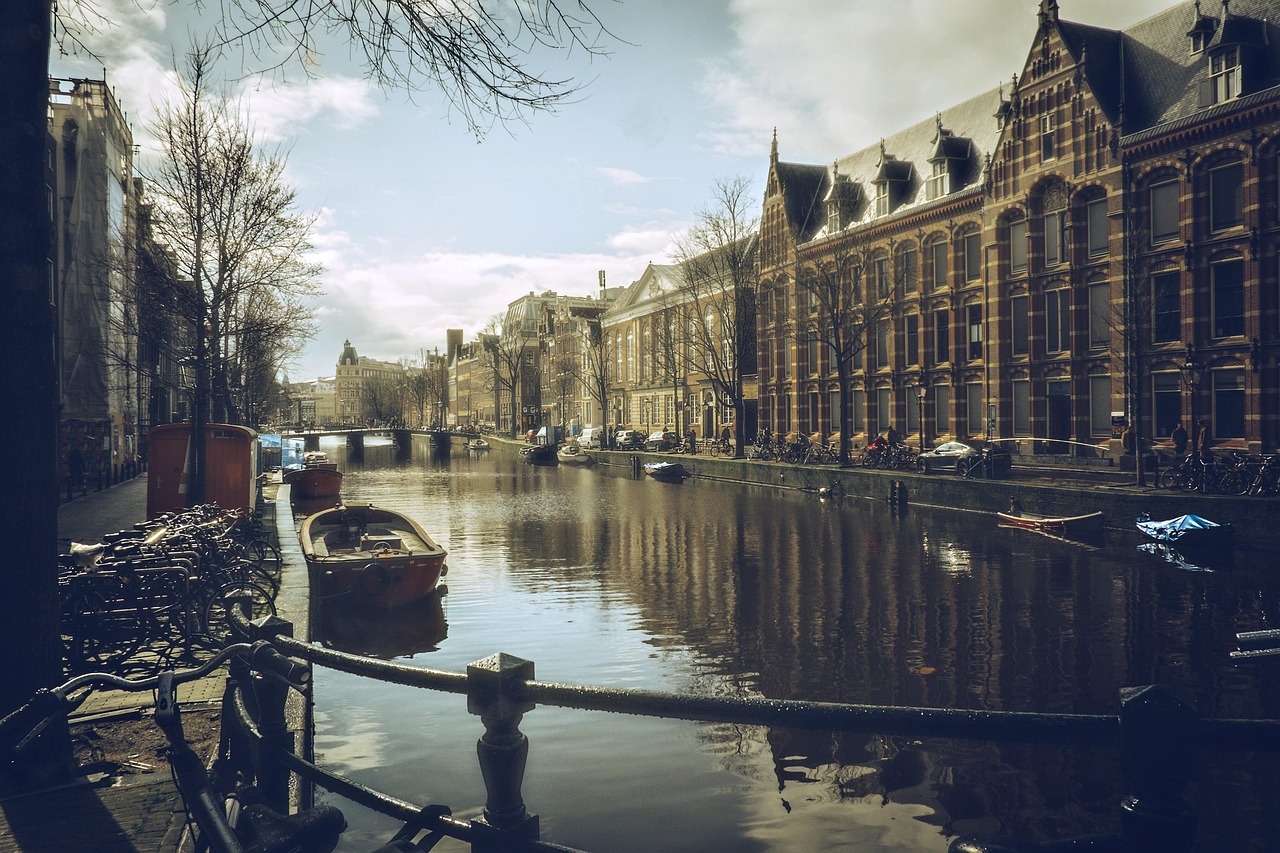
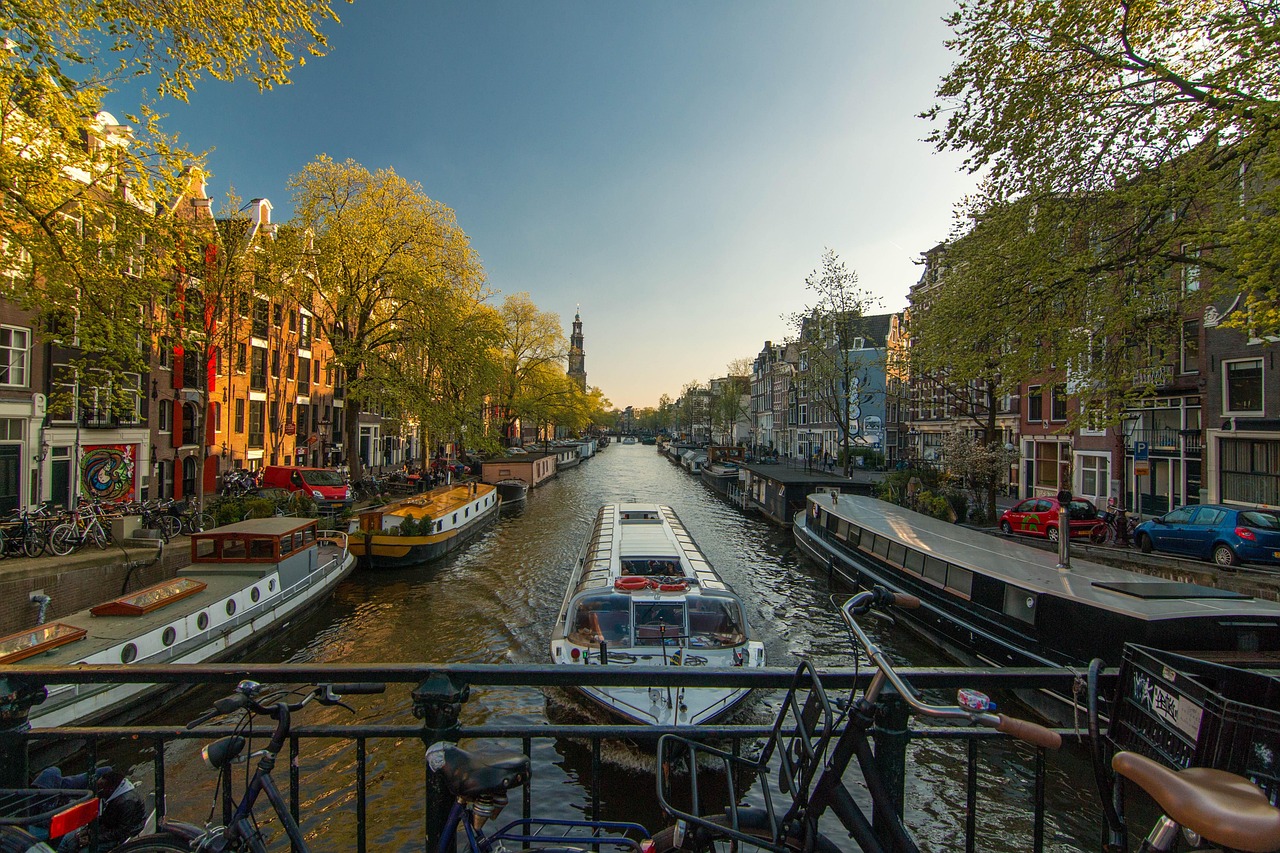
Start your journey in the Museumkwartier. The Rijksmuseum is the morning's priority; focus on the Gallery of Honour to see Rembrandt’s The Night Watch before the school groups arrive. By midday, walk north toward the Canal Ring (Grachtengordel). This is the Amsterdam of postcards, where the 17th-century houses lean precariously over the water. Spend your afternoon lost in the Jordaan, ending with a sunset walk along the Brouwersgracht, often cited as the city's most beautiful canal.
Day 2: Art Immersion & The Industrial North
Dedicate your morning to the Van Gogh Museum (advance booking mandatory). Afterward, head behind Centraal Station and board the free ferry to NDSM Wharf. This former shipyard is now the city's creative heartbeat. Visit the STRAAT Museum for world-class graffiti and street art, then grab a drink at Pllek, a waterfront bar built from shipping containers with a view of the IJ river that rivals any rooftop in Europe.
Day 3: History & Multicultural Modernity
Begin with your pre-booked slot at the Anne Frank House. It is a somber but essential experience. From there, head south to De Pijp, Amsterdam’s "Quartier Latin." Walk through the Albert Cuyp Markt, the largest outdoor market in Europe, to sample local delicacies. Finish your trip with a quiet moment in the Vondelpark or a traditional Jenever tasting to toast to 750 years of history.
The 23 Best Things to Do in Amsterdam
The 'Big Three' Museums
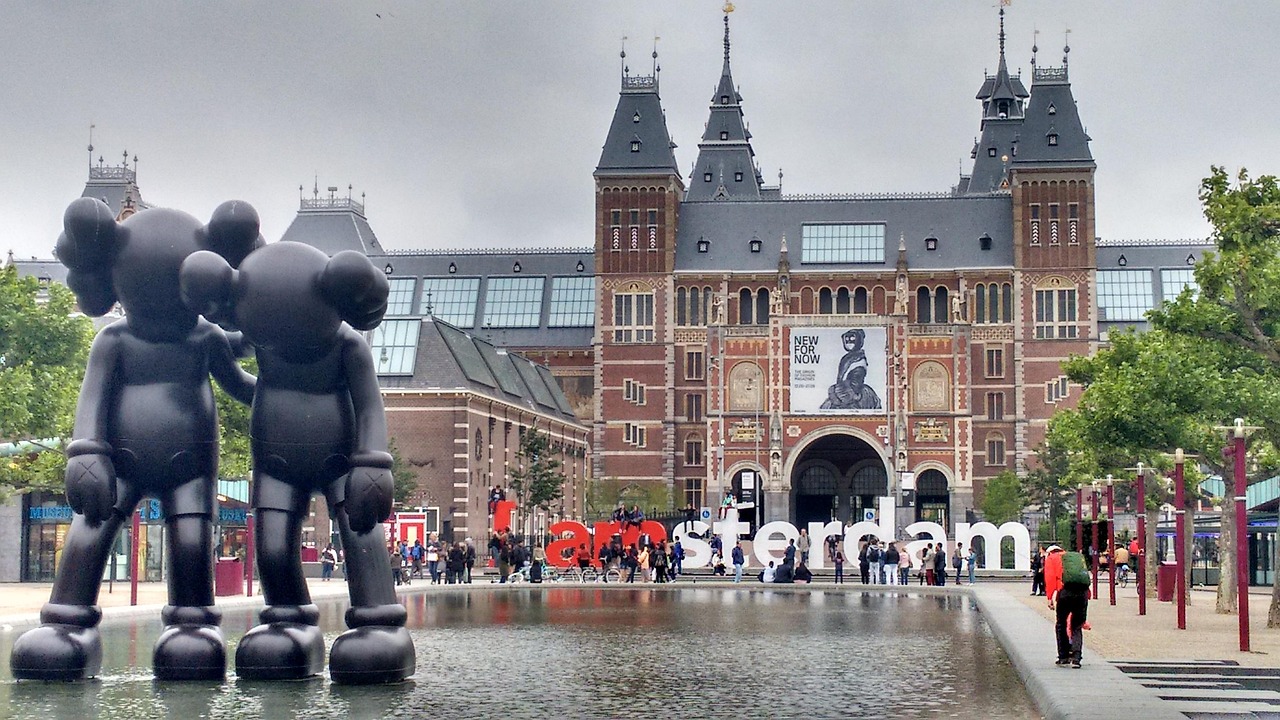
- The Rijksmuseum: More than just a gallery, it is a cathedral of Dutch history. Don't miss the 19th-century Cuypers Library, a hidden architectural gem within the building.
- Van Gogh Museum: Home to the world’s largest collection of Vincent’s work. The 2026 exhibitions focus on his influence on contemporary Dutch painters.
- Stedelijk Museum: Known locally as "The Bathtub" due to its modern extension, this is the place for Bauhaus, De Stijl, and cutting-edge contemporary installations.
Scenic & Outdoor Highlights
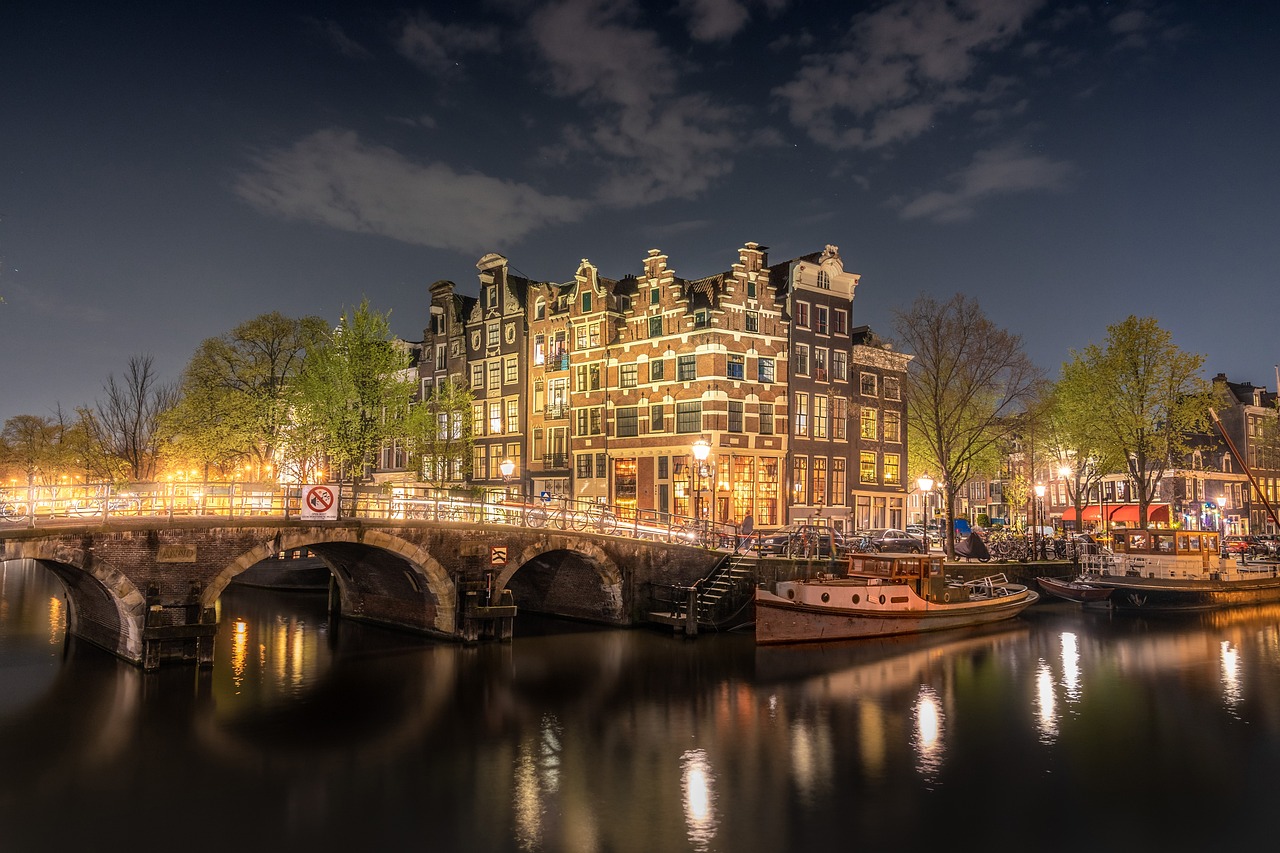
- Canal Cruise: While the large glass-topped boats are standard, I recommend a small-boat luxury cruise or an evening tour when the 1,500 bridges are illuminated.
- Vondelpark: The city's lungs. In 2026, look for the special 750th-anniversary sculptures placed throughout the park.
- Brouwersgracht: The "Brewer's Canal." It offers the perfect perspective of Amsterdam's iconic warehouse architecture.
- Bloemenmarkt: The world's only floating flower market. While touristy, it remains a vibrant sensory experience for tulip bulbs and souvenirs.
Neighborhood Deep-Dives
- Jordaan: Originally a working-class district, it is now the epicenter of "brown cafés" (traditional Dutch pubs) and hidden hofjes (courtyards).
- De Pijp: A multicultural hub. Come here for the best brunch spots and a glimpse of local life away from the Dam Square crowds.
- NDSM Wharf: The industrial frontier. It hosts monthly flea markets (IJ-Hallen) that are legendary among vintage collectors.
- The 9 Streets (De Negen Straatjes): The ultimate boutique shopping destination, cutting across the main canals.
Food & Drink Experiences
- Foodhallen: An upscale food market in a converted tram depot. Try the bitterballen from De BallenBar—the truffle ones are a revelation.
- Stubbe’s Haring: For the authentic Dutch experience, eat a raw herring with onions and pickles at this legendary stall near Centraal Station.
- Indonesian Rijsttafel: A culinary legacy of the colonial era. "Rice table" consists of dozens of small, spicy side dishes served with rice. Blauw is a top choice.
- Brouwerij ‘t IJ: Drink organic craft beer under the shadow of the De Gooyer windmill. It is the most quintessentially "Dutch" afternoon you can have.
- Winkel 43: Famous for serving what is arguably the best Dutch Apple Pie in the city. Expect a queue, but it moves fast.
Hidden Gems & Cultural Sites
- Portuguese Synagogue: A 17th-century marvel that still uses no electricity; it is lit entirely by 1,000 candles during special evening concerts.
- Oude Kerk: Amsterdam's oldest building, located right in the heart of the Red Light District, offering a fascinating contrast between sacred history and secular reality.
- Nieuwe Diep Distillery: Tucked away in Flevopark, this distillery serves traditional Jenever (Dutch gin) in a former pumping station.
- STRAAT Museum: A massive warehouse in the North dedicated entirely to the world's best street artists.
- The Begijnhof: A hidden courtyard dating back to the 14th century, offering a pocket of silence just steps away from the busy Kalverstraat.
- Eye Filmmuseum: Even if you don't go inside, the architecture is a futuristic masterpiece on the banks of the IJ.
- Rembrandthuis: Step into the actual home and studio where Rembrandt painted his masterpieces.
Travel Costs & Budgeting for 2026
Amsterdam has become one of Europe's more expensive capitals. To help you budget for 2026, here is a breakdown of the €110–€165 average daily cost:
- Accommodation: €80–€120 per night (per person, based on double occupancy in a mid-range hotel).
- Food: €40–€60 (A mix of market snacks, one "brown café" meal, and a nice dinner).
- Attractions: €25 (One major museum or tour per day).
- Transport: €8 (A GVB day pass).
For transport, avoid individual tickets. The OV-chipkaart is the standard, but for 2026, most visitors find that "OV-pay" (using your contactless credit card/phone) is the most convenient way to pay for single trips on trams and buses.
Amsterdam 750th Anniversary Events
The 750th Jubilee is the defining theme of 2026. This isn't just a single party; it's a 366-day (it’s a leap year!) celebration. Key events include:
- The Amsterdam 750 Festival: A massive city-wide street party on the A10 Ring Road (temporarily closed to cars).
- The "Faces of Amsterdam": A special exhibition at the Amsterdam Museum showcasing 750 years of the city's diverse residents.
- SAIL Amsterdam 2025/2026: While the main tall ships event is in late 2025, the maritime legacy carries into 2026 with historic boat parades and water-themed light shows.
FAQ
When is the best time to visit for tulips? To see the tulips at Keukenhof and in the city gardens, aim for late April to early May. In 2026, the peak bloom is expected around April 20th.
How to get from Schiphol Airport to the city center? The train is the most efficient method. It takes about 15-20 minutes to reach Amsterdam Centraal and costs roughly €5.50. Trains run 24/7.
Is the Red Light District safe for families? During the day, the area is perfectly safe and features some of the city's oldest architecture. However, in the evening, the atmosphere becomes more adult-oriented and crowded. Most families prefer to stick to the Jordaan or De Pijp after dark.
Conclusion & Travel Tips
Amsterdam in 2026 is a masterclass in how a historic city can reinvent itself without losing its soul. It is a city that rewards the prepared—the traveler who books their 9:00 AM museum slot, the explorer who ventures to the NDSM Wharf, and the foodie who isn't afraid to try raw herring on a street corner.
As you plan your journey, remember that the most memorable moments in Amsterdam often happen between the landmarks. It’s the sound of bicycle bells echoing off brick walls, the reflection of gabled houses in the canal at twilight, and the "gezellig" (cozy) feeling of a candlelit café.