Quick Facts
- Top Overall Pick: Raleigh-Cary, NC (4.5% millennial buyer rate)
- Best for Cash Flow: Cleveland, OH (11.3% gross rental yield)
- Best for Remote Workers: Des Moines, IA (17% below US avg. cost of living)
- Highest Appreciation Potential: Pittsburgh, PA (48% of new mortgages to buyers under 35)
- Tax-Friendly Choice: St. Petersburg, FL (No state income tax)
- Top Migration Destination: Alexandria, VA (12.67% millennial transplant rate)
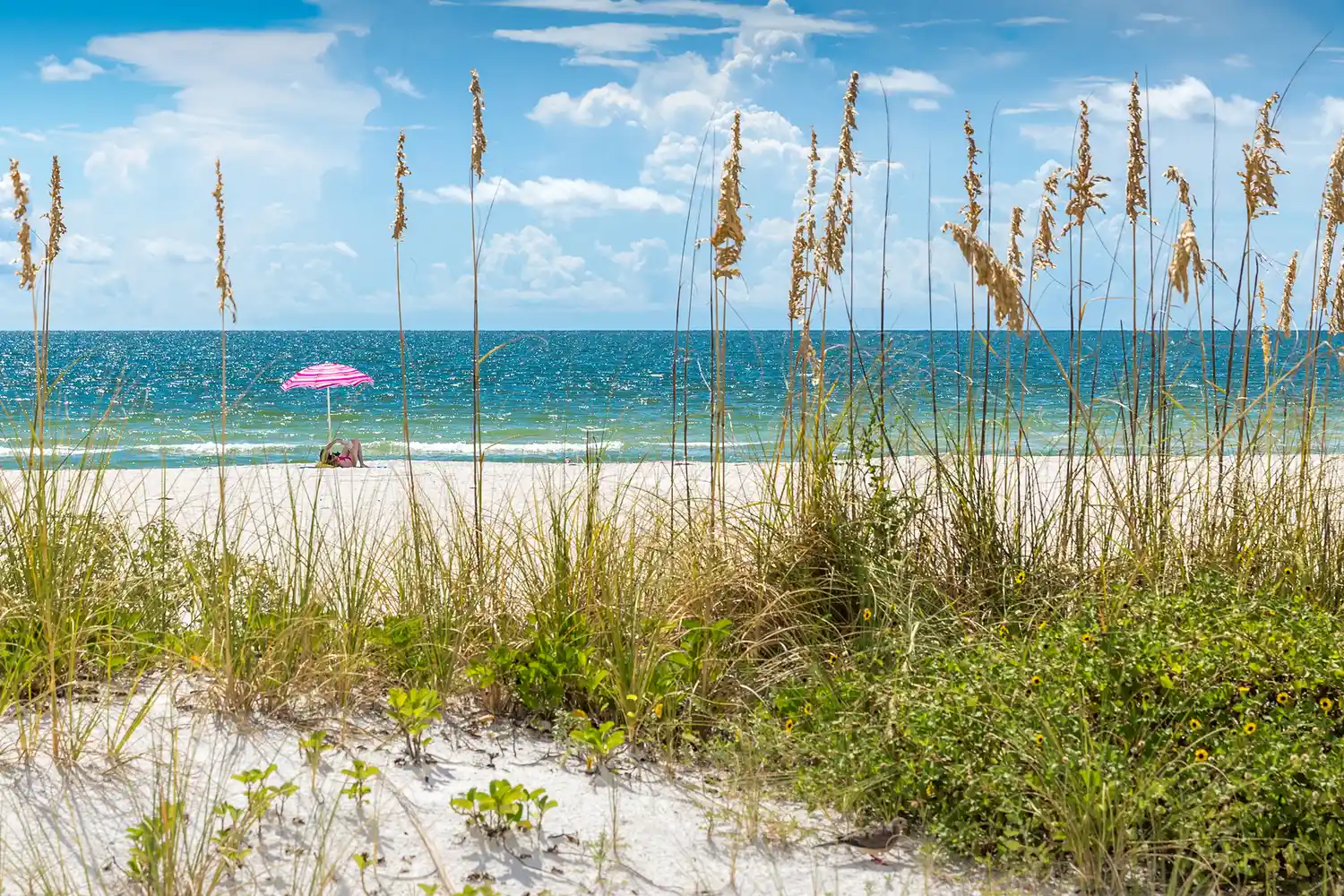
For millennials in 2026, the best real estate markets 2026 are those balancing career opportunities with lifestyle and affordability. Cities like Tampa, Nashville, and Charlotte remain popular due to strong job growth in tech and finance combined with cultural amenities and walkable neighborhoods. While some previously high-growth Sun Belt markets have stabilized, these locations continue to attract young professionals seeking a mix of professional development and social energy.
As we move into 2026, the millennial home buying landscape has shifted. While pandemic-era favorites have stabilized, new opportunities are emerging for young professionals seeking a balance of career growth and affordability. This millennial home buying guide 2026 identifies the best real estate markets 2026, focusing on cities that offer high quality of life, robust job markets, and long-term appreciation potential.
The 2026 Real Estate Reversal: What Changed?
The real estate landscape of 2026 is defined by what I call the Great Rebalancing. For the past several years, the narrative was dominated by an explosive, almost unsustainable migration into specific Sun Belt hubs. However, inventory absorption rates have shifted significantly. In 2026, we are seeing a cooling in formerly overheated markets like Austin and Phoenix, which have transitioned from frantic bidding wars to what experts call a Negotiation Window. This period allows buyers to exercise more leverage than they have had in half a decade.

The primary driver for this shift is a renewed focus on long-term value over short-term hype. Millennial buyers are no longer just looking for the next "it" city; they are analyzing the cost of living index against local wage growth. Supply-constrained markets in the Northeast and parts of the West Coast are seeing a cautious rebound because their local economies are anchored by traditional industries that have successfully integrated hybrid work models. We evaluate these top cities for real estate investment 2026 using a 6-metric anchor: median entry price, job diversity, inventory availability, tax environment, walkability, and long-term appreciation forecasts.
Tier 1: Large Metros for Career Growth & Stability
For those prioritizing professional upward mobility, North Carolina and Florida continue to dominate the top cities for real estate investment 2026. These regions have successfully transitioned from emerging tech scenes to established biotech and health-tech hubs.
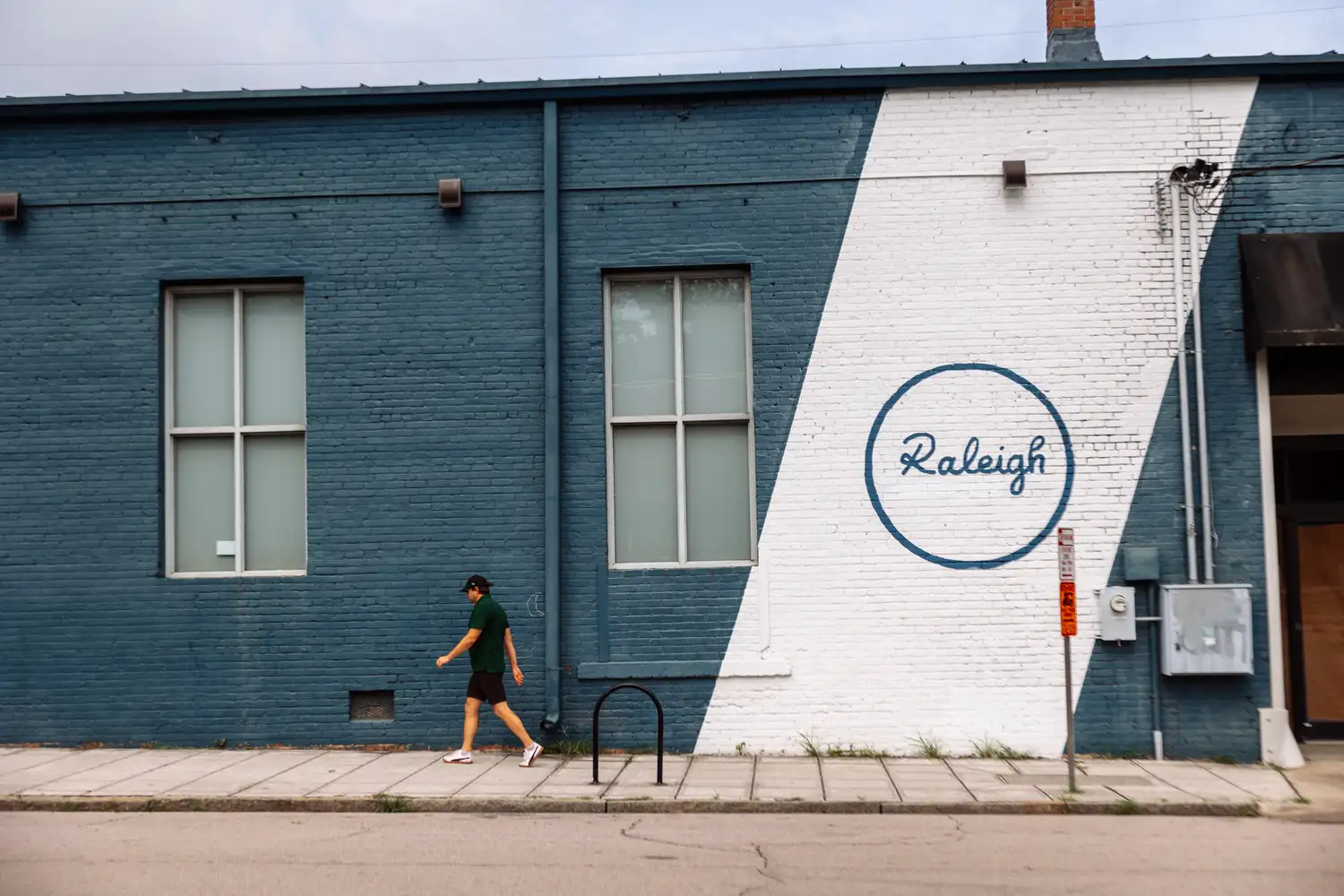
Raleigh-Cary, North Carolina
Raleigh-Cary continues to lead the pack as a primary choice for millennial home buying guide 2026 recommendations. Data indicates that 4.5% of residents aged 25 to 44 purchased a home with a conventional mortgage recently, the highest rate among major U.S. metros. The draw is simple: the Research Triangle Park offers stable employment in high-paying sectors, while the median home price remains competitive compared to Silicon Valley or Boston. In Q1 2026, we expect a favorable inventory release, making it a prime time for first-time buyers.
Charlotte, North Carolina
Charlotte is no longer just a banking town; it has become a lifestyle destination. While the market is competitive, with 21.9% of sales often going above list price, the city provides a high quality of life that justifies the entry cost. The expansion of walkable urban neighborhoods like South End has created a blueprint for young professionals to buy in 2026, where the commute is secondary to the community experience.

Tampa, Florida
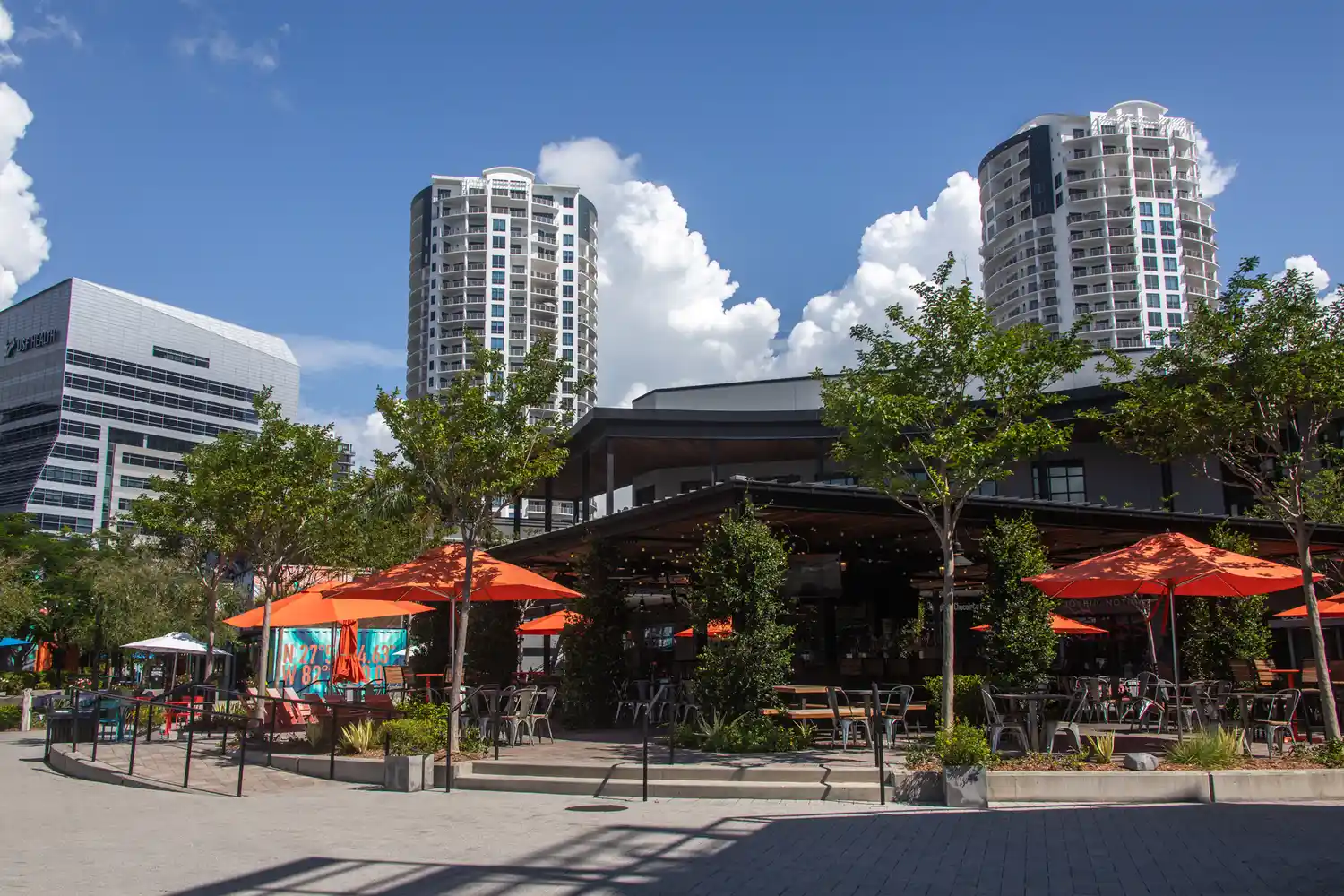
Tampa represents a strategic Sun Belt play. The city has moved beyond its reputation as a retirement destination to become a genuine tech hub. Neighborhoods like Water Street and Sparkman Wharf have transformed the downtown core into a walkable waterfront district. With no state income tax, millennials are able to redirect their savings toward larger down payments, offsetting the higher interest rates seen in recent years.
Tier 2: Midsize Hubs & The Affordability Play
As the national median home price remains a hurdle, affordable real estate markets for young professionals have moved to the forefront. These cities offer a high quality of life with a fraction of the mortgage burden.
Des Moines, Iowa
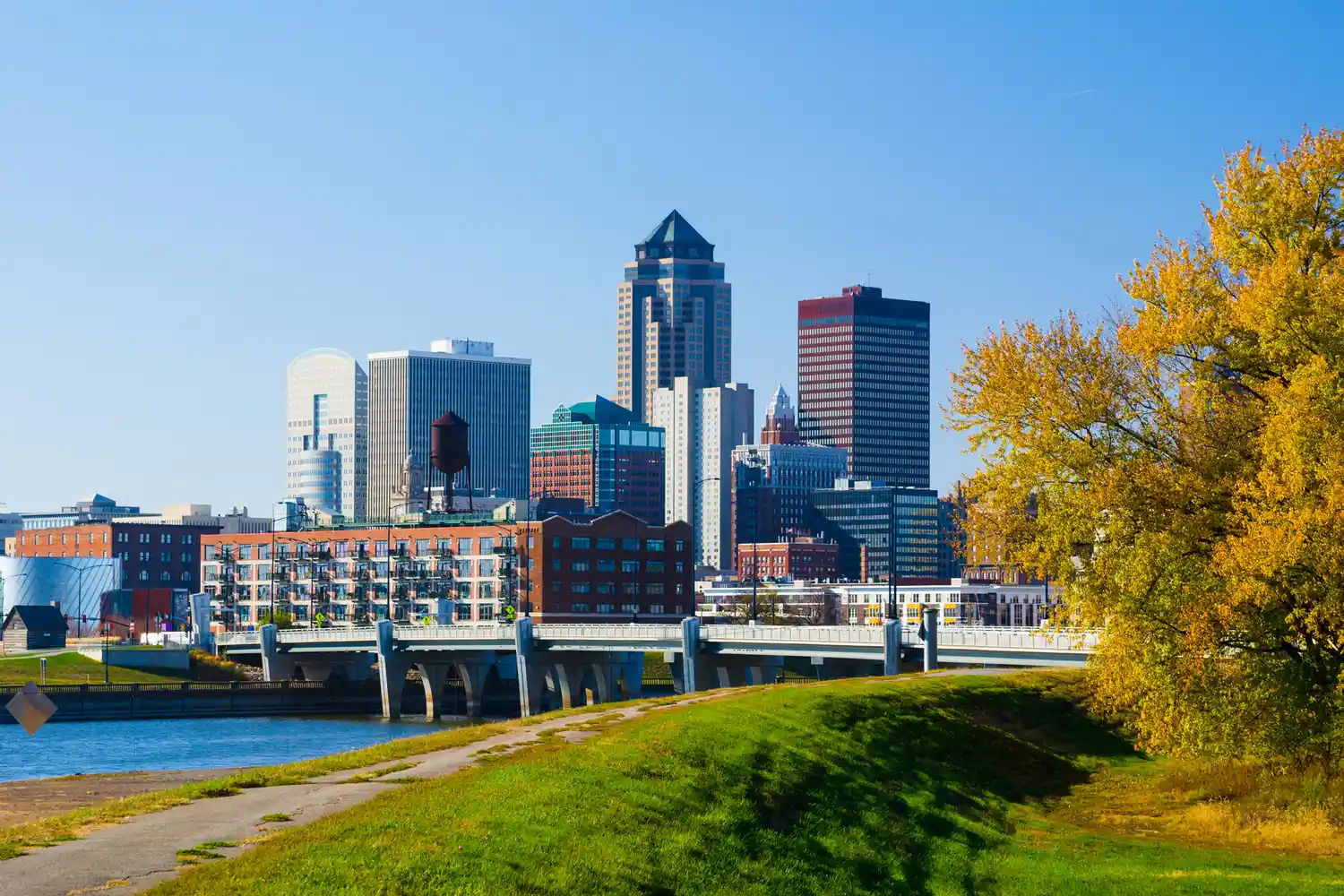
Des Moines is perhaps the most underrated market in our 2026 analysis. For remote workers, it is a goldmine. With a cost of living index sitting at 17% below the national average and median home prices hovering around $205,000, it is one of the most affordable cities for millennial homebuyers 2026. The city has invested heavily in its downtown, creating a surprisingly vibrant cultural scene that rivals much larger metros.
Pittsburgh, Pennsylvania
Pittsburgh has reinvented itself as a leader in robotics and healthcare. It is currently the top major metro for young buyers, with 48% of all new mortgages issued to individuals under the age of 35. The city's inventory of historic homes provides a unique entry point for those looking to build equity through renovation, a popular strategy among emerging real estate markets for millennial families in 2026.
Indianapolis, Indiana
Indianapolis offers a stable economic base with a growing tech sector nicknamed the "Silicon Prairie." The city provides ample inventory for those seeking detached single-family homes, which is increasingly rare in more dense coastal markets. Its centralized location and reliable public infrastructure make it a top choice for those looking for stability and long-term appreciation forecasts.
Tier 3: High-Yield Investment Opportunities
For the millennial looking to build wealth through rental property, 2026 offers specific pockets where the rental yield potential remains exceptionally high. These are best real estate markets 2026 for those who may not want to live in the city they invest in.
Cleveland, Ohio
Cleveland is currently producing some of the highest rental yield cities for millennial real estate investors 2026. With a gross rental yield reaching 11.3% in certain ZIP codes, the cash flow potential is undeniable. The city's healthcare industry, led by the Cleveland Clinic, ensures a steady stream of high-quality tenants.
Buffalo, New York
Buffalo has seen a resurgence driven by "climate refugees" and young professionals moving from NYC for a lower cost of living. The market here is characterized by low vacancy rates and a steady housing markets with high appreciation potential for millennials 2026. The city's architectural heritage and proximity to the Canadian border offer long-term value that many Southern markets lack.
Alexandria, Virginia
While higher in price, Alexandria offers unmatched stability due to its proximity to Washington, D.C. and the Amazon HQ2 development. It recently saw a massive influx, with 12.67% of its population consisting of new millennial transplants. This demographic shift ensures that property values remain resilient even during broader market corrections.
2026 Millennial Market Comparison Table
| City | Median Home Price (2026 Est.) | Gross Rental Yield | Primary Millennial Archetype | 2026 Market Condition |
|---|---|---|---|---|
| Raleigh, NC | $445,000 | 5.2% | Career Climber | High Growth |
| Des Moines, IA | $205,000 | 7.8% | Remote Worker | High Affordability |
| Cleveland, OH | $185,000 | 11.3% | Wealth Builder | High Cash Flow |
| Pittsburgh, PA | $235,000 | 6.5% | First-Time Buyer | Stable Entry |
| Tampa, FL | $395,000 | 5.1% | Lifestyle Seeker | Negotiation Window |
| Alexandria, VA | $620,000 | 4.8% | Urban Professional | Supply Constrained |
FAQ
Where is the best place to invest in property in 2026?
The best place depends on your objective. For immediate cash flow, Midwest markets like Cleveland and Des Moines offer the highest yields. For long-term capital appreciation and career stability, Raleigh and Charlotte remain the strongest picks due to their expanding tech and finance sectors.
Is the housing market supposed to get better in 2026?
Better is subjective, but for buyers, 2026 represents a return to normalcy. We are seeing more balanced inventory levels and a shift away from the "panic buying" of the early 2020s. This provides a more predictable environment for millennial home buying guide 2026 users to perform due diligence and negotiate price.
Where should investors put their money in 2026?
Investors should look for "secondary hubs"—cities like Indianapolis or Buffalo that offer a high quality of life and low cost of entry but are seeing an influx of residents from more expensive coastal tiers. These markets provide a cushion against volatility while offering respectable rental yields.
Will property prices drop in 2026?
A nationwide crash is unlikely due to persistent supply shortages, but we are seeing price corrections in formerly hyper-inflated markets. You can expect prices to stabilize or grow at a more sustainable 2-4% annually, rather than the double-digit spikes seen previously.
What is the 3 3 3 rule in real estate?
The 3 3 3 rule is a conservative guideline for homebuyers: have a down payment that is 3 times your monthly income, ensure the home price is no more than 3 times your annual salary, and keep your total housing payment under 30% of your gross monthly income. In 2026, many buyers are finding this rule easier to follow in the Midwest and North Carolina.
Final Expert Take
Navigating the best real estate markets 2026 requires a shift in mindset. The "easy gains" of the pandemic era have been replaced by a market that rewards research and patience. Whether you are looking for the most affordable cities for millennial homebuyers 2026 or a high-yield investment, the data points to a clear trend: the middle of the country and the refined hubs of the Southeast offer the most balanced path to homeownership.
Prioritize markets with high inventory absorption rates and strong local employment diversity. By focusing on these fundamentals, millennial buyers can secure not just a house, but a strategic financial asset that will appreciate through the end of the decade.