Quick Facts
- The Golden Rule: Never store your passport in a bag that could be gate-checked.
- Black Market Value: A lost US passport is worth approximately $4,000 to identity thieves.
- Arrival Reality: You must clear immigration control before reaching the baggage carousel.
- Loss Statistics: Over 300,000 American passports are lost or stolen annually.
- Top Gear: Prioritize RFID-blocking technology and wearable, zippered "Administrative Zones" like crossbody slings.
- Risk Zones: Airports are cited as the most common locations for document loss or theft.
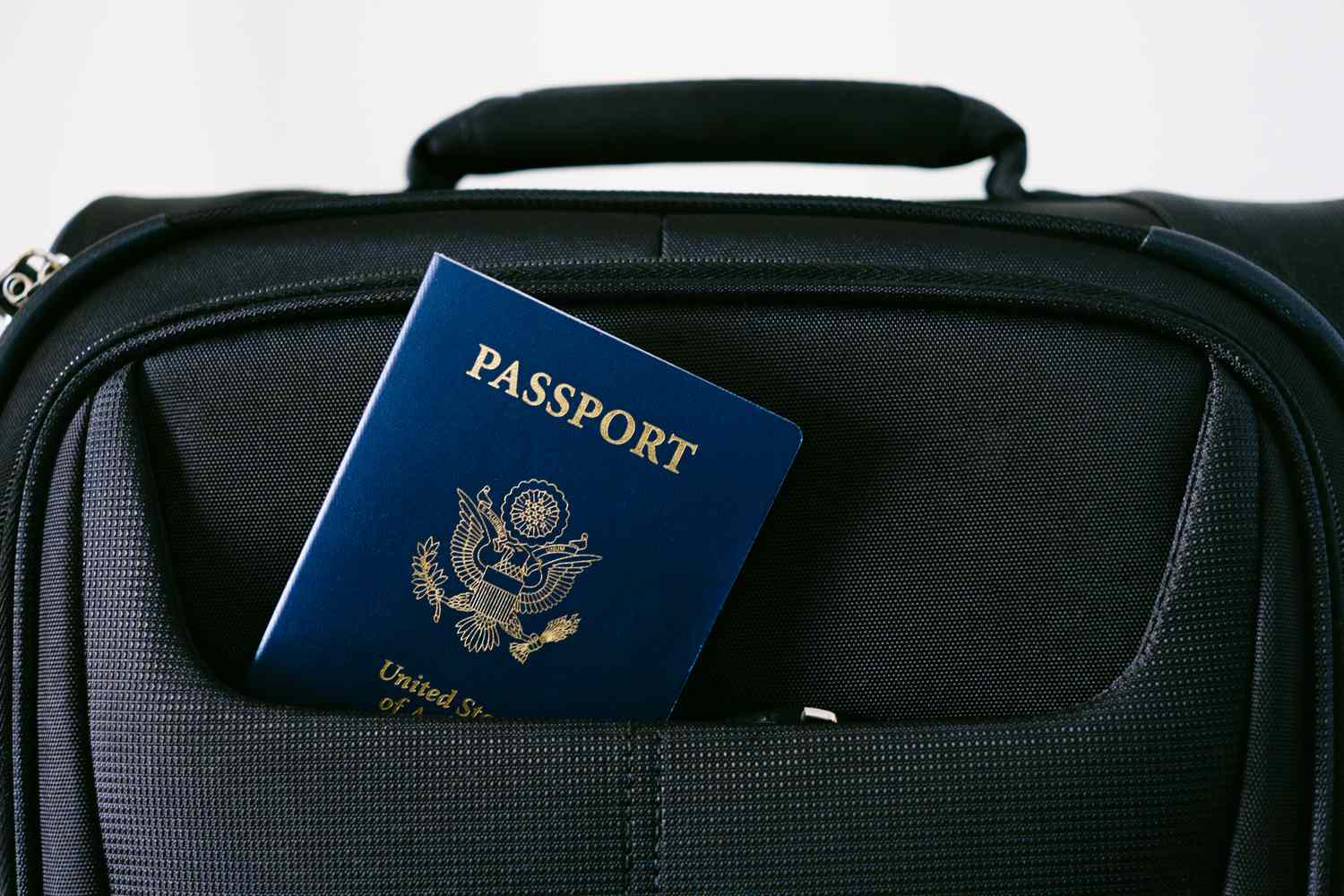
The best way to carry passport and money when traveling is to keep them in a wearable personal item or directly on your person, such as in a neck pouch or a secure zippered pocket. You should never place your passport in a carry-on suitcase or any wheeled bag, as these are frequently subject to gate-check protocols that can separate you from your critical identification before you reach immigration control.
The Gate-Check Trap: Why Your Bag is Not a Safe
The modern traveler faces a logistical paradox. We are told to keep our valuables in our carry-on luggage to avoid the risks of checked baggage, yet overhead compartment space has become a scarce commodity. On a full flight, it is common for the last thirty passengers to be forced into gate-checking their rolling bags. If your identification is tucked inside that bag, you have committed a critical travel error.
According to data from the UK Foreign, Commonwealth and Development Office, more than 22,000 emergency travel document applications were made by British holidaymakers in 2023 alone for lost or stolen passports. Many of these incidents occur when travelers are separated from their bags. If your bag is moved to the cargo hold, you lose control over its security. Even if the bag arrives safely, you will likely face immigration control before you are reunited with your luggage at the carousel. Without your passport in hand, you are effectively a person without a country in a high-security zone.
Furthermore, the safest place to keep passport on plane while sleeping is not in the overhead bin. Theft during long-haul flights is a documented reality. An overhead compartment is accessible to everyone in your cabin, and a thief can easily manifest as a fellow passenger rummaging through a bag to find a "sweater." Keeping your documents in a zippered pocket within a personal item bag—one that stays under the seat in front of you—ensures that your documents are within physical reach at all times. Carrying passport when gate checking carry on bag is a recipe for a bureaucratic nightmare that can ruin a multi-thousand dollar vacation in seconds.
Journey Logic: Security, Sleeves, and Scanners
Navigating an international terminal requires a balance between security and accessibility. The how to carry passport in airport dilemma often leads travelers to keep their documents in their hands or loose pockets, which is where most losses occur. The State Department identifies airports as a prime location where travelers lose their passports due to the frequent "touchpoints" where the document must be produced.
To standardize your transit, establish an "Administrative Zone." This is a dedicated, zippered section of your personal item bag or a wearable pouch that is used exclusively for travel documents. This zone should include:
- A dedicated boarding pass sleeve to prevent paper documents from slipping out.
- A passport holder that offers document organization for customs declaration forms.
- A small integrated micro-pen for filling out arrival cards without fumbling.
When considering how to carry passport for easy access through airport security, avoid keeping it in your pants pocket. Most modern body scanners will flag the bulk of a passport, leading to an unnecessary pat-down. Instead, as you approach the scanner, place your passport inside your zippered Administrative Zone within your personal item bag. This ensures the document goes through the X-ray inside a secured container rather than sitting loose in a plastic bin where it can be easily forgotten or grabbed by someone else.
Another concern is physical preservation. Passport covers are more than aesthetic; they are the safest way to carry passport when travelling to prevent page tearing or water damage. Using a passport sleeve or holder is how to keep passport from getting bent or damaged while traveling during the rigors of a twenty-hour transit day.
Travel Wallet vs Money Belt: Choosing Your Gear
In the debate of travel wallet vs money belt for passport security, the choice often depends on your destination and personal comfort. Traditional money belts provide the highest level of physical security by hiding documents under clothing, but they are notoriously inconvenient when you need to produce your passport for a gate agent or a duty-free purchase.
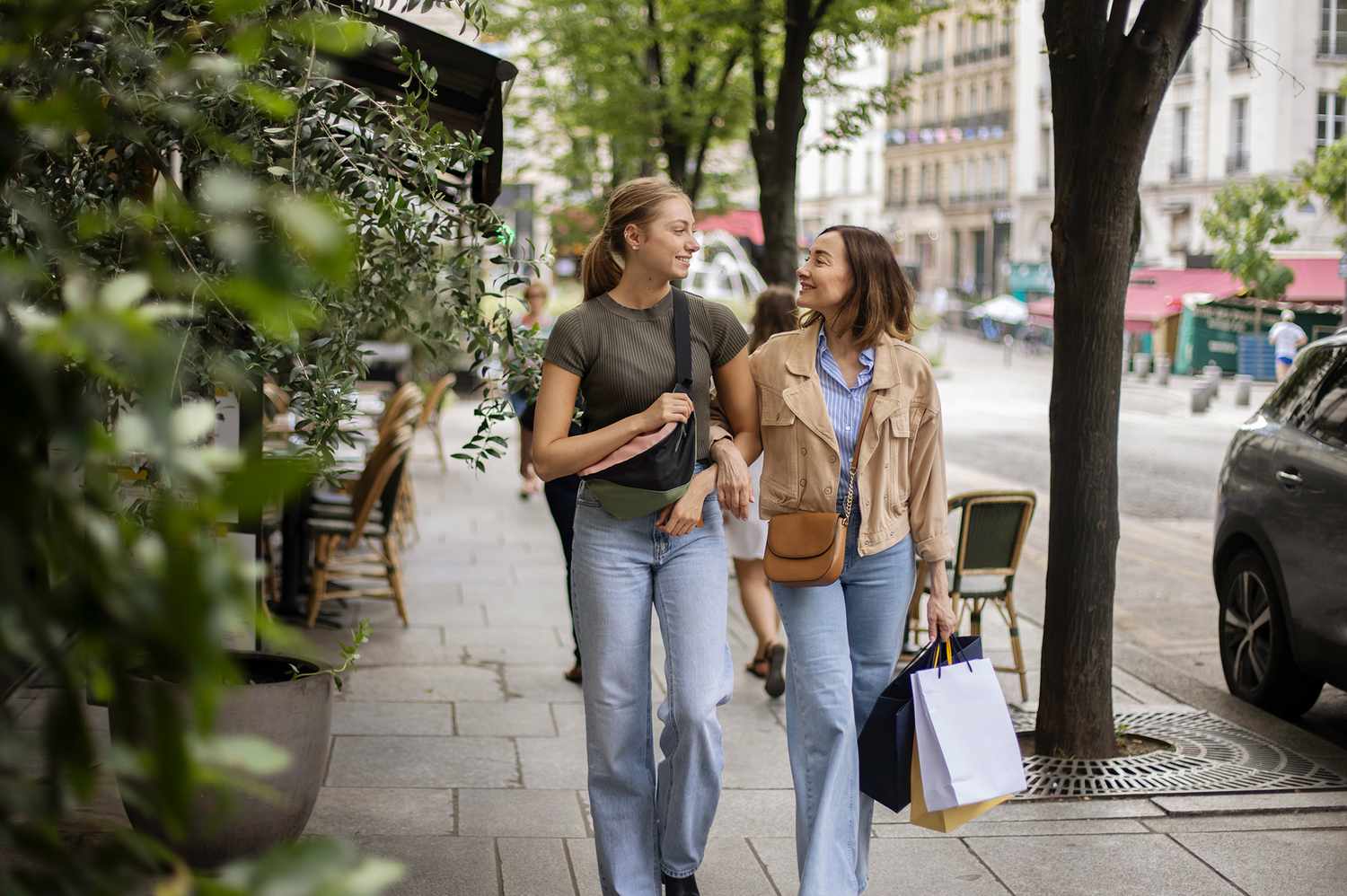
Modern frequent flyers are increasingly leaning toward crossbody slings and neck pouches. These items provide high visibility for the owner and quick access, while the physical attachment to the body prevents "snatch and grab" thefts. When selecting gear, look for high-quality materials like YKK zippers and RFID-blocking technology to protect against digital pickpocketing.
The following table compares the most common methods for managing documents and currency:
| Feature | Money Belt | Neck Pouch / Sling | Travel Wallet |
|---|---|---|---|
| Security Level | Maximum (Concealed) | High (Wearable) | Moderate (In-bag) |
| Accessibility | Low | High | High |
| RFID Protection | Usually Included | Common | Selective |
| Best Use Case | High-theft transit | In-flight & Security | Organized business travel |
For those managing the best way to carry multiple passports for family travel, a single large zippered organizer is the most effective solution. One designated "Document Chief" should carry all passports in a central secure point. Distributing passports to children or less organized family members increases the statistical likelihood of loss. Using color-coded stickers on the back of each passport can help the lead traveler quickly identify which document belongs to which family member during immigration control.
FAQ
How do you keep your passport and money safe while traveling?
The most effective method is a layered approach. Keep your primary travel documents and large sums of currency in a wearable, RFID-blocking pouch that stays on your person. Carry a "decoy" or daily-use wallet with a small amount of cash and one credit card in an easily accessible pocket for day-to-day transactions. This ensures that if you are pickpocketed or lose your wallet, your critical documents and backup funds remain secure.
How should I carry my passport when traveling?
You should carry your passport in a dedicated, zippered compartment within a bag that never leaves your sight. During the flight, this means a personal item kept under the seat, not in the overhead bin. For the airport transit itself, a crossbody bag or neck pouch is superior as it keeps the document physically attached to you while allowing for quick retrieval at the multiple security and boarding check-points.
Should I carry my passport or leave it in the hotel?
This depends on the local laws of your destination; some countries require you to carry your original passport at all times. However, if the law permits, the safest practice is often to leave the original passport in a locked hotel safe and carry a high-quality color photocopy or a digital scan on your phone. If you do carry the original, it must be in a concealed money belt or a secure interior zippered pocket.
What are the 5 biggest packing mistakes to avoid?
First, never pack your passport in checked or gate-checked luggage. Second, avoid keeping all your cash and cards in one single location. Third, do not use a bag that cannot be fully zippered or "locked" through overlapping pulls. Fourth, failing to use an RFID-blocking sleeve can leave you vulnerable to digital theft. Finally, never treat your passport as a low-value item; remember that its replacement cost and the associated travel delays can exceed several thousand dollars.
Final Strategy for Document Security
When you consider that your passport is effectively a $4,000 asset on the black market, its protection becomes a matter of professional discipline. The best way to carry passport and money when traveling focuses on a single, unbreakable rule: maintain physical contact or immediate proximity at all times. By moving your documents out of the "wheeled bag ecosystem" and into a dedicated, wearable Administrative Zone, you eliminate the risks of gate-check separation and overhead bin tampering.
Before your next international flight, audit your gear. Ensure your chosen carrier has robust zippers and RFID protection. Practice your "security drill"—knowing exactly where your passport goes as it exits your hand and enters your bag. In the high-stress environment of modern air travel, organization is the ultimate form of security.