Quick Facts
- Best Time to Visit: December through March (Chilean Summer) offers the mildest weather for outdoor exploration with children.
- The Route: A 16-day loop starting in Santiago, heading south to the Chiloé archipelago, moving inland to the Lake District (Puerto Varas and Lago Ranco), and finishing in the wine valleys near the coast.
- Top Family Lodges: Refugia Chiloé (Island Culture), Hotel AWA (Volcano Views), and Futangue Challenge (Private Wilderness).
- The Investment: A 16-day premium family expedition averages $21,500 for a family of four, covering all-inclusive lodges, transfers, domestic flights, and private excursions.
The Appeal of a Chilean Family Expedition
There was a time, not so long ago, when my husband and I explored the world with nothing but two oversized backpacks and a loose plan. But then came the kids, and our definition of "adventure" underwent a radical transformation. We no longer wanted to spend eight hours on a public bus or figure out where to find a high chair in the middle of a remote village. We wanted the wildness of the world, but we wanted it with a side of seamless logistics and a very comfortable bed.
Chile’s Lake District and the mystical island of Chiloé offer exactly that: a "soft" wilderness. For families looking to escape the Northern Hemisphere’s winter, February in Chile is a revelation. It is a land of sapphire lakes, snow-capped volcanoes, and temperate rainforests where the air smells like wet earth and woodsmoke. Moving from lodge to lodge allows you to outsource the stress of travel—the navigation, the meal planning, and the activity booking—to experts who understand that a four-year-old’s interest in a "scenic vista" lasts exactly thirty seconds unless there’s a lizard or a snack involved.
Why Choose a Lodge-to-Lodge Itinerary?
The secret to a successful high-end family trip in South America is the "all-inclusive" nature of Chile's top eco-lodges. This isn't the buffet-and-pool-slide version of all-inclusive. This is luxury expedition travel. When you stay at a place like Refugia or Hotel AWA, your transfers, meals, and daily private excursions are included.
For parents, this is the ultimate luxury: decision-making fatigue is eliminated. You don’t have to argue over a map or search for a kid-friendly restaurant at 6:00 PM. The staff becomes an extension of your family, remembering that your son likes his pasta plain or that your daughter needs an extra blanket for the boat ride. It allows you to actually be present in the landscape rather than just managing the logistics of moving through it.
| Lodge | Primary Location | Best Feature | Top Kid Activity |
|---|---|---|---|
| Refugia Chiloé | Chiloé Island | Striking modern architecture & sea views | Foraging for mussels at low tide |
| Hotel AWA | Puerto Varas | Floor-to-ceiling Osorno volcano vistas | Chairlift rides up the volcano |
| Futangue | Lago Ranco | Access to a massive private nature reserve | Searching for "Darwin’s Frogs" |
The Ultimate 16-Day Itinerary Breakdown
Days 1-2: Santiago – The Soft Landing
The red-eye flight into Santiago can be a gauntlet, especially with a toddler who decided sleep was optional at 35,000 feet. We recommend a "soft landing" in the city. Stay in the Lastarria neighborhood, which is walkable and filled with parks. Use these forty-eight hours to adjust to the Southern Hemisphere sun. Visit the Museo Interactivo Mirador (MIM)—it’s one of the best science museums in South America and a perfect place for kids to burn off post-flight energy.
Days 3-6: Chiloé Island – Coastal Culture at Refugia Chiloé
From Santiago, a short flight takes you to Puerto Montt, followed by a ferry ride to the mystical island of Chiloé. Staying at Refugia Chiloé (often known as Tierra Chiloé) feels like living inside a piece of modern art that just happens to be perched on a hill overlooking the Inland Sea.
The magic here is in the rhythm of the tides. We spent our mornings on the lodge's private wooden boat, the Williche, wrapped in wool blankets and watching for dolphins. The "lodge-to-lodge" experience means you aren't just a tourist; you are a guest in a community. One afternoon, the staff arranged a traditional Curanto feast for us—a meal of shellfish, meat, and potatoes cooked in a hole in the ground covered with nalca leaves. Our kids were fascinated by the "earth oven," and it was the first time they actually asked for seconds of mussels.
Sophia’s Pro-Tip: Chiloé is famous for its colorful wooden churches (UNESCO sites) and stilt houses called palafitos. Take the kids to the Castro market to buy hand-knitted wool caps—they make for the cutest photos and keep the coastal chill at bay.
Days 7-10: Puerto Varas – Volcano Vistas at Hotel AWA
Crossing back to the mainland, the scenery shifts from the rolling green hills of Chiloé to the dramatic, alpine beauty of the Lake District. Hotel AWA is positioned perfectly on the shores of Lake Llanquihue. Every single room faces the Osorno Volcano, a cone so perfectly symmetrical it looks like a child’s drawing.
This leg of the trip is about accessible adventure. We took the chairlifts up Osorno, which was a massive hit with the kids—all the thrill of a mountain peak with none of the "my legs are tired" complaints. We spent afternoons at the Petrohué Waterfalls, where the water is a shade of turquoise so bright it looks photoshopped.
Days 11-13: Futangue – Remote Wilderness and Darwin's Frogs
If you want to feel like you’ve reached the edge of the world, Futangue is the answer. This is a private nature reserve near Lago Ranco, consisting of over 33,000 acres of pristine Valdivian temperate rainforest.
The "lodge-to-lodge" transition here is seamless, with the AWA team coordinating with the Futangue team for a scenic drive through the mountains. In Futangue, the focus is on the "micro." We went on "frog hunts" to find the elusive Darwin’s Frog—a tiny creature that carries its young in its vocal sac. It’s these small, quiet moments of discovery that usually end up being the highlights of the trip for children.
Days 14-16: Casablanca Valley – Winding Down at Hotel La Casona
No 16-day Chilean expedition is complete without a slow finish. We headed north to the Casablanca Valley, staying at Hotel La Casona at Matetic Vineyards. It’s an easy drive from the Santiago airport, making it the perfect final stop.
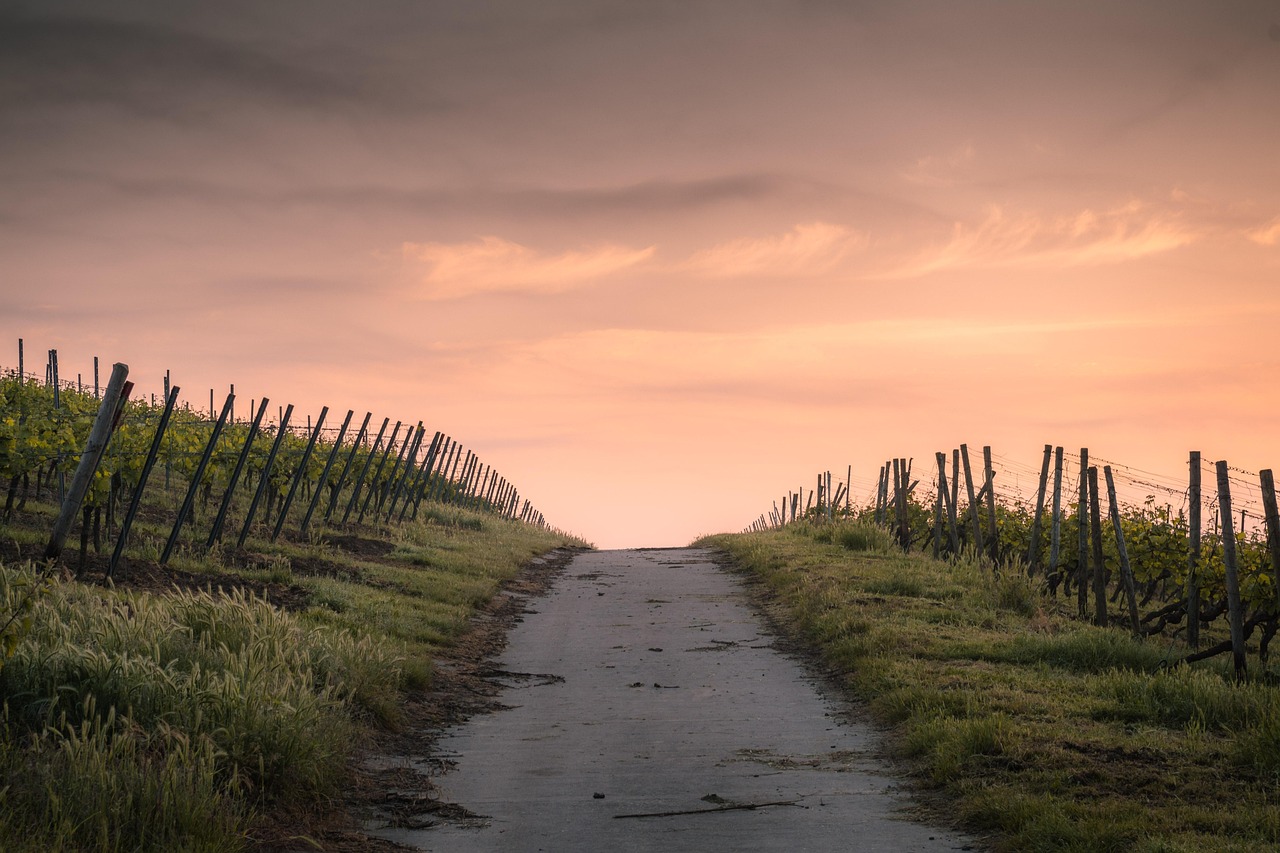
While the parents enjoy some of the world’s best cool-climate Syrah, the kids can roam the manicured grounds, visit the farm animals, or take a horse-drawn carriage ride through the vines. It’s a chance to pack the suitcases, reflect on the journey, and enjoy one last sunset over the rolling vineyards before the long flight home.
Trip Budget & Investment
Let’s talk numbers, because "luxury with littles" comes with a price tag. A 16-day premium family expedition through Chile’s Lake District and Chiloé averages a total investment of $21,500 for a family of four. This breaks down to roughly $1,343 per day.
While that number might cause a momentary intake of breath, it’s important to look at the value. When analyzing the total expenditure, we found that the cost of high-end lodges, private transfers, and domestic flights accounts for over 94% of the total trip cost. Because these lodges are all-inclusive (including alcohol for parents and bespoke activities for kids), your "out of pocket" expenses while on the ground are nearly zero. You aren't constantly reaching for your wallet for tips, taxis, or overpriced tourist lunches. You are paying for the peace of mind that comes with a perfectly orchestrated itinerary.
Essential Gear for Chile with Toddlers
Navigating gravel paths in Chiloé or the airports in Santiago requires gear that works as hard as you do. We don't travel without these two game-changers:
- The Doona Car Seat-Stroller: This is the ultimate mobility tool for a lodge-to-lodge itinerary. It transitions from a car seat in the private transfer van to a stroller in seconds. No more wrestling with gate-checking large strollers or waking a sleeping toddler to move them from the car.
- Slumberpod Blackout Tents: Chilean lodges often feature massive windows to showcase the views (which we love!), but the summer sun stays up late. A Slumberpod fits over a travel crib and creates a pitch-black environment, ensuring your kids stay on their sleep schedule regardless of the "midnight sun" vibes.
Parenting Reality Check: Even in a $1,000-a-night lodge, toddlers will have meltdowns. The difference is that in these lodges, the staff will likely bring you a glass of wine and offer to take the kids to see the horses while you take a breath.
Lessons from the Road: Navigating the Chaos
If I’ve learned anything from years of family travel editing, it’s that the "itinerary" is just a suggestion; the "experience" is what happens in the gaps.
- Build in "Recovery Days": For every three days of activity, plan one "pyjama morning." The lodges in Chile are so beautiful that you’ll want time to just be there without a schedule.
- The Airplane Walk of Shame: We’ve all been there—the parent of the crying baby on a 10-hour flight. Just remember: you will never see these people again, and the reward waiting for you on the other side (a volcano-view hot tub) is worth the temporary stress.
- Slow Down: Chile is a country that rewards the slow traveler. Don't try to see the whole country in one go. Focus on the Lake District and Chiloé, and let the landscape seep in.
FAQ
Q: Is Chile safe for young children? A: Absolutely. Chile is one of the safest countries in South America. The Lake District, in particular, feels very much like the Pacific Northwest or Switzerland. The water is potable in most areas, and the healthcare system in cities like Santiago and Puerto Montt is excellent.
Q: How do we handle the long flights? A: We recommend booking the overnight flight from the US or Europe. By the time the kids are truly bored, they’ll (hopefully) be tired enough to sleep through a good portion of the journey. Use a "soft landing" hotel in Santiago with a pool to help everyone reset.
Q: Do the eco-lodges have kids' clubs? A: Not in the traditional "drop them off for eight hours" sense. Instead, they offer family-integrated activities. The guides are incredible at adapting hikes or boat trips to be engaging for children, focusing on wildlife and tactile experiences.
Plan Your Chilean Adventure
Ready to trade the winter blues for the blue waters of the Lake District? Chile is waiting to show your family that "luxury" and "adventure" aren't mutually exclusive. Whether it's finding your first Darwin's Frog in Futangue or watching the sunset over a Chiloé fjord, these are the memories that stay with a family long after the suitcases are unpacked.