Quick Facts
- The UPF Advantage: UPF (Ultraviolet Protection Factor) measures how much UV radiation a fabric blocks. A UPF 50 rating is the "Gold Standard," blocking 98% of both UVA and UVB rays.
- Why Clothing Wins: Unlike sunscreen, which can wash off or be applied unevenly, UPF clothing provides a constant physical barrier that doesn't require reapplication every two hours.
- The Sunscreen Gap: UPF gear covers the heavy lifting, but broad-spectrum sunscreen is still essential for exposed skin like your face, neck, and the backs of your hands.
- Standard Cotton Fails: A regular white cotton T-shirt typically offers only a UPF 5 rating, allowing up to 20% of UV rays to penetrate your skin.
Introduction: Why Sunscreen Isn’t Enough for Your 2026 Adventures
As a mom who has spent the last decade navigating everything from the humid beaches of Bali to the high-altitude trails of the Swiss Alps, I’ve learned one thing the hard way: your sunscreen is lying to you—or at least, your application of it is. We’ve all been there: the frantic chase to reapply cream to a wiggly toddler, the missed spot on your own shoulder blades that turns into a painful souvenir, and that "reapplication fatigue" that hits halfway through a long day of sightseeing.
As we look toward travel in 2026, the focus has shifted from "just bring a bottle of SPF" to building a comprehensive "sun wardrobe." Protecting your skin is now as essential as remembering your passport. While sunscreen is a vital tool in our kit, it isn't a silver bullet. This is where UPF clothing enters the chat. By integrating high-tech, stylish sun-protective gear into our packing lists, we can focus on the memories rather than the burn.
The Science of Sun Safety: UPF vs. SPF
If you’re new to the world of technical fabrics, the acronyms can feel a bit like alphabet soup. To simplify it, think of SPF (Sun Protection Factor) as the rating for what you put on your skin, and UPF (Ultraviolet Protection Factor) as the rating for the fabric that covers your skin.
To understand the impact, think of UPF as a denominator. A UPF 50 rating means only 1/50th (or 2%) of the sun's UV rays can pass through the garment. This effectively blocks 98% of harmful radiation. In contrast, that breezy white cotton T-shirt you usually wear over your swimsuit? It likely has a UPF of about 5, meaning a staggering 20% of UV rays are hitting your skin through the fabric.
| Fabric Type | UPF Rating | UV Blockage % | Protection Level |
|---|---|---|---|
| Standard White Cotton Tee | UPF 5 | ~80% | Poor |
| Minimum SCF Requirement | UPF 30 | 96.7% | Good |
| Gold Standard Travel Gear | UPF 50+ | 98% | Excellent |
The Skin Cancer Foundation requires a minimum of UPF 30 for its Seal of Recommendation, which significantly reduces long-term skin damage risk. However, for family travel—especially when we’re out in the elements all day—I always aim for UPF 50+.

Pro-Tip: UPF clothing protects the areas it covers, but the "Golden Rule" of travel safety is to use a hybrid approach. Use UPF gear for the body and high-quality broad-spectrum sunscreen for the "exposed gaps"—your face, ears, neck, and hands.
How to Shop for Travel-Ready UPF Gear
Not all "sun shirts" are created equal. When I'm shopping for my family, I look beyond the tag. Here is how to ensure you're getting actual protection:
- The Material: Look for synthetic fibers like polyester and nylon. These fibers naturally disrupt UV light more effectively than thin natural fibers like linen or lightweight cotton.
- Color and Weave: It might feel counterintuitive for summer, but darker or more vibrant colors (like navy, deep red, or bright teal) actually absorb more UV radiation than whites or pastels. Furthermore, a tighter weave—one you can’t see light through when held up to the sun—is your best defense.
- The Fit: A slightly looser fit is actually better for sun protection. When fabric stretches too tightly across your shoulders or chest, the fibers pull apart, allowing more UV rays to sneak through the microscopic gaps.
15 Must-Have UPF Essentials for Your Trip
The Versatile Layers (Tops & Jackets)
1. The All-Day Sun Hoodie This is my #1 travel essential. Modern sun hoodies, like the Cotopaxi Sombra or Patagonia Capilene Cool Daily, are incredibly lightweight and moisture-wicking. They provide 98% UV blockage and include a hood to protect your scalp and ears when the sun is overhead. Shop Sun Hoodies →
2. The Packable UPF 50 Windbreaker Ideal for boat trips or windy coastal hikes, these jackets provide a dual barrier against the breeze and the sun. They fold down to the size of an orange, making them perfect for "just in case" moments in your daypack.
3. The Long-Sleeve Performance Sun Shirt For the active traveler, a high-performance shirt is a must. These are designed for high-output activities like hiking or biking, ensuring you stay dry while maintaining that UPF 50+ barrier.
4. The Lightweight Button-Down Who says sun protection can't be chic? A technical UPF button-down (think brands like Royal Robbins or ExOfficio) looks like a standard safari or city shirt but provides a physical shield during urban sightseeing tours.

Protective Bottoms for Every Terrain
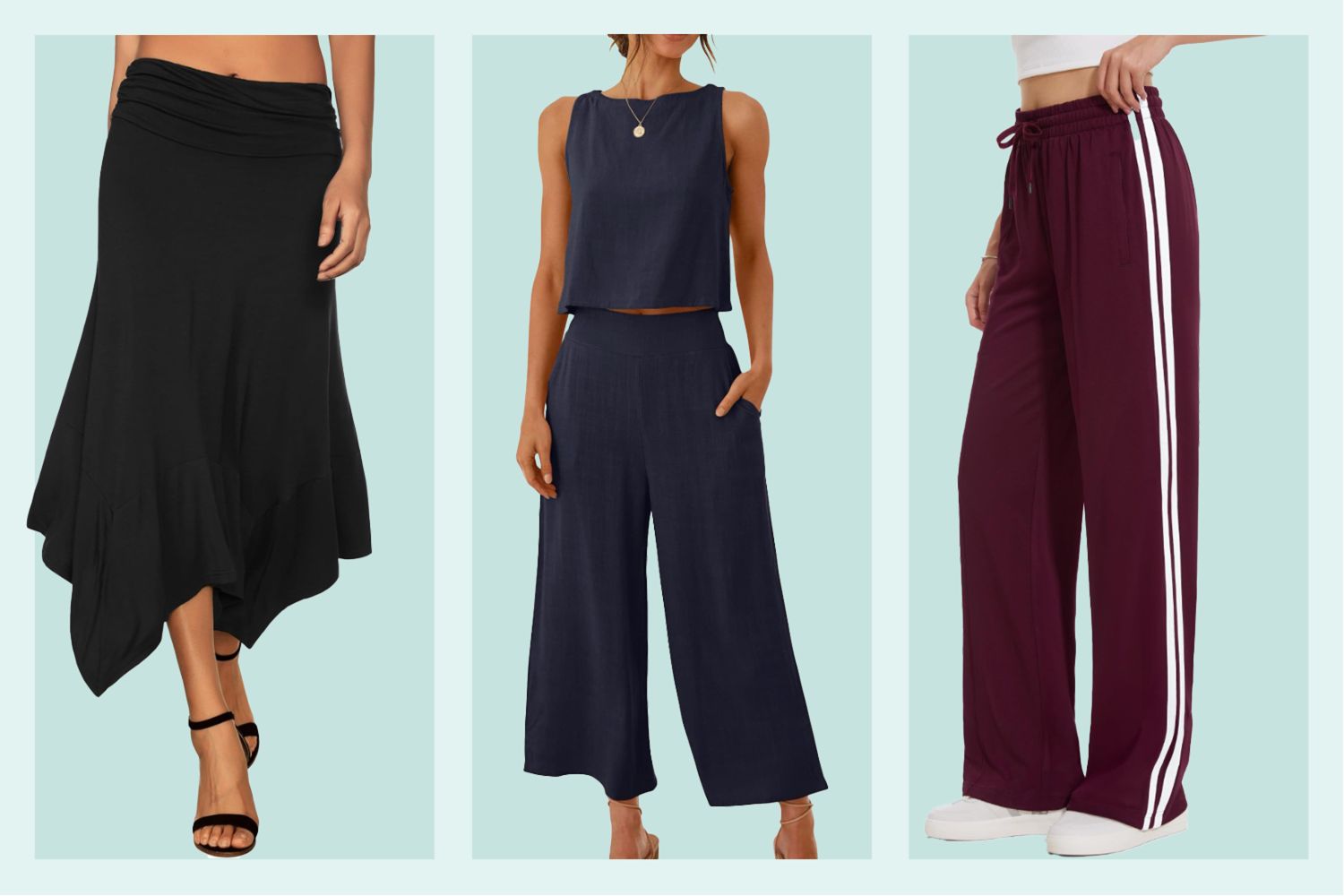
5. Wide-Leg UPF Travel Pants Skip the jeans. Breezy, wide-leg UPF pants are the secret to staying cool in humid climates while keeping your legs protected. They transition beautifully from a morning temple visit to a casual dinner.
6. Quick-Dry Board Shorts A family travel staple. Look for board shorts with a built-in UPF rating. These are multi-functional—wear them for a morning hike and jump straight into the ocean without needing a wardrobe change.
7. UPF 50+ Leggings/Swim Tights If you’re planning on snorkeling for hours or kayaking, swim leggings are a game-changer. They protect the backs of your knees and calves—the two most commonly burned areas during water sports.
Effortless Sun-Safe Style (Dresses & Rompers)
8. The Tiered Resort Dress Brands like Coolibar and Lilly Pulitzer have revolutionized sun-safe fashion. You can now find elegant, tiered dresses that offer UPF 50+ protection. They are perfect for brunch or exploring a Mediterranean village.
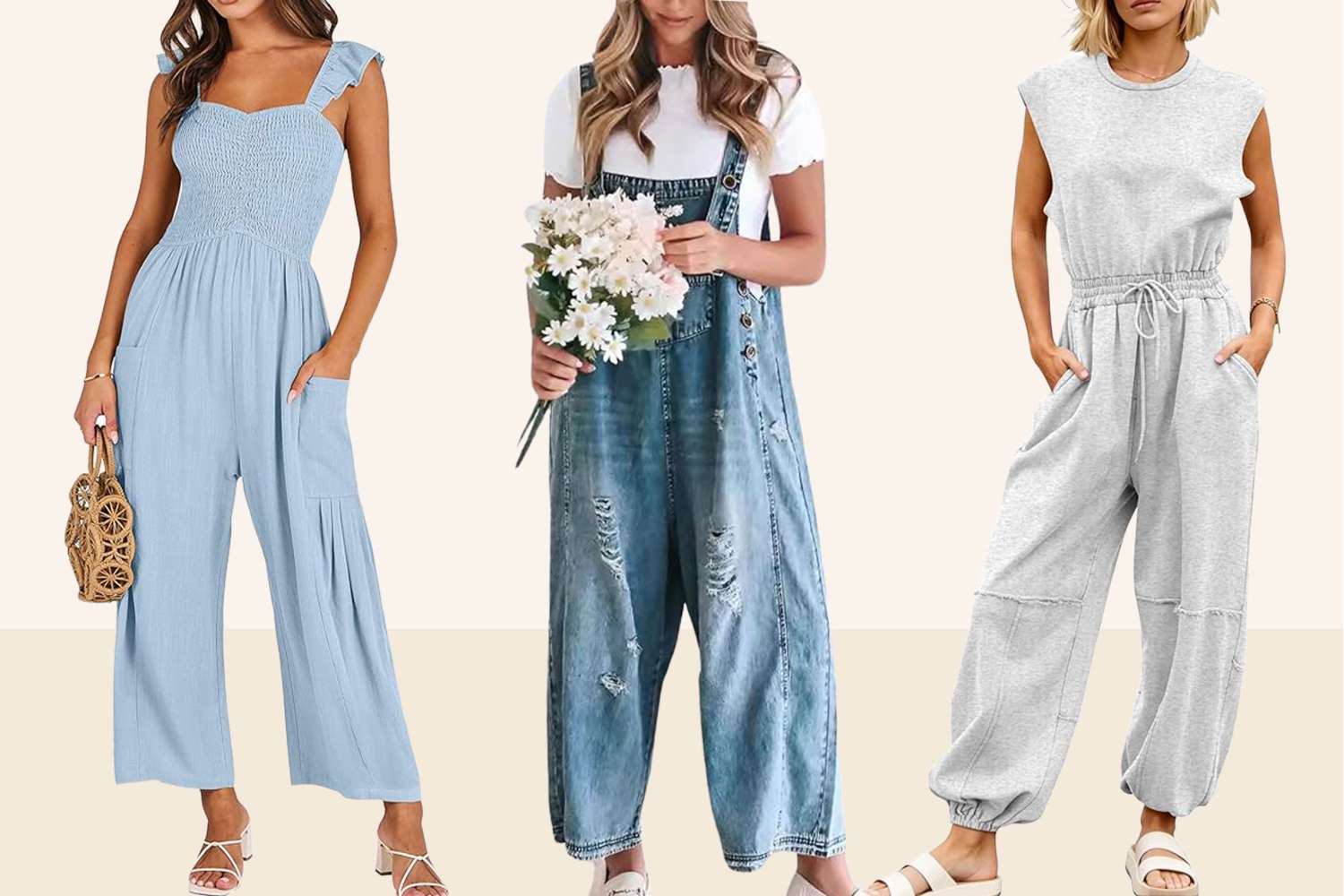
9. The Technical Romper Great for "adventure days" that might include a mix of light hiking and city walking. Look for versions that are quick-dry and wrinkle-resistant for easy packing.
10. The Maxi Cover-Up For those long poolside afternoons, a full-length UPF cover-up provides "wearable shade." It’s much more effective than a standard lace or mesh cover-up which offers almost zero UV protection.

High-Performance Swimwear
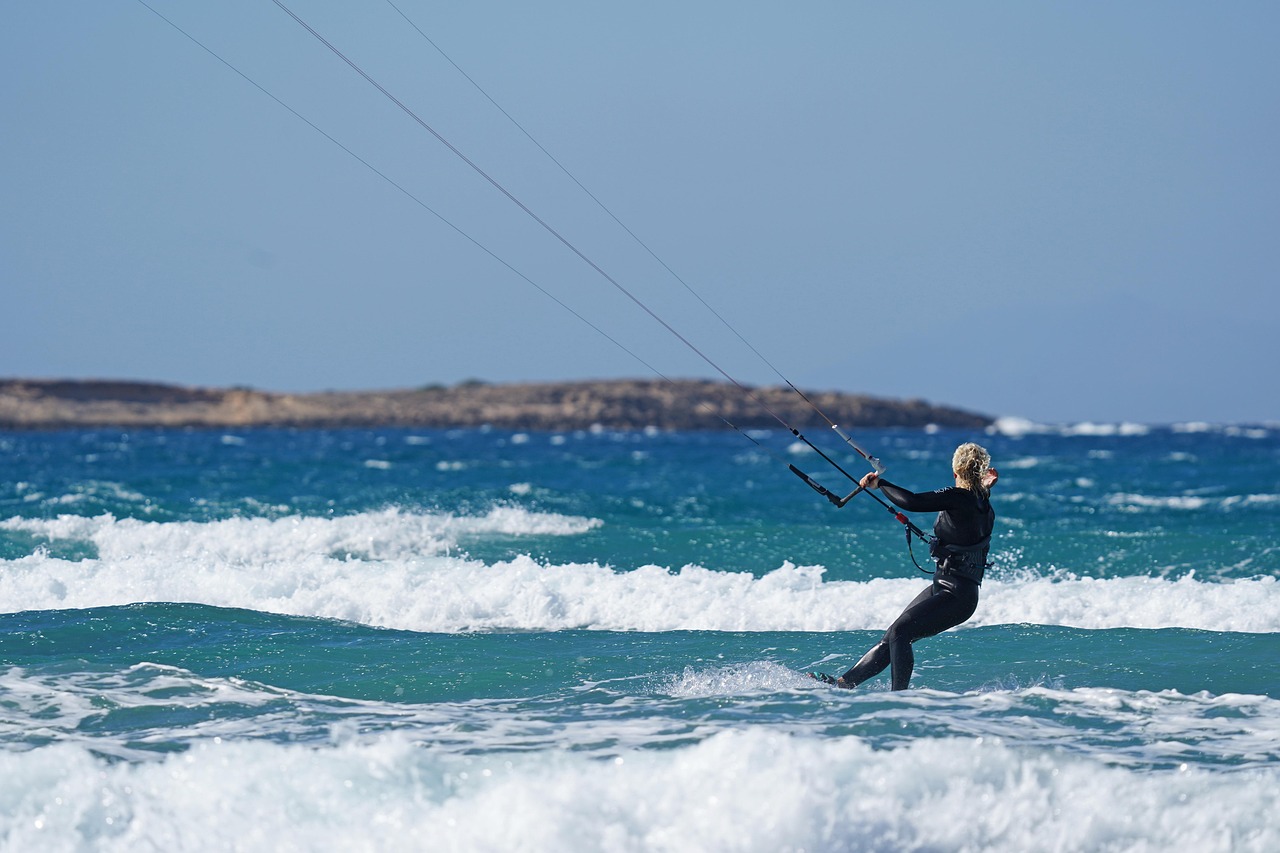
11. The Long-Sleeve One-Piece (Rash Guard Suit) This is my personal go-to. It provides ultimate security for surfing or swimming with kids. You don’t have to worry about straps slipping or your back getting burned while you're focused on the waves.
12. High-Neck Bikini Tops If you prefer a two-piece, look for a high-neck design. The chest and décolletage area is incredibly sensitive and often shows signs of sun damage first. A UPF-rated high-neck top offers that extra bit of "insurance."
13. Long-Sleeve Rash Guard Separates Versatility is key for family travel. I love mixing and matching long-sleeve rash guards with different bikini bottoms or board shorts. It allows you to adjust your coverage based on the time of day and the sun's intensity.
The Essential Accessories
14. The Wide-Brim Straw Hat (UPF 50+ Lined) Standard straw hats have gaps that let sun through. Ensure yours is "UPF 50+ Lined"—this means there is a protective fabric hidden under the straw to block 98% of rays from hitting your face and ears.
15. The Cooling Neck Gaiter/Buff Often overlooked but vital for high-altitude hikes or boat trips. A neck gaiter can be pulled up over your face or worn around the neck to protect the "sun-trap" areas that hats sometimes miss.

Maintenance: Does UPF Wear Out?
Many people ask me if their UPF clothing will last forever. The answer is: usually, but it depends. Most high-quality UPF gear is "inherent," meaning the protection comes from the tight weave of the fibers. However, some cheaper brands use a chemical finish that can wash out over 30–50 cycles.
To maintain your gear:
- Wash in cold water: Heat can break down the fibers and loosen the weave.
- Skip the fabric softener: Softeners can leave a residue that interferes with the moisture-wicking and UV-absorbing properties.
- Check for "Thinning": If you hold your garment up to the light and see more "pinholes" than you used to, or if the fabric has become significantly pilled and stretched, it’s time to replace it.
Parent Tip: If your kids’ swim shirts are looking faded or stretched out after a long summer, they are likely providing less than the stated UPF 50. I always do a "stretch test" before our big annual winter trip.
FAQ: Your UPF Questions Answered
Q: Is UPF clothing too hot to wear in tropical climates? A: Not if you choose the right ones! Look for "cooling" technologies and "air-flow" weaves. Technical UPF clothing is often more breathable than heavy cotton and helps wick sweat away, which can actually keep you feeling cooler than if the sun were hitting your bare skin directly.
Q: Do I really need to wear sunscreen under my UPF shirt? A: Generally, no. If the garment is UPF 50+ and fits correctly (not over-stretched), it is providing excellent protection. You only need to apply sunscreen to the skin that is not covered by the garment.
Q: How do I know if my existing clothes have UPF? A: Unless it’s labeled, it’s hard to know for sure. However, denim and heavy wool usually have high natural UPF, while thin silks and light cottons are very low. When in doubt, hold it up to a window—if you see a lot of light coming through, the UV rays are getting through too.
Conclusion & Travel Checklist
In the world of family travel, peace of mind is the ultimate luxury. Transitioning to a UPF-focused wardrobe means fewer "ouch" moments, less time spent wrestling with sunscreen bottles, and more time enjoying the sunset. As you plan your 2026 getaways, remember that sun safety is a layered approach.

Your Sun-Safe Travel Checklist:
- [ ] At least two UPF 50+ sun hoodies or shirts per person.
- [ ] UPF-rated swimwear (long sleeves recommended).
- [ ] One wide-brimmed, UPF-lined hat.
- [ ] Broad-spectrum SPF 30+ sunscreen for face/hands.
- [ ] A lightweight UPF cover-up or dress for "off-duty" hours.
Safe travels, and enjoy the sun—responsibly!