Quick Facts
- Reservation Necessity: For 2025, eight major parks (including Yosemite, Zion, and Arches) require timed-entry or vehicle reservations during peak months.
- The Golden Ticket: The 'America the Beautiful' pass costs $80 and covers entry to over 2,000 federal recreation sites for one year.
- Safety Buffer: Maintain a minimum of 25 yards (two school buses) from herbivores like bison and 100 yards (eight school buses) from predators like bears.
- Booking Windows: Prime campgrounds often sell out within minutes of their 6-month opening window on Recreation.gov.
- Digital Prep: Download offline maps before arrival; cell service is non-existent in over 70% of backcountry areas.
The era of the "spontaneous road trip" to America’s crown jewels has effectively come to a close. As we approach the 250th anniversary of American independence in 2026, the National Park Service (NPS) is witnessing a paradigm shift. What once required a tank of gas and a sense of adventure now demands the strategic precision of a military operation. As a destinations editor who has spent a decade charting the dusty backroads of the American West, I have seen the "Old West" mentality of the parks replaced by a necessary, albeit complex, digital bureaucracy.
Visiting a National Park in 2025 is no longer just about seeing the sights; it is about navigating a delicate balance between high-demand tourism and environmental preservation. If you plan to step foot in a park this year, you must play by a new set of rules designed to keep both you and the wilderness intact.
1. Master the New Digital Reservation System
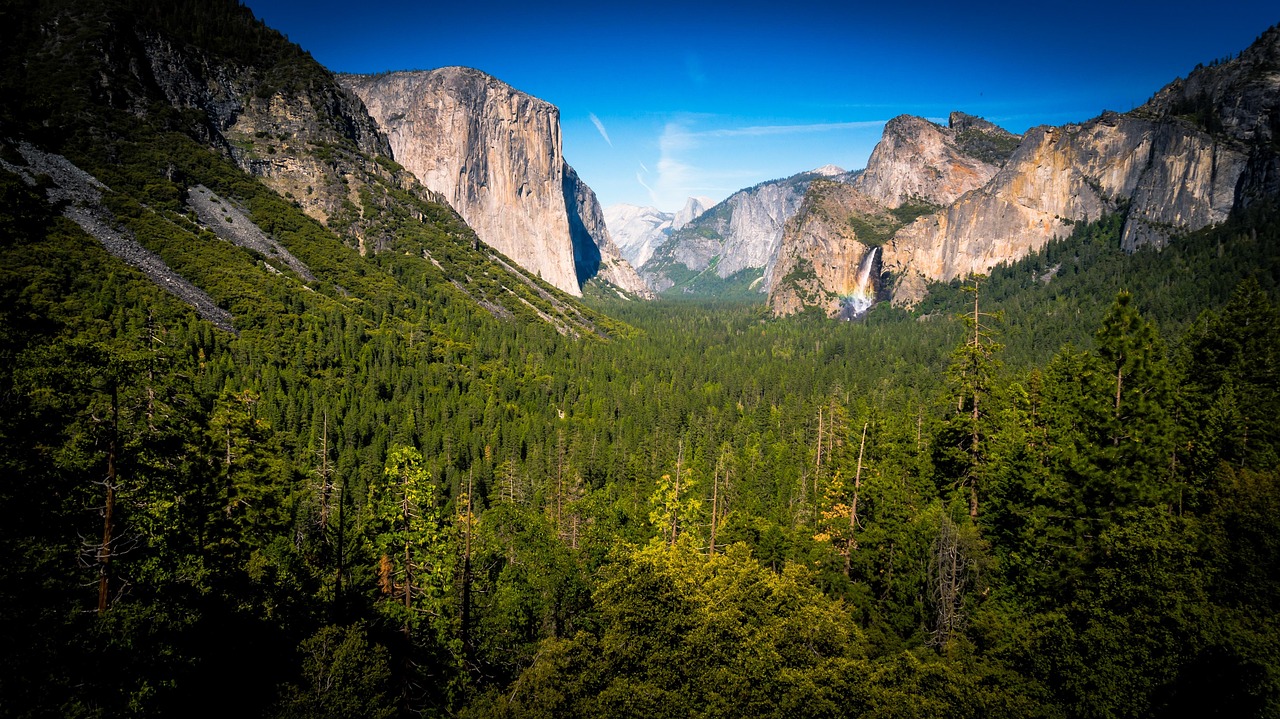
The most significant hurdle for the modern traveler is the "Timed Entry" system. In 2025, the "Big 8" parks—the ones that dominate your Instagram feed—require more than just an entry fee; they require a digital slot booked months in advance.
Direct Answer: Which US National Parks require reservations in 2025? High-traffic parks including Acadia, Arches, Glacier, Mount Rainier, Rocky Mountain, Shenandoah, Yosemite, and Zion require entry reservations or specific trail permits (such as the Angels Landing permit in Zion) during peak seasons.
The primary platform for this is Recreation.gov. My advice? Create an account and log in before the 8:00 AM MST release time for your desired dates. These slots are often gone within three to five minutes. For parks like Arches, the "pilot" programs have become permanent fixtures to prevent the three-hour traffic jams that previously plagued the park entrance.
2. Secure Your 'America the Beautiful' Pass early
If you plan on visiting more than three parks in a rolling 12-month period, the 'America the Beautiful' pass is a mathematical necessity.
Direct Answer: What is the 'America the Beautiful' pass? It is an $80 annual pass that provides entry to more than 2,000 federal recreation sites, including all 63 US National Parks. The pass covers the pass owner and all passengers in a single, non-commercial vehicle.
While $80 remains the standard for US residents in 2025, be aware of the shifting landscape. There are discussions regarding a significant fee increase for non-resident international visitors starting in late 2025/2026.
| Pass Type | 2025 Price | 2026 Projected (Non-Resident) |
|---|---|---|
| Annual Interagency Pass | $80 | $80 (Domestic) / $250 (Intl) |
| Senior Pass (Lifetime) | $80 | $80 |
| Military/Veteran Pass | $0 | $0 |
| 4th Grade Pass | $0 | $0 |
3. Observe the 'Bus Length' Wildlife Safety Rule
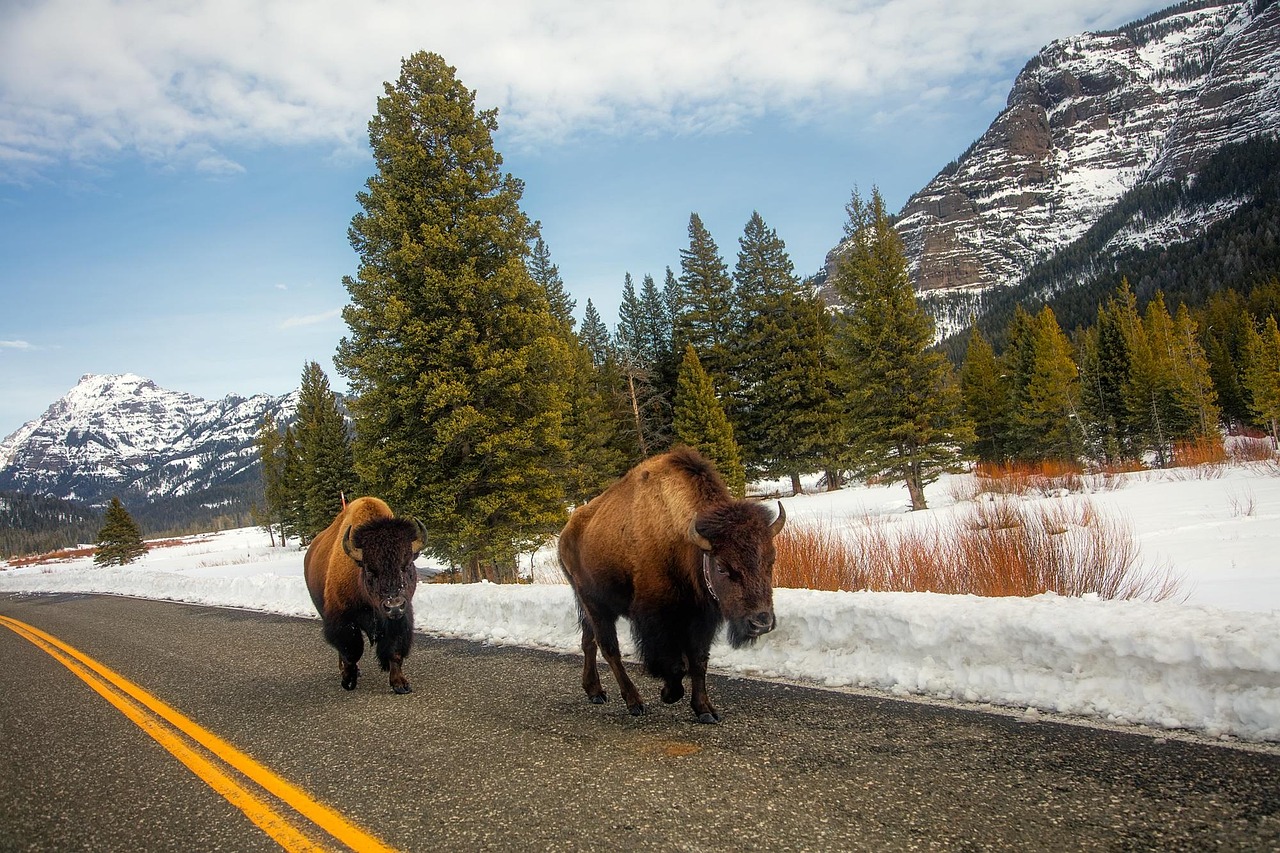
Every year, videos surface of tourists attempting to take selfies with 2,000-pound bison in Yellowstone. These encounters often end in the hospital. The NPS uses a simple analogy for scale to keep visitors safe: the school bus.
Direct Answer: What is the safe distance for wildlife in US National Parks? Visitors should maintain a minimum distance of 25 yards (75 feet) from most wildlife like bison, elk, and deer—roughly the length of two school buses. For apex predators such as bears and wolves, a minimum of 100 yards (300 feet) or eight school buses is required.
If the animal changes its behavior because of your presence—if a bison stops grazing to look at you or an elk moves away—you are too close. Use a telephoto lens or binoculars; your smartphone’s digital zoom is not worth a trip to the ER.
4. Book Lodging and Camping 6 to 13 Months Out
The "booking window" is the most stressful part of National Park planning. Most highly sought-after campgrounds, such as North Pines in Yosemite or Mather Campground in the Grand Canyon, book up within minutes of becoming available.
Typically, campsites on Recreation.gov open 6 months in advance on a rolling basis. However, certain "Grand Lodge" accommodations inside the parks (like the El Tovar or Old Faithful Inn) can be booked up to 13 months in advance. If you are reading this in June for a July trip, your options inside the park are likely zero. Look to "Gateway Communities"—towns like Springdale, UT, or West Yellowstone, MT—but expect to pay a premium for the convenience.
5. Prepare for the 'Offline' Experience
Google Maps is a marvelous tool until you enter the granite corridors of Yosemite or the deep canyons of Zion. Satellite signals often fail, and cellular data is almost non-existent once you leave the visitor centers.
Before you leave home, download offline maps on Google Maps, but more importantly, use dedicated hiking apps like AllTrails or Gaia GPS and download the specific trail layers.
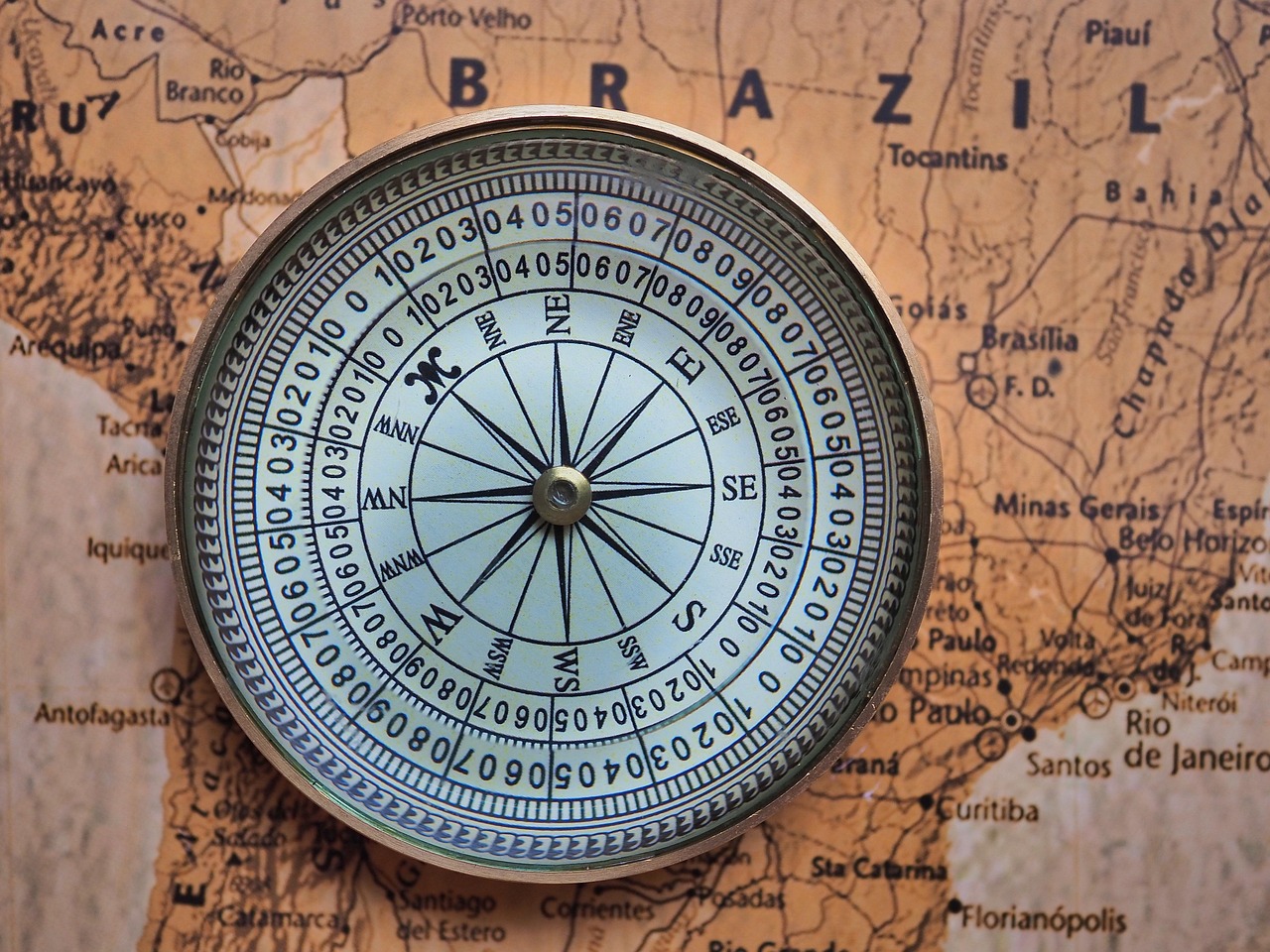
Pro-Tip: Always carry a physical topographic map and a compass. Technology fails when the temperature drops or the battery dies. I've encountered numerous hikers lost on "easy" trails simply because their phone died and they couldn't find the fork in the path.
6. Embrace 'Leave No Trace' (LNT) Principles
With 325 million visits annually across the NPS system, "Leave No Trace" is no longer a suggestion; it is a survival strategy for the land. This goes beyond picking up your trash (though that is paramount).
- Protect the Crust: In desert parks like Arches and Canyonlands, the ground is alive. "Biological Soil Crust" or "Cryptobiotic Soil" takes decades to grow and can be destroyed by a single footstep. Stay on the trail or on bare rock.
- Leave the Souvenirs: That "cool rock" or "pretty shell" belongs to the ecosystem. Taking natural objects from a National Park is a federal offense.
7. Account for Altitude and Microclimates
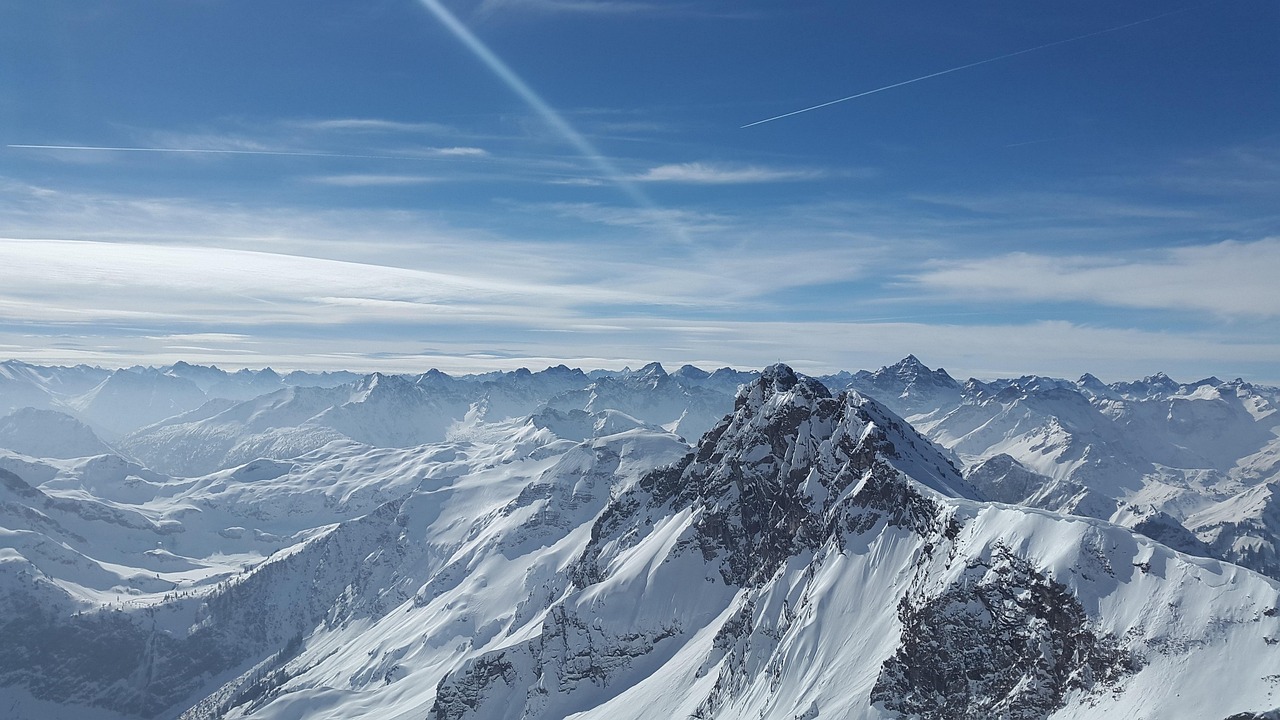
One of the most common mistakes I see travelers make is underestimating the verticality of the American West. You might start your day in a t-shirt in a gateway town at 5,000 feet, only to find yourself in a blizzard at a 12,000-foot mountain pass two hours later.
In Rocky Mountain National Park, it can be a pleasant 90°F in Estes Park, while the Alpine Visitor Center is experiencing sleet and 40 mph winds.
The Hydration Rule: You must drink double your usual water intake at high altitudes. Altitude sickness is real, and the dry air will dehydrate you long before you feel thirsty. Aim for at least one gallon of water per person, per day, when hiking.
8. Respect Indigenous Ancestral Lands
It is vital to remember that National Parks were not "empty" wildernesses discovered by explorers; they are the ancestral homelands of hundreds of Indigenous tribes. Many sites within the parks, such as the cliff dwellings in Mesa Verde or the petroglyphs in the Southwest, are sacred living landscapes.
When visiting these areas:
- Never touch petroglyphs; the oils from your skin degrade the ancient pigments.
- Do not enter or climb on ruins.
- Observe "Quiet Zones" where requested; these are often sites of ongoing spiritual significance.
9. The 'Rise Early, Stay Late' Strategy
To experience the parks without the "Disney-fication" of the crowds, you must operate on a different clock. The 10:00 AM to 2:00 PM window is the "Peak Chaos" period. Parking lots fill up, shuttle lines lengthen, and trails become congested.
My strategy is always to be at the trailhead before sunrise. Not only is the lighting better for photography, but the wildlife is more active. Conversely, the parks take on a different magic after dark. Many parks, like Bryce Canyon and Big Bend, are certified International Dark Sky Parks. Staying late offers a view of the Milky Way that is increasingly rare in our light-polluted world.

10. Gear Up for Remote Environments
The "10 Essentials" are the baseline for any venture into a National Park. Do not rely on the gift shop to have what you need when an emergency strikes.
- Navigation: Map, compass, and GPS.
- Sun Protection: SPF 50+, sunglasses, and a wide-brimmed hat.
- Insulation: Extra layers (moisture-wicking, no cotton).
- Illumination: Headlamp with extra batteries.
- First Aid: Including blister care and any personal medications.
- Fire: Waterproof matches or a lighter.
- Repair Kit: Multi-tool and duct tape.
- Nutrition: High-calorie, shelf-stable snacks.
- Hydration: Extra water and a purification method.
- Emergency Shelter: A lightweight space blanket or bivy.
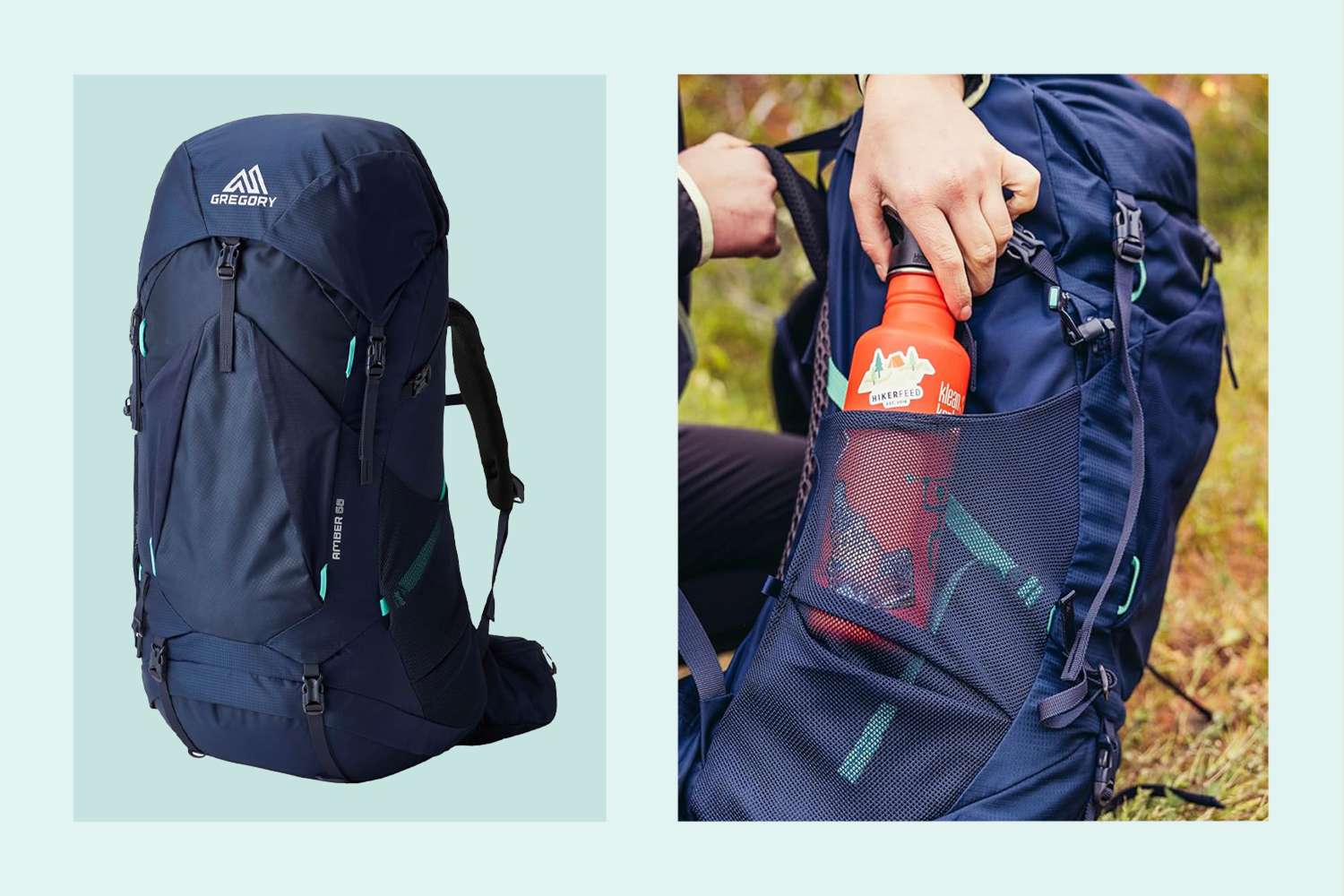
For high-quality, park-tested gear that supports conservation efforts, I recommend checking out the curated collections at REI.
Shop Professional Outdoor Gear →

11. Navigate Gas and Food Scarcity
The logistical cost of "forgetting the milk" is incredibly high in remote sectors. In places like the Needles District of Canyonlands, the nearest gas station might be 50 miles away.
Expect "Park Pricing." Gas inside or immediately outside a park can be $1.00 to $2.00 more expensive per gallon than in a major city. Similarly, food options are often limited to expensive, pre-packaged sandwiches. Rule of thumb: Fill your tank and your cooler in a major hub (like Las Vegas, Salt Lake City, or Denver) before heading into the wild.
12. Support the Gateway Communities
Finally, remember that the towns surrounding the parks—Moab, Bar Harbor, Estes Park—are the lifeblood of the experience. They shoulder the burden of millions of visitors. Support local businesses, eat at family-owned diners, and respect local parking laws. These communities work tirelessly to provide the infrastructure that makes your "wilderness" experience possible.
Conclusion: Preservation Through Preparation
The National Parks remain America's best idea, but they are an idea under pressure. By following these 20 rules, you aren't just ensuring a smoother trip for yourself; you are participating in the grand project of preservation. As we look toward the 2025 season, let your legacy be one of respect, preparation, and awe.
FAQ
Q: Can I visit a park if I didn't get a reservation? A: Yes, but with caveats. Some parks allow entry before 6:00 AM or after 4:00 PM without a reservation. Additionally, many parks have "secondary" entrances or less-popular districts that do not require reservations. Check the specific park's NPS.gov page for "alternative access."
Q: Is the $80 pass worth it for a one-week trip? A: If you plan to visit three or more parks (most individual park entry fees are $30-$35), the pass pays for itself. Plus, it’s a beautiful souvenir and supports the National Park Foundation.
Q: Are dogs allowed on trails in National Parks? A: Generally, no. In most National Parks, pets are restricted to paved roads, parking lots, and developed campgrounds. This is to protect local wildlife and prevent domestic diseases from spreading. For a "pet-friendly" experience, look toward National Forests or State Parks.
Ready to Plan Your 2025 Adventure?
Don't wait until the last minute. Start your reservation process today and ensure your spot in the great American wilderness.