Quick Facts
- The Landscape: Olympic National Park protects nearly 1 million acres of wilderness across four distinct ecosystems: temperate rainforests, subalpine meadows, rugged rocky coastlines, and glaciated peaks.
- The Historic Core: Four iconic lodges—Lake Crescent, Lake Quinault, Kalaloch, and Sol Duc—offer the only non-camping accommodations within park boundaries.
- Tactical Base: Staying in the town of Forks is essential for visiting the Hoh Rain Forest; it allows you to arrive before the peak 9:00 AM entry rush, after which wait times can exceed two hours.
- Coastal Timing: Successful tide-pooling at Ruby Beach requires planning around "negative tides," which during peak summer months often occur as early as 5:00 AM or 6:00 AM.
- Connectivity: Expect a "digital detox." Most areas inside the park, particularly Sol Duc and Kalaloch, have zero cell service and no guest Wi-Fi.
One Million Acres of Middle-earth
To visit Olympic National Park is to step into a landscape that feels less like a U.S. National Park and more like a lost continent. Spanning nearly 1 million acres, the park is a topographical paradox. Within a single day, you can sunrise on a glaciated mountain peak, lunch under the moss-draped canopy of a temperate rainforest, and sunset beside the driftwood-strewn graveyard of a Pacific beach.
The sheer scale of the Olympic Peninsula dictates your lodging strategy. Because no road traverses the center of the park, travelers must navigate the "loop" via Highway 101. Choosing the right base isn't just about aesthetics; it’s a tactical decision that determines whether you spend your vacation hiking through ancient ferns or idling in a three-mile queue of rental SUVs. Whether you are seeking the Gatsby-era refinement of a historic lodge or the Instagram-ready transparency of a geodesic glass dome, your choice of stay will define your experience of the Great Pacific Northwest.
The Big Four: Iconic Historic Lodges Inside Park Boundaries
For travelers who value heritage and immediate trail access, the "Big Four" historic lodges are the gold standard. These properties were built in an era when the journey to the Olympics involved steamships and stagecoaches, and they retain a sense of rugged, unplugged elegance.
Master Planner Tip: If your goal is to stay inside the park, the most unique options are the geodesic 'Happy Glampers' domes near Port Angeles and the beachfront A-frames near the Quinault Reservation. For historic charm, the top choices are Lake Crescent Lodge, Lake Quinault Lodge, Kalaloch Lodge, and Sol Duc Hot Springs Resort.
Lake Crescent Lodge: The 1915 Classic
Nestled on the shores of a deep-blue, glacially carved lake, Lake Crescent Lodge is perhaps the most picturesque of the quartet. Built in 1915, the main lodge features a sprawling sunroom where guests sip coffee while watching the morning mist lift off the water. The "Roosevelt Fireplace Cabins" are the most coveted rooms here; they are listed on the National Register of Historic Places and offer a cozy, wood-burning retreat just steps from the shoreline.
Lake Quinault Lodge: The President’s Choice
Located in the "Valley of the Giants," this 1926 lodge is famous for its massive stone fireplace and its 1937 visitor, President Franklin D. Roosevelt. It was here, allegedly over a meal of local salmon, that FDR decided the area deserved National Park status. The lodge overlooks the lake and provides immediate access to some of the world's largest Sitka Spruce and Douglas Fir trees.
Kalaloch Lodge: A Sentinel on the Edge
Kalaloch (pronounced clay-lock) is the only year-round oceanfront lodge within the park. It sits on a high bluff overlooking the Pacific, where the constant roar of the surf serves as a natural soundtrack. The private cabins, particularly those with wood-burning stoves, offer the quintessential "storm-watching" experience. There is no Wi-Fi and no cell service here—just the rhythm of the tides and the occasional sighting of a bald eagle.
Sol Duc Hot Springs Resort: The Ultimate Unplugged Retreat
Tucked deep into the rainforest, Sol Duc is centered around three mineral-rich soaking pools. This is the most rustic of the lodges, consisting of comfortable but basic cabins. It serves as the primary gateway to the Seven Lakes Basin, making it a favorite for serious hikers. Be warned: this is a true "off-grid" experience. Without digital distractions, the evening activity consists entirely of soaking in the 100-degree waters and watching the steam rise into the cedar canopy.
Comparing the Historic Lodges
| Property | Best For | Vibe | Price Range | Seasonality |
|---|---|---|---|---|
| Lake Crescent Lodge | Scenery & Paddling | 1910s Lakeside Elegance | $$$ | May - Oct |
| Lake Quinault Lodge | Giant Trees & History | Grand 1920s Lodge | $$$ | Year-Round |
| Kalaloch Lodge | Beachfront & Sunsets | Coastal Rustic | $$$ | Year-Round |
| Sol Duc Hot Springs | Soaking & Hiking | Off-Grid Cabins | $$ | Apr - Oct |
Unique & Trendy: Glamping and Architectural Gems
As the Pacific Northwest has become a hub for architectural innovation, a new wave of "boutique" stays has emerged on the fringes of the park. These properties cater to the modern explorer who wants the ruggedness of the Olympics paired with high-design comfort.
The Glass Domes: Happy Glampers
Located just outside Port Angeles, the 'Happy Glampers' geodesic domes have redefined glamping in the region. These transparent structures allow you to sleep under the stars (or, more likely in the Olympics, under the dramatic movement of the clouds) while remaining heated by high-efficiency wood-burning stoves. Each dome is strategically positioned for privacy, offering a 180-degree view of the surrounding evergreen forest.
Beachfront A-Frames near Quinault
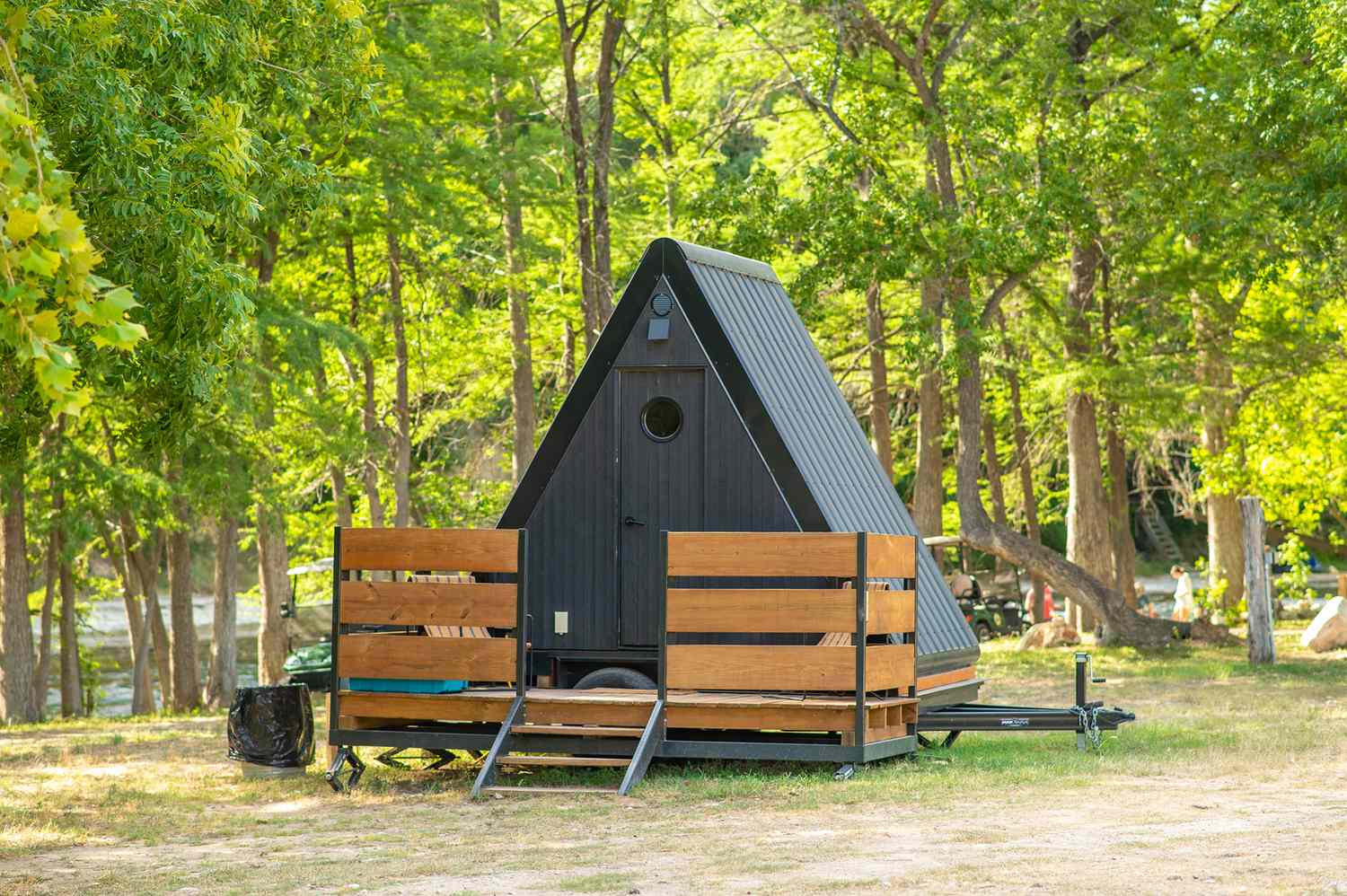
On the southern edge of the park, near the Quinault Reservation, several modern A-frames have cropped up. These aren't your grandfather’s drafty cabins. We’re talking floor-to-ceiling glass, cedar-planked interiors, and the piece de résistance: outdoor barrel hot tubs. These stays offer the best of the "cabin-core" aesthetic with modern amenities like espresso machines and high-speed satellite internet, which is a rarity in this region.
The House Upon the Sand
For those who prefer a minimalist, industrial look, these designer corrugated metal cabins provide a stark, beautiful contrast to the organic chaos of the rainforest. Featuring Japanese-style cedar soaking tubs and minimalist interiors, they are located near the coastal entry points, making them perfect for those who want a curated, quiet retreat after a day of beachcombing.
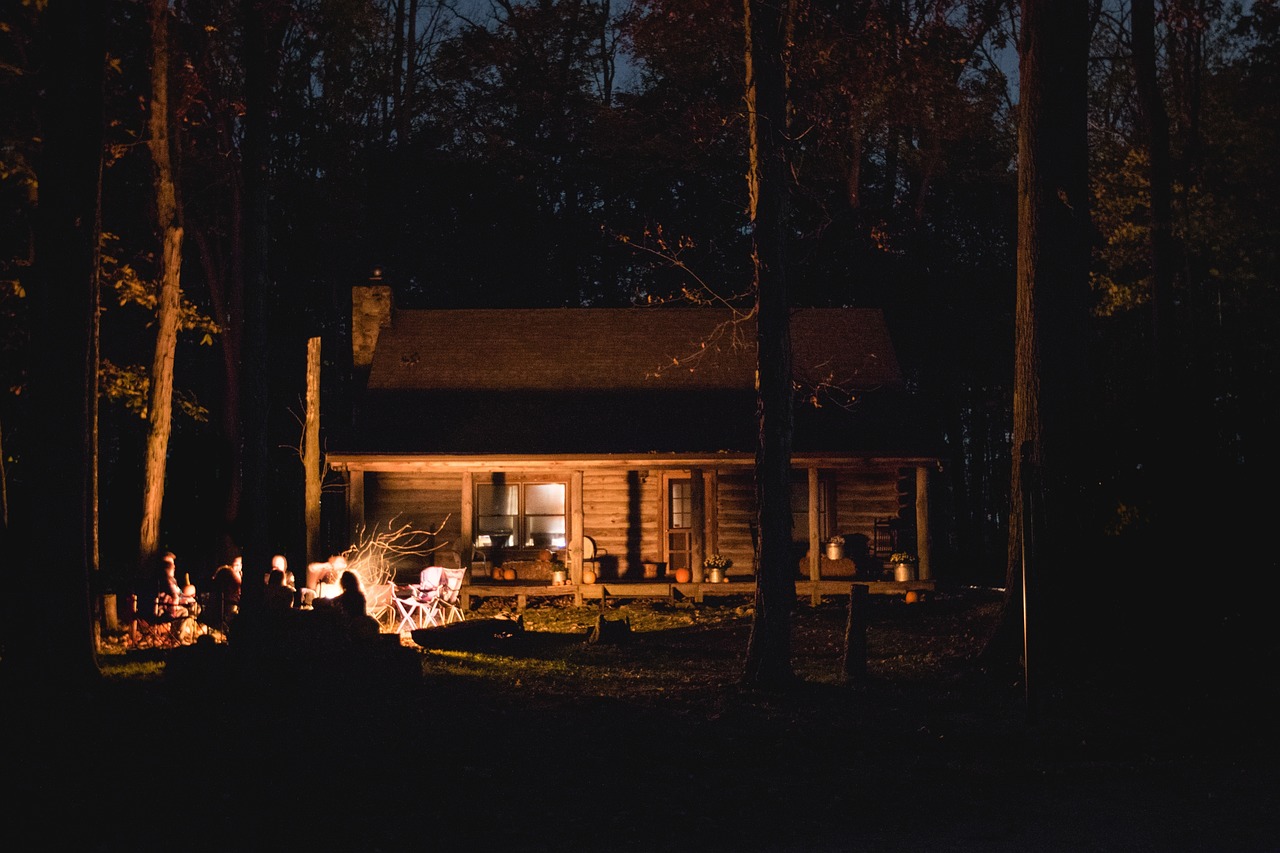
Strategic Bases: Where to Stay Outside the Park
Because the park is so vast, many travelers choose to stay in the gateway towns. This is often the most practical choice for families or those on a tighter schedule.
Port Angeles: The Adventure Hub
Port Angeles is the largest town on the peninsula and serves as the primary gateway to Hurricane Ridge. If you want to be the first person on the alpine trails at sunrise, stay here.
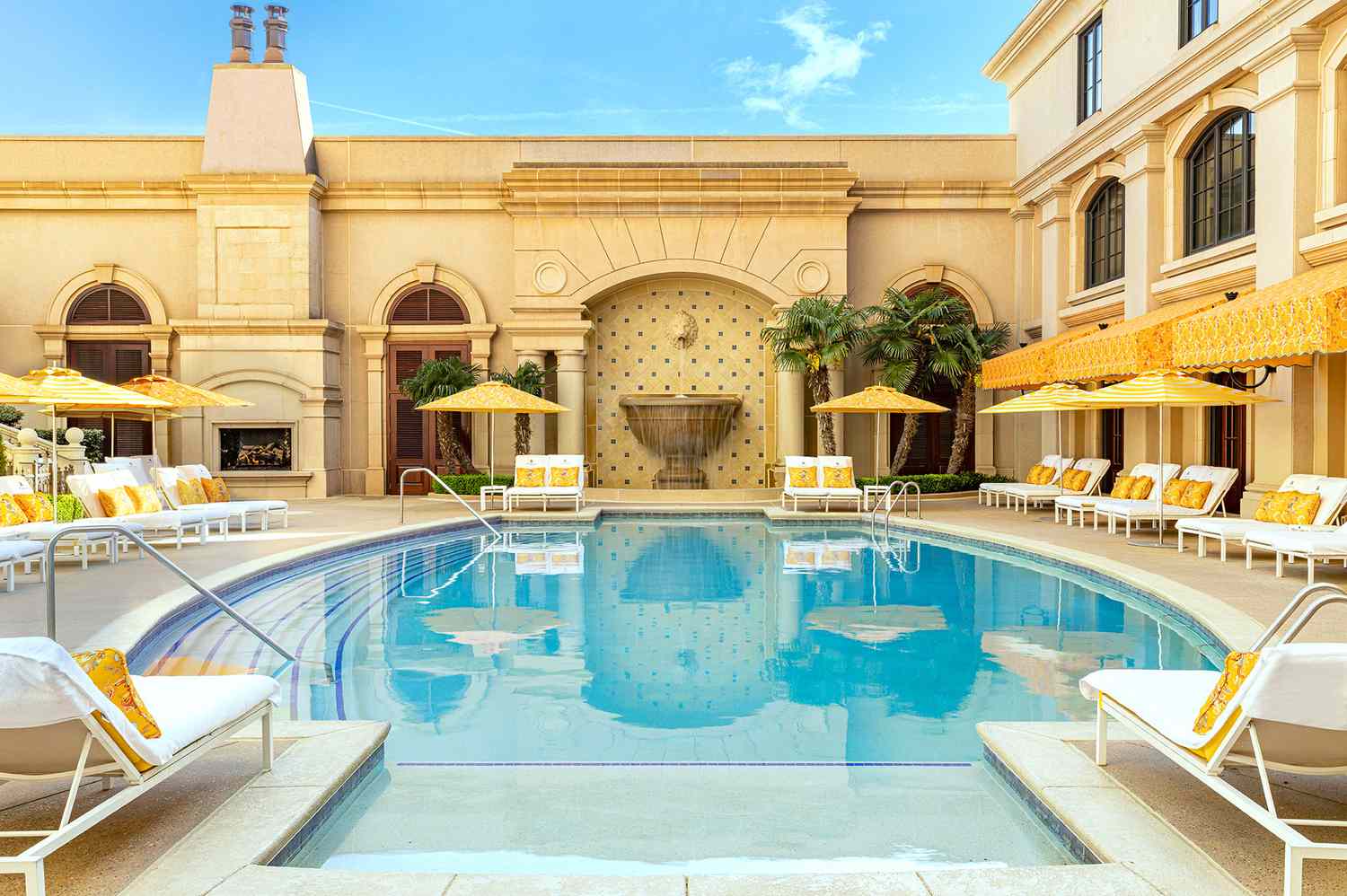
- Olympic Lodge by Ayres: A high-end hotel that feels like a lodge, featuring a massive stone fireplace and a heated outdoor pool—ideal for relaxing after a cold day at high elevation.
- Emerald Valley Inn: A charming, farm-style stay that also features a small herd of llamas and goats, perfect for families.
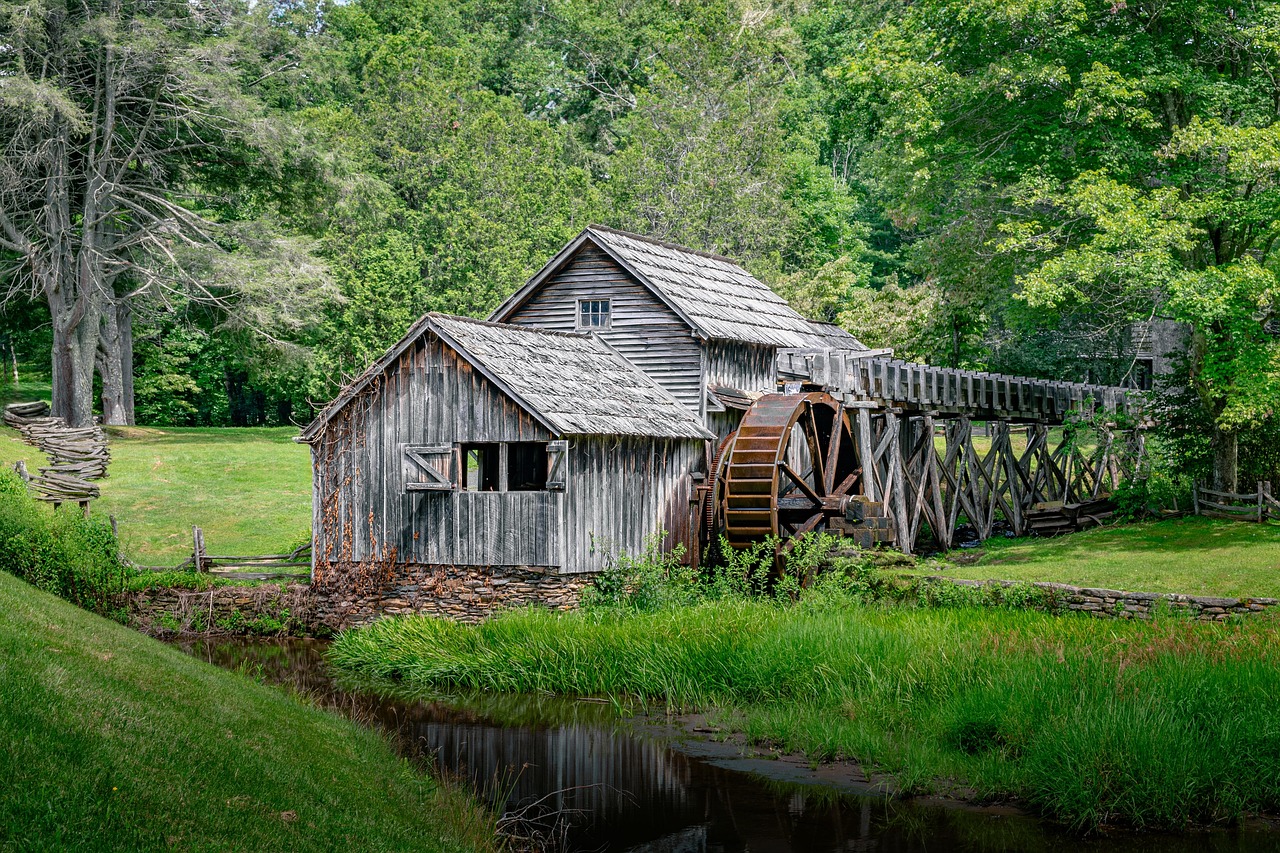
Forks: The Gateway to the Rainforest
Forks has evolved far beyond its Twilight fame. Today, it is the essential tactical base for anyone visiting the Hoh Rain Forest. The Hoh is the park’s "bucket list" destination, and because parking is extremely limited, the entry gate often transitions to a "one-car-in, one-car-out" system by 9:30 AM.
The 9:00 AM Rule: To ensure entry without a multi-hour wait, you must pass the Hoh Rain Forest fee station by 8:30 AM. Staying in Forks, which is only a 40-minute drive away, is the only way to achieve this without waking up at 4:00 AM.
- Wild Coast Craftsman: A beautifully restored heritage home that offers more character than the standard motels.
- Pacific Inn: For the nostalgia hunters, this spot still leans into the town’s vampire lore with themed rooms, though it remains a clean and reliable mid-range option.
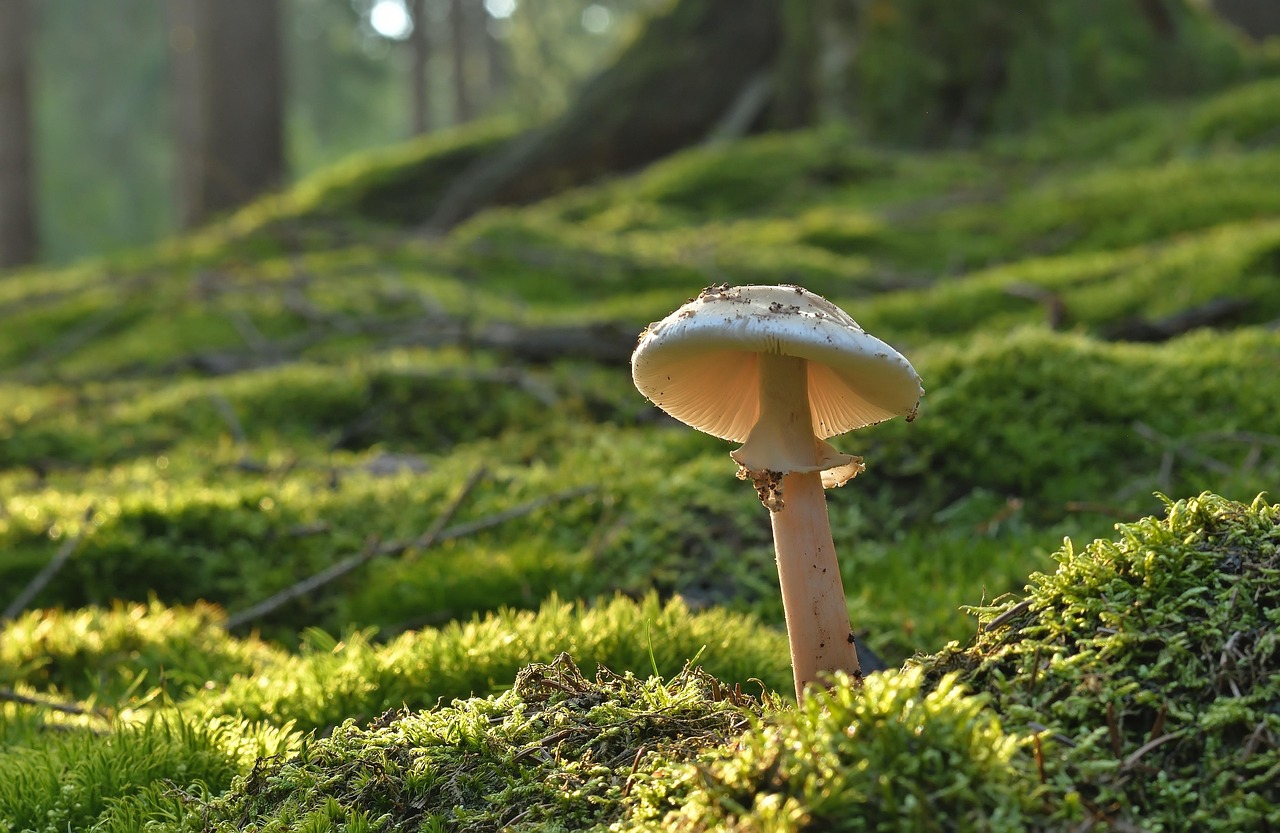
Sequim: The Sunny Rain Shadow
If the thought of the Olympic Peninsula’s famous rainfall (averaging 140 inches a year in the Hoh) scares you, head to Sequim. Located in the "rain shadow" of the Olympic Mountains, Sequim receives significantly less precipitation.
- Juan de Fuca Cottages: These waterfront units offer views across the strait to Victoria, B.C.
- The Lavender Trail: If visiting in mid-July, Sequim is home to world-class lavender farms. Staying here allows you to bypass the mist and enjoy a Mediterranean-style microclimate.
Essential Planning: Tides, Trails, and Logistics
A successful Olympic stay requires more than just a hotel reservation; it requires an understanding of the lunar cycle and the park's unique logistical hurdles.
Tide-Pooling Secrets at Ruby Beach
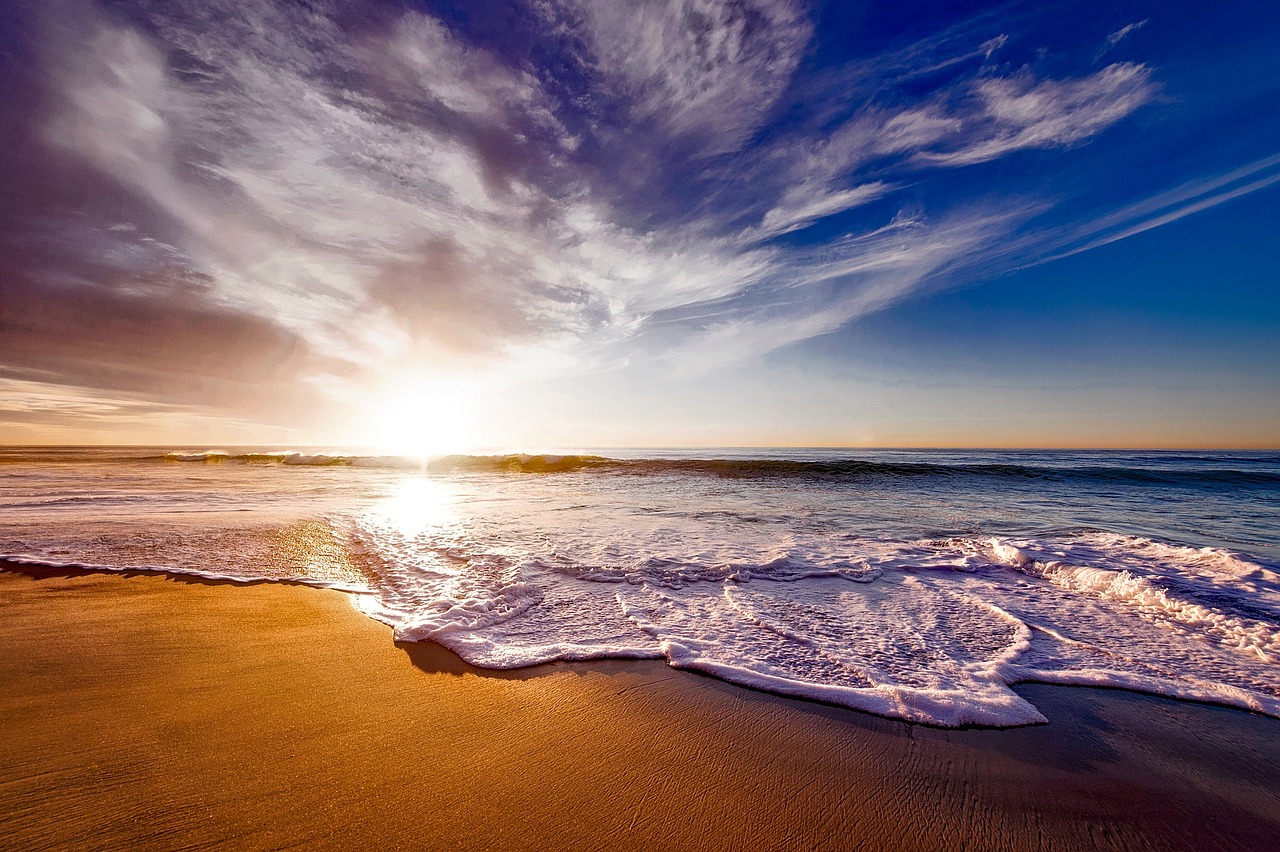
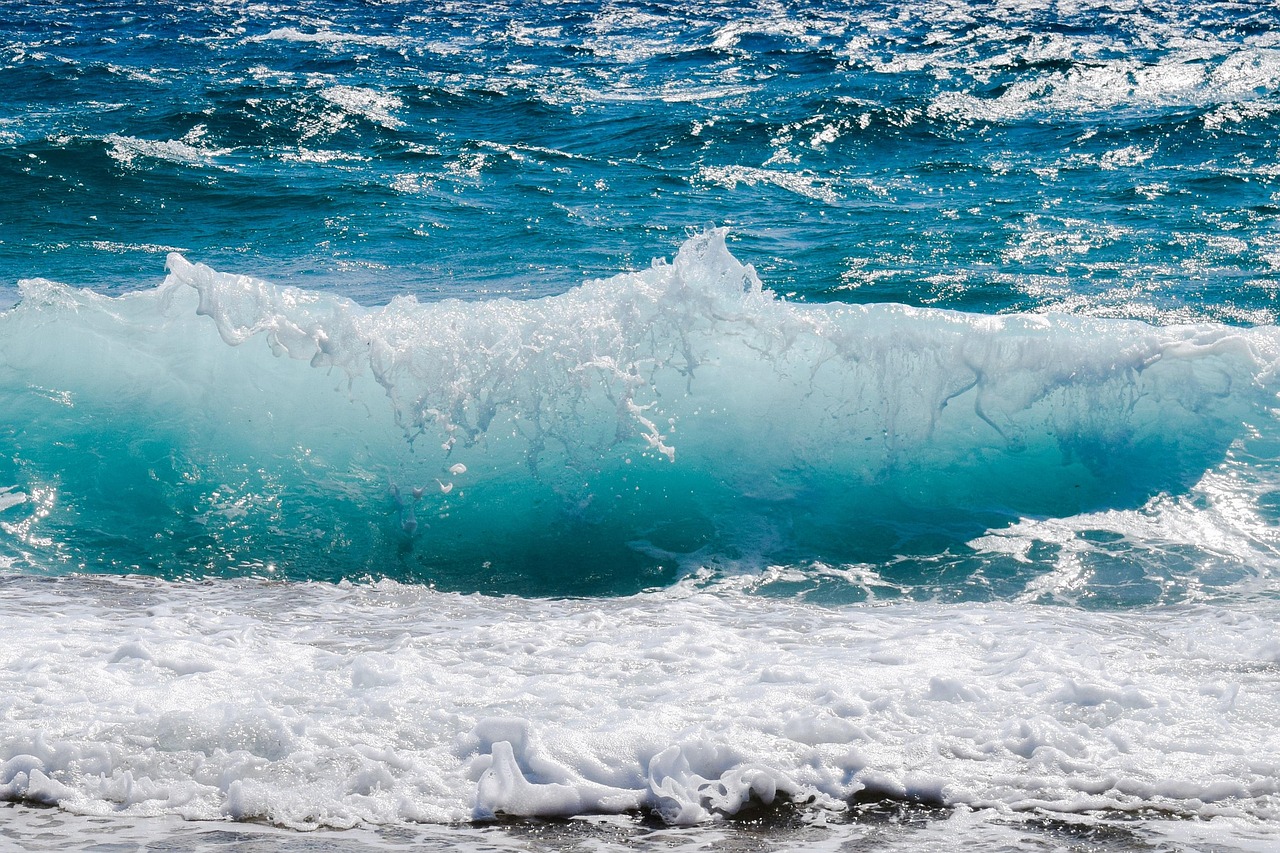
The coast of Olympic National Park is a graveyard of giants—massive Sitka Spruce drift logs bleached white by the sun. But the real magic happens at low tide. Ruby Beach and Beach 4 are world-renowned for their tide pools, filled with neon-green anemones and purple sea stars.
However, you cannot simply show up at noon and expect to see them. Data from local itineraries suggests that negative tides—the optimal time for tide-pooling—frequently occur between 5:00 AM and 6:00 AM during the peak summer season. Use a tide chart or the 'Tide Alert' app. If you aren't staying nearby (like at Kalaloch), you will miss this window entirely.
The Entry Strategy
The National Park Service has seen record-breaking attendance in recent years. To make the most of your stay:
- Buy your pass ahead of time: Use the "America the Beautiful" pass to breeze through the lines.
- Download offline maps: Google Maps will fail you the moment you turn off Highway 101. Download the entire Olympic Peninsula for offline use.
- Pack for four seasons: Even in August, a morning at Hurricane Ridge can be 40°F, while an afternoon in the Hoh might be a humid 75°F.
FAQ: Best Stays for Families, Pets, and Solitude
Which stay is best for families? Lake Quinault Lodge is excellent for families due to its large lawn, lake activities, and more "traditional" hotel amenities. Port Angeles hotels like the Olympic Lodge also offer pools, which are always a hit with kids.
Are these lodges pet-friendly? Kalaloch Lodge is the most pet-friendly of the historic lodges, offering specific cabins for those traveling with dogs. Most glamping sites, including the domes in Port Angeles, usually have strict no-pet policies to protect the local wildlife and the integrity of the structures.
Where should I stay if I want total solitude? Sol Duc Hot Springs Resort or the private beachfront A-frames near the Quinault Reservation are your best bets. Sol Duc, in particular, feels the most "removed" from the modern world due to the lack of connectivity and its deep valley location.
Book Your Olympic Peninsula Escape
Olympic National Park is not a destination you "see"—it is a place you inhabit. Whether you choose to wake up to the sound of the Pacific crashing against the bluffs at Kalaloch or the smell of damp cedar in a Hoh-adjacent cabin, your choice of lodging is the first step in a larger adventure. 2024 bookings for the historic lodges often fill up six to nine months in advance, so plan accordingly.