Quick Facts
- Is it safe? Yes, but only at three officially designated and monitored bathing sites: Bras Marie, Bercy, and Bras de Grenelle.
- Cost: Completely free of charge for all visitors and residents.
- Water Quality: Monitored daily for E. coli and enterococci levels; sites close temporarily following heavy rainfall.
- Requirements: Standard swimwear is required (no swim caps necessary); lifebuoys are provided on-site for safety.
- Safety Record: Since the 2024 opening, over 50,000 people have taken the plunge with zero reported health incidents.
The New Parisian Summer: A Century in the Making
For over a hundred years, the idea of swimming in the Seine was little more than a punchline or a daring, illegal feat. Since the 1923 ban—instated due to treacherous currents and worsening pollution—the river served as a picturesque backdrop for postcards rather than a recreational destination. However, as we move through 2025, the narrative has fundamentally shifted. The murky, industrial dream of a swimmable Seine has crystallized into a gleaming, emerald-green reality.
If you are standing on the Pont Neuf today, watching the sun catch the ripples of the water, the question is no longer "Will they ever clean it?" but rather "Is it safe for me to jump in?" As a critic who has followed the bureaucratic and environmental hurdles of this project for years, I can confidently say the answer is yes—provided you follow the rules. Paris has successfully reclaimed its liquid artery, transforming it from a sewage-burdened canal into a series of sophisticated, high-tech urban swimming oases.
The €1.4 Billion Transformation: From Olympic Legacy to Public Utility
The catalyst for this change was, undeniably, the 2024 Olympic Games. To make the river suitable for triathlon and marathon swimming events, the City of Paris, backed by the French government, embarked on a decade-long infrastructure overhaul. This was not a superficial face-lift; it was a massive engineering undertaking costing approximately €1.4 billion ($1.65 billion).
The investment funded the construction of the Austerlitz storage basin—a giant underground tank capable of holding 50,000 cubic meters of rainwater (the equivalent of 20 Olympic swimming pools). This prevents the city’s ancient sewer system from overflowing into the river during heavy storms. Coupled with modernized treatment plants that utilize ultraviolet light to neutralize bacteria, the transformation has been profound. The data speaks for itself: since the official sites opened on July 5, 2024, more than 50,000 people have swam in the Seine. Most importantly, there have been zero reported health issues or waterborne illnesses among those who used the sanctioned sites.
How Safety is Monitored Daily: The Science Behind the Splash
When you approach one of the three official swimming sites, you’ll notice a color-coded flag system that functions much like those on the Atlantic coast. This isn't just for show; it is the visual output of a rigorous, daily scientific protocol.
Technicians from the Paris regional health agency (ARS) conduct bacterial testing every morning, specifically measuring levels of E. coli and intestinal enterococci. These are the primary indicators of fecal contamination. For a site to receive a "Green" flag, these levels must fall well within the strict European Bathing Water Directive limits.
If the water quality dips—which typically happens for 24 to 48 hours following a significant rainstorm—a "Red" flag is hoisted, and the swimming area is immediately closed to the public. This data-driven approach removes the guesswork for the traveler. You aren't "taking a chance" on the water; you are entering a controlled environment where the water is likely cleaner than many Mediterranean beaches during peak season.
The 3 Official Seine Swimming Locations for 2025
Choosing where to swim depends largely on what you want to see from the water. Each of the three sanctioned sites offers a distinct atmosphere, ranging from historical intimacy to modern sprawl.
1. Bras-Marie (The Central Oasis)
Located in the 4th Arrondissement, directly opposite the prestigious Île Saint-Louis, Bras-Marie is the quintessential "Parisian" experience. This site feels like a hidden cove tucked away from the bustling city streets. Because it is narrower and more protected, the water here often feels calmer.
The capacity is limited to 150 people to maintain a sense of tranquility, and there is a strict age limit of 14+ to ensure a more adult-focused environment. It’s the perfect spot for a morning dip before heading to a nearby café for a croissant.
- Location: Quai de l'Hôtel de Ville (4th Arr.).
- Capacity: 150 people.
- Best For: Solo travelers and couples looking for a historic backdrop.
- Hours: Mon–Sat 8:00 am – 11:30 am; Sun 8:00 am – 5:30 pm.
2. Bercy (The Largest Site)
If Bras-Marie is an oasis, Bercy is a resort. Situated in the 12th Arrondissement near the iconic François-Mitterrand Library, this is the largest of the three sites and boasts the most comprehensive facilities.
With two separate bathing areas and a total capacity of 700 people (300 allowed in the water at any given time), Bercy is designed for a full afternoon of relaxation. The site includes changing cabins, showers, and restrooms, making it the most convenient option for those who don't want to commute back to their hotel in a damp swimsuit.
- Location: Near Quai de la Gare (12th Arr.).
- Capacity: 700 people total.
- Best For: Groups of friends and those who value amenities.
- Hours: 11:00 am – 9:00 pm daily.
3. Bras de Grenelle (Eiffel Tower Views)
For the ultimate "I’m in Paris" moment, Bras de Grenelle is unbeatable. Located in the 15th Arrondissement near the Champ de Mars, you can literally float on your back while gazing at the Iron Lady.
This is also the premier destination for families. Unlike the other sites, Bras de Grenelle features a secure, shallow pool specifically designed for children, with depths ranging from 40cm to 60cm. Lifeguards are particularly vigilant here, making it the safest entry point for younger swimmers.
- Location: Near the Pont de Grenelle (15th Arr.).
- Capacity: 200 people.
- Best For: Families with children and photographers.
- Hours: 10:00 am – 5:30 pm daily.
Site Comparison Table
To help you decide which location suits your itinerary, I’ve compiled the core logistics into a quick-reference table:
| Site Name | Arrondissement | Max Capacity | Highlight Feature | Best For |
|---|---|---|---|---|
| Bras-Marie | 4th | 150 | View of Île Saint-Louis | Quiet morning laps |
| Bercy | 12th | 700 | Showers & Changing Cabins | A full beach day |
| Bras de Grenelle | 15th | 200 | Eiffel Tower View | Families with kids |
Beyond the Seine: Other Swimming Spots in Paris
While the Seine is the headline act of 2025, it is part of a broader "Paris Plages" (Paris Beaches) initiative that has redefined the city's relationship with water. If the river sites are at capacity or if you prefer a different vibe, there are established alternatives that paved the way for the Seine's reopening.
The Bassin de la Villette in the 19th Arrondissement remains a fan favorite. It uses a floating pool system that draws filtered water from the Canal de l'Ourcq. It offers a more "urban park" feel, surrounded by pétanque courts and pop-up bars. Similarly, the Canal Saint-Martin occasionally hosts swimming events in the 10th Arrondissement, though these are more seasonal and less frequent than the permanent Seine sites.
Practical Tips for Your Plunge
To ensure your experience is as seamless as the water flow, keep these logistical details in mind. Paris has made the process remarkably accessible, but there are a few "unwritten" rules to follow.
- Cost and Entry: All official sites are free of charge. You do not need to book in advance, but during heatwaves, expect a "one-in, one-out" policy at the smaller sites like Bras-Marie.
- What to Wear: You must wear a proper swimsuit. While many French public pools require tight-fitting "speedo-style" trunks for men and swim caps for everyone, the Seine sites are more relaxed. No swim caps are required here.
- Safety Gear: Each swimmer is typically required to wear or carry a yellow lifebuoy provided at the entrance. These are streamlined and designed not to hinder your swimming but to ensure visibility to lifeguards.
- Lockers: Most sites offer lockers, but you must bring your own padlock. If you forget one, you'll likely have to keep your bag within your sightline on the deck.
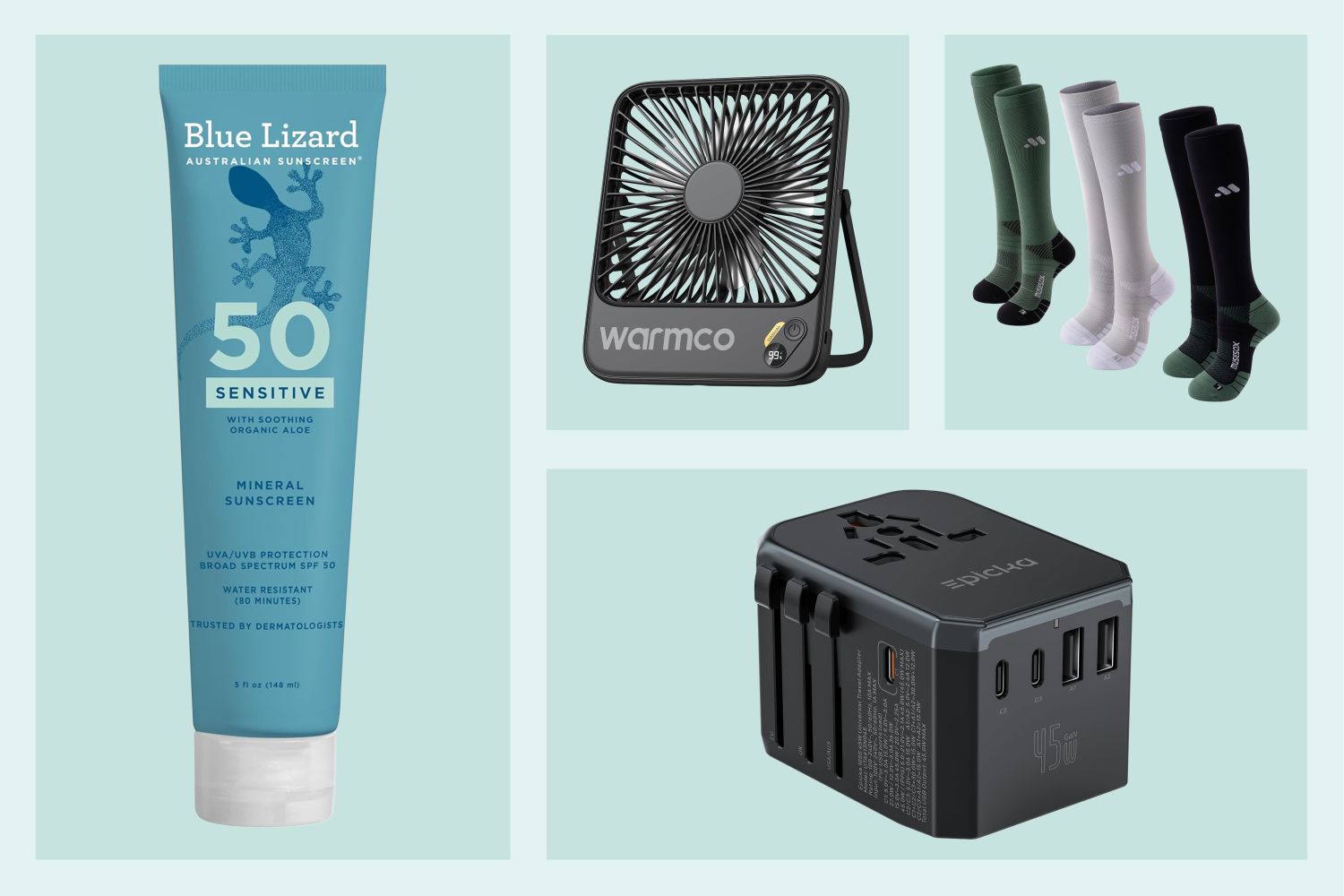
- Sun Protection: Many kiosks at these locations provide free sunscreen. I recommend utilizing it, as the reflection of the sun off the river can be surprisingly intense.
FAQ: Everything You’re Still Wondering
Q: Is the water cold? A: In July and August, the Seine typically hovers between 20°C and 23°C (68°F–73°F). It is refreshing but certainly not "polar plunge" territory.
Q: Are there fish or currents to worry about? A: Yes, the Seine is a living ecosystem. You may see small fish, but they are harmless. The swimming areas are enclosed with heavy-duty netting to protect swimmers from boat traffic and strong currents, and they are located in "arms" (bras) of the river where the natural flow is much slower.
Q: What happens if it rains the day before I go? A: Check the official Paris city website or the "Paris Plages" social media channels. If there was a heavy downpour, the sites will likely be closed for 24 hours to allow the water to cycle through.
Take the Plunge
The revitalization of the Seine is more than just an environmental success story; it is a gift to the modern traveler. It offers a way to experience the "City of Light" that was denied to generations. Whether you are looking for a workout with a view or a unique way to cool down after a day at the Louvre, the Seine is waiting.
For more information on the daily water quality status and official opening dates for the 2025 season, visit the City of Paris official portal.
Check Daily Water Quality Status →
James Wright is a senior critic who has spent twenty years analyzing the intersection of urban policy and luxury travel. He believes that the best way to understand a city is to immerse yourself in its public spaces—quite literally, in this case.