Quick Facts
- Operational Status: Dubai International Airport (DXB) is fully operational. While regional airspace closures occasionally cause rerouting, the hub continues to manage over 200,000 passengers daily with high efficiency.
- Safety Ranking: The UAE consistently ranks within the Top 10 of the Gallup Global Law and Order Index. Local crime is statistically negligible, with a crime-solving rate exceeding 99%.
- Government Advisories: Most Western nations, including the US and UK, maintain a "Level 2: Exercise Increased Caution" status. This is primarily due to regional geopolitical volatility rather than internal instability or crime.
- Cultural Compliance: Safety in Dubai is as much about legal adherence as it is about physical security. Understanding Sharia-influenced laws regarding public conduct, alcohol, and digital behavior is essential for a trouble-free visit.
The Current State of Dubai Travel
In the complex tapestry of Middle Eastern travel, Dubai remains a singular anomaly: a hyper-modern metropolis that functions with Swiss-watch precision despite the geopolitical friction of the surrounding region. As we move through 2025, the question for many international travelers is no longer about the quality of the Burj Khalifa views, but the stability of the ground beneath them. From a critical perspective, the answer is nuanced but largely reassuring. Dubai is currently safe for travel, maintaining its status as a premier global hub through a combination of rigorous security, diplomatic neutrality, and world-class infrastructure.
The distinction travelers must make is between "local safety" and "regional volatility." On the streets of Downtown Dubai or the Marina, the atmosphere is one of profound security—the kind where residents leave laptops on cafe tables without a second thought. However, because the UAE sits in a sensitive geographic corridor, international travel advisories reflect the potential for regional escalation. For the objective traveler, this means that while your daily itinerary in Dubai is unlikely to be interrupted by anything more than a desert sandstorm, your flight path and travel insurance considerations require a higher level of scrutiny than they did five years ago.
Latest Flight Disruptions and Airport Status
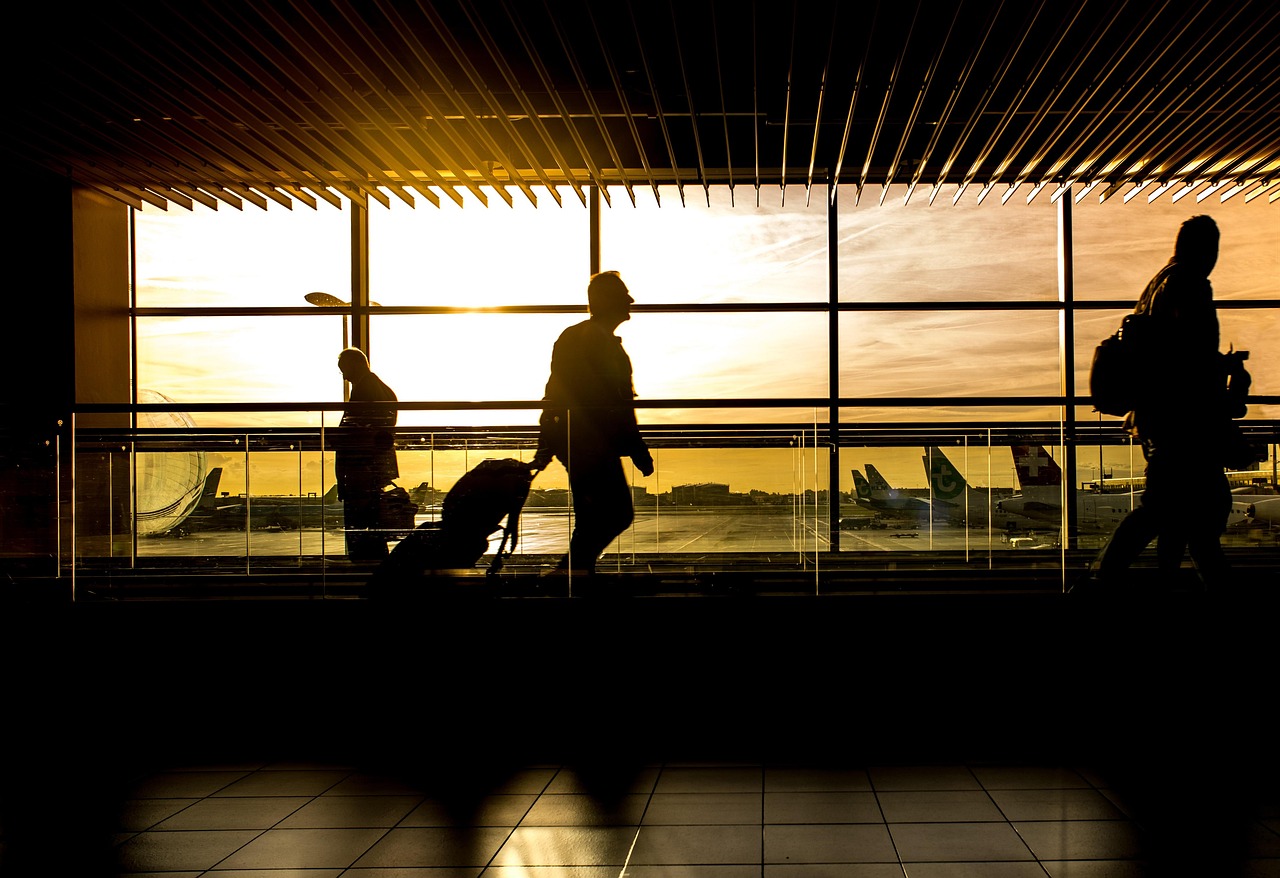
The health of Dubai’s tourism sector is intrinsically linked to the health of Dubai International Airport (DXB). Currently, DXB and Al Maktoum International (DWC) are operating at full capacity. However, the "safety" of flying into Dubai has recently been defined by the agility of its flagship carriers, Emirates and Etihad. Due to intermittent closures of airspace in neighboring regions, flight paths are frequently adjusted.
Travelers should be aware that "operational" does not always mean "on time." Rerouting to avoid sensitive zones can add 45 to 90 minutes to flight durations coming from Europe or North America. To manage this, the UAE has activated advanced airport management procedures designed to handle sudden diversions or ground holdings. For the modern traveler, the "24-hour rule" is now non-negotiable: check your flight status via the official Emirates app or the DXB website exactly 24 hours before departure and again before heading to the airport.
If regional tensions lead to temporary airspace closures, Dubai’s contingency plans are among the most robust in the world. The authorities have historically demonstrated a high capacity for managing stranded passengers, providing logistical support that far exceeds standard European or American "duty of care" protocols.
Dubai by the Numbers: Crime and Security Statistics
When analyzing Dubai's safety, one must look beyond anecdotal evidence and toward the data. The UAE’s performance in the Gallup Global Law and Order Index is not merely a marketing statistic; it is a reflection of a deeply ingrained culture of security. The country consistently places in the top tier globally, often outperforming traditional safe havens like Switzerland or Singapore in "feelings of safety while walking alone at night."
The Dubai Police Force is perhaps the most technologically advanced in the world, utilizing a vast network of AI-integrated CCTV cameras and "Smart Police Stations" (SPS) that allow for crime reporting without human intervention. This surveillance infrastructure serves as a massive deterrent.
- Crime-Solving Rate: Dubai Police records maintain an overall crime-solving rate of over 99%. In cases of violent crime, this number approaches 100%.
- Petty Crime: Instances of pickpocketing or bag snatching are extremely rare compared to major European capitals like Paris or Barcelona.
- Public Order: The presence of undercover officers and the "Al Ameen" service (a dedicated platform for reporting concerns anonymously) ensures that public order is maintained with a quiet but firm hand.

Global Travel Advisories: What Your Government Says
While the local reality in Dubai is one of peace, foreign ministries have a duty to warn of potential risks. The "Level 2" advisory prevalent among Western governments often confuses travelers. It does not mean "do not go"; it means "be aware of your surroundings."
| Country | Advisory Level | Primary Concerns Cited |
|---|---|---|
| United States | Level 2: Exercise Increased Caution | Regional volatility, potential for missile/drone strikes (though rare and largely intercepted). |
| United Kingdom | "See Travel Advice" | High threat of terrorism (general regional warning), regional military activity affecting flights. |
| Canada | Exercise a high degree of caution | Potential for regional conflict escalation; strict local laws. |
| Australia | Exercise a high degree of caution | Threat of terrorism and the regional security situation. |
For US citizens, I strongly recommend enrolling in the Smart Traveler Enrollment Program (STEP). This free service allows the embassy to contact you in an emergency and provides the latest security updates directly to your phone. It is a simple step that provides an extra layer of institutional security.
Cultural Safety: Navigating Sharia Law and Local Customs
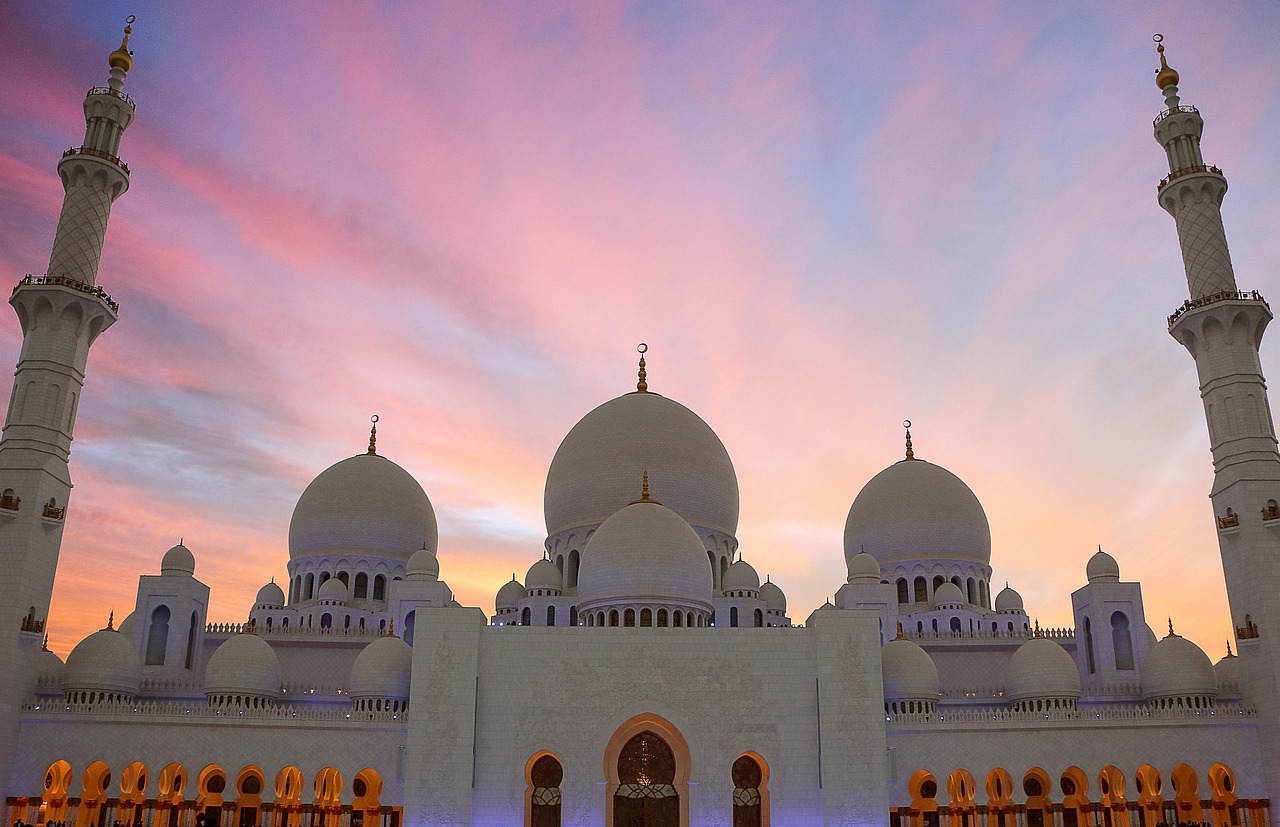
In Dubai, "safety" has a dual meaning. While you are physically safe from crime, you are only legally safe if you respect the local customs and Sharia-influenced laws. Most "safety" incidents involving tourists in the UAE are not caused by criminals, but by travelers inadvertently breaking local laws.
Public Etiquette and Conduct The UAE values modesty and decorum. Public displays of affection (PDA), beyond holding hands for married couples, can lead to police intervention. Swearing in public—including digital swearing on WhatsApp—or making rude gestures (especially in traffic) is a criminal offense that can result in deportation or jail time.
Dress Code Realities There is a common misconception that women must be covered from head to toe. This is not the case. In beach clubs and hotel pools, standard swimwear is perfectly acceptable. However, in "family" areas like malls, traditional souks, and government buildings, shoulders and knees should be covered.
Alcohol and Substance Laws The UAE has a zero-tolerance policy for drugs. Even trace amounts of certain prescription medications (like those containing codeine) can lead to arrest if you don't have the proper documentation. Alcohol is widely available in licensed hotels, bars, and restaurants, but public intoxication is strictly prohibited. If you have been drinking, take a taxi directly back to your hotel; do not walk around the city.
Safety for Specific Travelers
Solo Female Travelers
Dubai is arguably one of the safest cities in the world for solo women. Harassment is virtually non-existent due to strict laws and heavy policing. The city also offers gender-specific infrastructure, such as "Pink Taxis" (driven by women, for women) and dedicated women-only compartments on the Dubai Metro. These are not mandatory but offer an added level of comfort for those who prefer it.
LGBTQ+ Travelers
The legal landscape for LGBTQ+ individuals is complex. While homosexuality is technically illegal under UAE law, Dubai operates on a "don't ask, don't tell" basis for tourists. In high-end international hotels, two men or two women sharing a room is standard practice and rarely questioned. However, discretion is paramount. Any public displays of affection or activism can lead to legal complications.
Pedestrian and Traffic Safety
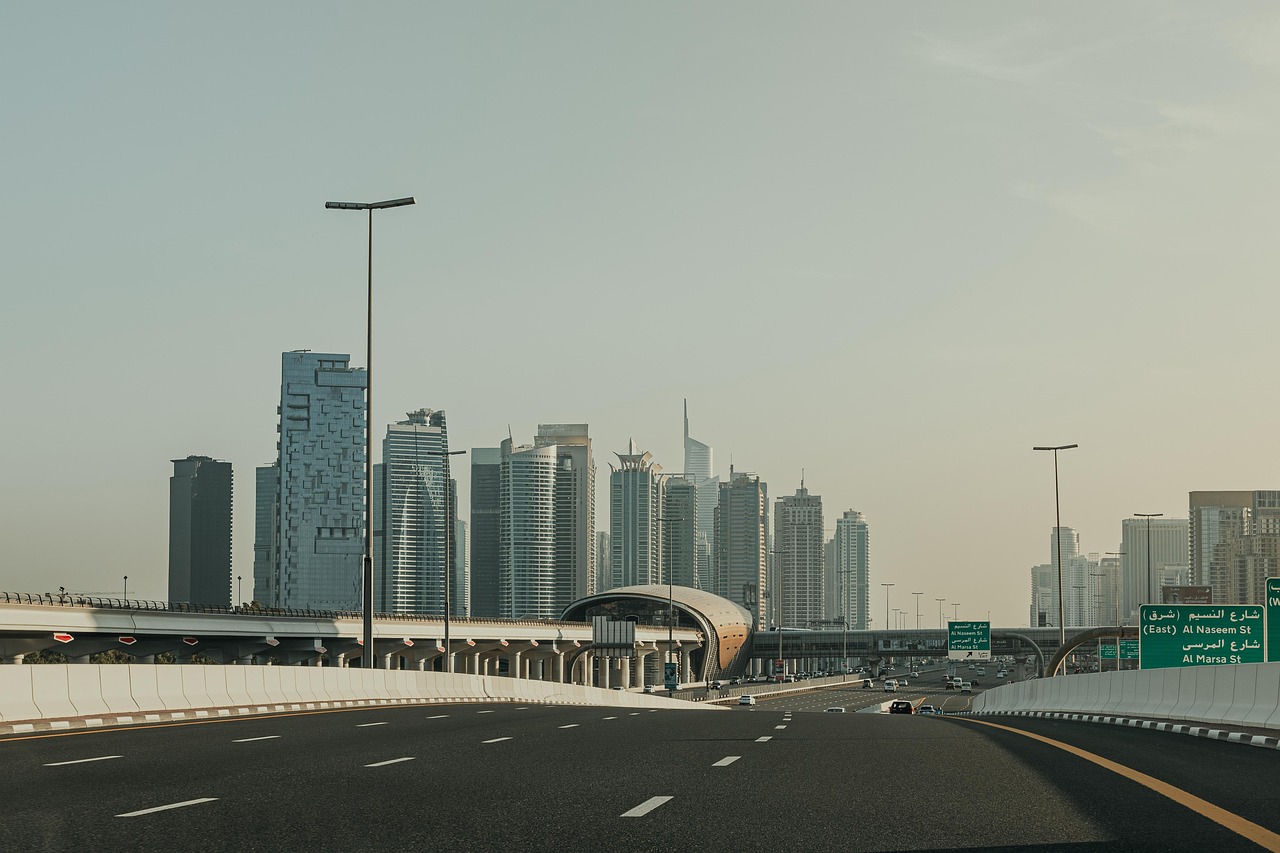
The greatest physical risk in Dubai isn't crime or conflict—it's the traffic. The city is built for cars, and speeds on highways like Sheikh Zayed Road are high. Jaywalking is a fineable offense and extremely dangerous. Always use designated pedestrian crossings and be wary of drivers who may not yield even when you have the right of way.
Environmental and Health Safety
As a travel critic, I often argue that the most dangerous thing in Dubai is the sun. Between June and August, temperatures regularly exceed 45°C (113°F) with punishing humidity. Heatstroke is a legitimate medical emergency that affects hundreds of tourists annually.
- Hydration: Tap water in Dubai is technically safe to drink, as it is desalinated. However, most residents prefer bottled or filtered water due to the taste and the condition of older building pipes. If you are outdoors, you should be consuming electrolytes, not just water.
- Marine Safety: The Arabian Gulf is generally calm, but riptides can occur at Jumeirah Beach. Always swim in areas with active lifeguards and pay attention to the flag system (Red means no swimming).

Protecting Your Trip: Insurance and Resilience
Given the regional climate, standard travel insurance may not be sufficient. Many basic policies have "Conflict Exclusions" or "Act of War" clauses that could void your coverage if a regional event disrupts your travel.
I highly recommend purchasing a Cancel For Any Reason (CFAR) upgrade. This allows you to pull the plug on your trip if you feel the regional situation has deteriorated, regardless of whether a formal "Do Not Travel" warning has been issued. Furthermore, ensure your medical coverage includes "Emergency Evacuation."
In the event of an emergency in Dubai, the response times are exceptional.
- 999: Police
- 998: Ambulance
- 997: Fire Department
The healthcare system in Dubai is world-class, featuring facilities like the Cleveland Clinic and American Hospital. Most staff are Western-trained and speak fluent English.

FAQ
Is Dubai airport operating normally right now? Yes, DXB is fully operational. While some flights may be rerouted to avoid specific airspaces, the airport is functioning as usual. Always check your flight status 24 hours prior to departure.
Can I travel to Dubai during regional conflicts? Yes. Dubai has maintained a policy of neutrality and remains a safe zone. Life in the city continues without interruption, and tourism infrastructure is fully functional.
What are the risks of drone strikes in the UAE? While regional actors have targeted the UAE in the past, these instances are extremely rare. The UAE has one of the most advanced missile defense systems in the world (including the THAAD and Patriot systems), making the actual risk to tourists statistically very low.
Is it safe for a woman to walk alone in Dubai at night? Statistically, yes. Dubai is one of the few global cities where women report feeling completely safe walking alone at night, thanks to high-tech surveillance and strict law enforcement.
The Final Verdict
Dubai remains a "Safe Bet" for 2025, provided the traveler is informed. The city’s resilience is built on its ability to remain an oasis of luxury and order regardless of the winds blowing across the desert. If you respect the local laws, stay hydrated, and keep an eye on your flight status, Dubai offers an experience that is as secure as it is spectacular.