Quick Facts
- Top Picks for Foliage: Acadia (Maine), Shenandoah (Virginia), and the Great Smoky Mountains (Tennessee) offer the most vibrant displays, typically peaking between mid-October and early November.
- The Crowd Advantage: October and November see a massive 35% to 45% reduction in visitor volume compared to the summer peak, making it the "sweet spot" for solitary exploration.
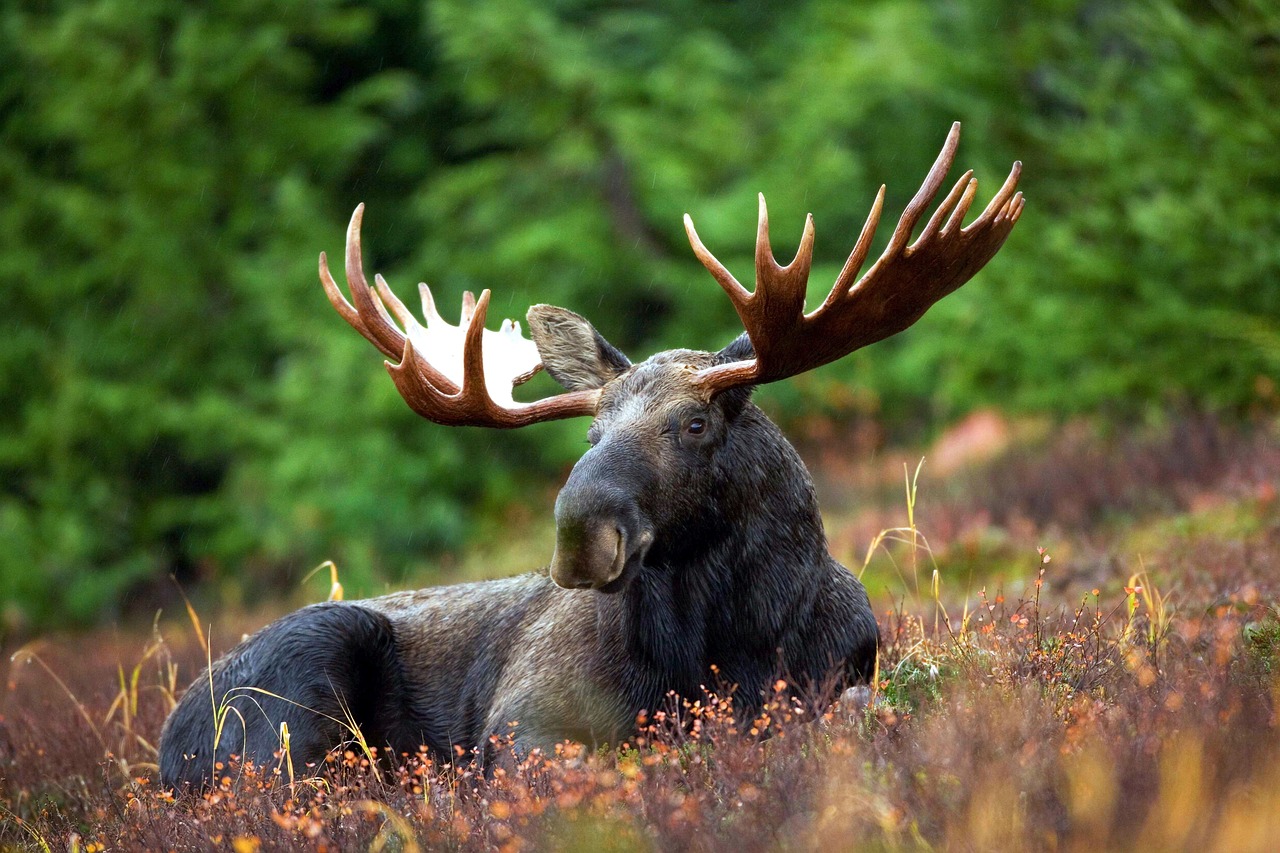
- Unique Wildlife: Fall is the only time to witness the legendary elk rut in Rocky Mountain National Park or the moose activity in the Tetons as they prepare for winter.
- Reservation Reality: Even in the off-season, popular spots like Cadillac Mountain in Acadia and Bear Lake in Rocky Mountain require timed-entry reservations through mid-October.
Why Autumn is the Secret Weapon for National Park Travelers
I’ve spent the better part of the last decade chasing horizons, and if there is one thing I’ve learned, it’s that summer in the National Parks is overrated. Don’t get me wrong—the sun is high and the trails are open—but you’re sharing those views with four million other people, jockeying for parking at 6:00 AM, and sweating through your base layers by noon.
When September rolls around and the first frost hits the high country, the parks transform. The chaotic energy of summer evaporates, replaced by a crisp, contemplative silence. This is what I call the "Sweet Spot." You get comfortable hiking temperatures—usually resting in the high 60s during the day—and a significant drop in crowd density. Data indicates that high-traffic parks like Yosemite and Zion experience an average reduction in visitor volume of 35% to 45% starting in October compared to their July peaks. You aren't just visiting the park; you're finally seeing it.
Beyond the peace and quiet, autumn brings rare natural phenomena you simply can't find in July. There’s the "Larch March" in the North, where needles turn a brilliant gold before dropping, and the raw, guttural power of the elk rut. It’s a sensory overload in the best possible way.
The Top 9 National Parks for Fall Colors and Serenity
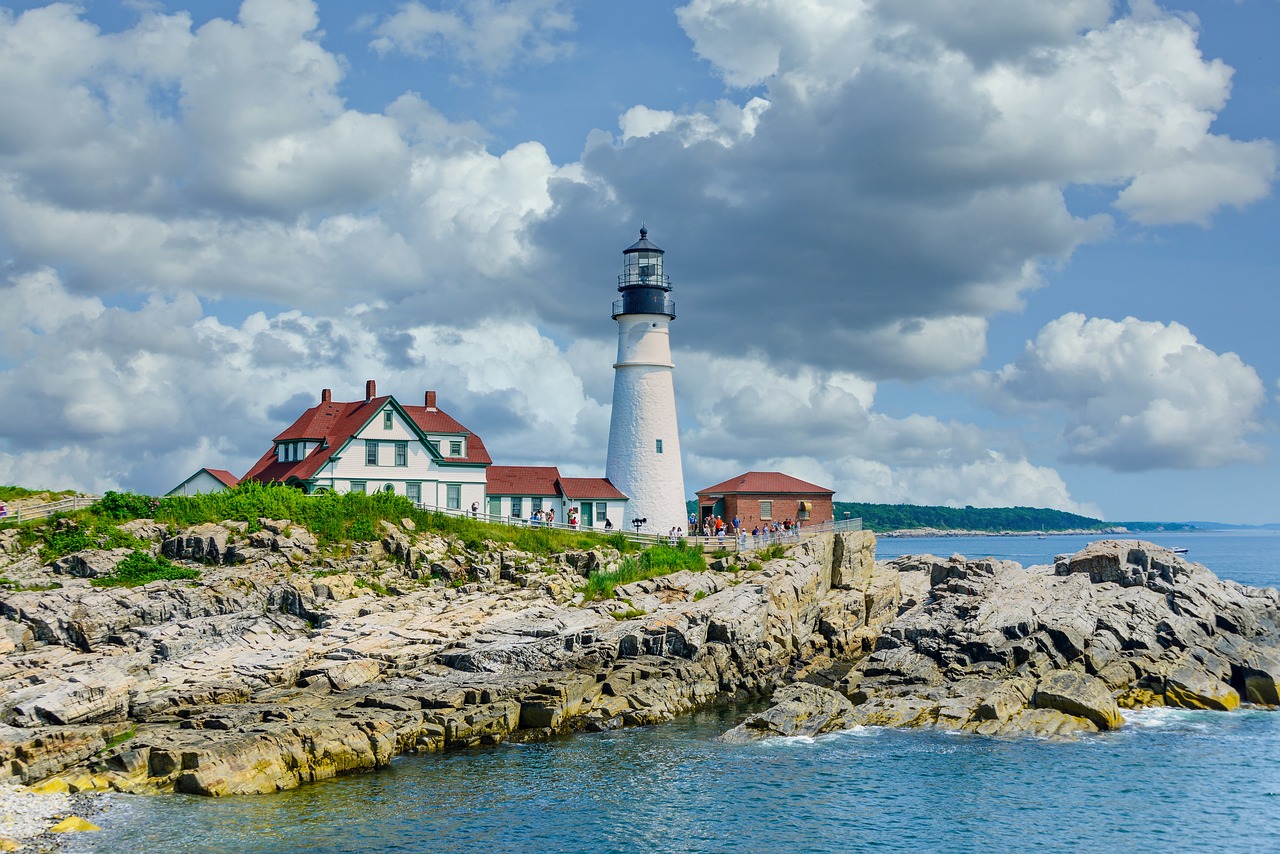
1. Acadia National Park, Maine
There is something visceral about the Maine coast in October. The air smells of salt and decaying maple leaves—a scent I’ve come to associate with pure adventure. Acadia is arguably the "Holy Grail" of fall foliage in the U.S., with its peak window usually hitting in the second or third week of October.
My go-to experience here is catching the sunrise at Cadillac Mountain. Being among the first in the country to see the sun hit the Atlantic is spiritual, but in the fall, the rugged granite coastline is framed by a literal fire of red and orange maples. If you want to skip the vehicle traffic, bring a bike (or rent one in Bar Harbor) and hit the 45 miles of historic carriage roads. They are car-free, gravel-paved, and take you through the heart of the park’s color palette.
Insider Tip: Remember that Cadillac Mountain requires a vehicle reservation through October 19. Don't show up at the gate without one—they are strict, and for good reason. Set your alarm and book 90 days out if possible.
2. Shenandoah National Park, Virginia
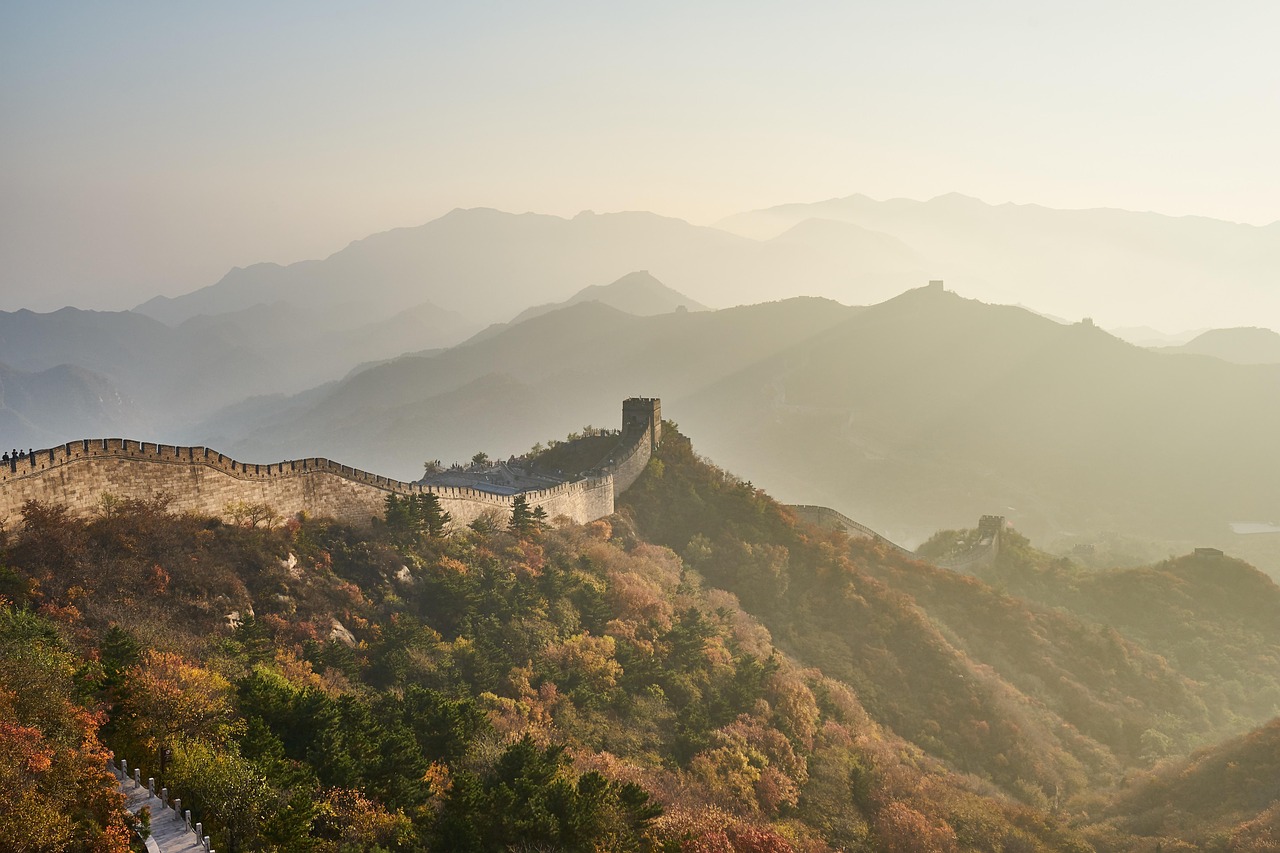
If you’re looking for a classic American road trip, Shenandoah’s Skyline Drive is the gold standard. Stretching 105 miles along the crest of the Blue Ridge Mountains, it offers 75 overlooks that look like something out of a Hudson River School painting.
The peak window here is late October. While most people flock to the central district near Big Meadows, I always suggest focusing on the northern sector (near Front Royal). It’s generally quieter and offers incredible access to Old Rag Mountain. Hiking Old Rag in the fall is a rite of passage; the rock scrambling is intense, but the 360-degree view of the burning valley below is the ultimate reward. Just be sure to snag your day-use hiking permit in advance.
3. Great Smoky Mountains National Park, Tennessee & North Carolina
The Smokies are a powerhouse of biodiversity. We’re talking about over 187,000 acres of old-growth forest, featuring more than 100 species of native trees. This diversity means the fall colors aren't just a single wave; they are a symphony that starts with the yellow birches at high elevations in early October and ends with the deep red oaks in the valleys by early November.
To truly "skip the crowds" here, you have to be tactical. Cades Cove is a must-see, but the 11-mile loop can turn into a parking lot. My secret? Visit on a Wednesday when the loop is closed to motor vehicles. Rent a bike and ride the valley in silence. You’ll see more black bears and deer than tourists, I promise.
4. Rocky Mountain National Park, Colorado
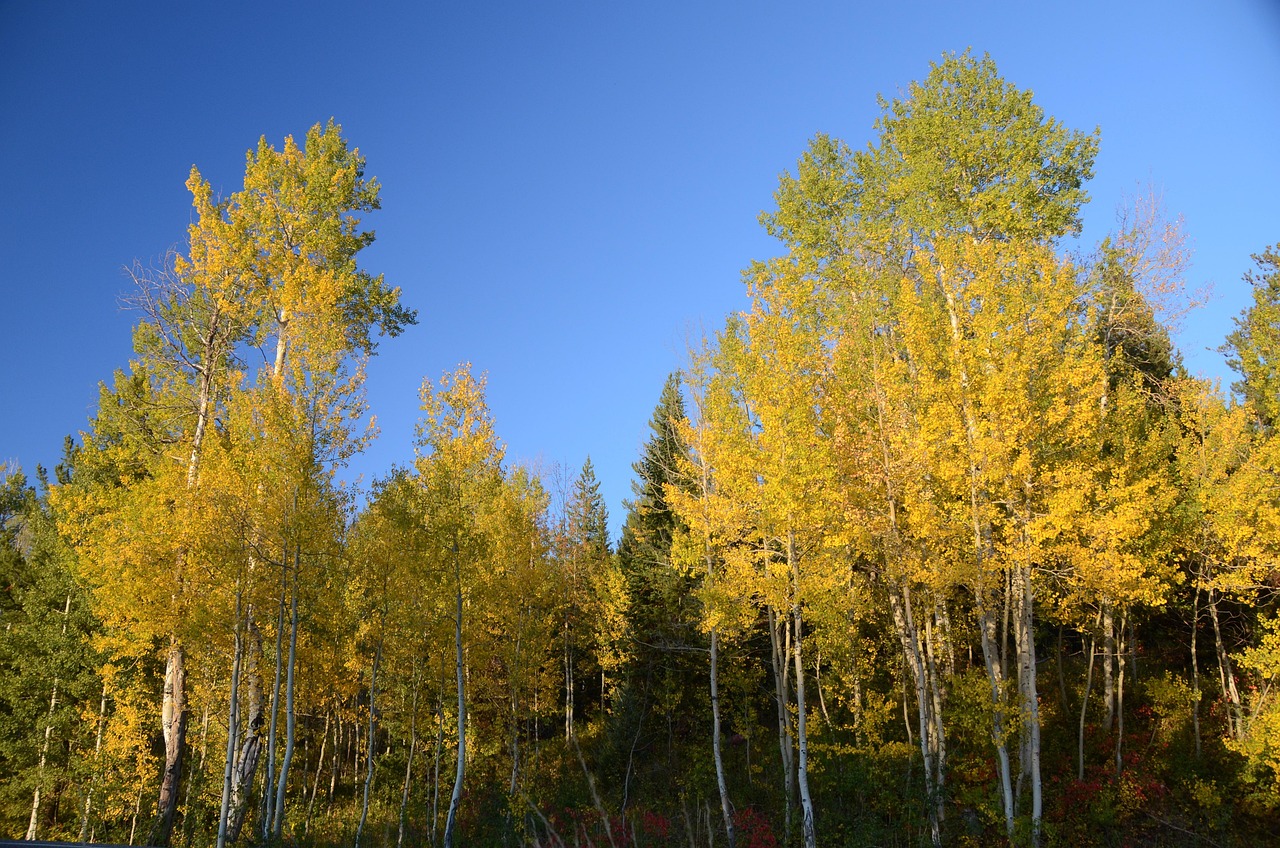
While the East Coast has its maples, the West has the Aspens. There is nothing quite like the sound of aspen leaves "quaking" in a mountain breeze—it sounds like soft rain. In Rocky Mountain National Park, the peak display happens early, from late September to mid-October.
Driving along Bear Lake Road is like moving through a tunnel of hammered gold. But the real draw for me in the fall is the elk rut. Seeing a thousand-pound bull elk bugle into the crisp mountain air is a reminder of why we protect these places.
Alert: The park maintains a timed-entry reservation system through mid-October. If you’re heading to the Bear Lake Corridor, you’ll need a specific permit. Keep your eyes on the weather; Trail Ridge Road often closes for the season in late October due to snow.
5. Yosemite National Park, California
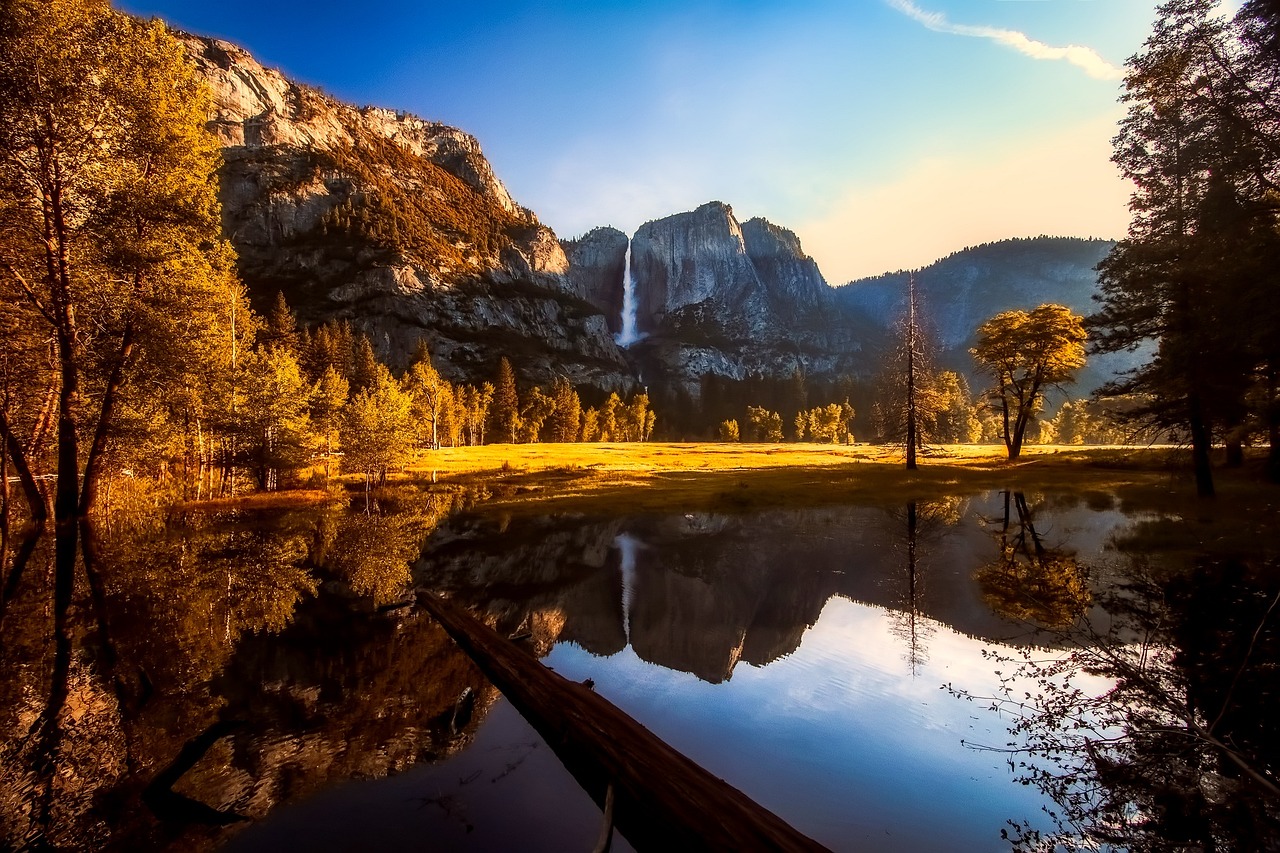
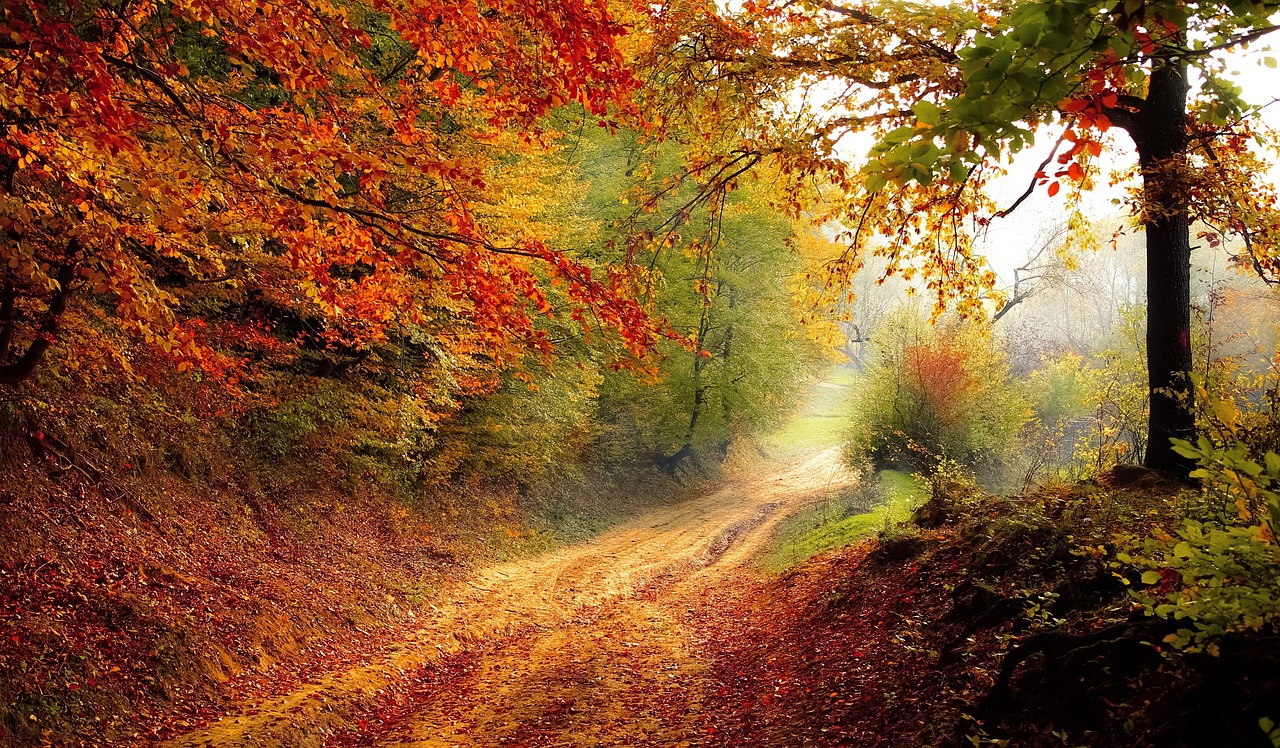
Most people associate Yosemite with roaring spring waterfalls and summer heat. But Yosemite in late October is the park’s best-kept secret. The crowds have vanished, the mosquitoes are dead, and the Valley floor turns electric with yellow cottonwoods and dogwoods.
The massive reduction in visitor volume means you can actually find a parking spot at Sentinel Bridge to photograph Half Dome. Plus, hiking the Mist Trail is much more pleasant when you aren't being absolutely soaked by the high-volume spray of Vernal Fall, which mellows out into a beautiful, lacy curtain by autumn. It’s the perfect time for long, contemplative hikes without the shoulder-to-shoulder traffic of June.
6. Zion National Park, Utah
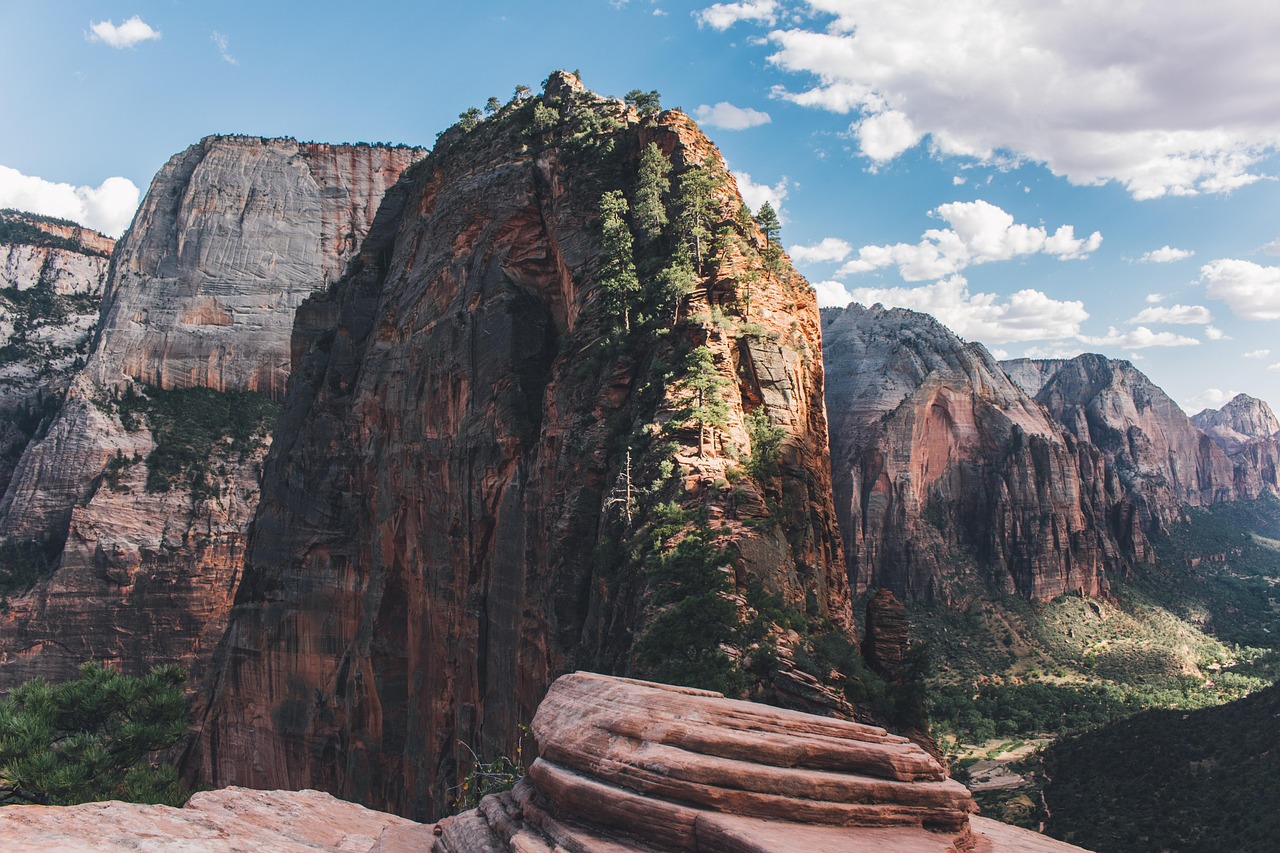
Zion in July is a furnace. I’ve seen hikers struggling in 110°F heat in the canyon. Fast forward to late October or early November, and you’re looking at perfect 70°F days and cool, crisp nights.
This is the prime time to tackle The Narrows. The water levels are typically at their lowest and most stable of the year, and the golden cottonwoods against the fiery red Navajo sandstone provide a color contrast that feels almost artificial. You’ll still want to rent a dry suit from an outfitter in Springdale, as that water is cold, but the experience is infinitely more serene than the summer rush.
7. Cuyahoga Valley National Park, Ohio
Often overlooked, Cuyahoga Valley is a hidden gem that truly peaks in mid-to-late October. It’s a unique park, woven into the landscape of northern Ohio, featuring the historic Ohio & Erie Canal.
The Brandywine Falls loop is the highlight here; the 60-foot waterfall is framed perfectly by deep red maples in the fall. If you want a more relaxed experience, hop on the Cuyahoga Valley Scenic Railroad for their Fall Foliage excursion. It’s a vintage rail experience that snakes through the heart of the forest, offering views you can't see from any road.
8. Grand Teton National Park, Wyoming
The Tetons are dramatic in any season, but autumn adds a layer of moodiness that I absolutely love. Peak photography season hits from late September to early October.
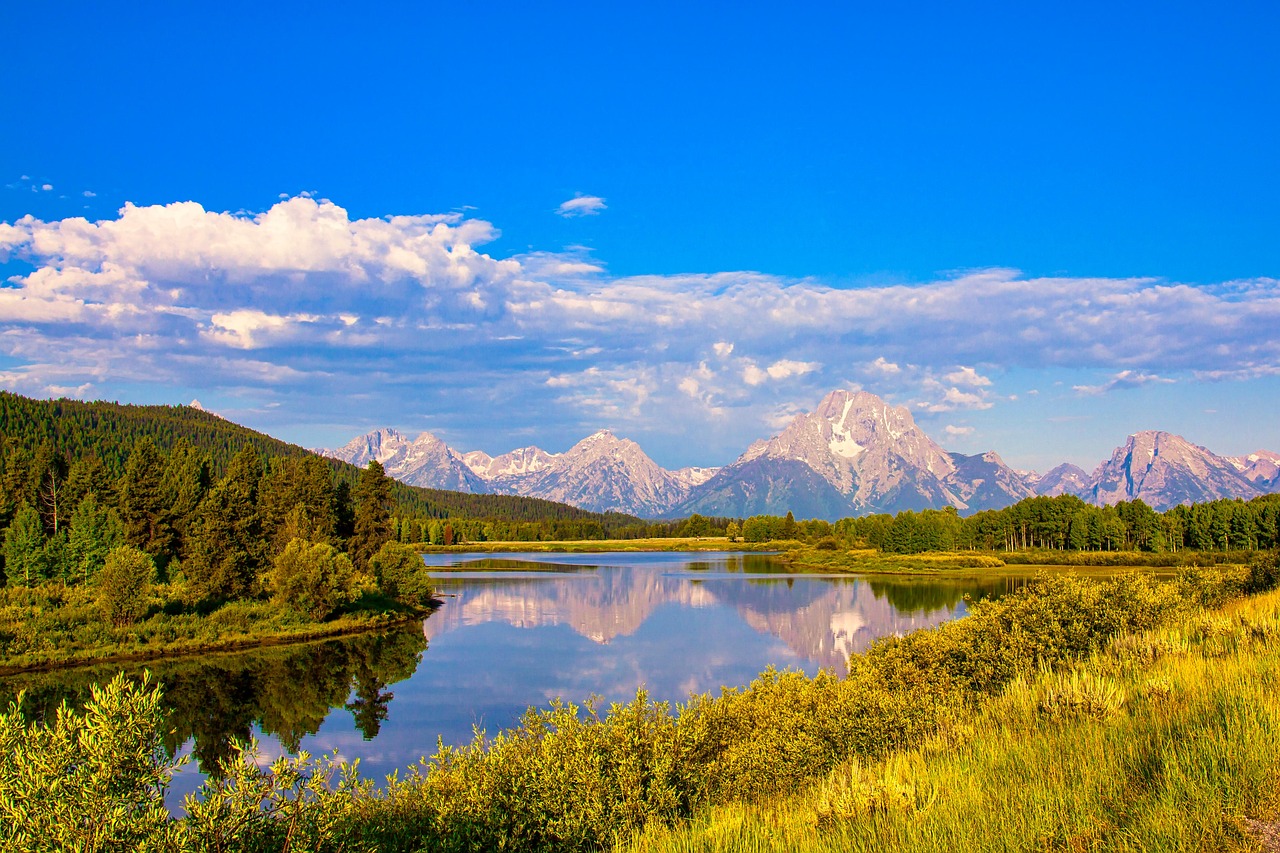
Oxbow Bend is the iconic shot—the Snake River perfectly reflecting Mt. Moran, surrounded by a sea of yellow aspens and willows. It’s also prime moose-spotting season. I’ve had some of my best wildlife encounters near Jenny Lake in October. Just remember: fall is "hyperphagia" season, meaning bears are incredibly active as they try to bulk up for winter. Stay "Bear Aware," carry spray, and make noise on the trails.
9. Canyonlands National Park, Utah
If you want to truly "skip the crowds," head to Canyonlands. While its neighbor, Arches, deals with timed-entry bottlenecks and packed parking lots, Canyonlands remains wide open.
October is the sweet spot for the Island in the Sky district. The Chesler Park Loop in the Needles district is my personal favorite—a 10-mile trek through sandstone spires that feels like another planet. The deep blue autumn skies of the high desert against the red rock are stunning. It’s rugged, it’s quiet, and it’s the perfect end to a fall road trip.
Essential Fall Travel Tips: How to Prep
Going into the backcountry in the fall requires a different mindset than summer. The weather is fickle, and the days are shorter. Here’s how I gear up:
- Layering 101: You will likely start your hike in 30°F frost and end it in 65°F sunshine. I swear by a three-layer system: a moisture-wicking merino wool base, a lightweight "puffy" insulated mid-layer, and a waterproof shell. Avoid cotton at all costs; if it gets wet from sweat or rain, it stays cold.
- Offline Navigation: In the fall, some park facilities and visitor centers begin to close or reduce hours. Don't rely on getting a paper map at the gate. Download your routes on AllTrails or use a dedicated GPS.
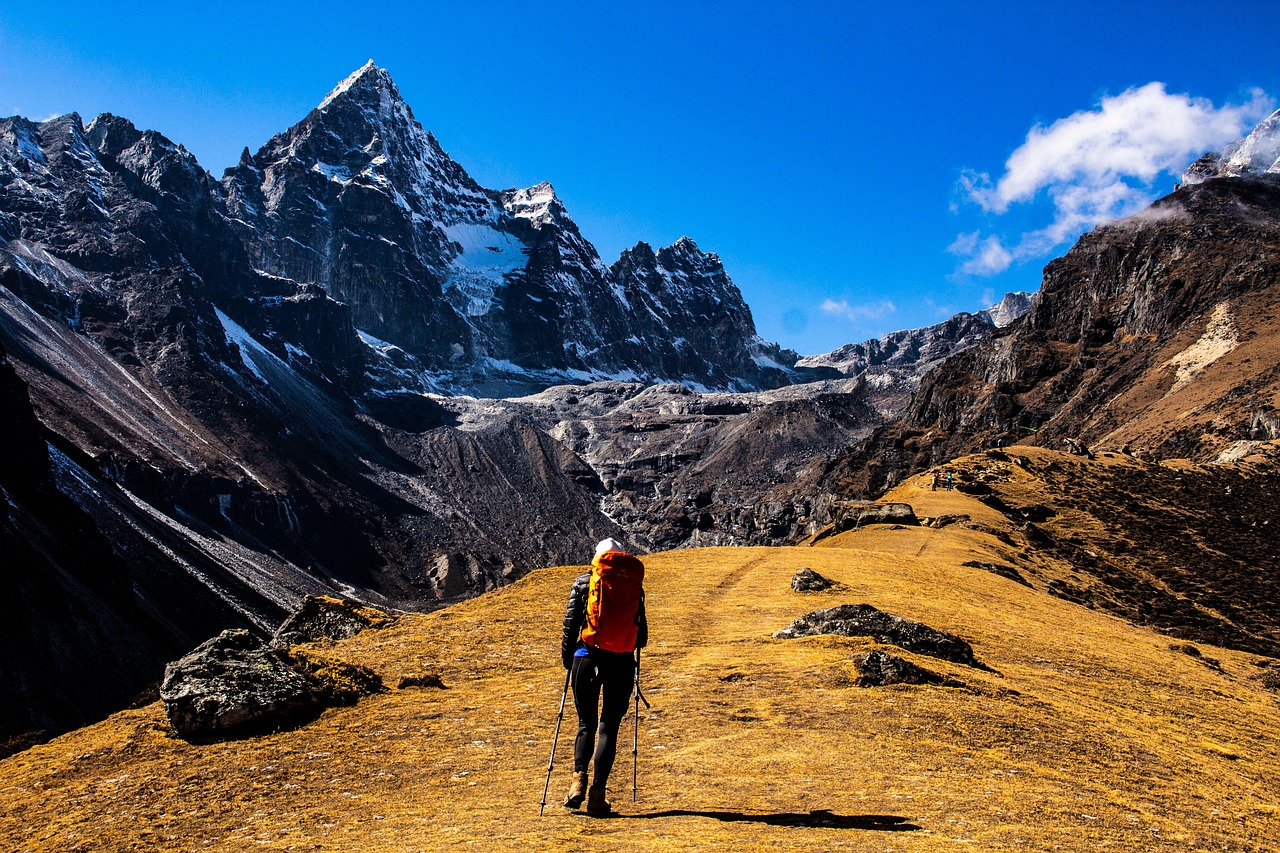
- The 'America the Beautiful' Pass: If you’re hitting more than three parks on this list, the $80 annual pass is a no-brainer. It covers entrance fees for a driver and all passengers in a personal vehicle.
Get Your National Parks Pass Now →
FAQ
When is the absolute best week for fall foliage? It varies by latitude and elevation. Generally, northern and high-altitude parks (Rocky Mountain, Grand Teton) peak in late September/early October. Mid-latitude and coastal parks (Acadia, Shenandoah, Smokies) peak from mid-October to early November. Always check a real-time foliage tracker before you leave.
Are all park facilities open in the fall? No. Many campgrounds and visitor centers begin to close in mid-to-late October. Always check the "Operating Hours and Seasons" page on the specific park’s NPS website before planning your trip.
Is fall a good time for wildlife viewing? It’s arguably the best time. Animals are active during the day due to cooler temperatures. Between the elk rut, moose mating season, and bears preparing for hibernation, the wildlife activity is at an annual high.
The crowds are gone, the air is crisp, and the landscapes are painted in colors that look too good to be real. What are you waiting for? Grab your boots and hit the road. The parks are waiting.