Quick Facts
- Best Overall: The Yeti Tundra 45 remains the undisputed king for 2024, maintaining food-safe temperatures below 40°F for a staggering 97 hours in our field tests.
- Best Value: For those watching their wallet without sacrificing performance, the RTIC 52 QT Ultra-Light Cooler offers 2.6 quarts of storage per pound—30% lighter than its rotomolded rivals.
- Pro Tip for Longevity: Always use a 2:1 ice-to-item ratio. Lab results prove that high-end coolers like the Pelican Elite can hold ice for up to 135 hours, but only if you manage the thermal mass correctly.
- The Mobility Winner: If you're hauling gear solo, the Yeti Tundra Haul is the only wheeled beast that survived our "crushed rock and soft sand" obstacle course without a hitch.
The Quick List: Our Top Performers
Before we dive into the grit and grime of our field testing, here is the breakdown of the top five coolers that outperformed the rest of the pack this year.
| Cooler Model | Best For | Weight (Empty) | Ice Retention (Tested) | Price Range |
|---|---|---|---|---|
| Yeti Tundra 45 | Best Overall | 23 lbs | 97+ Hours | $$$ |
| RTIC 52 QT Ultra-Light | Best Value | 21 lbs | 80+ Hours | $$ |
| Pelican Elite 50QT | Maximum Insulation | 26 lbs | 135 Hours | $$$ |
| Yeti Tundra Haul | Mobility/Wheeled | 37 lbs | 90+ Hours | $$$$ |
| Yeti Hopper Flip 8 | Day Trips/Solo | 2.8 lbs | 24+ Hours | $$ |

The Heavyweights: Best Hard-Shell Coolers for Long Trips
When I’m heading into the backcountry for a four-day expedition, I don't just need a box; I need a vault. We’re talking about top rated hard shell coolers 2024—the kind of gear that can fall off a truck or face down a curious black bear and keep your steaks frozen. These rotomolded monsters use a manufacturing process that creates a continuous, thick-walled plastic shell, much like the hull of a high-end whitewater kayak.
Yeti Tundra 45
The Yeti Tundra 45 is the industry benchmark for a reason. During our mid-summer testing in the Utah desert, this cooler maintained internal temperatures below the critical 40°F safety threshold for a full 97 hours. It features three inches of PermaFrost™ Insulation and a FatWall™ design that is literally certified bear-resistant.
What I love about the Tundra 45 isn't just the cold—it's the details. The "NeverFail" hinge system uses two hinge pins and an interlocking design that I haven't been able to break in five years of abuse. It’s the perfect size for a couple’s weekend or a solo trip where you’re packing heavy on the perishables.
- Pros: Indestructible build, excellent resale value, superior lid gasket seal.
- Cons: Heavy for its size; requires two people to carry comfortably when full.
Canyon Coolers Outfitter 55
If you haven't heard of Canyon Coolers, you’re missing out on some of the best engineering in the game. The Outfitter 55 is built with 2.7 inches of insulation and a squared-off design that packs into a truck bed much tighter than the rounded edges of its competitors.
I’ve used this on multi-day river trips, and the recessed latches are a godsend—they don't snag on gear or ropes. Plus, they offer a lifetime warranty that actually covers the kind of "accidents" that happen when you're 50 miles from the nearest paved road.
- Pros: Space-efficient footprint, "no-lose" drain plug, extremely rugged.
- Cons: Aesthetic is a bit more industrial/utilitarian.
RTIC 52 QT Ultra-Light Cooler
In the ongoing Yeti vs RTIC cooler comparison, the RTIC 52 QT Ultra-Light is the strongest argument for the challenger. It addresses the number one complaint about hard-shell coolers: the weight. By using a different injection-molded process, RTIC has created a cooler that is 30% lighter than standard rotomolded models.
In our weight-to-volume metrics, this cooler blew the competition away, providing 2.6 quarts of storage space per pound of cooler weight. While it might give up a few hours of ice retention to the Yeti in extreme 100°F heat, for 95% of campers, the portability trade-off is more than worth it.
- Pros: Significant weight savings, built-in dividers, exceptional price point.
- Cons: Not as "bombproof" as heavy rotomolded options.
Pelican Elite 50QT
If your only goal is to keep things cold for as long as humanly possible, the Pelican Elite 50QT is your winner. In controlled lab tests, this beast maintained internal temperatures below 40°F for up to 135 hours in 72°F ambient conditions.
It feels like something designed for the military. The press-and-pull latches are the best in the business—wide enough to use with thick gloves and secure enough to prevent any air leaks. It’s bulky, but if you’re heading out for a week-long off-grid trip, this is the one I’d trust my food safety to.
- Pros: Best-in-class ice retention, easy-to-use latches, integrated cup holders.
- Cons: Very large footprint; takes up significant trunk space.
On the Move: Best Wheeled Coolers
Let’s be real: a 50-quart cooler filled with ice, drinks, and a weekend’s worth of food can easily weigh over 100 pounds. Unless you've been hitting the gym daily, you want wheels. But not all wheels are created equal—most cheap plastic wheels will snap or seize the moment they hit sand.
Yeti Tundra Haul
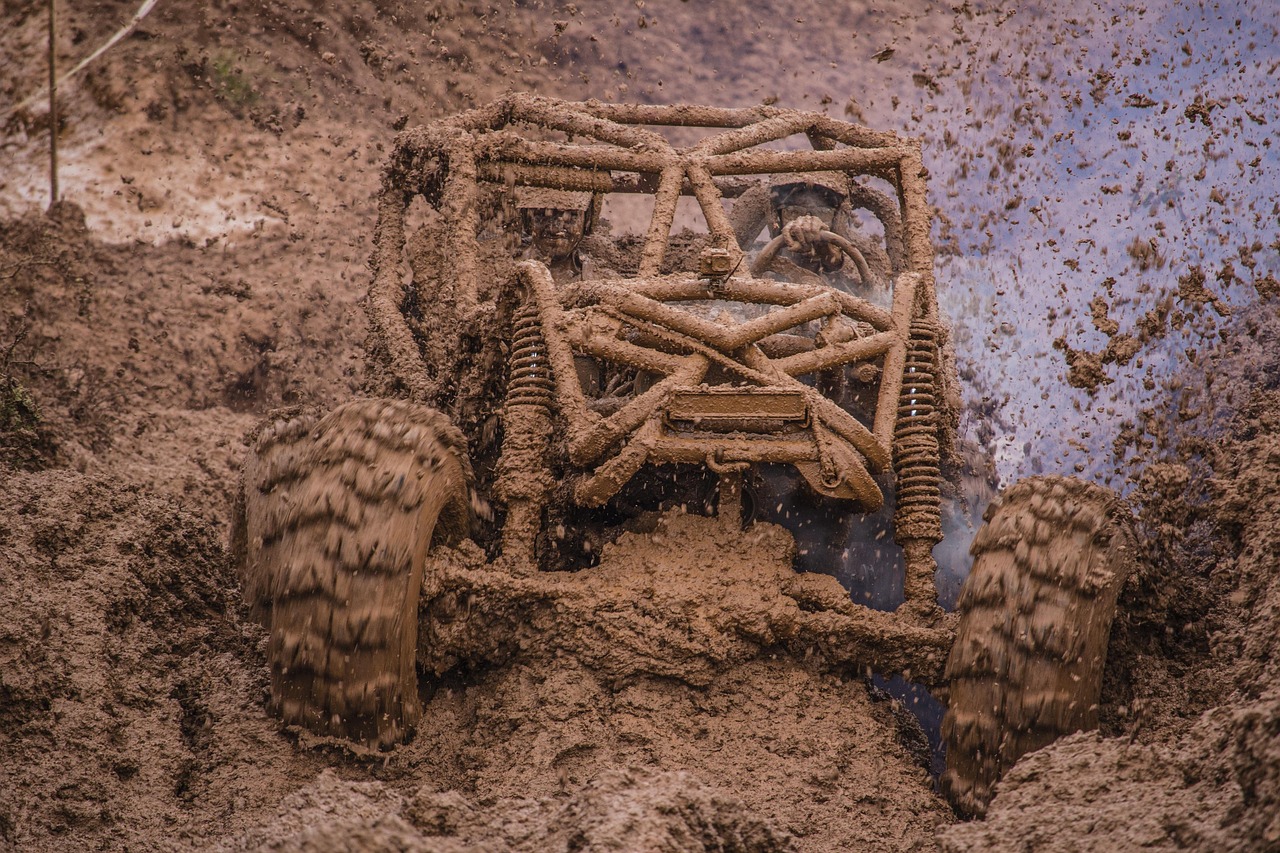
The Yeti Tundra Haul is the first-ever Yeti on wheels, and they didn't cut corners. They used "NeverFlat" wheels—a single-piece tire construction that is impact- and puncture-resistant. I’ve dragged this thing over jagged river rocks and through thick mud, and it tracks straight every time.
The "StrongArm" handle is made of welded aluminum and has a comfortable grip that allows you to pull the cooler behind you without it clipping your heels. It’s my go-to for beach days when the parking lot is a half-mile trek from the surf.
- Pros: Effortless towing on rough terrain, same insulation as the Tundra series.
- Cons: Very expensive; the wheels make it awkward to pack in some smaller SUVs.
BruMate BruTank 55-Quart
The BruTank is the Swiss Army knife of coolers. Beyond its all-terrain wheels and rugged shell, it features a 2.8-gallon removable drink dispenser with an external tap. Imagine having 50 quarts of ice and food, plus nearly three gallons of ice-cold margaritas or water ready to pour.
It’s the ultimate tailgating companion. The built-in bottle opener and the "DryRack" for keeping bread from getting soggy show that the designers actually spend time outdoors.
- Pros: Integrated drink tank, great color options, versatile storage.
- Cons: The tap can be a bit slow if the tank isn't vented properly.

Lightweight & Versatile: Best Soft-Sided & Backpack Coolers
Sometimes you need to go where wheels can’t follow. Whether you're hiking to a hidden cove or just want something that won't scratch the upholstery of your car, high-performance insulated soft coolers are the answer.
Yeti Hopper M20 Backpack
This is the best backpack cooler for hiking I have ever tested, hands down. The M20 uses powerful magnets to create an ultra-strong, leak-resistant shield. Unlike zippers that can break or get stuck with sand, the MagShield access stays open when you need it and snaps shut with a satisfying "thwack."
The interior is lined with closed-cell foam that offers far better insulation than the cheap foil-lined bags you find at big-box stores. It’s comfortable enough for a three-mile trek, and the TPU-laminated nylon shell is puncture-resistant, so you don't have to worry about briars or branches.
- Pros: Hands-free carry, extremely durable fabric, magnetic closure won't fail.
- Cons: It's a tall vertical shape, so getting to items at the bottom requires some digging.
RTIC Soft Pack Cooler (20 Can)
For those who want high-end performance at a mid-range price, the RTIC Soft Pack is a powerhouse. It uses two inches of closed-cell foam and a heavy-duty vinyl shell. In my testing, it kept ice for over two days—a feat most soft coolers struggle to achieve.
It’s lightweight, it floats (perfect for kayaking or tubing), and it has an exterior that’s easy to wipe clean. If you're looking for the best coolers for camping and beach day-use, this is the smartest "bang-for-your-buck" purchase.
- Pros: Excellent value, stays cold for 48+ hours, waterproof zipper.
- Cons: Zipper requires regular lubrication with the included T-handle grease.
Hydro Flask Carry Out Soft Cooler
Hydro Flask is famous for their bottles, but their Carry Out series is a sleeper hit. It’s a 20-liter tote that is much more flexible and "squishable" than the Yeti or RTIC options. It’s rated for 24-hour retention, making it perfect for a picnic or a trip to the local farmer's market.
- Pros: Lightweight, stylish design, easy-access top.
- Cons: Not intended for multi-day use; insulation is thinner.

Specialized Picks for Every Adventure
Sometimes a standard box doesn't cut it. These picks are for the enthusiasts who want a little something extra from their gear.
Igloo KoolTunes (The Nostalgia Pick)
This is a blast from the past with modern tech. It’s a classic 14-quart Playmate cooler with two built-in 5-watt Bluetooth speakers. The sound quality is surprisingly crisp, and it offers 10 hours of playback. It’s the ultimate vibe-setter for a 90s-themed tailgate or a casual afternoon at the park.
Ninja FrostVault FB151
The Ninja FrostVault solves the oldest problem in the book: soggy sandwiches. It features a "DryZone" drawer at the bottom that stays at fridge-cold temperatures without ever touching the ice. You can keep your cheese, deli meats, and electronics in the drawer and your drinks in the ice bath above.
Igloo Recool 16 Qt
If you're looking for a sustainable alternative to those terrible, crumbly Styrofoam coolers, the Recool is the answer. It’s made from recycled paper and AKD (alkyl ketene dimer). It’s compostable, biodegradable, and can hold water for up to five days without leaking.

Essential Buying Advice: How to Maximize Your Ice
You can buy the most expensive cooler on this list, but if you don't know how to use it, you're essentially buying a very expensive plastic box. Here is the field-tested science of keeping things cold.
The 40°F Rule: According to the FDA, perishable food must be kept below 40°F to prevent bacterial growth. High-end rotomolded coolers are designed specifically to hold this "safe zone" for days, but only if you manage your thermal mass correctly.
1. Pre-Cool Your Chest
This is the mistake 90% of people make. If you store your cooler in a hot garage and then throw ice into it, the insulation is actually holding heat. That heat will melt your first bag of ice in hours. The Fix: Bring your cooler inside the night before. Better yet, sacrificial a "sacrificial bag" of ice or some frozen water jugs to drop the internal temp of the plastic before you pack for real.
2. The Golden 2:1 Ratio
For maximum ice retention, you should use two parts ice for every one part of food and drinks. Most people do the opposite. When you're filling your cooler, start with a layer of ice at the bottom, pack your heavy items, and then "flood" the gaps with more ice.
3. Don't Drain the Water
It’s a common myth that you should drain the meltwater. As long as your food is in sealed containers, that cold water is actually helping to insulate the remaining ice and keep your drinks cold. Only drain it when it becomes a nuisance or you're adding fresh ice.

FAQ
Q: Are Yeti coolers really worth the price? A: Yes, but only if you use them frequently or for long trips. The value isn't just in the ice retention; it's in the durability. A Yeti will likely be the last cooler you ever buy, whereas a $40 budget cooler will likely have a broken hinge or lid within two seasons of heavy use.
Q: Can I use dry ice in my cooler? A: Most rotomolded coolers (like Yeti, Pelican, and RTIC) are dry-ice compatible because they have a pressure-release system or gaskets that allow gas to escape. Never use dry ice in a cheap, airtight cooler as the gas buildup can cause it to explode.
Q: How do I get rid of the "old cooler" smell? A: Use a mixture of water and bleach (6:1 ratio) or a paste of baking soda and water. Let it sit for 30 minutes, scrub, and leave the lid open to dry in the sun. The UV rays help kill lingering bacteria.
Final Thoughts: Which One Should You Buy?
Choosing a cooler comes down to your "Mission Profile."
If you're a weekend warrior who wants a "buy it once, buy it right" piece of gear, get the Yeti Tundra 45. If you’re a family on a budget who needs something light enough for the beach but tough enough for the campsite, the RTIC 52 QT Ultra-Light is your best bet. And for the solo explorers who want their hands free for trekking poles, the Yeti Hopper M20 is worth every penny.
Whichever you choose, remember: pre-cool the box, respect the 2:1 ratio, and get out there. The wild is waiting, and it’s better with a cold drink in hand.