Quick Facts
- The Foundation: Camping ethics in 2026 are built on five pillars: Leave No Trace, wildlife respect, fire safety, gear preparedness, and hygiene.
- The 20-Minute Law: Testing your gear at home for just 20 minutes can prevent 85% of common equipment failures in the field.
- The Holy Trinity: Sunscreen, insect repellent, and hand sanitizer are the three non-negotiables for personal protection.
- Fire Protocol: A fire is only truly out when it is "cold to the touch." Following this rule could prevent 90% of human-caused wildfires.
Introduction: Why the Golden Rules Matter in 2026
There is nothing quite as horrifying as reaching your secluded ridge at dusk, miles from the nearest trailhead, only to realize your "new" stove is missing a crucial O-ring or your tent stakes are still sitting on the garage workbench. I’ve been there, and believe me, the silence of the wilderness feels a lot louder when you’re cold and hungry.
As we head into the 2026 season, the landscape of the great outdoors is shifting. We’re seeing a beautiful blend of rugged tradition and high-tech safety, but the core of the experience remains the same: it’s about respect. The primary rules of camping haven't changed, but our execution has. To survive and thrive, you must master the basics: practicing Leave No Trace, respecting wildlife from a safe distance, following rigorous fire safety protocols, testing every piece of gear before departure, and maintaining a high standard of personal hygiene to prevent illness.
Whether you’re embarking on a solo mission into the North Cascades or setting up a basecamp with the family, these 13 golden rules are your roadmap to a successful expedition.
I. The Ethical Foundation: Respecting the Wild
1. The 'Leave No Trace' Absolute
In 2026, "Leave No Trace" isn't just a suggestion; it's a social contract. The influx of new explorers means our impact is amplified. My rule is simple: if you brought it in, it leaves with you. This goes beyond just picking up granola bar wrappers. It’s about a zero-waste mindset.
I’ve transitioned entirely to reusable silicone pouches and lightweight titanium containers. Single-use plastics are effectively "out." When you pack your meals, prep them at home to eliminate excess packaging. If you see trash left by someone else, pick it up. The goal is to leave the campsite looking better than you found it, preserving that sense of "first-discovery" for the next adventurer.
2. Wildlife is Not Your Audience
I once watched a hiker try to take a selfie with a mountain goat in Glacier National Park. It didn't end well for the hiker’s dignity (or his jacket). We are visitors in their home. The golden rule here is distance. Use the "rule of thumb": if you can’t cover the entire animal with your thumb held at arm's length, you’re too close.
Proper food storage is the second half of this equation. In bear country, bear-resistant canisters are mandatory, but even in areas with only "nuisance" wildlife like raccoons or crows, scent-proof bags are essential. Feeding wildlife—intentionally or through negligence—creates dependency and often leads to the animal being euthanized. Keep the wild, wild.

II. Safety Protocols: Fire, Water, and Communication
3. The 'Cold-to-the-Touch' Fire Rule
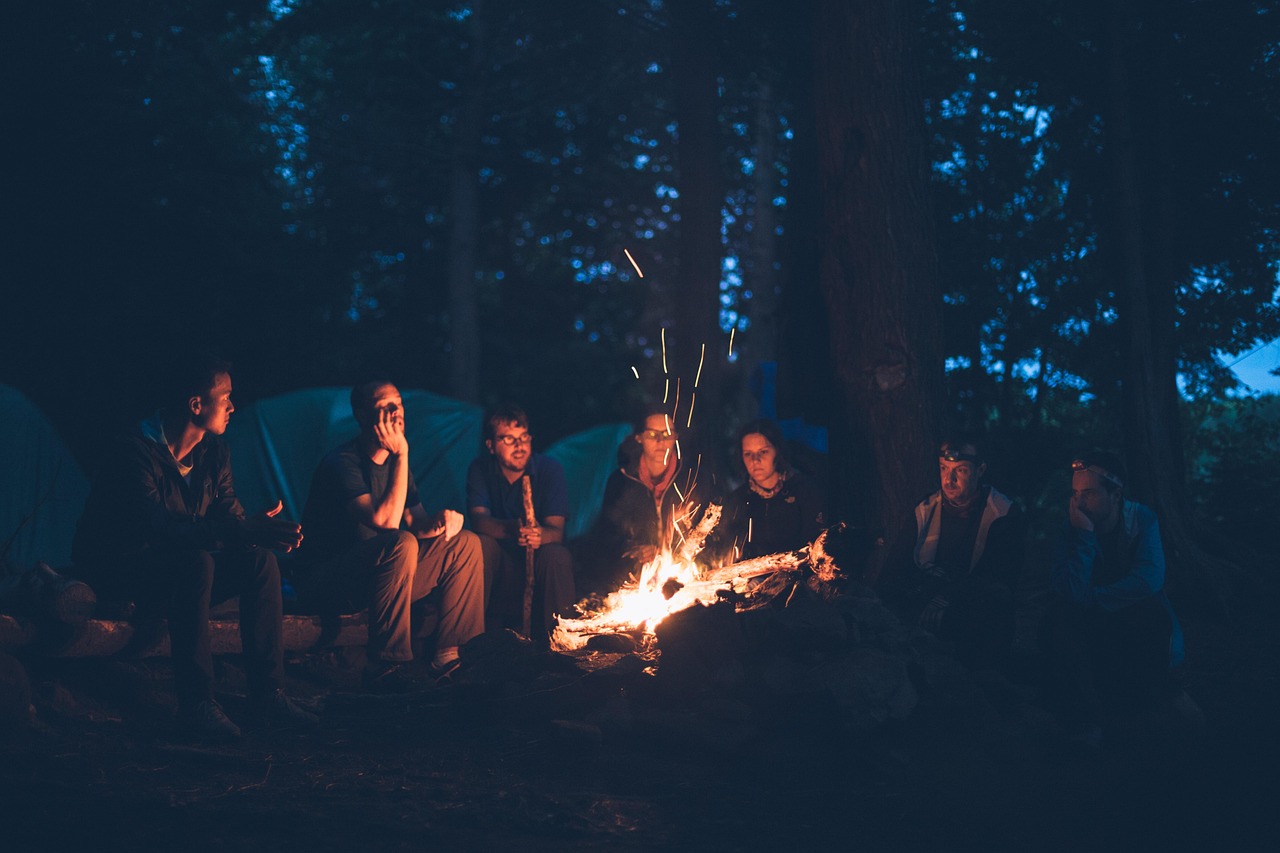
Fire is the heart of the campsite, but it’s also our greatest liability. Environmental safety research indicates that nearly 90% of human-caused wildfires are preventable by strictly adhering to the "cold-to-the-touch" rule.
Safety Callout: The Cold-to-the-Touch Protocol
- Drown the fire with water.
- Stir the ashes and embers with a stick or shovel.
- Drown it again.
- Place your hand near the ashes. If you can’t comfortably touch the remains of the fire, it’s not out. Period.
Always use established fire rings. If a "fire ban" is in effect, respect it. In 2026, portable propane fire pits have become a fantastic, low-risk alternative for those who still want that evening glow without the ember risk.
4. Communication & Navigation in a Digital Age
While I love "unplugging," being unreachable is no longer a badge of honor—it's a safety hazard. For 2026, satellite communicators are officially "In." Devices like the Garmin inReach or the latest satellite-enabled smartphones have become essential safety nets.
Before I head out, I always send my exact GPS coordinates and an expected return time to a "home contact." If I’m not back by the "panic hour," they know exactly where to send the cavalry. Don't rely solely on your phone's GPS; batteries die and signals drop. Carry a topographic map and a compass as your fail-safe.

5. Water Purification vs. Filtration
Never assume a mountain stream is "pure." Giardia doesn't care how beautiful the view is. You need a two-step mindset: filtration for particulates and purification for viruses if you’re in high-traffic areas. I prefer hollow-fiber filters for their speed, but I always carry purification tablets as a backup. Stay hydrated, but stay safe—nothing ends a trip faster than backcountry dysentery.
III. The 20-Minute Gear Law: Preventing Failure
6. The Backyard Trial Run
This is my "Golden Rule" for equipment: Internal data audits suggest that 85% of common camping equipment failures could be avoided by a single 20-minute home test run prior to departure.
Last spring, I ignored this rule and ended up in a downpour with a tent that had a dried-out seam seal. I spent the night in a puddle. Don't be Marcus.
- Set up your tent: Check for holes, missing stakes, and functional zippers.
- Fire up the stove: Ensure you have the right fuel and the igniter works.
- Break in the boots: Wear your hiking boots around the house or on a local walk. A blister on day one is a tragedy.

7. Lighting: Variety is Security
Relying on a single flashlight is a rookie mistake. You need "layered" lighting. A high-quality headlamp is your primary tool for hands-free navigation and cooking. A collapsible lantern provides "social illumination" for the camp table, and a small, high-lumen backup light stays in your pocket at all times. In 2026, USB-C rechargeable options are the standard—just don't forget the power bank.
IV. 2026 Packing Trends: What’s 'In' and 'Out'
The way we pack has evolved. Efficiency is the name of the game, and 2026 is all about modularity.
| Feature | OUT (Outdated/Bulky) | IN (Modern/Efficient) |
|---|---|---|
| Organization | Standard bulky stuff sacks | Compression packing cubes |
| Power | Tangled cords and long cables | MagSafe/Wireless power banks |
| Toiletries | Full-sized bottles | Magnetic, TSA-compliant jars |
| Hydration | Only heavy plastic bottles | Integrated reservoirs + Collapsible filters |
8. Smart Storage
Compression cubes aren't just for suitcases. In a backpack, they allow you to partition your gear—sleep system in one, clothes in another. This keeps your pack balanced and makes finding your spare socks at 2 AM a breeze.
9. Power Management
We are more tech-reliant than ever. MagSafe power banks are a game changer; they snap to the back of your phone, eliminating the need for cables that inevitably get frayed or lost in the dirt. Keep your power source warm (inside your sleeping bag) on cold nights to preserve battery life.

V. The 'Holy Trinity' of Personal Protection
11. Sun, Pests, and Bacteria
Outdoor experts define the camping 'Holy Trinity' as sunscreen, insect repellent, and hand sanitizer. These are your non-negotiables for protecting your body against sun damage, pests, and bacteria.
- Sunscreen: Even on cloudy days, UV rays at high altitudes are brutal.
- Insect Repellent: Picaridin is my go-to over DEET; it’s less greasy and won’t melt your synthetic gear.
- Hand Sanitizer: Hygiene is often the first thing to go in the woods, but it’s the most important. Sanitize before every meal and after every "bathroom" break to prevent the spread of bacteria.
Pro-Tip: Opt for scentless versions of all three. Floral or sweet scents are essentially an invitation for curious bears and biting flies.
12. Footwear: Function Over Fashion
Your feet are your only mode of transport. Invest in high-quality, moisture-wicking wool socks (merino is king) and supportive hiking boots. Don't try to "make do" with old sneakers. Your footwear needs to handle uneven terrain and provide enough grip to keep you upright on slippery rock.
13. The Beginner’s Safety Net: Established Locations
If you’re new to the game, don't aim for a 10-mile bushwhack into the unknown. Start at an established campground with basic amenities like a level tent pad, a fire ring, and proximity to a ranger station. This allows you to test your systems in a low-stakes environment. Once you’ve mastered the "Holy Trinity" and the "20-Minute Law," then you can start looking for those off-the-beaten-path coordinates.
Camping Essentials Checklist for 2026
Sleep Gear
- [ ] Lightweight tent (tested for leaks)
- [ ] R-value rated sleeping pad
- [ ] Season-appropriate sleeping bag
- [ ] Inflatable travel pillow
Kitchen Kit
- [ ] Compact stove + extra fuel
- [ ] Titanium spork and nesting pot
- [ ] Reusable food pouches
- [ ] Water filter + purification tabs
Personal Care (The Holy Trinity +)
- [ ] Sunscreen & Lip balm (SPF 30+)
- [ ] Insect repellent (Picaridin-based)
- [ ] Hand sanitizer & Biodegradable soap
- [ ] Comprehensive First Aid Kit (with blister care)
FAQ
Q: Can I use "flushable" wipes in the backcountry?
A: No. Despite the labeling, "flushable" wipes do not break down in the wild. If you use them, you must pack them out in a sealed waste bag. Stick to biodegradable TP or a backcountry bidet.
Q: How do I know if a campsite is "Level Enough"?
A: If you lie down and feel like you're rolling, it's not level. Always sleep with your head slightly uphill to avoid a "blood-to-the-head" headache in the morning.
Q: What is the most common mistake for first-time campers?
A: Overpacking. You don't need five outfits for a two-night trip. Focus on high-quality layers and the 20-minute gear rule, and you’ll find your pack—and your experience—is much lighter.
Ready to hit the trail? The wild is waiting, but it demands your respect. Follow these rules, pack smart, and I’ll see you out there. For more expedition tips and gear reviews, subscribe to our weekly adventure dispatch.