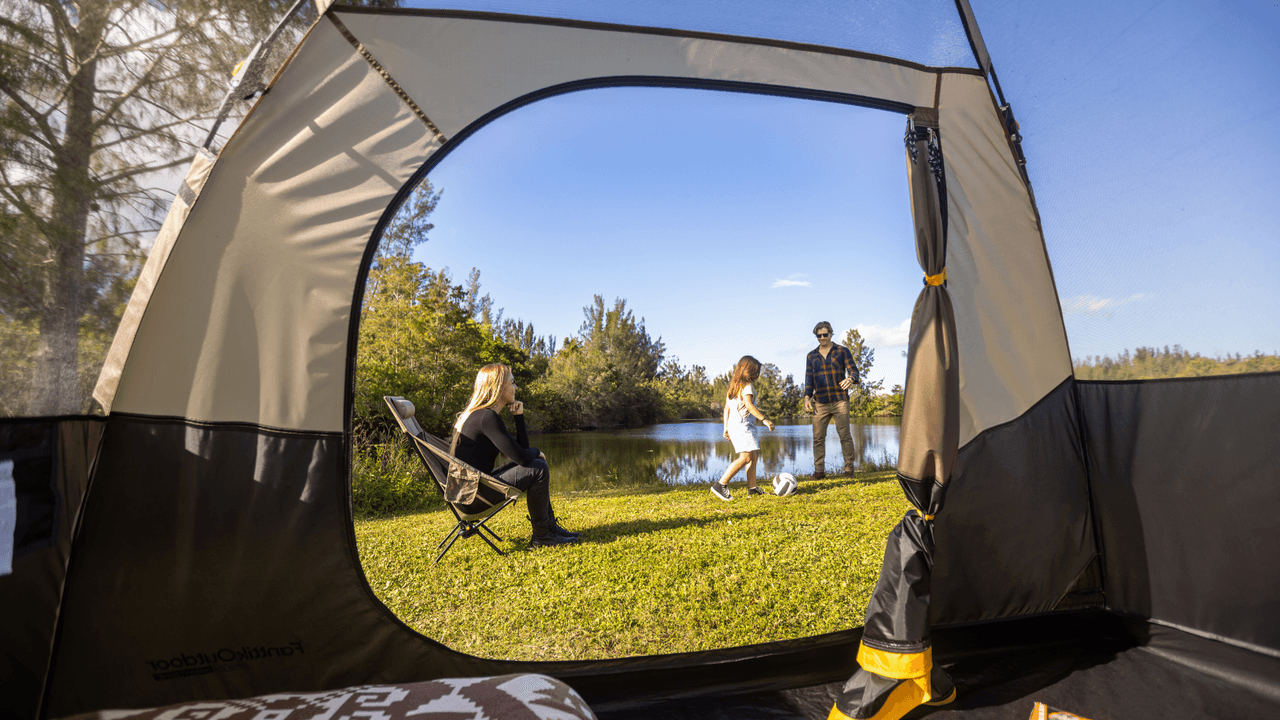
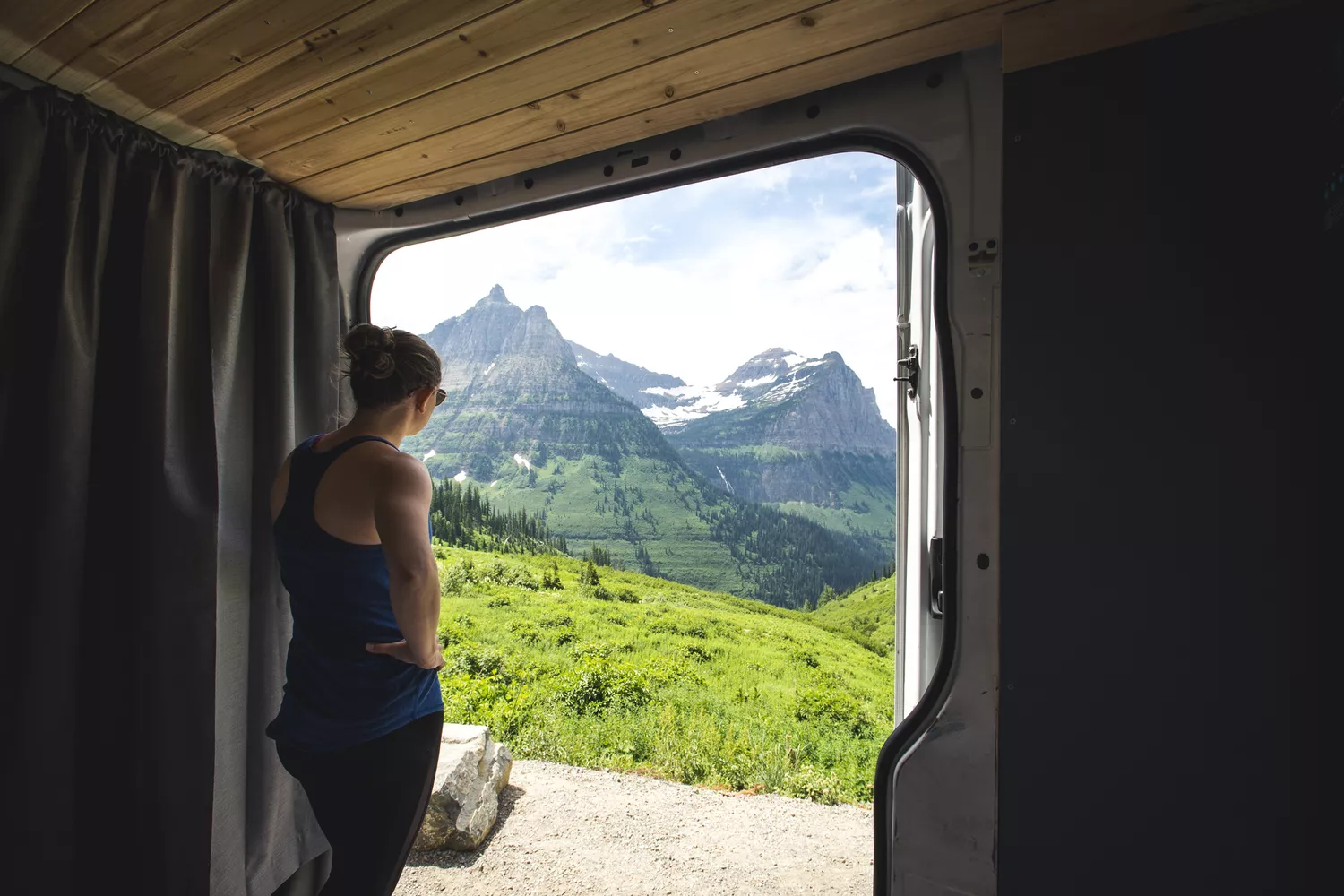
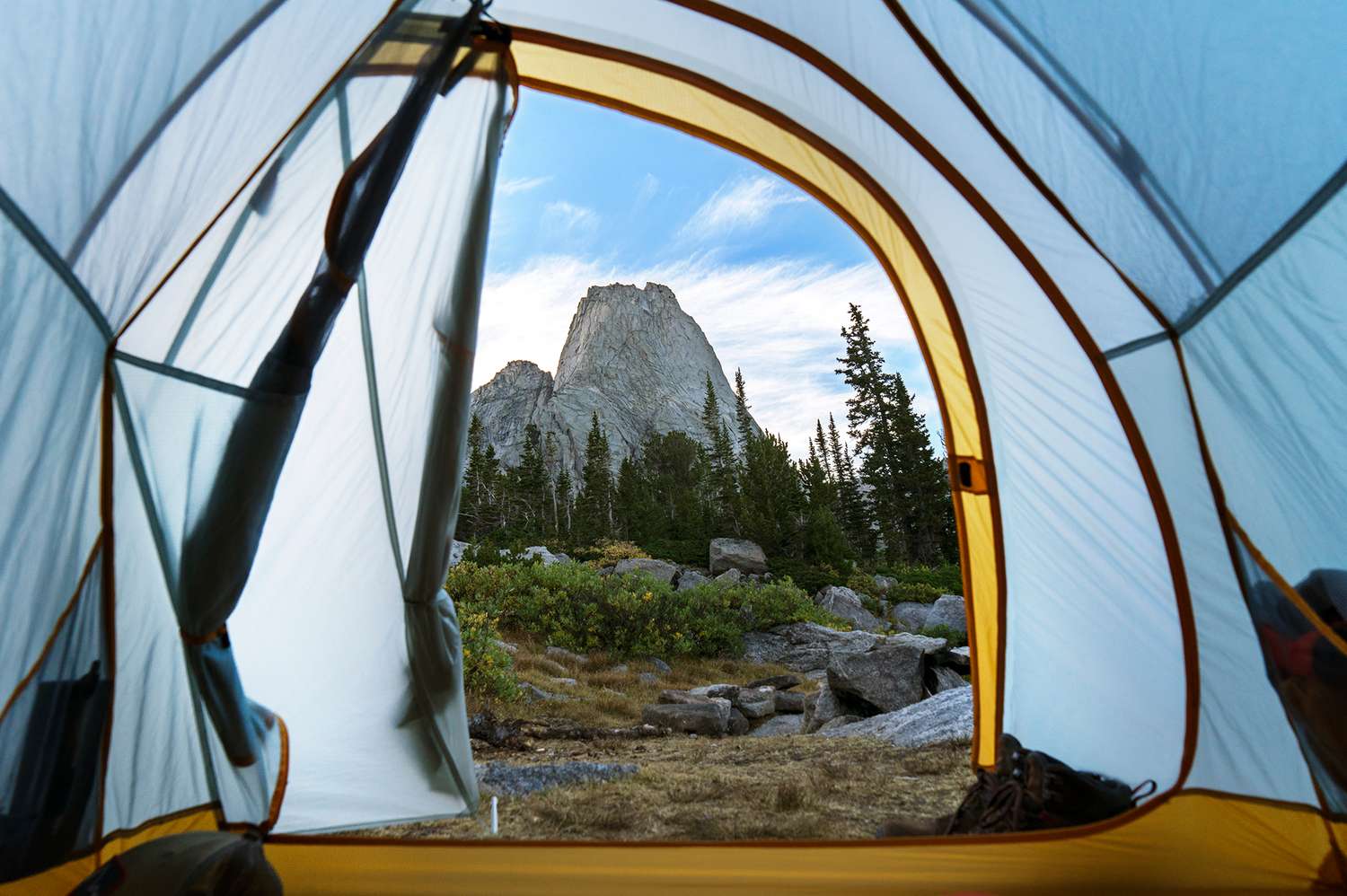
I’ve spent a lot of nights under the stars, from the humid jungles of the Darien Gap to the frozen tundras of the Yukon, but there is something about Big Bend National Park that hits differently. It’s the "Gift of the Desert"—a place so vast and rugged that it forces you to slow down, check your water levels twice, and respect the sheer power of the landscape. If you’re planning a trip to this Texas icon, you need to understand one thing before you even pack your bags: elevation is everything.
In Big Bend, your choice of campground isn't just about the view; it’s about survival and comfort. When I’m scouting the park, I always remind people that the Chisos Basin Campground sits at 5,400 feet, making it consistently 15 to 20 degrees cooler than the desert floor. That difference is the gap between a restful night’s sleep and tossing in a 90-degree tent at midnight. Whether you’re hauling a 30-foot Airstream or pitching a lightweight backpacking tent, the "best" spot depends entirely on your gear and your tolerance for the heat.
The High Desert vs. The River Basin: Choosing Your Base
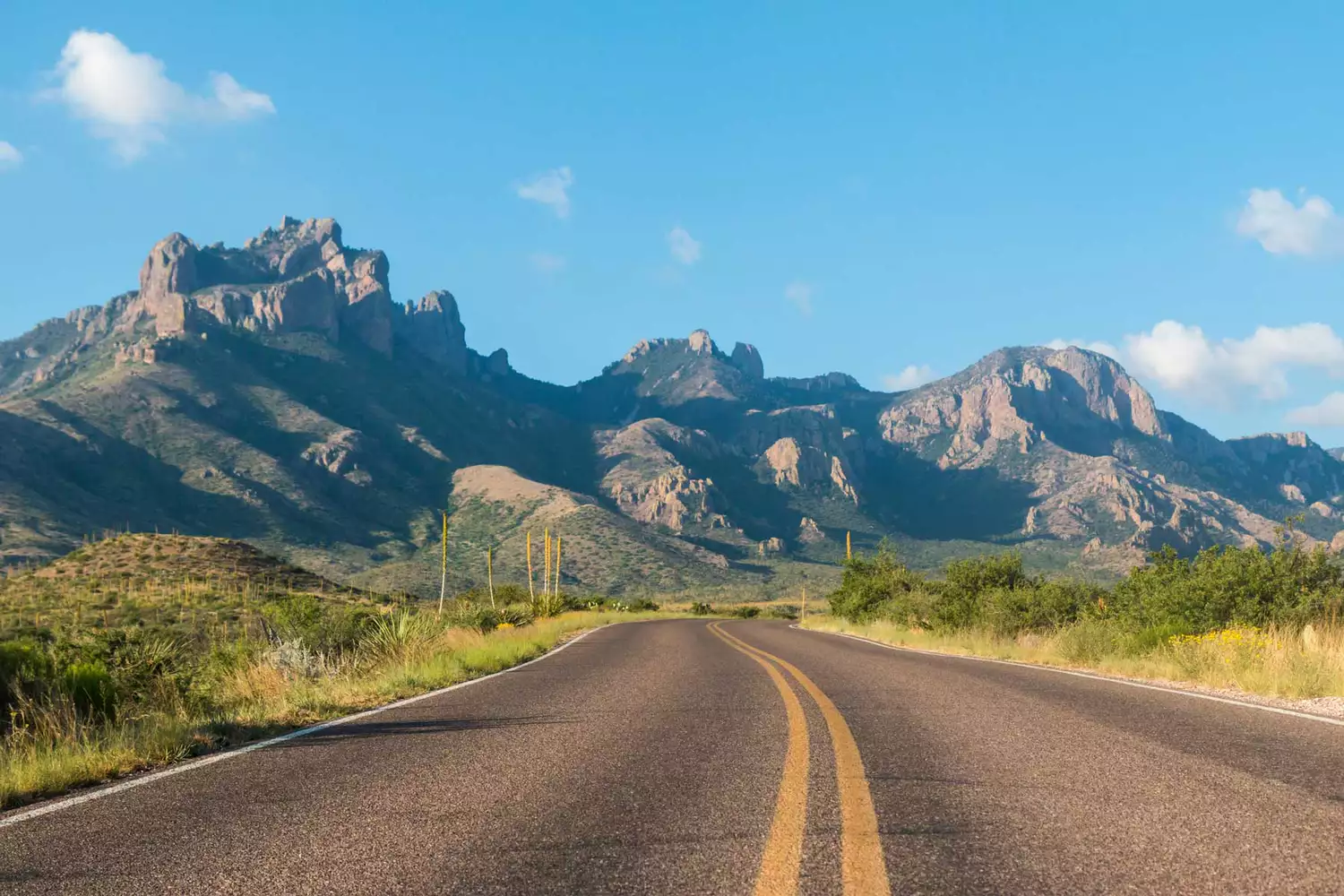
Big Bend is roughly the size of Rhode Island, and moving between its different ecosystems takes time. You have the Chisos Mountains—the high-altitude heart of the park—and the Rio Grande river valley, which offers a lush but scorching desert experience.
The park operates four main developed campgrounds, each with a distinct personality. If you’re looking for the full "RV lifestyle" with hookups, you have exactly one choice: the Rio Grande Village RV Park. If you’re a purist who wants to step out of your tent and onto a trailhead, you head for the Basin. But don’t expect to wing it. Most camping reservations in Big Bend open 180 days (6 months) in advance on Recreation.gov. During the peak seasons of March, April, and the winter holidays, those spots vanish in minutes. If you don't book early, you're likely staying outside the park in Terlingua.
| Feature | Chisos Basin | Rio Grande Village | Cottonwood |
|---|---|---|---|
| Elevation | 5,400 ft (Coolest) | 1,850 ft (Hottest) | 1,900 ft (Remote/Shady) |
| Capacity | 56 Sites | 93 Sites | 22 Sites |
| Max RV Length | 24 ft (Strict) | 38 ft (Full Hookups) | Any (No Generators) |
| Vibe | Alpine/Rugged | Social/Convenient | Quiet/Solitary |
| Hookups | None | Full (Water/Elec/Sewer) | None |
Chisos Basin Campground: The Mountain Hub
If you can snag a spot here, do it. The Chisos Basin is the crown jewel of the park. Surrounded by towering cliffs and the iconic "Window" rock formation, this campground feels like a hidden sanctuary. It’s the highest developed site in the park, offering a much-needed reprieve from the relentless Texas sun.
However, the Basin is not for the faint of heart—or the oversized vehicle. Because of the winding, steep road into the basin, there is a strict 24-foot maximum for RVs and a 20-foot limit for trailers. I’ve seen people try to cheat this, and let me tell you, those hairpin turns are unforgiving.
Marcus’s Pro Tip: The terrain here is notoriously rocky and unlevel. If you’re in a camper van or a small rig, aim for Site 18 or Site 54. They are some of the most level spots in the loop, saving you the headache of stacking leveling blocks for an hour.
The real draw here is the trail access. You are steps away from the Lost Mine Trail (go at sunrise, trust me) and the South Rim, which is arguably the best hike in Texas. You’ll be sharing the space with javelinas and the occasional black bear, so keep your site clean.
Rio Grande Village: Amenities and Big Rigs
On the opposite end of the spectrum—and elevation—is Rio Grande Village. At only 1,850 feet, this area gets hot. But what it lacks in cool breezes, it makes up for in infrastructure. This is the park’s largest campground, with 93 sites, making it over 65% larger than the Chisos Basin.
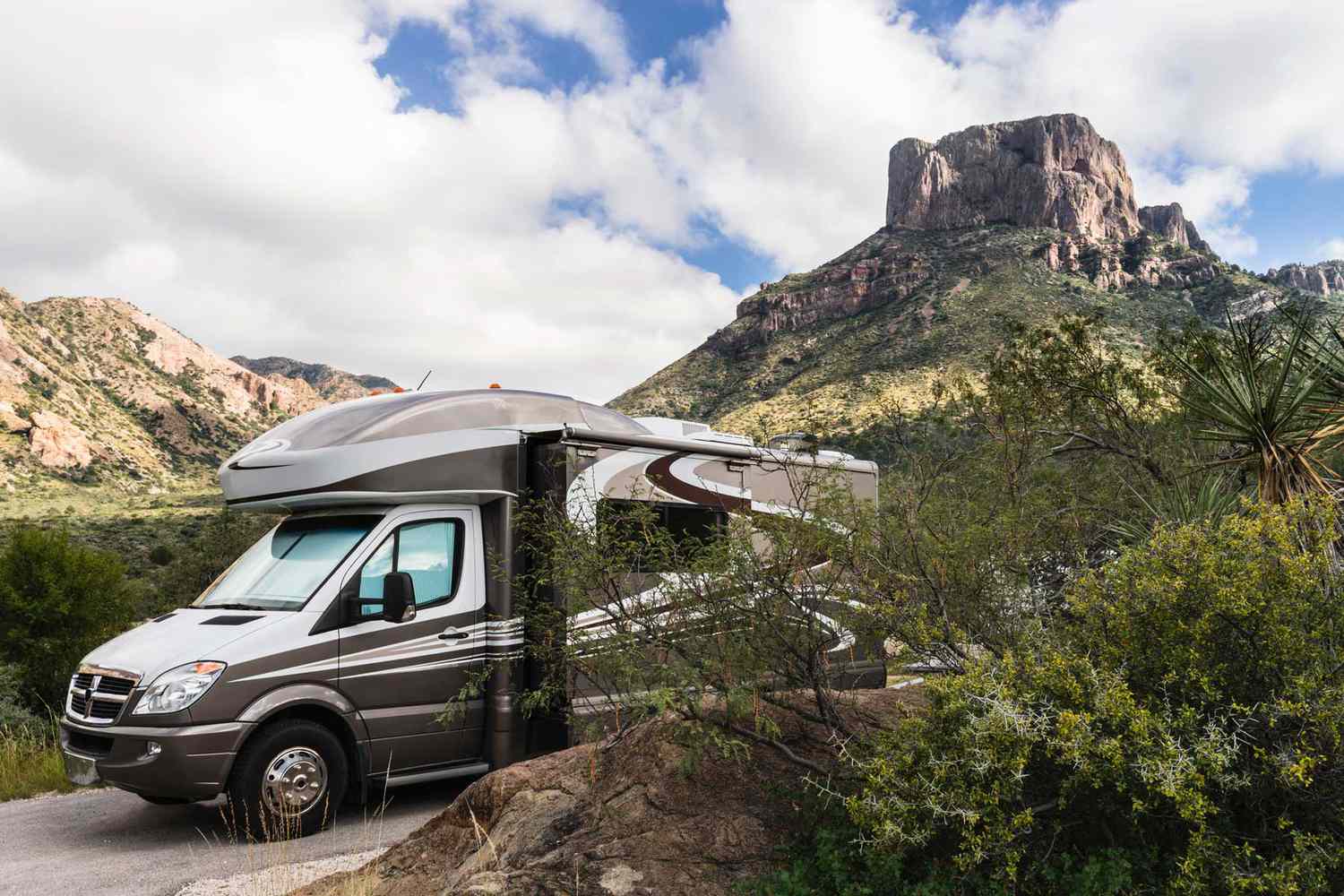
If you need full hookups, this is your only stop. The Rio Grande Village RV Park (managed by a concessionaire, not the NPS) provides water, electricity, and sewer hookups for vehicles up to 38 feet. It’s basically a paved parking lot with hookups, but when the mercury hits 100°F, that A/C is a lifesaver.
Nearby, the NPS-run campground (no hookups) is a bit more scenic, shaded by massive cottonwood trees. It’s a social place. You’ll see birdwatchers stalking the rare Colima Warbler and families heading down to the Boquillas Crossing to take a rowboat over to Mexico for tacos.
Caution: The "No Generator" zones are strictly enforced here to protect the peace of the cottonwood groves. If you need power, stay in the designated RV park area.
Cottonwood Campground: The Quiet Alternative
Located near Santa Elena Canyon on the far west side of the park, Cottonwood is where I go when I want to disappear. It’s remote, it’s quiet, and it has a "no-generator" rule that keeps the vibe serene. There are only 22 sites here, and it’s often the last developed campground to fill up—though "last" still means you should book months out.
The beauty of Cottonwood is its proximity to the Ross Maxwell Scenic Drive. You’re minutes away from the towering 1,500-foot limestone walls of Santa Elena Canyon. There are no showers here and only vault toilets, so come prepared to rough it. The reward? Some of the darkest skies you will ever see. Big Bend is a Gold Tier International Dark Sky Park, and at Cottonwood, the Milky Way looks like it’s close enough to touch.
Backcountry and Roadside Camping: The Real Adventure
For those who find developed campgrounds too "civilized," Big Bend offers some of the best primitive camping in the Southwest. But it requires a different level of planning.
- High Chisos Backcountry: These are hike-in sites along the South Rim and East Rim. You need a permit, and you need to carry every drop of your water. There are no springs you can rely on.
- Primitive Roadside Sites: Spots along Old Maverick Road or River Road offer total solitude. You’ll need a high-clearance 4x4 vehicle (and the skills to drive it) to reach most of these. These are basically just clearings in the desert with a bear-proof box.
Note on Permits: While developed sites are booked via Recreation.gov, backcountry permits must be obtained either online (for some sites) or in person at the Panther Junction or Chisos Basin Visitor Centers. Always check the current fire restrictions—ground fires are strictly prohibited throughout the park.
Planning Your Trip: The Rules of the Desert
You don't just "show up" at Big Bend. You prepare. Here is the reality check for your gear and your timeline:
- The 180-Day Rule: As mentioned, the booking window is 6 months. If you’re planning a spring break trip for March, you need to be at your computer in September.
- Water is Life: I carry one gallon per person per day, plus an extra two gallons in the truck for "just in case." The desert is a dry heat that wicks moisture from your body before you even feel sweaty.
- Bear Safety: This is bear and lion country. Every developed site has a heavy-duty metal bear box. Use it for everything—food, toothpaste, even your scented deodorant. Don’t be the reason a bear has to be relocated or euthanized.
- Tent Stakes: The ground here is either soft sand or literal rock. Bring heavy-duty steel stakes and a mallet. Your standard aluminum pegs will bend like noodles.
Desert Survival Packing Checklist
- Hydration: 3L bladder for hiking + 5-gallon water jug for the site.
- Sun Protection: UPF 50+ shirts, wide-brimmed hats, and high-zinc sunscreen.
- Navigation: Physical topographic maps. Cell service is non-existent once you leave Panther Junction.
- Footwear: Sturdy, broken-in boots. The volcanic rock in the Basin will shred cheap sneakers.
Where to Stay if the Park is Full
It happens to the best of us. If you missed the reservation window, look into these "Plan B" options:
- Stillwell Store & RV Park: About 45 minutes from the north entrance. It’s rugged, historic, and usually has space.
- Maverick Ranch RV Park: Located in Lajitas. It’s upscale with a pool—a great luxury option if you have the budget.
- Basecamp Terlingua: Great for those who want a "glamping" vibe near the Ghost Town.
FAQ
Q: Can I bring my dog to Big Bend? A: You can, but I wouldn't recommend it. Pets are restricted to developed areas and roads. They are not allowed on any trails, in the backcountry, or on the river. Plus, the heat and cactus thorns make it tough on them.
Q: Is there cell service in the campgrounds? A: It’s spotty at best. You might get a bar at the Chisos Basin Lodge or near the Rio Grande Village store, but don't count on it for navigation or streaming. Download your maps offline before you enter the park.
Q: What is the best time of year to camp? A: Late October through April is the sweet spot. March is the busiest month due to Texas Spring Break. Avoid June through August unless you enjoy sleeping in a sauna.
The Bottom Line
Big Bend isn't a park you just visit; it’s a park you experience. Whether you’re watching the sunset through The Window in the Chisos Basin or soaking in the Langford Hot Springs near the Rio Grande, you’re on "Big Bend time." Respect the elevation, book your site six months out, and always, always carry more water than you think you need. See you on the trail.