Quick Facts
- 2025 Reservation Requirements: Over 10 major parks, including Yosemite, Zion, and Glacier, require advanced timed-entry or vehicle reservations during peak months.
- Cost of Access: The 'America the Beautiful' annual pass remains $80 for 2025, while individual park entry fees typically range from $20 to $35 per vehicle.
- The Crowd-Beating Strategy: Experts recommend visiting during the "shoulder seasons"—specifically April to early June or late September to October—and arriving at trailheads before sunrise.
- Digital Preparedness: With limited cellular service in remote areas, rangers emphasize downloading the NPS App and offline maps prior to arrival.
I. The New Era of National Park Travel
There is a specific, quiet majesty to the American wilderness that has long served as a collective "soul-reset" for the weary traveler. However, as we look toward the 2025 season, the experience of visiting our national treasures has fundamentally shifted. The "Great American Road Trip" is no longer a spontaneous endeavor; it is a logistical operation. In 2025, over 10 major US National Parks have implemented reservation or timed-entry systems to manage unprecedented visitor volume and protect fragile local ecosystems.
This evolution is driven by necessity. Record visitation numbers—often exceeding 300 million system-wide—coupled with a diminished NPS workforce, have forced a move toward managed access. For the modern traveler, 2025 requires a delicate balance of reverence for the landscape and rigorous planning. To truly appreciate the stillness of early morning in Glacier or the granite cathedrals of Yosemite, one must master the art of the booking window as much as the art of the hike.
II. The Reservation Masterlist: Navigating 2025 Entry Systems
Navigating the entry requirements for 2025 can be daunting. The system is generally split into two categories: Timed Entry (permitting entry during a specific window) and Vehicle Reservations (permitting a specific vehicle to enter a corridor). If you arrive without a digital QR code in these parks during peak hours, you will, in almost all cases, be turned away.
The following parks have confirmed reservation or permit requirements for the 2025 season:
| National Park | Requirement Type | 2025 Effective Dates | Key Areas Impacted |
|---|---|---|---|
| Acadia | Vehicle Reservation | May – October | Cadillac Summit Road |
| Arches | Timed Entry | April 1 – October 31 | Entire Park Entry |
| Glacier | Vehicle Reservation | June 13 – September 28 | Going-to-the-Sun Road, North Fork, Many Glacier |
| Mount Rainier | Timed Entry | May – September | Paradise and Sunrise Corridors |
| Rocky Mountain | Timed Entry | May 24 – October 13 | Bear Lake Road & "Park Access+" |
| Shenandoah | Permit | Year-round (Peak focus) | Old Rag Mountain hiking |
| Yosemite | Timed Entry | Peak periods/February | Entire Park (plus Firefall permits) |
| Zion | Permit/Lottery | Year-round | Angels Landing hiking permits |
Ranger Pro-Tip: Many parks offer a "secondary release" of reservations exactly 24 hours in advance at 8:00 AM or 7:00 PM local time. If you missed the six-month booking window, set an alarm for the day before your planned visit. Additionally, most timed-entry requirements end after 3:00 PM or 4:00 PM—ideal for those looking for a sunset hike without the paperwork.
III. The 2025 Pass & Fee Guide
While individual entrance fees have seen modest increases—now ranging between $20 and $35 per vehicle—the 'America the Beautiful' annual pass remains the gold standard for value at $80. This pass provides access to over 2,000 federal recreation sites for one year from the month of purchase. For anyone planning to visit more than three major parks in a single year, the pass pays for itself almost immediately.
For families, the 2025 'Every Kid Outdoors' initiative remains a vital resource. This program provides free entry for 4th graders and up to three accompanying adults. It is a strategic move by the NPS to foster a new generation of stewards, covering entrance fees that can otherwise become a barrier to entry for larger families.
2025 Fee-Free Days (No Entry Fee Required):
- January 20: Martin Luther King, Jr. Day
- April 19: First day of National Park Week
- June 19: Juneteenth National Independence Day
- August 4: Anniversary of the Great American Outdoors Act
- September 27: National Public Lands Day
- November 11: Veterans Day
IV. Expert Strategies to Beat the 2025 Crowds
If you are looking for the "best" time to visit national parks in 2025, the data points clearly to the shoulder seasons. While July and August offer peak weather, they also bring peak congestion. Visiting in April to early June, or from late September through October, offers a superior experience. Not only are the temperatures more manageable—particularly in desert parks like Arches or Zion—but the thinning crowds allow for a more intimate connection with the environment.
The most effective way to beat the crowds remains the "Sunrise Strategy." Park rangers consistently report that the vast majority of visitors arrive between 10:00 AM and 4:00 PM. By arriving at popular trailheads before sunrise, you not only secure a parking spot but often enjoy the world’s most famous vistas in near-total solitude.
Expert Insight: "Don't just stick to the 'Greatest Hits' list you found on social media," suggests a veteran ranger from Zion. "Step into the Visitor Center and ask a ranger for their favorite 'unmapped' trail or a recommendation for a secondary canyon. We are there to help you find the quiet corners of the park that 90% of visitors miss."
V. The Golden Rules of Stewardship: Ranger Expectations
As visitor numbers rise, so does the impact on the land. In 2025, Leave No Trace (LNT) principles are more critical than ever. Rangers are seeing an uptick in human waste issues and trail erosion. Travelers are encouraged to carry "WAG bags" or hygiene kits in areas where facilities are limited or closed for maintenance.
Wildlife safety also remains a top priority. The "Bus Length" rule is a simple but vital metric: stay at least 25 yards (two bus lengths) away from large animals like elk, bison, and deer, and at least 100 yards (eight bus lengths) from bears and wolves. In 2024, several high-profile incidents involved visitors getting too close for "selfies," resulting in injuries and the unnecessary euthanasia of animals. In 2025, rangers are taking a zero-tolerance approach to these violations.
Finally, consider your impact on gateway towns. Places like Moab, Utah, and Bar Harbor, Maine, are under immense pressure. Support local economies by dining at family-owned restaurants and respecting local parking regulations. Being a good guest in the town is as important as being a good steward in the park.
VI. Essential 2025 Gear & Preparation
Modern park travel requires a hybrid of high-tech preparation and low-tech reliability. Because cellular service is non-existent in the depths of the Grand Canyon or the backcountry of the Tetons, the NPS App is an essential tool—but only if you download the park data for offline use before you leave your hotel or home.
The 2025 Essential Park Checklist:
- Navigation: NPS App (offline mode), physical topographic maps, and a compass.
- Safety: Bear spray (specifically for Greater Yellowstone and Glacier regions) and a whistle.
- Hydration: At least 1 gallon of water per person per day in desert environments; hydration salts are highly recommended.
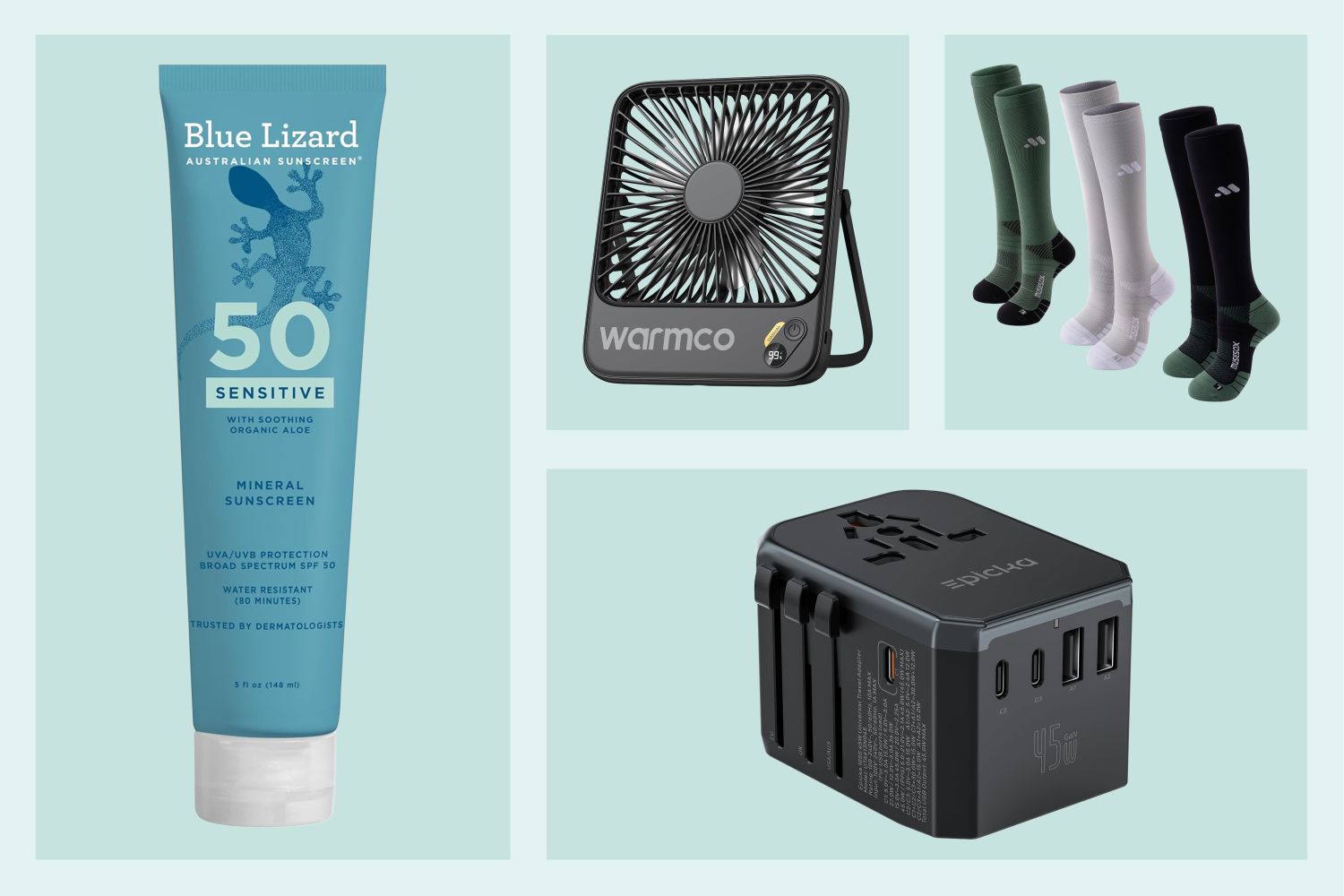
- Sun Protection: UPF-rated clothing, wide-brimmed hats, and reef-safe sunscreen.
- Connectivity: A portable power bank; your phone's battery will drain faster searching for a signal.
VII. Accommodations: Staying Inside vs. Outside the Gates
Deciding where to sleep is perhaps the most significant logistical hurdle. Historic lodges inside the parks—such as the El Tovar at the Grand Canyon or the Old Faithful Inn in Yellowstone—offer unparalleled access and atmosphere. However, these require booking between 6 and 13 months in advance.
If you are booking late, strategic "base camp" towns are your best bet. Look for accommodations that provide shuttle services into the park, which allows you to bypass the stress of finding parking at popular trailheads. While staying outside the park often offers more modern amenities (and better Wi-Fi), it adds a commute that must be factored into your "Sunrise Strategy."
VIII. FAQ
Q: Can I enter a reservation-only park if I have a national park pass? A: No. An 'America the Beautiful' pass or individual entrance fee covers the cost of entry, but it does not act as a reservation. You must still secure a timed-entry or vehicle reservation through Recreation.gov for participating parks.
Q: What happens if I can't get a reservation for the dates I want? A: You have three main options: Check for "last-minute" releases 24 hours in advance, enter the park before the reservation system begins for the day (usually before 6:00 AM), or explore nearby National Forests and State Parks which often offer similar landscapes with fewer restrictions.
Q: Do I need bear spray in every National Park? A: Not necessarily. Bear spray is essential in "Grizzly Country" (Glacier, Grand Teton, Yellowstone). In parks with only Black Bears, rangers generally recommend proper food storage and noise-making, though bear spray is still an acceptable safety precaution.
IX. Plan Your 2025 Adventure
The landscape of American travel is changing, but the reward of standing at the edge of the world remains as potent as ever. The key to a successful 2025 visit is to be an informed, proactive, and respectful explorer. Start your planning today by securing your pass and checking reservation windows.