Quick Facts
- The 2026 Culinary Icons: Crete, Greece, has been officially designated as the European Region of Gastronomy for 2026, signaling a global shift toward ancient, sustainable, and forage-based diets.
- Where the Masters Go: Renowned chefs like Eric Ripert and Samin Nosrat favor a mix of high-low dining, from the legendary $15 burritos at La Taqueria in San Francisco to the three-Michelin-starred innovation of Mingles in Seoul.
- Rising Stars: Medellín, Colombia, is shedding its past to become a fermentation and high-altitude cuisine powerhouse, while Fès, Morocco, prepares for a landmark Alain Ducasse opening in 2026.
- Ultra-Exclusive Access: For the discerning traveler, 2026 marks the rise of "extreme exclusivity" tours, such as Chef Tillie’s Provence journey, limited to just 12 guests for a bespoke immersion into Michelin-starred French culture.
The Secret Map of the Culinary Elite
There is a particular kind of alchemy that occurs when a world-class chef hangs up their apron for a few weeks. Away from the relentless "Yes, Chef!" of a Michelin-starred kitchen, their palates don’t simply go quiet; they seek a different kind of frequency. We have long been fascinated by the "Rockstar Chef," but in 2026, the cultural zeitgeist has shifted. We no longer just want to eat their food; we want to see the world through their eyes. We want to know where the masters of flavor go to be inspired, to be humbled, and to rediscover the primal joy of a perfect meal.
When icons like Eric Ripert or Samin Nosrat travel, they aren't looking for the pomp of white tablecloths—at least, not exclusively. They are looking for "soul." They are hunting for the specific acidity of a lime in a Medellín market, the precise crunch of a bifana in a Lisbon alleyway, or the ancient, sun-drenched wisdom of a Cretan olive grove. As we look toward the travel landscape of 2026, the map is being redrawn by these culinary nomads, pointing us toward destinations where history and heritage are served on every plate.
I. Following the Masters: Iconic Chef Favorites
The "Chef’s Holiday" is rarely about rest; it is an obsessive quest for authenticity. Take Samin Nosrat, the visionary behind Salt Fat Acid Heat. When she seeks the "Acid" component of her philosophy on home turf, she often heads to the Mission District in San Francisco. Her endorsement of La Taqueria—a no-frills institution—reminds us that a world-class palate finds genius in a perfectly grilled carnitas taco just as easily as in a twenty-course tasting menu.
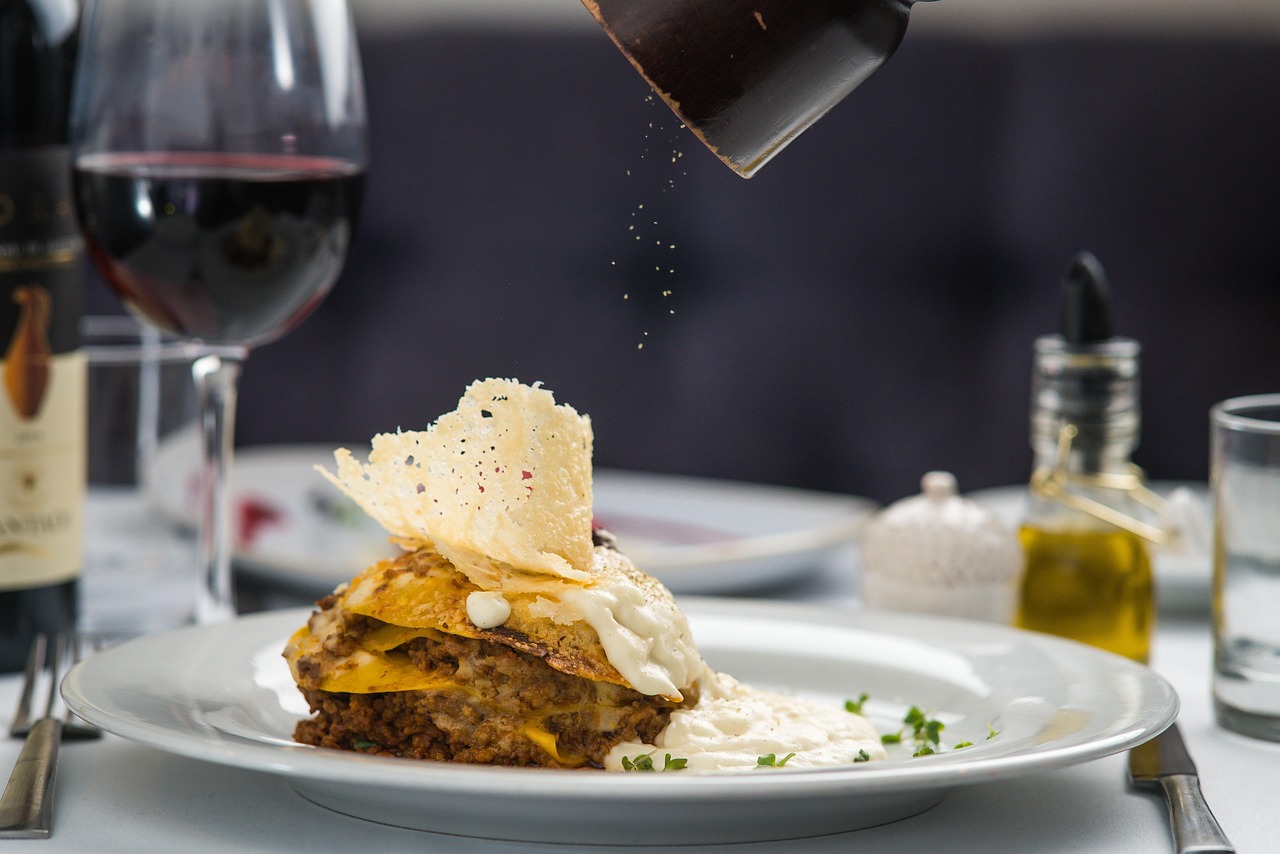
Conversely, for Eric Ripert, the monk-like master of New York’s Le Bernardin, travel is often a spiritual and technical pilgrimage to Asia. Ripert has frequently cited Mingles in Seoul as a destination of profound importance. Under the guidance of Chef Mingoo Kang, Mingles harmonizes traditional jang (fermented soy sauces) with modern sensibilities. It is a place where the history of Korean temple food meets the precision of French technique—a combination that speaks to Ripert’s own culinary DNA.
In Europe, the eyes of the elite are currently fixed on Lisbon. Nuno Mendes, the chef who brought Portuguese soul to London’s Chiltern Firehouse, often returns to his roots to find inspiration. He bridges the gap between the "hole-in-the-wall" gems serving traditional bacalhau and the progressive tasting rooms that are redefining what Iberian Atlantic cuisine can be. For the 2026 traveler, Lisbon remains a essential stop for those who wish to understand the intersection of seafaring history and modern fire-cooking.
II. The 2026 Gastronomy Map: Where to Go Now
As we move deeper into the decade, the definition of a "food destination" is evolving. It is no longer enough to have a high density of Michelin stars; a city must offer a narrative.
Crete, Greece: The Ancient Table
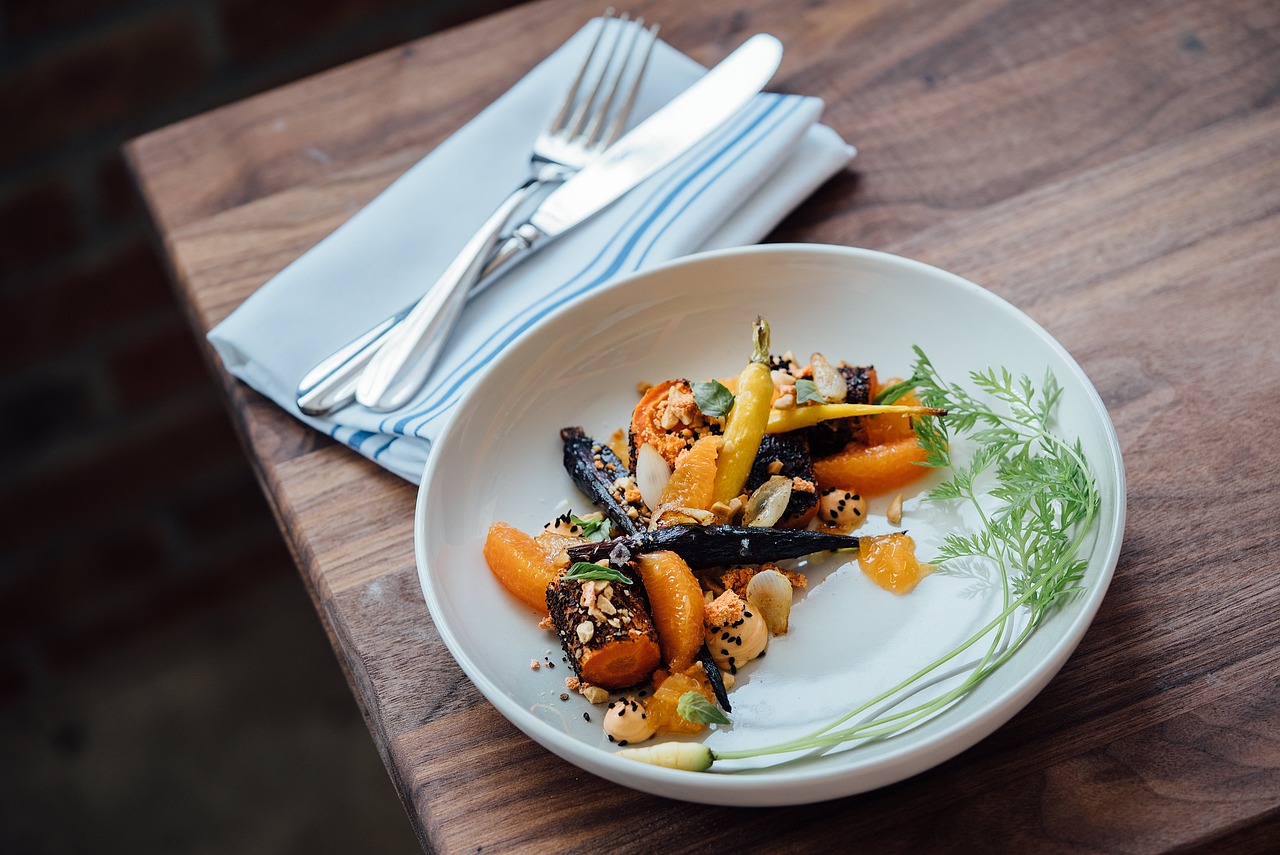
Crete has been named the European Region of Gastronomy for 2026, and for good reason. While Athens offers the neoclassical grandiosity, Crete offers the earth. Here, the "Cretan Diet" is not a trend; it is a 4,000-year-old survival strategy. Chefs are flocking here to study the art of foraging—collecting stamnagathi (wild chicory) from coastal cliffs—and to taste olive oils so vibrant they feel like a different ingredient entirely.
Editor’s Tip: Seek out the mountain villages of the White Mountains (Lefka Ori). It is here, far from the tourist resorts, where you will find the "slow food" movement in its truest form: honey-drizzled pies crammed with mizithra cheese and lamb slow-cooked in antikristo style over open flames.
Fès, Morocco: The Rise of Fassi Cuisine
While Marrakech has the glamour, Fès has the soul. 2026 marks a pivotal year for the city with the highly anticipated opening of an Alain Ducasse restaurant at the historic Palais Jamai. This move by the world’s most decorated living chef signals that Fès is the new frontier for "Fassi" cuisine—a complex, regal culinary tradition known for its sophisticated use of spices, dried fruits, and nuts. Expect to see a surge in "food archeology" as travelers explore the 1,200-year-old medina to find the perfect bastilla.

Medellín, Colombia: Beyond the Bandeja Paisa
Medellín is currently undergoing a $100 million transformation centered around the Wake project, a lifestyle and culinary hub that aims to position the city as the "Nordic Food Lab" of the Southern Hemisphere. World-class chefs are drawn to Medellín's biodiversity. They are coming to experiment with rare Amazonian fruits and to see how local chefs like Leonor Espinosa are using fermentation to unlock the flavors of the Andes.
Boston, USA: The Seaport Evolution
Closer to home, Boston's Seaport district has shed its industrial skin to become a polished culinary destination. With the arrival of titans like Ci Siamo and the artisanal precision of Lakon Paris Patisserie, the city is finally stepping out of the shadow of New York and Chicago. It is a masterclass in urban planning where high-end seafood meets innovative pastry, making it a key North American stop for 2026.
III. The Ultimate Culinary Immersion: Provence 2026
There is a growing trend among the ultra-wealthy for "Extreme Exclusivity." In an age where anyone can book a Michelin-starred table, the true luxury is access. This is the driving force behind the most sought-after culinary journey of 2026: Chef Tillie’s Provence Immersion.
Provence has always been the heartbeat of French gastronomy, but this tour strips away the velvet ropes. Limited to just 12 guests, the journey is less of a "tour" and more of a private invitation into the world of Master French Chefs. Imagine standing in a private vineyard in the Luberon at dawn, the mist still clinging to the vines, as you taste a vintage that will never see a commercial shelf. Imagine a private cooking session where the "classroom" is a 17th-century farmhouse kitchen, and the "lesson" is the unspoken secrets of a perfect bouillabaisse.
Expedition Spotlight: Chef Tillie’s Provence 2026
| Category | Details |
|---|---|
| Dates | October 11 - 18, 2026 |
| Duration | 8 Days / 7 Nights |
| Capacity | Limited to 12 Travelers |
| Price | $7,975 USD per person |
| Highlights | Michelin-starred dining, private vineyard tastings, Master Chef cooking classes |
| Accommodations | High-end boutique hotels & luxury estates |
This is the kind of travel that world-class chefs themselves dream of—one where the barrier between the creator and the consumer is completely dissolved.

Secure Your Seat for Provence 2026 →
IV. Planning Your 2026 Food Journey
Navigating the global culinary map requires more than just a hearty appetite; it requires strategic timing. The savvy traveler in 2026 is looking at "Micro-Seasons."
- Crete (Spring & Autumn): Avoid the summer heat. Visit in May for the wild greens and herbs, or October for the olive harvest and the tsikoudia (raki) distilling festivals.
- Hong Kong (January–March): The weather is crisp, and the "seasonal" menus in the high-end Cantonese houses are at their peak, focusing on rich, braised meats and winter melons.
- The American South: Keep a close eye on the expanding Michelin Guide. The 2026 releases are expected to highlight deeper pockets of the South and Southwest, making cities like Austin, Charleston, and New Orleans even more essential for those tracking the stars.
The evolution of the American landscape is particularly fascinating. We are seeing a "decentralization" of fine dining. You no longer need to be in Manhattan to experience world-class technique; the masters are moving to where the ingredients are, from the artisanal cheesemakers of Minas Gerais in Brazil to the heritage grain farmers of the American Midwest.
FAQ
Why are chefs suddenly moving toward more "remote" destinations like Crete or Fès? In an increasingly digital world, chefs are seeking "un-googlable" experiences. They are looking for ancient techniques—fermentation, open-fire roasting, and wild foraging—that haven't been sanitized by modern industrial kitchens. Destinations like Crete and Fès offer a direct link to these ancestral methods.
Is the Chef Tillie Provence tour suitable for non-cooks? Absolutely. While the tour includes cooking classes with Master Chefs, it is designed as a cultural journey. The focus is on appreciation—through tasting, private vineyard tours, and historical exploration—as much as it is on preparation.
What is the "European Region of Gastronomy" designation? It is an award given by the International Institute of Gastronomy, Culture, Arts and Tourism (IGCAT). It recognizes regions that use their unique food culture to stimulate sustainable development and innovation. Crete’s 2026 designation will bring a host of special food festivals and exclusive dining events to the island throughout the year.
Ready to Dine Like a Master?
The world is a vast kitchen, and in 2026, the best seats aren't just in the restaurants—they're at the source. Whether you're chasing the sun in Crete or the perfect vintage in Provence, your next great meal is waiting at the intersection of history and hunger.