Quick Facts
- Average Annual Snowfall: 400 inches, fueling one of North America’s longest ski seasons.
- The Summit: 11,053 feet—the highest lift-served peak in California.
- Best For: High-altitude skiing, volcanic landscapes, and pristine alpine hiking.
- Trail Network: Over 140 miles of public access tracks for hiking, biking, and snowshoeing.
- Distance: Approximately a 5-hour drive from Los Angeles and 6 hours from San Francisco (via Tioga Pass in summer).
Introduction: The Sierra’s Best Kept Secret
Forget the palm trees and the Pacific Coast Highway for a second. If you really want to understand the rugged soul of California, you have to head East—up into the jagged, granite teeth of the Sierra Nevada. Mammoth Lakes isn’t just a "ski town." It’s a high-altitude sanctuary perched on the edge of the Long Valley Caldera, a massive ancient volcano that still fuels the region’s steaming hot springs and dramatic geology.
While Lake Tahoe often grabs the international headlines, Mammoth remains the discerning adventurer's choice. Why? Because it’s bigger, higher, and unpretentious. The vibe here is "dirtbag luxury"—you might find a pro snowboarder and a tech CEO sharing a bench at a local brewery, both covered in the same layer of dust or snow. With an average annual snowfall of 400 inches and a summit that scrapes the sky at 11,053 feet, Mammoth Mountain offers a scale of terrain that feels more like the Alps than the Golden State.
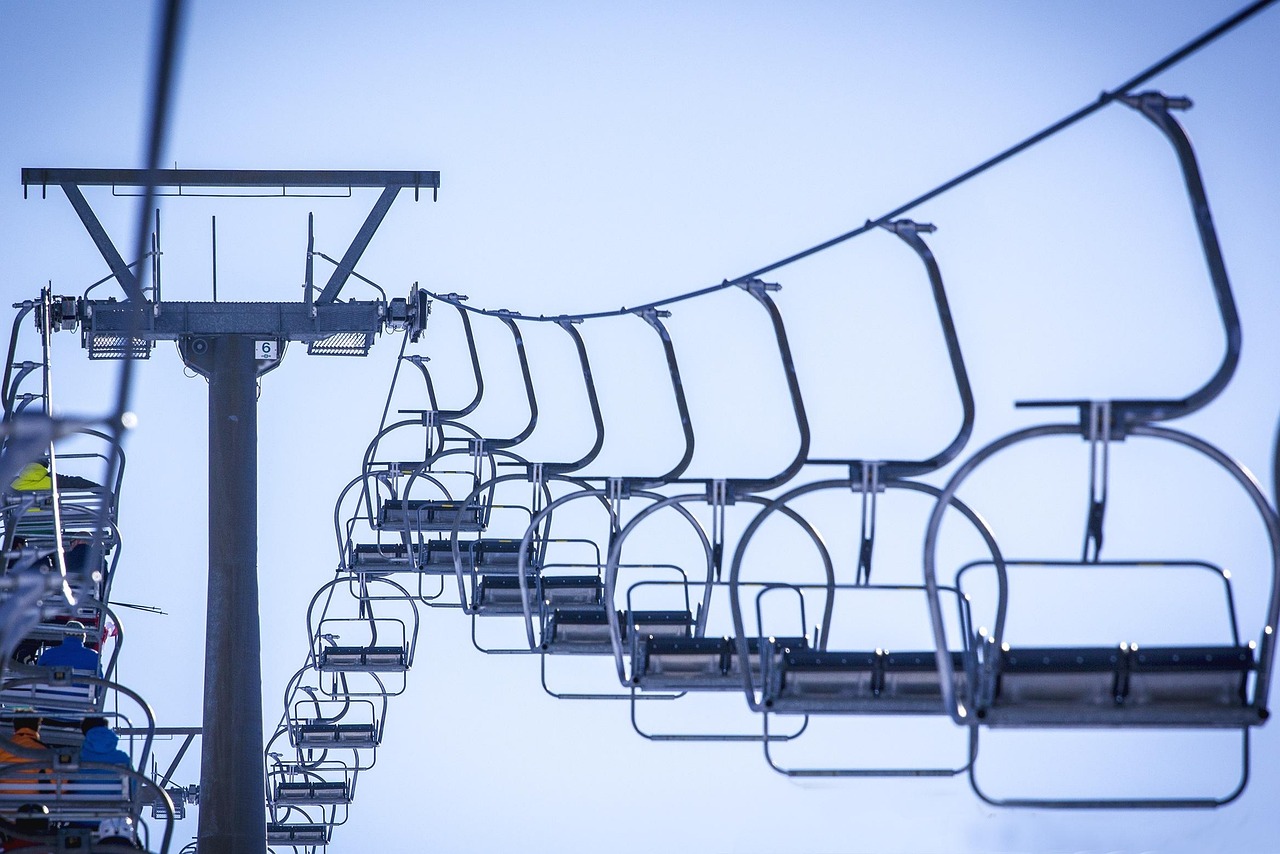
Whether you’re here to carve through "Sierra Cement" (our thick, legendary powder) in February or to find solitude on a backcountry trail in August, Mammoth delivers a raw, visceral connection to nature that’s hard to find anywhere else in the lower 48.
Planning Your Trip: The Logistics
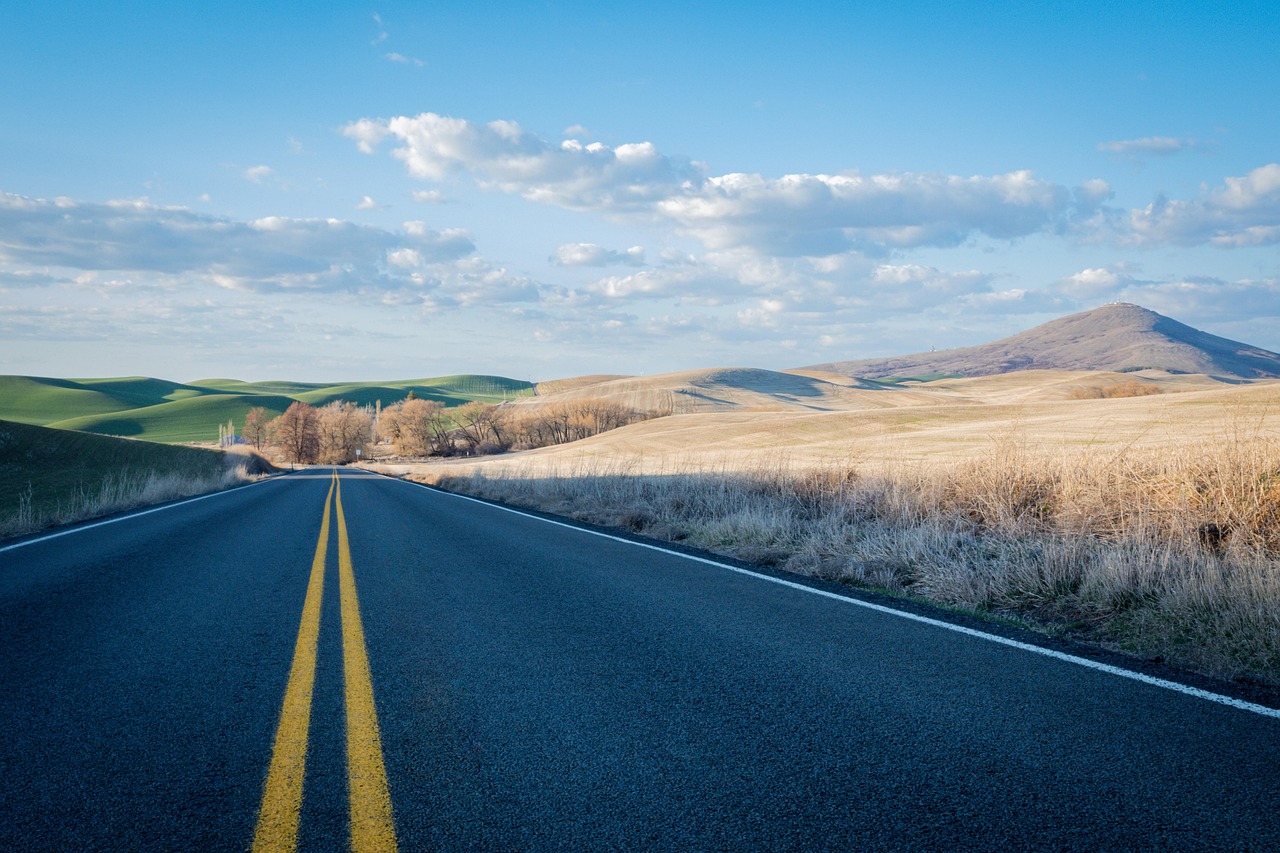
Mammoth Lakes is tucked away in the Eastern Sierra, and getting here is half the fun. If you’re driving from Los Angeles, you’ll spend five hours cruising up Highway 395—a stretch of road I consider one of the most beautiful in the world. To your left, the Sierra Nevada rises abruptly from the desert floor like a wall of stone. From San Francisco, the drive is about six hours; however, in the winter, the Tioga Pass through Yosemite is closed, so you’ll need to wrap around via the northern or southern routes.
The Best Time to Visit The core question I get is: "When should I go?" The answer depends entirely on your tolerance for cold and your thirst for adrenaline.
| Season | Vibe | Best For |
|---|---|---|
| Winter (Dec–Feb) | High Alpine Energy | Deep powder skiing, snowboarding, and cozy après-ski. |
| Spring (Mar–May) | The "Second Season" | Legendary spring skiing in t-shirts; "Corn Snow" conditions. |
| Summer (Jul–Sep) | Mountain Freedom | High-altitude hiking, mountain biking, and lake days. |
| Fall (Oct–Nov) | Quiet Serenity | Leaf-peeping golden aspens and crisp, crowd-free trails. |
Traveler’s Tip: Winter Driving If you're visiting between November and May, R-2 chain requirements are no joke. Even if you have a 4WD vehicle, California law requires you to carry chains in the mountains. Check the Caltrans website before you leave, and practice putting them on in your driveway—not on the side of a snowy highway at midnight.
Where to Play: Winter and Spring (Ski Season 2026)
Mammoth Mountain is the undisputed king of California skiing. With over 3,500 skiable acres and 150+ trails, it’s a playground that demands multiple days to explore. For the experts, the top of the mountain offers steep chutes and wide-open bowls that stay windy and fresh. If you’re a freestyle junkie, the "Unbound" terrain parks are world-renowned; I’ve spent many mornings watching pros pull triple corks on jumps the size of apartment buildings.
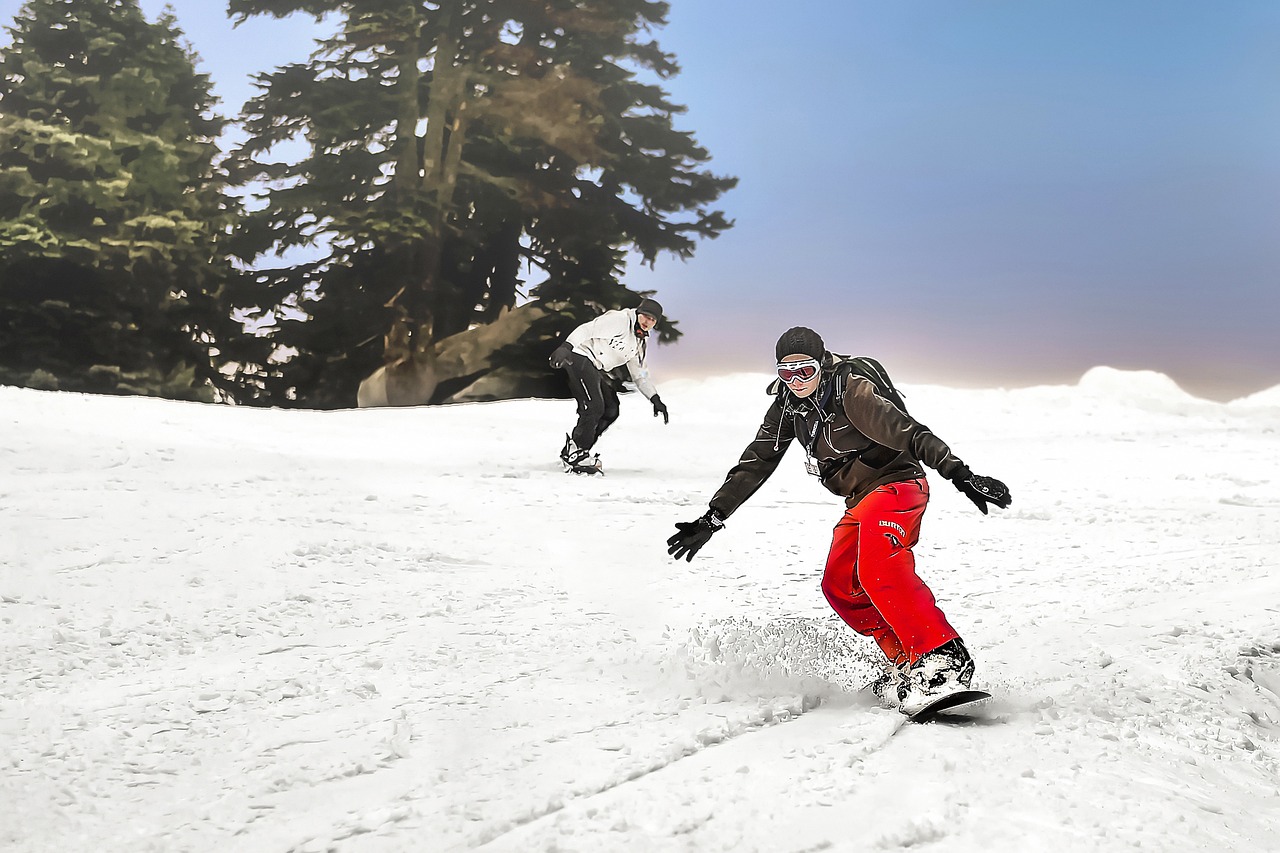
But Mammoth isn’t just for downhillers. The Mammoth Lakes Trail System provides over 140 miles of public access tracks. My personal favorite way to spend a "rest day" is heading to Tamarack Lodge. They manage a world-class cross-country ski center with trails that wind through the silent, snow-heavy pines of the Lakes Basin.
The "Corn Snow" Phenomenon Don’t sleep on the spring season. Mammoth’s high elevation means the season often extends into June or even July. During these months, the snow undergoes a freeze-thaw cycle that creates "Corn Snow"—perfectly round, loose kernels that feel like skiing on ball bearings. It’s incredibly forgiving and, paired with the California sun, makes for the best spring skiing on the planet.
Where to Play: Summer and Fall (The Adventure Season)
When the snow finally retreats, it reveals a landscape of volcanic wonders and turquoise waters. The Lakes Basin is the heart of summer life here.
- Convict Lake: Don't let the name scare you. This is arguably the most photographed spot in the region. The 3-mile loop around the lake is relatively flat and offers mind-bending views of Mount Morrison. I recommend hitting this trail at sunrise when the water is like a mirror.
- Mammoth Lakes Basin: Rent a paddleboard at Lake Mary or Horseshoe Lake. The water is bracing (read: ice-cold), but there’s nothing like the silence of the mountains from the middle of a lake.
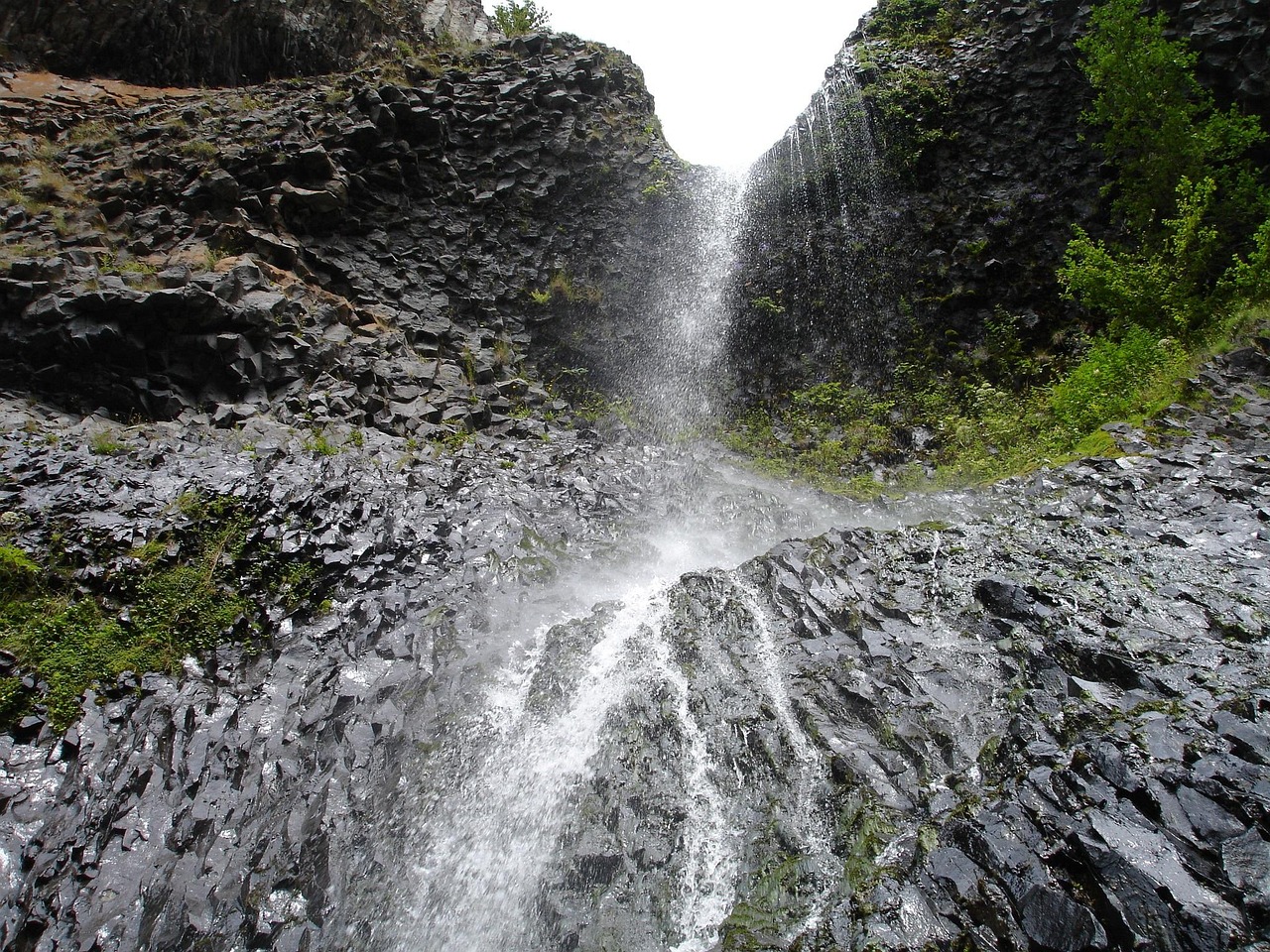
- Devils Postpile National Monument: Just a short shuttle ride from the village lies one of the world's finest examples of columnar basalt. These hexagonal pillars were formed by cooling lava 100,000 years ago. It looks like something out of a Ridley Scott movie.
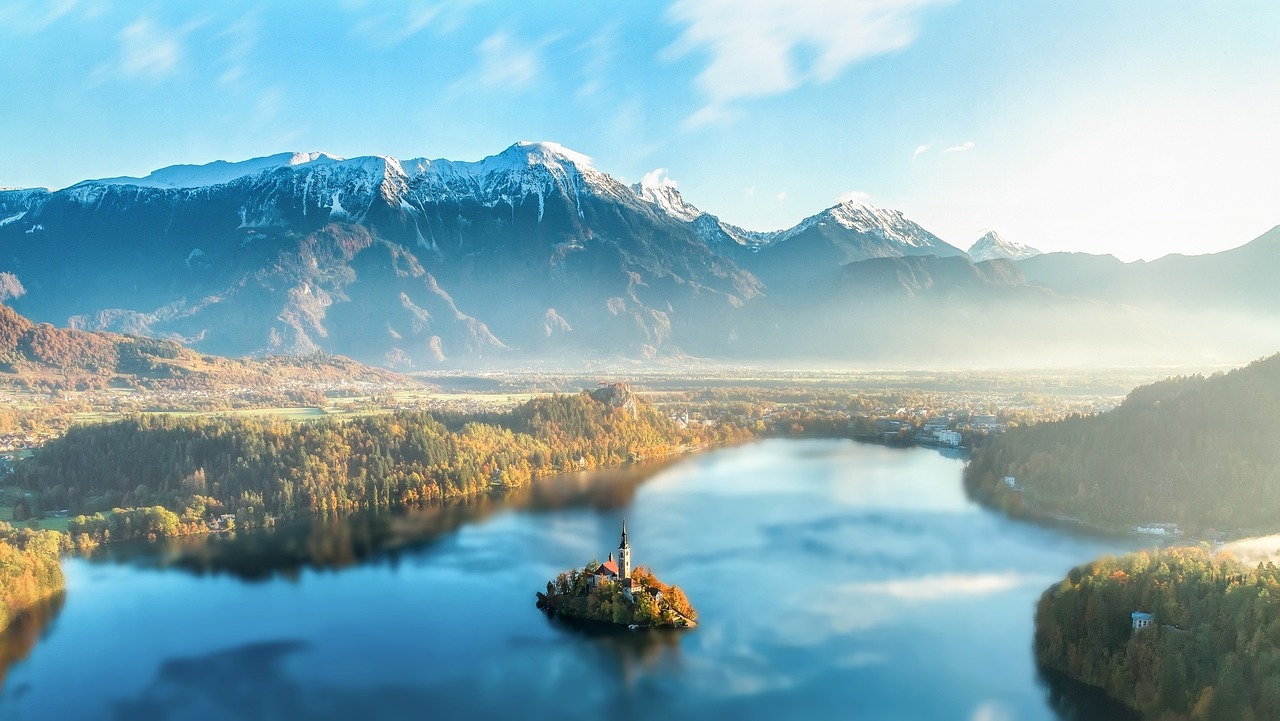
If you're visiting in the fall, you're in for a treat. While New England gets the fame, the Eastern Sierra’s golden aspens are breathtaking. The drive to nearby June Lake (the "Switzerland of California") is essential for leaf-peeping and avoids the bulk of the Mammoth crowds.
Natural Healing: The Hot Springs of the Eastern Sierra
One of the perks of living on a volcanic caldera is the abundance of natural geothermal activity. After a long day on the mountain or the trail, there is nothing—and I mean nothing—better than a soak in a wild hot spring.
Most of these are located out on the "Green Church" road (Benton Crossing Rd). Wild Willy’s is the most famous, featuring a heart-shaped pool and a wooden boardwalk through the marsh. If you want a view of the snow-capped Minarets while you soak, head to Hilltop or The Rock Tub.
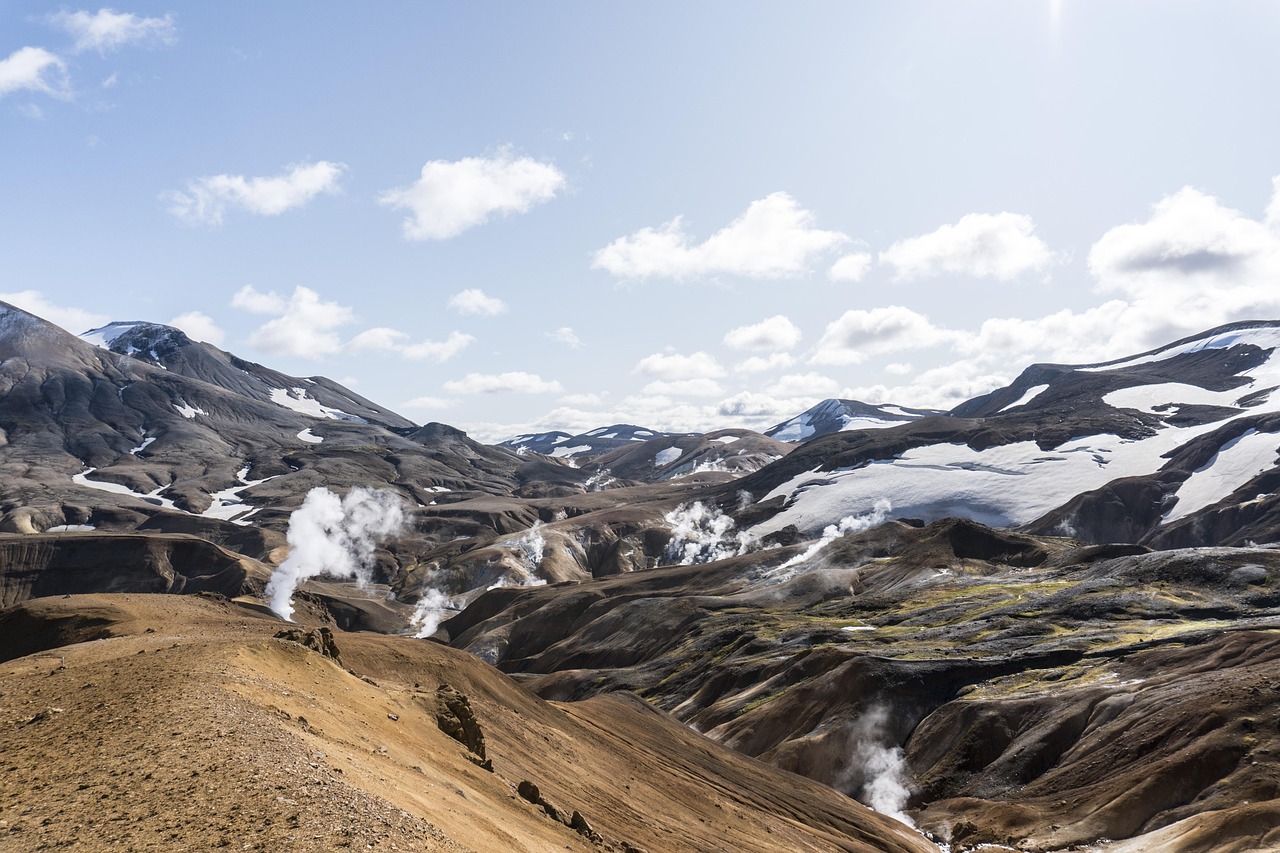
Pro Tip: These are wild, primitive pools. There are no changing rooms or bathrooms. Keep it "Leave No Trace"—pack out your trash, and be prepared for some "clothing optional" locals, especially around sunrise. Also, stay away from Hot Creek Geologic Site for soaking; the water temperatures there can fluctuate up to 200°F and can be fatal.
Where to Stay: Lodges, Cabins, and Glamping
The lodging scene in Mammoth has evolved rapidly over the last few years, moving away from dated 70s condos toward a more refined alpine aesthetic.
- For the Luxury Seeker: The Westin Monache Resort is the heavy hitter. It’s located right next to the Village, meaning you’re steps away from the gondola and the best bars.
- For the Modern Adventurer: Outbound Mammoth (formerly the Sierra Nevada Resort) is my top pick. It’s been reimagined with a "boutique-rugged" feel, offering everything from deluxe rooms to cozy cabins with private fire pits. It’s the perfect base camp for someone who wants style without the stuffiness.
- For the Ski-In/Ski-Out Purist: Mammoth Mountain Inn. It sits right at the base of Main Lodge. It’s older, but you can’t beat being the first person on the lift when a 24-inch storm drops.
- For the Budget/Solo Traveler: Look for Airbnb condos near Canyon Lodge or the Village. The free town shuttle (the "Blue Line") is incredibly efficient, so you don't necessarily need to be slope-side to have a great time.
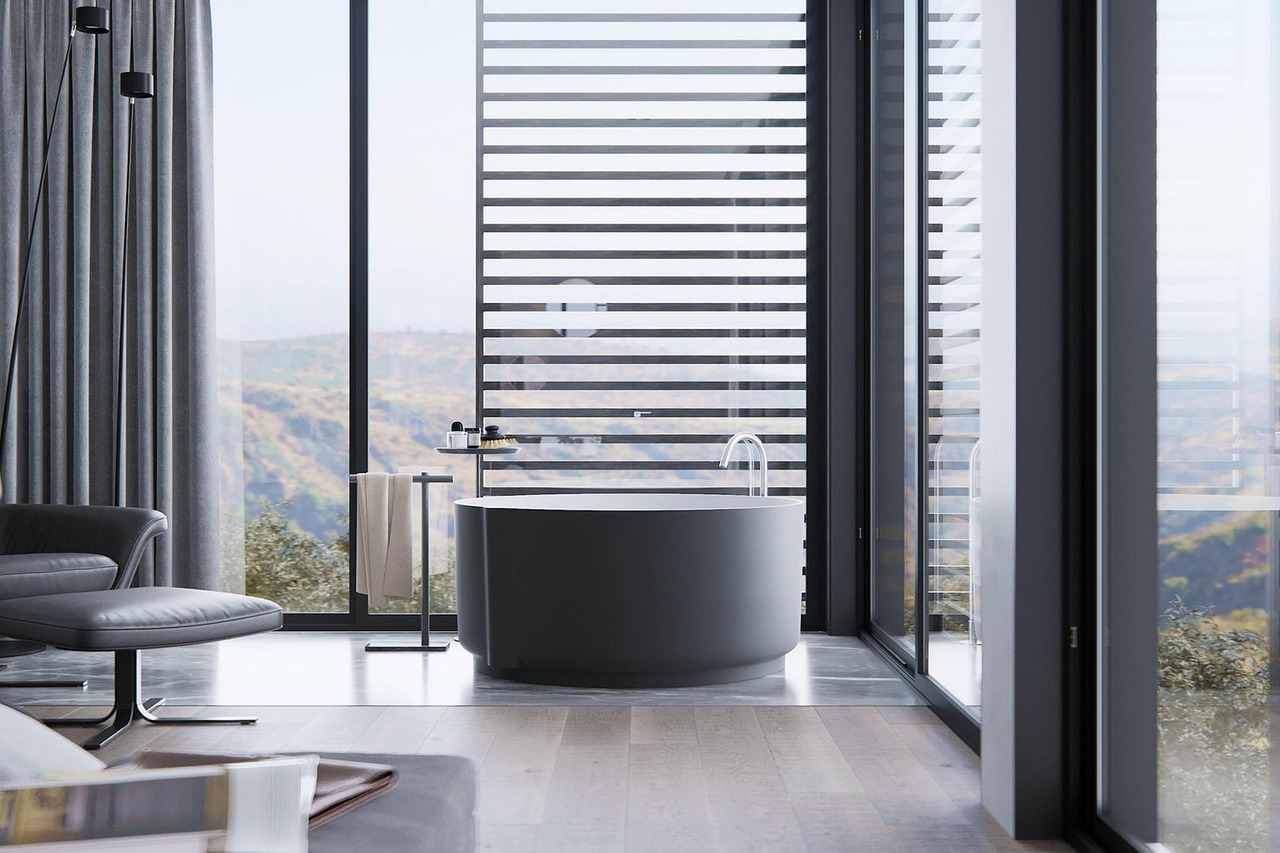
Book Your Stay at Outbound Mammoth →
Where to Eat: From Fine Dining to Après-Ski
Mammoth’s food scene has finally caught up to its terrain. We’ve moved past the "chili in a bread bowl" era into some truly inspired territory.
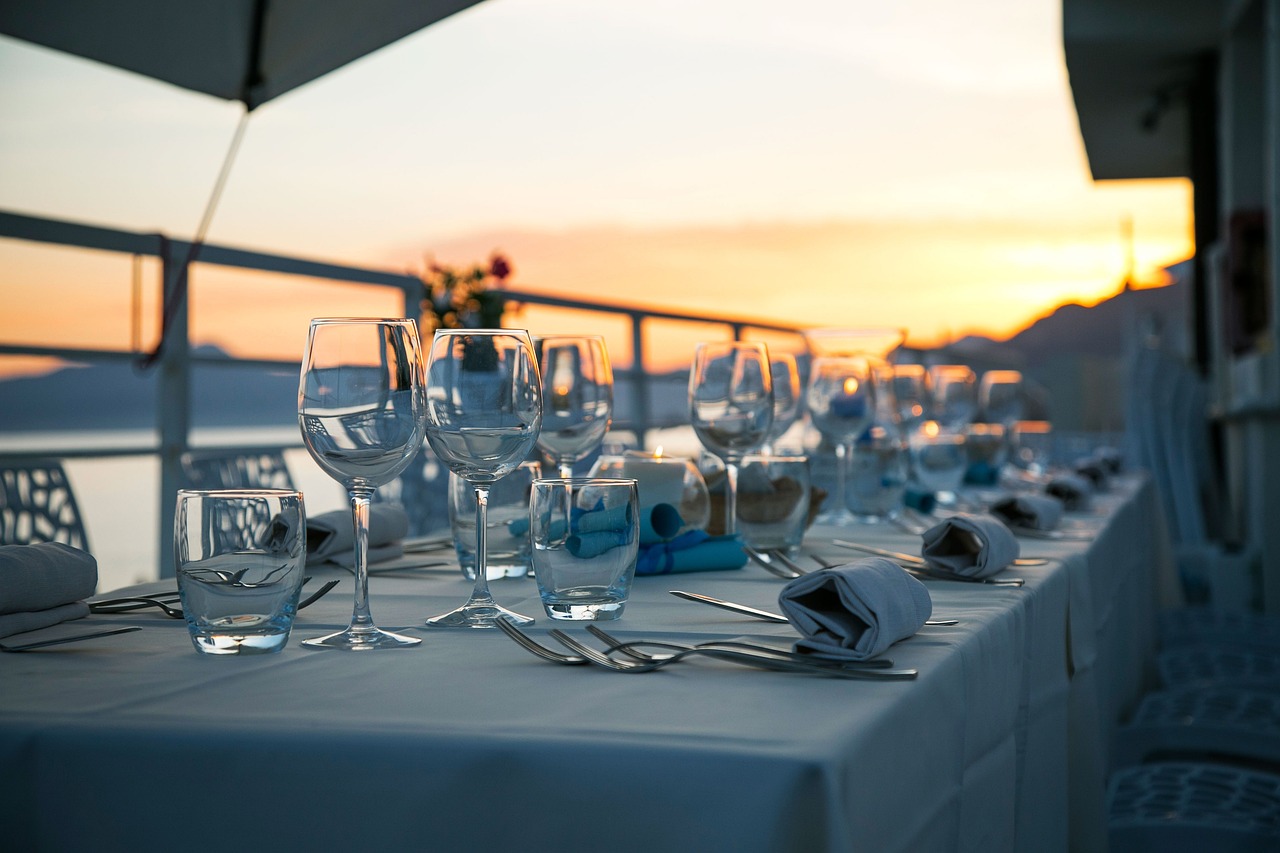
Refined Palates For a special night out, Skadi is a must. It’s an intimate, Nordic-inspired spot with only a few tables. The chef focuses on alpine cuisine that feels right at home in the Sierra. If you’re in the mood for Italian, Vulcania in the Village (by the Voltaggio brothers) serves modern pasta dishes that are hearty enough to fuel a second day on the slopes.
Casual & Craft You haven’t been to Mammoth until you’ve had a "Damn Good Burger" and an Epic IPA at Mammoth Brewing Company. It’s the local heartbeat. Their beer garden is the place to be on a sunny afternoon. For a slightly more "local" feel, check out Distant Brewing on the south side of town—their tater tots and craft pours are legendary among the seasonal staff.
Morning Fuel Before you hit the mountain, grab a Flat White at Black Velvet Coffee. If you want a more substantial, "mountain-man" breakfast, Stellar Brew Café serves up massive breakfast burritos that will keep you full until après-ski.
Classic Après When the lifts close, head to The Yodler. It’s located right across from Main Lodge and serves up authentic Bavarian pretzels and Stroganoff fries. It’s the classic Mammoth experience.
FAQ
Q: Do I need a car in Mammoth Lakes? A: While having a car is great for exploring the hot springs and Convict Lake, the town's free shuttle system (ESTA) is fantastic. In the winter, the "Red Line" and "Blue Line" will take you from almost any lodging to the ski lodges for free.
Q: Is Mammoth Lakes beginner-friendly for skiers? A: Absolutely. While the summit is intimidating, the area around Canyon Lodge and Main Lodge has massive learner sections and "Schoolyards." Just be aware that the mountain is huge, so keep a trail map handy to avoid accidentally ending up on a double-black diamond.
Q: Are dogs allowed on the trails? A: Mammoth is one of the most dog-friendly towns I’ve ever seen. Most trails in the Inyo National Forest allow dogs, though they should be on a leash in high-traffic areas like the Lakes Basin.
Ready to Escape?
Mammoth Lakes isn't just a destination; it's a state of mind. It’s the place where you realize how small you are compared to the mountains—and how good that feels. Whether you're chasing the 2026 ski season or looking for a summer alpine retreat, the Eastern Sierra is waiting.
Pack your boots, grab your camera, and I’ll see you on the summit.