Quick Facts
- Summit Elevation: 11,053 feet—the highest lift-served summit in California.
- Terrain: Over 3,500 acres of skiable terrain with an average of 385 inches of annual snowfall.
- The Vibe: A tight-knit town of 8,000 residents packed into four square miles, boasting over 70 world-class restaurants.
- Best Time to Visit: December to February for legendary powder; September to November for golden larch trees and solitude.
- The "Secret" Season: Mammoth often keeps its lifts running until July or even August, making it the king of the "spring shred."
The Real Unreal of the Eastern Sierra
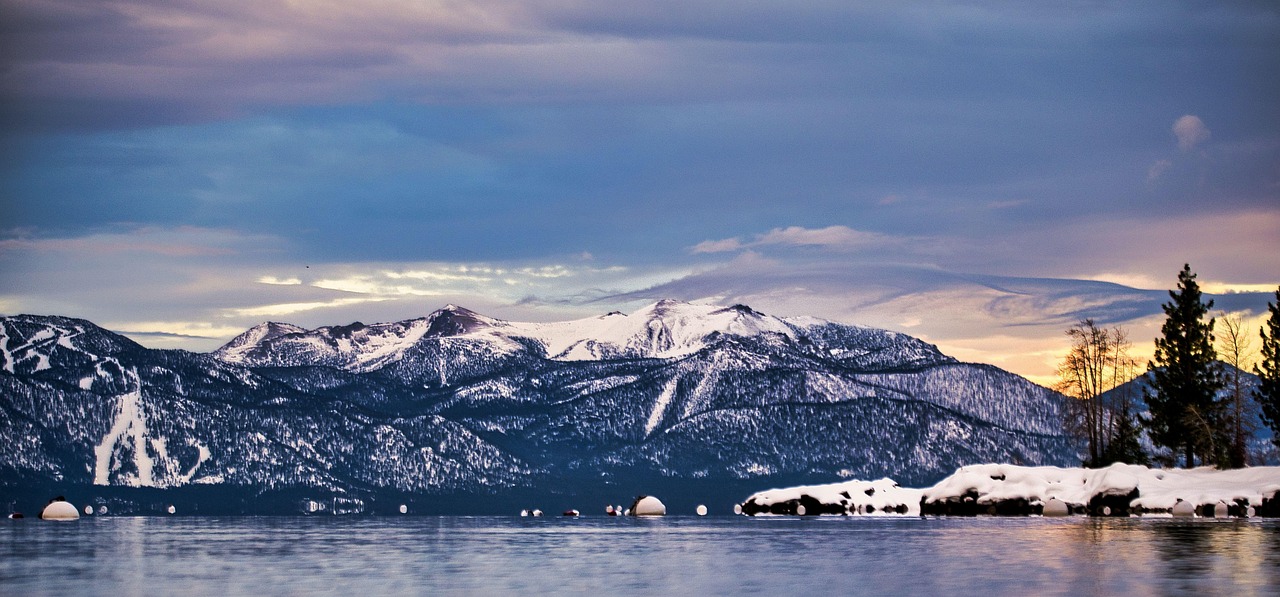
Forget the postcard images of swaying palm trees and surfers catching Pacific swells. When you cross the Owens Valley and watch the jagged skyline of the Eastern Sierra erupt from the high desert, you’re entering a different version of California—one that feels raw, powerful, and utterly untamed. This is Mammoth Lakes, a place built on the edge of a massive volcanic caldera, where the air is thin, the light is golden, and the adventure is relentless.
I’ve spent years exploring the "off-the-beaten-path" corners of the globe, but I keep coming back to Mammoth. Why? Because it’s one of the few places where you can ski a world-class face in the morning and hike to a bubbling geothermal creek in the afternoon. It’s a town that refuses to be just a "ski resort." It’s an alpine escape that balances high-altitude grit with a refined culinary scene that rivals the coast. Whether you’re here to bag a peak or simply soak in a hidden hot spring, the "Real Unreal" energy of the Sierra is infectious.
Planning Your Trip: The Essentials
Before you pack your bags, you need to understand the rhythm of the mountain. Timing is everything here. If your goal is to experience the legendary Mammoth Lakes ski season, aim for the window between late December and February. This is when the Pacific storms track perfectly over the Sierra, dumping feet of light, dry powder. However, if you want to avoid the lift lines and snag cheaper flights, the fall (September to November) is my personal favorite. The crowds vanish, the aspen trees turn a brilliant gold, and the hiking trails are at their most pristine.
Getting here is part of the adventure. You can make the scenic five-hour drive from Los Angeles (up the iconic Highway 395) or the six-hour trek from San Francisco. For those who value time over road-trip vibes, flying into Mammoth Yosemite Airport (MMH) or the nearby Bishop Airport (BIH) is a game-changer. Just remember: you’re at 8,000 feet in town and over 11,000 feet at the summit. Hydration isn’t a suggestion here; it’s a survival tactic. Drink twice as much water as you think you need, and take it slow on your first day to let your lungs adjust to the thin mountain air.
Where to Play: A Four-Season Adventure
Winter & Spring: North America’s Longest Ski Season
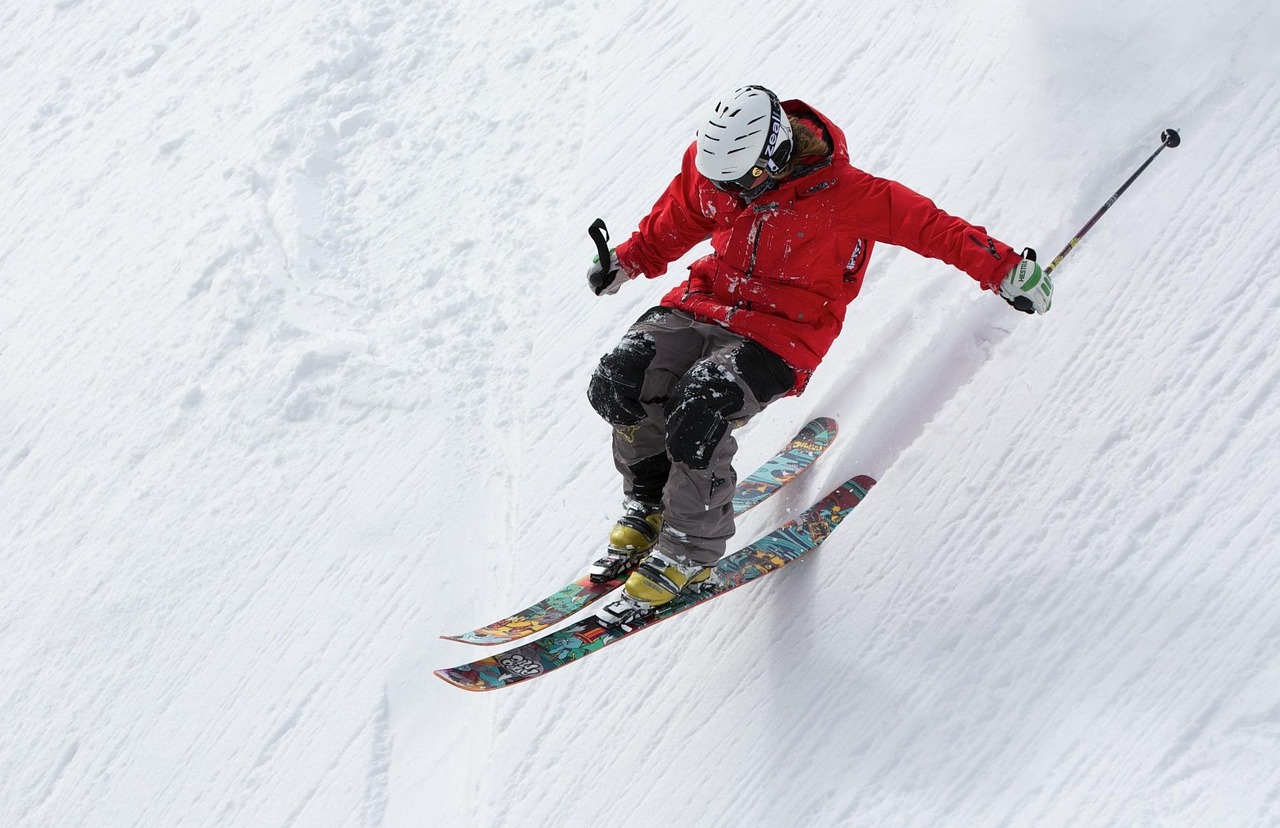
Mammoth Mountain isn’t just a hill; it’s a geological titan. With a summit elevation of 11,053 feet, it catches snow when other resorts are seeing rain. The terrain is vast—over 3,500 acres—ranging from the gentle cruisers of Main Lodge to the terrifyingly steep chutes of the Hemlocks.
My insider tip? If you’re here in the spring, don’t rush to the lifts. Wait for the sun to soften the "corn" snow. There’s nothing quite like t-shirt skiing in April followed by a beer at the Yodler. For those who prefer a slower pace, the Tamarack Cross Country Ski Center offers 19 miles of groomed trails that wind through ancient pine forests and past frozen lakes. It’s quiet, meditative, and a hell of a workout.
Summer & Fall: The High Country Playground
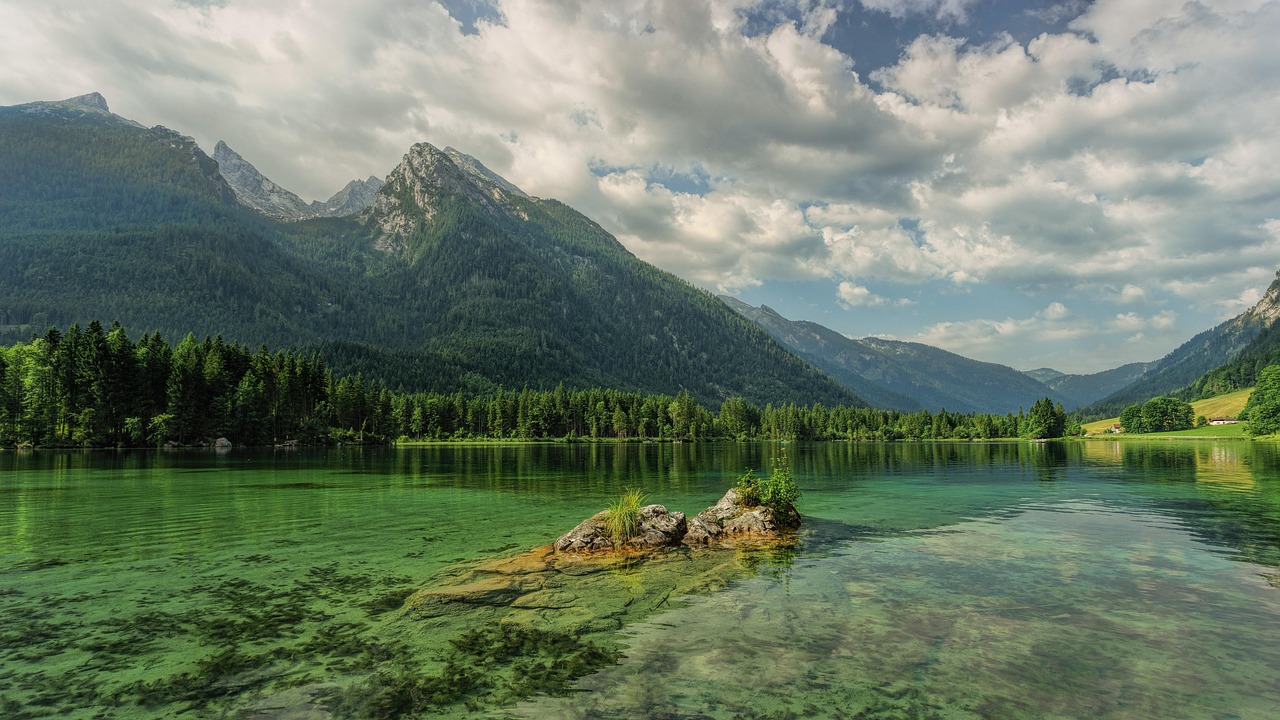
When the snow finally melts (which can be as late as July), the Mammoth Lakes Basin transforms into a labyrinth of turquoise water and granite spires.
- The Basin Classics: Lake Mary, Lake George, and Horseshoe Lake are the hubs for paddleboarding and kayaking.
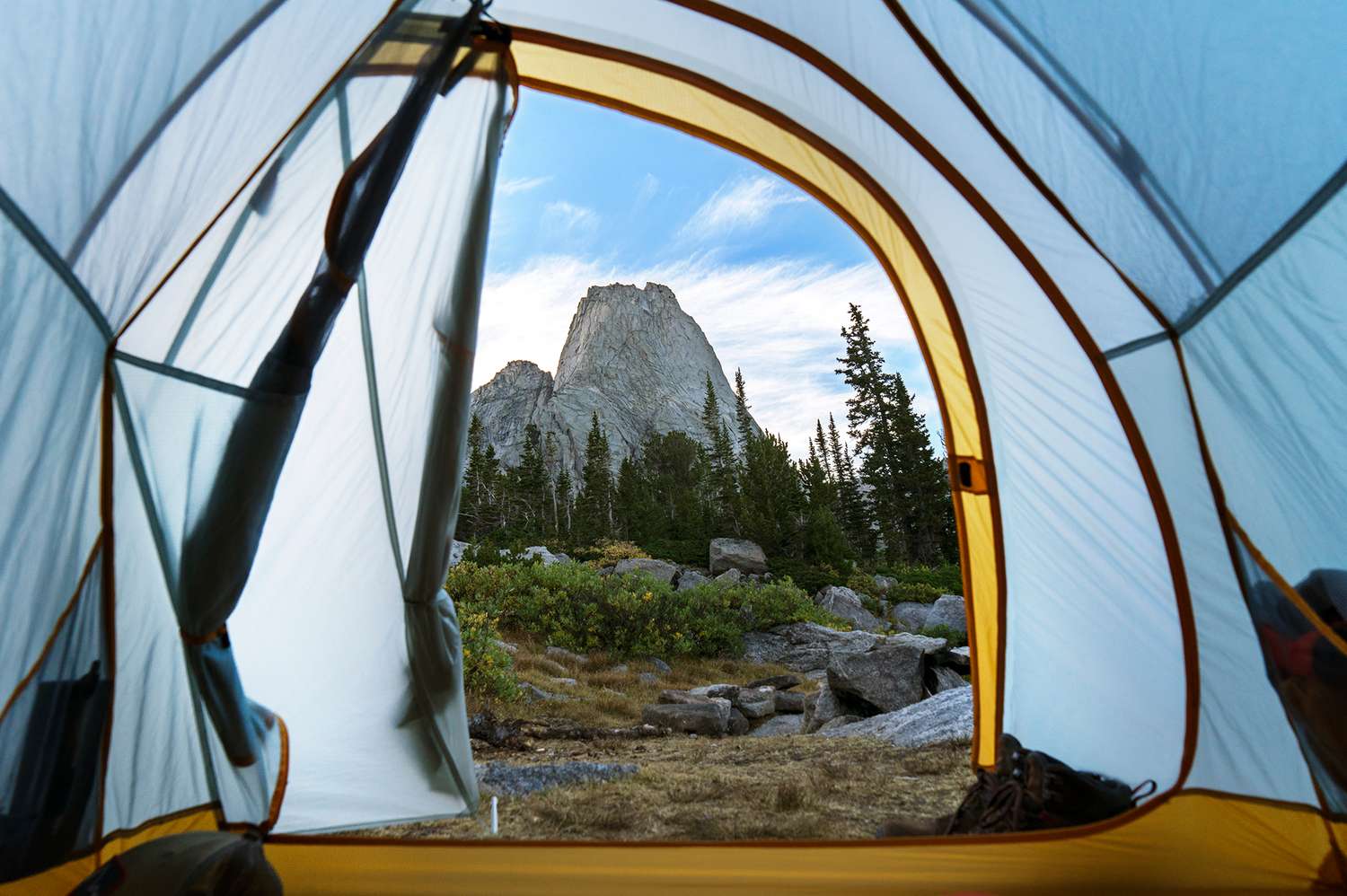
- The Advanced Trek: If you have the lungs for it, hike to Crystal Lake. The trail starts at Lake George and climbs steeply, but the view of the Crystal Crag—a massive monolith of quartz and granite—is the best photo op in the region.
- The Little Lakes Valley: Drive 20 minutes south to Mosquito Flats. This is the highest trailhead in the Sierra, leading you through a chain of alpine lakes with minimal elevation gain. It’s high-reward, low-effort hiking.
Don’t forget the geological wonders. Devils Postpile National Monument features rare basalt columns that look like a giant pipe organ made of stone. From there, it’s a short trek to Rainbow Falls, where the 101-foot drop often creates vivid rainbows in the mist. Note that during peak summer, you’ll need to take the mandatory shuttle from the Adventure Center to access this area.
Where to Eat: From Refined Nordic to Craft Brews
For a town of only 8,000 year-round residents, Mammoth punches way above its weight class in the food department. After a day of burning calories at altitude, you’ve earned a serious meal.
- Skadi: This is the pinnacle of dining in the Sierra. It’s a tiny, intimate spot where Chef Ian Algerøen serves up refined Nordic-inspired flavors. Think smoked trout, venison, and wild berries. It’s the kind of place you book weeks in advance.
- Vulcania: Located in the Village, this spot offers elevated Italian pasta and pizzas that hit the spot after a cold day on the mountain. Their rigatoni with wild boar ragu is legendary.
- Mammoth Brewing Company: You can't claim you’ve "done" Mammoth without a stop here. It’s the social heart of the town. Grab a flight of their 395 IPA and a plate of "Epic Fries" from the EATery located inside. The outdoor fire pits are the ultimate après-ski hangout.
- The Brasserie: Tucked away above a bowling alley (Mammoth Rock 'N' Bowl), this hidden gem serves legitimate French cuisine with one of the best views of the Sherwin Mountains in town.
For your morning caffeine fix, head to Black Velvet Coffee for a pour-over that would satisfy any Seattle hipster, or Stellar Brew Café if you want a massive breakfast burrito and a local, beanie-clad vibe.

Where to Stay: Lodges, Condos, and High Sierra Camps
Choosing where to stay depends on whether you want "Village convenience" or "Mountain seclusion."
- The Luxury Move: Limelight Mammoth is the newest player in town, offering a sleek, modern aesthetic with an unbeatable location just steps from the Village Gondola. Alternatively, The Westin Monache Resort provides that classic upscale mountain lodge feel with great views.
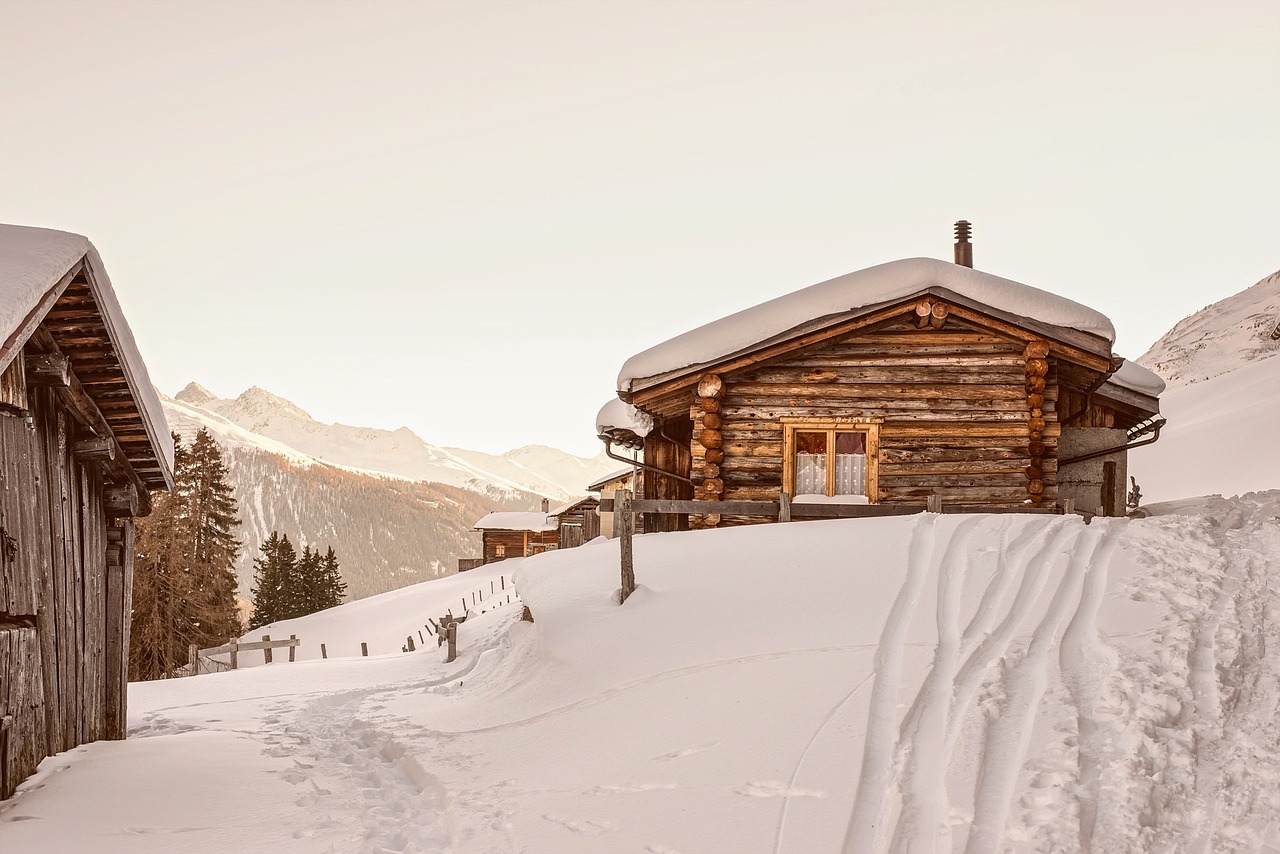
- The Historic Character: For a true Sierra experience, book a cabin at Tamarack Lodge. Built in 1924, these lakeside cabins are rustic, cozy, and completely disconnected from the noise of the town.
- The Local Vibe: Outbound Mammoth (formerly the Sierra Nevada Resort) has been recently reimagined into a cool, adventure-focused hub with fire pits and a great bar.
- Camping & RVs: If you’re coming in the summer, Lake Mary Campground is my top pick. For a unique experience, use the 'Adventure in Camping' service—they’ll deliver and set up a fully stocked trailer at your chosen campsite before you even arrive.
Editor's Tip: When looking at Airbnbs, decide if you want to be "Ski-in/Ski-out" near Canyon Lodge or in the "Old Mammoth" section. Old Mammoth is quieter and feels more like a residential mountain neighborhood, but you'll need to use the free town shuttle (the "Green Line") to get to the mountain.
Day Trips: Beyond the Town Limits
Mammoth is the perfect base camp for exploring the wider Eastern Sierra. If you have an extra day or two, these spots are non-negotiable:
- The June Lake Loop: Just 20 minutes north, this 16-mile loop is often called the "Switzerland of California." It’s quieter than Mammoth and home to June Lake Brewing (try the deer meat jerky).
- Mono Lake: A hauntingly beautiful saline lake famous for its Tufa towers—strange limestone formations that rise from the water like alien spires. It’s an essential stop for photographers, especially at sunrise.
- Bodie State Historic Park: A gold-rush ghost town preserved in a state of "arrested decay." It’s about an hour north and feels like stepping directly into a Western movie.
- Hot Creek Geologic Site: You can't soak here anymore (the water temperature changes unpredictably), but watching the turquoise water boil and steam against the backdrop of the snow-capped mountains is a powerful reminder of the volcanic land you're standing on.
FAQ
Q: Do I need a 4WD vehicle to visit Mammoth Lakes?
A: In the winter, yes, or at least a vehicle with snow tires and a set of chains. Caltrans is strict about chain requirements during storms. In the summer, any standard car will get you to 95% of the main attractions.
Q: Is Mammoth Lakes family-friendly?
A: Absolutely. Beyond skiing, Woolly’s Tube Park and the Mammoth Mountain Coaster are huge hits with kids. The Lakes Basin also offers very flat, easy walking paths around Lake Mary that are stroller-friendly.
Q: Can I visit Yosemite from Mammoth Lakes?
A: Yes, but only in the summer and fall. The Tioga Pass (Highway 120) is the eastern entrance to Yosemite, located about 45 minutes north of Mammoth. It usually opens in late May or June and closes when the first major snow hits in November.
Ready to Conquer the Sierra? Mammoth Lakes is more than a destination; it’s a rite of passage for anyone who loves the mountains. Don't just sit there—the peaks are calling.