Quick Facts
- The Heroine's Sanctuary: Danish author Dorthe Nors lives and writes in a 21-square-meter cottage in Jutland, originally a worker's shed for the Nazi Atlantic Wall during WWII.
- Off-the-Grid Living: The cottage is a total time capsule, operating without electricity or running water, emphasizing a "shelter" lifestyle focused on silence and hiking.
- Ownership Restrictions: Foreign citizens are generally restricted from purchasing summer cottages in Denmark to preserve cultural identity and prevent market inflation.
- Prime Locations: The North Sea coast of Jutland, the artistic hub of Skagen, and the historic islands of Fanø and Bornholm are the gold standards for the Danish summer experience.
- Guided Alternative: The 2026 "Wild and Wonderful North Jutland" tour offers a 12-day curated journey through these landscapes starting at $3,000 for members.
The 21-Square-Meter Time Capsule
Imagine a house without electricity or running water, where the only alarm clock is the primal scream of birds on a North Sea reserve. For Dorthe Nors, one of Denmark’s most acclaimed literary voices, this isn't a survivalist experiment; it is the ultimate luxury of freedom. Nestled in Harboøre, on the rugged edge of Jutland, her sanctuary is a 21-square-meter floor plan that holds more history than many sprawling estates.
The cottage’s origins are as stark as the landscape it inhabits. It was originally built as a shed for the laborers of the Third Reich’s Atlantic Wall—a brutal line of defense during World War II. After the war, this humble structure was salvaged and moved 10 kilometers to its current home within a bird reserve. It is a piece of historical irony that a structure born from the machinery of war has become a cradle for peaceful creation.
Inside, the world slows to a crawl. There are no buzzing appliances, no blue light from screens, only the ritual of brewing coffee over a flame and the steady rhythm of the tide. It is a space where the "Twin Peaks" vibe of the Danish moors—at once beautiful and unsettling—seeps through the floorboards.

The Writing Life: Hiking, Silence, and the Limfjord
Dorthe Nors often says she "cannot write without hiking." In the Danish summer, the landscape isn't just a backdrop; it’s an active participant in the creative process. The Limfjord, with its shimmering waters and shifting light, offers a specific kind of mental clarity. For Nors, the act of walking through the dunes is a way of "shaking the story out of the body."
The "shelter" lifestyle she embraces is about stripping away the clutter of modernity to find the core of a narrative. It is a life measured by the length of a hike and the temperature of the wind. When the North Sea wind howls, it demands a certain toughness—a ruggedness that Nors weaves into her prose. This isn't the manicured "hygge" often sold in glossy magazines; this is the raw, unvarnished Scandinavian summer where the silence is so heavy you can almost touch it.
"The landscape here is dangerous but lovable," Nors reflects. "It doesn't care about you, which is exactly why it’s so liberating. You are just another creature among the dunes."
The Rugged West Coast: A Landscape of Secrets
The West Coast of Jutland is a place of dramatic contrasts—what Nors describes as "rugged and rough" in the winter, turning "soft and blissful" as the summer sun lingers until nearly midnight. It is a landscape of shifting sands that have swallowed entire churches and lighthouses, yet it remains stubbornly beautiful.
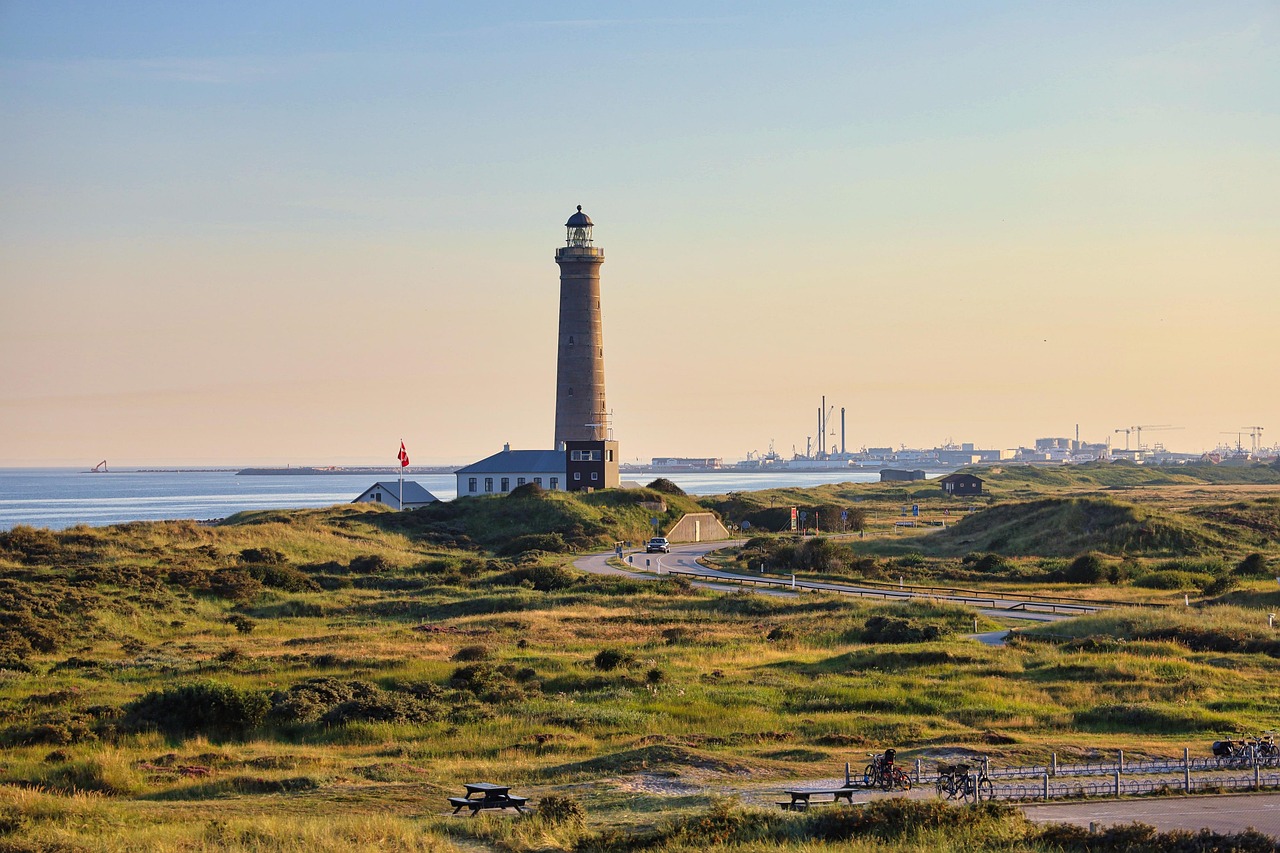
Walking the dunes here is a lesson in history. Scattered among the grass like the bleached bones of giants are the remnants of the Nazi Atlantic Wall. These concrete bunkers, once symbols of occupation, are now being reclaimed by the earth, covered in graffiti and sea spray. They serve as a haunting reminder of the past, standing in stark opposition to the delicate yellow wildflowers and the distant white sails of the North Sea.
Practical Guide: Finding Your Own Danish Escape
For many travelers, Dorthe Nors’ lifestyle sounds like an intoxicating dream. However, replicating it requires navigating some uniquely Danish hurdles. If you’ve ever wondered why your wealthy German neighbors haven't bought up every cottage on the coast, it’s because of strict national regulations.
Can Foreigners Buy?
No, foreign citizens—including those from neighboring Germany—are generally restricted from purchasing summer cottages in Denmark. This policy is fiercely protected to prevent the "over-purchasing" of coastal land, ensuring that these pockets of heritage remain accessible to locals and preserve the country’s cultural identity.
Where to Experience the Magic
If you can’t buy, you must rent. To find the soul of the Danish summer, look toward these regions:
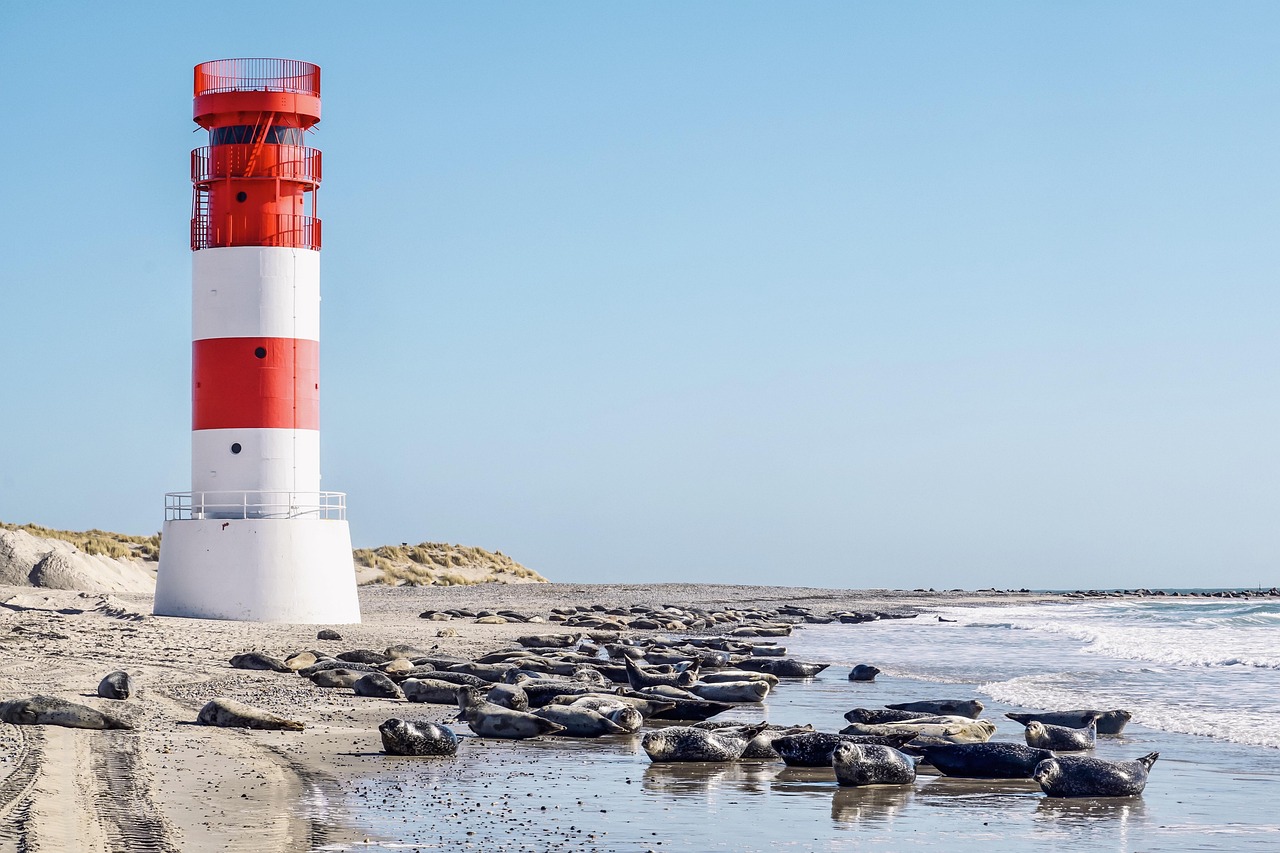
- Jutland’s West Coast: For the raw, Dorthe Nors experience. Think dunes, wind-swept lighthouses, and the "Cold Hawaii" surf culture in Klitmøller.
- Skagen: The artistic hub at the very tip of the country, where the light is so unique it inspired a whole movement of 19th-century painters.
- Fanø and Bornholm: Island life at its most historic. Fanø offers thatched-roof cottages and tidal flats, while Bornholm (in the Baltic) provides dramatic cliffs and round churches.
Pro-Tip for Renting: Use local platforms like Sommerhus.dk or Feriepartner rather than global giants. You’ll find more "time capsule" properties that haven't been sanitized for international tastes.
The Ultimate 10-Day West Coast Road Trip Itinerary
To truly understand the "Wild and Wonderful" nature of Denmark, one must move with the coastline. This itinerary takes you from the marshlands of the south to the meeting of two seas in the north.
| Days | Region | Highlight Experience |
|---|---|---|
| 1-3 | Southern Jutland | Ribe (Denmark's oldest town) & "Black Sun" starling murmurations. |
| 4-6 | Central Coast | Blåvand lighthouses & the subterranean Tirpitz Museum. |
| 7-10 | North Jutland | Thy National Park, surfing in Cold Hawaii, and the light of Skagen. |
The Journey Begins in the South
Start in Ribe, where the cobblestones feel like they’ve been smoothed by a thousand years of footsteps. In the late summer and spring, the marshes nearby host the "Black Sun" (Sort Sol)—a phenomenon where up to a million starlings take to the sky in a synchronized dance that blots out the setting sun. It is a sensory overload that sets the tone for the trip.
Chasing the Light North
As you drive north, the landscape opens up. You’ll pass through Thy National Park, Denmark’s "last wilderness," where red deer roam through the heathland. Finally, you reach Skagen. At Grenen, the northernmost point, you can stand with one foot in the Skagerrak sea and the other in the Kattegat. The water crashes together from opposing directions, a violent and beautiful reminder of nature's power.
Curated Experience: The 2026 'Wild and Wonderful' Tour
For those who crave the literary depth of Dorthe Nors’ world but prefer a curated approach, the 2026 "Wild and Wonderful North Jutland" tour is a revelation. This 12-day guided itinerary is designed for the curious traveler who wants to bypass the logistics and dive straight into the cultural heart of the North.
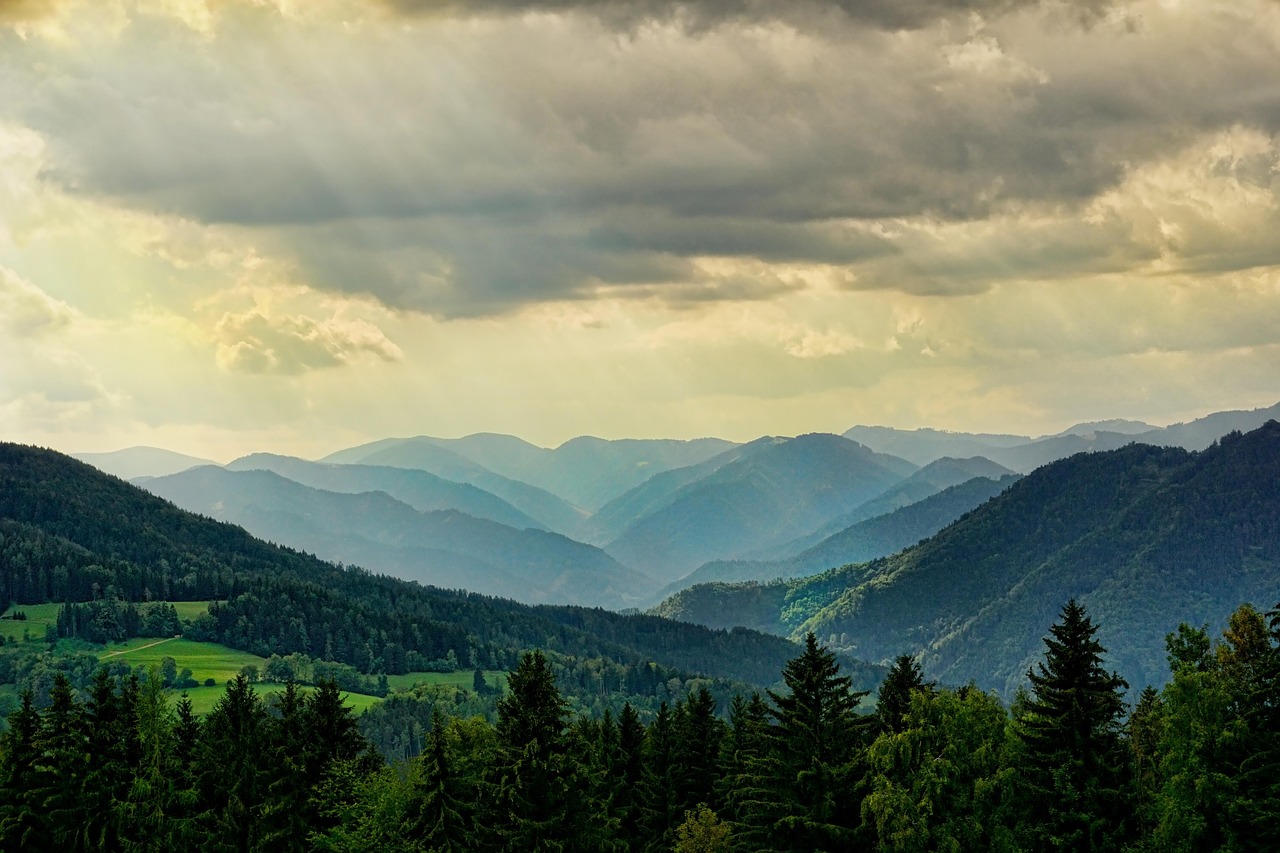
Priced at $3,000 per person for members ($3,250 for non-members), the tour covers the pastoral landscapes that define the Danish identity. You’ll visit Rebild National Park, where the rolling hills offer a lush contrast to the jagged coast, and explore the opulence of Voergaard Castle. The journey culminates at the Skagen Museum, where you can see the very paintings that captured the light you’ve been chasing all week.
Explore the 2026 Jutland Tour Itinerary →
FAQ: Tips for Your First Danish Cottage Rental
What should I pack for a 'no-electricity' stay? Think layers. The North Sea weather is famously fickle. Bring a high-quality headlamp, a portable power bank for emergencies, and a classic percolator for making coffee on a gas stove. Most importantly, bring books—this is the time to disconnect from the digital world.
When is the best time for birdwatching versus swimming? May and September are the golden months for birdwatching, especially in the reserves near Harboøre. For swimming, July and August offer the warmest (though still refreshing) waters, but be prepared for the wind. The "Cold Hawaii" region is best for surfing in the autumn when the swells are most consistent.
How do I find 'hygge' in such a remote setting? Hygge in a cottage isn't about expensive candles; it’s about the atmosphere. It’s the sound of rain on a tin roof, the smell of fresh rye bread toasted over a fire, and the warmth of a wool sweater after a long hike. It’s an internal state of contentment found in simple things.
Listen to the Podcast & Plan Your Escape
Dorthe Nors’ story is a reminder that the most profound journeys aren't always about the distance traveled, but about the depth of our connection to the place where we land. Her 21-square-meter shed is more than just a building; it’s a testament to the power of solitude and the enduring magic of the Danish coast.
To hear Dorthe describe the winds of the Limfjord in her own words, listen to the full episode of the Women Who Travel podcast. When you're ready to find your own slice of Jutland silence, the North Sea is waiting.