Quick Facts
- REAL ID Deadline: February 1, 2026. Full enforcement begins today; non-compliant licenses are no longer accepted for domestic flights.
- Global Passenger Volume: The International Air Transport Association (IATA) forecasts that the total number of global air travelers will exceed 5.1 billion in 2026.
- Identity Verification Tech: Touchless ID kiosks are now operational at 15 major U.S. hubs, requiring a valid digital boarding pass and pre-registered biometrics.
- Security Screening Load: In 2024, the TSA screened 904 million passengers and handled over 2 billion carry-on items.
- Firearm Interceptions: During 2024, the TSA intercepted 6,678 firearms at checkpoints, a critical reminder of strict prohibited item enforcement.
- Arrival Recommendation: Due to localized staffing volatility, arrive 3 hours early for Tier 2 hubs and 5 hours for Tier 1 international hubs.
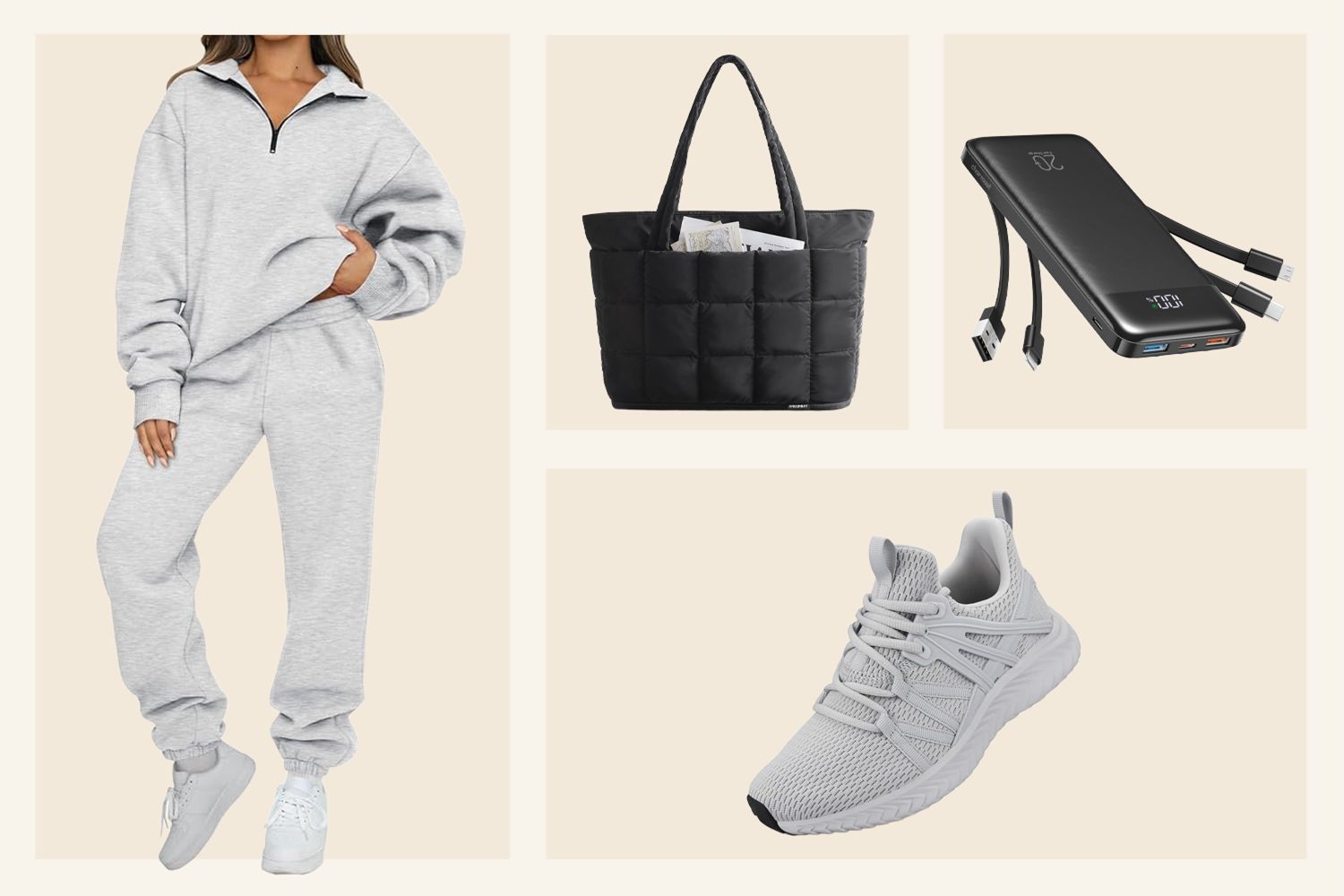
For faster airport security screening, choose simple, comfortable clothing without metallic embellishments like rhinestones or glitter. Wear metal-free, slip-on shoes to avoid triggering alarms and bypass the need for additional screening. Frequent travelers often avoid wearing belts or jewelry at the checkpoint, choosing to store these items securely in their carry-on bags until they have cleared the body scanner.
Mistake #1: Overlooking 2026 REAL ID Compliance
The era of leniency regarding identification has officially ended. As of February 1, 2026, every domestic traveler must present a REAL ID-compliant license or a federally accepted alternative to pass through airport security. For years, the deadline was a moving target, but the Department of Homeland Security has held firm on this date. If you arrive at the document checker with a standard, non-compliant driver's license, you effectively lose your right to an expedited screening process.
Pro fliers understand that while identity verification is still possible without a REAL ID, it comes at a high cost. Travelers lacking compliant identification may opt for manual verification through services like TSA ConfirmID. However, this process carries a $45 fee and can add 45 to 60 minutes to your checkpoint transit time.
To avoid this friction, ensure your physical ID—whether it is a compliant license, a passport, or a Global Entry card—is ready before you approach the kiosk. In 2026, having your digital boarding pass synced with your biometrics is the gold standard for maintaining passenger flow, but the physical back-up remains a legal necessity.
Mistake #2: Miscalculating Arrival Times During the Staffing Crisis
While technology has improved, 2026 has been defined by human capital volatility within the aviation sector. We are seeing a paradox: more travelers than ever before, but a domestic staffing crisis that leaves certain hubs vulnerable to sudden bottlenecks. A case study from Houston (HOU) earlier this year showed security wait times jumping from 15 minutes to three hours overnight due to localized labor shortages.
The mistake many seasoned travelers make is relying on historical data or "typical" wait times. To mitigate this risk, pro travelers are now utilizing "Spot Saver" reservations where available—a digital service that allows you to book a specific entry time for the security line. If you are flying through a Tier 1 hub, the 2-hour rule is obsolete.
| Hub Classification | Recommended Arrival (Domestic) | Recommended Arrival (Intl) |
|---|---|---|
| Tier 1 (JFK, LAX, ATL, ORD) | 3 Hours | 5 Hours |
| Tier 2 (DEN, SEA, MCO, LAS) | 2.5 Hours | 4 Hours |
| Regional (SNA, BUR, PBI) | 1.5 Hours | 3 Hours |
Mistake #3: Wearing 'Invisible' Scanner Triggers
By 2026, the millimeter wave scanners used in airport security screening have become incredibly sensitive. Modern travelers often trigger "false positives" not because they are carrying weapons, but because their airport security clothes contain high-density materials that the machine cannot see through. Pro fliers have pivoted to a minimalist wardrobe for travel days to avoid the dreaded "enhanced pat-down."
The most common culprits for these delays are metallic threads and heavy embellishments. Even if an item looks like standard cotton, it may contain synthetic fibers that trap air or reflect waves in a way that signals an anomaly to the scanner.
- Rhinestones and Sequins: These create dense clusters that the scanner cannot penetrate.
- Metallic Threading: Often found in high-end designer jeans or "athleisure" wear, these trigger a metallic alarm.
- Heavy Cargo Pockets: Large zippers or multiple layers of fabric in cargo pants can cause the machine to flag the hip area.
- Sweat-soaked Fabrics: Surprisingly, heavy moisture or thick, damp fabric after a terminal sprint can trigger a cooling-system alert on some advanced scanners.
Mistake #4: Wearing Heavy or Hardware-Laden Shoes
While some airports in 2026 have upgraded to CT scanners that allow passengers to keep their shoes on, this is not a universal standard. The biggest mistake is wearing footwear that requires significant effort to remove or that contains internal metal components. Pro travelers prioritize metal free shoes for airport security to ensure that even if they are asked to remove them, they can do so in seconds.
Many "fashion" sneakers and boots contain a metal shank in the sole for arch support. These will almost always trigger the walk-through metal detector. When shopping for airport security shoes, look for carbon fiber or plastic shanks. If you must wear boots, ensure they have a side zipper rather than a complex lacing system. The goal is to maintain the passenger flow behind you; the person struggling with 14-hole combat boots is rarely the most popular person at the checkpoint.
Mistake #5: Improper Declaration of Meds and Powders
Navigating the rules for liquids and powders remains a point of friction for many. The 12 oz (350 mL) rule for powders is strictly enforced; anything over this volume, such as protein powders or certain cosmetics, must be removed for separate screening. However, the most frequent error involves traveling with liquid prescription medication tsa guidelines.
Travelers carrying liquid prescription medication should explicitly inform TSA officers before the screening process begins to ensure compliance and speed up bag checks. You do not need to limit these to the standard 3.4 oz (100ml) containers, but they must be declared. A simple script like, "I have medically necessary liquids in this bag that I would like to declare," prevents the luggage from being pulled for a manual search after it passes through the X-ray. Additionally, if you use a medical device like a Freestyle Libre, remember that these should not go through the X-ray machine or body scanner; request a manual hand-screening instead to protect the sensor’s integrity.
Mistake #6: Using Open Bins for Loose Personal Items
One of the easiest ways to lose valuables like loose change, keys, or even a smartphone is by tossing them into an open plastic bin. These bins travel at high speeds and often collide at the end of the conveyor belt. Pro fliers avoid this by organizing carry on bag for fast security before they even reach the terminal.
Use the "Jacket Pocket Hack": place your phone, wallet, and watch into the zippered pockets of your jacket, then place the entire jacket into the bin. This keeps your valuables consolidated and protected from prying eyes or accidental spills. If you aren't wearing a jacket, ensure everything is tucked into a dedicated small accessories pouch inside your carry-on. This reduces checkpoint friction and ensures you spend less time hovering over the rollers looking for a lost wedding ring.
Mistake #7: Neglecting 'Zone Zero' Safety and Biometrics
Security starts at "Zone Zero"—the curb where you exit your car. In 2026, we’ve seen a rise in "curb-side friction," where travelers are distracted by their phones and luggage, making them targets for petty theft or ride-share scams. Pro fliers always verify their Uber or Lyft with a PIN and ensure their digital boarding pass is downloaded to their phone's local wallet rather than relying on airport Wi-Fi, which can be spotty.
Furthermore, pro travelers are opting into Touchless ID programs at major hubs like ATL, JFK, and LAX. These programs use facial recognition to match you to your identity verification documents, allowing you to bypass the manual document check entirely. If you haven't updated your travel profile to include biometric consent, you are missing out on the fastest way through the modern airport.
Mistake #8: Packing Jewelry and Cash Poorly
While large amounts of cash are permitted through airport security, carrying it loosely or in a visible wallet is a security risk. Pro fliers keep currency on their person using a money belt rather than placing a wallet in a public bin. If you are traveling with significant jewelry, do not put it in your checked luggage, but also avoid wearing it through the scanner.
When packing jewelry for airport security screening, use a dedicated travel organizer that stays inside your carry-on. If you are required to have these items inspected, you have the right to request a private screening. This protects your privacy and ensures that high-value items are not handled in a crowded, high-traffic environment.
FAQ
Can I take homemade sandwiches on a plane?
Yes, solid food items like sandwiches are allowed through airport security. However, if the sandwich contains a high volume of liquid-like spreads (such as heavy mayo or mustard), it may be subject to additional screening. It is best to wrap them tightly in clear wrap to allow for easy visual inspection.
What toiletries are not allowed on a plane?
Any aerosol, liquid, or gel exceeding 3.4 ounces (100ml) is prohibited in carry-on luggage, with the exception of medically necessary items. This includes common items like spray tan, large bottles of sunscreen, and certain hair styling products. Always check for the "TSA Approved" label on travel-sized containers.
Why is peanut butter not allowed on planes?
Peanut butter is classified as a "liquid, aerosol, or gel" by the TSA because it is a spreadable substance that takes the shape of its container. Unless it is in a container of 3.4 ounces or less, it must be placed in your checked luggage. This also applies to items like Nutella, hummus, and jam.
Can my freestyle libre go through airport security?
The manufacturer generally recommends that medical sensors like the Freestyle Libre should not be exposed to X-ray machines or body scanners (both millimeter wave and backscatter). When you reach the checkpoint, inform the officer that you are wearing a glucose monitor and request a pat-down or a visual inspection instead.