Quick Facts
- Primary Metric: Respiratory illnesses are 3-4x more common than gastrointestinal issues on modern vessels.
- Norovirus Statistic: Cruise ships account for only 1% of all reported norovirus outbreaks worldwide.
- Reporting Threshold: Federal guidelines require reporting an official outbreak when 3% or more of those on board fall ill.
- Hygiene Secret: Traditional handwashing with soap is significantly more effective than alcohol-based sanitizers for norovirus prevention.
- Insurance Insight: Shipboard medical care is usually an out-of-pocket expense without specific medical evacuation coverage.
- Self-Isolation Protocol: Immediate reporting of symptoms to the shipboard medical center is the primary way to halt a broader community outbreak.
To prevent cruise ship illness, travelers should prioritize frequent hand hygiene using soap and water rather than relying solely on alcohol-based sanitizers, which are often ineffective against norovirus. Maintaining high levels of hydration, utilizing oral rehydration salt when necessary, and staying current on vaccinations provide a critical defense in any high-density environment. If you do feel unwell, reporting cruise ship illness symptoms to watch for early and following cabin quarantine protocols is essential to protecting both yourself and the broader passenger population.
Rule 1: Pack a Proactive Medical Briefcase
Expert travelers never rely solely on a ship’s boutique or medical center for basic needs. The markup on over-the-counter medications aboard a vessel can be as high as 400%, and the selection is often limited to a few generic brands. When preparing your medications for cruise ship illness packing list, you should treat it as a proactive briefcase rather than a reactive first-aid kit.
Start with the essentials: a reliable supply of ibuprofen or acetaminophen, antihistamines, and digestive aids. However, sophisticated cruisers go further by including specific tools for maintaining the body's internal balance. Because the ocean environment and increased salt intake from buffet meals can quickly deplete your systems, including oral rehydration salt is a non-negotiable step. These packets are far more effective than sugary sports drinks at restoring electrolytes if you experience mild dehydration or gastrointestinal distress.
Furthermore, for travelers over the age of 65, carrying a recent copy of an ECG and a list of current prescriptions is vital. While we often focus on viral gastroenteritis, global health data indicates that a significant percentage of maritime medical emergencies are cardiovascular in nature. Beyond the pills, you must address your medical evacuation coverage. Most standard domestic health plans do not cover the high costs of being airlifted from a ship or treated in a foreign port. Ensuring your travel insurance specifically names shipboard medical services and evacuation is the most important financial health rule you can follow.

Rule 2: Master the ‘Double-Wash’ Buffet Protocol
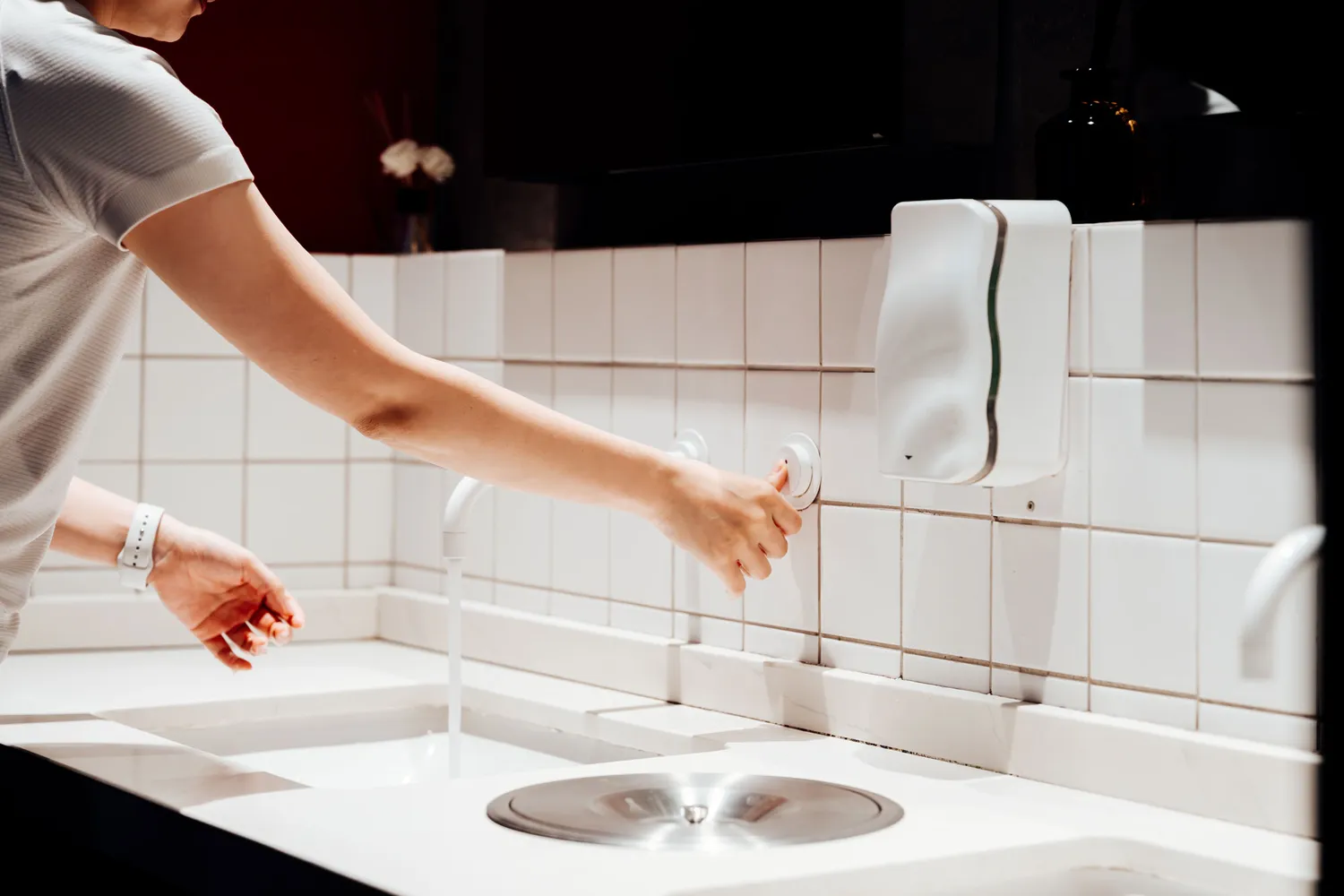
The most persistent myth in maritime travel is that hand sanitizer is a substitute for handwashing. The reality is that while alcohol-based gels are effective against many bacteria, they often fail to penetrate the protective protein shell of norovirus. This is why you will see seasoned travelers bypass the sanitizer station in favor of the nearest restroom with hot water and soap.
To truly master how to avoid norovirus on cruise ship, you must adopt the Double-Wash protocol. This involves a two-stage cleaning process specifically for the buffet environment. Step one is washing your hands thoroughly before you enter the dining area. Step two occurs after you have navigated the buffet line. Think about how many hundreds of hands have touched the communal serving tongs before you. Even if you washed your hands initially, those tongs are high-traffic vectors for pathogen transmission. After you have plated your food but before you begin to eat with your hands or utensils, use a sanitizing wipe or, better yet, head back to the sink for a quick second rinse.
Cruise lines take this seriously. The CDC's Vessel Sanitation Program requires cruise lines to report an official outbreak whenever 3% or more of the total number of passengers or crew members on a voyage report symptoms of gastrointestinal illness. By practicing strict hand hygiene, you aren't just protecting yourself; you are helping the ship stay below this critical threshold.
Rule 3: Prioritize Respiratory Hygiene in Close Quarters
While norovirus gets the most media coverage, it is actually the junior partner in maritime health risks. According to recent data, respiratory illnesses are the most common medical complaint on cruise ships, occurring three to four times more frequently than gastrointestinal illnesses. This includes everything from the common cold and seasonal flu to more serious respiratory hygiene challenges.
Cruising inherently involves spending time in a high-density environment. Whether it is a crowded theater, a packed elevator, or a bustling terminal during embarkation, you are sharing air with thousands of people from various geographic regions. To mitigate these risks, frequent travelers focus on three specific habits for staying healthy on a cruise ship:
- Vaccination: Ensure your flu and COVID-19 boosters are current at least two weeks before your sail date.
- Strategic Distancing: Opt for the stairs instead of the elevator. Not only does this provide excellent exercise to offset buffet calories, but it also keeps you out of the small, poorly ventilated boxes where respiratory droplets linger.
- Ventilation: When in your cabin, if you have a balcony, keep the door open while you are inside to circulate fresh sea air, provided the ship's climate control system allows for it without becoming inefficient.
Implementing cruise ship respiratory illness prevention tips is about recognizing that every sneeze in a crowded lounge has a higher probability of reaching you than it would in a suburban park.

Rule 4: Avoid the ‘Banister Trap’ and High-Touch Zones
Pathogens are remarkably resilient. Many viruses that cause viral gastroenteritis can survive on hard surfaces like metal railings, elevator buttons, and casino chips for several days. This is what experts call the Banister Trap. When the ship sways, the natural instinct is to grab a handrail for stability. While safety is paramount, these rails are among the most contaminated surfaces on the ship.
Instead of relying on handrails, try to develop shore legs and walk near the center of the corridors when the seas are calm. When you must use an elevator, use your knuckle or elbow to press the floor button. These small behavioral shifts significantly reduce the frequency with which your fingertips touch contaminated surfaces.
This vigilance extends to the gym and the library. Always use the provided sanitization protocols and wipes to clean equipment before and after use. The goal is to minimize surface contamination so that you never accidentally transfer a cruise ship virus outbreak vector from a surface to your eyes, nose, or mouth.
Rule 5: Triage Symptoms Immediately (The Duty to Report)
Early detection is the difference between a minor cabin quarantine and a massive cruise ship illness outbreak. Many passengers are hesitant to report that they feel sick because they fear being confined to their room. However, modern cruise lines have evolved. Many now offer free in-cabin entertainment, specialized room service menus, and even future cruise credits for those who voluntarily report illness and follow isolation protocols.
When you feel the first tickle in your throat or a rumble in your stomach, use this symptom triage guide to determine your next steps:
| Symptom | Likely Cold/Flu | Likely Norovirus | Serious Concern (e.g., Hantavirus-like symptoms) |
|---|---|---|---|
| Onset | Gradual | Sudden and Violent | Rapid Progression |
| Respiratory | Cough, Runny Nose | Rare | Severe Shortness of Breath |
| Gastrointestinal | None to Mild | Severe Vomiting/Diarrhea | Rare |
| Fever | Common (Low-grade) | Occasional | High Fever / Muscle Aches |
| Distinct Sign | Sneezing | Stomach Cramps | Lack of runny nose but extreme fatigue |
If you experience what to do if you feel sick on a cruise ship, the answer is always the same: contact the shipboard medical center immediately. They can provide professional evaluation and, if necessary, administer medications to stop vomiting or reduce fever. Reporting is a community service; it allows the crew to implement targeted cleaning in the areas you visited, effectively breaking the chain of infection.

Rule 6: Manage Physical Environment Risks (Slips and Dehydration)
Not all cruise ship illness is viral. Many medical visits are the result of environmental factors that are entirely preventable. Dehydration is a leading cause of fatigue and fainting, especially upon returning from a hot day in a tropical port or after a night of enjoying the ship's cocktail lounges. Alcohol and sun are a potent combination for stripping the body of fluids.
Veteran cruisers carry a reusable water bottle and make it a habit to drink a full glass of water for every alcoholic beverage consumed. If you begin to feel a headache or dizziness, use your oral rehydration salt early rather than waiting for a full collapse.
Furthermore, be mindful of deck safety. Decks are frequently washed down for hygiene, resulting in slippery surfaces. Wearing shoes with proper grip and avoiding running on the pool deck can prevent the types of slips and trips that often lead to more serious orthopedic injuries than the viruses people fear most.
Rule 7: Pre-Cruise Isolation and Shore Excursion Awareness
Your health strategy starts well before you walk up the gangway. In the 72 hours leading up to your cruise, avoid high-density environments like concerts or large weddings if possible. You don't want to be the "patient zero" who brings an infection onboard during the incubation period.
During the cruise, shore excursions introduce a new set of risks. While you are in a controlled environment on the ship, shore trips place you in local markets and crowded tour buses. Be wary of high-risk foods. While the "no scrambled eggs" rule is largely a myth—cruise ships use pasteurized eggs and follow strict temperature controls—undercooked local seafood or unpeeled fruit in port can be legitimate sources of gastrointestinal illness.
It is a striking fact: While norovirus is responsible for over 90% of confirmed gastrointestinal outbreaks on cruise ships, these maritime incidents account for only approximately 1% of all reported norovirus outbreaks worldwide. This tells us that the ship is often safer than the land-based environments we leave behind. The key is maintaining your habits for staying healthy on a cruise ship regardless of whether you are on deck or dockside.
FAQ
What illness is common on cruise ships?
Respiratory infections, including the common cold, influenza, and COVID-19, are the most frequent medical complaints. While gastrointestinal issues like norovirus receive significant media attention, they are actually three to four times less common than respiratory issues in maritime settings.
Why are so many people getting sick on cruise ships?
The high-density environment of a ship facilitates the rapid spread of pathogens. When thousands of people share dining areas, elevators, and theaters, the opportunities for both surface contamination and respiratory transmission increase. However, statistically, you are no more likely to get sick on a ship than at a land-based resort or a large convention.
What virus is on cruises in 2026?
Seasonal influenza and various strains of norovirus remain the primary concerns for 2026. Because cruise ships are global travelers, they can occasionally see clusters of whatever respiratory or gastrointestinal viruses are circulating in the embarkation ports or among the international passenger base at that time.
What to do about hantavirus?
Hantavirus is extremely rare in a maritime environment as it is typically spread by rodents in rural, land-based settings. If you are concerned about severe respiratory distress characterized by a high fever and muscle aches without the typical runny nose of a cold, you should seek immediate evaluation at the shipboard medical center for proper diagnosis.
Why not eat scrambled eggs on cruise?
There is no evidence-based reason to avoid scrambled eggs on a cruise. Modern cruise lines utilize pasteurized egg products and must adhere to strict sanitation standards monitored by the CDC. The fear of eggs is largely a holdover from older eras of travel; today, you are much more likely to encounter issues with undercooked shellfish or cross-contamination at the buffet if you do not follow hand hygiene protocols.