Quick Facts
- Best for Surfing: Lopes Mendes on Ilha Grande offers consistent swells and an untouched, wild landscape.
- Most Beautiful Overall: Baía do Sancho in Fernando de Noronha is a perennial winner for its turquoise clarity and dramatic cliffside access.
- Best Time to Visit: For the perfect balance of sunshine and mild humidity, visit during the fall (March to June), when temperatures sit comfortably between 68°F and 82°F.
- 2026 Travel Outlook: Tourism to coastal hubs like Rio and Pernambuco is projected to rise by 20% in 2026, driven by major cultural milestones including the full reopening of the National Museum of Brazil.
To understand Brazil is to understand its relationship with the Atlantic. The country’s coastline extends over a staggering 7,491 kilometers, encompassing more than 2,000 distinct beach destinations that range from the urban theater of Rio de Janeiro to the silent, wind-sculpted dunes of Maranhão. For the traveler eyeing 2026, the timing couldn't be better. Brazil is currently in the midst of a cultural renaissance, with infrastructure improvements and the highly anticipated reopening of historic landmarks making the "Samba Soul" more accessible than ever.
Whether you are looking for the "emerald-water" seclusion of the northeast or the high-octane surf of the south, this guide navigates the best of the Brazilian coast with the precision of a local and the wonder of a first-time explorer.
1. Baía do Sancho, Fernando de Noronha: The Beauty Queen
Located within a volcanic archipelago 350 kilometers off the northeast coast, Baía do Sancho is not merely a beach; it is a sanctuary. Frequently cited by critics and travelers alike as the most beautiful beach in Brazil—and often the world—Sancho offers a level of pristine isolation that is increasingly rare. The bay is sheltered by towering basalt cliffs, and its floor is a tapestry of coral reefs and white sand.
The snorkeling here is world-class. Because the archipelago is a protected marine park, the waters are teeming with sea turtles, reef sharks, and spinner dolphins. Visiting in 2026 requires some planning, as the number of daily visitors to the island is strictly capped to preserve its delicate ecosystem.
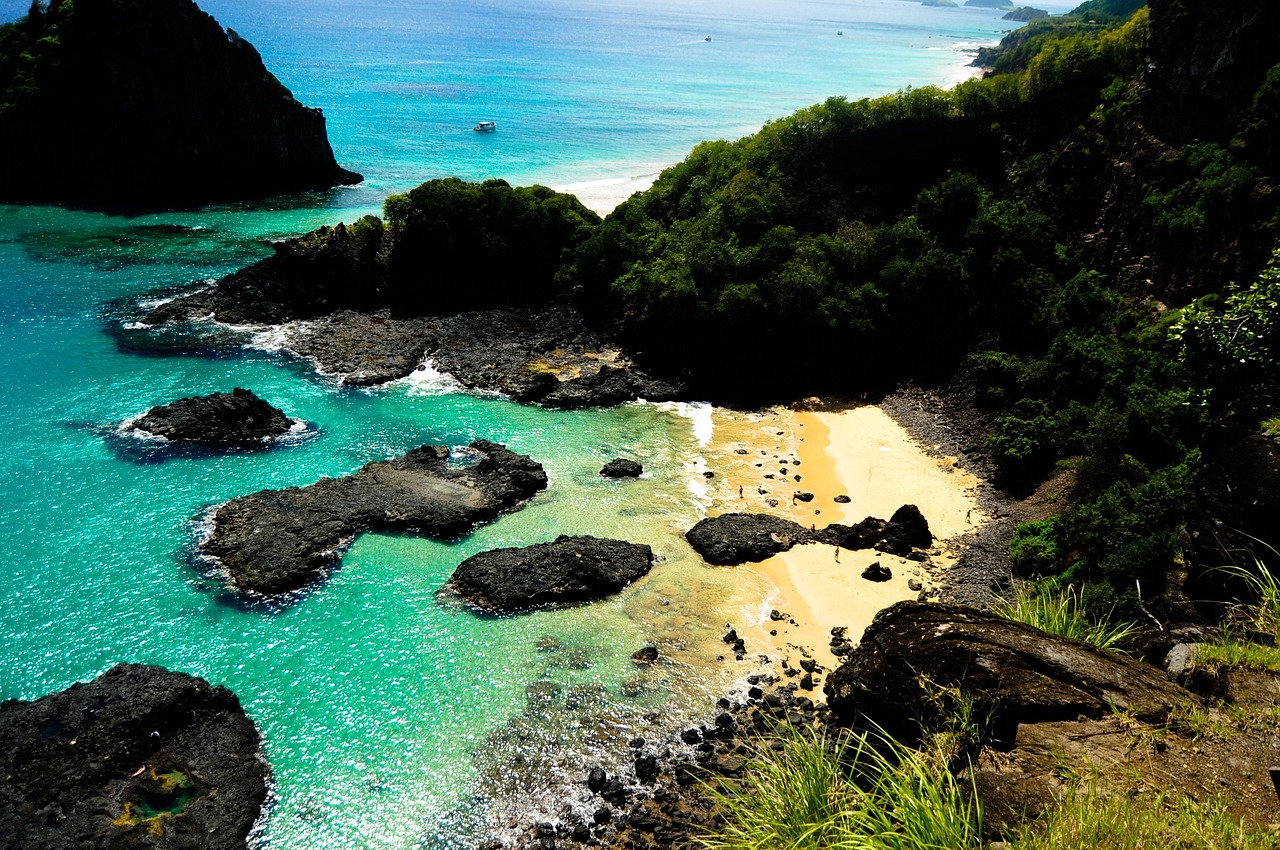
- How to get there: Most visitors fly into the island's small airport from Recife or Natal. Accessing the beach itself involves descending a series of steep, narrow iron ladders wedged into a cliff crevice—an adventurous entry that keeps the crowds at bay.
- Where to stay: Pousada Maravilha offers an infinity pool with a view of the "Sueste" bay that is worth every cent.
Pro Tip for 2026: Environmental taxes (TPA) for Fernando de Noronha can now be paid online in advance. Do this at least a month before your trip to avoid long queues at the island's tiny airport.
2. Lagoa Bonita, Lençóis Maranhenses: The Desert Oasis
In the state of Maranhão, the concept of a "beach" takes on a surrealist quality. Lençóis Maranhenses is a vast expanse of blindingly white quartz sand dunes. During the rainy season, the valleys between these dunes fill with fresh rainwater, creating thousands of crystal-clear lagoons. Lagoa Bonita is perhaps the most iconic of these.
Standing atop a 40-meter dune, looking out over a literal sea of sand dotted with turquoise pools, is an experience that defies geographic logic. It is a desert that is not a desert, a beach that has no ocean in sight.

- How to get there: Take a 4x4 excursion from the town of Barreirinhas. Be prepared for a bumpy, 45-minute ride through sandy trails and shallow river crossings.
- Where to stay: Porto Preguiças Resort provides a rustic-chic base with a river-fed swimming pool.
3. Jericoacoara, Ceará: The Kitesurfing Capital
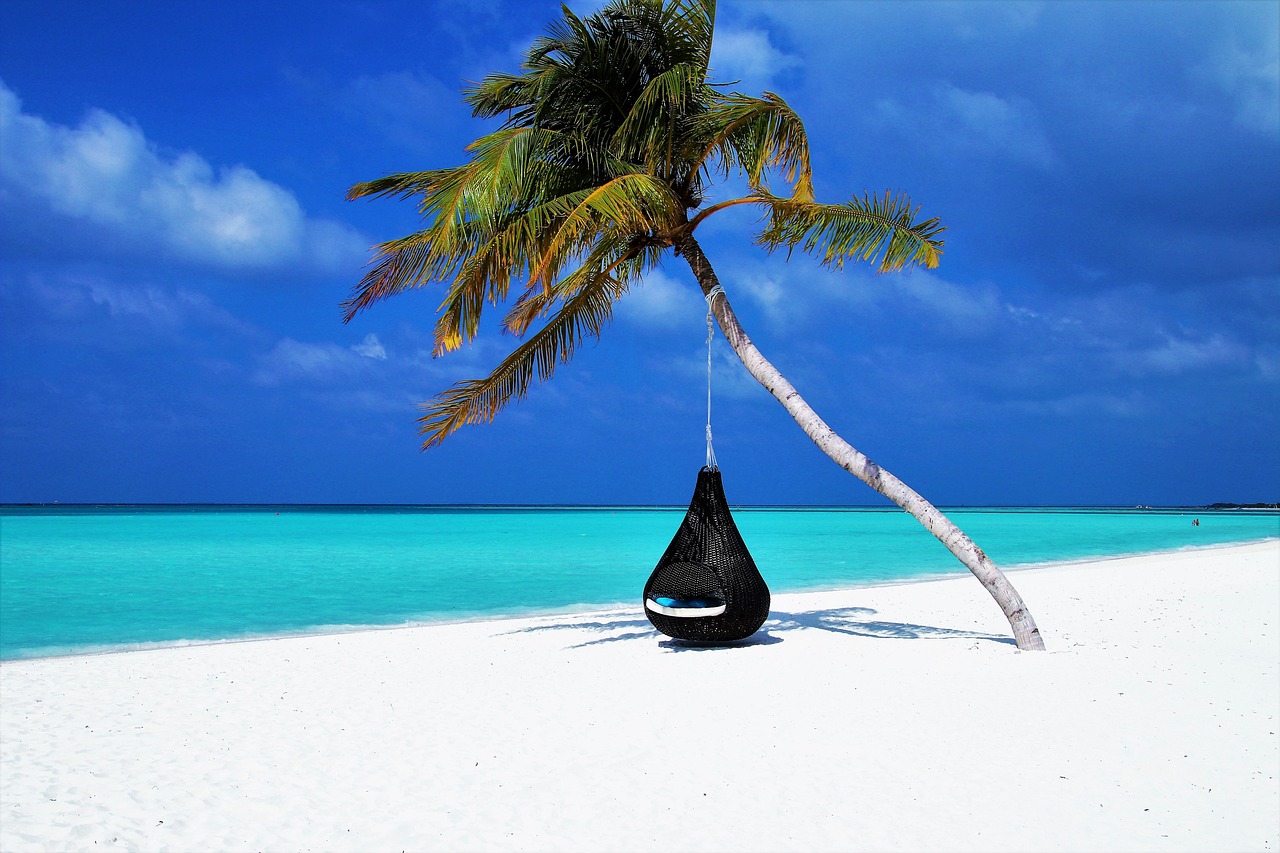
"Jeri," as the locals call it, was a quiet fishing village until the 1980s. Today, it is a global mecca for kitesurfers and those seeking a "barefoot luxury" lifestyle. The town has no paved streets; instead, the sand of the dunes flows right into the restaurants and boutiques.
The highlight here is the "Sunset Dune" (Duna do Pôr do Sol), where travelers gather every evening to watch the sun dip directly into the ocean—a rarity on the mostly east-facing Brazilian coast. Afterward, the village comes alive with the rhythm of forró music and the clinking of caipirinha glasses.
- How to get there: Fly into Jericoacoara Airport (JJD) or take a 4-hour 4x4 transfer from Fortaleza.
- Where to stay: The Chili Beach Private Resort & Villas offers direct beach access and an incredible sunset deck.
4. Porto de Galinhas, Pernambuco: Nature’s Swimming Pools
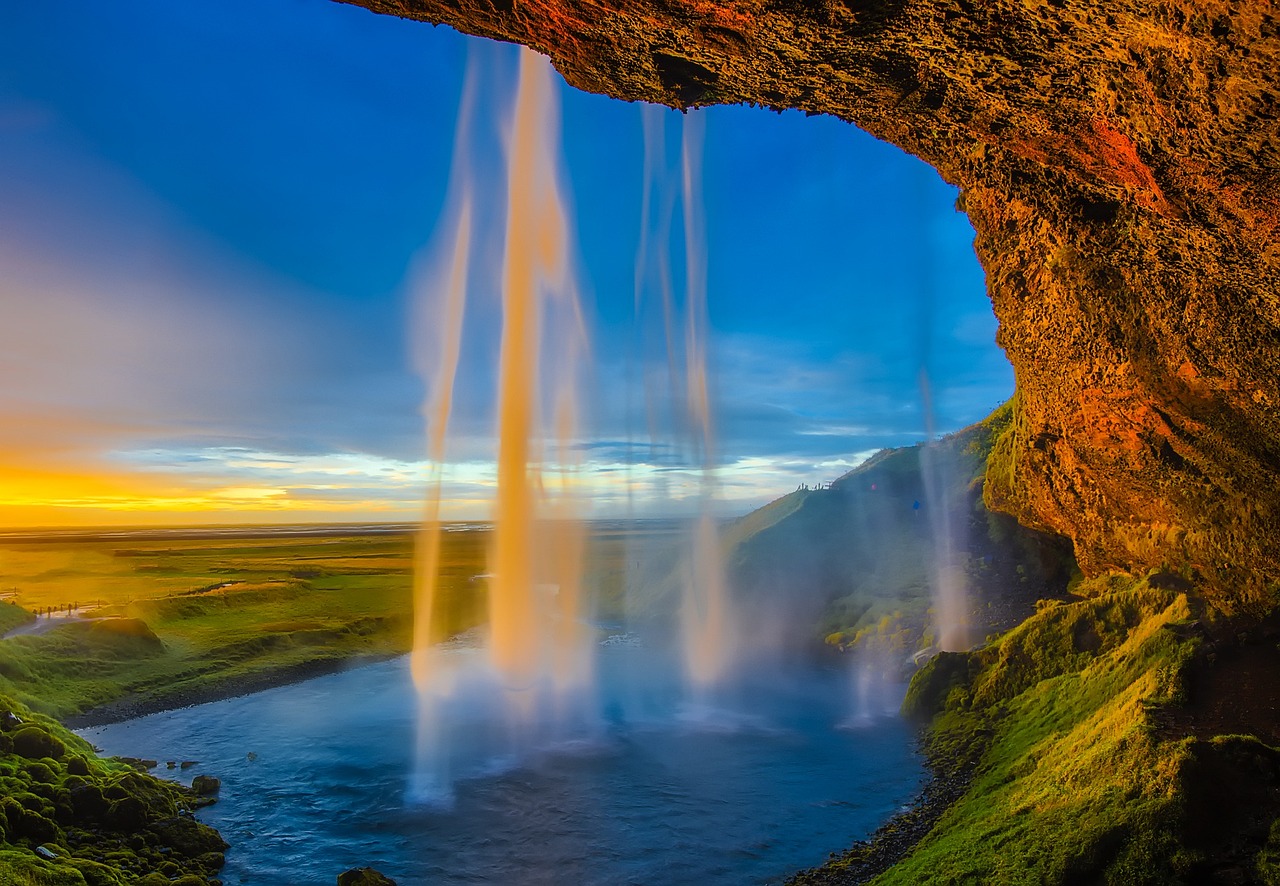
If you travel to the state of Pernambuco, Porto de Galinhas is your essential stop for family-friendly relaxation. The beach is famous for its natural pools formed by coral reefs during low tide. These pools are so calm and clear they resemble giant outdoor bathtubs filled with tropical fish.
To reach the best spots, you board a jangada—a traditional Brazilian wooden sailing raft. The boatmen navigate the shallow reefs with expert precision, allowing you to hop off and swim in the middle of the ocean.
- How to get there: An easy 60-minute drive south from Recife International Airport.
- Where to stay: Nannai Resort & Spa is legendary for its overwater bungalows and high-end service.
5. Praia dos Carneiros, Pernambuco: The Postcard Scene
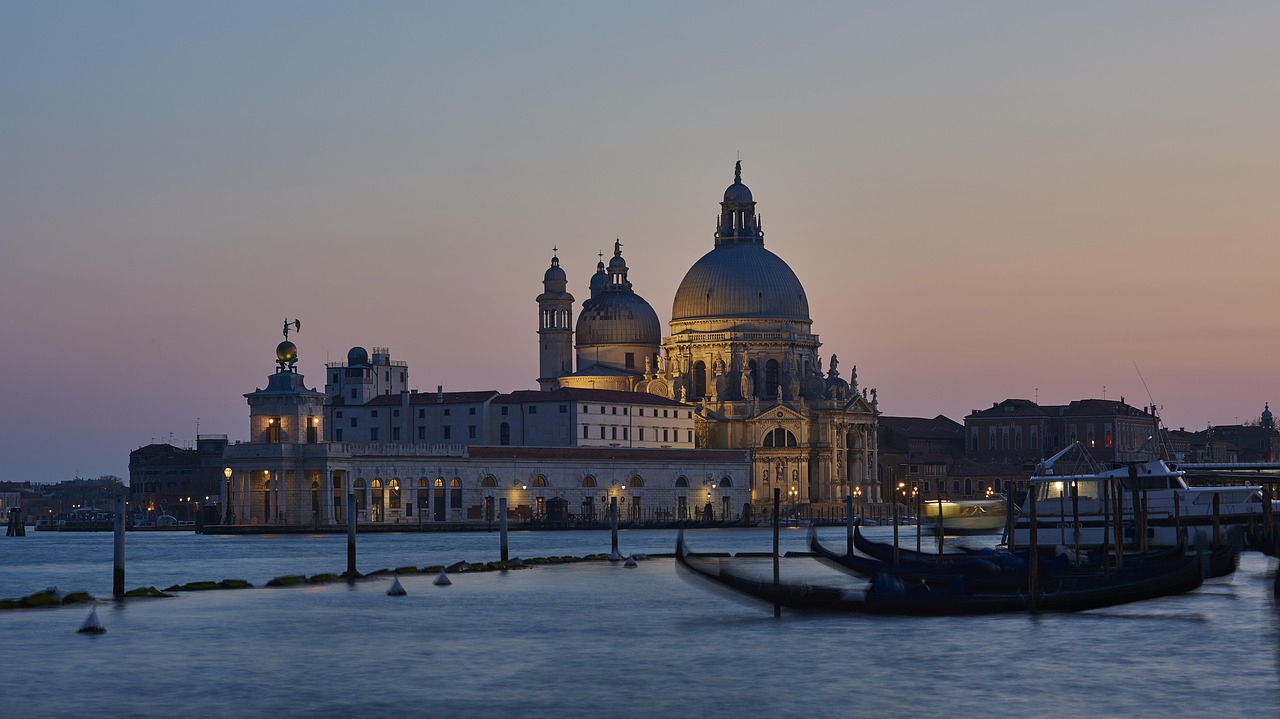
Just a short drive from Porto de Galinhas lies its more serene, sophisticated cousin: Praia dos Carneiros. This is the Brazil you see on postcards—swaying coconut palms, calm turquoise waters, and the tiny, white 18th-century Chapel of São Benedito sitting right on the sand.
At high tide, the water reaches the church’s foundations, creating a scene of immense peace. It is less about "seeing and being seen" and more about the quiet beauty of the Pernambuco coast.
- How to get there: Best visited via a day-trip catamaran from Porto de Galinhas or by renting a car from Recife.
- Where to stay: Pontal dos Carneiros Beach Bungalows for an intimate, eco-conscious stay.
6. Praia do Espelho, Bahia: The Mirror of the Sky
Located between the bohemian hubs of Trancoso and Caraíva, Praia do Espelho ("Mirror Beach") earns its name during low tide. The receding waters leave behind giant, still pools on the reef that reflect the sky with startling clarity.
Bahia is the historical heart of Brazil, and the food here reflects that. Between dips in the warm Atlantic, sit at a cliffside barraca (beach hut) and order a Moqueca—a rich seafood stew made with coconut milk and dendê oil. The combination of the spicy stew and the cool ocean breeze is the essence of the Brazilian Northeast.
- How to get there: A 1-hour drive from Trancoso via a dirt road that can be tricky after rain.
- Where to stay: Pousada do Outeiro sits on the cliff overlooking the mirrors, offering the best views in the region.
7. Ipanema & Copacabana, Rio de Janeiro: The Samba Soul
No list of Brazilian beaches is complete without the urban cathedrals of Rio. Ipanema and Copacabana are where Brazil’s "Surf, Sand, and Samba" title truly comes to life. This is a 24-hour theater where the "Cariocas" (Rio locals) play volleyball, surf the shorebreak, and dance to impromptu samba circles.
2026 Alert: The year 2026 is set to be a landmark for Rio. Following years of restoration, the National Museum of Brazil is expected to be fully reopened, providing a deep historical counterpoint to the city’s sun-drenched hedonism. Additionally, rumors of "Todo Mundo no Rio" mega-concerts along the Copacabana sands suggest a year of unprecedented energy.
- How to get there: Rio is served by GIG (international) and SDU (domestic) airports. Use Uber for safe and reliable transport between beach zones.
- Where to stay: Hotel Fasano Rio de Janeiro for its iconic rooftop pool overlooking Ipanema’s "Two Brothers" peaks.
8. Lopes Mendes, Ilha Grande: The Surfer’s Wild Frontier
While Rio is about the crowd, Ilha Grande is about the escape. The island is car-free, covered in dense Atlantic rainforest, and home to Lopes Mendes—the best beach for surfing in Brazil.
Lopes Mendes is prized for its consistent swells and its "wild" feel. There are no buildings, no restaurants, and no roads. Just 3 kilometers of fine, "singing" sand and some of the cleanest barrels in the country. It is a place for those who prefer nature in its purest form.
- How to get there: Take a ferry from Angra dos Reis to Vila do Abraão. From there, it’s a boat ride to Pouso followed by a 20-minute forest hike, or a rigorous 2-hour trek directly from town.
- Where to stay: Pousada Sagui do Lote in Vila do Abraão for a jungle-immersion experience.
9. Praia do Éden, São Paulo: The Hidden Secret
Most travelers overlook the coast of São Paulo, but the "Litoral Norte" hides some of the country’s most dramatic scenery. Praia do Éden is a small, emerald cove hemmed in by steep, forested cliffs. Because it requires a steep downhill hike to reach, it remains a sanctuary even when nearby Guarujá is crowded.
The water here is deep and exceptionally clear, making it a favorite for free-divers and those looking to disappear from the world for an afternoon.
- How to get there: Located in the Sorocotuba region of Guarujá, about a 2-hour drive from São Paulo city.
- Where to stay: Hotel Jequitimar Resort & Spa nearby for a luxurious contrast to the rugged beach.
10. Lagoinha do Leste, Florianópolis: The Adventurer's Reward
In the south, Florianópolis (or "Floripa") offers a mix of modern surf culture and traditional Azorean fishing villages. Lagoinha do Leste is the crown jewel of the island’s south, accessible only by a 90-minute mountain trek or a small fishing boat.
The effort is rewarded with a wild, crescent-shaped beach backed by a freshwater lagoon. For the ultimate view, hike up to 'Morro da Coroa.' The jagged rocks at the summit provide a bird’s-eye perspective of the Atlantic crashing against the southern cliffs.
- How to get there: The trail starts in Pântano do Sul or Matadeiro. Bring plenty of water; there are no vendors on the beach.
- Where to stay: Quinta das Videiras in Lagoa da Conceição for a boutique, historic feel.
At a Glance: Choosing Your Perfect Brazilian Escape
| Feature | Best Beach Recommendation | Why It Wins |
|---|---|---|
| Surfing | Lopes Mendes (Ilha Grande) | Consistent swells, wild Atlantic backdrop, no crowds. |
| Snorkeling | Baía do Sancho (Noronha) | Protected marine life, crystal-clear visibility. |
| Families | Porto de Galinhas | Calm reef pools, easy access, gentle currents. |
| Nightlife | Ipanema/Copacabana | Samba clubs, beach kiosks, urban energy. |
| Adventure | Lagoinha do Leste | Rigorous hiking trails and breathtaking viewpoints. |
Planning Your 2026 Brazil Beach Trip
The Weather Window
While Brazil is a year-round destination, the fall (March to June) is the "Goldilocks" season. The sweltering humidity of January and February has subsided, the summer crowds have returned home, and the prices for luxury pousadas drop significantly. In the Northeast, this avoids the heaviest rainfall which usually begins in late June.
Getting Around
- Domestic Flights: Brazil is massive. To cover the distance between Rio and the Northeast, use domestic carriers like Azul or LATAM.
- Ground Transport: Within cities like Rio, São Paulo, and Recife, Uber is the safest and most transparent way to travel.
- Currency: The Brazilian Real (BRL) is the local currency. While credit cards are accepted almost everywhere (even by beach vendors with mobile machines), keep small change for tips and local markets.
Safety and Etiquette
The Brazilian "beach office" is a real thing. Do as the locals do: don't bring a massive towel; buy a canga (sarong) from a vendor. Don't pack a lunch; eat the grilled queijo coalho (squeaky cheese) and drink chilled água de coco. Keep your valuables in your hotel safe and only bring what you need for the day to the sand.
FAQ
Q: Do I need a visa to visit Brazil in 2026? A: Visa requirements have been fluctuating recently. As of 2026, citizens from the US, Canada, and Australia may require an e-visa. Always check the official Brazilian consulate website before booking.
Q: Is it safe to swim in the ocean in Brazil? A: Most tourist beaches are safe, but always look for flags. In certain areas of Recife, there are warnings for sharks; in those cases, stick to the natural reef pools during low tide where it is perfectly safe.
Q: Can I visit the Amazon and the beaches in one trip? A: Yes, but factor in travel time. A flight from Rio to Manaus is about 4 hours. We recommend focusing on one or two coastal regions to avoid spending your entire vacation in airports.
Ready to experience the 7,491 kilometers of Brazilian magic? Whether you're chasing the perfect barrel at Lopes Mendes or finding peace in the dunes of Maranhão, 2026 is the year to rediscover the South Atlantic.