I’ve spent the better part of two decades chasing winter across seven continents, from the jagged peaks of Patagonia to the frost-bitten streets of Reykjavík. If there’s one thing I’ve learned the hard way, it’s that a 20-inch carry-on and winter gear usually get along about as well as a cat and a bathtub. For years, I was that guy—struggling to zip my bag over a mountain of polyester fleeces and "just-in-case" snow pants.
But here’s the reality for 2024: bulky doesn't mean warm. In fact, most travelers are making crucial winter packing mistakes that turn their trips into a heavy-lifting exercise. The most frequent errors include packing bulky snow pants instead of thermal base layers, carrying giant, non-compressible parkas instead of layer-friendly insulated jackets, and bringing oversized snowshoes when compact microspikes would suffice for icy terrain.
Through my own trials, I’ve found that switching from synthetic bulky layers to premium merino wool essentials can reduce winter luggage volume by approximately 40% while maintaining (or even improving) equivalent thermal protection. In this guide, I’m breaking down the nine most common packing blunders and the high-performance swaps that will keep you light, fast, and remarkably warm.
1. The Bulky Bottoms Mistake
The biggest space-killer in any winter bag is the pair of "puffy" snow pants. Unless you are literally heading out for a 12-hour summit push or a day of intense downhill skiing, they are overkill. They take up nearly half a standard carry-on and offer zero versatility for city walking or après-ski lounging.
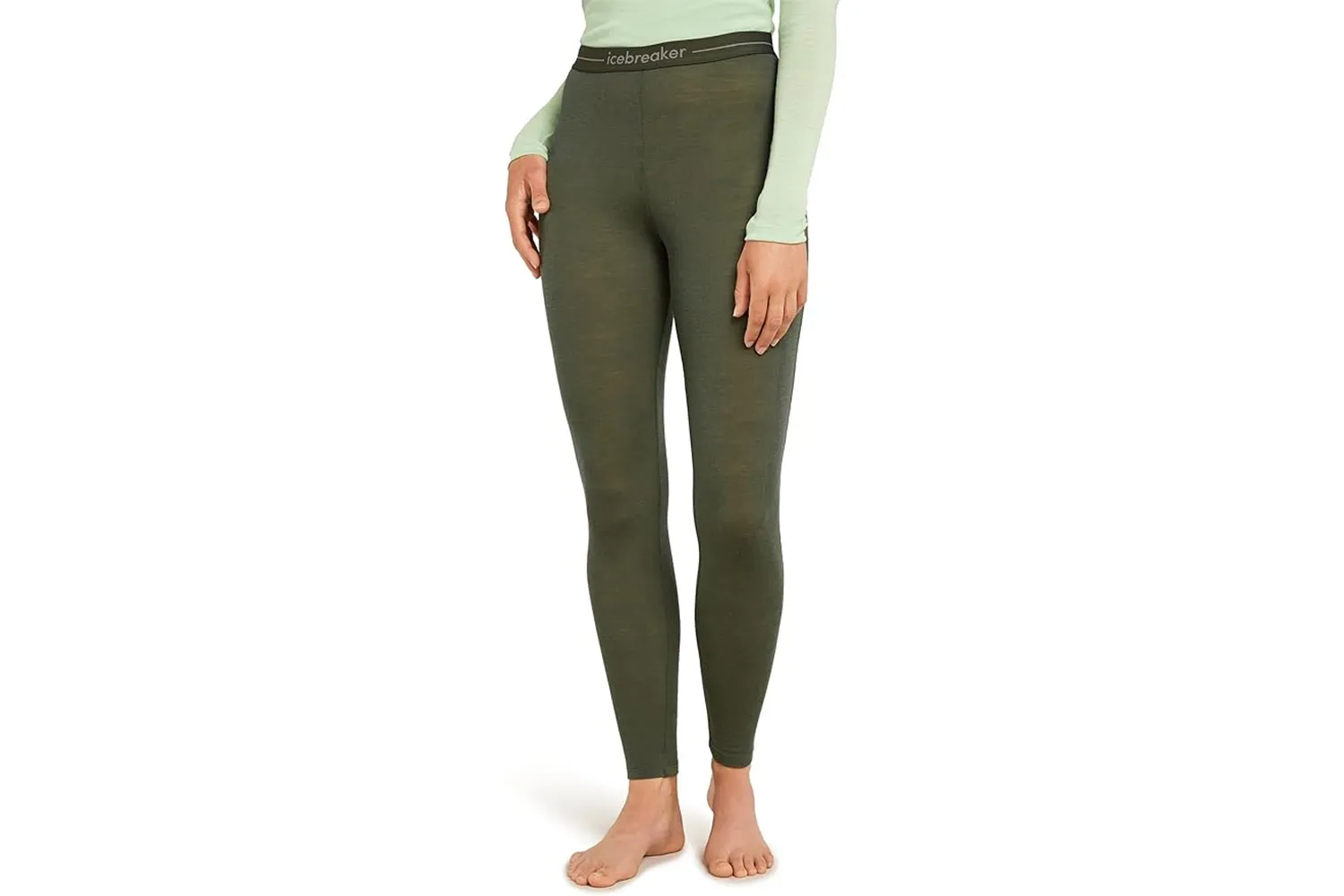
Instead, I’ve moved toward a high-performance layering system for my legs. I start with a premium base layer like the Icebreaker Merino 175 Everyday Thermal Leggings. These are thin enough to fit under standard jeans or chinos but provide a massive thermal boost. If I'm expecting deeper snow or wind, I pair them with lightweight, water-resistant leggings or technical hiking trousers.
Marcus’s Pro Tip: If you’re worried about snow getting into your boots, don’t bring snow pants. Pack a pair of ultralight leg gaiters. They weigh next to nothing, roll up to the size of a lemon, and provide all the deep-snow protection you actually need.
| Feature | Skip: Puffy Snow Pants | Pack: Icebreaker Merino 175 + Shell |
|---|---|---|
| Space Used | ~30% of carry-on | ~5% of carry-on |
| Versatility | Slopes only | Hiking, city, sleeping |
| Warmth Control | Static (often too hot) | Dynamic (add/remove shell) |
2. The Parka Problem
We’ve all seen the "Marshmallow Man" at the airport—someone wearing a giant, stiff parka because it won't fit in their bag. While warm, these jackets are a nightmare to travel with. They don't breathe well in transit, and they take up a staggering amount of space if you ever need to pack them away.
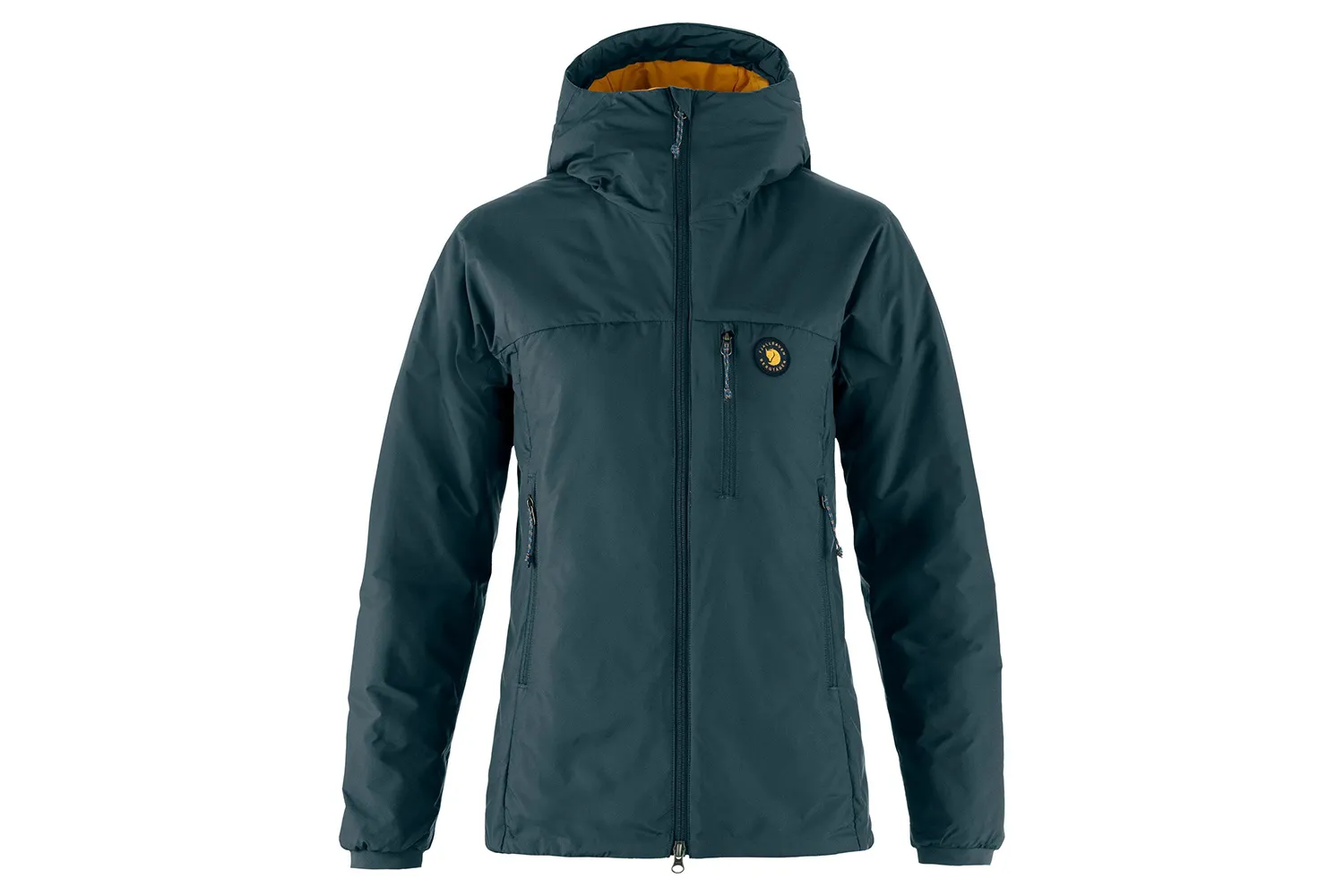
For 2024, the play is a layer-friendly insulated jacket. My current go-to is the Fjallraven Bergtagen 60. It uses high-efficiency synthetic insulation that mimics the loft of down but remains warm even if it gets damp. The beauty of a high-performance mid-layer is the warmth-to-weight ratio. It provides incredible insulation but can be compressed into a tiny footprint.
3. The Glove Overload
When I see travelers packing massive, arctic-rated puffy gloves for a three-day city trip to Berlin or Quebec, I cringe. Those "astronaut gloves" make it impossible to use your phone, handle a camera, or even zip up your own jacket.
The best winter gear for short trips isn't a thicker glove; it’s a smarter heating solution. I’ve swapped my heavy mitts for a combination of touchscreen-compatible liner gloves and rechargeable hand warmers. Modern rechargeable hand warmers provide up to 8 hours of continuous heat on a single charge, eliminating the need to pack multiple pairs of heavy-duty arctic gloves. You keep the heater in your pocket, and whenever your fingers get chilly, you just give it a squeeze.

4. Heavy Footwear Failures
Footwear is the ultimate carry-on challenge. Many travelers feel the need to bring oversized snow boots or even snowshoes just in case they encounter a bit of ice. This is a classic "just-in-case" mistake that costs you precious liters of bag space.
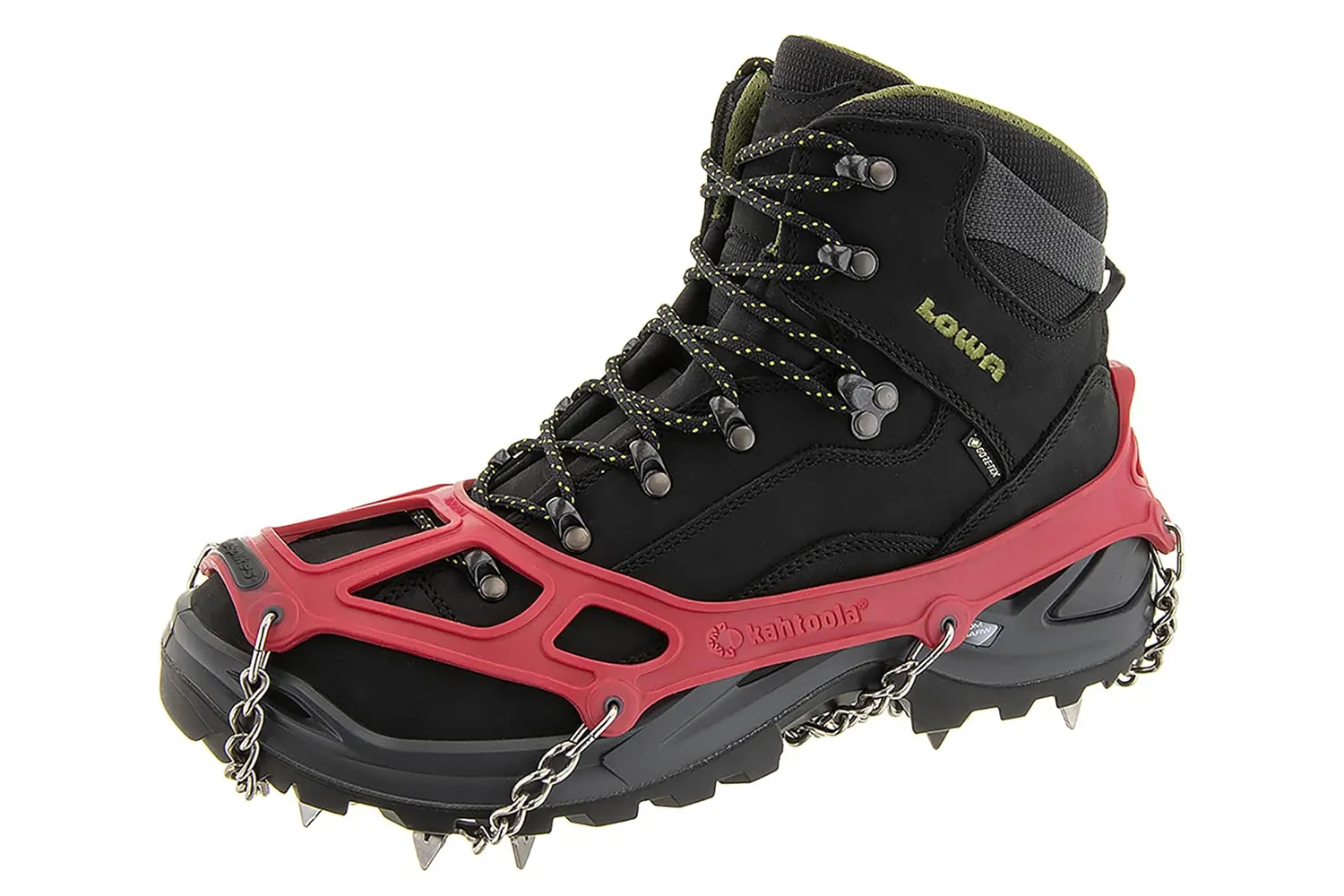
Unless I’m doing a dedicated snowshoe expedition, I stick to my favorite waterproof hiking boots and pack a pair of Kahtoola MICROspikes. These are compact traction devices that fit over almost any shoe. They provide heavy-duty traction on ice and packed snow but are small enough to stow in a side pocket of your pack. It allows you to keep your footwear streamlined without sacrificing safety on icy trails.
5. The Wrong Sock Selection
Cotton is the enemy of winter travel. I’ve seen people pack seven pairs of lightweight cotton socks for a week-long trip, thinking they need a fresh pair every day. Cotton traps moisture, stays wet, and starts to smell almost immediately.
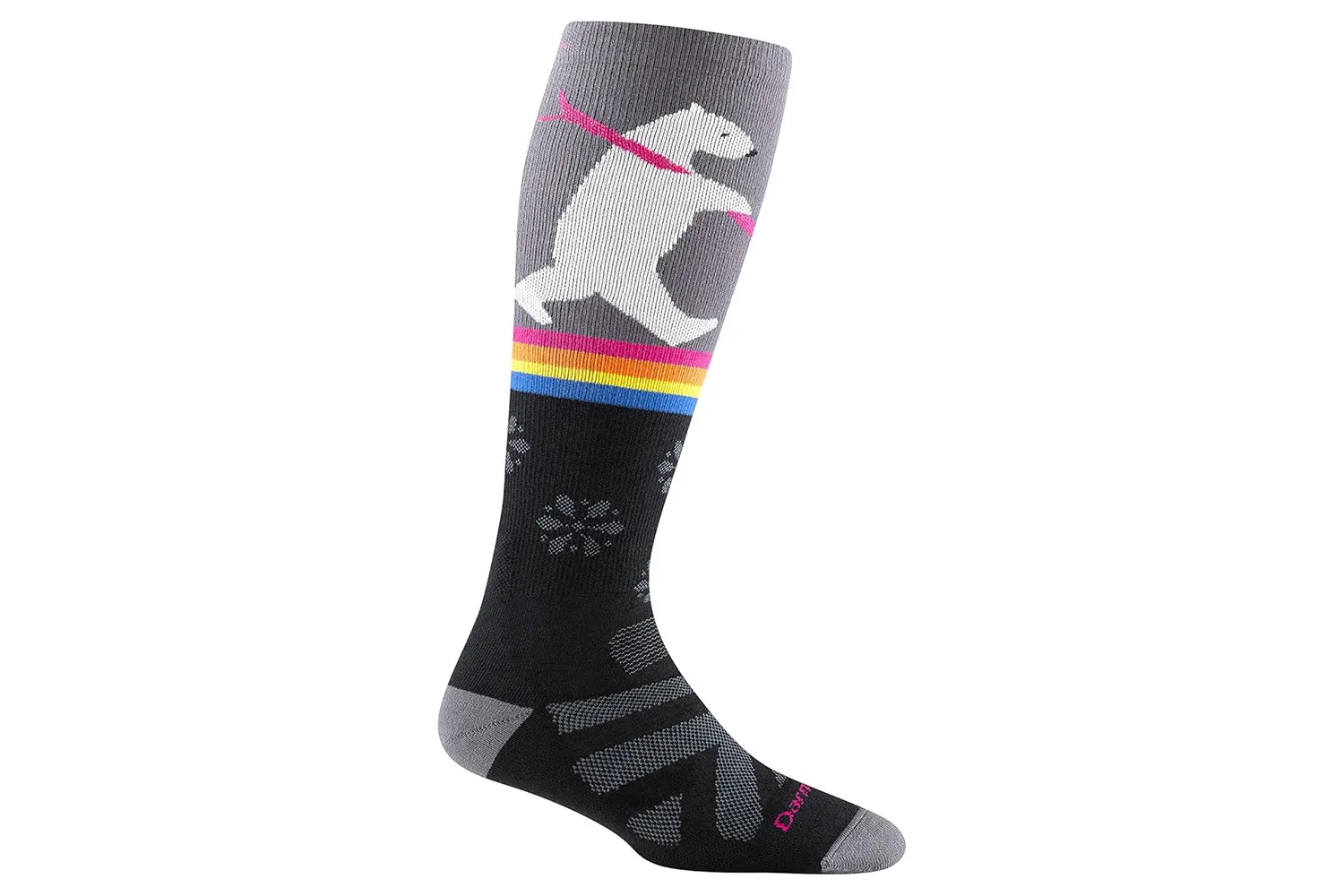
To maximize space in a winter carry-on, you need to think about quality over quantity. I pack exactly 2-3 pairs of Midweight Merino Wool socks, specifically the Darn Tough Due North. Because merino wool is naturally moisture-wicking and odor-resistant, you can easily wear one pair for two or even three days of walking without them feeling "gross." This swap alone can save you the space of five pairs of standard socks.
6. The Turtleneck Trap
I used to love the look of a thick turtleneck, but as a piece of travel gear, they are incredibly limiting. They are bulky, they only serve one purpose, and if you get too hot, you have no way to vent your neck.
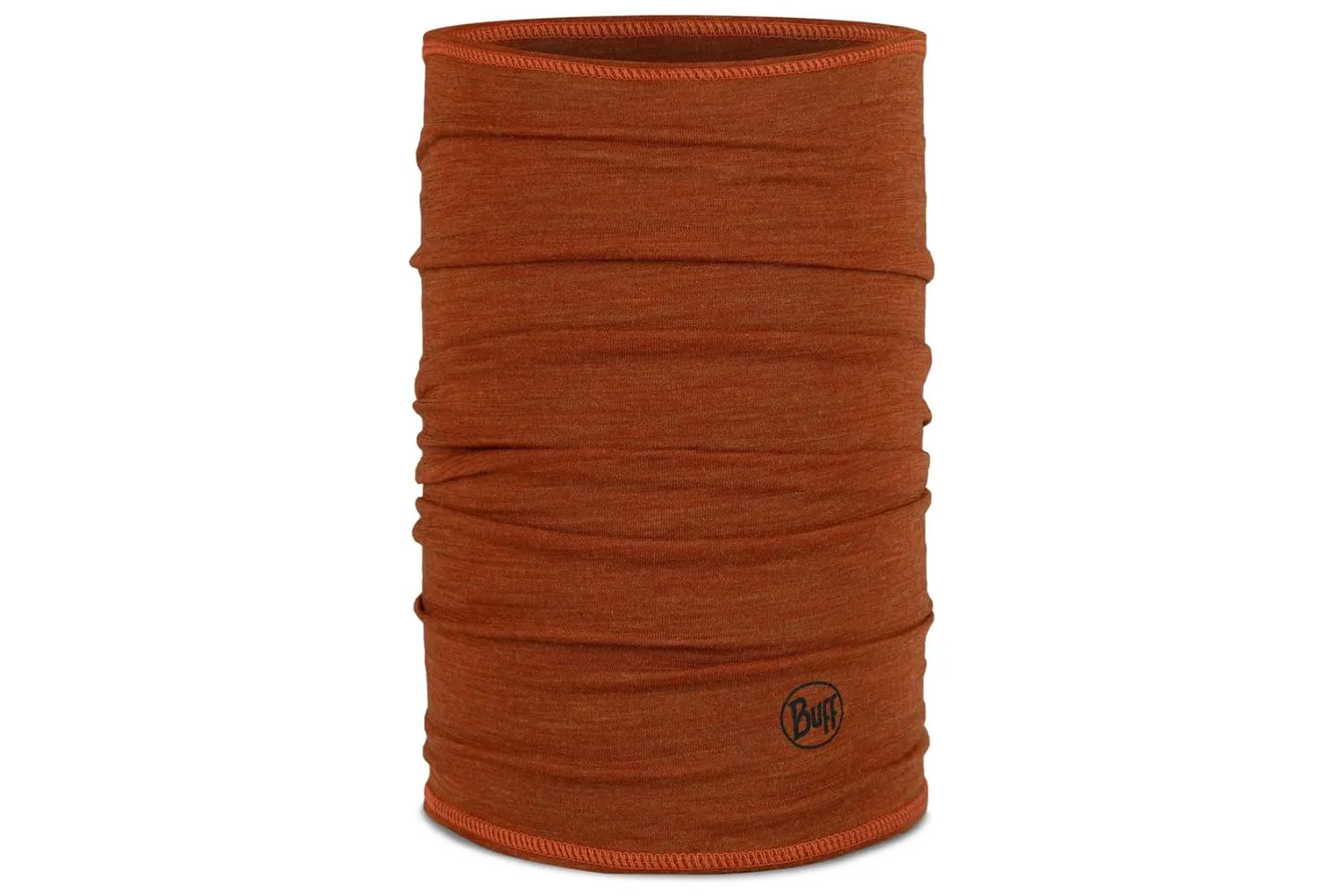
The space-saving swap is the Merino Wool Neck Gaiter (like a Buff Lightweight). It replaces the need for turtlenecks and even traditional scarves. It’s a multi-functional piece that can be used as a headband, a face mask in a blizzard, or a neck warmer. When you don't need it, it disappears into your pocket.
7. Wasted Space on Sleepwear
Traditional heavy pajamas or thick sweatpants are massive space-wasters. When you’re trying to fit everything into a carry-on, every item needs to earn its keep.
To save space, use multi-functional merino wool joggers. These double as your pajamas, your base layer on extremely cold days, and your "comfort wear" for the flight. By choosing a high-quality wool jogger, you eliminate the need for dedicated sleepwear entirely.
8. The Fleece Pileup
Fleece is a great insulator, but it’s "fluffy" air. If you pack three different fleece zip-ups, you’ve essentially packed a small pillow’s worth of volume.
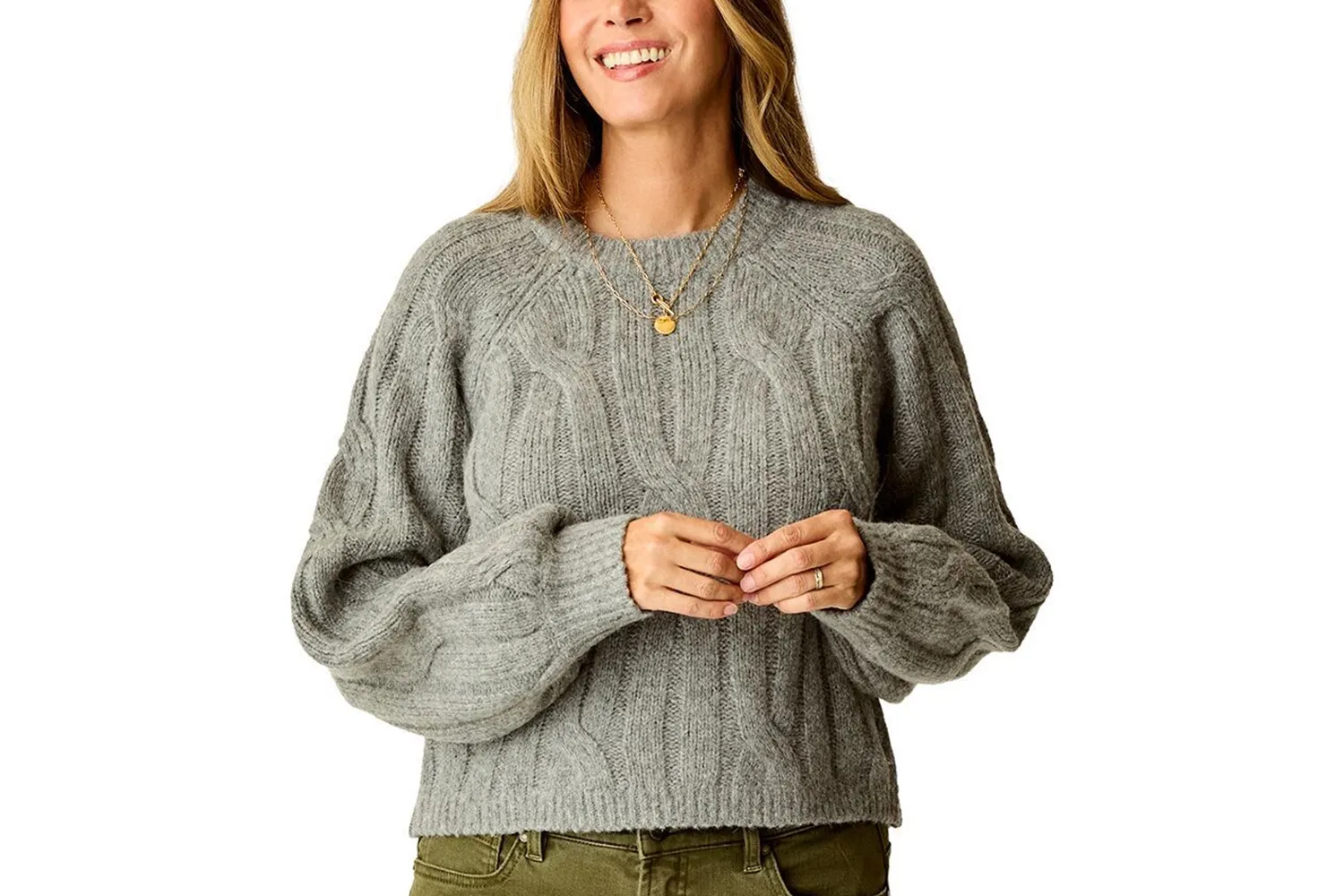
The better move is to pack one premium Nordic-style wool sweater, like the Carve Designs Eloise. Natural wool (Icelandic or Norwegian styles) has a much higher density of insulation. One high-quality wool sweater provides more warmth and style than three thin fleeces combined. Plus, it looks significantly better for a nice dinner out than a technical fleece.
9. The Headwear Mistake
The final mistake is the stiff trapper hat. While they look great in photos, they are impossible to flatten. They end up taking a large "void" of space in your bag that could be filled with other essentials.
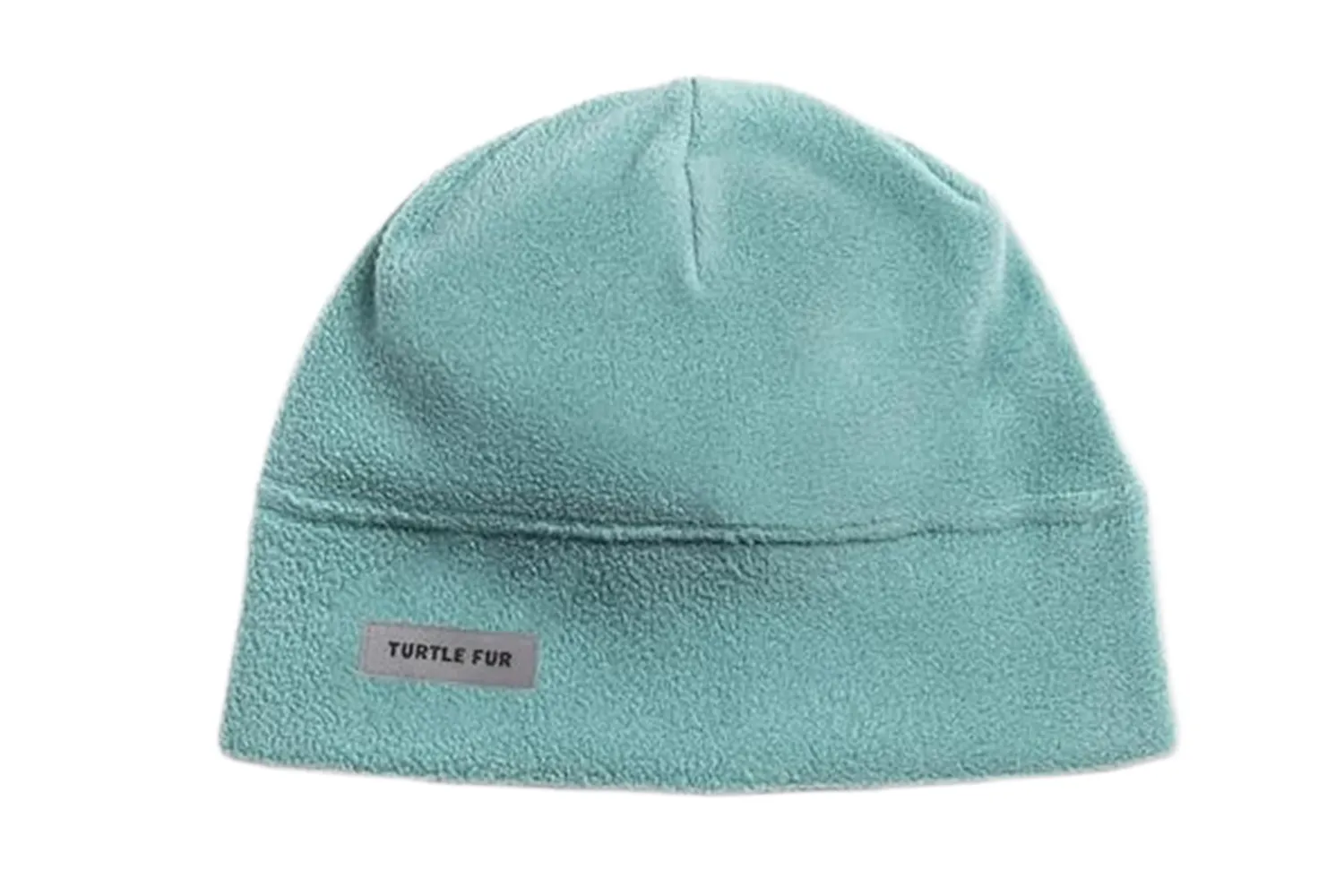
I recommend switching to a packable thermal beanie from a brand like Turtle Fur. These use a blend of technical fabrics and wool to provide maximum insulation while flattening down to almost nothing.
Expert Move: If you absolutely must bring a bulky hat or heavy boots, wear them on the plane. Use your "heavies" as your travel outfit to keep your bag weight down and your space open for things that actually need protection.
Winter Carry-On FAQ
What are the most common winter packing mistakes?
The most frequent errors include packing bulky snow pants instead of thermal base layers, carrying giant parkas instead of layer-friendly insulated jackets, and bringing oversized snowshoes when compact microspikes would suffice for icy terrain.
How can I save space in a winter carry-on?
To maximize space, swap multiple fleeces for one high-quality wool sweater, replace heavy trapper hats with packable beanies, and use multi-functional merino wool joggers that double as pajamas and base layers. Wearing your heaviest items (boots and jacket) on the plane is also a game-changer.
What is the best winter gear for short trips?
Essential space-savers include rechargeable hand warmers (which replace bulky gloves), merino wool neck gaiters (replacing turtlenecks and scarves), and midweight wool socks that offer moisture-wicking and odor-resistance for multi-day wear.
The 2024 Winter Packing Checklist
- [ ] Base Layer: Merino Wool Top & Bottom (Icebreaker 175)
- [ ] Mid-Layer: 1 Premium Wool Sweater (Carve Designs)
- [ ] Outer Layer: 1 Packable Insulated Jacket (Fjallraven)
- [ ] Feet: 3 pairs Merino Socks + Microspikes
- [ ] Accessories: 1 Beanie, 1 Neck Gaiter, 1 Rechargeable Hand Warmer
- [ ] Pants: 1 pair Multi-functional Wool Joggers + 1 pair Travel Chinos
Traveling in winter doesn't have to mean checking a 50lb bag. By focusing on high-performance materials like merino wool and technical insulation, you can stay warmer, move faster, and keep everything in the overhead bin. See you out there on the trails!