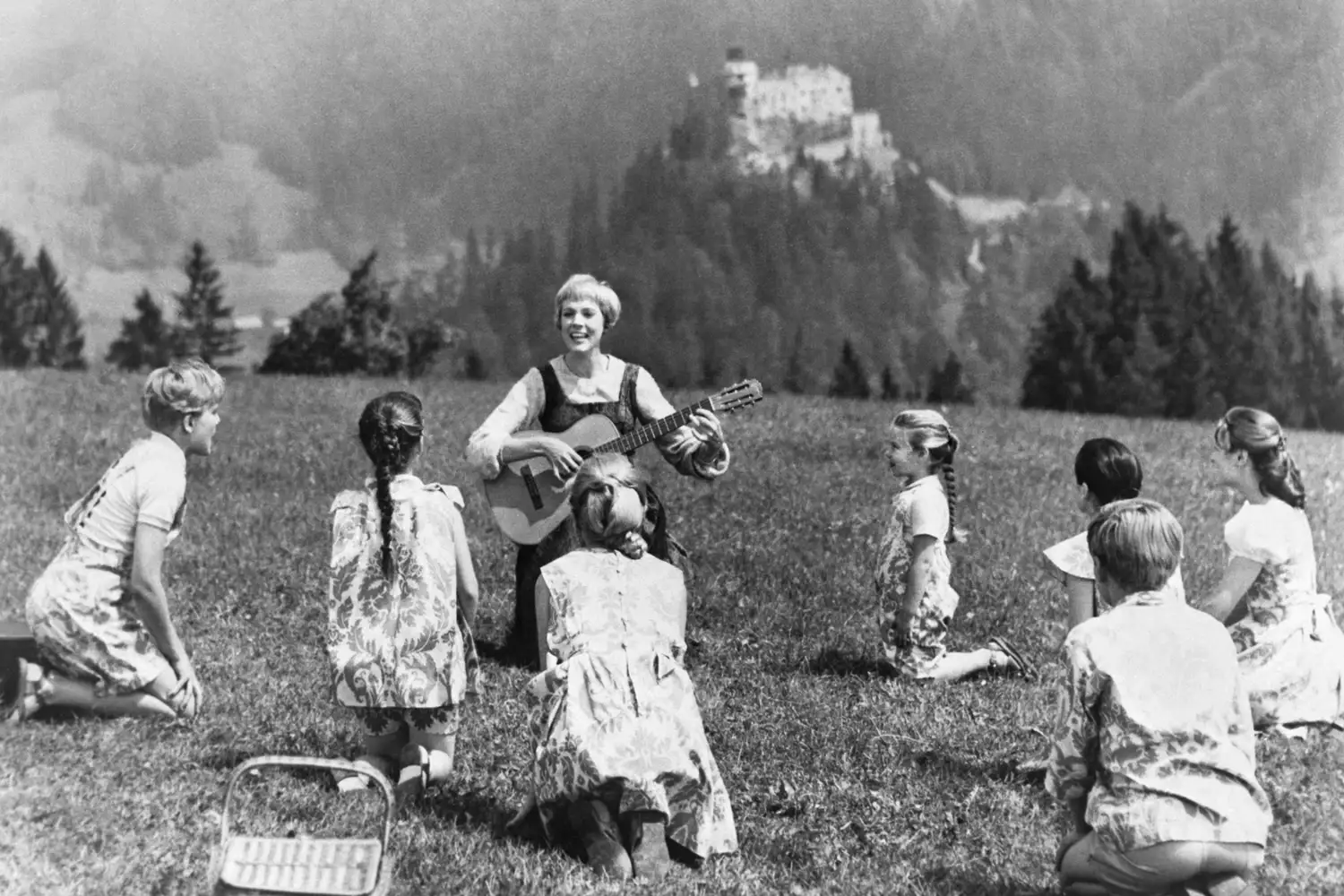
There is a singular, crystalline magic that settles over Salzburg, a city where the air feels as though it might break into song at any moment. As we approach the 60th anniversary of the 1965 cinematic masterpiece The Sound of Music, the hills surrounding this Austrian jewel remain as vibrant and "alive" as they were when Julie Andrews first spun across the alpine meadows. For many, this isn't just a film; it is a cultural touchstone that defines the very essence of nostalgia. This enduring legacy draws an estimated 300,000 visitors to Salzburg every year, each seeking to step into the frames of the Von Trapp family’s journey.
As Julie Andrews once reflected on the city’s "silver screen magic," she noted that the beauty of Salzburg wasn't merely a backdrop, but a character in its own right. From the rhythmic steps of "Do-Re-Mi" to the romantic shadows of the gazebo, we invite you to join us on a journey through the most iconic filming locations that still stand as a testament to this timeless story.
1. Mirabell Gardens & Pegasus Fountain: The 'Do-Re-Mi' Masterpiece
Our exploration begins at the Mirabell Gardens, a Baroque masterpiece commissioned by Prince-Archbishop Wolf Dietrich von Raitenau in 1606. For fans of the film, this is the definitive holy grail. It is here that the "Do-Re-Mi" musical sequence reaches its soaring climax.
Where was the "Do-Re-Mi" scene filmed? The sequence features several distinct areas of the gardens. We see the children dancing around the Pegasus Fountain (a 1913 bronze work by Kaspar Gras), running through the vine tunnel, and mimicking the statues in the Dwarf Garden. The scene famously concludes with the family hopping up and down the Rose Garden steps, using the stairs as a physical musical scale.
| Feature | Film Significance | Historical Context |
|---|---|---|
| Pegasus Fountain | Children dance around the rim | 17th-century Baroque sculpture |
| Dwarf Garden | Children pat the heads of the statues | Based on real 18th-century court dwarves |
| Rose Garden Steps | The final "Do-Re-Mi" jump | Offers a perfect view of the Hohensalzburg Fortress |
Insider Tip: To capture the perfect photo on the steps, arrive before 9:00 a.m. By midday, the gardens are bustling with tour groups recreating the famous hop.

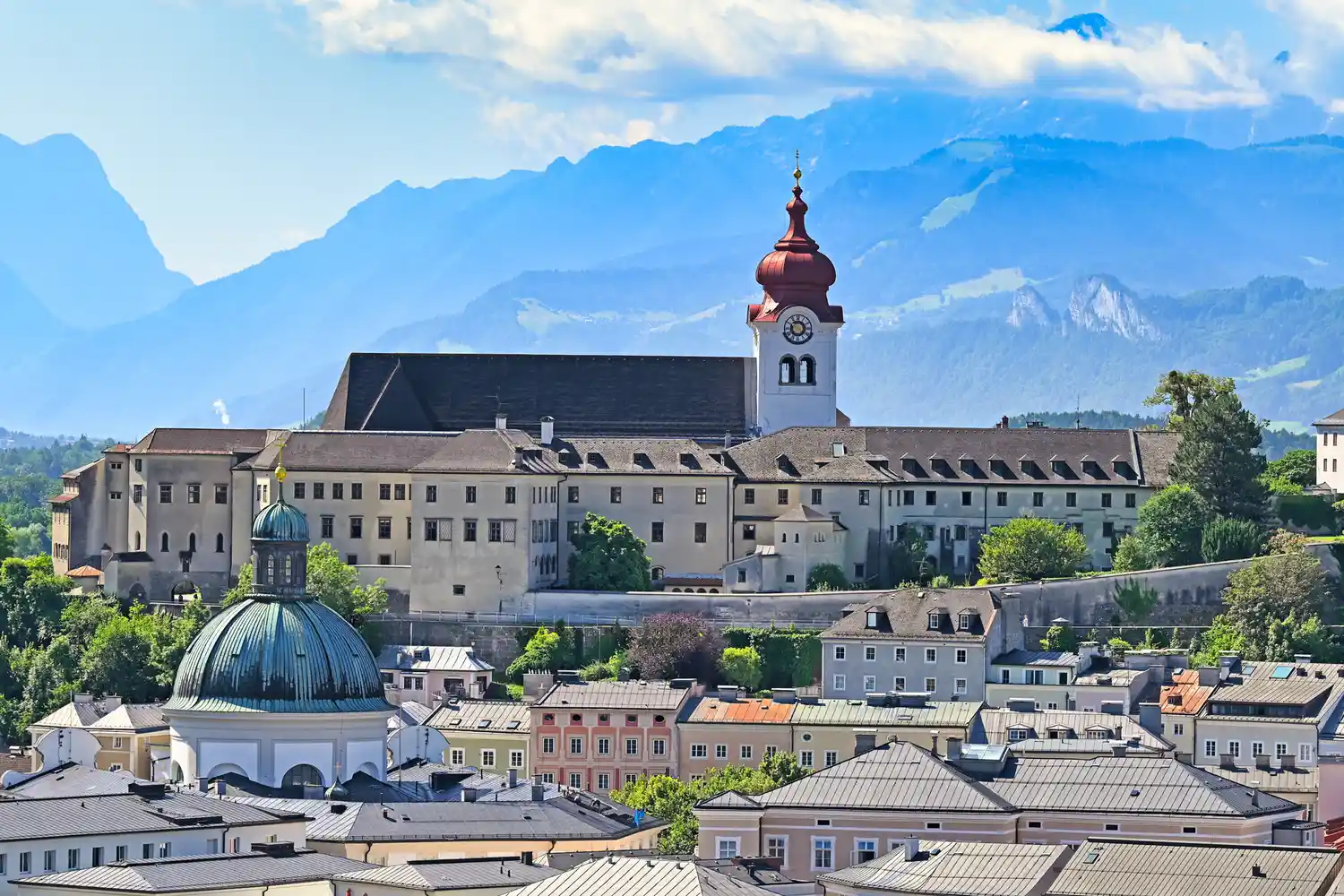
2. Nonnberg Abbey: Where the True Story Began
While much of the film is Hollywood artifice, Nonnberg Abbey represents the grounded reality of the story. Founded in 714 A.D., it is the oldest convent in the German-speaking world. In both the film and real life, this is where Maria Augusta Kutschera was a postulant before becoming the governess to the Von Trapp children.
While the interior of the Abbey was recreated on a soundstage in California, the external gates and the courtyard were used for several pivotal scenes, most notably when the children come to visit Maria after she flees the villa.
- The Gates: The specific gate where the children pull the bell handle is a site of pilgrimage for fans.
- The Architecture: Notice the Gothic elements that contrast with the Baroque city center below.
- The Soundtrack of Reality: We highly recommend visiting at 6:45 a.m. or 5:00 p.m. If you stand quietly near the cemetery, you can often hear the nuns' choir singing during services—a hauntingly beautiful experience that echoes the film's opening "Maria" sequence.
3. Residenzplatz Square: Splashing with 'Confidence'
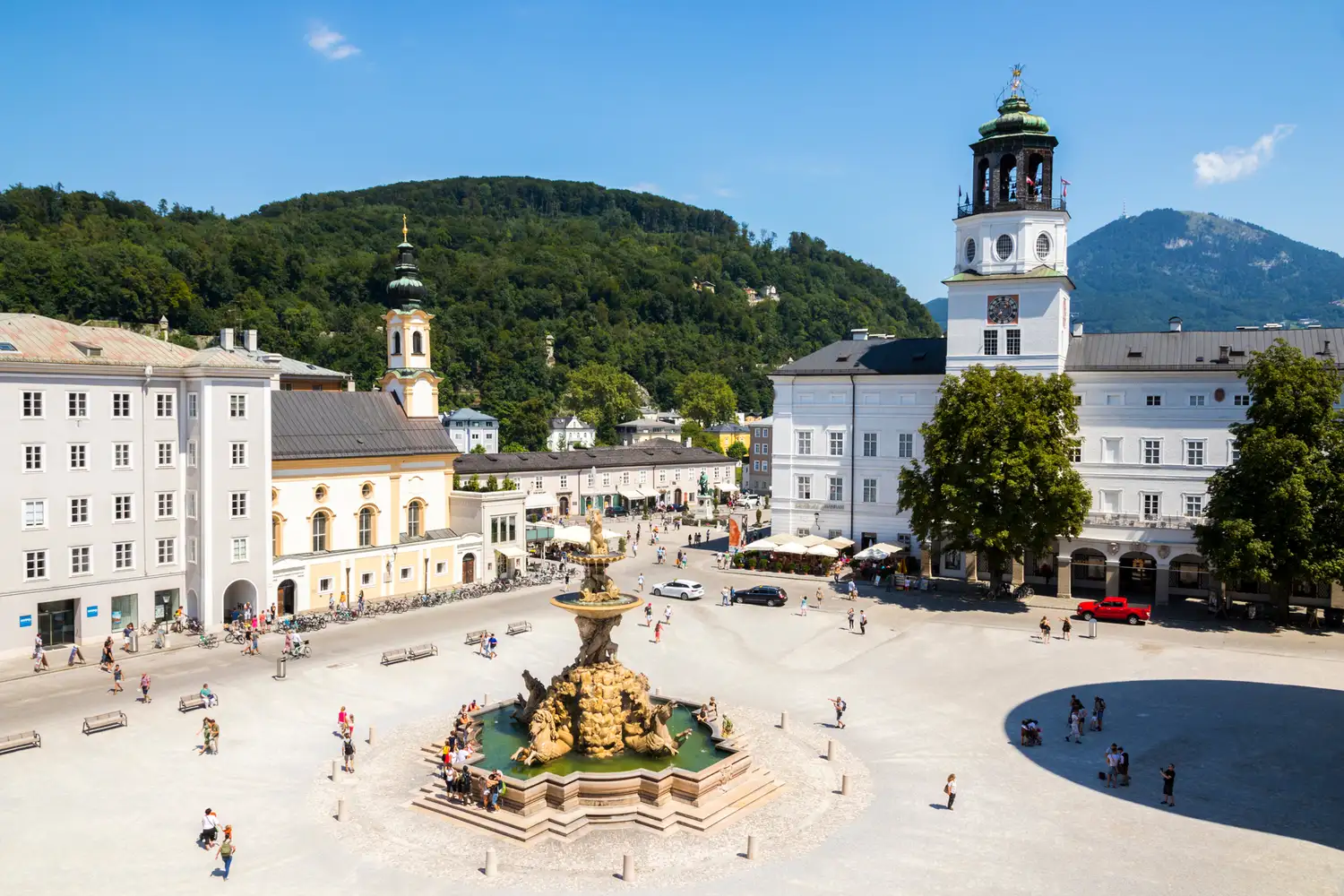
Transitioning from the solemnity of the Abbey to the bustling heart of the Old Town, we find ourselves at Residenzplatz. This grand square is dominated by the Residenzbrunnen (Residence Fountain), a 15-meter-high masterpiece of Baroque marble carved by Tommaso di Garone.
In the film, Maria crosses this square during the spirited "I Have Confidence" number. As she transitions from the cloistered life of the Abbey to the unknown challenges of the Von Trapp villa, she playfully splashes the water of the horse fountain. The square today remains largely unchanged, framed by the Salzburg Cathedral and the New Residence.
- Historical Fact: The fountain is considered one of the largest and most significant Baroque fountains in Central Europe.
- The Vibe: Today, the square is often home to horse-drawn carriages (Fiakers), adding an extra layer of 19th-century atmosphere to your visit.
4. Schloss Leopoldskron: The Famous Backyard & Lake
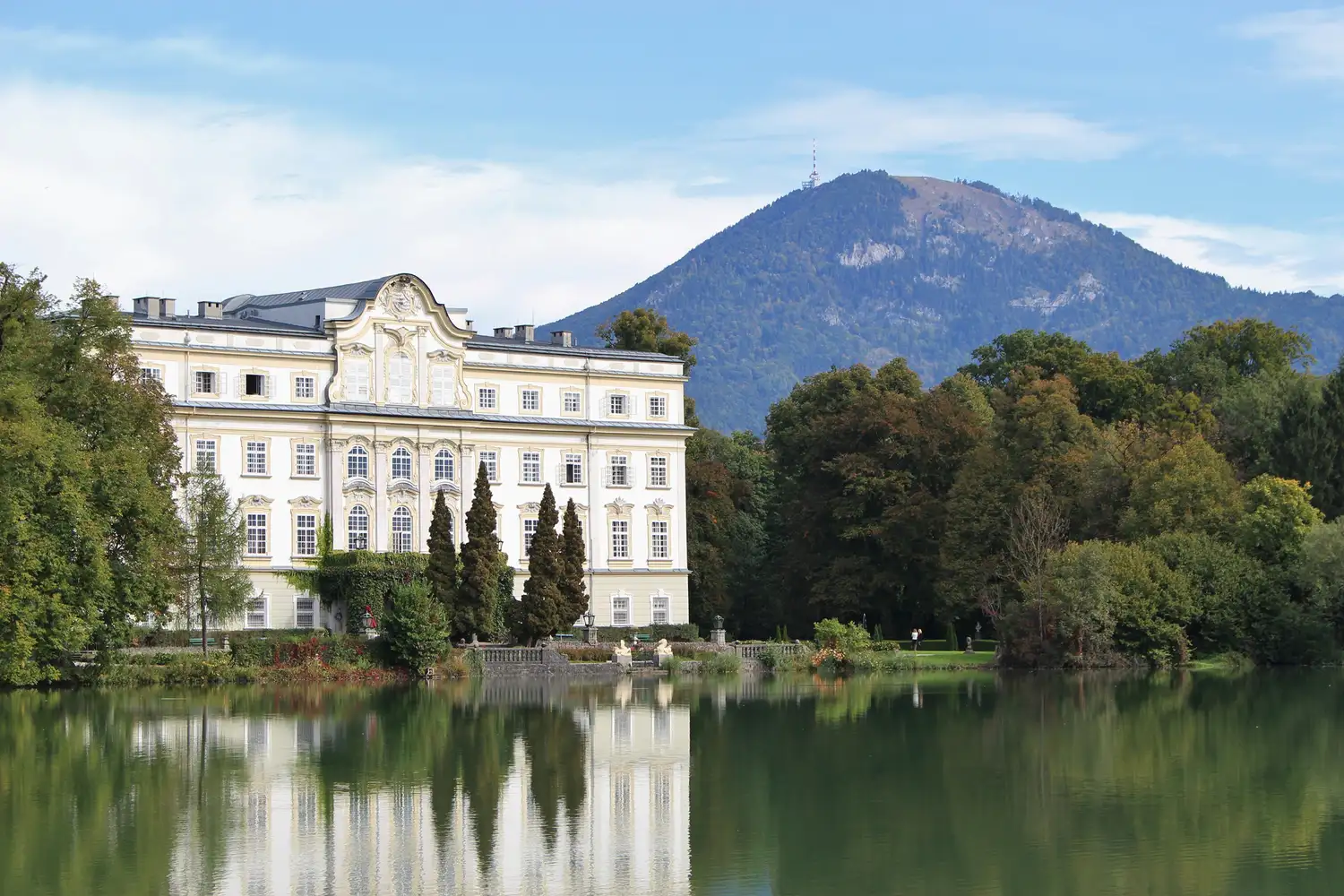
Perhaps no location captures the elegance of the Von Trapp lifestyle better than Schloss Leopoldskron. This Rococo palace, situated on a small, picturesque lake, served as the primary exterior for the Von Trapp family home. It is here that the famous boat-tipping scene was filmed, where Maria and the children tumble into the water to the Captain's dismay.
While the front of the "house" was actually another property (Schloss Frohnburg), the lakefront terrace and the ornate Venetian Room (replicated in a studio) are synonymous with Leopoldskron.
- The Panorama Connection: When filming began in 1964, the original crew used Panorama Tours for their transportation needs. Today, they remain the premier way to see these sites with historical weight and local expertise.
- Exclusive Access: Schloss Leopoldskron is now a private boutique hotel. While the public can view it from across the lake, only guests have access to the private grounds and the specific terrace where the Captain and Maria danced the Ländler.
Traveler’s Note: Staying at the Schloss Leopoldskron is the ultimate "Sound of Music" splurge. Breakfast is served in the Marble Hall, the same room that inspired the film’s ballroom scenes.
5. Hellbrunn Palace: The 'Sixteen Going on Seventeen' Gazebo
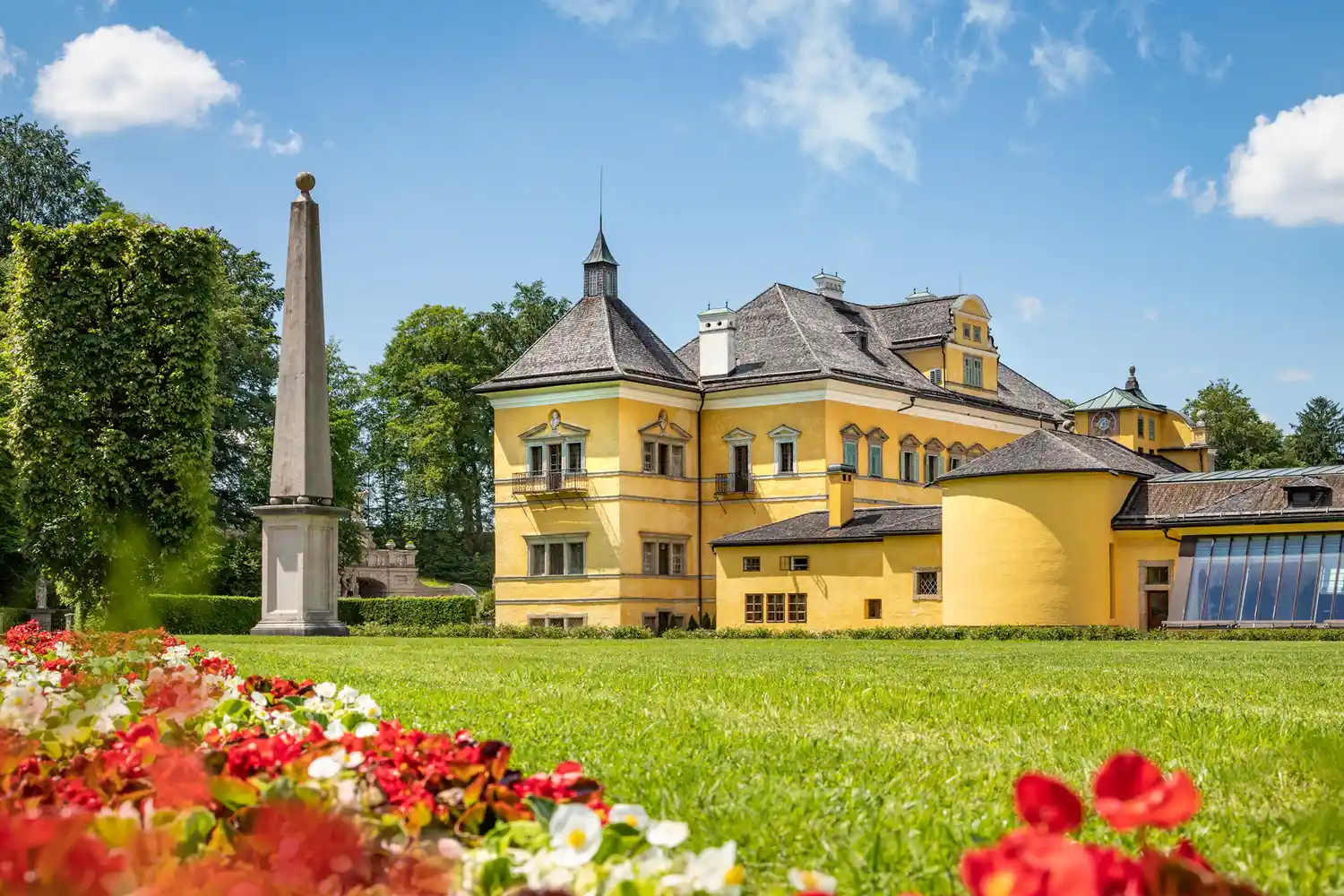
"A bell is no bell 'til you ring it..." Many travelers ask: Can you visit the original Sound of Music gazebo? The answer is a resounding yes. The iconic glass pavilion where Liesl and Rolfe sang "Sixteen Going on Seventeen" was originally located at Schloss Leopoldskron. However, due to the overwhelming number of fans trespassing on private property to see it, it was gifted to the city and relocated to the gardens of Hellbrunn Palace (Schloss Hellbrunn).
Hellbrunn is worth a visit in its own right, famous for its 17th-century "Trick Fountains" (Wasserspiele) commissioned by Prince-Archbishop Markus Sittikus. These hidden water jets were designed to soak unsuspecting guests—a bit of Renaissance humor that remains a delight today.
- The Gazebo Today: While you can no longer go inside the gazebo (after several fans attempted their own dance routines and unfortunately suffered injuries), it is beautifully maintained for public viewing and remains the city's most popular spot for marriage proposals.
6. Felsenreitschule: The Dramatic Escape
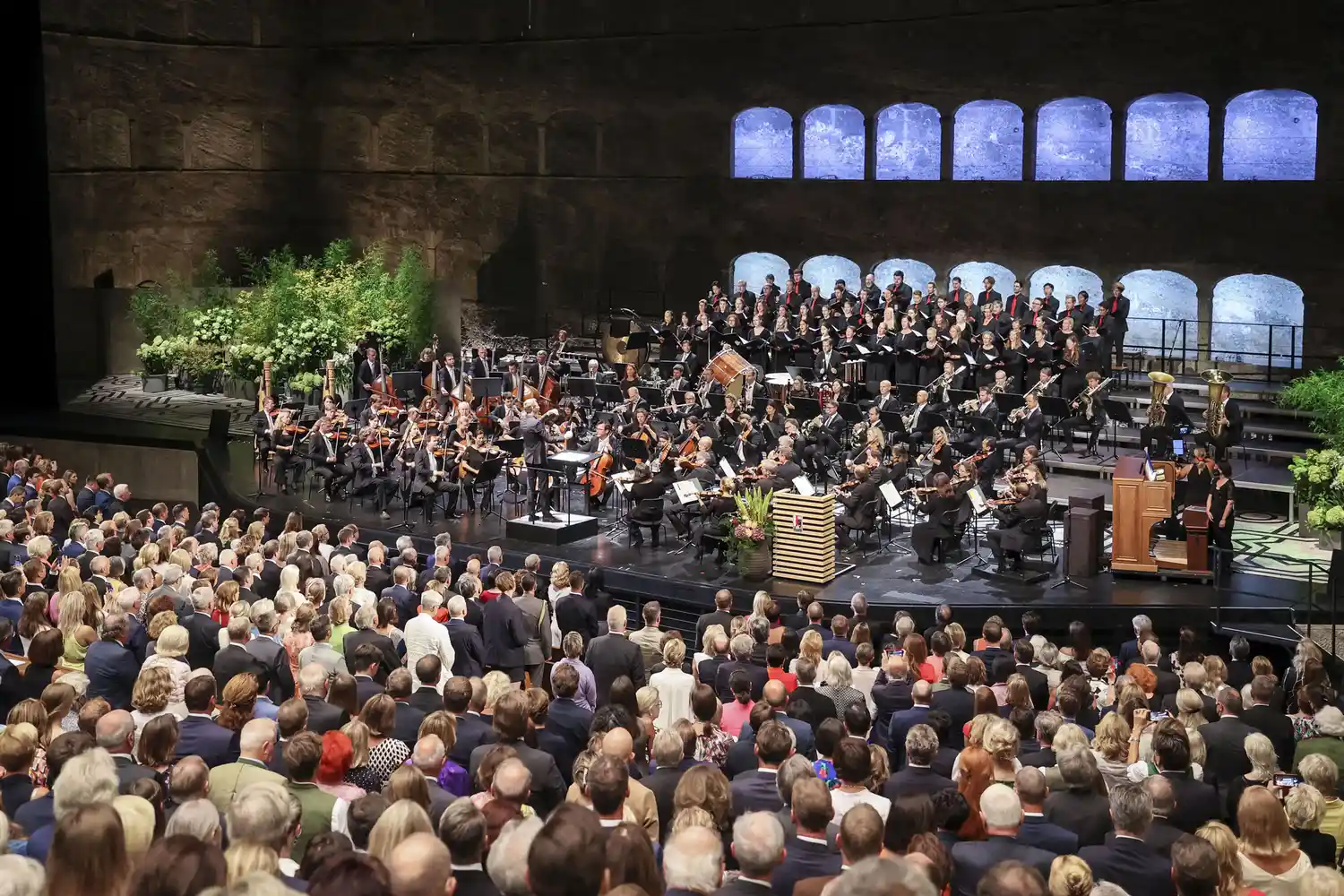
As the film moves toward its tense conclusion, the action shifts to the Felsenreitschule (Summer Riding School). This unique theater is carved directly into the Mönchsberg mountain and features 96 arches hewn from the rock.
In the film, this is the venue for the Salzburg Music Festival where the Von Trapp family performs their final "Edelweiss" and "So Long, Farewell" before making their dramatic escape from the Nazi authorities.
- Architectural Marvel: Built in 1693, it was originally used as a riding school for the Prince-Archbishops.
- Visiting: The Felsenreitschule is an active performance venue for the Salzburg Festival. To see the interior, we recommend booking a guided tour of the Festival Halls, which provides a deep dive into the engineering and history of the space.
7. Mondsee Basilica (St. Michael): The Wedding of the Century
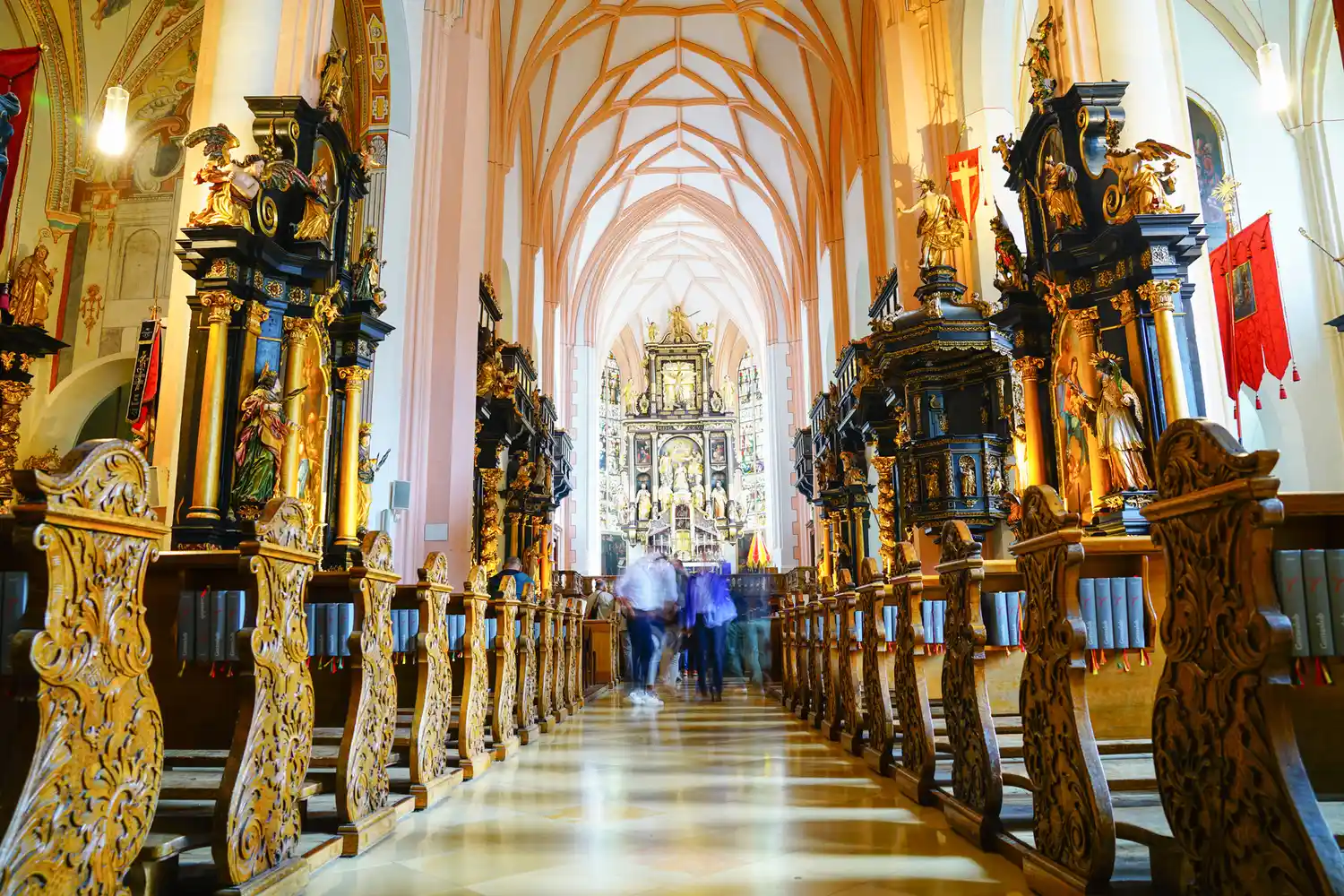
To witness the site of the "Wedding of the Century," we must travel about 19 miles northeast of Salzburg to the charming lakeside town of Mondsee. The Mondsee Basilica, also known as the Basilica of St. Michael, was the chosen location for the cinematic nuptials of Maria and Captain von Trapp.
The interior is a breathtaking example of Baroque architecture, featuring pink marble accents and a grand altar. Its fame is so widespread that the basilica remains one of the busiest wedding venues in Austria, hosting as many as 8 wedding ceremonies per day during the peak summer season.
Which church was used for the wedding in The Sound of Music? While the real Maria and Georg were married at Nonnberg Abbey, the filmmakers chose the Mondsee Basilica for its grander scale and better lighting conditions.
Planning Your Visit: Tours and Logistics
Navigating these sites can be a delightful adventure, but it requires a bit of planning. Salzburg is a walkable city, but some locations (like Mondsee and Hellbrunn) require transport.
- The Tour Experience: For those short on time, the "Original Sound of Music Tour" bus is the gold standard. It’s a 4-hour immersive experience complete with sing-alongs. Alternatively, for a more active afternoon, consider a "Fraulein Maria's Bicycle Tour," which allows us to pedal through the streets just like the children.
- Where to Stay: If you want to walk in the footsteps of the cast, the Hotel Sacher and the Bristol Hotel are where Julie Andrews and Christopher Plummer stayed during filming. These hotels offer old-world European luxury and views of the Salzach River.
- Best Time to Visit: May and June offer the most vibrant garden blooms, mirroring the lush greenery seen in the film. September provides a crisp, golden autumn light that makes the alpine scenery particularly dramatic.
FAQs
Can you visit the original hills where the opening scene was filmed? The famous opening shot where Maria spins on a meadow was filmed on the Mehlweg mountain near Marktschellenberg, just across the border in Germany (about 15 minutes from Salzburg). It is a private meadow, but there are hiking trails nearby that offer similar, breathtaking alpine views.
Is it possible to go inside the Von Trapp villa? Schloss Leopoldskron (the back) and Schloss Frohnburg (the front) are both accessible to the public from the outside. However, Schloss Frohnburg is currently the Mozarteum University’s music academy, and Schloss Leopoldskron is a private hotel. Tours of the interiors are generally not available unless you are a guest or student.
How long do I need to see all the locations? We recommend at least two full days. One day can be dedicated to the city center sites (Mirabell, Nonnberg, Residenzplatz), and a second day can be used for the outlying areas like Hellbrunn Palace and the trip to Mondsee.
Whether you are a lifelong fan or a newcomer to the story, Salzburg offers a rare opportunity to see Hollywood history preserved in stone and soil. As you stand in the Mirabell Gardens or look out over the lake at Leopoldskron, you’ll realize that while the actors have moved on, the hills—and the city—remain very much alive.