I used to be the traveler who hauled an 80-liter backpack across Europe, only to realize by day four that I was wearing the same three shirts while my back screamed in protest. The "just in case" packing mentality is a trap that leads to expensive checked bag fees and the logistical nightmare of dragging a trunk over cobblestone streets.
The good news? You don't have to sacrifice style or hygiene to travel for two weeks in a single bag. The bad news? It requires a shift from "packing clothes" to "building a system." To fit 14 days of travel in a carry-on, you must master the 'one-bag' strategy: using compression packing cubes to reduce volume by 35%, curating a 12-item neutral capsule wardrobe, and utilizing the "hidden storage" pillow trick to bypass airline weight limits. By wearing your bulkiest items—like boots and jackets—during transit, you free up the internal real estate needed for a full two-week itinerary.
Here are 11 expert hacks to transform how you pack for 2026 and beyond.
1. Upgrade to a 'Bigger' Carry-On
The foundation of minimalist travel isn't just about what you put inside; it’s about the vessel itself. Most US domestic and many international carriers allow bags up to 22 x 14 x 9 inches. If you are still using a generic suitcase from a decade ago, you are likely losing precious cubic inches to thick plastic walls and inefficient wheel designs.
I recommend the Away Bigger Carry-on or the TravelPro Platinum Elite. These bags are engineered to maximize the specific dimensions of overhead bins. Look for features like 360-degree spherical wheels, which allow you to glide through narrow airplane aisles, and internal compression systems that act as a secondary "clamp" on your gear.
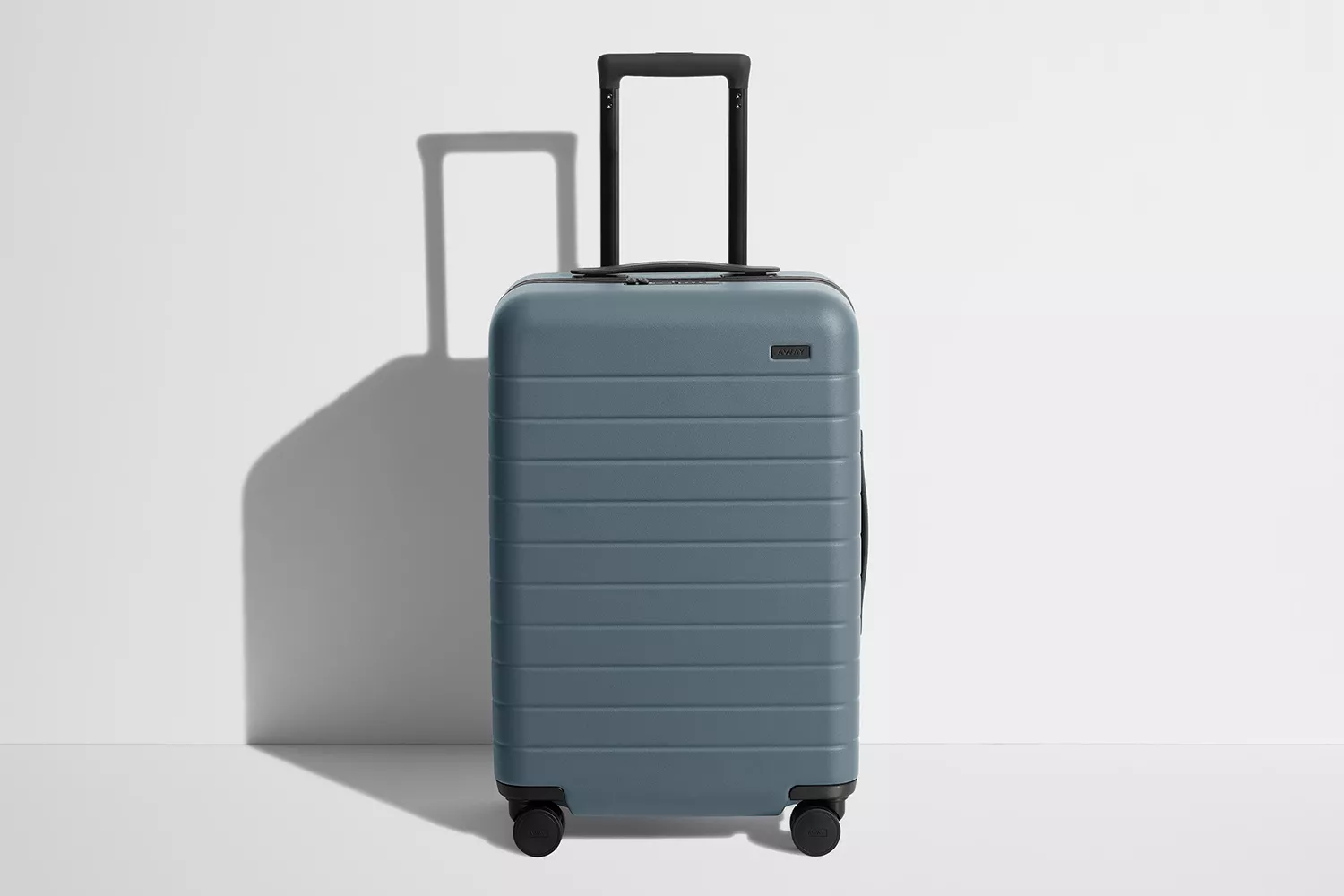
Pro-Tip: Check your airline’s specific baggage gauge before you head to the gate. While the "Bigger Carry-On" fits most major carriers, some budget European airlines like Ryanair have stricter 55 x 40 x 20 cm limits.
2. Weaponize Compression Packing Cubes
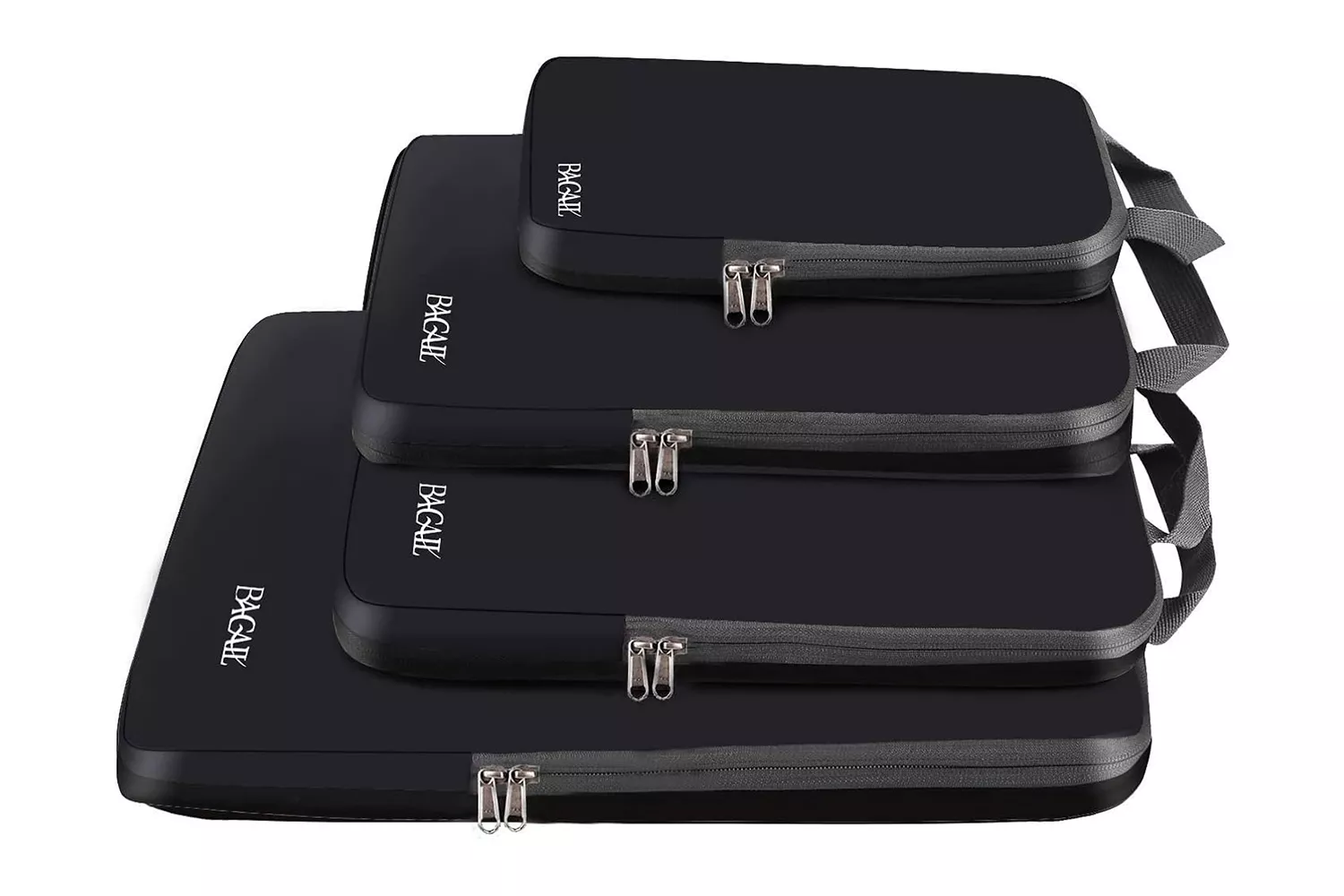
If you are still folding your clothes and placing them directly into your suitcase, you are essentially packing air. Field testing by professional packers demonstrates that using compression cubes instead of traditional folding can increase total luggage capacity by up to 35%.
I use the Bagail or Tripped Compression Cubes. These differ from standard cubes because they feature a second "compression" zipper that forced out excess air. I call this the "SIT-AND-ZIP Tactic": fill the cube to 110% capacity, sit on it to flatten the contents, and then pull the compression zipper.
| Packing Method | Efficiency Gain | Best For |
|---|---|---|
| Traditional Folding | 0% (Baseline) | Short weekend trips |
| Military Rolling | +15% | T-shirts and soft fabrics |
| Compression Cubes | +35% | 14-day international itineraries |
3. The 'Hidden Storage' Pillow Trick
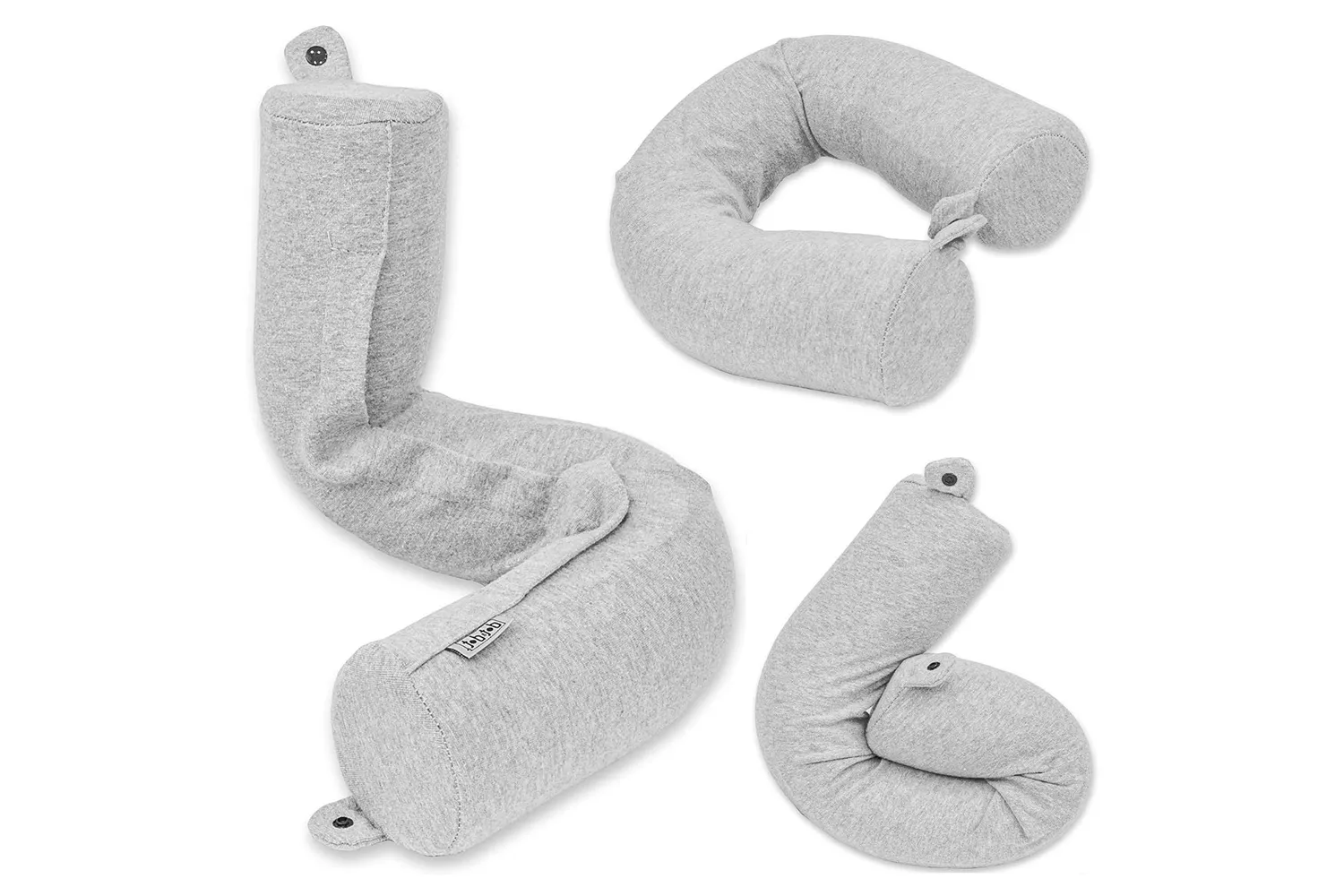
This is the "genius" hack that feels like a cheat code. Airlines almost never count a neck pillow as a personal item or a carry-on bag. By using a "stuffable" memory foam neck pillow cover (like the one from Dot & Dot), you can remove the foam and replace it with approximately 3-5 days' worth of soft garments like t-shirts, socks, or even a light hoodie.
This creates a 12th garment bag that you wear around your neck. Not only does it provide better support than cheap foam, but it also allows you to carry extra clothing without it counting against your luggage limit or taking up space in your main bag.
4. The 'Wear Your Bulk' Transit Uniform
The conundrum: You need a heavy coat for London but you’re starting your trip in sunny Lisbon. My solution is the Transit Uniform. Never pack your heaviest shoes or your bulkiest jacket.
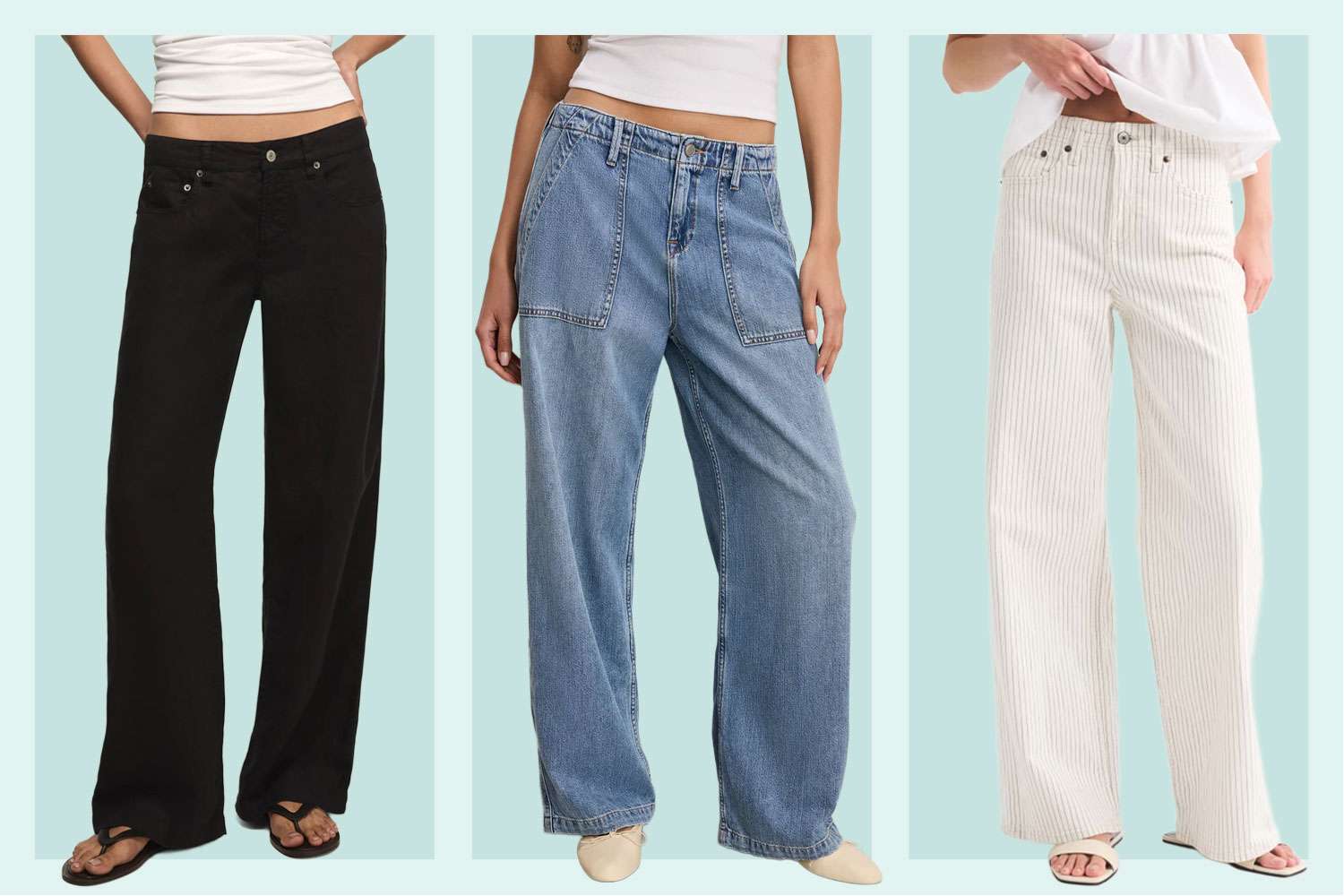
Wear your Blundstone boots, your heaviest Everlane denim, and your warmest trench coat onto the plane. I’ve been known to board a flight looking like an Arctic explorer even in mid-July. Once you’re in your seat, you can tuck the jacket into the overhead bin or use it as a blanket. This single move can save you nearly 20% of your total suitcase volume.
5. The 12-Item Neutral Capsule Wardrobe
To survive 14 days, you need items that all talk to each other. This is the "Rule of Three": one to wear, one to wash, and one to dry. For a two-week trip, a 12-item wardrobe (excluding undergarments) is the sweet spot.
Focus on a neutral palette—navy, black, white, and olive. A typical list includes:
- 3 Bottoms (1 pair of dark denim, 1 pair of chinos, 1 pair of tech shorts)
- 5 Tops (2 white button-downs from Hotouch, 3 high-quality pima cotton tees)
- 2 Outer layers (1 lightweight blazer, 1 rain shell)
- 2 Pairs of shoes (1 worn, 1 packed)
By ensuring every top matches every bottom, you create over 30 unique outfit combinations from just 12 items.
6. Modular Toiletry Capsules
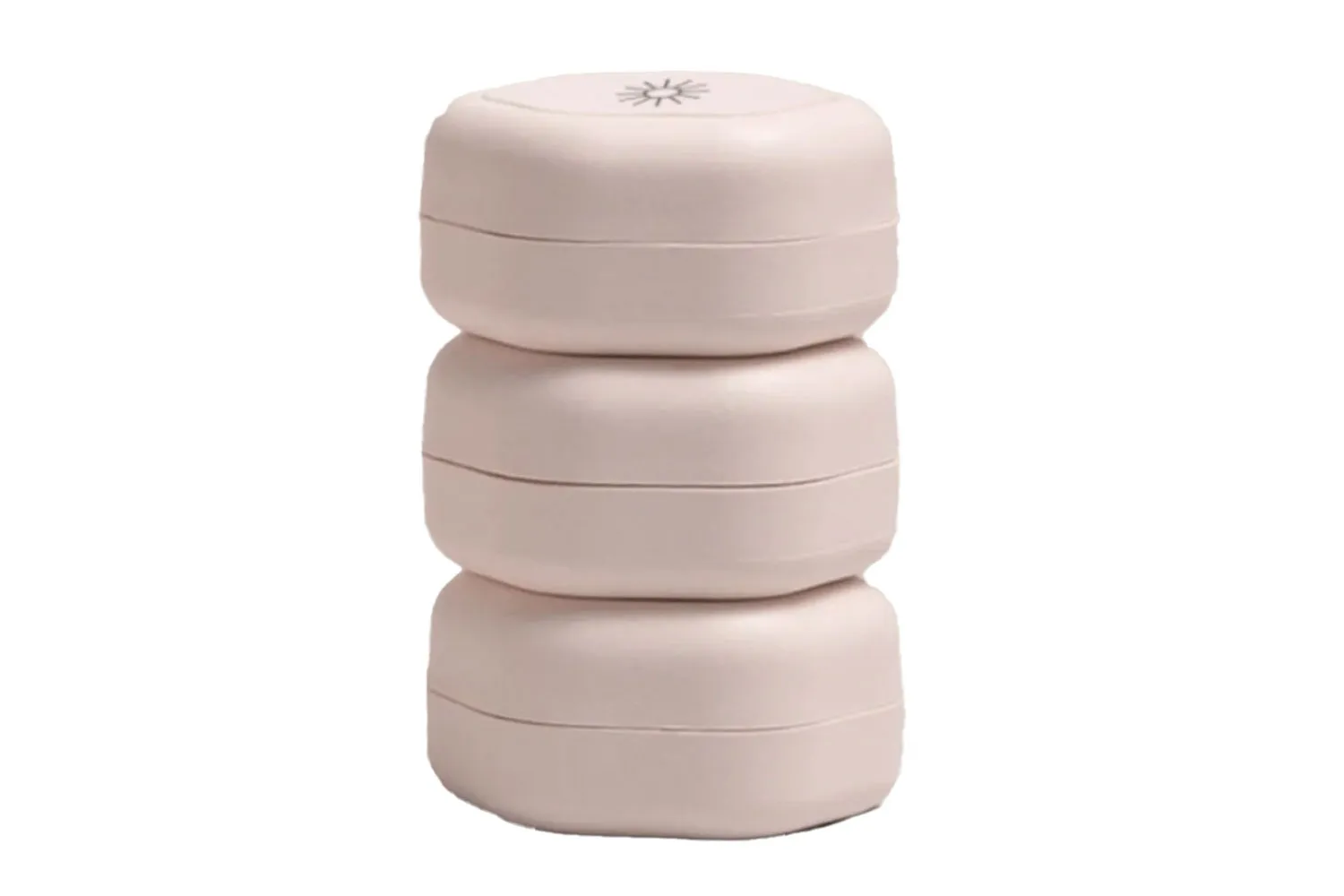
Standard travel bottles are often awkward shapes that create "dead space" in your toiletry kit. I’ve transitioned entirely to Cadence Capsules. These are magnetic, hexagonal containers that snap together into a honeycomb shape, fitting perfectly into the corners of your bag.
These capsules are TSA-approved (under 3.4 oz) and remarkably durable. To further save space, I swap liquids for solids whenever possible. A shampoo bar or solid cologne takes up half the space of their liquid counterparts and eliminates the risk of a "shampoo explosion" inside your bag.
7. USB-C Standardization & Tech Consolidation
The "cable monster" is the enemy of the organized carry-on. Data analysis of 2026 travel trends shows that adopting USB-C standardized tech and modular cable organizers saves an average of 12% of usable space in personal item bags.
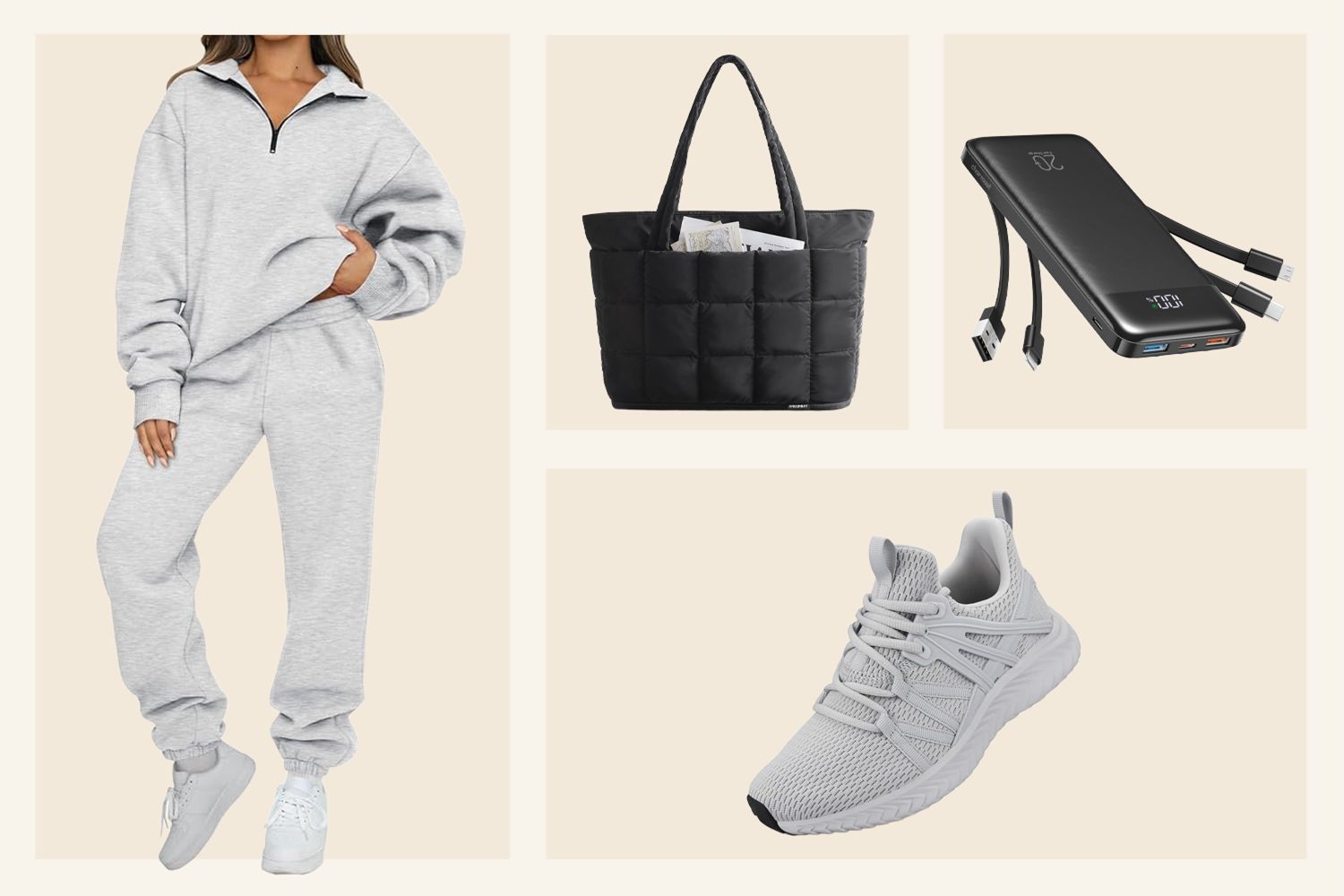
I’ve moved to a single-charger ecosystem. Using a GaN (Gallium Nitride) charger like the Anker 523, I can charge my MacBook, iPhone, and Kindle simultaneously from one tiny block. This eliminates the need for three separate "bricks," and by using a single universal USB-C cable with a few magnetic tips, I reduce my tech pouch weight by nearly a pound.
8. Multi-Purpose Footwear: The Day-to-Dinner Rule
Shoes are the primary reason people fail the carry-on challenge. They are heavy, dirty, and refuse to compress. My rule is simple: you are allowed two pairs total.
- The "Worn" Pair: A versatile, dark-colored sneaker or a clean leather boot (like Lems Primal Zen) that can handle 20,000 steps but still looks intentional at a museum.
- The "Packed" Pair: Something that lays flat. Think Jack Rogers flats or high-quality cork sandals. These should be able to dress up for a nice dinner but take up no more room than a thick Sunday newspaper.
9. Maximize the 'Personal Item' Bag
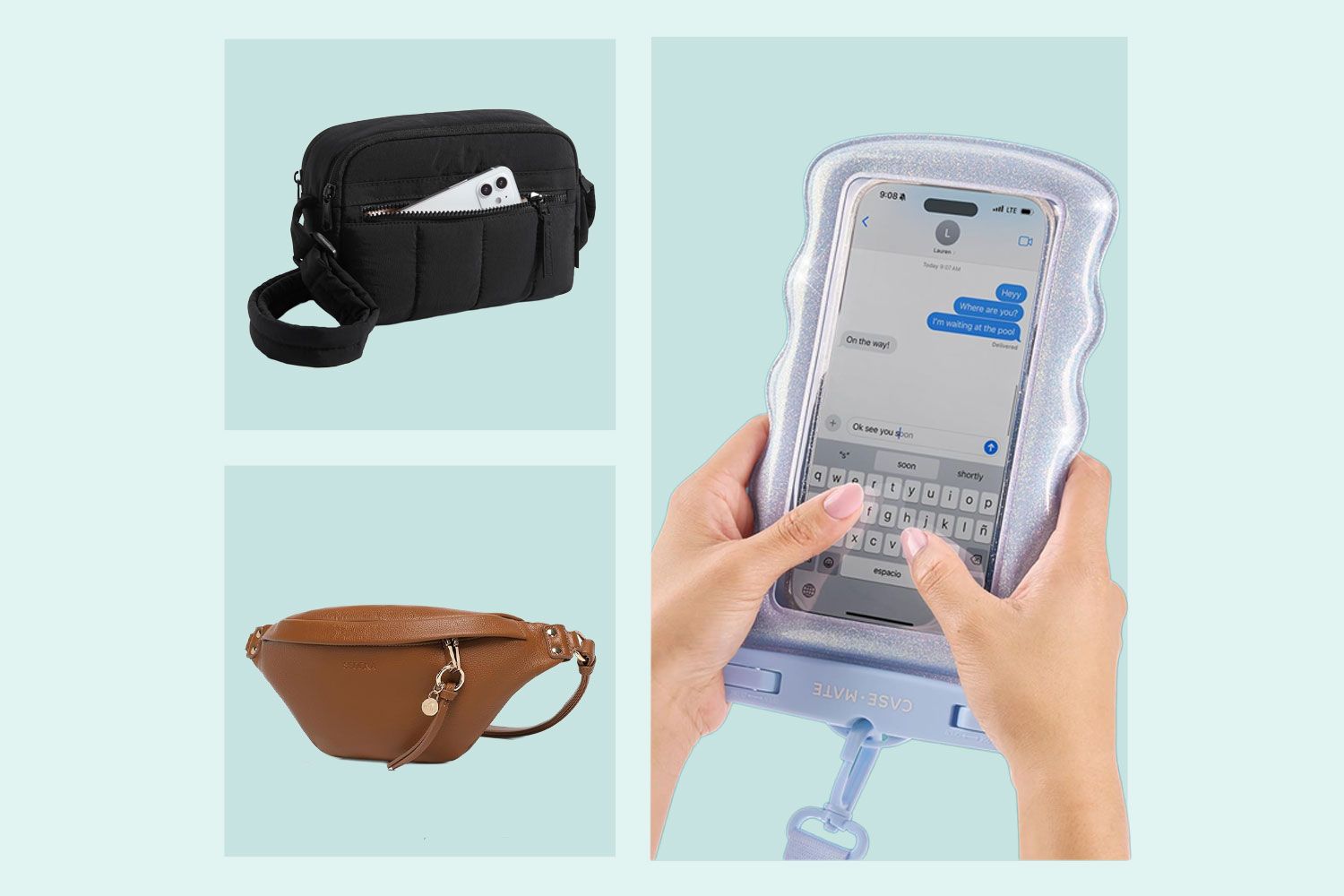
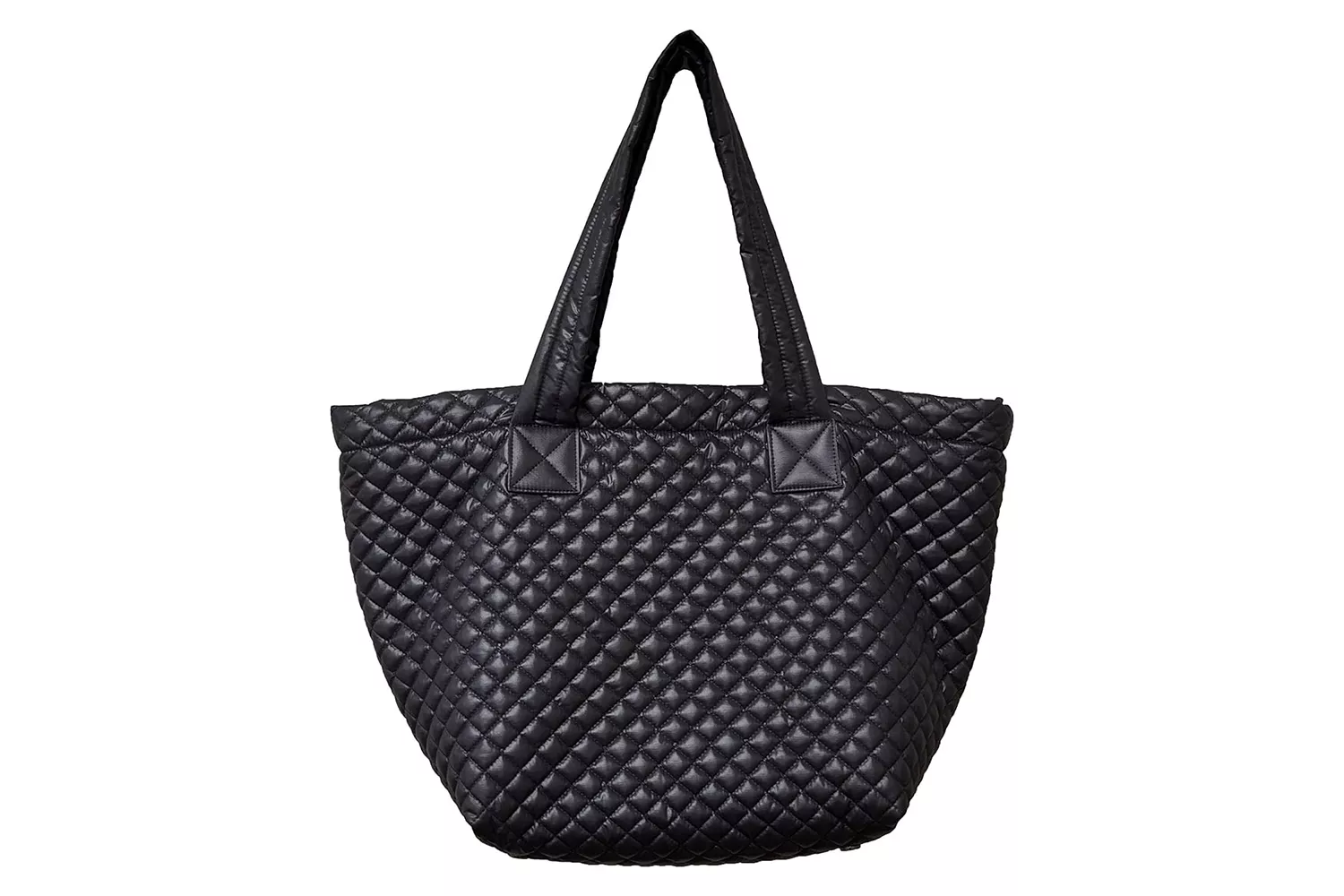
Your carry-on goes in the bin; your personal item stays under the seat. Don't waste this space on a small purse. Use a high-capacity quilted tote or a 25L daypack like the Zpacks Bagger.
The secret here is strategic loading. Place your "heavy tech"—laptops, tablets, and power banks—in this bag. Not only does this make security checks faster, but it also shifts the densest weight to the bag that is rarely weighed by airline staff. A quilted tote with a luggage sleeve is a lifesaver for navigating terminals hands-free.
10. The One-Piece Swimsuit Layering Secret
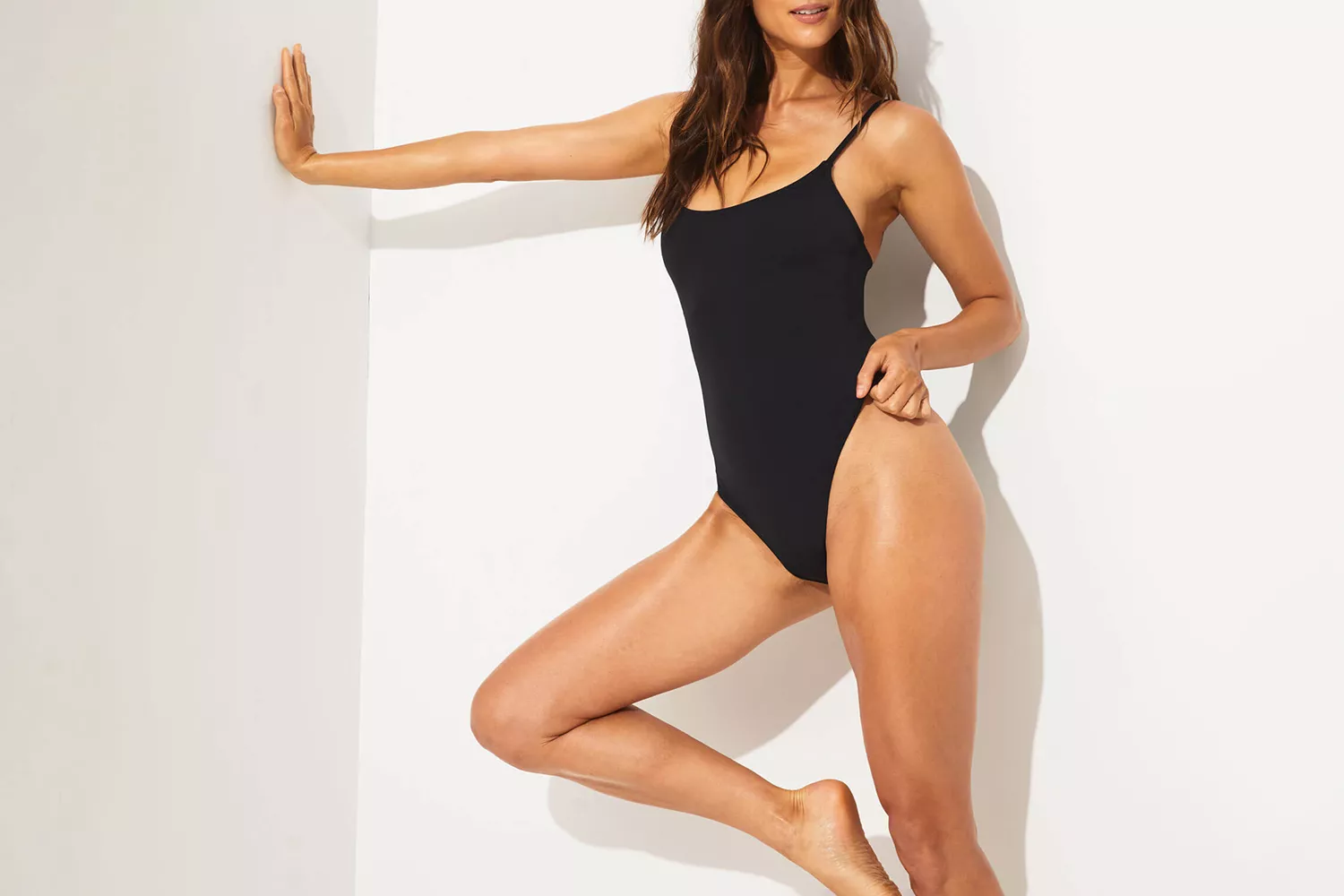
For travelers heading to warm climates, every garment must serve at least two purposes. A high-quality one-piece swimsuit, such as The Amalfi from Andie, is a secret weapon.
During the day, it's your swimwear. In the evening, pair it with a linen skirt or wide-leg trousers, and it functions as a chic, streamlined bodysuit. This "hidden utility" allows you to cut one or two evening tops from your list, further reducing your garment count without sacrificing your look.
11. Tech Pouch & Cable Management
Nothing derails a smooth security screening like a tangled mess of wires. I use a dedicated tech organizer from Moment or Tripped. These pouches use mesh pockets to provide instant visibility.
Instead of stuffing cables into the side pockets of your bag, keep them coiled and secured in a pouch that sits at the very top of your personal item. This "first-in, first-out" strategy ensures that you aren't digging through your bag mid-flight or at the TSA checkpoint, keeping your stress levels as low as your luggage weight.
FAQ
How do I handle laundry for a 14-day trip? You don't pack 14 days of clean clothes; you pack 7 days and wash them. Many boutique hotels offer overnight laundry services, but I prefer the "sink-wash" method for basics. A small bottle of concentrated soap and a braided travel clothesline allow you to wash socks and underwear in 10 minutes. By the time you wake up, they’re dry and ready to go.
What if the airline forces me to gate-check my bag? This happens, especially on full flights. This is why your personal item (the tote or daypack) should contain your "essentials": medications, tech, and one change of clothes. If your main carry-on is checked, you still have the items you can’t live without.
Are compression cubes really better than rolling? Yes. While "military rolling" is great for preventing wrinkles, it doesn't actually remove the air trapped within the fibers of the fabric. Compression cubes use mechanical force to squeeze that air out, which is how you achieve that 35% capacity increase.
The art of the intentional carry-on isn't about deprivation—it's about the freedom that comes with mobility. When you can hop off a train in Rome and walk directly to your hotel without waiting at a luggage carousel or fighting a 50-pound suitcase, you'll realize that the best souvenir you can bring home is the knowledge that you didn't actually need all that "stuff" in the first place.