Quick Facts
- Total Distance: Approximately 1,200 miles.
- Ideal Duration: 10 days to balance driving with exploration.
- Recommended Vehicle: A Class B camper van (it drives like a minivan but sleeps like a cabin).
- Best Time to Go: Late spring (May/June) or early fall (September/October) to avoid the desert’s peak summer heat.
- The Big Highlights: 8 National Parks/Monuments including Rocky Mountain, Arches, Canyonlands, and Mesa Verde.
The dream of the open road is a powerful one for parents. We imagine our children gazing out the window at soaring peaks, evenings spent roasting marshmallows under a canopy of stars, and the simplified joy of living in a "log cabin on wheels." Then, reality sets in: a toddler’s mid-hike meltdown in 100-degree heat, the logistical puzzle of where to dump the grey water, and the constant battle against the "I’m bored" chorus from the backseat.
But here’s the secret we discovered between Denver and Moab: with the right route and a flexible mindset, a 10-day Colorado and Utah family road trip isn't just doable—it’s transformative. By choosing a camper van over a traditional RV or a car-and-hotel combo, you gain a mobile basecamp that allows you to cook lunch at a trailhead and nap in a real bed while waiting for the crowds to thin. This itinerary is designed to hit the "Big 8" parks while keeping drive times manageable and sanity levels high.
The Bottom Line: Trip Cost & Logistics
Budgeting for a family of four requires looking at the big picture. While the upfront cost of a camper van rental can seem steep, remember that it combines your transportation and lodging costs into one tidy package. On average, a 10-day family road trip covering this loop costs about $400 per day.
| Expense Category | Estimated Cost (Family of 4) | Details |
|---|---|---|
| Flights | ~$1,000 | Roundtrip to Denver (DEN) |
| Van Rental & Campgrounds | ~$2,600 | 10 days of rental + nightly fees |
| Gas & Food | ~$400 | Groceries, occasional dining, and fuel |
| Total Estimated Cost | ~$4,000 | ~$400 per day |
Browse Family-Friendly Camper Vans →
Why a Camper Van? (And What to Rent)
When we first planned our loop, we debated between a massive 30-foot RV and a traditional tent. The RV felt too intimidating for the narrow, winding mountain passes of Colorado, and the thought of pitching a tent with two tired kids every night made me want to cancel the trip entirely.
We settled on a "Cabin Camper" (Class B). It provided the luxury of a real bed—essential for pregnant travelers or parents of toddlers who need a consistent sleep environment—while still being small enough to park in a standard grocery store lot. Having a fridge stocked with cold yogurt pouches and a stove to whip up "emergency" mac-and-cheese at 4:00 PM changed the game for us.
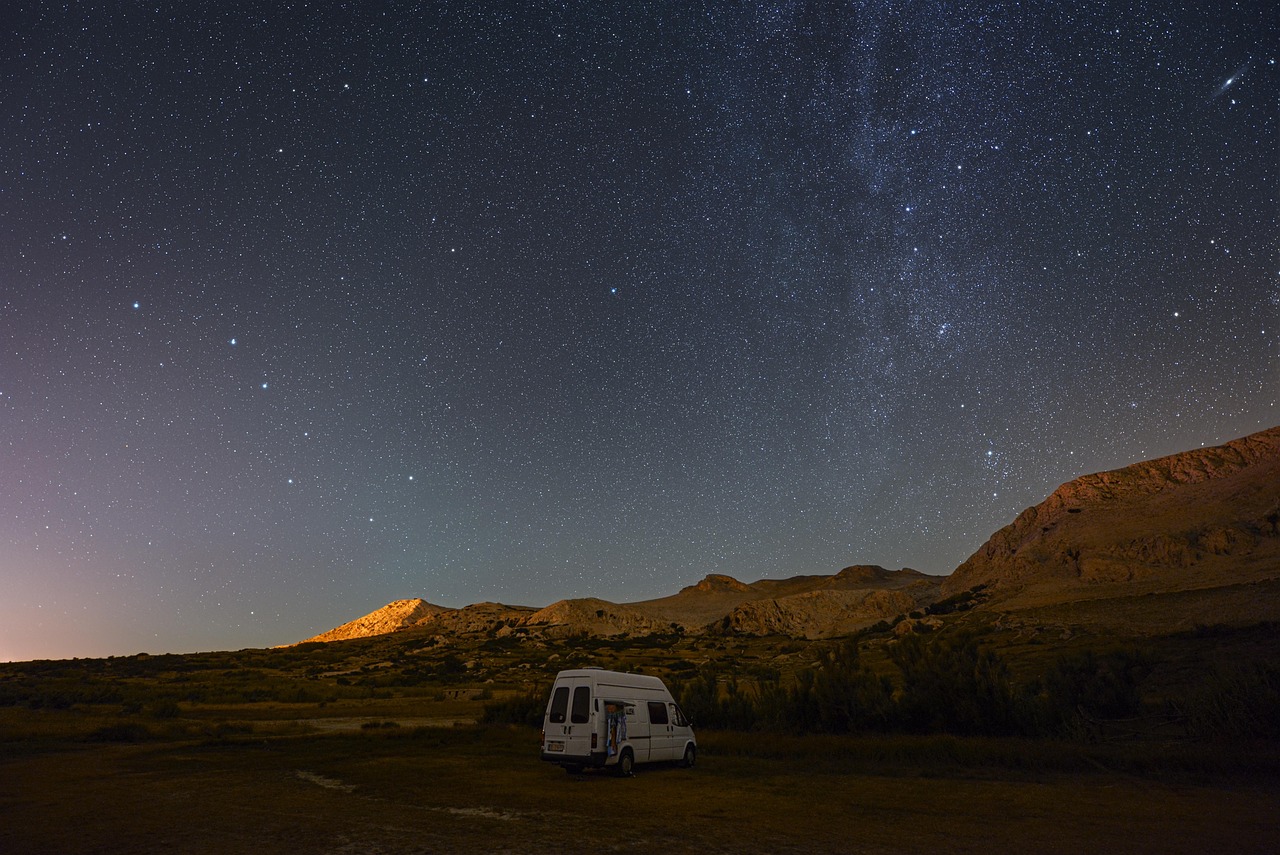
Day 1: Denver Arrival & The Great Provisions Run
The first day is all about logistics. Once you land at DIA and pick up your van, your priority isn't the scenery—it’s the pantry. We spent our first two hours at a local grocery store, stocking up on "easy wins" like pre-cut fruit, rotisserie chickens, and enough snacks to power a small army.
From Denver, it’s a quick two-hour drive to Estes Park, the gateway to the Rockies. The elevation change can be tough on little ears, so keep the water bottles full and the pace slow.
Pro-Tip: Don't forget to buy a National Parks "America the Beautiful" Pass ($80). It pays for itself by the third park on this loop and saves you precious time at entry kiosks.
Day 2: Rocky Mountain National Park
Rocky Mountain National Park (RMNP) is where the "mountain magic" begins. To truly see the park without the stress of circling for parking, you need to be an early bird. The park uses a timed entry system, but if you enter before 5:00 AM, you can skip the reservation and catch a sunrise that will make your kids stop talking for at least five minutes.
We recommend driving Trail Ridge Road, the highest paved road in the U.S. It’s a sensory-rich experience where you transition from lush forests to alpine tundra.
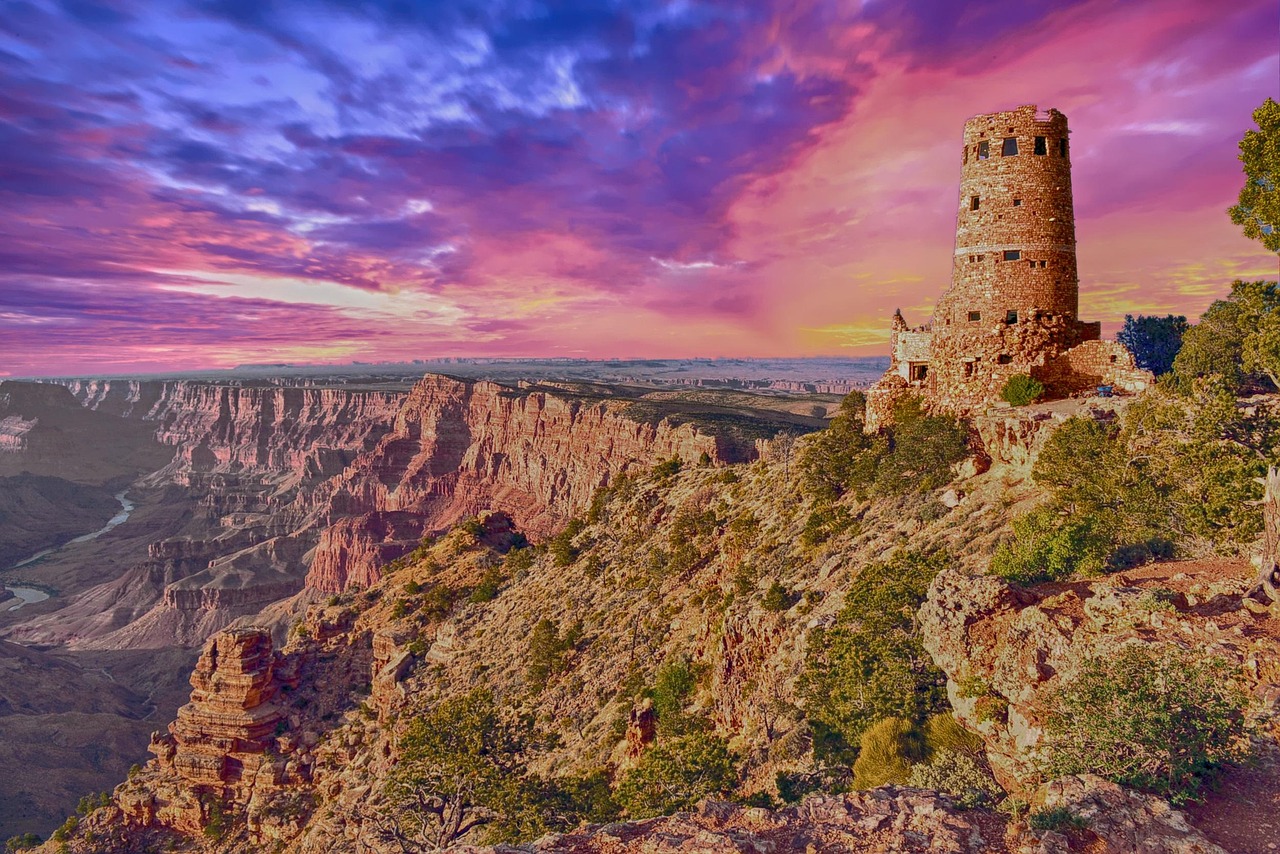
Logistics Sidebar: Day 2
- Distance: 30 miles (winding mountain roads).
- Drive Time: 2-3 hours (with stops).
- Recommended Campground: Moraine Park Campground (Book 6 months in advance).
Day 3: Steamboat Springs to Dinosaur National Monument
Leaving the high peaks behind, you’ll head west toward the high desert. Steamboat Springs makes for a perfect lunch stop—the kids can stretch their legs by the river while you grab a coffee.
By late afternoon, you’ll reach Dinosaur National Monument. This is often the unsung hero of the trip. The Fossil Quarry, where over 1,500 dinosaur bones are still embedded in the cliff face, is a massive hit for kids. It brings ancient history to life in a way no textbook ever could.
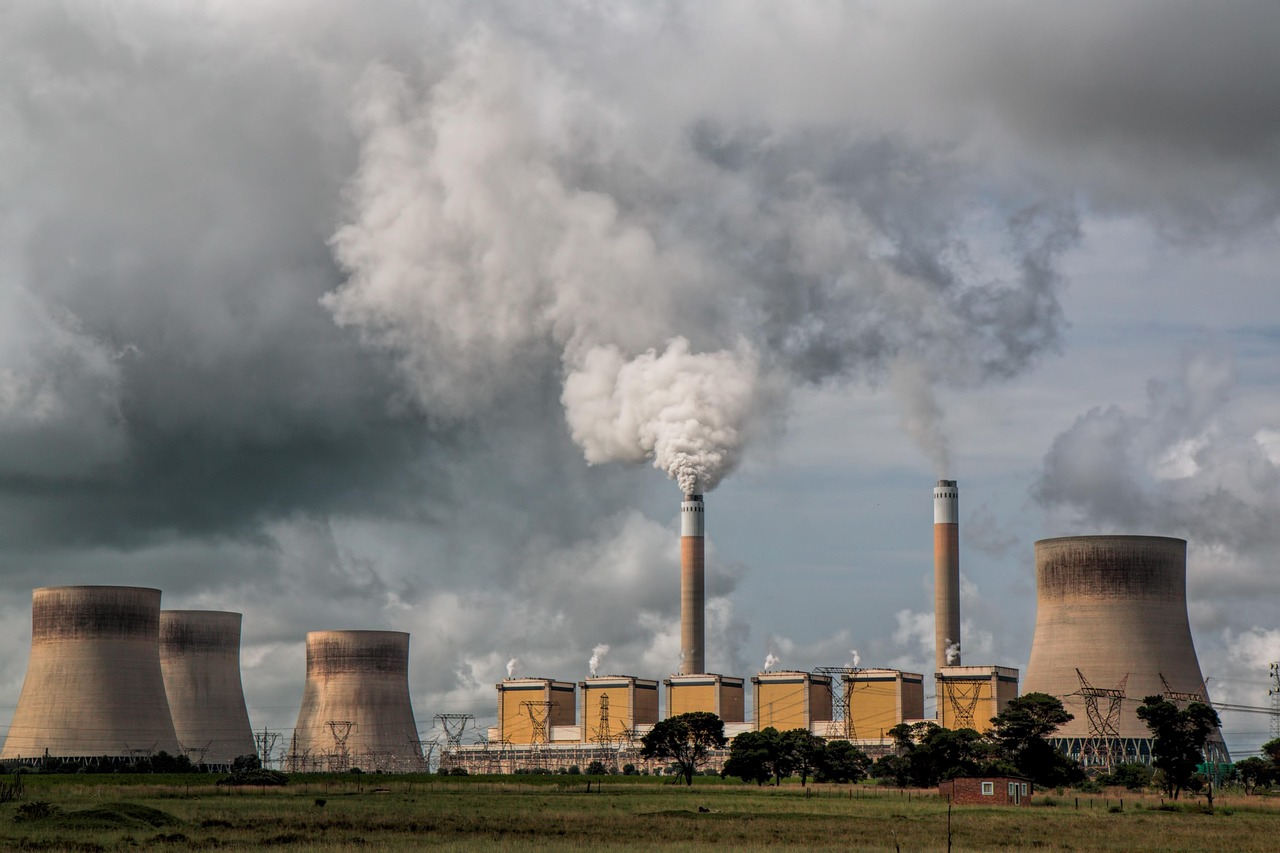
Day 4-5: Moab's Red Rock Wonders (Arches & Canyonlands)
The transition from Colorado’s green pines to Utah’s Mars-like desert-scapes is one of the most iconic pivots of the trip. Moab is your playground for the next two days.
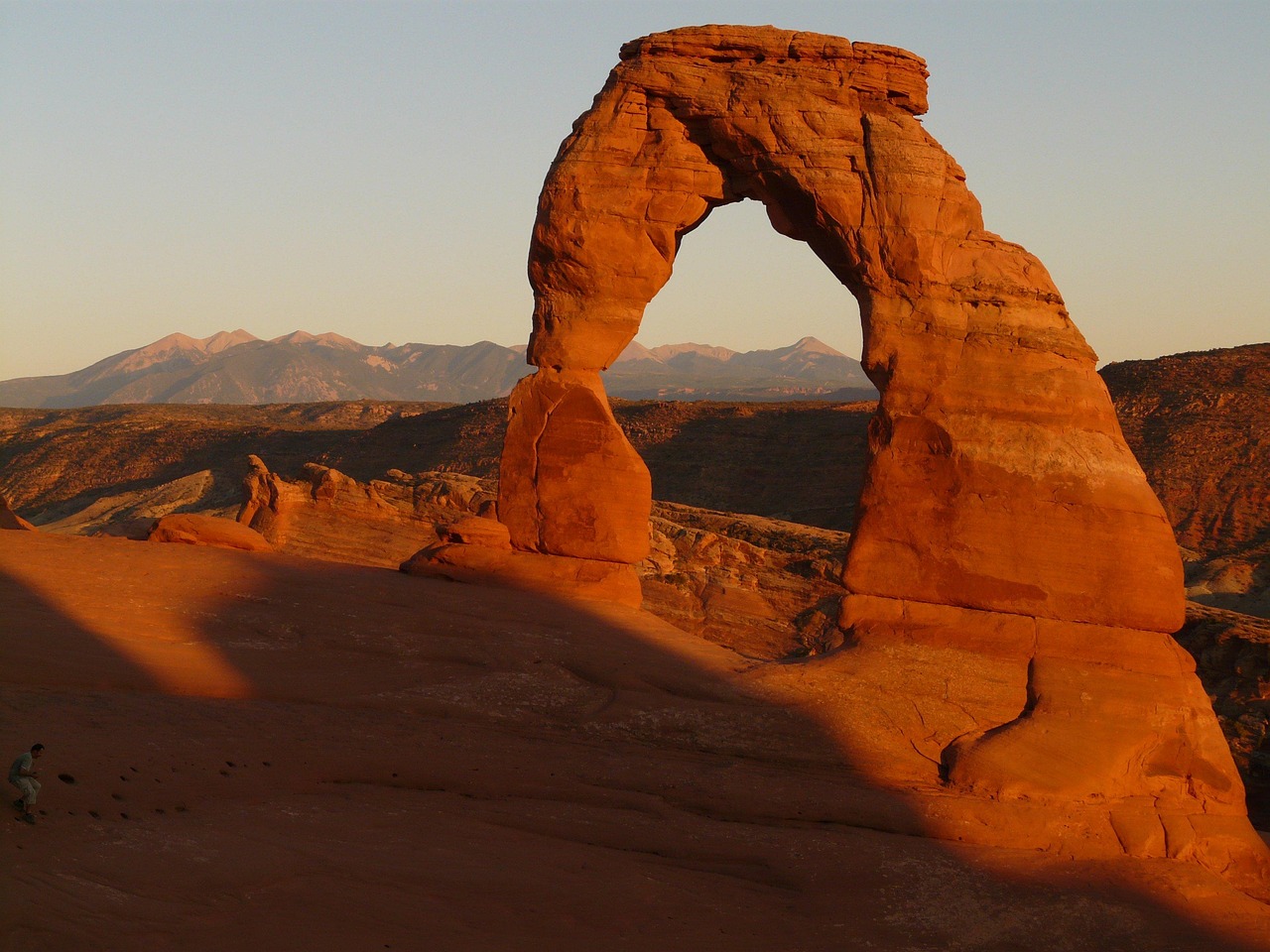
- Arches National Park: Plan your Delicate Arch hike for sunrise. It’s a 3.2-mile round trip that can be taxing for little legs, so bring a kid-carrying backpack. The sight of the sun hitting the orange stone is worth the 4:00 AM wake-up call.
- Canyonlands National Park: Visit the Island in the Sky district. Mesa Arch is the most famous photo spot, but for kids, the "Whale Rock" scramble is the real winner—it’s basically a giant rock playground.
Pro-Tip: Desert heat is no joke. We found that staying at a KOA in Moab for one night was a great "reset." It gave us access to a swimming pool and laundry facilities to wash the red dust out of everything we owned.
Logistics Sidebar: Days 4-5
- Distance: 200 miles from Dinosaur NM.
- Drive Time: 3.5 hours.
- Recommended Campground: Canyonlands RV Resort (for the pool!) or Devil’s Garden (for the views).
Day 6: Mesa Verde National Park
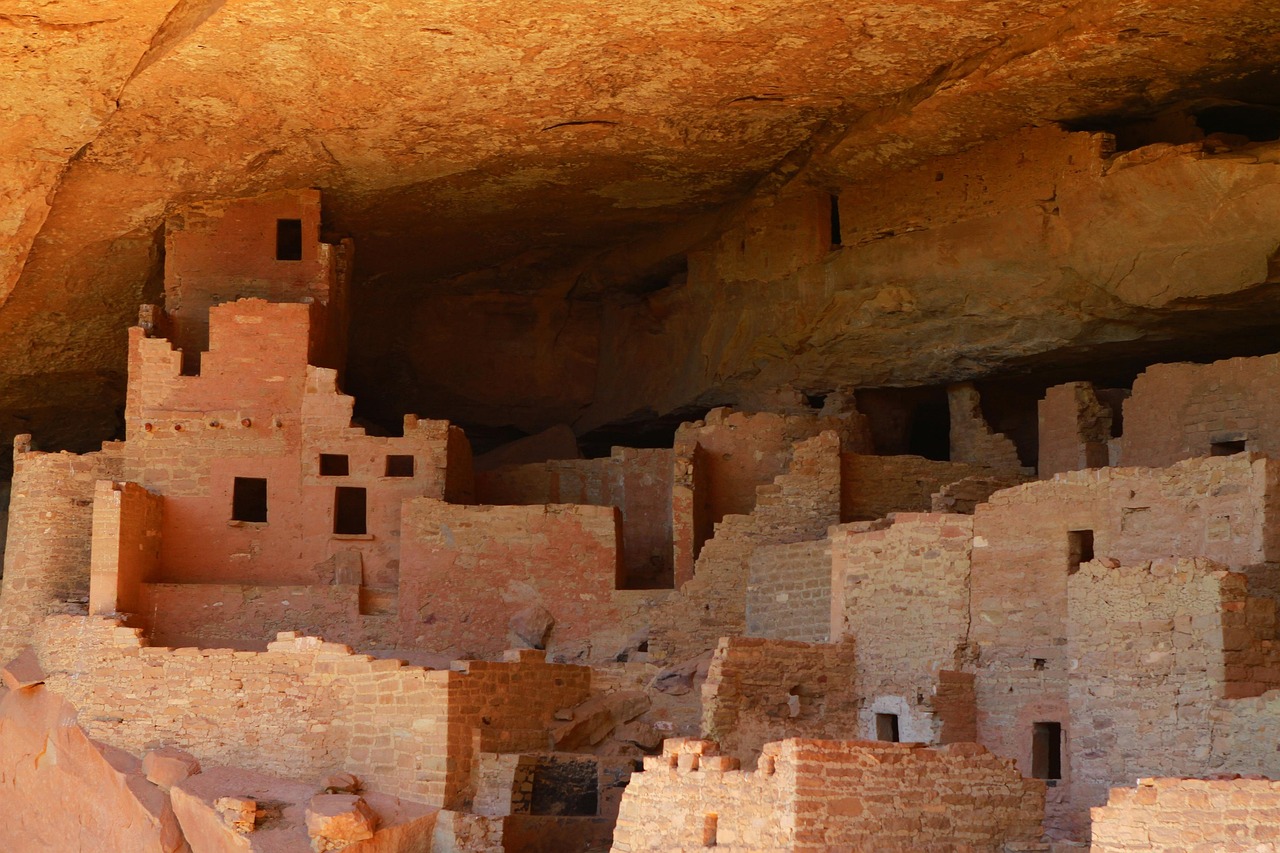
Heading south into Colorado again, you’ll find Mesa Verde. This park is a cultural powerhouse, featuring Ancestral Puebloan cliff dwellings built into the canyon walls. It’s a bit of a climb to get to the sites, so advance booking for Ranger-led tours is mandatory. Standing inside a 700-year-old home gives kids a tangible sense of "long ago" that they just can't get anywhere else.
Day 7: Black Canyon of the Gunnison
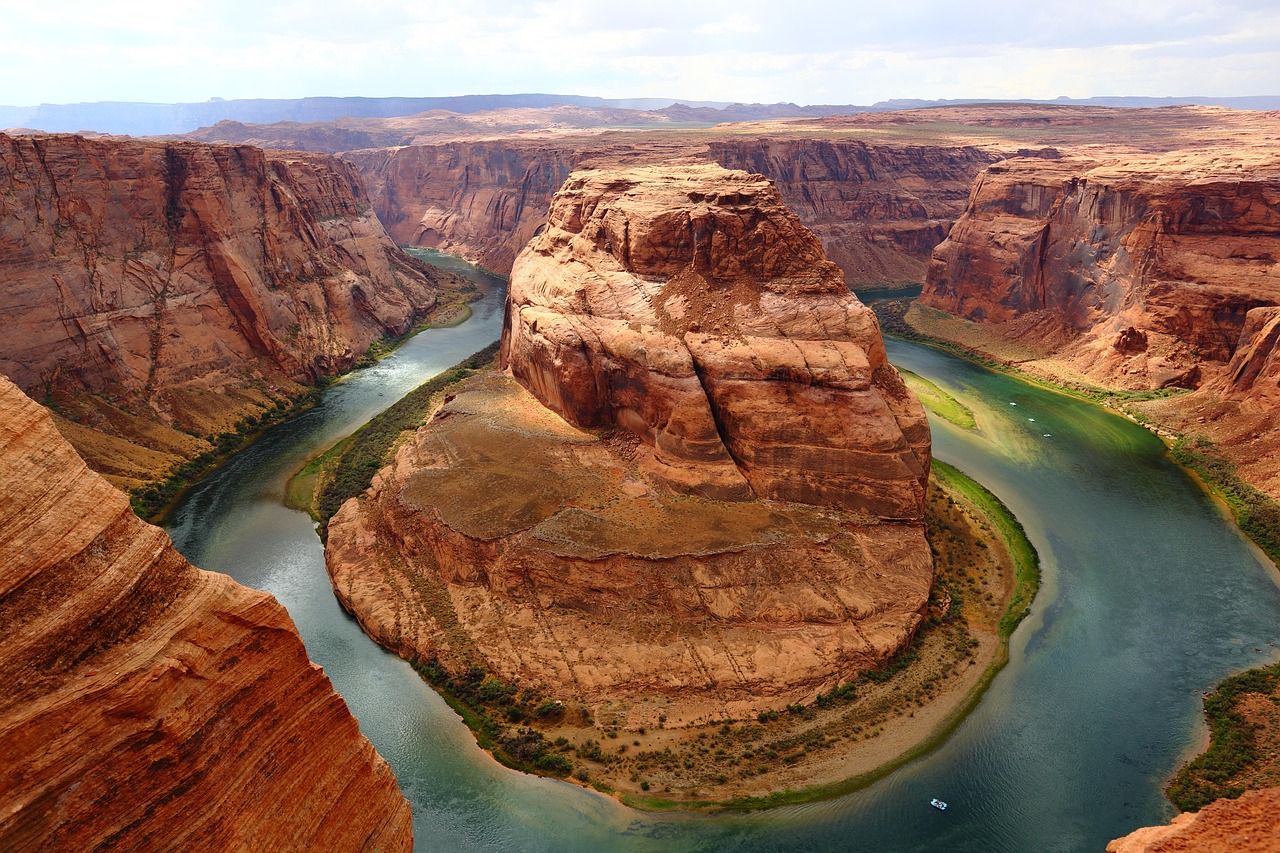
This park is small, dramatic, and often overlooked—which makes it a parent's dream for avoiding crowds. The Black Canyon of the Gunnison features a staggering 2,722-foot drop and narrows to only 40 feet at its base. The sheer vertical walls are a sight to behold, especially during the "golden hour."
For us, the highlight wasn't just the canyon; it was the sky. Because of its remote location, the stargazing here is world-class. We sat on the steps of our van with the kids, pointing out the Milky Way, and it was one of those "this is why we did this" moments that make the long drives worth it.
Day 8: Breckenridge & High Elevation Reset
After days of desert heat, heading back into the Rockies feels like a giant exhale. Breckenridge is a charming mountain town that offers a bit of luxury. It’s the perfect place to ditch the van kitchen and enjoy a nice meal out. We used this day to "reset" before the final push back to Denver—riding the free gondola and letting the kids play at the high-altitude parks.
Day 9-10: The Loop Back to Denver
The final leg of the journey takes you through the heart of the Rockies. The drive from Breckenridge to Denver is short but spectacular. Use this time to reflect. By now, the kids are probably experts at spotting elk, and you’ve likely mastered the art of making a gourmet meal on a two-burner camp stove.
Returning the van and heading to the airport is always a bit bittersweet. You’ll be tired, yes, but you’ll also have a camera roll full of red rocks and alpine lakes, and a family that has learned how to navigate the world (and a small living space) together.
Camper Van Survival Guide for Parents
If you want to survive 10 days in 80 square feet with your children, you need a strategy. Here are the essentials we couldn't live without:
- The Gear: Invest in high-quality headlamps for everyone (it makes the "bedtime in the dark" transition easier), kid-carrying backpacks for those longer Utah trails, and a reliable portable camp stove for outdoor cooking.
- The Bribe System: We aren't above using snacks as currency. Keep a "special" stash of yogurt pouches, dried mango, and the occasional Dip’n Dots for those moments when the drive time hits the three-hour mark.
- Managing the Hard Parts: Low-clearance accidents are the #1 way to lose your security deposit. Always have a "spotter" when backing the van into campsites. Also, keep daily drive times under 3 hours whenever possible to avoid total meltdowns.
FAQ
Q: Do I really need to book campgrounds in advance? A: Yes, especially for National Parks like RMNP and Arches. Reservations often open 6 months in advance and fill up within minutes. If you miss out, look for private campgrounds like KOA or use apps like Hipcamp.
Q: Is the high altitude a problem for kids? A: It can be. The best way to manage it is to stay hydrated and spend the first 24 hours at a lower elevation (like Denver) before heading to the 12,000-foot peaks of Trail Ridge Road.
Q: What if my kids get car-sick on the mountain passes? A: Colorado’s roads are winding. Keep ginger chews on hand, ensure they have a clear view out the front window, and take frequent "stretch breaks" at scenic overlooks.
Start Your Adventure
A 10-day Colorado and Utah road trip is more than just a vacation; it’s a masterclass in flexibility and family bonding. Whether you're standing at the edge of the Black Canyon or digging for fossils in the dirt, these are the moments your kids will remember long after they’ve outgrown their car seats.
Ready to hit the road? Start by picking your perfect "home on wheels" and let the mountains do the rest.