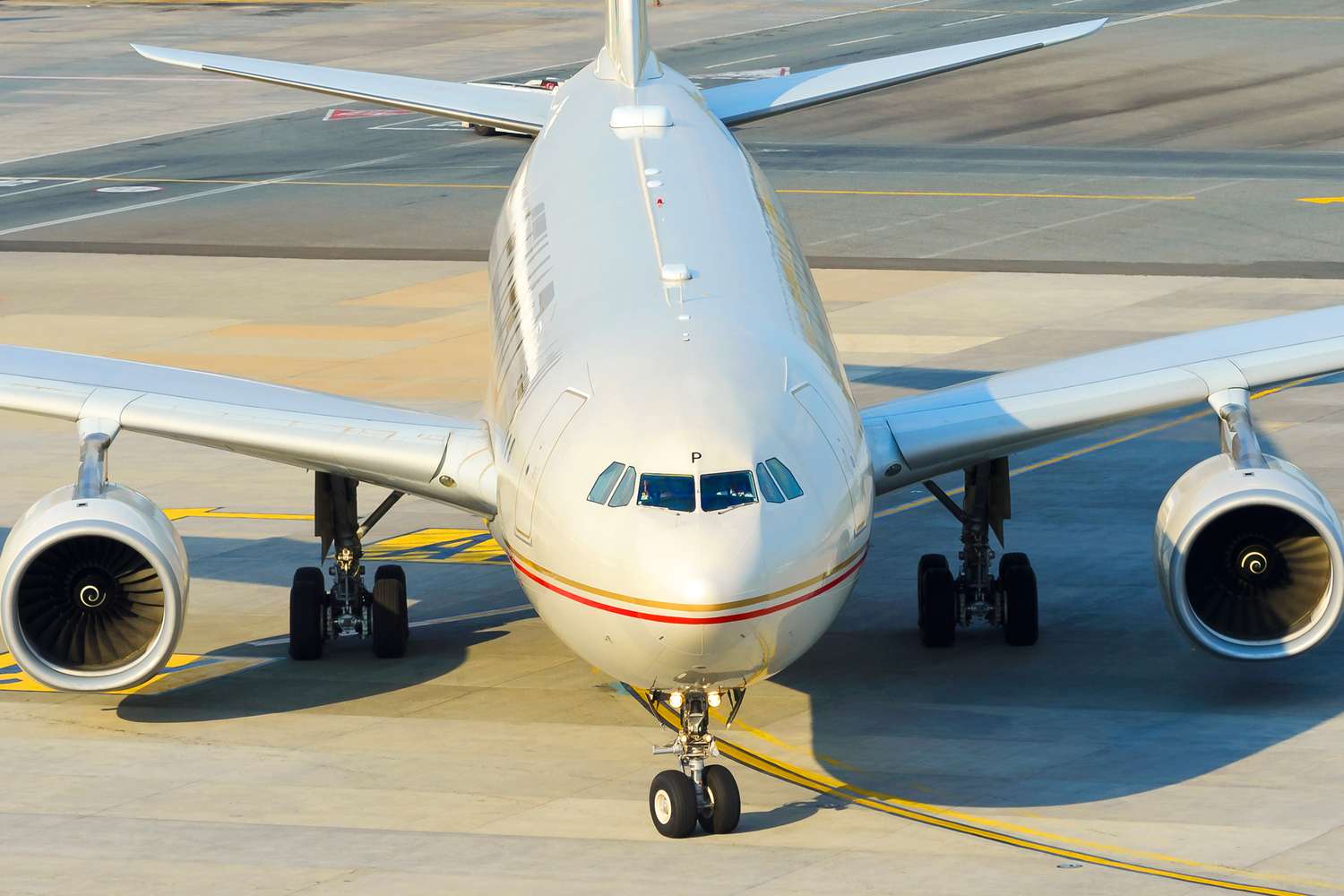
As the global aviation industry moves firmly into 2026, the criteria for "safety" have transcended mere crash-free statistics. Today’s travelers are more informed and more cautious than ever, shaped by a 2025 that saw high-profile turbulence incidents and a renewed scrutiny of aircraft manufacturing integrity. In this climate, the annual safety rankings from AirlineRatings.com have become the industry’s definitive audit. The 2026 report reveals a significant shift in the power dynamics of the skies: for the first time in history, a Gulf carrier, Etihad Airways, has claimed the title of the world's safest airline.
The current state of aviation safety is characterized by a "precision era." While the margin for error has always been slim, the statistical gap between the world’s top carriers is now microscopic. For 2026, the safest full-service airline is Etihad Airways, followed closely by Cathay Pacific and Qantas. In the budget sector, HK Express has emerged as the safest low-cost carrier, leading a group of highly disciplined operators including Jetstar Airways and Scoot. These rankings are not merely ceremonial; they represent a rigorous analysis of fleet age, pilot training protocols, and, increasingly, how airlines leverage technology to mitigate the rising threat of clear-air turbulence.
The operational integrity of the industry's leaders remains remarkably high. Incident rates across the top 25 safest airlines for 2026 sit between a record-low 0.002 and 0.09 per flight. This data point underscores a fundamental reality: flying remains the safest mode of transport, even as carriers navigate the complexities of aging supply chains and volatile weather patterns.
The Methodology: How Safety is Measured
To the casual observer, safety might seem binary—either a plane arrives safely or it does not. However, from a critical perspective, safety is a multifaceted metric. The 2026 rankings are determined by an exhaustive audit of several key factors:
- Fleet Age: Newer aircraft generally feature the latest safety technology and material integrity. Etihad’s victory is largely attributed to its utilization of one of the youngest fleets in the sky.
- Incident History: This goes beyond major accidents to include "serious incidents"—mechanical failures, cockpit smoke, or emergency descents—over a five-year period.
- International Audits: Compliance with the IATA Operational Safety Audit (IOSA) and International Civil Aviation Organization (ICAO) country audits is mandatory for a top-tier ranking.
- Pilot Training: The investment in simulator hours and advanced training programs for complex maneuvers.
- New for 2026: Turbulence Management: Following the severe turbulence events of 2025, the 2026 methodology placed a heavy weight on participation in the IATA Turbulence Aware program, which uses real-time data to help pilots avoid unstable air.
What is most striking about this year’s data is the "Thin Margin" phenomenon. Just 1.3 points separate the top six airlines on the list. In many ways, choosing between the #1 and #6 carrier is a matter of statistical splitting of hairs, though the nuances of their safety cultures provide the final ranking order.
Spotlight on the Winner: Etihad Airways
Etihad Airways’ ascent to the #1 spot is a testament to a decade-long commitment to technical excellence. While its regional neighbor Emirates often captures headlines for luxury, Etihad has quietly built a safety culture that is now the envy of the industry. The Abu Dhabi-based carrier maintains a crash-free history since its inception in 2003, but it is their proactive approach to 2026's challenges that sealed the win.
Etihad has been a pioneer in integrating artificial intelligence into its flight operations center to predict weather-related disruptions. Furthermore, as the airline expands its footprint—highlighted by new direct routes to Charlotte, North Carolina, and increased service to key US hubs—it has maintained a rigorous maintenance schedule that exceeds manufacturer recommendations. For the luxury-minded traveler, this safety record is paired with world-class service, including "The Residence" on their A380s, proving that safety and sophistication are not mutually exclusive.
"Etihad’s safety culture is woven into every aspect of its operation. From the youngest fleet of Dreamliners and A350s to their industry-leading turbulence management programs, they have set a new benchmark for what a 21st-century carrier should look like." — Safety Analyst Insight
Top 10 Safest Full-Service Airlines for 2026
The following table represents the elite tier of global aviation. These carriers have demonstrated excellence across all audit categories, from cockpit discipline to ground maintenance.
| Rank | Airline | Primary Region | Key Safety Driver |
|---|---|---|---|
| 1 | Etihad Airways | Middle East | Youngest fleet age; zero-incident record. |
| 2 | Cathay Pacific | Asia-Pacific | Exceptional pilot training and maintenance audits. |
| 3 | Qantas | Australia | Historical leader in safety innovation; high IOSA scores. |
| 4 | Qatar Airways | Middle East | Robust fleet diversification and advanced flight tracking. |
| 5 | Emirates | Middle East | Massive investment in A380/777 safety upgrades. |
| 6 | Air New Zealand | Asia-Pacific | Specialized training for difficult terrain and weather. |
| 7 | Singapore Airlines | Asia-Pacific | Resilient recovery and updated turbulence protocols. |
| 8 | EVA Air | Asia | Consistency in long-haul safety and mechanical reliability. |
| 9 | Virgin Australia | Australia | Strong safety oversight and modern 737 MAX fleet. |
| 10 | Korean Air | Asia | Significant turnaround in safety culture over the last decade. |
Top Safest Low-Cost Carriers: Budget Safety Excellence
The misconception that "low cost" equals "low safety" is thoroughly debunked by the 2026 rankings. HK Express has been named the safest low-cost airline for 2026. Based in Hong Kong, the carrier operates under some of the world's strictest aviation jurisdictions, ensuring its operational standards mirror those of its parent company, Cathay Pacific.
Close behind are Jetstar Airways (#2) and Scoot (#3), both of which benefit from the safety "halo effect" of their parent companies (Qantas and Singapore Airlines, respectively). These carriers utilize modern aircraft like the A321neo and Boeing 787, which offer superior safety features compared to the older fleets of some full-service regional competitors.
In North America, Southwest Airlines remains a global leader in the budget category, ranking #6 globally among low-cost carriers. Despite the operational hurdles of previous years, Southwest’s massive investment in fleet renewal and pilot training has kept its incident rate impressively low.
North American Performance: How US Carriers Ranked
For American travelers, the 2026 report offers a mix of reassurance and a call for improvement. Alaska Airlines remains the gold standard for US aviation safety, ranking as the top North American carrier at #15 in the full-service category. Alaska’s commitment to safety was notably tested and proven through its rigorous response to the mid-flight incidents of 2024, leading to a revamped quality control system that is now being modeled by other carriers.
Major legacy carriers like Delta Air Lines (#23) and American Airlines (#24) continue to maintain high safety standards, though their rankings are slightly tempered by the sheer scale of their operations and the average age of their domestic narrow-body fleets. It is important to note that these rankings exclude regional subsidiaries like Endeavor, Envoy, or Piedmont, focusing instead on the mainline operational data.
Newcomers and Surprises in the 2026 List
The 2026 rankings are notable for several debutants and surprising returns:
- Starlux (Taiwan): This "luxury boutique" airline has made its first appearance in the top 20, a rare feat for a carrier so young, thanks to its state-of-the-art fleet and rigorous initial safety audits.
- Spring Airlines China: Marking a milestone for Chinese aviation, Spring Airlines has become the first mainland Chinese carrier to appear in the global top safest rankings, signaling a significant uplift in the country's budget-sector oversight.
- Fiji Airways: Another newcomer, Fiji Airways has been lauded for its modernization program and its role as a safety leader in the South Pacific.
- The Return of Singapore Airlines: After a tragic turbulence incident in 2025, Singapore Airlines saw a temporary dip in its ranking. However, its swift implementation of the industry’s most comprehensive turbulence safety policy has seen it return to the top 10 for 2026.
Expert Tips: Staying Safe as a Passenger
While the airlines do the heavy lifting in terms of mechanical and operational safety, the passenger’s role in safety has become more critical in an era of increased atmospheric instability.
- Respect the Seat Belt Sign: Turbulence is now the leading cause of non-fatal injuries in aviation. Expert consensus for 2026 is clear: keep your seat belt fastened at all times while seated, even if the sign is off.
- The "Safety Briefing" is Not Optional: Aircraft configurations vary. Knowing where your nearest exit is—and counting the rows to get there—is a habit of the safest travelers.
- Check the Rating: Before booking an unfamiliar regional carrier, consult sites like AirlineRatings.com to ensure they hold a 7-star safety rating and are IOSA compliant.
- Carry-on Discipline: In the event of an emergency evacuation, leave everything behind. 2025 saw several instances where passengers slowed down evacuations by trying to retrieve laptops, a practice that is both dangerous and potentially fatal for those behind you.
As we look toward the remainder of 2026, the message is clear: the gap between the world's best airlines is smaller than ever. Whether you choose the record-setting precision of Etihad or the disciplined budget operations of HK Express, the industry’s commitment to safety remains its most enduring triumph.
FAQ
Why did Etihad Airways win the #1 spot in 2026? Etihad secured the top position due to its combination of a modern, fuel-efficient fleet (which inherently features better safety tech), a perfect safety record over the last five years, and its proactive adoption of AI-driven turbulence avoidance systems.
Are low-cost airlines like HK Express actually as safe as full-service ones? Yes. From a technical and regulatory standpoint, the top-ranked low-cost carriers must meet the same stringent international safety audits (IOSA) as full-service airlines. Their safety is often enhanced by flying younger fleets with fewer mechanical issues.
How does turbulence affect safety rankings? For the 2026 rankings, turbulence management became a key metric. Airlines that participate in data-sharing programs like "IATA Turbulence Aware" and those that have updated their in-flight service protocols to protect passengers and crew during rough air received higher scores.