Quick Facts
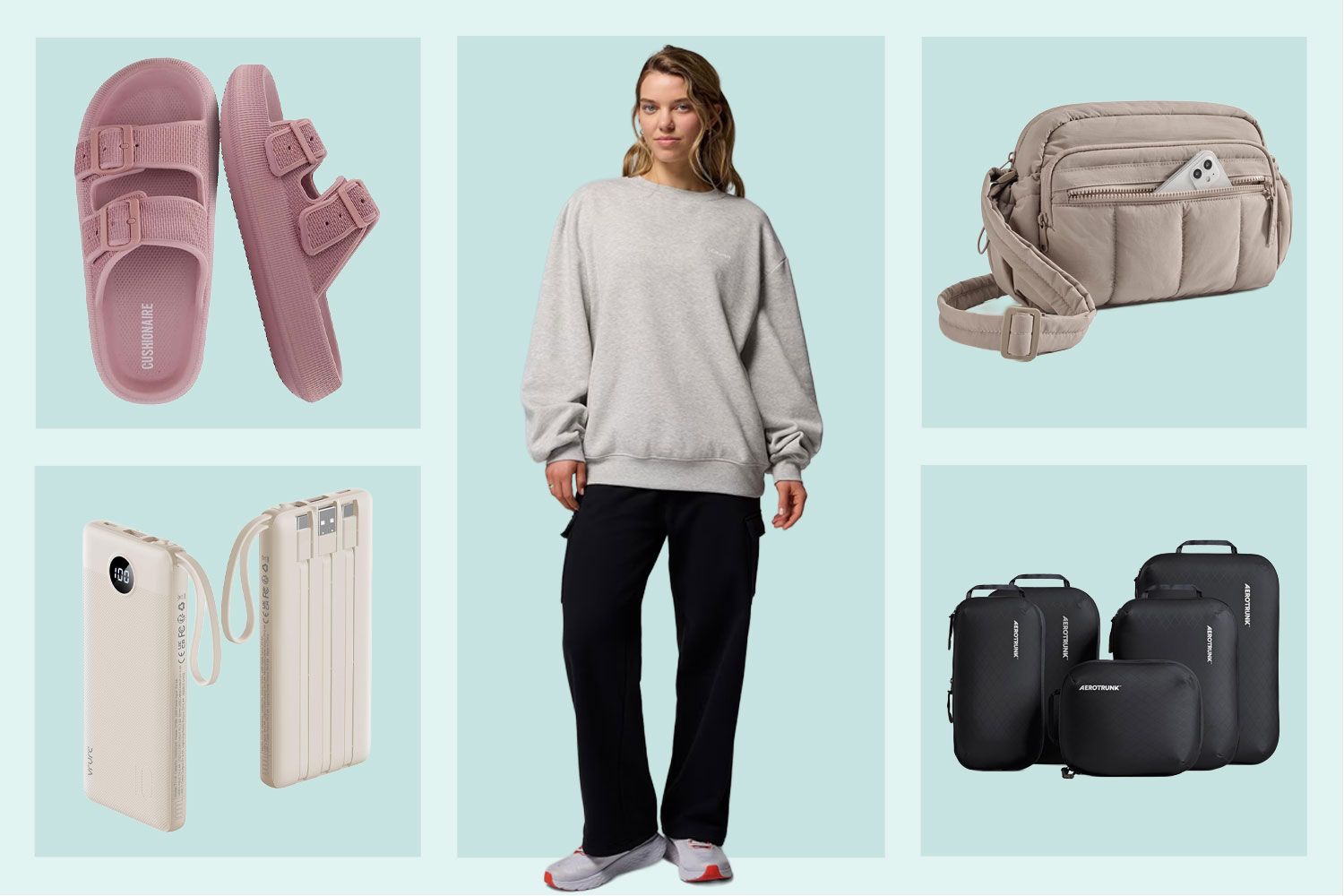
- Safety Protocol: Maintain situational awareness and use a crossbody safety bag to deter pickpockets.
- Growth Trend: Currently, 60% of solo travelers aged 50 and older are married but choose to explore independently of their partners.
- Tech Essential: Always carry portable power banks to ensure phone GPS remains active during long exploration days.
- Mobility Rule: Stick to one 22-inch suitcase to ensure you can handle your own luggage in stations and cobblestone streets.
- Financial Planning: Look for retirement travel groups that offer roommate-matching to bypass the single supplement.
- Demographic Shift: Recent data shows 25% of women aged 65 and older are now taking solo trips, a massive jump from previous decades.
- Insurance Priority: Secure comprehensive medical evacuation coverage to manage potential health logistics in remote areas.
Retirees can ensure safety while traveling solo by maintaining situational awareness and preparing for technological needs. Use a crossbody safety bag to deter pickpockets and always carry a portable power bank to keep your phone's GPS active. Sharing your itinerary with a contact at home and researching local transportation methods in advance provides a security layer while preserving personal independence. Solo retirement travel offers the freedom to experience slow travel and cultural immersion at a personalized pace.
1. Master the Tech: GPS and Digital Privacy
When I was trekking through the backstreets of Lisbon last summer, my phone hit 5% battery just as the sun went down. That is a vulnerable position for any solo traveler, regardless of age. Technology is your greatest ally for solo travel for seniors, but only if you use it correctly. The first rule is the digital delay: never post your location on social media in real-time. Wait until you have left a city or a restaurant before sharing those stunning sunset photos. This keeps your current location private and enhances your personal security.
Beyond privacy, your hardware matters. I never leave my base without high-quality portable power banks. Digital maps and translation apps drain batteries faster than you’d think, and having a dead phone in a foreign city is a recipe for stress. Before you set off, download offline maps on Google Maps or Maps.me so you can navigate even without a cellular signal. This level of independent exploration allows you to wander off the beaten path without the fear of getting lost.
2. Decode the Single Supplement Trap
One of the biggest hurdles in retirement travel is the dreaded single supplement—that extra fee cruise lines and tour operators charge solo travelers to make up for the lack of a second person in the room. However, the industry is finally waking up to the fact that 76.7% of retirees have planned or are considering a trip for the year, and many of them are going alone.
To keep your financial security intact, look for retirement travel groups that prioritize solo adventurers. Some companies specifically cater to baby boomers by offering roommate-matching services or dedicated solo-occupancy rooms at no extra cost.
| Company | Single Supplement Policy | Best Suited For |
|---|---|---|
| Road Scholar | Roommate matching available / Low supplements | Educational and cultural learning |
| Intrepid Travel | No supplement if you share a room | Active adventure and local transit |
| Overseas Adventure Travel | Free or low-cost solo spots on most trips | Exploration and small group intimacy |
| Saga Holidays | Dedicated solo traveler departures | Relaxed pacing and social focus |
By choosing the right retirement travel packages, you can reinvest that saved money into a local cooking class or an extra night in a luxury boutique hotel.
3. The 22-Inch Luggage Rule
I’ve seen it a hundred times: a solo traveler struggling with a massive trunk on a train platform in Florence. If you cannot lift your bag over your head or carry it up two flights of stairs, it is too big. Packing light for senior travelers is not just about convenience; it is about mobility and safety. When you are traveling solo, you don't have a partner to watch your bags while you go to the ticket counter.
I advocate for the 22-inch rule. A high-quality, lightweight 22-inch spinner suitcase and a small personal backpack are all you need. This setup allows you to keep your hands free and move quickly through airports and train stations. Stick to a capsule wardrobe—clothes that can be layered and color-coordinated. Remember, almost every city in the world has a laundry service. You’ll feel much more empowered when you can navigate the world with just one hand on a suitcase handle.
4. Leverage 'Local Anchors' and Selective Tours
One of the misconceptions about solo travel for seniors is that you have to be alone 100% of the time. In reality, the most successful trips involve a mix of independent exploration and what I call local anchors. These are pre-booked day tours or small-group activities that provide a social bridge.
When planning a solo trip after retirement, I recommend booking a walking tour or a culinary class for your first full day in a new city. This allows you to meet other travelers and get the lay of the land from a local guide. You can also identify the best tour companies for solo retirees that offer specialized excursions, such as photography workshops or historical walking tours, where you can find like-minded companions without the rigid structure of a 14-day bus tour.
5. Prioritize Medical and Evacuation Coverage
As an adventure editor, I’ve seen how quickly a trip can change due to a twisted ankle or a sudden bout of illness. When you are working on your retirement travel plans, standard travel insurance is not enough. You need comprehensive medical evacuation coverage. If you are exploring the remote highlands of Scotland or the islands of Greece, you want to know that you can be transported to a high-quality medical facility if something goes wrong.
Check your current health insurance to see if it covers international emergencies; most US-based Medicare plans do not. Invest in a policy that specifically covers "repatriation of remains" and "emergency medical evacuation." It is a small price to pay for the peace of mind that allows you to truly relax and enjoy your journey. Also, always carry a physical list of your prescriptions and their generic names, as brand names vary by country.
6. Embrace Slow Travel for Deeper Immersion
Retirement is the ultimate opportunity to quit the "if it's Tuesday, this must be Belgium" style of touring. Slow travel retirement is about staying in one place for two weeks instead of two days. It allows for true cultural immersion—you start recognizing the barista at the local café, and you find the hidden parks that the day-trippers miss.
Slow travel also reduces the logistical fatigue that can come with solo travel for seniors. Instead of constantly packing and unpacking, you can settle into a local apartment. This gives you the flexibility for itinerary planning that follows your energy levels. If you want to spend four hours in a single museum, you can. If you want to take a nap in the afternoon, there is no tour bus leaving without you.
7. Strategic First-Night Planning
The most stressful part of any solo journey is the arrival. You’re tired, you’re in a new environment, and you have to navigate local transportation. To mitigate this, I always have a "first-night strategy." Book your accommodation for the first night well in advance, and make sure it has a 24-hour front desk.
Research your transport from the airport to the hotel before you land. Does the city have a reliable ride-sharing app? Is there a safe airport shuttle? When I arrive in a new country, I often book a private car service for that initial transfer. It may cost a bit more, but having a driver waiting with your name on a sign removes the "arrival anxiety" and ensures you get to your bed safely. This sets a positive tone for the rest of your adventure travel for retirees.
8. Seek Outdoor and Adventure Micro-Groups
Just because you are retired doesn't mean you have to stick to museums. Many baby boomers are seeking active retirement through hiking, cycling, and even kayaking. If you want to do a multi-day trek but don't want to do it alone, look for adventure travel for retirees through specialized micro-groups.
These small groups might consist of 6 to 12 people and focus on a specific activity. This allows you to reach stunning natural viewpoints while maintaining group security. It’s a great way to push your physical limits while knowing there is a support structure in place. Whether it’s a walking trip through the Cotswolds or a gentle rafting trip in Costa Rica, these experiences are often the highlight of any solo retirement journey.
9. Physical Safety: The Crossbody Advantage
In the world of outdoor adventure, your gear is your lifeline. When it comes to city exploration, your most important piece of gear is a crossbody safety bag. Unlike a traditional purse or a backpack that can be easily unzipped from behind, a crossbody bag stays in front of you and distributes weight across your torso, which is better for your back.
Look for bags with anti-theft features like locking zippers, RFID-blocking pockets, and slash-resistant straps. Keeping your hands free is essential for maintaining your balance and using your phone for navigation. It's a simple hardware upgrade that drastically lowers your profile as a target for pickpockets in crowded tourist hubs. It’s about being prepared, not paranoid.
10. Consider 'Giving Back' Through Volunteering
Solo travel can sometimes feel a bit self-indulgent, which is why many retirees are turning toward purpose-driven travel. This could mean signing up for an educational retreat or a senior-specific volunteer program. Whether it’s helping with a marine conservation project in Belize or teaching English in a small village in Thailand, these programs offer deeply experiential learning.
Volunteering often provides a built-in community of other solo travelers, making it one of the safest solo travel destinations for retirees because you are part of a localized project. It’s a powerful way to use the skills you spent a lifetime honing while seeing a side of a country that most tourists never encounter.
FAQ
What are the golden rules of retirement travel?
The golden rules focus on pacing, preparation, and presence. First, never rush; the beauty of retirement travel is having time to linger. Second, always have digital and physical backups of your documents. Third, prioritize your health by staying hydrated and listening to your body’s need for rest. Finally, stay connected—check in with someone back home regularly so they know where you are.
Which 4 are the biggest retirement regrets?
According to various surveys, the most common regrets include not traveling while still physically active, over-saving at the expense of experiences, not pursuing a passion or hobby sooner, and failing to maintain a social network outside of work. Solo travel addresses several of these by encouraging an active lifestyle and building new global connections.
Can a retiree live on $3,000 a month?
Yes, in many parts of the world, $3,000 a month provides a very comfortable, even luxurious, lifestyle. Countries like Portugal, Spain, Thailand, and Mexico offer excellent healthcare, modern infrastructure, and vibrant cultures at a fraction of the cost of living in major US or UK cities. This budget can easily cover a nice apartment, dining out, and local exploration.
What is the $1000 a month rule for retirees?
This rule often refers to a budgeting strategy where a retiree aims to have $1,000 of discretionary income available per month after fixed costs like housing and insurance are covered. For a solo traveler, this $1,000 can be used for flights, train tickets, and unique local experiences, making a continuous lifestyle of exploration much more sustainable.