Our Top Picks
- Heavy Duty Pick: Gregory Amber 68 or Osprey Renn 65. Engineered for 40-50lb load capacity with elite suspension systems.
- Digital Nomad Pick: Osprey Farpoint 40. The gold standard for airline sizer compliance and one-bag efficiency.
- Durability Pick: Peak Design Travel Backpack. Features 400D/900D weatherproof construction for those who prioritize gear protection.
For long-term international travel, the best backpacking backpacks feature high-capacity internal frames, durable ripstop nylon, and advanced suspension systems. Models like the Gregory Amber 68 or Osprey Renn 65 allow for organized packing of apparel and gear across multiple continents. These packs excel in load distribution, utilizing padded hip belts and adjustable torso lengths to transfer 40 to 50 pounds of weight away from the shoulders during extended treks.
After 1,000 days on the road across 4 continents, finding the best backpacking backpacks for travel comes down to one thing: survival. Whether you're navigating Southeast Asia or trekking through Europe, your pack is your home. In this review, we break down the most durable international travel backpacks that survived our 3-year stress test.
1. The 3-Year Durability Threshold: Materials That Last
When you live out of a bag for three years, you stop looking at the brand name and start looking at the denier count and the type of thread used. I have seen countless travelers stranded in the middle of a monsoon in Vietnam because a cheap zipper gave way or a lightweight nylon bottom snagged on a stray piece of rebar.
During my expeditions, I realized that while equipment failure is a relatively minor factor in overall outdoor safety, contributing to only about 3% of all hiking-related accidents, it is 100% of a headache when your belongings are scattered across a bus station floor in Laos. The 18% caused by a complete lack of proper equipment is a lesson for the unprepared, but for the long-term traveler, the lesson is in the fabric.
I’ve found that high-quality ripstop nylon is non-negotiable. It creates a grid pattern that prevents small holes from turning into catastrophic gashes. In the humid climates of Southeast Asia, standard nylon can become heavy and prone to mold, but technical trekking packs treated with a DWR (Durable Water Repellent) coating tend to fare much better. When looking for the best durable backpacking backpack for long term travel, I always check the high-wear areas. If the bottom of the bag isn't reinforced with something like 1680D Cordura, it simply won't survive three years of being dragged across gravel and tossed onto ferry roofs.
2. Capacity vs. Reality: Finding the Best Size for International Travel
The biggest mistake I see new backpackers make is overestimating how much they can actually carry. In 2024, approximately 67% of digital nomads reported having pursued a nomadic lifestyle for three years or less, and most start with a bag that is far too large.
Throughout my travels, I discovered that the best size backpack for international travel depends on whether you are crossing borders by land or by air. International airlines are becoming increasingly strict, often enforcing a 7kg (15lb) weight limit for carry-on items. This makes the 35L to 45L range the "sweet spot." A pack like the Osprey Farpoint 40 is a masterclass in this, designed to fit into overhead bins while still providing enough gear organization for a laptop and a weeks' worth of clothes if you use packing cubes.
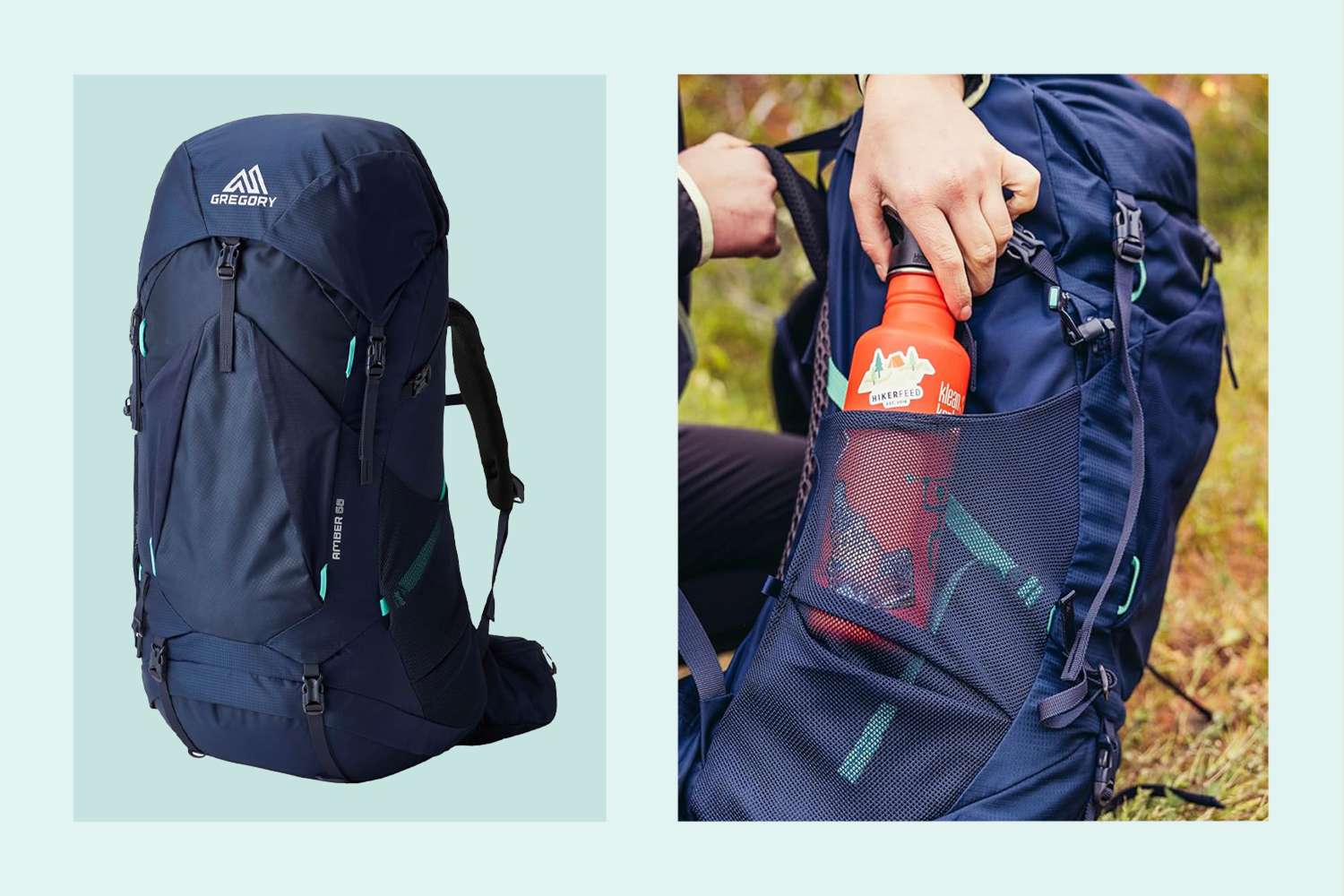
However, if your journey involves months of wilderness trekking or crossing multiple climate zones, you will need more space. A 65L or 68L pack allows you to carry heavier cold-weather gear and technical equipment. Be warned, though: weight adds up. The true best carry-on backpack for international travel is one that forces you to be intentional about what you pack. Remember that marketing photos can be deceiving; always check the physical dimensions against airline standards rather than relying on the liter count alone.
3. Ergonomics and Load Distribution: Saving Your Back
After the first six months, you won't care about what your bag looks like; you will only care about how it feels on your hips. Poor load distribution is the silent killer of any great adventure. I’ve learned that a high-tier suspension system is worth its weight in gold.
A proper internal frame is essential for transferring the weight of your gear from your shoulders to your much stronger hips. When I was testing packs for extended use, I noticed that cheaper harness foam starts to compress and lose its efficiency after about 1,000 miles. This is why brands like Gregory and Osprey are so popular; their foam retains its resilience over years of use.
For the ladies on the trail, the best international travel backpack for women isn't just a smaller version of a men’s pack. It features an S-shaped harness and a canted hip belt designed for a different center of gravity. These adjustments prevent the bag from pulling backward, which is crucial when you're navigating the narrow, crowded streets of a European city or a muddy mountain path.
| Model | Weight | Volume | Material (Denier) | Carry-on Compliant |
|---|---|---|---|---|
| Osprey Farpoint 40 | 3.48 lbs | 40L | 450D Recycled Polyester | Yes |
| Gregory Amber 68 | 3.52 lbs | 68L | 210D / 420D Nylon | No |
| Peak Design Travel | 4.5 lbs | 45L | 400D Weatherproof Nylon | Yes |
| Deuter Aircontact Core | 4.6 lbs | 50+10L | 500D Polyamide | No |
4. Regional Deep Dive: From the Jungles of Asia to the Streets of Europe
During my three years of continuous travel, I realized that the best backpacking backpacks for europe are often different from the best backpack for backpacking asia.
In Europe, the challenges are mostly urban and logistical. You are walking down cobblestone streets, jumping on and off trains, and staying in hostels with limited locker space. For this, I recommend a bag with stowable straps and lockable zippers. The ability to tuck away your harness prevents it from getting snagged in the luggage racks of a high-speed train in Italy or France.
In contrast, when you are looking for the best backpack for backpacking southeast asia, breathability becomes the priority. The humidity is relentless. I found that backpacks with a suspended mesh back panel—which creates a gap between your back and the bag—are the only way to stay relatively dry. Additionally, integrated weather protection is a must. A built-in rain cover can be deployed in seconds when a sudden equatorial downpour hits.
Pro Tip: No matter where you are, always carry a small dry bag inside your main pack. It acts as a secondary layer of gear organization and ensures your electronics stay dry even if your main pack’s weather protection is compromised.
5. Maintenance and Ironclad Guarantees
One of the most valuable lessons I learned after three years on the road is that your relationship with your gear doesn't end at the checkout counter. The best backpacking backpacks for travel are the ones backed by a lifetime warranty. Brands like Osprey offer "All Mighty Guarantees," meaning they will repair any damage or defect in their products, regardless of when it was purchased.
To make your pack last, I recommend a quick cleaning every six months. Salt from your sweat can corrode zippers and degrade the foam in the shoulder straps. A simple wipe-down with a damp cloth and mild soap can add years to your pack's life.
Choosing between one-bag travel and checking a larger technical pack is a personal decision, but for me, the freedom of a carry-on size pack outweighs the utility of a massive 70L bag. It forces a minimalist mindset that makes the actual traveling part of "backpacking" much more enjoyable.
FAQ
Can you use a hiking backpack for international travel?
Yes, you absolutely can, and in many cases, it is preferable. Technical trekking packs often have better suspension systems and weight distribution than dedicated travel bags. The primary drawback is that hiking packs are usually top-loading, which can make accessing gear at the bottom difficult unless you use a system of packing cubes to stay organized.
Are front-loading backpacks better than top-loading for travel?
For most travelers, front-loading backpacks are better because they open like a suitcase. This allows you easy access to all your clothing and gear without having to dump everything out. However, top-loading packs are generally more water-resistant and durable because they have fewer zippers, which are common failure points during long-term travel.
Is a 40L backpack enough for a month of travel?
A 40L backpack is more than enough for a month of travel if you pack efficiently. This size is ideal for one-bag travel, as it fits in most airline overhead bins. By bringing lightweight, quick-drying layers and doing laundry once a week, you can comfortably travel indefinitely with a 40L pack.
Do travel backpacks count as carry-on luggage?
Most backpacks in the 35L to 45L range are designed to meet standard airline carry-on dimensions. However, it is important to check the specific measurements of your pack against the airline's rules, as some budget carriers have smaller sizers. Technical hiking packs that are 50L or larger will almost always need to be checked.
What features are essential for a backpacking travel bag?
The most essential features include a supportive internal frame, a padded hip belt for load distribution, and durable materials like ripstop nylon. Additionally, look for lockable zippers for security, a breathable back panel for comfort, and a design that offers smart gear organization, such as a dedicated laptop sleeve or external attachment points.