Quick Facts
- The Hack: Booking through elite Preferred Partner programs rather than standard online portals or credit card websites ensures the highest priority for room upgrades and personalization.
- Average ROI: Travelers typically receive between $300 and $600 in value-add benefits per stay, including property credits and complimentary meals.
- The Priority Ladder: Guest recognition follows a strict hierarchy where guests of a Four Seasons Preferred Partner or Rosewood Elite advisor outrank those booking via Amex Fine Hotels + Resorts or direct hotel websites.
- Hidden Perk: Leading advisors often secure breakfast credits that are applicable to in-room dining, allowing for a private, leisurely morning experience rather than being restricted to a hotel buffet.
- Cost Efficiency: Most hotel-only reservations through a luxury travel advisor incur $0 in professional fees, as the advisor is compensated via industry commissions while the guest pays the standard flexible rate.
- Timing Advantage: Strategic booking windows can lead to significant savings, such as a 23% average discount when securing stays between eight and 14 days before arrival compared to booking months in advance.
A luxury travel advisor leverages invitation-only networks to secure upgrades and amenities unavailable to the public. They provide personalized trip planning and advocacy, acting as a direct link between the traveler and hotel management. By using networks like Virtuoso and Four Seasons Preferred Partner, they secure VIP recognition, welcome amenities, and customized itineraries while handling all logistics and troubleshooting during the trip.

The Priority Ladder: Luxury Travel Advisor vs. Booking Direct
There is a nuanced chemistry to the way a grand hotel operates behind the scenes. When a reservation appears in a property management system, it carries a digital tag that dictates the entire trajectory of the guest experience. While many discerning travelers believe booking direct is the gold standard for service, the industry reality is dictated by a sophisticated hierarchy of relationships. A luxury travel advisor provides a direct link between the traveler and hotel management, acting as a personal advocate that automated portals cannot replicate. When a General Manager reviews the arrival list, a guest attached to a top-tier advisor is viewed through a lens of long-term partnership rather than a one-off transaction.
In the competitive landscape of room assignments, the booking channel is the deciding factor. An automated booking through a large online travel agency often places the guest at the bottom of the upgrade list. Even direct bookings lack the leverage of a human touch service. A dedicated advisor contacts the property two to three weeks in advance to discuss the nuances of the client’s stay—identifying preferred room orientations, specific dietary sensitivities, or milestone celebrations. This proactive communication signals to the front office that the guest is a priority, often resulting in a superior room category even when the hotel appears near capacity.
The distinction between a luxury travel advisor vs booking direct becomes most apparent during the "Sold Out" scenario. Because the best luxury travel advisor maintains deep roots within the top 10 luxury travel companies and global hospitality groups, they can often clear space or pull inventory that is hidden from public view. This advocacy extends to moments of travel disruption. If a flight is canceled or a room is not to one's liking, the advisor steps in as a resilient concierge, navigating solutions while the traveler continues to enjoy their evening.
| Booking Channel | Upgrade Priority | Personalization Level | Major Benefits |
|---|---|---|---|
| Luxury Travel Advisor | Platinum (Highest) | Very High | VIP Recognition, Custom Amenities, Advocacy |
| Amex Fine Hotels + Resorts | Gold | Moderate | $100 Credit, Daily Breakfast, Late Check-out |
| Hotel Direct | Silver | Minimal | Standard Loyalty Points, Basic Service |
| Online Travel Portals | Bronze | None | Often lowest-tier room placement |
Unlocking Four Seasons Preferred Partner Benefits
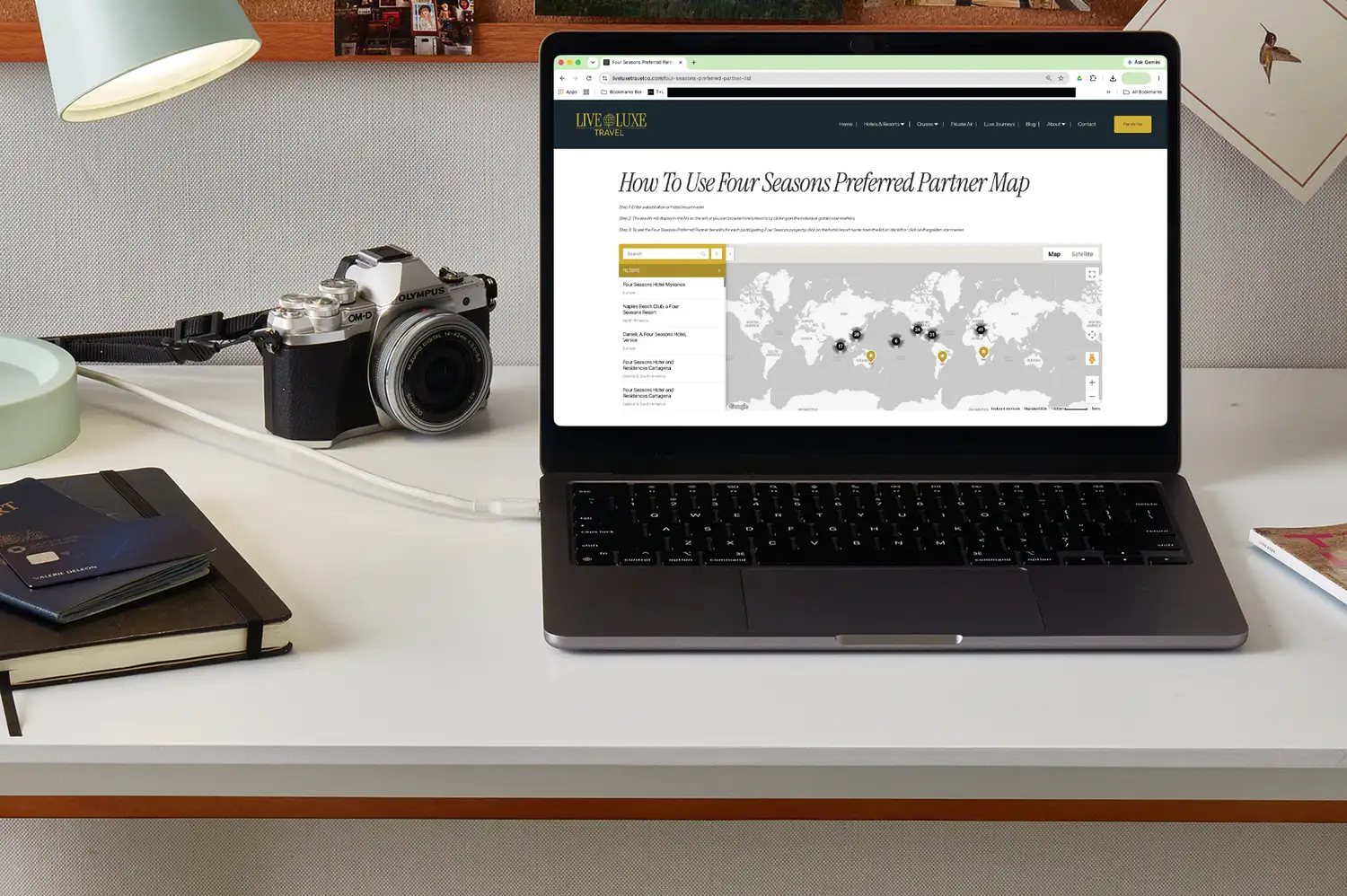
For those who view the Golden Tulip as the pinnacle of hospitality, the Four Seasons Preferred Partner benefits represent the ultimate booking hack. This is not a loyalty program one signs up for on a website; it is an invitation-only network reserved for a select group of high-performance advisors. Booking through these specialists grants access to a suite of perks that are often superior to those found on prestigious credit card portals. For instance, while most programs offer a standard breakfast benefit, the Preferred Partner program frequently provides a full breakfast for two that is flexible enough to include in-room dining, allowing you to enjoy a sunrise over the Duomo from the comfort of your silk robes.
The financial ROI of working with a virtuoso travel advisor for upgrades and Four Seasons stays is substantial. These bookings typically include a property-specific credit, ranging from $100 to $200, which can be applied to spa treatments, Michelin-starred dining, or wellness activities. Unlike common packages, these rates are usually identical to the "Best Flexible Rate" offered on the hotel’s own site, meaning the amenities are truly complimentary. Because the advisor holds a direct line to the hotel’s sales director, they can often negotiate early check-in or late check-out priority that an automated system would simply reject.
Furthermore, the VIP recognition afforded to these guests often includes bespoke welcome amenities tailored to personal preferences. Rather than a generic fruit plate, a guest might find their favorite vintage of champagne or a selection of local artisanal chocolates waiting in their suite. This level of personalized hospitality relies on the advisor’s ability to communicate client preferences directly to properties, ensuring the staff is prepared to exceed expectations the moment the guest crosses the threshold.
The Hybrid Booking Hack for Maximum ROI
The modern luxury traveler often balances the efficiency of points with the indulgence of high-end service. A highly effective strategy is the hybrid booking hack: utilizing credit card points for business class airfare to optimize travel spend, while employing a luxury travel advisor for the hotel portion of the trip. This ensures that while the flight is "free," the stay is maximized with tangible value-adds. Programs like the American Express Fine Hotels + Resorts program provide travelers with a suite of benefits worth an average total value of $550 per two-night stay, but the savvy traveler knows that a dedicated advisor can often layer even more bespoke attention onto these foundations.
Timing also plays a critical role in finding the best luxury travel advisor for priority upgrades. While the instinct is to book as early as possible, industry data suggests a sweet spot for value. A 2026 industry report found that travelers who book hotel stays between eight and 14 days before arrival save an average of 23% compared to those booking more than four months in advance. A skilled advisor can monitor these fluctuations and re-book at lower rates while maintaining your VIP status.
New hotel launches offer another lucrative avenue for savings. Introductory offers for new luxury hotel openings can provide savings of up to 50% off regular room rates while often including additional complimentary guest perks. An advisor with deep travel industry networks is typically the first to know about these "soft opening" rates, allowing their clients to experience the world’s most anticipated properties before they become fully booked by the general public.

Logistics and Costs: What You Need to Know
A common misconception in the world of high-end travel is that working with a professional is an added expense. In reality, luxury travel advisor fees for hotel bookings are often non-existent. Most advisors offer a "hotel-only" service where they charge nothing to the client, as they are paid a commission by the property. The guest pays the same rate as the hotel’s public flexible rate but walks away with hundreds of dollars in credits and a much higher chance of a room upgrade.
However, fees do come into play when the request shifts toward custom trip planning or multi-destination bespoke itineraries. Planning a three-week journey across the Amalfi Coast involving private drivers, yacht charters, and exclusive villa access requires dozens of hours of logistical coordination. In these cases, advisors may charge a planning fee ranging from $250 to $1,000, or a percentage of the total trip cost. This fee covers the advisor’s time, their property-specific expertise, and the 24/7 hospitality concierge support provided throughout the trip.
When selecting an agency, look for those recognized by invitation-only networks or those with Five-Star Accolades from major industry publications. Checking for top luxury travel agencies for bespoke itineraries ensures that your advisor has the necessary leverage to secure the best outcomes. A quick review of luxury travel advisor reviews will often highlight the "human touch" moments—like an advisor securing a last-minute table at a fully booked restaurant or coordinating a medical house call in a foreign country—that justify the partnership.
FAQ
What does a luxury travel advisor do?
A luxury travel advisor acts as a specialized consultant who designs and manages high-end travel experiences. Beyond just booking hotels and flights, they provide custom trip planning, advocate for their clients to secure VIP treatment, and use their global relationships to offer amenities that are not available through traditional booking channels. They handle all the logistical details and provide essential support during the trip if any issues arise.
How do luxury travel advisors make money?
Advisors primarily earn income through commissions paid by hotels, cruise lines, and tour operators, which are included in the standard price of the booking. Many advisors do not charge their clients for simple hotel reservations. For more complex, customized itineraries involving multiple components and significant research, they may charge a professional planning fee to cover their time and expertise.
How do I become a luxury travel advisor?
Becoming an advisor typically involves joining a host agency that provides the necessary industry credentials and access to preferred partner networks. Prospective advisors often undergo specialized training in luxury hospitality, destination knowledge, and booking systems. Building a successful career requires developing a deep network of global contacts and a list of high-net-worth clients who value personalized service.
How do I get into Luxury Travel Advisor?
Entry into this field often starts by affiliating with one of the top 10 luxury travel companies or a boutique host agency. Many newcomers begin by focusing on a specific niche, such as romantic getaways or European villa rentals, and gradually gain access to invitation-only networks like Virtuoso as their sales volume grows. Networking at industry events and obtaining certifications in luxury travel management are also common pathways.