Quick Facts
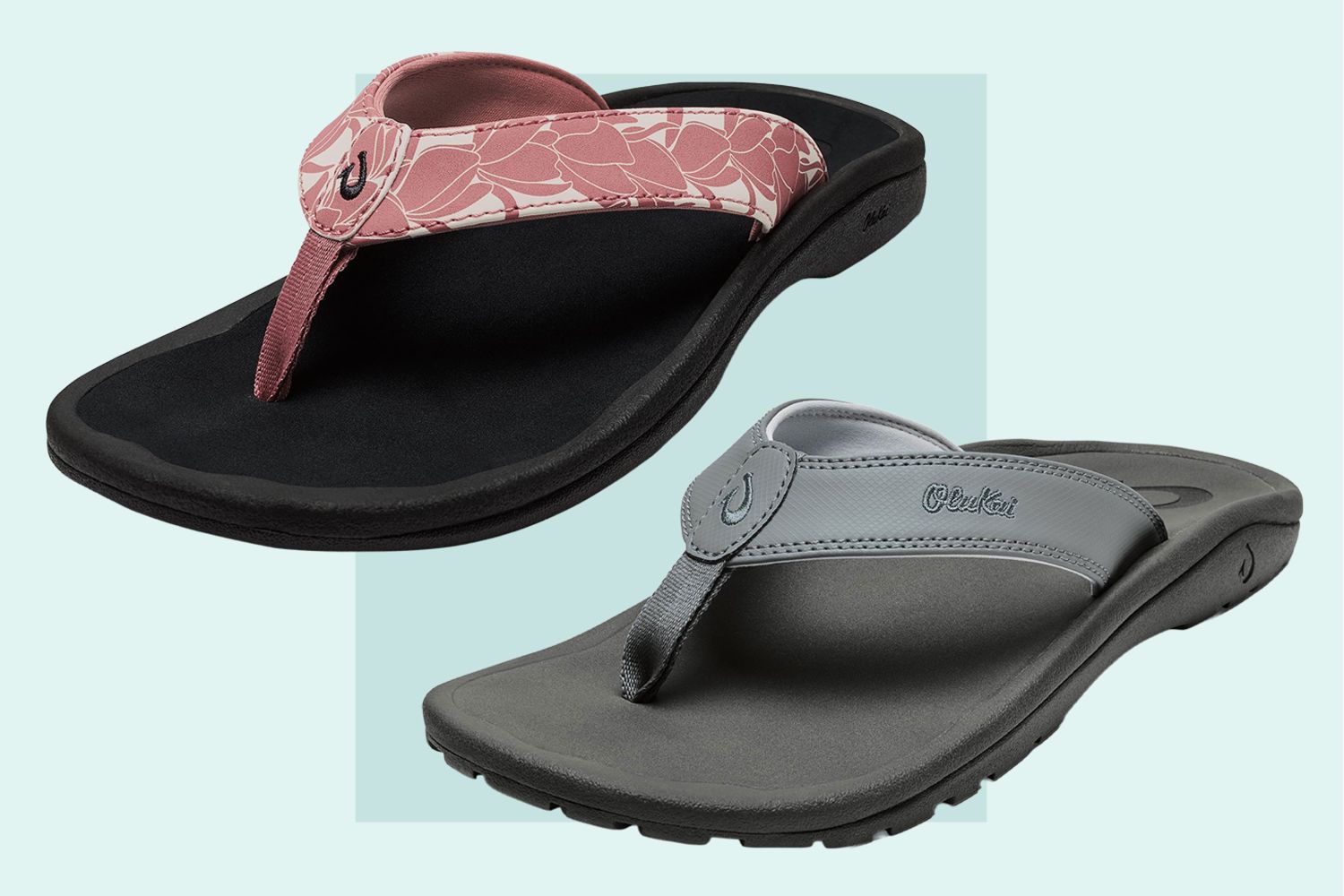
- Top Pick for Support: Olukai Ohana with anatomically contoured footbed.
- Best for Heavy Packs: Sandals with PU midsoles (e.g., Teva Terra Fi 5) for load-bearing stability.
- Best for Packability: Minimalist cord-based sandals weighing under 9oz for easy storage.
- Durability Benchmark: Look for 3.5mm lug depth to ensure multi-terrain grip on varying trails.
- Terrain Specialist: Vulcanized rubber outsoles are ideal for grip on wet cobblestones or river beds.
- Performance Metric: Sneaker-grade models enable walking 15 miles a day without the standard foot fatigue of flat flip-flops.
The best sandals for walking long distances feature podiatrist-recommended arch support and shock-absorbing midsoles that mimic sneaker performance, allowing travelers to walk 15 miles a day without foot fatigue. Models like the Olukai Ohana use anatomically contoured footbeds and rebound properties to mitigate stress during high-mileage travel, providing the necessary orthopedic alignment and cushioning for varied environments.
I have spent the better part of a decade testing gear in places where the concept of a paved road is a suggestion rather than a rule. From the humid humidity of Nicaragua to the slippery cobblestones of old-town Rome, I’ve learned one painful lesson: your footwear choice can make or break a solo expedition. For years, backpackers treated sandals as "camp shoes"—something to slip into after the real boots came off. But the tide has shifted. We are now seeing a new breed of sneaker grade travel sandals for backpackers that combine the breathability of a flip-flop with the structural integrity of a high-end runner.
Why Sneaker-Grade Matters for Backpacking
When I talk about sneaker-grade performance, I’m not just using a marketing buzzword. I’m referring to the specific engineering that handles the biomechanics of a long-distance stride. Most run-of-the-mill sandals are flat slabs of foam that provide zero assistance to your gait. However, the best sandals for walking long distances with arch support utilize a firm but flexible internal structure. This is critical because during high-impact outdoor activities, your feet can be subjected to forces equivalent to two to three times an individual's body weight per step, necessitating advanced midsole cushioning to help prevent common injuries such as plantar fasciitis and Achilles tendonitis.
A sneaker-grade shoe focuses on rebound properties. When you press down, the material pushes back, returning energy to your stride rather than just absorbing it and going flat. We also look for zero-drop geometry, which means the heel and forefoot are at the same height. This encourages a natural gait and helps with foot fatigue prevention over an eight-hour day of urban exploration or trail hiking. In my experience, switching to a sandal with a shock-absorbing midsole was the difference between ending a 15-mile day with a beer and ending it with an ice pack.
| Feature | Sneaker-Grade Sandals | Standard Flip-Flops |
|---|---|---|
| Arch Support | Anatomically contoured | Flat/Minimal |
| Midsole Material | High-rebound EVA or PU | Low-density foam |
| Outsole Grip | Multi-terrain rubber | Smooth or light texture |
| Heel Drop | Zero-drop or orthopedically aligned | Random/Uneven |
| Adjustability | Multiple secure points | Single toe post |
Material Science: EVA vs. PU Midsoles for High Mileage
If you are planning on logging serious miles, you need to understand what is happening under your feet. The two heavy hitters in the world of best walking sandals for travel are Ethylene Vinyl Acetate (EVA) and Polyurethane (PU). I’ve trekked through the Andes in both, and the difference is felt most when your pack starts to get heavy.
EVA is the lightweight choice. It’s incredibly soft and provides that "cloud-like" feel immediately out of the box. Many of the best walking sandals for long distances use a compressed EVA because it’s responsive and keeps the overall weight of the sandal down. However, if you’re carrying a 30-pound pack, EVA can compress over time, losing its cushion.
On the flip side, PU is denser and heavier, but it doesn't give in. For backpackers carrying heavy loads, a PU midsole provides long-term support that won't bottom out. Regardless of the midsole, I always look for moisture-wicking jersey lining on the straps. When you’re in a tropical climate, the combination of sweat and friction is a recipe for blisters. A soft lining creates a barrier that stays comfortable even when damp.
| Sandal Type | Best For | Typical Weight (Pair) | Primary Material |
|---|---|---|---|
| Ultralight Trail | Summer hiking & camp use | 9 - 12 oz | Injection-molded EVA |
| Technical Voyager | Heavy packing & rough terrain | 16 - 22 oz | Polyurethane (PU) |
| Urban Hybrid | All-day city walking | 13 - 17 oz | Dual-density EVA |
Terrain-Specific Performance: From Cobblestones to Mud
One of the biggest mistakes travelers make is assuming a sandal that works on a sandy beach will work on the slick, rain-slicked streets of a European city. As of 2024, lifestyle and athleisure sneakers have become the largest footwear category in the United States, generating $31 billion in annual sales and reflecting a major consumer shift toward versatile, high-comfort footwear for travel. This shift has pushed sandal manufacturers to adopt non-marking rubber traction and multi-terrain grip patterns that were once reserved for technical boots.
If your itinerary includes slippery surfaces, look for a deep lug pattern—at least 3.5mm. This allows the sandal to bite into mud or loose gravel. If you’re heading to Seattle or Southeast Asia, you need the best waterproof sandals for walking long distances. Synthetic straps that don't stretch when wet are non-negotiable. I’ve read the best travel sandals for walking long distances reddit threads where travelers complain about their leather straps stretching and becoming loose after a single rainstorm. Stick to polyester webbing or treated synthetics to ensure your foot stays locked into the footbed, maintaining that crucial orthopedic alignment.
The global hiking sandals market is projected to expand from a $2.4 billion valuation in 2025 to approximately $4.1 billion by 2034, driven by this exact demand for hybrid footwear. Travelers want one pair of shoes that can handle a museum tour in the morning and a mountain trail in the afternoon.
The Ultralight Dilemma: Packability vs. Performance
Backpacking is a game of Tetris. Every square inch of your pack is prime real estate. This is where the debate between thru-hiking camp shoes and primary walking sandals gets heated. Some minimalist sandals weigh less than a modern smartphone, offering extreme packability. You can roll them up and tuck them into a side pocket.
However, there is a trade-off. Extreme lightweight designs often sacrifice the shock-absorbing midsole height. If you are planning on walking 15 miles a day, you cannot rely on a 5mm slab of rubber. You need the rebound properties found in slightly beefier models. I usually recommend a "hybrid" approach: find a pair that uses a secure strapping system to keep the weight centered on your foot, which makes them feel lighter than they actually are. Look for models that can be clipped to the outside of your pack using a carabiner—this saves internal space and allows them to dry out while you move between destinations.
FAQ
What are the most comfortable sandals for walking long distances?
The most comfortable sandals are those that feature a dual-density midsole, combining a soft top layer for immediate comfort with a firmer base for structural support. Look for designs that match your specific arch type—whether high, neutral, or flat—to ensure the weight is distributed evenly across the foot.
What sandals do podiatrists recommend for walking?
Podiatrists generally recommend sandals with a rigid sole (they shouldn't fold in half easily), built-in arch support, and a secure heel strap. Brands that receive the APMA (American Podiatric Medical Association) Seal of Acceptance are a great starting point, as these have been reviewed for promoting foot health.
What sandals to wear walking around Europe all day?
For Europe, you need a balance of style and high-end traction. The cobblestone streets are notoriously slippery when wet and hard on the joints. Choose a sandal with a thick, shock-absorbing midsole and a high-friction rubber outsole. A closed-toe hybrid can also be beneficial in crowded cities to prevent toe stubs.
Can you walk long distances in sandals?
Yes, provided the sandals are specifically designed for high-mileage use. Sneaker-grade models with anatomically contoured footbeds and secure strapping systems can comfortably handle 10 to 20 miles a day. However, it is essential to break them in before your trip to ensure the straps don't cause hot spots or blisters during extended use.
When you're out there on the road, your feet are your primary mode of transportation. Don't cheap out on them. Investing in the best sandals for walking long distances isn't just about comfort; it's about making sure you can wake up on day ten of your trip and feel ready to explore another fifteen miles of the unknown. Grab a pair with that sneaker-grade soul, and I’ll see you out on the trail.