Quick Facts
- Key Date 2026: Nyepi (Day of Silence) falls on March 19–20. Everything, including the airport, shuts down completely.
- Cultural Must: Use only your right hand for all social interactions.
- Health Warning: Stick to bottled/purified water to avoid 'Bali Belly' and wear high-DEET repellent to prevent tropical diseases.
- Logistics: Traffic in hubs like Canggu can turn a 5km trip into a 60-minute ordeal; use bike-hailing apps for efficiency.
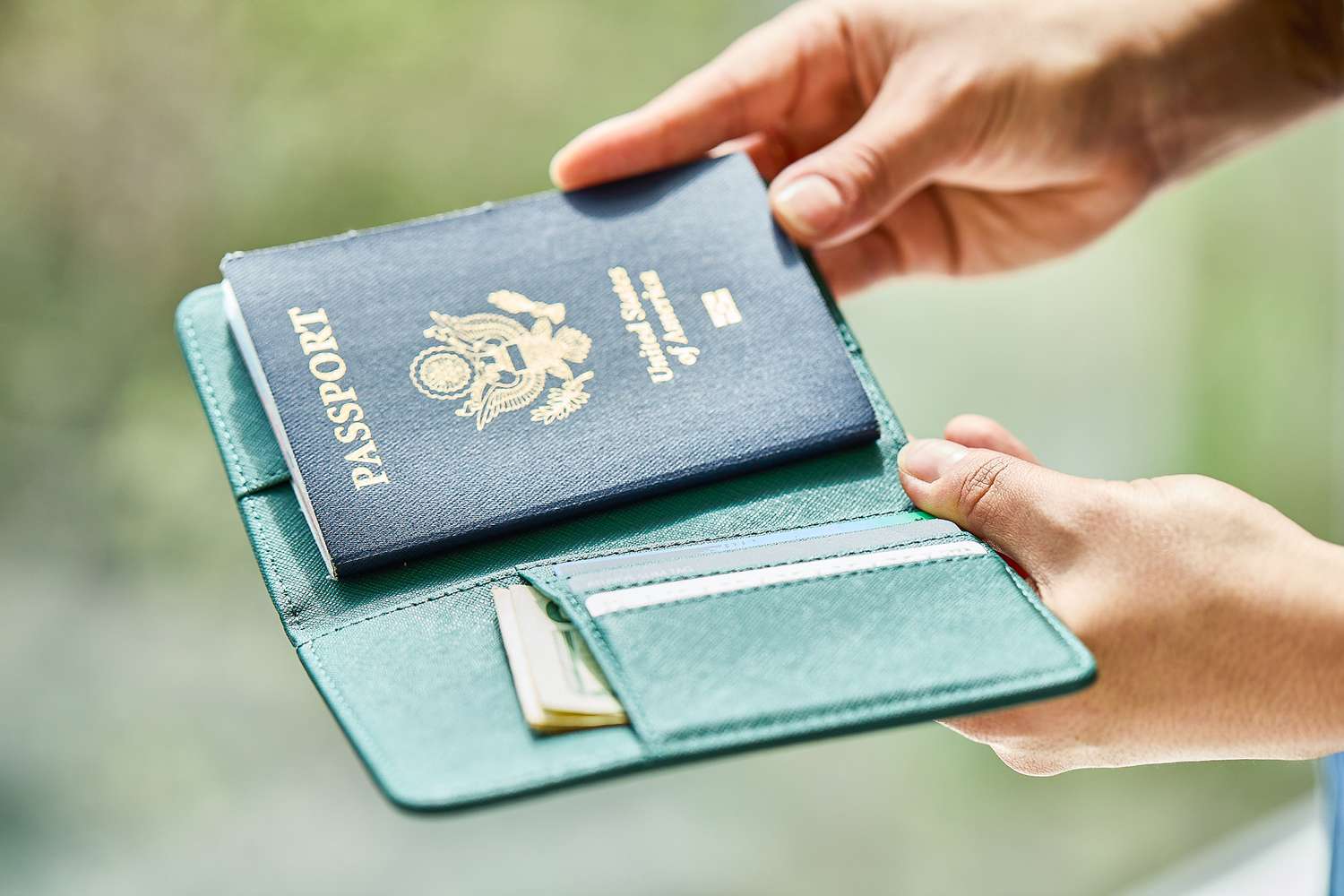
- Entry Requirements: 2026 travelers must complete the e-VOA and pay the mandatory Tourist Levy before or upon arrival.
The Bali You See vs. The Bali Locals Know
Bali has a way of shifting its shape depending on who is looking at it. To the casual observer, it is a kaleidoscope of infinity pools and neon-lit beach clubs. But to those of us who have spent years navigating its winding backroads and participating in its intricate ceremonies, Bali is a deeply complex island defined by Tri Hita Karana—the traditional philosophy of maintaining harmony between humans, nature, and the divine.
As we look toward 2026, the island is at a crossroads. Tourism is booming, but so is a local movement toward "Quality Tourism." The Balinese people are welcoming, but they are also asking for a deeper level of respect for their unwritten rules. If you want to experience the true soul of the island, you need to look past the Instagram filters and understand the rhythm that dictates life here. From the sacred silence of Nyepi to the strategic chaos of Seminyak traffic, here are 15 things a local wants you to know before you touch down in 2026.
1. The Day the Island Shuts Down: Nyepi 2026
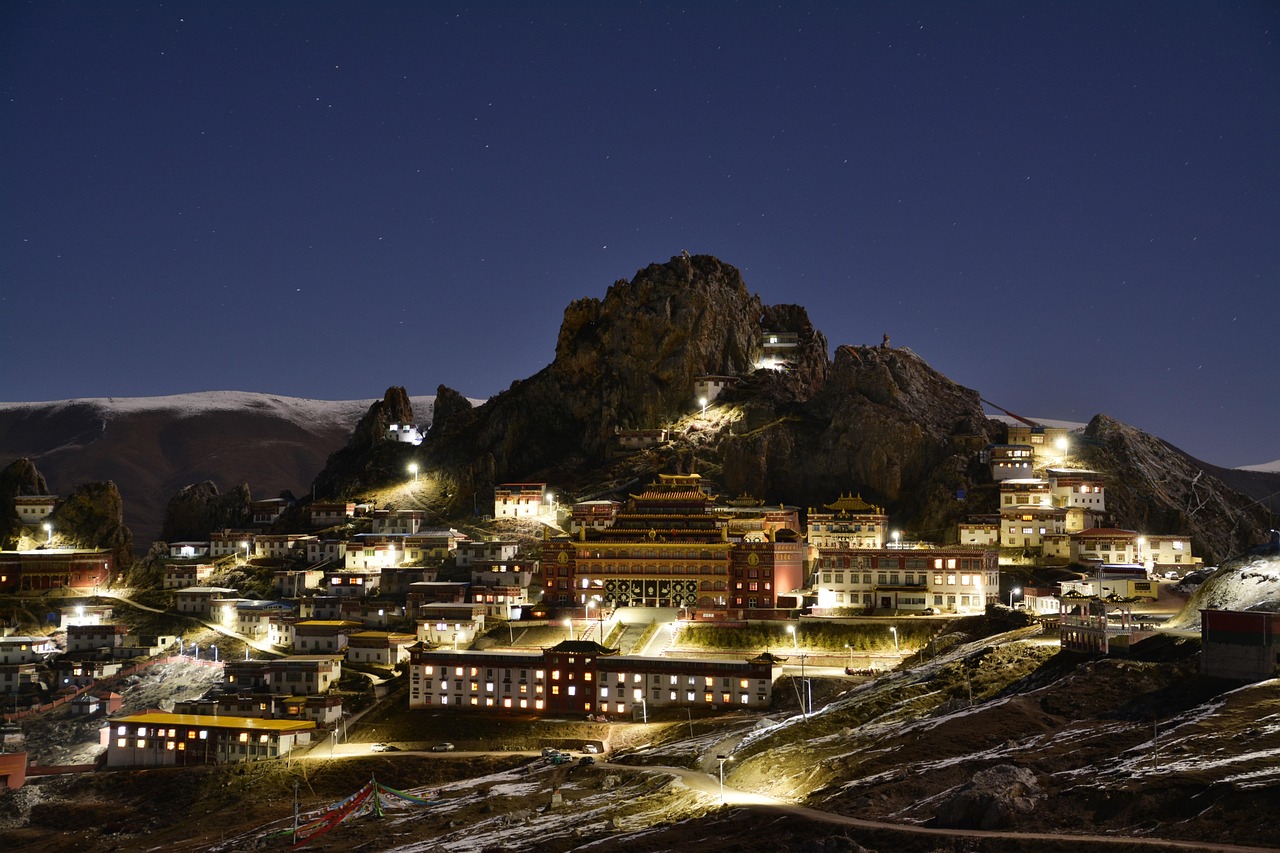
If your 2026 itinerary includes March 19th and 20th, you aren't just visiting Bali; you are witnessing its most sacred ritual. Nyepi, the Balinese Day of Silence, marks the Saka New Year. For 24 hours, the entire island—including the Ngurah Rai International Airport—comes to a dead halt. No planes land, no cars move, and no lights are permitted after dark.
For locals, this is a day of self-reflection and purification to trick evil spirits into thinking the island is deserted. For tourists, it means you are legally confined to your hotel or villa grounds. There is no internet service in many areas, and the streets are patrolled by Pecalang (traditional security). It is a profound, eerie, and beautiful experience, but if you aren't prepared for the total blackout, it can be a shock.
2. Temple Etiquette: More Than Just a Sarong
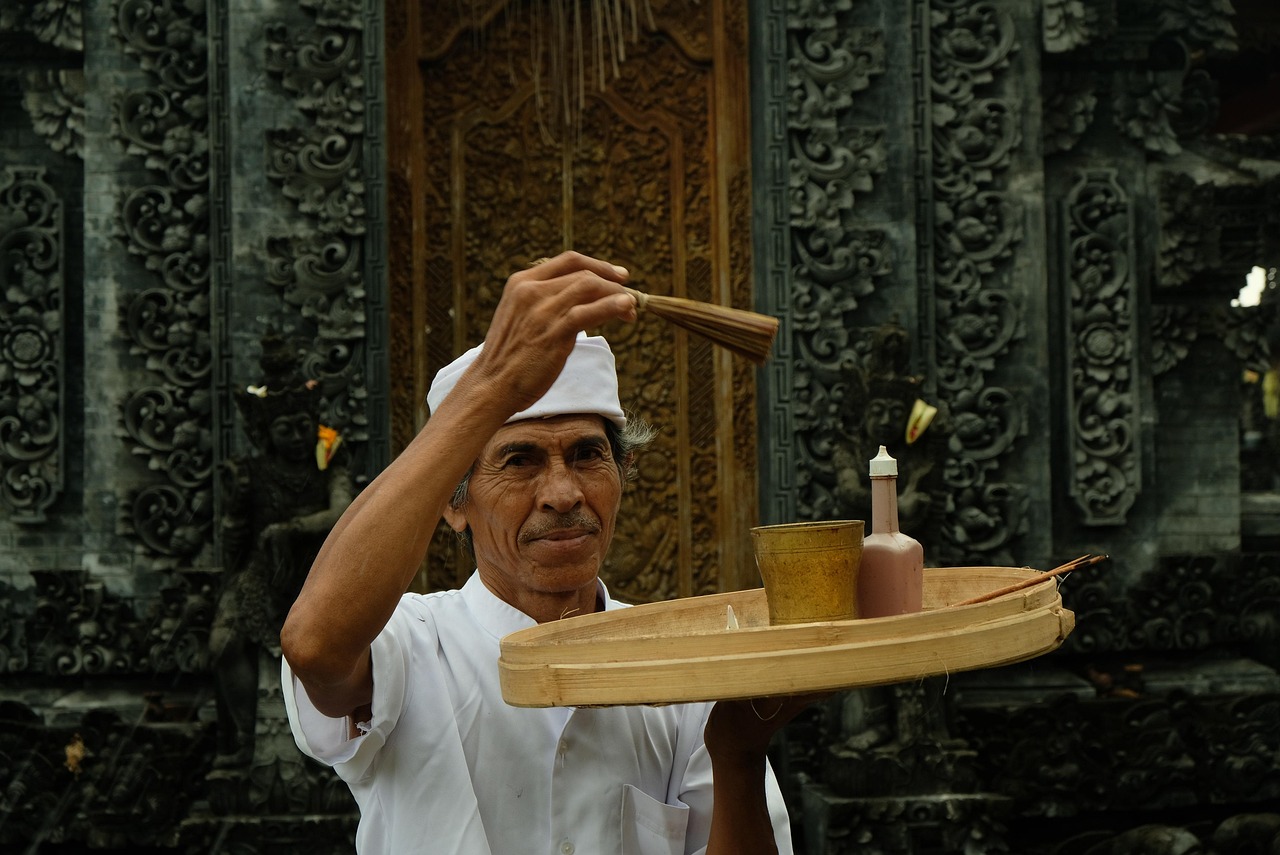
Entering a Pura (temple) is a privilege, not a right. While most major temples like Besakih or Uluwatu are open to the public, they are active places of worship, not mere photo backdrops. The most fundamental rule is the dress code: you must cover your shoulders and your knees. Most temples offer sarong rentals, but bringing your own shows a level of preparedness that locals appreciate.
Beyond the clothes, there is a spiritual taboo that often surprises Western visitors: the menstruation rule. Traditional Balinese belief considers blood—whether from a period or an open wound—to be spiritually "unclean" for the hallowed grounds of a temple. While no one will check, locals ask that you respect this tradition by staying outside the inner sanctums if you are menstruating. Finally, never stand higher than the priest or the offerings, and avoid using flash photography during active prayers.

3. The 'Right Hand' Rule
In many parts of Southeast Asia, including Bali, social etiquette is literally a matter of which hand you use. The left hand is traditionally reserved for bathroom hygiene and is therefore considered "polluted." When you are paying a vendor, handing a gift to a new friend, or eating traditional finger foods, always use your right hand.
If your right hand is full, it is better to wait a moment than to offer your left. Using the left hand to touch someone's head—the most sacred part of the body—is particularly offensive. This small adjustment in your behavior signals a deep awareness of Indonesian social norms and will instantly earn you the respect of the people you meet.
4. Navigating the 'Tourist Tax' Honestly
You will notice very quickly that Bali operates on a dual pricing system. At major landmarks like the Tegalalang Rice Terrace or Tanah Lot, the entrance fee for international tourists can be up to 500% higher than the local Indonesian rate. For example, a local might pay IDR 10,000, while a foreigner is charged IDR 50,000.
While this can feel like a "tourist tax," it is important to understand the context. These fees are a primary source of revenue for the local Banjar (village council) to maintain the infrastructure, pay for ceremonial costs, and manage waste. In a country where the average monthly wage is significantly lower than in the West, these contributions help keep the island’s heritage sites accessible and preserved.
5. Surviving the 400% Traffic Surge
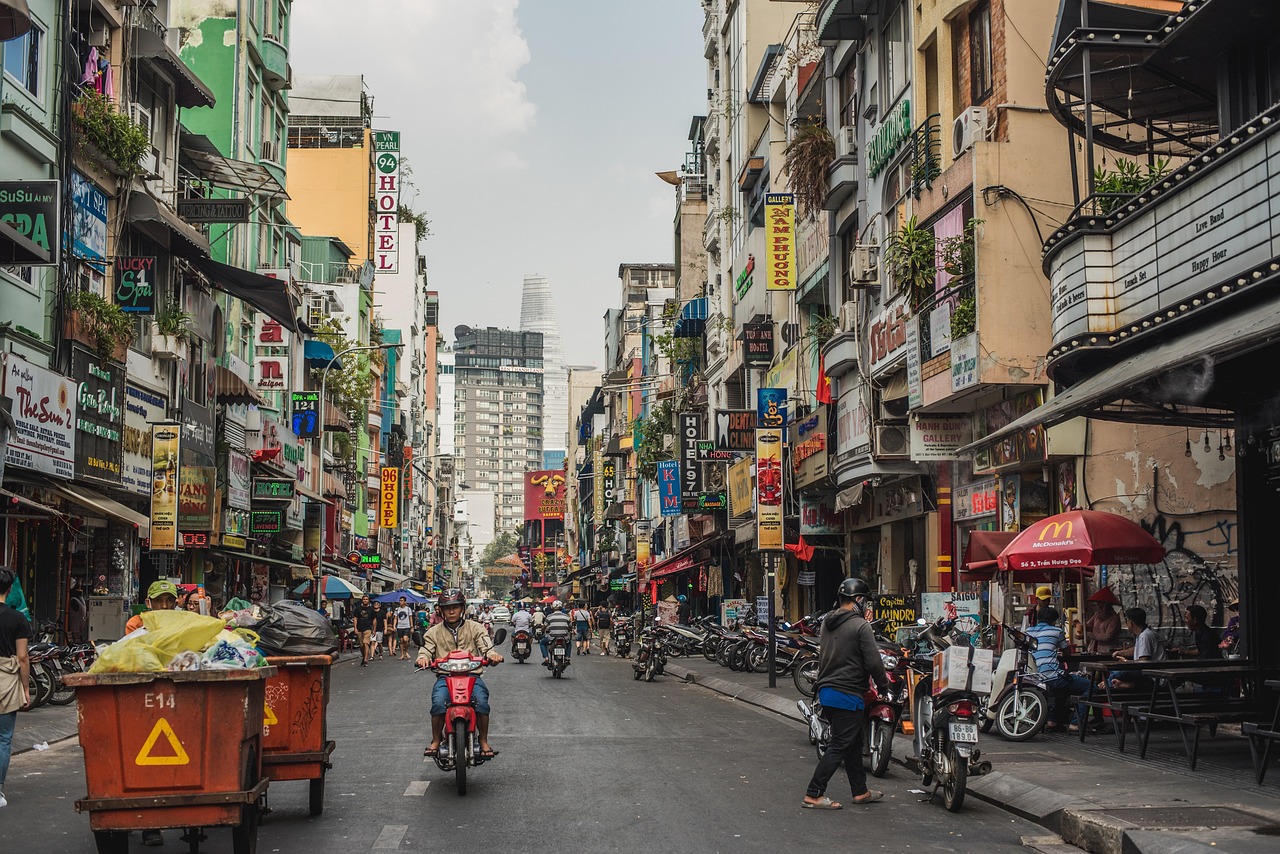
The Bali of 2026 is busier than ever. In popular hubs like Canggu, Seminyak, and Ubud, the infrastructure simply hasn't kept pace with the volume of cars. A short 5km commute that should take ten minutes can easily extend to over 60 minutes during peak hours—a 400% increase over standard travel time.
To navigate this, locals rarely use four-wheeled taxis for short distances. The revolution of Gojek and Grab (the Uber equivalents of Southeast Asia) has made motorcycle taxis the gold standard for travel. If you aren't comfortable driving a scooter yourself—which I only recommend for experienced riders—you can book a "GoRide" or "GrabBike" through the app. You’ll weave through the gridlock while the SUVs sit stationary in the heat.
6. Respecting the Canang Sari (Daily Offerings)
Every morning, you will see Balinese women placing small, palm-leaf baskets filled with flowers, crackers, and incense on the ground in front of homes, shops, and even on dashboards. These are Canang Sari, daily offerings to the Creator.
The most important rule for a visitor is simple: Watch your step. Stepping on an offering while the incense is still burning is considered highly disrespectful, as the essence is still being offered to the gods. If you accidentally step on one, a quick "Suksma" (thank you/excuse me) or a small gesture of apology is appreciated. These offerings are the pulse of the island’s spirituality; they are a reminder that even the pavement is sacred.
7. Preventing the Infamous 'Bali Belly'
Nothing ruins a tropical escape faster than "Bali Belly"—the local term for travel-induced gastroenteritis. While sanitation standards have improved immensely by 2026, the local tap water remains non-potable for most visitors.
- Water Safety: Strictly consume bottled, filtered, or boiled water. Even when brushing your teeth, it's safer to use bottled water.
- The Ice Myth: Most reputable restaurants in tourist areas use government-regulated, purified ice (look for the "ice with a hole" shape). However, be cautious at smaller, rural stalls.
- Fruit and Veg: If you can't peel it, be careful. Salads washed in tap water are the most common culprits.
8. Mosquito Repellent as Your 'Signature Scent'
Bali’s lush jungles and iconic rice paddies are breeding grounds for mosquitoes. While malaria is rare in the main tourist areas, Dengue Fever remains a significant risk, particularly during the transitions between seasons.
Locals recommend making mosquito repellent your "signature scent." Apply it liberally at dawn and dusk, when the Aedes aegypti mosquitoes are most active. Look for local brands like Soffell at any Indomaret or Alfamart; they are often more effective against local mosquito strains than imported Western brands.
9. The Art of the 'Polite Bargain'
Bargaining is a cultural dance in Bali’s traditional markets, but by 2026, the "rules" have firmed up. You should never bargain in supermarkets, convenience stores, or high-end boutiques. However, at the Ubud Art Market or roadside stalls, it’s expected.
The key is to keep it friendly. Start by offering about 50% of the initial price and work your way to a middle ground. A great tip for getting a better price? Use a little bit of the language. A simple "Apa kabar?" (How are you?) followed by "Bisa kurang?" (Can you go lower?) shows that you aren't just another passing tourist. Once a price is agreed upon, it is considered very rude to back out of the deal.
10. Beyond Canggu: The 2026 Hidden Gem Map
By 2026, Canggu has become a victim of its own success. For those seeking the "old Bali" or a more serene experience, you have to head north and east. The travel landscape is shifting toward these slower-paced destinations:
| Region | Vibe | Best For |
|---|---|---|
| Munduk | Misty mountains & cloves | Waterfalls and trekking |
| Amed | Volcanic sand & quiet bays | Diving and sunrise views of Mt. Agung |
| Pererenan | The "New Canggu" | High-end dining with less chaos |
| Nusa Penida | Rugged & dramatic | Iconic cliffs and Manta Ray snorkeling |

11. Beach Club Strategy: Reservations are Non-Negotiable
The days of casually strolling into Savaya, Potato Head, or Finns and snagging a daybed are largely over. In 2026, these venues operate with the precision of a Swiss watch. If you are visiting during peak months (July, August, or December), you should book your spot at least two weeks in advance. Walk-ins are frequently turned away or relegated to standing-room-only areas near the bar.
12. Understanding Tipping Culture
Tipping is not traditional in Indonesian culture, but it has become common in tourist areas. Most mid-to-high-end restaurants will add a "Service Charge" (usually 5-10%) and "Government Tax" (11%) to your bill—look for the "++" next to prices. If the service charge is already included, an additional tip isn't required but is deeply appreciated. For Gojek drivers or spa therapists, a small cash tip of IDR 10,000 to 20,000 can make a significant difference in their daily take-home pay.
13. Animal Encounters: Observe, Don't Interact
The monkeys of Ubud and Uluwatu are not your friends; they are professional pickpockets. They have learned that humans carry snacks and shiny objects. Keep your sunglasses, hats, and phone inside your bag, and never—ever—try to feed them. A bite can result in a very expensive and painful series of rabies shots. Similarly, while the "Bali Street Dogs" are often adorable, be cautious. Many are vaccinated by local charities, but it's best to admire them from a distance unless you are at a dedicated dog cafe.

14. Eating Local: The Soul of the Warung
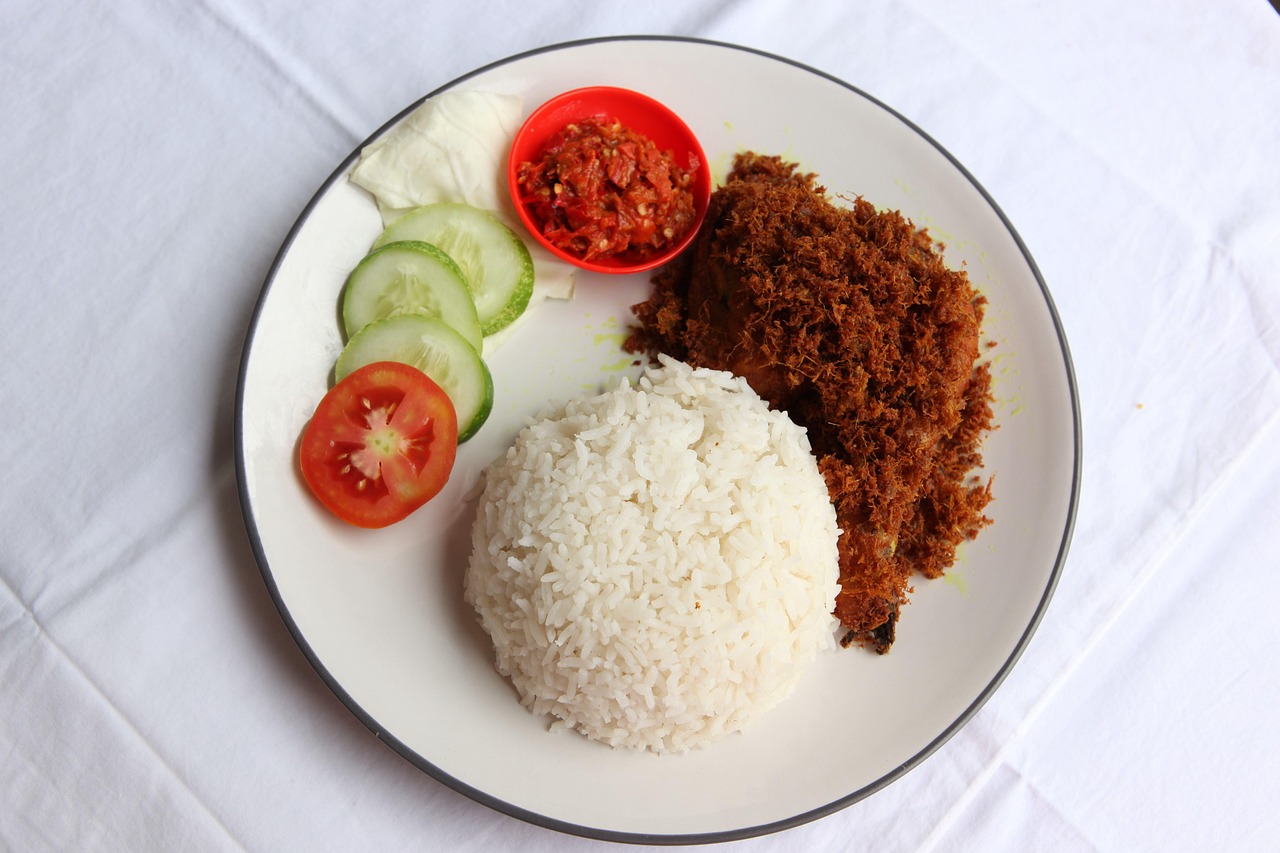
If you only eat at "Instagram-famous" cafes, you are missing the best food on the island. A Warung is a small, family-run eatery, and it is where you’ll find the most authentic flavors. Look for Babi Guling (suckling pig), which is Bali’s most famous ceremonial dish, or Nasi Campur, a scoop of rice served with a variety of small portions of meats and vegetables. Supporting these local businesses is the most direct way to ensure your tourism dollars stay within the local community.
15. The 2026 Digital Shift: Visas and Connectivity
The administrative side of visiting Bali has moved almost entirely online. In 2026, you should apply for your e-VOA (Electronic Visa on Arrival) before you leave home to skip the massive queues at the airport. Additionally, the new Tourist Levy (approximately $10 USD) must be paid via the "Love Bali" portal.
For staying connected, skip the physical SIM card stalls at the airport. They are overpriced and often sell cards that expire after a few days. Instead, use an eSIM. You can download a profile before you land, ensuring you have instant data for booking your first Grab ride.
Apply for your Bali e-VOA here →
FAQ
Is Bali safe for solo travelers in 2026? Yes, Bali remains one of the safest destinations in Southeast Asia for solo travelers. The main risks are petty theft (snatch-and-grab on motorbikes) and traffic accidents. Always keep your bag on the side of your body away from the street.
How much does a 7-day trip to Bali cost now? For 2026, a mid-range traveler should budget between $700 and $1,200 USD (excluding flights) for a week. This covers comfortable boutique villas, daily cafe meals, a few high-end dinners, and private transport.
What is the best way to avoid tourist scams? Only use official currency exchange offices (look for the "Authorized" shield and a professional office, not a back-alley desk). Always use the Grab or Gojek apps for transport to ensure fair, transparent pricing.
Conclusion: Becoming a Guest, Not Just a Visitor
Bali is an island that gives back exactly what you put into it. If you approach it with impatience and a "consumer" mindset, you will find the traffic and the crowds overwhelming. But if you approach it with the curiosity of a guest—respecting the silence of Nyepi, stepping carefully around the Canang Sari, and greeting locals with a "Selamat Pagi"—the island will open its heart to you.
As we travel in 2026, let’s aim to be mindful guests who leave the island as beautiful as we found it.