After more than 125 river cruises navigating the winding arteries of Europe—from the sun-drenched banks of the Douro to the mist-shrouded castles of the Rhine—I’ve learned that the secret to a perfect journey isn't just about the excursions you book; it’s about what you fit into your suitcase. Packing for a river cruise is a different beast entirely than preparing for a massive ocean liner. On a river ship, the pace is intimate, the staterooms are cozy, and the terrain is almost exclusively centuries-old, lumpy-bumpy cobblestone.
As we look toward the 2026 season, travelers are increasingly seeking "active" discovery, which means your gear needs to work harder than ever. The top essentials for a 2026 European river cruise include high-cushioning walking shoes for historic streets, an anti-theft crossbody bag for port security, a universal power adapter, and a high-quality packable rain jacket.
1. Footwear: The Cobblestone Conquerors
In the world of river cruising, your feet are your primary mode of transportation. Whether you’re exploring the medieval hills of Dürnstein or the expansive art galleries of Amsterdam, you aren’t just walking; you’re navigating slick, uneven, and often steep historical surfaces.
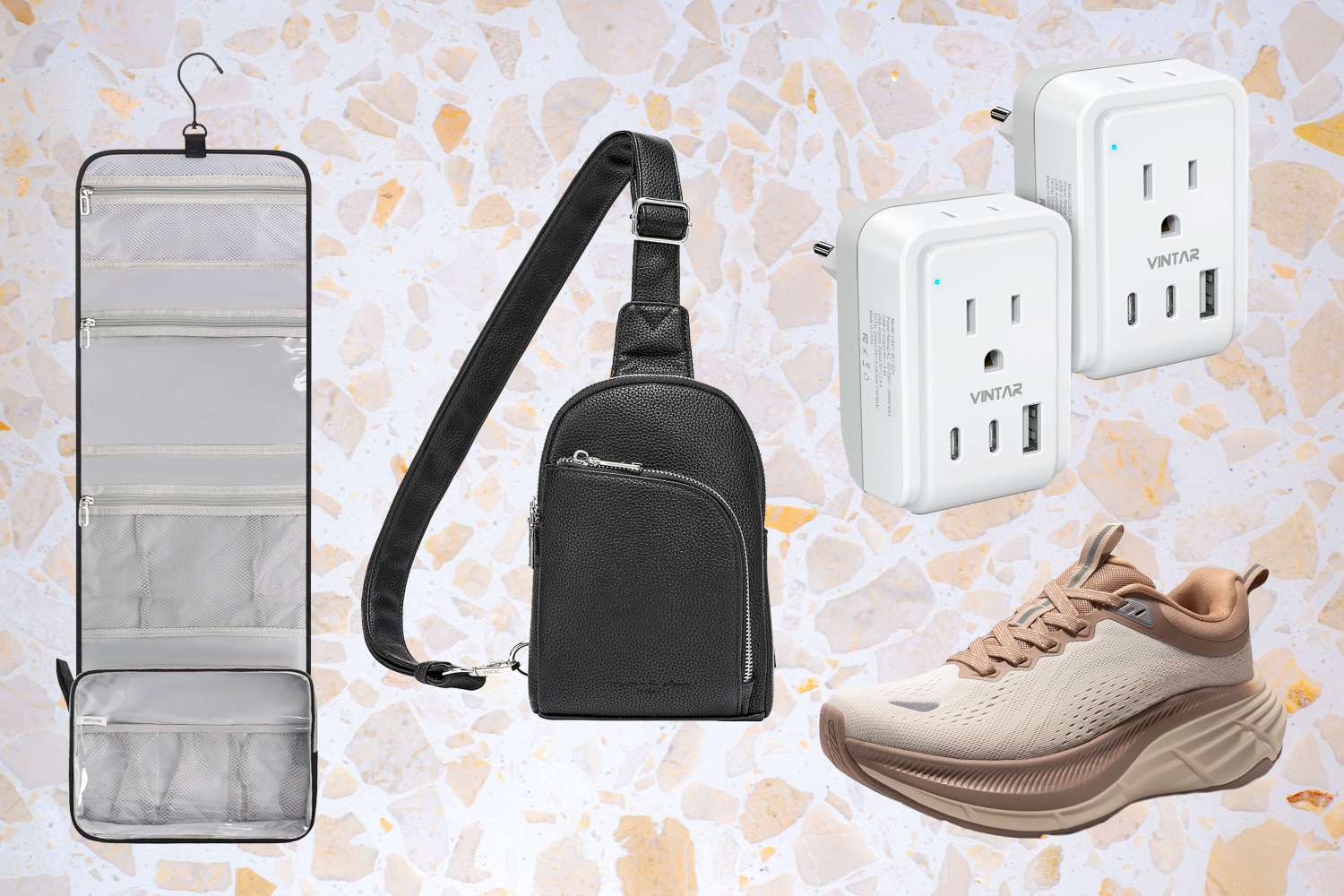
Data from active river cruise passengers shows that travelers average between 15,000 and 22,000 steps per day during shore excursions. To survive this, you need more than just "comfortable shoes." You need footwear with high-elastic EVA (Ethylene Vinyl Acetate) cushioning. This material provides the shock absorption required to protect your joints from the repetitive impact of stone streets.
Pro-Tip: Never pack a brand-new pair of shoes. Ensure you have at least 20 miles of "break-in" time on your footwear before you board. Look for slip-resistant rubber outsoles; European quay-sides can be surprisingly slippery when wet.
2. Secure Sightseeing: The Anti-Theft Strategy
While river ports like Passau or Lyon are generally very safe, the crowded tourist hubs of Budapest, Paris, and Prague are prime territory for opportunistic pickpockets. A standard backpack won't cut it when you're distracted by a stunning cathedral.
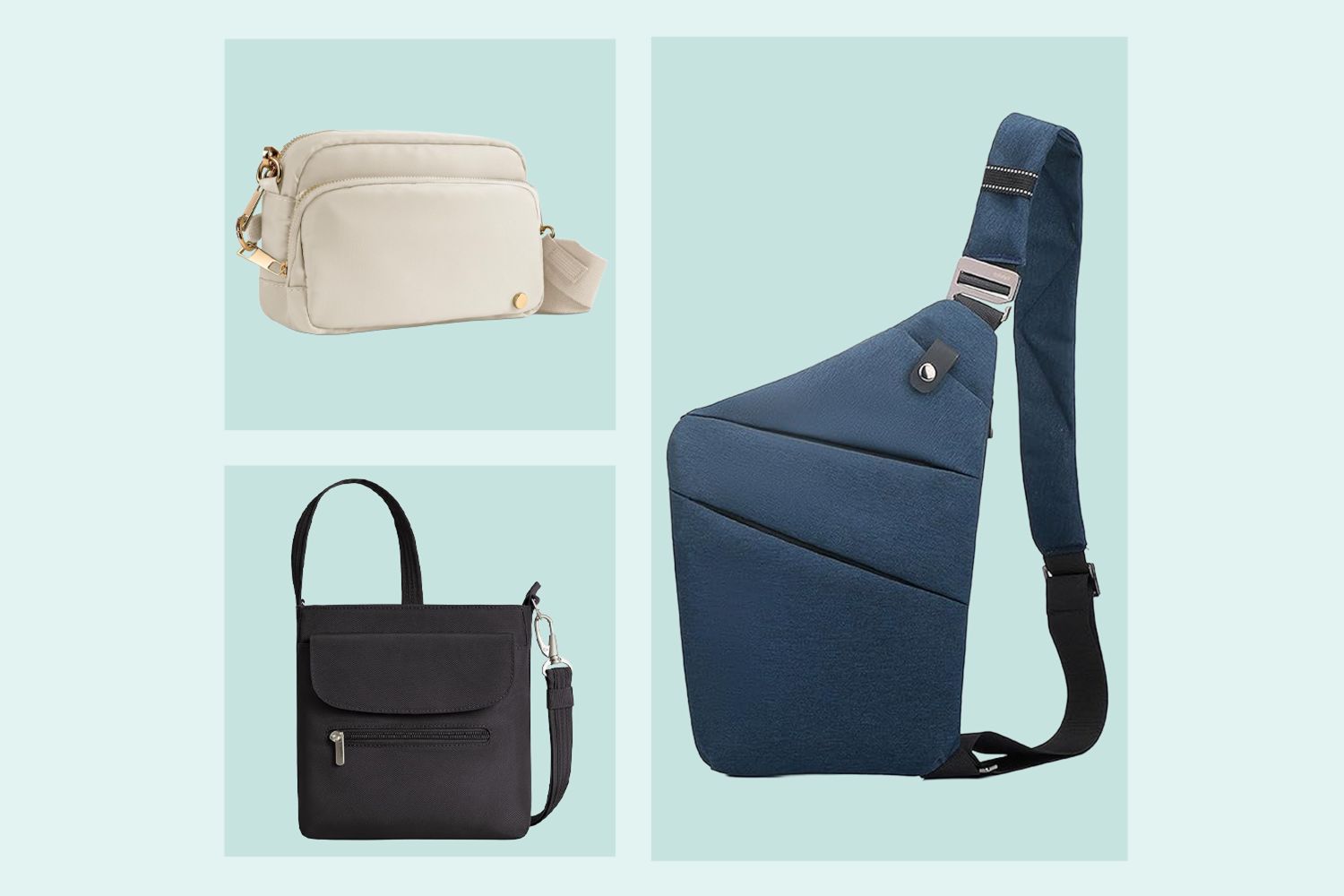
Your primary day bag should be a slash-resistant crossbody bag equipped with RFID-blocking technology. This protects both your physical valuables and your digital data. Look for bags with locking zippers—they act as a powerful deterrent.
Essential Gear Specs:
- Slash-proof straps: Reinforced with thin wire.
- RFID-Blocking pockets: For credit cards and passports.
- Internal Tether: To clip your wallet or keys directly to the bag’s interior.
3. Maximizing the 200-Square-Foot Stateroom
The average river cruise stateroom is approximately 200 square feet. While brilliantly designed, horizontal surface area (like counter space) is at a premium. To keep your cabin feeling like a sanctuary rather than a cluttered closet, you must think vertically.
A hanging toiletry bag is a game-changer. By hanging it on the back of the bathroom door or on a hook in the closet, you free up the entire vanity for your daily essentials. Similarly, bring a collapsible water bottle. These can be filled at the ship’s hydration station and then tucked away into a small side pocket once empty, reducing the bulk in your daypack as you transition from ship to shore.
4. The 'No-Iron' Solution: Wrinkle-Release Spray
One of the most surprising rules for first-time cruisers is the strict fire safety policy: personal irons and steamers are strictly prohibited in cabins. While most ships offer professional laundry and pressing services, those costs can add up.
The expert alternative is a travel-sized wrinkle-release spray. Simply hang your garment, spray, and pull the fabric taut. It’s effective for the "refined casual" dress code most lines like Viking or AmaWaterways suggest for dinner.
Expert Insight: "If you have a stubborn wrinkle that the spray won't fix, hang your garment in the bathroom while you take a hot shower. The steam acts as a natural relaxant for the fibers without violating fire codes."
5. Staying Powered: The 2026 Tech Kit
European river ships are a mix of older vessels and ultra-modern "longships." Depending on the age of your ship, you may encounter 110V (U.S. style) outlets, 220V (European style) outlets, or a mix of both.
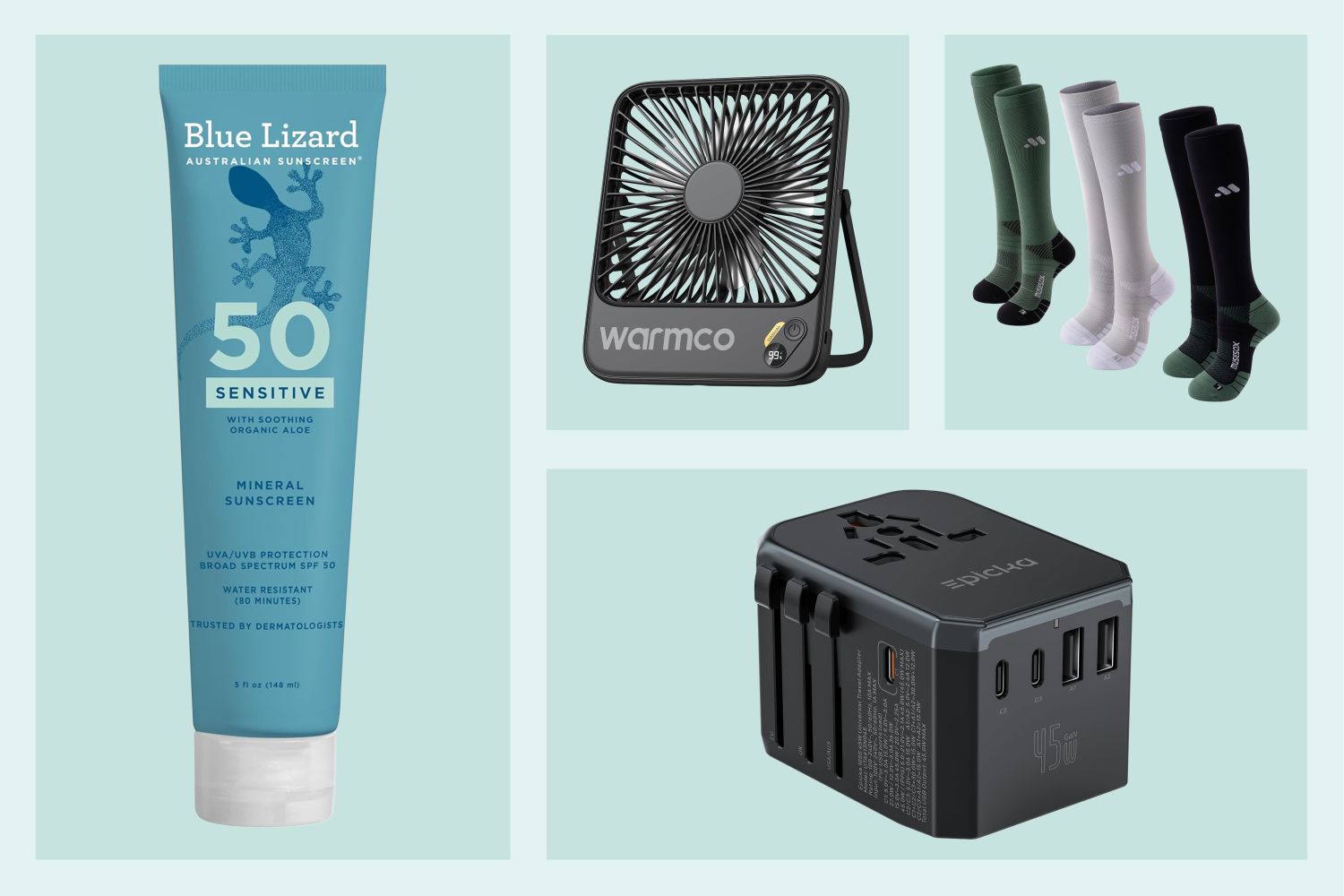
Don’t gamble with your expensive electronics. A universal power adapter with built-in USB-C ports is essential. Furthermore, because staterooms often have limited outlets near the bed, a compact, non-surge protected power strip is a lifesaver. Note: Ensure it is non-surge protected, as surge protectors can interfere with shipboard electrical systems.
6. The 30% Weight Reduction Wardrobe
Overpacking is the most common mistake I see on the rivers. Travel experts who have spent decades on the water report that utilizing onboard laundry services—even just once mid-trip—can reduce total luggage weight by approximately 30%.
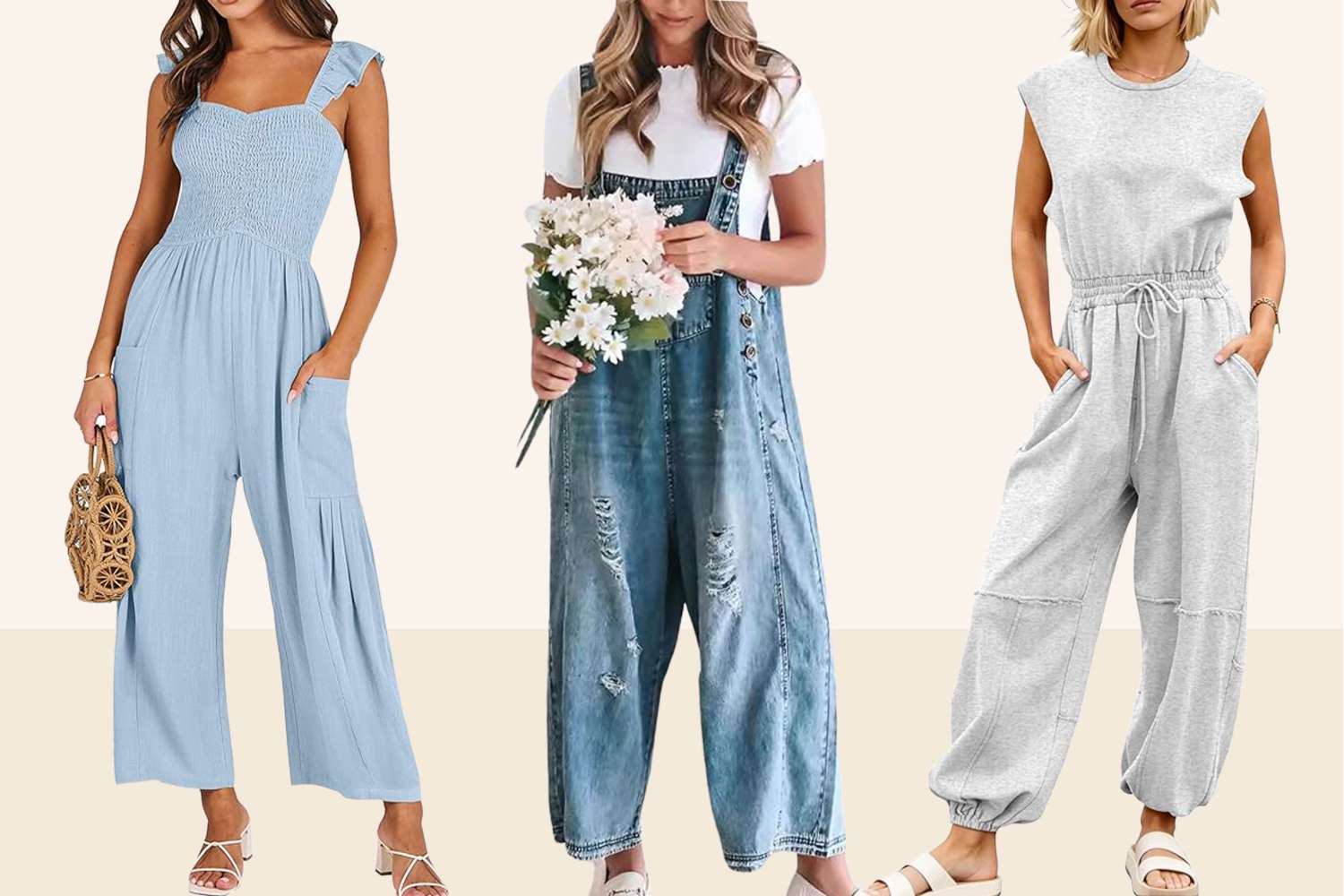
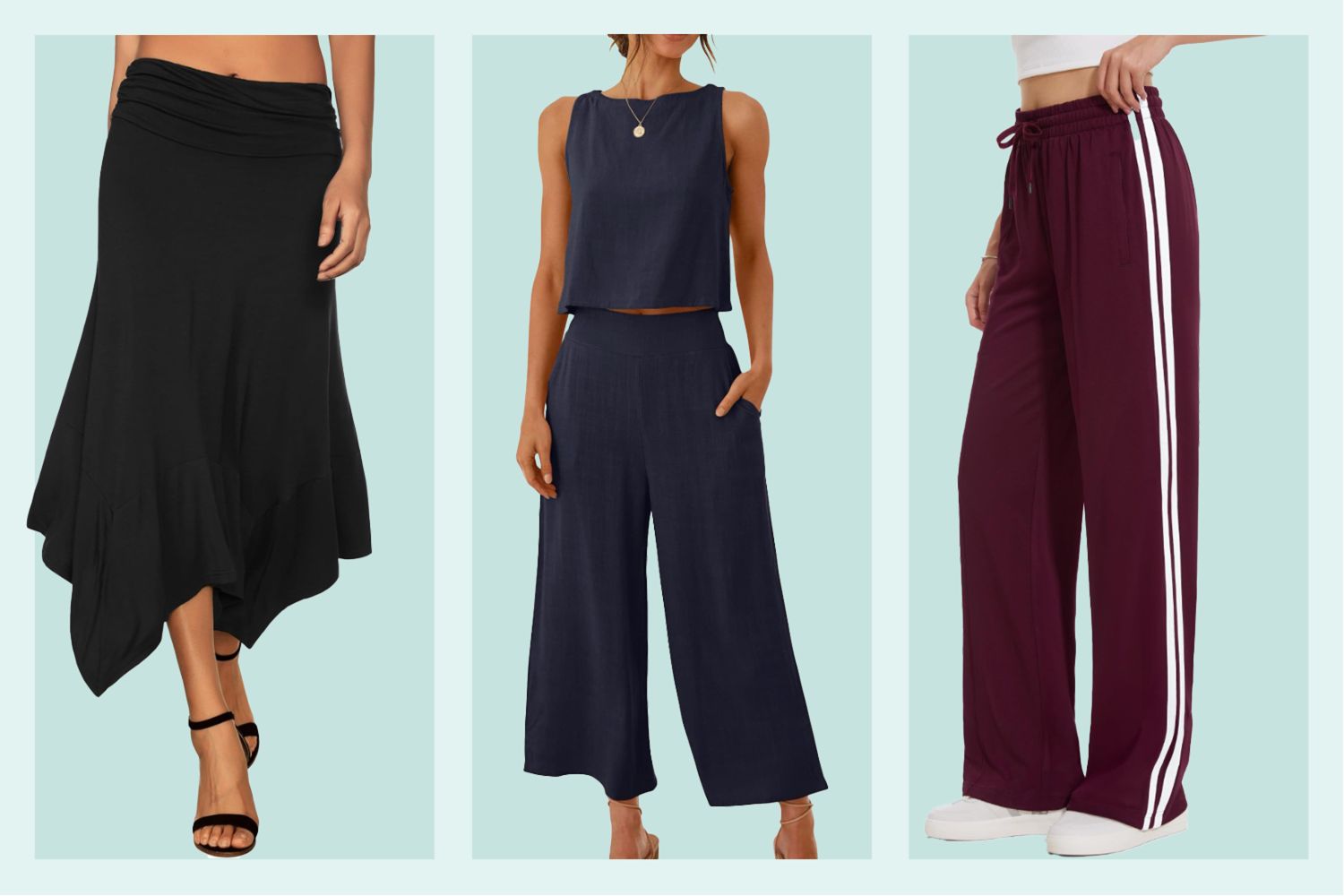
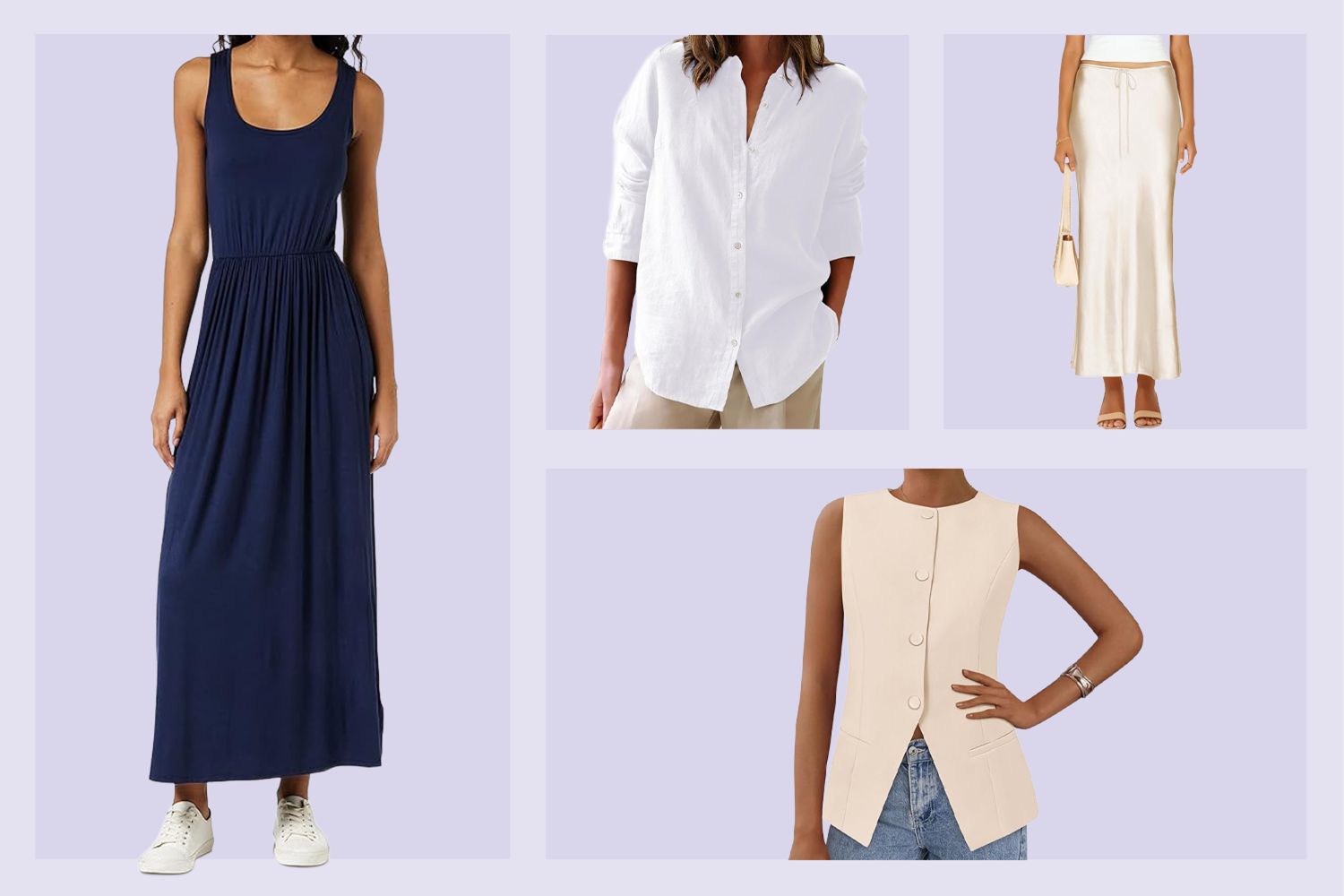
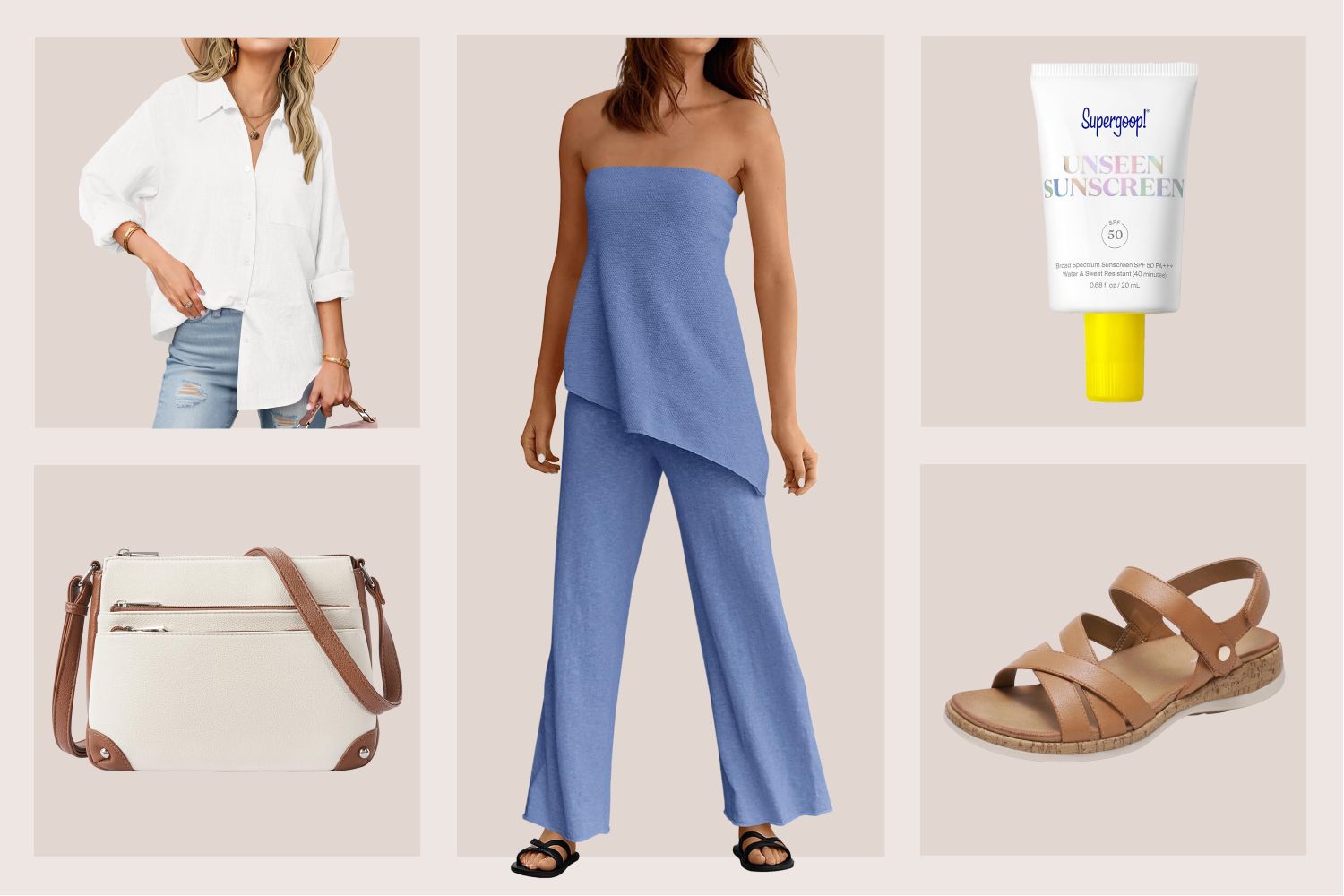
Instead of packing 14 different outfits for a 14-day cruise, focus on a "Capsule Wardrobe." Select a neutral base color (like navy, black, or khaki) and add one or two accent colors. This allows every top to match every bottom.
| Item Type | Quantity for 7 Days | Notes |
|---|---|---|
| Walking Shoes | 1 Pair | High EVA cushioning, neutral color |
| Evening Shoes | 1 Pair | Loafers or dressy flats |
| Bottoms | 3 Pairs | Mix of dark denim and chinos |
| Tops/Shirts | 5-6 | Breathable, moisture-wicking layers |
| Light Jacket | 1 | Waterproof and packable |
7. Weather-Proofing the Journey
European weather is notoriously fickle. You can start a morning excursion in Vienna under bright sunshine and end it in a torrential downpour. While most ships provide large umbrellas, they are cumbersome to carry through narrow village streets and can be dangerous in high winds.
A high-quality, packable rain jacket with a hood is far superior. It leaves your hands free for taking photos and provides an extra layer of wind protection during those scenic evening sails on the top deck.
8. Health and Hygiene on the Move
Staying healthy is the key to enjoying your investment. Two items often overlooked are sunscreen sticks and electrolyte packets. Even in the shoulder seasons (spring and autumn), the reflection of the sun off the water can lead to unexpected burns. Electrolyte packets are vital because the combination of increased walking and local wines can lead to dehydration faster than you’d expect.
In smaller, historic districts, public restrooms can be... rustic. Carrying a small pack of soap sheets ensures you can maintain hygiene even when the local facilities are lacking supplies.
9. Specialized Gear: Binoculars and Journals
River cruising is an observational sport. As you sail through the UNESCO-listed Rhine Gorge, you’ll pass dozens of castles perched high on the cliffs. Compact, wide-angle binoculars (8x25 is a sweet spot) allow you to see the architectural details and vineyard workers that are invisible to the naked eye.
Finally, bring a dedicated travel journal. Between the daily briefings, the historical lectures, and the names of the new friends you'll meet at the communal dinner tables, you'll want a place to record the details that photos can't capture.
FAQ: Common River Cruise Packing Questions
What is the dress code for the Captain’s Dinner? Unlike ocean cruises, "black tie" is almost never required. For men, a sport coat and collared shirt (no tie needed) are perfect. For women, a dressy blouse and slacks or a simple cocktail dress will suffice. The vibe is "refined casual."
Can I bring my own hairdryer? Almost all modern river ships provide high-quality hairdryers in the staterooms. Because personal hairdryers can draw significant power and sometimes trip the ship's breakers, it's best to leave yours at home and save the luggage space.
Do I need to carry my passport during excursions? In most European "Schengen Area" countries, you do not need to carry your physical passport on shore excursions; the ship’s boarding card usually acts as your ID. However, keeping a high-quality color photocopy or a digital scan on your phone is highly recommended for security.
The Ethan Brooks Verdict
Packing for a river cruise is an exercise in editing. By focusing on the 13 essentials—particularly high-quality footwear and smart space-saving tools—you transition from a "tourist" struggling with heavy bags to a "traveler" who moves through the heart of Europe with ease. Remember, the goal is to spend less time managing your gear and more time watching the medieval spires of the Old World drift slowly by your balcony.