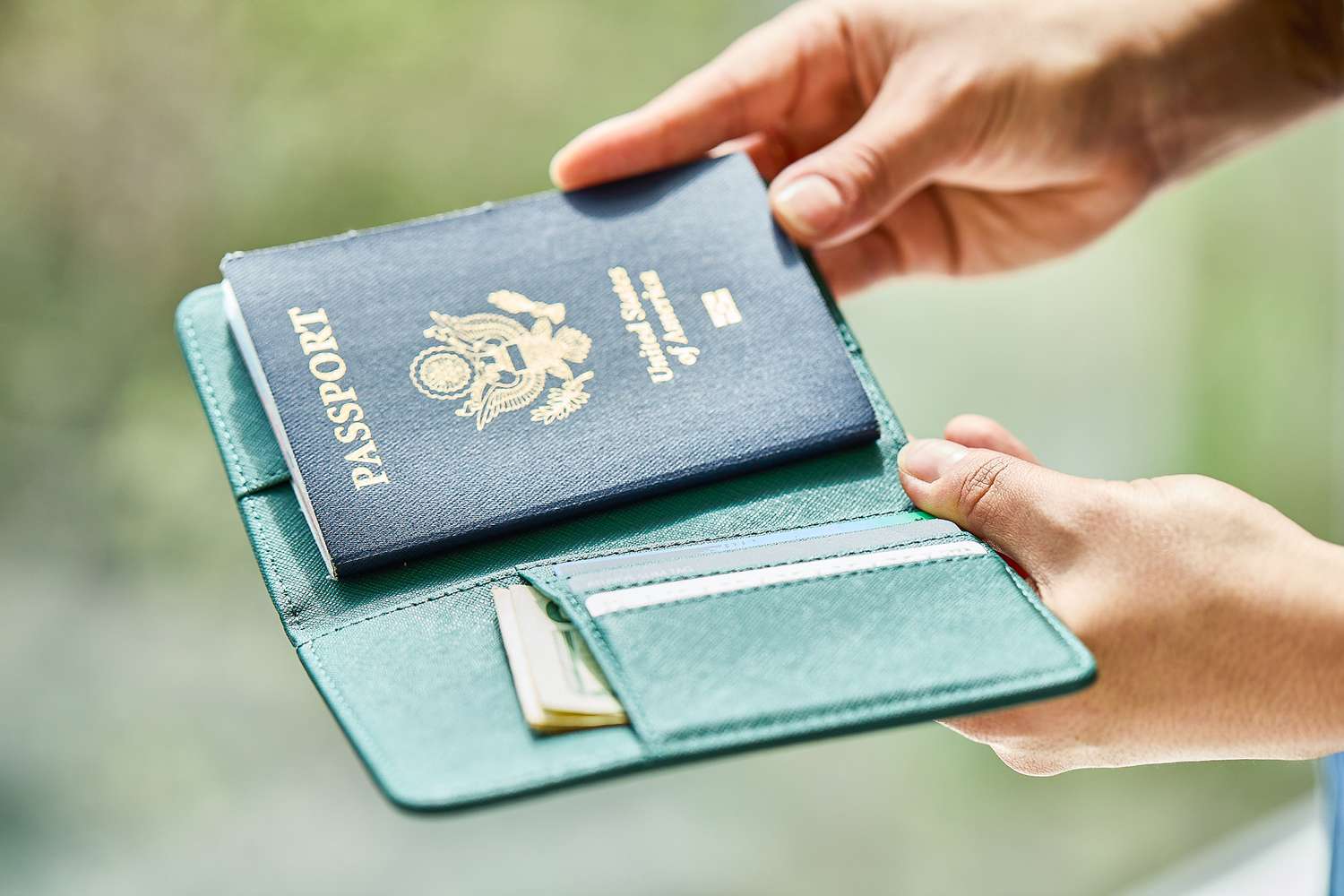
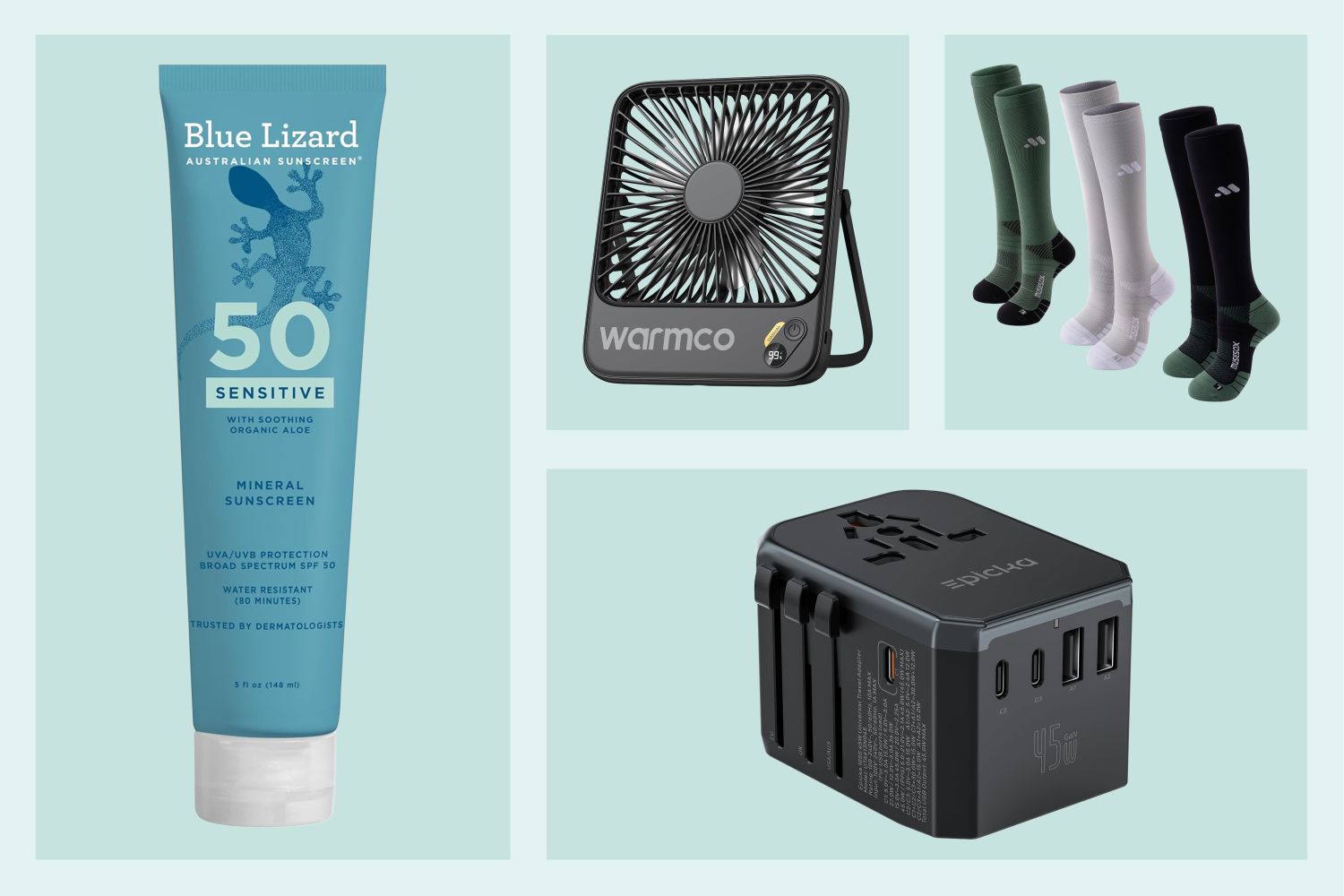
As we navigate the complexities of global transit in 2026, the question "Is my bag safe?" has never been more pertinent. While the aviation industry has implemented advanced tracking systems, the reality of lost luggage security remains a high-stakes gamble for the unprepared traveler. According to the unclaimed baggage report 2026, the system is more efficient than ever, yet the volume of "orphaned" items suggests that travelers are still making critical mistakes.
When airlines are unable to reunite lost luggage with its owners after an intensive 90-day search, the bags are officially deemed lost. These unclaimed items are then sent to specialized processing facilities in Scottsboro Alabama, where they are sold at retail, donated to various charities, or recycled responsibly. Before this happens, airlines typically provide airline compensation to the travelers for their lost belongings. However, money rarely replaces the sentimental or practical value of what was inside.
To help you understand how to prevent my suitcase from being stolen and ensure your belongings reach their destination, we have analyzed the latest data and hardware to provide a comprehensive guide to modern travel security.
I. The Reality of Luggage Security in 2026
The global travel landscape has seen a fascinating paradox over the last few years. According to the SITA Baggage IT Insights 2025 report, the global baggage mishandling rate fell to 6.3 bags per 1,000 passengers in 2024, representing a 67% improvement compared to the rate in 2007. This sounds like a victory for lost luggage security, but the sheer scale of the industry means the numbers are still staggering.
Baggage mishandling cost the global aviation industry an estimated $5 billion in 2024, despite the fact that more than 61% of mishandled bags were resolved and closed within 48 hours. When a bag isn't resolved within that window, the anxiety begins. For the 0.1% that never find their way back home, the 90-day clock starts ticking.
The unclaimed baggage report 2026 highlights that "orphaned" bags are often the result of simple human error: missing ID tags, internal items with no identifying markers, or external labels being torn off in automated sorting systems. As travel critics, we emphasize that while the system is statistically "safe," the individual risk remains high if you do not take active luggage protection tips seriously.
II. Lessons from the 2026 Unclaimed Baggage Report
The annual "Found Report" from the Unclaimed Baggage Center offers more than just a list of weird items; it serves as a proxy for traveler oversight. In 2026, the report revealed that high-value items—including a 4.5-billion-year-old meteorite, authentic samurai swords, and a pair of $43,000 diamond earrings—ended up on the shelves in Scottsboro.
According to the Unclaimed Baggage 'Found Report,' more than 99.9% of checked bags are successfully reunited with their owners, while the tiny fraction remaining unclaimed after a 90-day search is officially deemed orphaned.
What does this teach us about lost luggage security?
- Over-reliance on Checked Bags: Travelers continue to check items that are irreplaceable or extremely high-value.
- The "Orphan" Status: What happens to bags that airlines cannot find is a process of total liquidation. Once the 90-day search window closes, your privacy is effectively gone as bags are opened and sorted.
- The Identification Failure: A significant portion of "orphaned" bags are in perfect physical condition, meaning the only reason they weren't returned was a lack of contact information inside or outside the bag.
Pro Tip: The Double-ID Rule Always place a business card or a piece of paper with your contact details inside the main compartment of your suitcase. External tags are frequently ripped off by conveyor belts; internal IDs are the last line of defense for airline recovery teams.
III. The 'Unsecured Zone': Why Baggage Claims are 2026’s Biggest Threat
Most travelers worry about their bags while they are in the air, asking, "is my luggage safe during airport transfers?" Paradoxically, the most dangerous part of the journey is often the final leg: the baggage claim carousel.
The baggage claim area is a "zero-barrier" physical space in many airports. Anyone can walk in from the street, grab a premium-looking suitcase, and walk out before the rightful owner has even cleared customs or used the restroom. In 2026, we are seeing a rise in "targeted snatching" where thieves look for high-end brands like Rimowa or Tumi, assuming the contents match the exterior.
Tips for securing valuables while traveling abroad at the carousel:
- The "Boring Bag" Principle: Use a luggage cover or choose a non-descript bag. A bright neon luggage strap not only helps you identify your bag from a distance but also acts as a visual deterrent to "accidental" pickups.
- Be First to the Belt: Do not linger in the duty-free shop or the lounge. Your goal is to meet your bag the moment it slides down the chute.
- GPS Tracking: Devices like AirTags or Tile are no longer optional. They provide the precise location of your bag, allowing you to prove to airline staff (or police) exactly where your property is if it’s been moved.
IV. Layered Defense: Low-Cost Security Hacks
You don't need a vault to achieve high-level lost luggage security. A layered defense strategy is the most effective way to deter casual thieves and organized pickpockets.
1. Tamper-Evident Seals Standard TSA approved locks are essential for legal compliance, but they are easily bypassed with a simple ballpoint pen through the zipper track. To counter this, use brightly colored zip ties. While they can be cut, they serve as a "tamper-evident" seal. If you arrive and the tie is missing, you know immediately to check your contents and report a theft before leaving the airport.
2. Resetting Factory Codes It is shocking how many travelers leave their built-in suitcase locks on the factory setting of "0000." Professional thieves know this. The first thing you should do after purchasing a bag is set a unique code.
3. Strategic Packing Never pack your "daily carry" essentials—laptops, cameras, or medication—in a checked bag. Your carry-on safety is within your control; once a bag is checked, it is out of your hands.
V. Best Anti-Theft Travel Bags: 2026 Hardware Review
When it comes to the best slash proof bags for international travel, we have put several leading brands through the ringer. In 2026, the focus has shifted from just "locking" to "integrated tech defense."
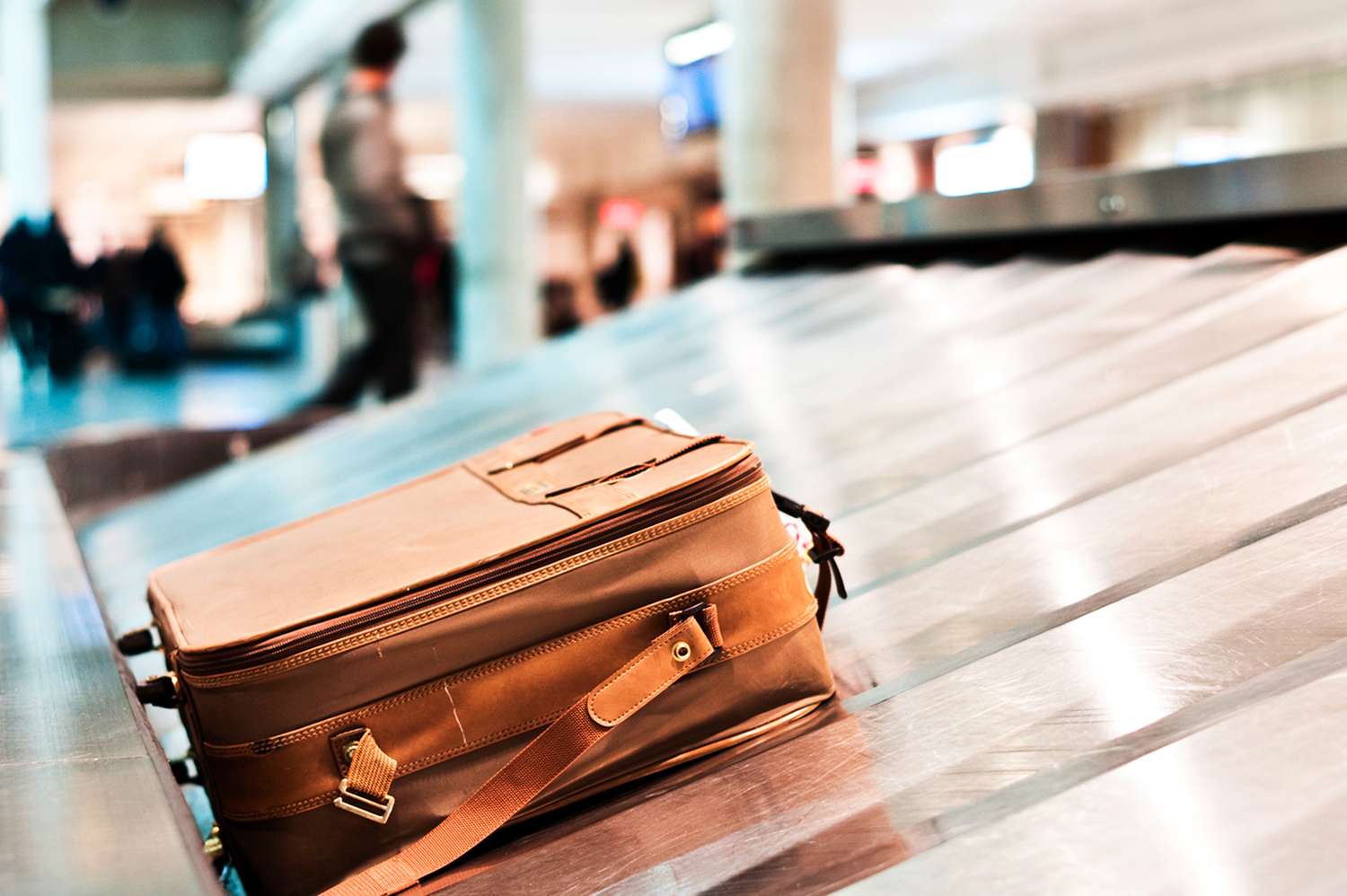
Pacsafe Metrosafe X
We tested the Metrosafe X in high-density urban environments. The standout feature is the eXomesh slash guard—a stainless steel wire mesh embedded in the fabric. In our lab tests, a standard box cutter left only a slight surface mark, failing to penetrate the bag's interior. The lockable zippers on this model are particularly clever, utilizing a centralized lockdown point that is difficult for a pickpocket to manipulate quickly.
Travelon Heritage
For those who prefer a more classic aesthetic without sacrificing anti-theft travel bags technology, the Travelon Heritage series remains a top contender. It features slash-resistant panels on all four sides and the bottom. However, we noticed that while the fabric is tough, the external water-bottle pockets are a weak point if you store items there. Always keep your valuables in the RFID-blocking internal pockets.
VI. Decoding the Specs: What ANSI A4 and RFID Actually Mean
When shopping for anti-theft travel bags, you will encounter a lot of technical jargon. Use this table to understand what you are actually paying for.
| Tech/Spec | What it Protects Against | How it Works |
|---|---|---|
| RFID Blocking | Electronic Pickpocketing | Metallic fabric shields credit cards from unauthorized scans. |
| ANSI A4 Rating | Knife/Blade Attacks | A standard for cut resistance; A4 can withstand medium-duty blade pressure. |
| Lockable Zippers | Quick-fingered Theft | Zippers click into a stationary dock, requiring two hands to open. |
| Slash-Proof Straps | "Cut and Run" Theft | Wire-reinforced straps that cannot be cut with a simple knife. |
It is important to note that RFID blocking only works if your cards are inside the designated pockets. Simply having an RFID bag does not protect a wallet sitting in the middle of the main compartment.
VII. FAQ
What happens to bags that airlines cannot find?
After an intensive 90-day search, if an owner cannot be located, the airline pays out a claim to the passenger. The bag is then considered "orphaned" and is sold to the Unclaimed Baggage Center. Here, items are sorted; high-value goods are sold at a discount, while other items are donated or recycled.
How long do airlines search for lost bags before selling them?
Airlines are legally required to make a "best effort" search for 90 days. During this time, they use primary and secondary tracking systems (like WorldTracer) to match bag descriptions with lost property reports. After 90 days, the bag is officially declared lost.
Is my luggage safe during airport transfers?
Statistically, transfers are where most baggage mishandling occurs. While the bag is usually "safe" from theft due to secure airside areas, it is at high risk of being misrouted. To improve your lost luggage security during transfers, ensure all old destination stickers are removed from your bag to avoid confusing the scanners.
VIII. Conclusion: Taking Ownership of Your Transit Security
In 2026, lost luggage security is no longer something you can leave entirely to the airlines. While the system has improved, the lessons from the unclaimed baggage report 2026 prove that even the most valuable items can vanish if not properly protected.
By shifting from passive trust to active risk management—utilizing GPS trackers, investing in anti-theft travel bags, and following basic luggage protection tips—you can ensure that your next trip is remembered for the destination, not the loss.
Your 2026 Security Checklist:
- Set a unique code on your TSA locks (no more "0000").
- Insert a secondary ID inside the bag.
- Use an AirTag or similar GPS device.
- Invest in slash-proof gear for high-risk transit zones.
Travel is about freedom, but that freedom is only possible when you have peace of mind regarding your belongings. Protect your bag, and it will follow you to the ends of the earth.