Our Top Picks
- Best for Sightseeing: Hoka Bondi 8 – Features maximum cushioning and rocker sole geometry for high-mileage days.
- Best for Transit: Skechers Hands-Free Slip-ins – Combines airport security convenience with reliable arch support technology.
- Best for Style: Vionic Uptown Loafer – Offers built-in orthotic technology in a packable, sophisticated silhouette.
- Best for Weather: Sorel Kinetic Impact – A supportive waterproof sneakers choice for unpredictable urban environments.
Travel often means walking 25,000 steps a day, nearly triple your normal routine. To avoid foot pain, choosing the right podiatrist recommended shoes is essential. Experts suggest footwear with arch support technology and deep heel cups to keep you moving comfortably from airport terminals to cobblestone streets.
The Travel Foot Pain Reality Check
As a travel critic who has spent decades navigating the transit hubs of the world, I have seen countless vacations derailed by a factor as simple as a blister or an aching arch. We often meticulously plan our itineraries and hotel stays, yet we neglect the mechanical foundation of our journey: our feet. The data regarding travel exertion is staggering. While the average person covers 5,000 to 8,000 steps in a typical day, typical tourists walk between 15,000 and 25,000 steps per day while on vacation.
This sudden 300% increase in activity puts immense strain on the musculoskeletal system. According to a survey by the American Podiatric Medical Association, 77% of Americans have experienced foot pain, and 51% report that this pain interferes with their ability to walk or exercise. When you are on a ten-day tour of Rome or Tokyo, that interference equates to missed experiences and physical exhaustion.
The common mistake is the comfort trap. Many travelers reach for their softest, most flexible sneakers, assuming that "squishiness" equals comfort. However, a shoe that lacks structural integrity is often a recipe for plantar fasciitis. Podiatrists emphasize that the best podiatrist recommended shoes for walking provide a balance of shock absorption and rigid support to manage gait realignment during these sightseeing marathons.
Podiatrist Red Flags: What to Avoid
Before we dive into the top performers, we must address the footwear that should stay in your closet. Podiatrists use a simple diagnostic known as the fold-in-half test to determine if a shoe is travel-ready. If you can easily fold a shoe in half or twist the midsole like a towel, it lacks the necessary support for standing all day.
❌ Flat Flip-Flops: These offer zero arch support and force your toes to "scrunch" to keep the shoe on, leading to tendonitis. ❌ Thin-Soled Fashion Sneakers: While they look great in photos, the lack of an EVA cushioning layer means your joints absorb every impact with the pavement. ❌ Worn-out Trainers: Most high-quality walking shoes lose their structural integrity after 300-500 miles. If you have been wearing the same pair for two years, the foam is likely dead.
Instead of relying on a single pair, experts suggest the 3-shoe rule. This involves rotating between three different types of footwear during your trip. This practice allows the cushioning in your shoes to fully decompress over 24 hours and ensures that your feet are not hitting the same pressure points every single day.
The Transit Specialists: Slip-Ins & Sneakers
Air travel introduces a specific set of challenges: long periods of standing in security lines followed by hours of sedentary sitting where feet can swell. For this phase of the journey, I recommend brands that prioritize ease of entry and lightweight packable podiatrist recommended shoes.
Skechers has revolutionized this category with their Hands-Free Slip-ins line. These are frequently cited as podiatrist recommended shoes for standing all day because they utilize a firm heel pillow that allows you to step in without bending over, while the interior features a podiatrist-designed shape developed with 20 years of data. They are particularly useful for airport security convenience, allowing you to move through the TSA line without the struggle of laces.
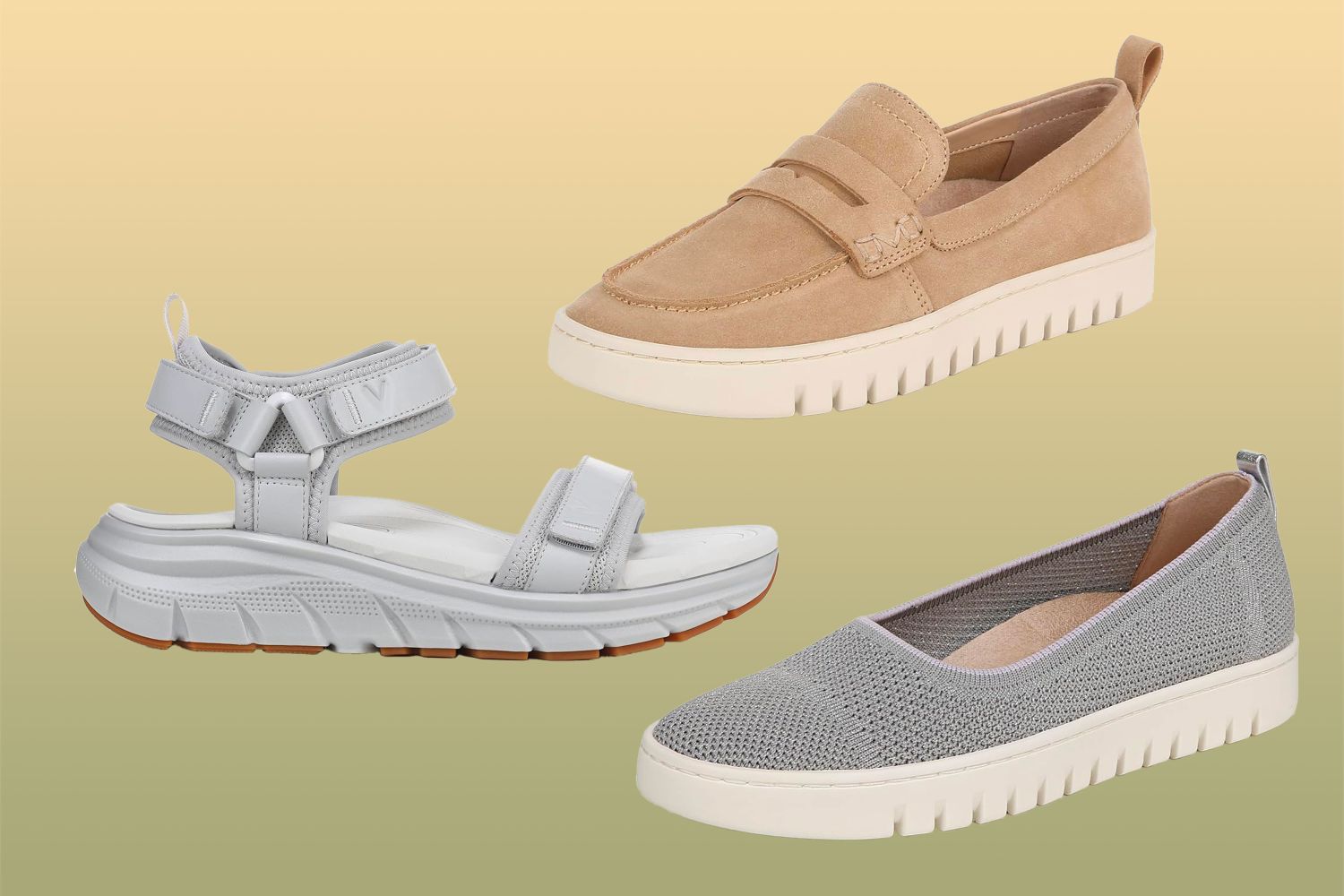
Vionic is another standout for transit. Their sneakers feature a deep heel cup and a firm yet flexible midsole. What sets Vionic apart is their built-in orthotic technology, which is ideal for travelers who suffer from overpronation. By keeping the foot in its natural alignment, these shoes reduce the fatigue that often sets in during a long layover.
The Cobblestone Cruisers: Maximum Support for Long Days
When the itinerary calls for a full day of walking on uneven surfaces like cobblestone streets, you need a high-performance walking shoe. This is where podiatrist recommended shoes brands like Hoka and Brooks dominate the conversation.
Hoka is frequently the top hoka shoes recommended by podiatrist for travelers with joint sensitivity or arthritis. The defining feature of models like the Bondi or Clifton is the rocker sole geometry. This design acts like a wheel for your foot, transitioning you from heel-strike to toe-off with significantly less force required from the midfoot and ankles. The oversized EVA cushioning provides a literal buffer between you and the ancient, hard stones of European cities.
Brooks, particularly the Adrenaline GTS or Ghost, offers a different but equally effective approach with their GuideRails technology. Instead of just cushioning, these shoes focus on gait realignment, helping your feet, knees, and hips move in their most efficient path. For those who require podiatrist recommended walking shoes with a wide toe box, both brands offer diverse width options to accommodate the natural foot swelling that occurs after miles of podiatrist recommended shoes for travel walking.
Technical Spec: Rocker Sole Geometry Unlike a traditional flat shoe, a rocker sole has a curved profile. This mechanical advantage reduces the range of motion required at the toe joints and minimizes pressure on the metatarsal heads, making them excellent for those with forefoot pain.
Weather-Ready & Elegant Support
A common complaint among travelers is that podiatrist recommended shoes for women often look too "athletic" for a nice dinner or a rainy day in London. Fortunately, the market has evolved to include supportive waterproof sneakers for travel and sophisticated loafers.
Sorel is a leader in this niche. Their Kinetic series combines the aggressive grip of a hiking boot with the aesthetics of a modern sneaker. These are excellent podiatrist recommended waterproof sneakers for travel because they offer a stable platform and a shock-absorbing midsole while keeping feet dry in unpredictable weather.
For more formal settings, Dansko and Vionic offer loafers and Mary Janes that hide a secret: a medically-calibrated footbed. When looking for podiatrist recommended dress shoes for women, look for a slight heel (about 1 inch) rather than a completely flat profile. This small lift relieves tension on the Achilles tendon and provides a more natural strike for the heel.
Recovery & Warm Weather Options
In warmer climates or for post-walk relaxation back at the hotel, your choice of sandal matters just as much as your sneaker. Most sandals lack the structural integrity to support the arch, but brands like Teva and Birkenstock have earned their place as podiatrist recommended travel sandals with arch support.
Birkenstock’s cork footbed is legendary for its ability to mold to the wearer’s foot over time, providing customized metatarsal support. For a more modern recovery option, OOFOS uses a proprietary foam that absorbs 37% more impact than traditional footwear materials. While they may feel overly soft at first, they are designed to offload pressure from the ankles and knees, making them a perfect secondary shoe for the evening.
Technical Buying Guide: What the APMA Seal Means
When shopping for podiatrist recommended shoes, look for the American Podiatric Medical Association (APMA) Seal of Acceptance. This seal is only awarded to products that have been reviewed by a committee of podiatrists and found to promote good foot health.
Another technical detail to consider is the heel drop—the difference in height between the heel and the forefoot. For most travelers, a drop of 4-8mm is ideal. It provides enough lift to protect the heel without being so steep that it pushes too much weight onto the ball of the foot.
If you have specific structural issues, such as podiatrist recommended shoes for high arches, you may need to supplement your footwear with high-quality orthotic insoles. If you find that foot pain persists for more than two weeks after your trip, it is a clear signal to consult a professional for a gait analysis. Investing in the right foundation is not just about avoiding a sore day on vacation; it is about protecting your mobility for a lifetime of travel.
FAQ
What shoes do most podiatrists recommend?
Most podiatrists recommend shoes that offer a combination of a rigid heel counter, a firm midsole that doesn't twist easily, and a cushioned footbed with anatomical arch support. Brands like Vionic, Brooks, and Hoka are frequently top-tier recommendations because they consistently meet these structural requirements across their product lines.
What shoes do podiatrists say not to wear?
Podiatrists generally advise against wearing completely flat, unsupportive footwear like traditional flip-flops, thin-soled canvas sneakers, or very high stilettos for extended periods. These styles lack the shock absorption and structural integrity needed to protect the foot from common conditions like plantar fasciitis and metatarsalgia.
What is the 3 shoe rule?
The 3 shoe rule is a strategy for long-distance travel where you bring three different types of footwear and rotate them daily. This prevents any single pair of shoes from being compressed beyond its recovery point and ensures that the pressure points on your feet are shifted every 24 hours, significantly reducing the risk of overuse injuries.
Are Hokas good for foot arthritis?
Yes, Hokas are highly regarded for foot arthritis because of their signature rocker sole geometry and maximalist cushioning. The curved sole reduces the need for the toe joints to bend significantly during a stride, while the thick EVA midsole absorbs much of the impact that would otherwise aggravate arthritic joints.
What are the best shoes for gout?
The best shoes for gout are those with a wide toe box and a stiff, rocker-bottom sole. A wide toe box ensures there is no pressure on the sensitive big toe joint, while the rocker sole minimizes the movement of that joint during walking, which can help alleviate the intense pain associated with a gout flare-up.