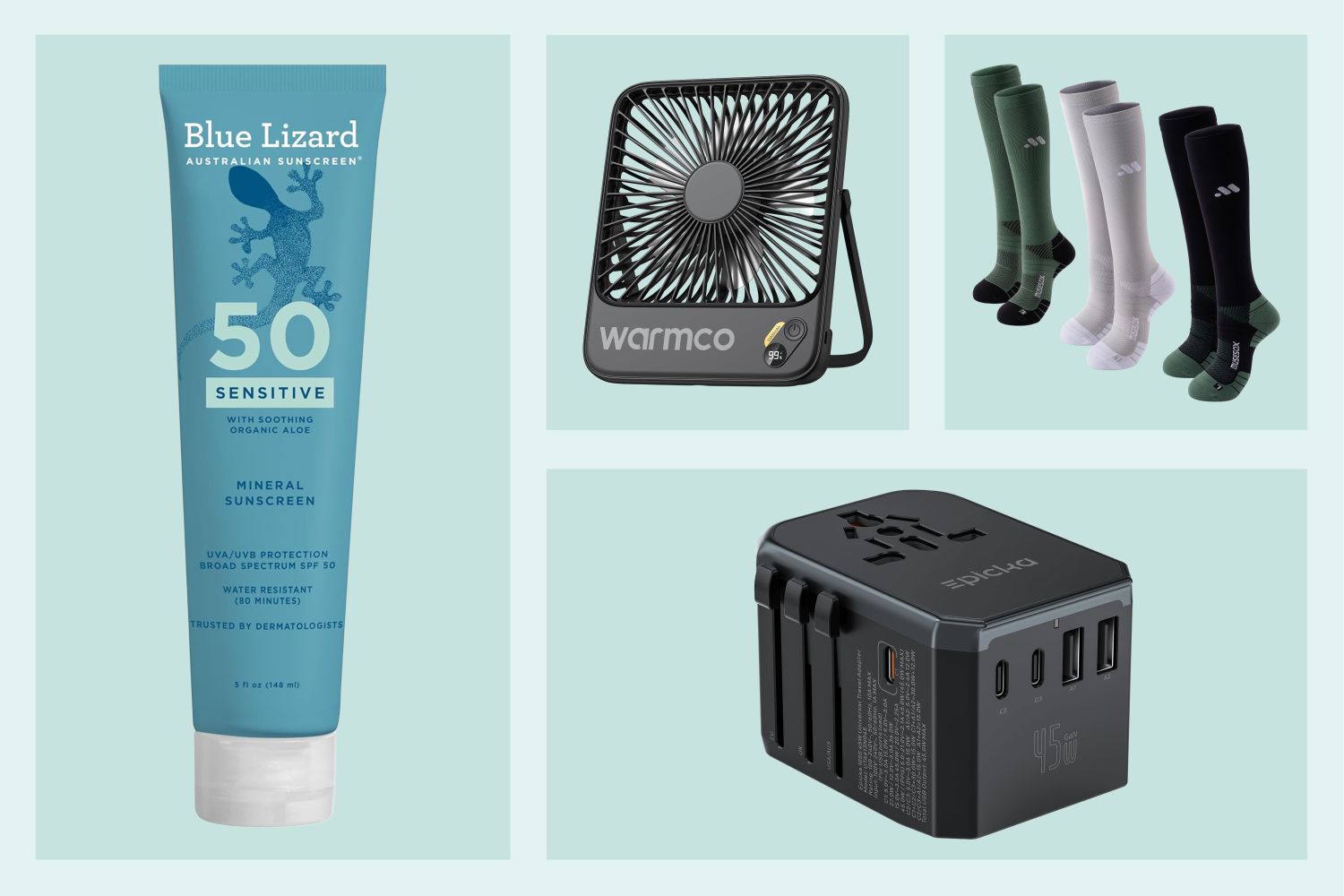
Quick Facts
- 2026 Bag Limit: Strictly 12L (40 x 35 x 20 cm) for entry into the citadel.
- Train Weight: Maximum 8kg (17.6 pounds) per person on PeruRail and Inca Rail.
- Best Shoes: Waterproof hiking boots with high-traction outsoles are mandatory for slippery Inca stairs.
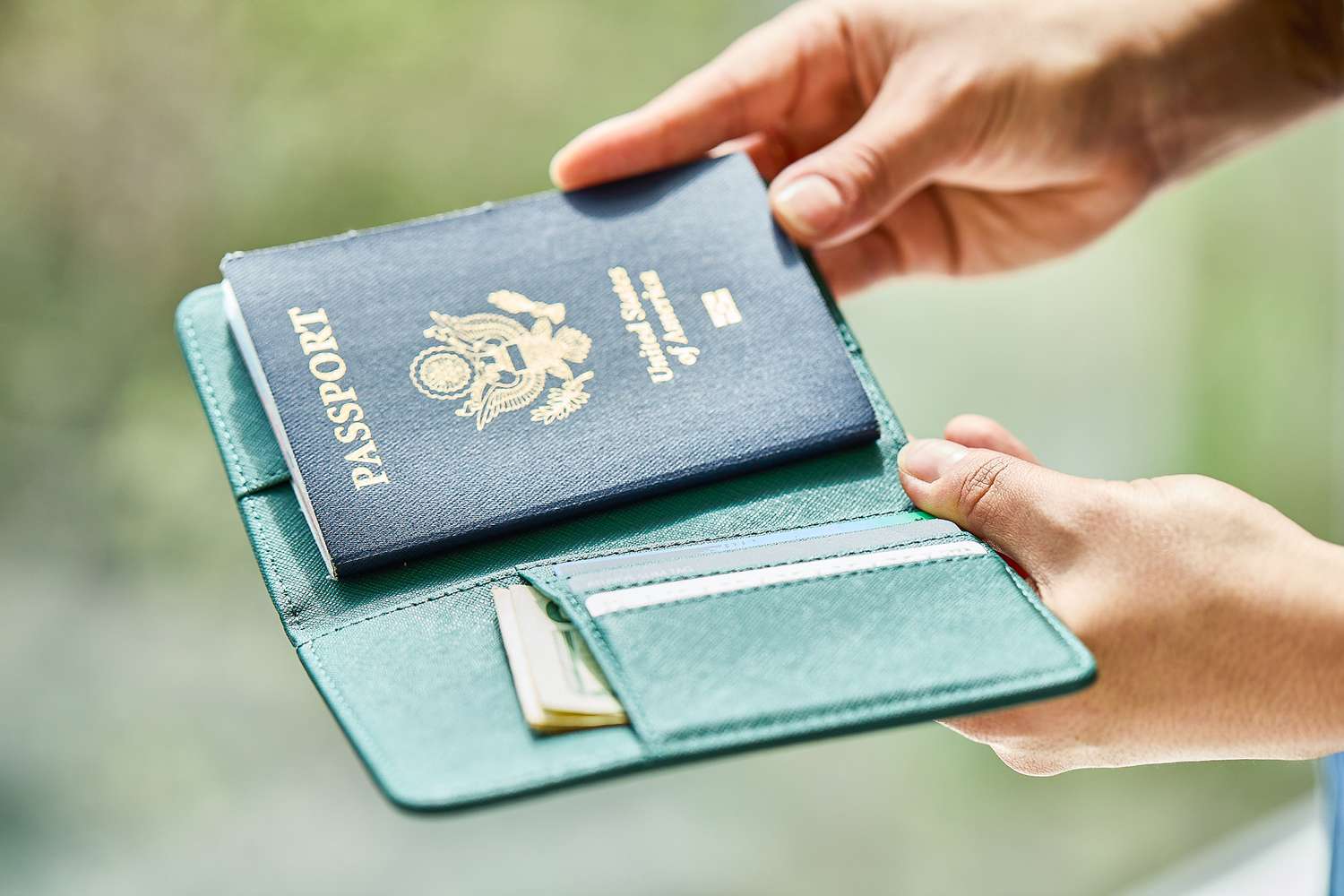
- Required ID: You must present your original physical passport; digital copies are not accepted.
- Prohibited Items: Selfie sticks, drones, umbrellas, and metal-tipped trekking poles are strictly banned.
- Weather Alert: May is the start of the dry season, but biting midges are extremely active in the humidity.
- Sustainability: Single-use plastic bottles are discouraged; bring a reusable vessel for hydration.
Packing for an Inca adventure is more than just choosing the right boots; it's about navigating strict 2026 regulations. This Machu Picchu packing list covers the essential gear, the new machu picchu backpack size limit 2026, and what to pack for machu picchu in may to ensure a seamless entry into the citadel.
The 2026 Logistical Hurdle: Bags and Trains
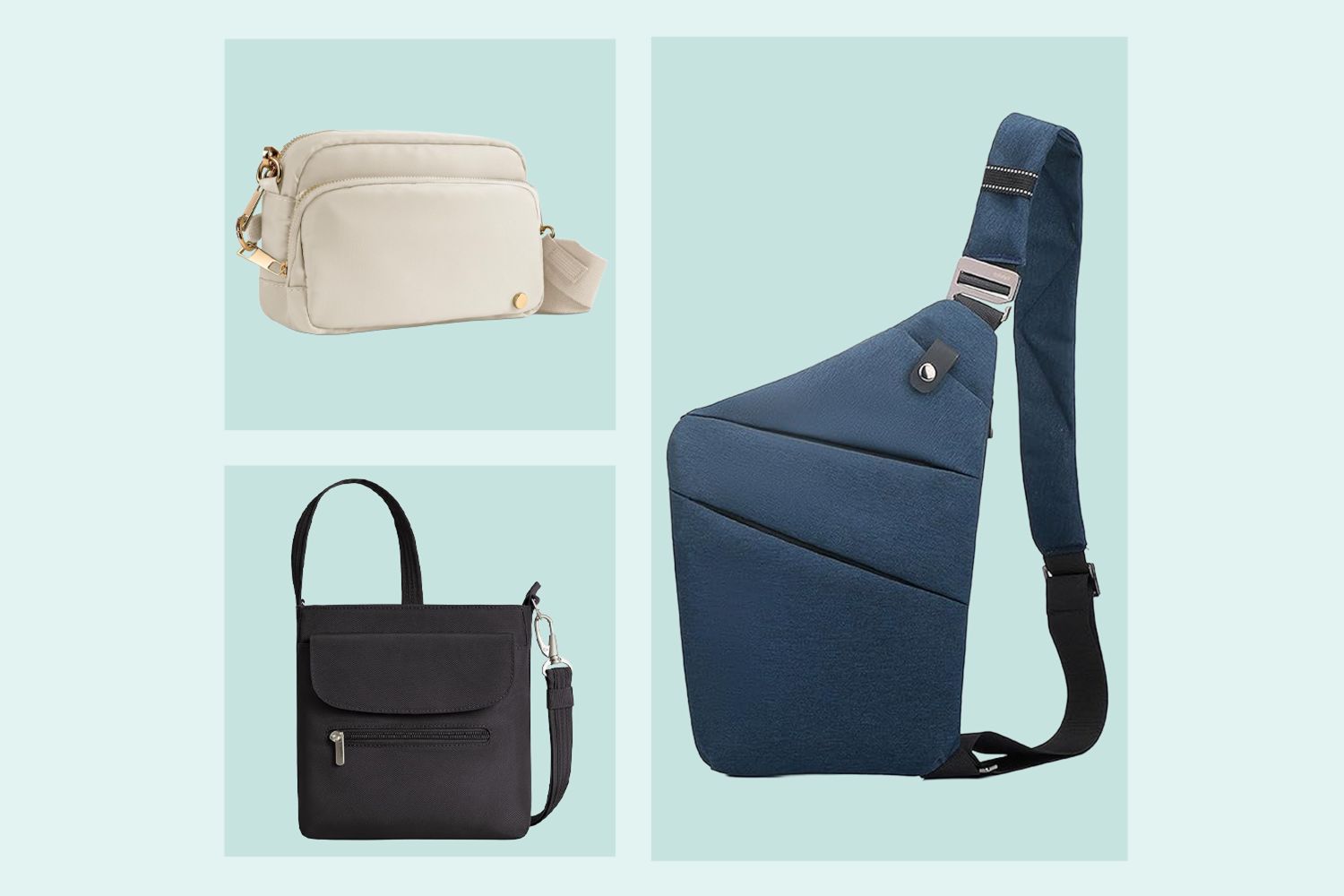
I’ve spent a lot of time trekking through the Andes, and if there is one thing I’ve learned the hard way, it’s that the rules in Peru change fast. For the 2026 season, your Machu Picchu packing list must account for the strict 12L (40 x 35 x 20 cm) backpack size limit for citadel entry. I’ve seen travelers at the main gate being forced to check their 25L daypacks into storage lockers because they thought the rules wouldn't be enforced. Trust me, they are. According to official regulations, visitors must ensure their daypack or bag does not exceed the official size limit of 40 x 35 x 20 centimeters (16 x 14 x 8 inches).
The logistics get even trickier when you factor in the train ride. Whether you are taking the Vistadome or the Expedition, both PeruRail and Inca Rail enforce a carry-on luggage weight limit of 8 kilograms (17.64 pounds) per passenger. This means you cannot bring your full-sized suitcase to Aguas Calientes. Most travelers leave their main luggage at their hotel in Cusco or the Sacred Valley. If you absolutely must bring more, you'll need to coordinate with the train company in advance, but for 99% of us, a small 12L pack is the way to go.
If you arrive at the citadel gate with a bag that is too large, don't panic, but be prepared to pay. There are storage lockers available at the entrance for approximately S/.5 (about $1.50 USD). However, having to wait in the storage line can eat into your strictly timed entry slot. My advice? Pack light and keep your daypack essentials for machu picchu citadel down to the absolute basics: water, sunblock, a light jacket, and your camera.
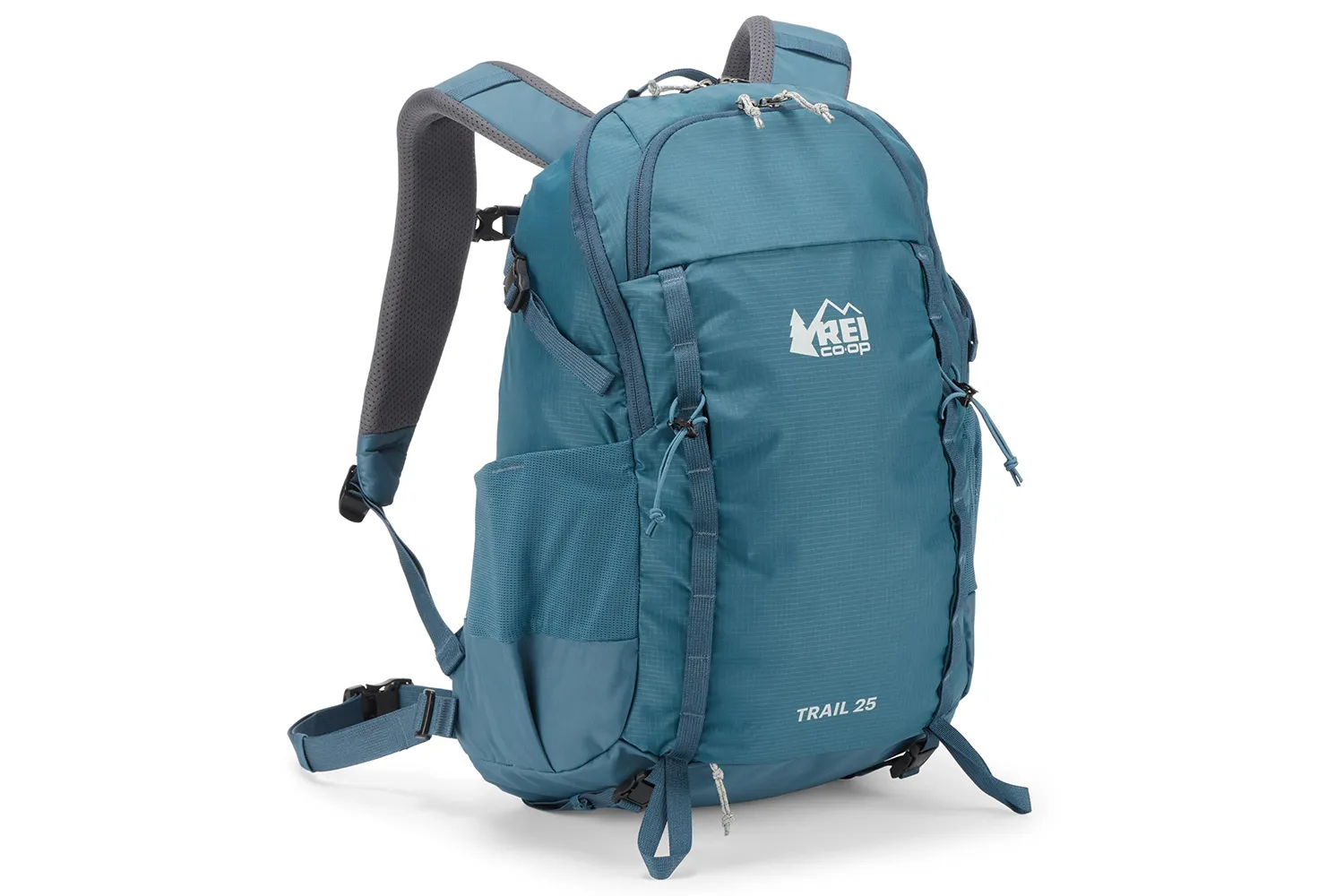
What to Wear: Navigating the May Microclimate
When people ask me what to pack for machu picchu in may, I always tell them to prepare for a "four seasons in one day" experience. May is technically the beginning of the dry season, which means beautiful blue skies, but the high-altitude sun is relentless. However, Machu Picchu sits on the edge of the Amazon basin. This creates a humid microclimate where clouds can roll in and soak you in seconds.
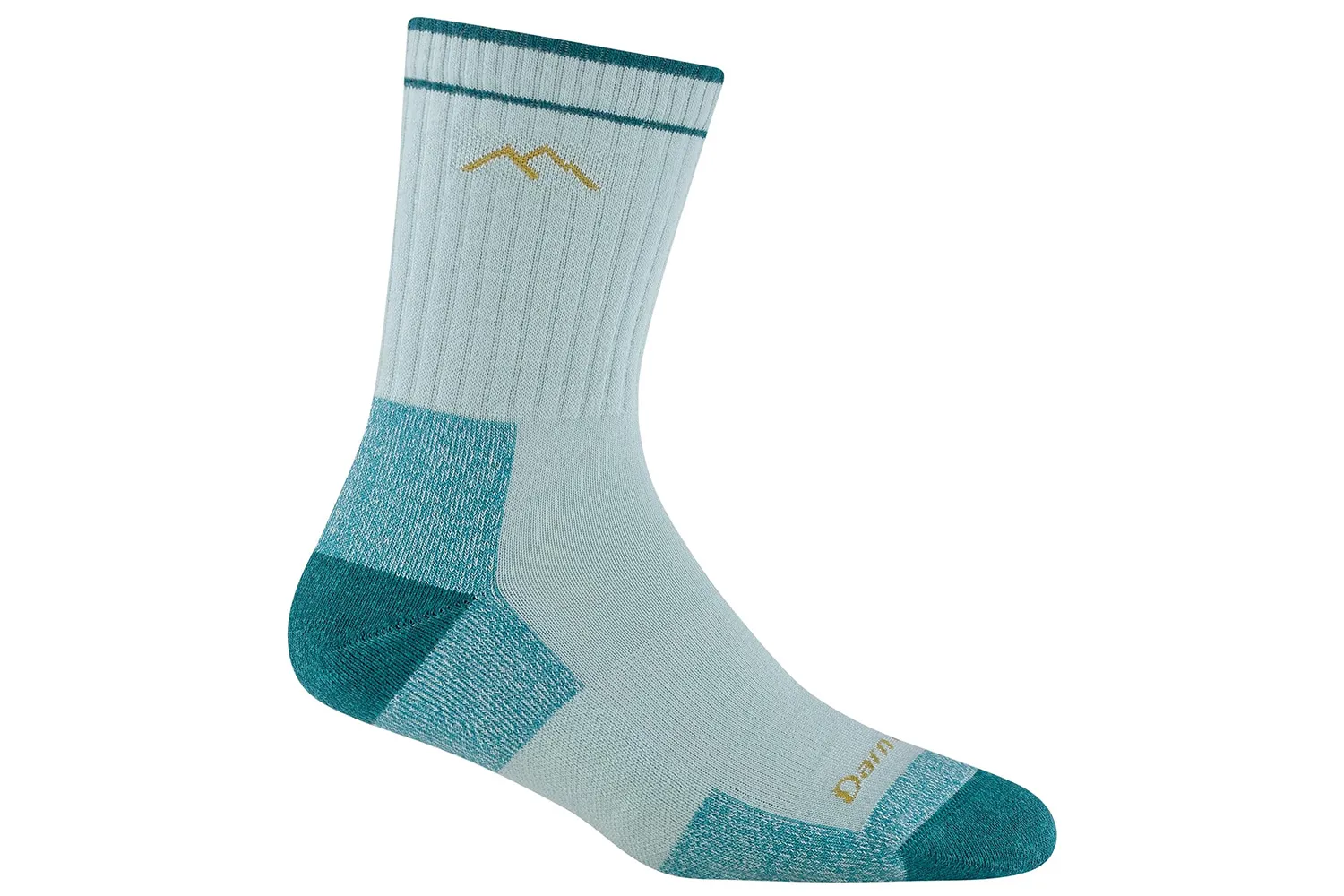
The key is a moisture-wicking layering system. I start my mornings in Cusco with a warm merino wool base layer because the mountain air at 11,000 feet is biting. By the time I reach the citadel, which sits lower at 7,900 feet, I’m usually stripping down to a t-shirt. Avoid cotton at all costs; it soaks up sweat and rain, stays heavy, and makes you freeze when the sun goes down. Merino wool is the gold standard here because it regulates temperature and doesn't stink after a long day of hiking.
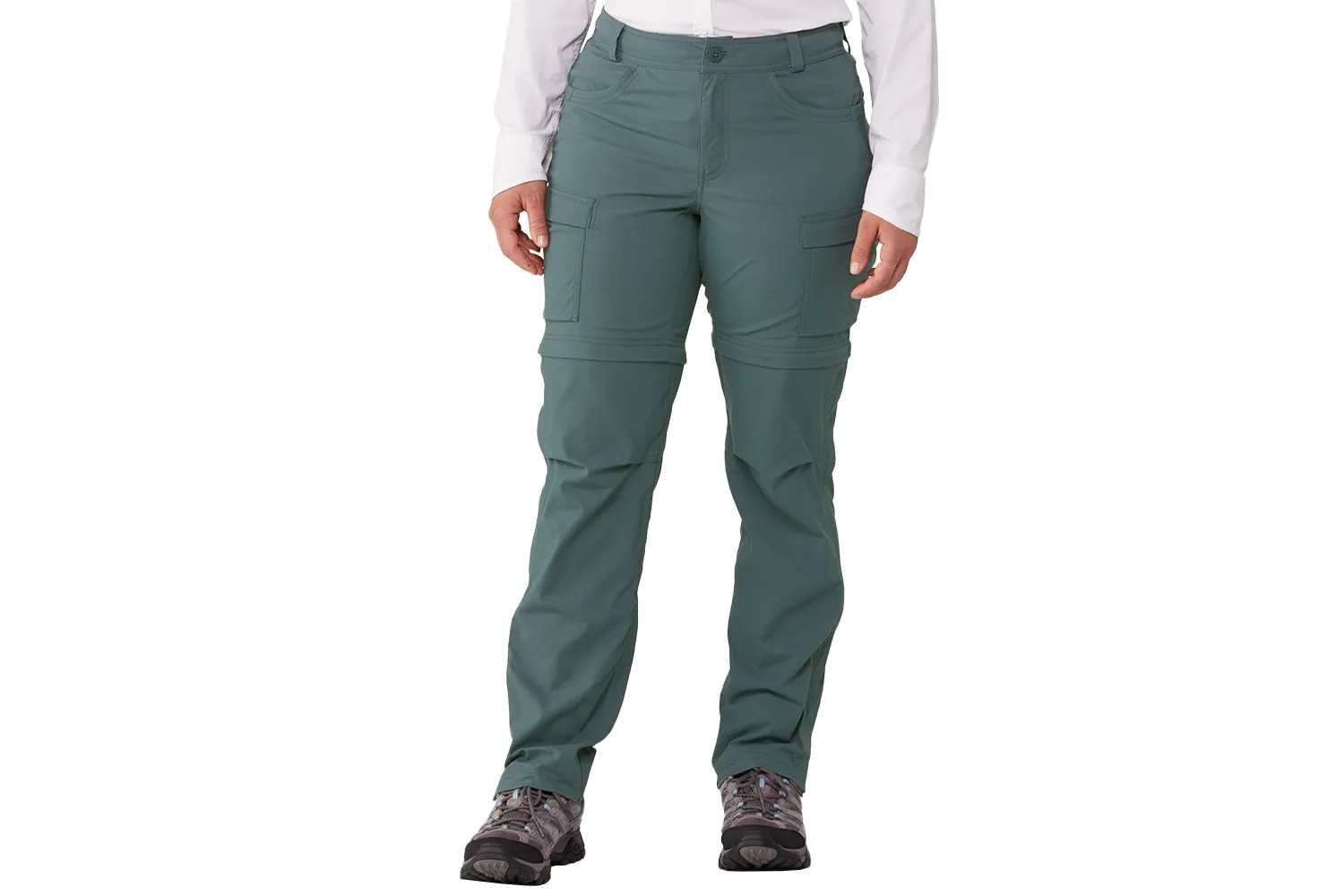
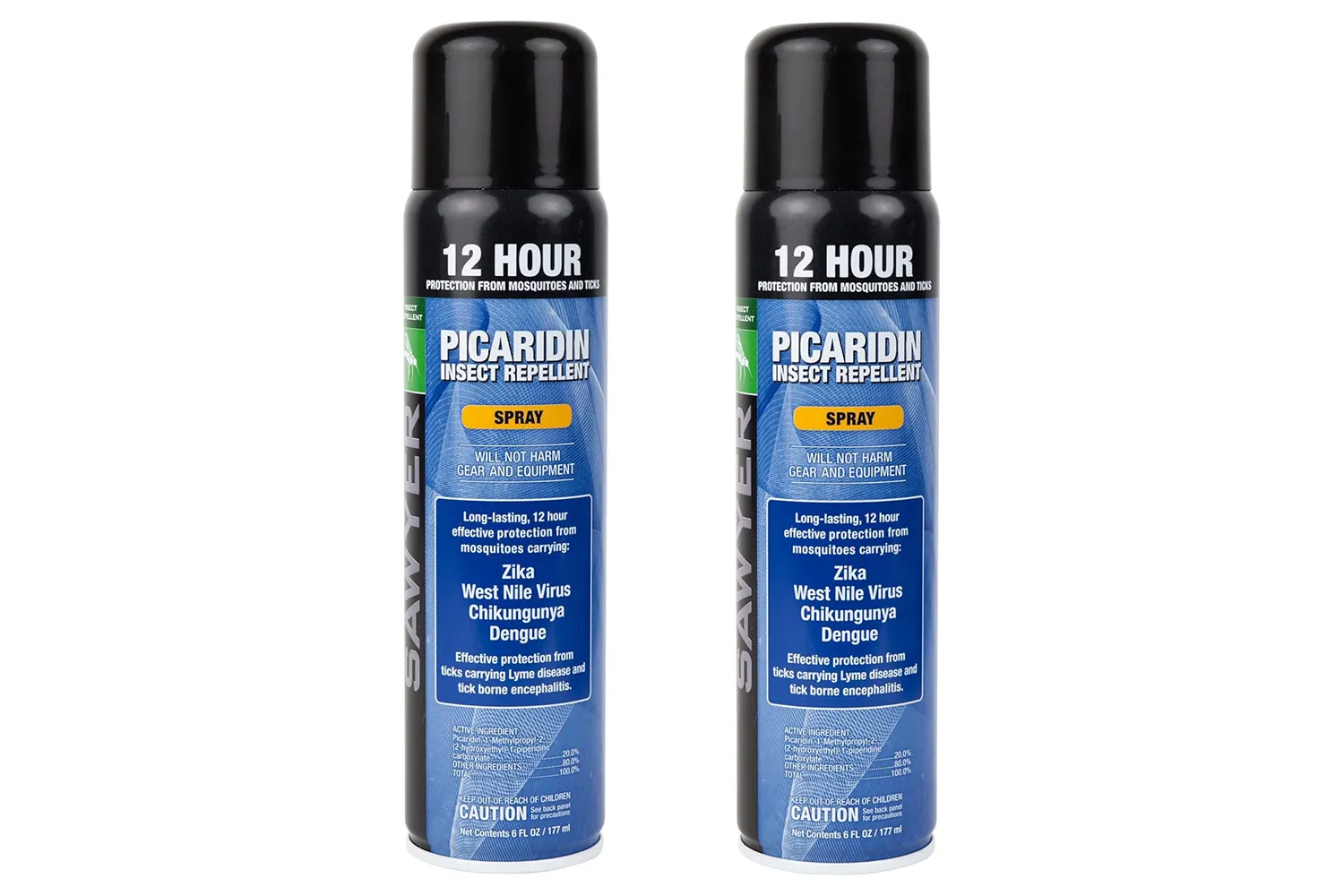
One mistake I see constantly is travelers wearing jeans. Jeans are heavy, they offer zero flexibility for climbing steep Inca stairs, and if they get wet, they stay wet for days. Instead, go with durable hiking pants. Another reason for long pants? The midges. These tiny biting flies are legendary in the region, especially during the humid May afternoons. They don’t care about your high-end camera gear; they just want your ankles. Cover up with essential layers for machu picchu weather to keep the bugs and the UV rays at bay.
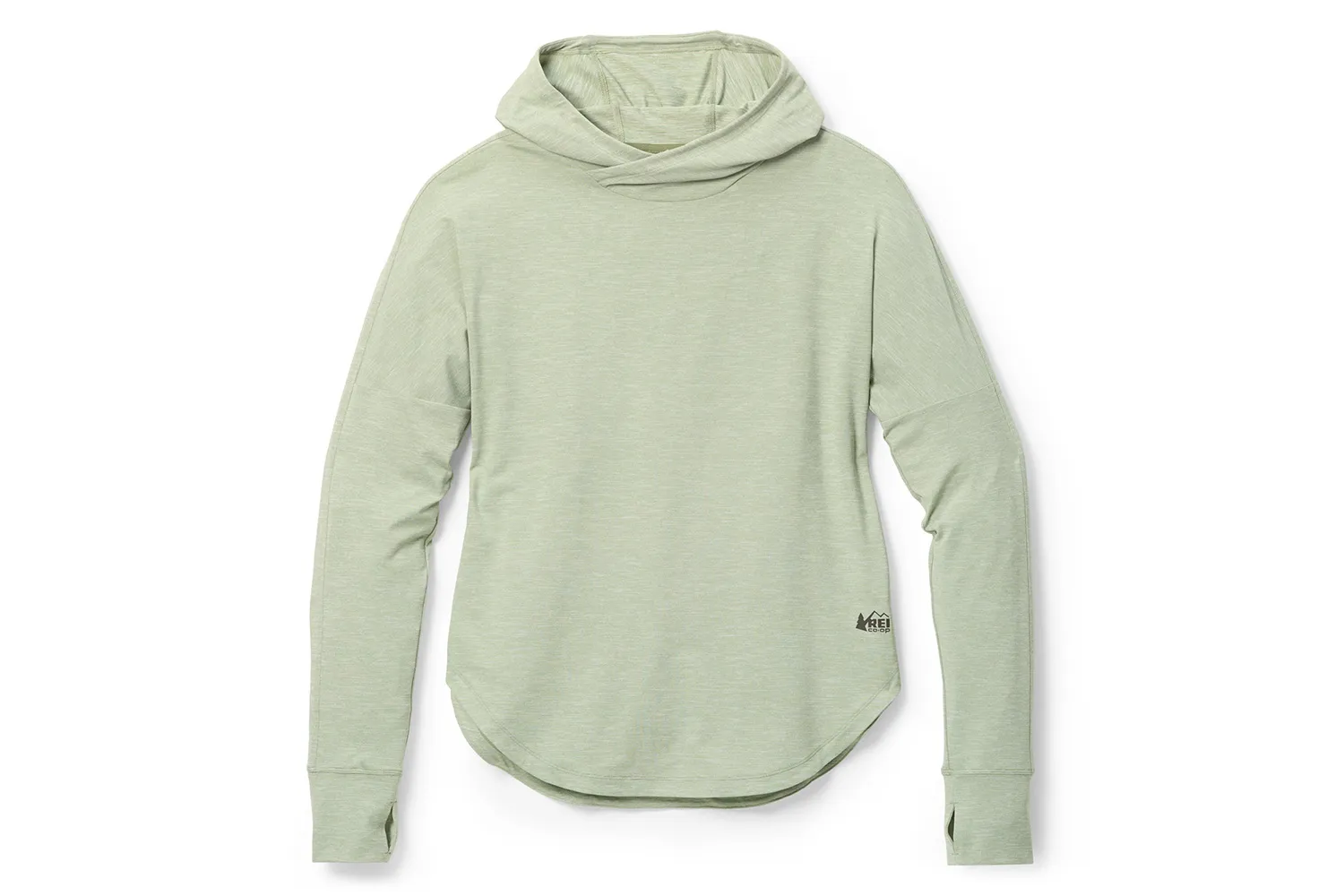
Footwear and Terrain: Grip is Everything
Let’s talk about the terrain. Machu Picchu isn't a flat museum; it's a vertical labyrinth of ancient stonework. The stones are beautiful, but they are also centuries old and worn smooth. When it rains—and it will rain, even in May—those stones become as slick as ice. This is why choosing the best shoes for machu picchu is the most important decision you'll make.
I always recommend waterproof hiking boots with aggressive, high-traction outsoles. I've seen people try to navigate Circuit 2 in standard fashion sneakers, and it usually ends with a slipped ankle or a very bruised ego. You need the ankle support for the uneven steps and the grip to handle the incline. If you are doing the full hike from Aguas Calientes or coming off the Inca Trail, ensure your boots are well broken in before you leave home. Blisters are the fastest way to ruin a once-in-a-lifetime trip.
Additionally, if you use trekking poles, pay attention to the tips. The Ministry of Culture prohibits the use of metal-tipped walking sticks because they damage the historic stones. You must use rubber tips. Most high-end poles come with these, but you can buy them for a few soles in the markets at Aguas Calientes if you forgot yours.
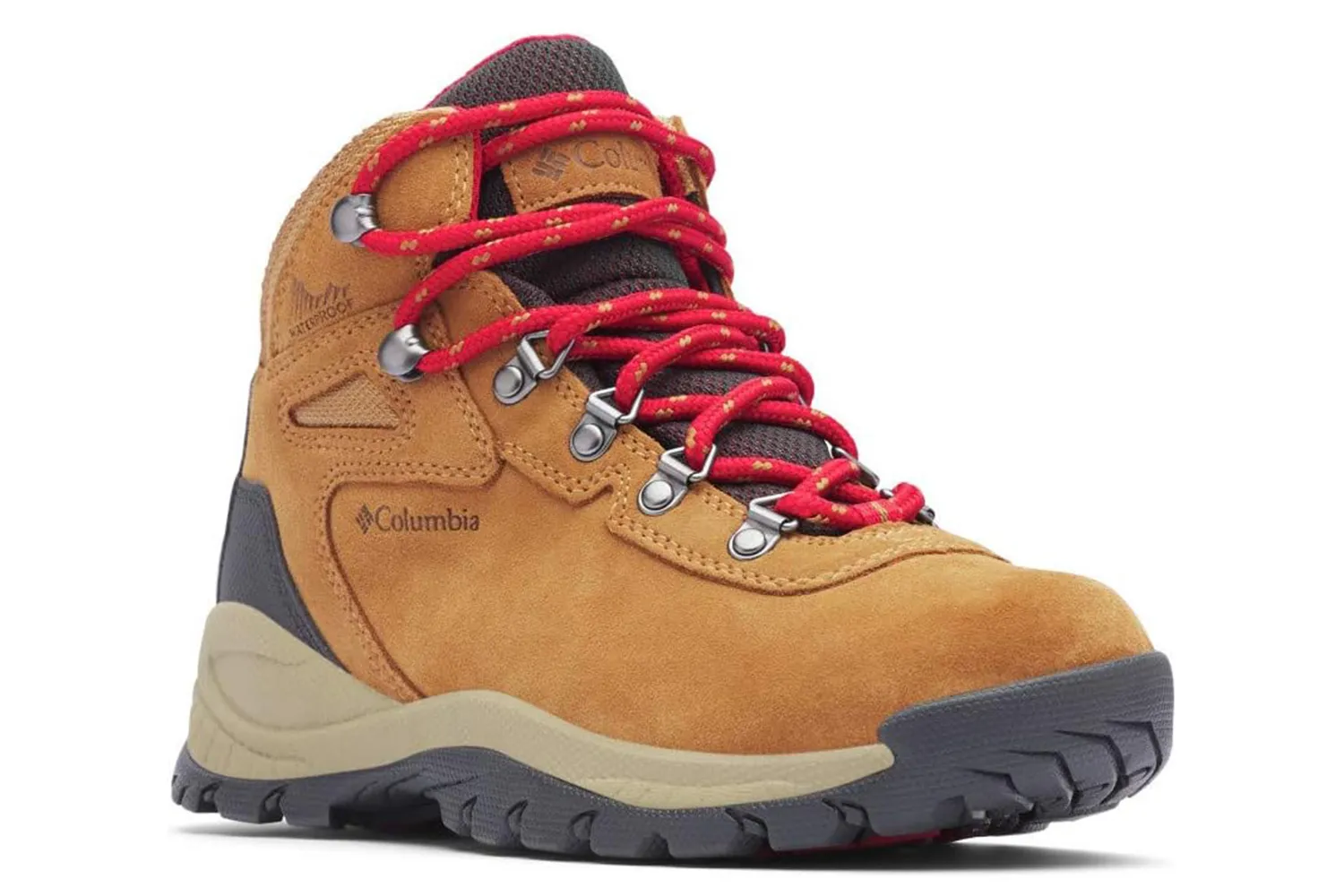
| Feature | Hiking Boots | Standard Sneakers |
|---|---|---|
| Grip/Traction | High (Aggressive Lugs) | Low (Smooth Soles) |
| Ankle Support | Excellent | Minimal |
| Waterproofing | Often Waterproof | Usually Absorbent |
| Durability | High (Built for Rock) | Low (Built for Pavement) |
Prohibited Items and Final Essentials
Entering the citadel is a bit like going through airport security. There is a long list of banned items, and the guards are diligent. The biggest ones that catch people off guard are selfie sticks and tripods. They are strictly prohibited to prevent crowding and damage to the ruins. Drones are also a massive no-go; if you fly one, expect it to be confiscated and a heavy fine to follow.
You also need to think about sustainability. Peru is moving toward a sustainable packing list for machu picchu by discouraging single-use plastics. Bring a reusable water bottle. Not only is it better for the environment, but it’s essential for staying hydrated as you deal with the altitude. While we are on the subject of altitude, don't forget altitude sickness prevention. Whether it's coca leaves, "soroche" pills from a local pharmacy, or a prescription from your doctor, make sure you've spent a few days in Cusco for acclimatization before heading to the ruins.
Lastly, and most importantly: carry your original physical passport. You cannot get into the site with a photocopy or a photo on your phone. You need the real deal to match the name on your ticket. Once you are inside, remember the "no re-entry" policy. There are no restrooms inside the citadel itself; they are located just outside the entrance. If you leave to use the facilities, you generally cannot go back in, so plan your "nature breaks" accordingly!
Marcus’s Pro Tip: Even in the "dry" season, I never visit without a lightweight rain poncho. The Ministry of Culture actually prohibits the use of umbrellas because they block the view for other visitors and can be dangerous in high winds. A poncho keeps you dry and your hands free for those steep climbs.
FAQ
What should I include in my Machu Picchu packing list?
Your Machu Picchu packing list should prioritize a 12L daypack, a reusable water bottle, your original passport, and a high-quality rain poncho. For clothing, focus on merino wool layers, long hiking pants to protect against midges, and waterproof boots. Don't forget high-SPF sunscreen and insect repellent with DEET or picaridin.
Is there a bag size limit for entering Machu Picchu?
Yes, for 2026, the machu picchu backpack size limit is strictly 40 x 35 x 20 centimeters (roughly 12 liters). If your bag exceeds these dimensions, you will be required to store it in a locker at the entrance for a small fee before you are allowed to enter the archaeological site.
What kind of shoes are best for visiting Machu Picchu?
The best shoes for machu picchu are waterproof hiking boots or high-quality trail runners with excellent grip. The Inca stonework is uneven and can become very slippery when wet. Avoid flip-flops, dress shoes, or flat-soled sneakers, as they lack the necessary traction and support for the steep terrain.
Do I need trekking poles for the hike to Machu Picchu?
Trekking poles are not mandatory, but they are highly recommended for those with knee issues or anyone tackling the steep stairs of Huayna Picchu or Machu Picchu Mountain. However, you must use rubber tips on your poles to protect the ancient stones; metal-tipped poles are strictly prohibited inside the sanctuary.
What items are prohibited inside the Machu Picchu site?
Prohibited items include selfie sticks, tripods, drones, professional camera equipment (without a permit), umbrellas, large backpacks, and single-use plastic bags or bottles. Additionally, food is technically not allowed inside, and smoking or drinking alcohol is strictly forbidden.
Do I need to carry my original passport to Machu Picchu?
Yes, you must carry your original, physical passport to enter Machu Picchu. The name on your passport must exactly match the name on your entry ticket. Digital copies or photocopies are typically rejected at the gate, and without it, you will be denied entry regardless of your ticket status.
Focus on the Magic
At the end of the day, all these rules and regulations are there to protect one of the most incredible wonders of the world. By planning your Machu Picchu packing list with these 2026 updates in mind, you remove the stress of logistics and let yourself focus on what really matters: the breathtaking history and spirit of the Andes. Pack light, respect the ancient stones, and get ready for an adventure you'll never forget.