Quick Facts
- Arrest Authority: ICE agents are legally empowered to question, inspect, and arrest individuals suspected of immigration violations at airports under 8 U.S.C. § 1226.
- Deployment Scale: Approximately 150 ICE agents were deployed across more than 14 major US airports in early 2026, including JFK, PHL, CLT, and MIA.
- Search Rights: You have a right to refuse a phone search, but agents may legally detain the device for forensic analysis, potentially causing significant travel delays.
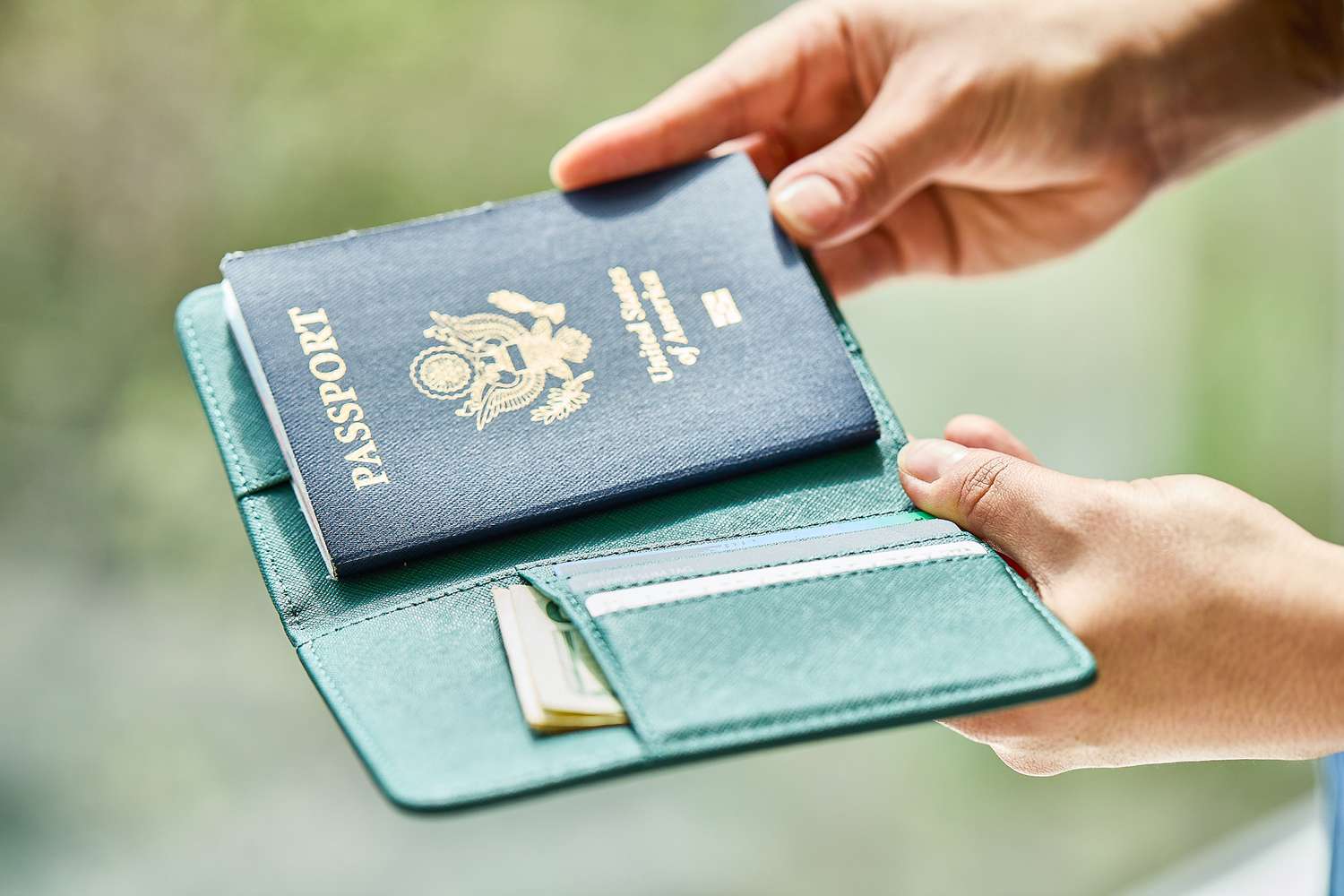
- Primary Identification: U.S. Citizens should carry a passport or REAL ID; Lawful Permanent Residents must carry their Green Card; Visa holders should have their I-94 and valid passport.
- Expert Recommendation: Legal experts currently advise non-citizens and DACA recipients to avoid non-essential air travel due to the increased risk of detention.
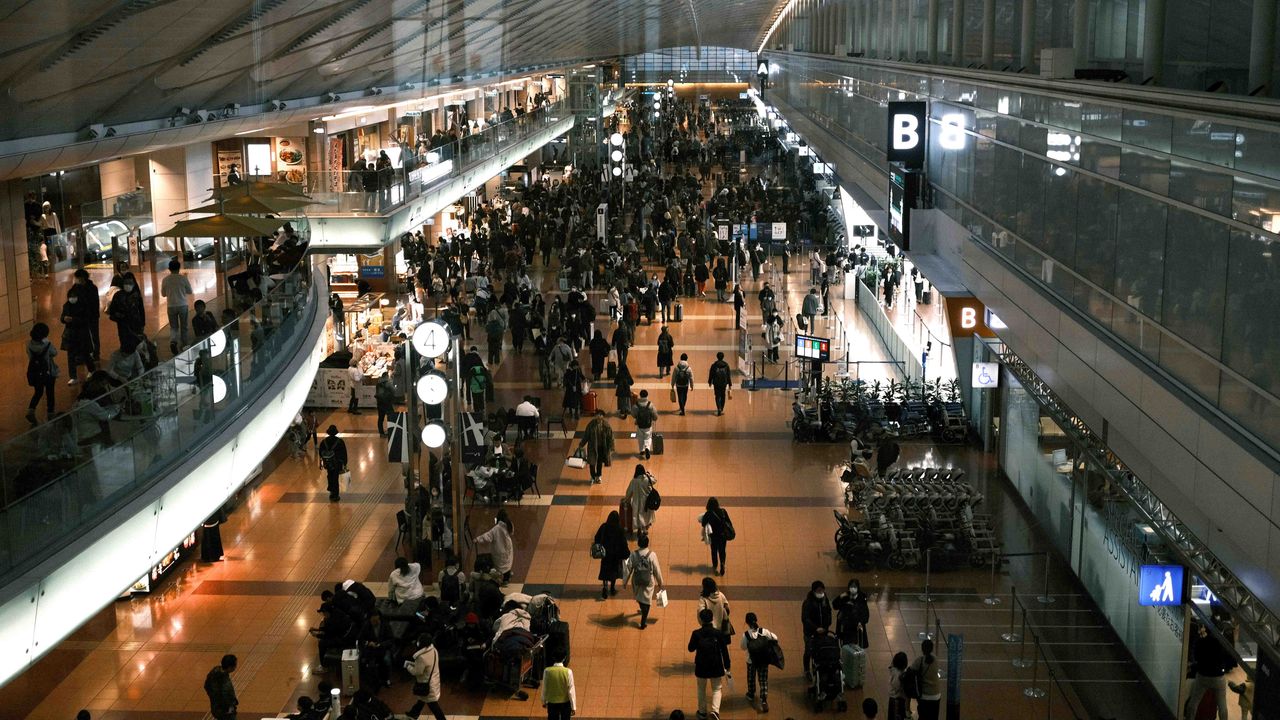
The landscape of American air travel underwent a seismic shift in early 2026. For the first time in modern history, the Department of Homeland Security (DHS) authorized the deployment of Immigration and Customs Enforcement (ICE) agents to supplement Transportation Security Administration (TSA) functions at domestic security checkpoints. This move, triggered by a partial government shutdown that strained TSA resources, has placed approximately 150 ICE agents in more than 14 major international and domestic hubs, including JFK in New York, PHL in Philadelphia, and MIA in Miami.
As a traveler, encountering an immigration officer at a domestic security line can be jarring. While the TSA’s primary mandate is the safety of the aircraft and its passengers—searching for weapons, explosives, and prohibited items—ICE’s mandate is the enforcement of federal immigration law. Understanding the legal boundaries of this new security environment is no longer optional; it is an essential component of travel planning in 2026.
The 2026 Deployment: Why ICE is at Domestic Security Checkpoints
The presence of ICE agents at domestic gates is a direct response to a fiscal and administrative crisis within the DHS. When funding for the TSA was curtailed during the late 2025-2026 budget impasse, the administration invoked emergency protocols to ensure that "transportation hubs" remained operational. By reassigning ICE agents to these roles, the government aimed to maintain the throughput of travelers, but the consequence has been the integration of immigration enforcement into the standard security screening process.
Historically, ICE's presence at airports was largely restricted to international arrivals or specific targeted operations. In 2026, however, they are active participants in the "security mix." This deployment marks a historic shift because it erodes the traditional wall between safety screening (TSA) and status enforcement (ICE). For the average traveler, the person checking your boarding pass or overseeing the x-ray machine may now be an armed federal agent with the authority to initiate deportation proceedings.
Do ICE Agents Have the Authority to Arrest Travelers?
The short answer is yes. Under 8 U.S.C. § 1226 and 8 C.F.R. § 287.3, ICE agents are legally empowered to question, inspect, and arrest individuals suspected of immigration violations. While many travelers believe that their rights are different when flying between two U.S. cities (e.g., Chicago to Dallas) compared to an international flight, the law provides federal agents with broad powers at "transportation hubs."
This authority is further bolstered by the "100-mile border zone" rule. The U.S. government maintains that within 100 miles of any land or sea border, federal agents have expanded search and seizure powers. Because most major U.S. airports are located within this zone or are considered "functional equivalents of a border," ICE agents can operate with a lower threshold for "reasonable suspicion" than a local police officer might need on a standard city street.
Key Takeaway: If an ICE agent at an airport has a "reasonable suspicion" that an individual is in the country without valid legal status, they have the statutory authority to detain that individual for further questioning or arrest.
ICE vs. TSA: Understanding the Difference in Power
It is crucial for travelers to distinguish between the two agencies, even when they are standing side-by-side. Their legal mandates, while overlapping in a shared physical space, are fundamentally different.
| Feature | TSA (Transportation Security Administration) | ICE (Immigration & Customs Enforcement) |
|---|---|---|
| Primary Goal | Civil aviation safety and security. | Enforcement of federal immigration laws. |
| Primary Focus | Weapons, explosives, and prohibited items. | Identity, legal status, and visa compliance. |
| Search Power | Limited to safety screening of persons/bags. | Can investigate immigration status and detain. |
| Legal Basis | 49 U.S.C. § 114 | 8 U.S.C. § 1226 |
| Armed? | No (mostly TSOs). | Yes (fully sworn federal agents). |
In the 2026 security environment, these roles frequently blur. A TSA agent might notice an expired document and flag it to the ICE agent standing three feet away. Once the interaction shifts from a safety check to an identity check, the legal landscape changes for the traveler.
Your Constitutional Rights at the Security Line
Despite the heightened security presence, the U.S. Constitution still applies to everyone within the United States, regardless of immigration status. However, exercising these rights at an airport requires a nuanced understanding of "consent" and "consequence."
The Right to Remain Silent
You have a Fifth Amendment right to remain silent. If an ICE agent asks you questions about your immigration status, where you were born, or how you entered the country, you are not legally required to answer. You can say, "I am exercising my right to remain silent and would like to speak to an attorney."
However, there is a practical reality: Refusing to answer basic identity questions at a security checkpoint will almost certainly result in being denied boarding. The TSA and ICE have the right to verify that the person boarding the plane is the person listed on the ticket. For non-citizens, the refusal to answer status questions may lead to a secondary screening or detention.
Phone and Device Searches
One of the most contentious issues in 2026 is the search of electronic devices. Can ICE search your phone?
- Consent: If you provide your passcode or unlock the phone, you have consented to the search.
- Refusal: You can verbally withhold consent. However, under current federal guidelines, ICE agents may still seize and detain the device for a "reasonable" period to conduct a forensic search if they believe it contains evidence of a crime or immigration violation.
Protection Against Discrimination
The Fourth Amendment protects you from unreasonable searches and seizures, which includes profiling based on race, religion, or national origin. While agents have broad powers at the airport, they cannot legally pull you out of line solely because of the color of your skin or the language you are speaking. Documenting such instances is vital for any future legal recourse.
Checklist: Essential Documents to Carry in 2026
To minimize friction at checkpoints, travelers must ensure their documentation is not only valid but physically present. Digital copies on a phone are often insufficient if the device is seized or if the agent demands a hard copy.
For U.S. Citizens:
- A valid U.S. Passport or a REAL ID-compliant state driver's license.
- Though not required for domestic travel, carrying a passport is the "gold standard" for avoiding status-related questioning.
For Lawful Permanent Residents (Green Card Holders):
- Mandatory: Your physical Permanent Resident Card (Form I-551).
- Recommended: A secondary form of ID, such as a state driver's license.
For Visa Holders (H-1B, F-1, J-1, etc.):
- A valid passport with a current visa stamp.
- A printed copy of your most recent I-94 (Arrival/Departure Record).
- Supporting documents (e.g., I-20 for students, DS-2019 for exchange visitors).
For DACA Recipients and TPS Holders:
- A valid Employment Authorization Document (EAD card).
- Advance Parole documents (if returning from international travel).
- A copy of your latest approval notice.
Step-by-Step: What to Do if Approached by an ICE Agent
If you are singled out for questioning by an ICE agent at an airport, the way you handle the first 60 seconds of the interaction can dictate the outcome of the next 60 days.
- Stay Calm and Polite: Do not run, resist physically, or provide false information. Physical resistance can lead to criminal charges that may disqualify you from future immigration relief.
- Establish Your Status: Ask the agent, "Am I free to leave?" If they say yes, walk away calmly to your gate. If they say no, you are being detained.
- State Your Lack of Consent: If asked to search your bags or phone, clearly state, "I do not consent to a search." This protects your legal standing if the search is later challenged in court.
- Ask for an Attorney: If you are taken to a secondary screening room or told you are under arrest, state clearly: "I want to speak to a lawyer and I will not sign anything until I do."
- Do Not Sign Anything: ICE agents may present you with documents like a "Stipulated Order of Removal" or a "Voluntary Departure" form. Signing these often means waiving your right to a hearing before an immigration judge.
Special Advisory for Non-Citizens and DACA Recipients
In my capacity as a travel critic, I rarely advise people not to travel. However, the current environment in 2026 warrants a sober warning. Legal advocacy groups and civil rights experts are currently advising non-citizens, particularly those with pending status or those under DACA, to avoid non-essential air travel within the United States.
The risk is not merely the inconvenience of a delay; it is the risk of being placed into removal proceedings due to a technicality or an agent's interpretation of a document. If you must travel, you should have an "Emergency Contact List" ready. This list should include:
- The phone number of a specialized immigration attorney.
- Contact information for your country's consulate.
- A designated family member who has access to your legal files and knows your itinerary.
Legal Recourse: Reporting Misconduct
If you believe your rights were violated—whether through physical mistreatment, racial profiling, or an illegal search—you have the right to seek recourse. This process starts while you are still at the airport.
- Document Everything: Note the agent’s name, badge number, and the exact time and location of the incident. If there are witnesses, try to get their contact information.
- The Federal Tort Claims Act (FTCA): If you are injured or your property is damaged by a federal agent, the FTCA allows you to sue the government for damages.
- Civil Rights Advocacy: Report the incident to organizations like the ACLU or the National Police Accountability Project (NPAP). These organizations track patterns of abuse and can often provide or refer you to legal assistance.
FAQ
Q: Can ICE agents stop me if I am a U.S. citizen? A: Yes, they can stop you to verify your identity and citizenship. However, once you have proven your U.S. citizenship (usually with a Passport or REAL ID), they no longer have the authority to detain you for immigration-related questioning.
Q: Does the "Search" rule apply to my checked luggage too? A: Yes. Any luggage brought into the airport environment is subject to search. While TSA searches for safety, ICE can search for evidence of immigration fraud, large sums of undeclared cash (if international), or other violations.
Q: Will ICE be at every airport in the U.S.? A: No. As of early 2026, the deployment is focused on approximately 14-20 major "Category X" airports. Smaller regional airports may still rely solely on local law enforcement and limited TSA staff.
The presence of ICE at our nation's security checkpoints is a stark reminder that the "right to travel" is increasingly tethered to one's legal standing and documentation. By staying informed, carrying the correct paperwork, and knowing when to exercise your constitutional rights, you can navigate the complexities of 2026 air travel with greater confidence and security. Stay safe, stay prepared, and always know your rights before you head to the gate.