Quick Facts
- Date of Total Eclipse: August 12, 2026.
- Path of Totality: Passes through Greenland, Iceland, and Northern Spain.
- Duration of Totality: Maximum of 2 minutes and 18 seconds (North Atlantic).
- Mainland Europe Significance: This marks the first total solar eclipse visible in mainland Europe during the 21st century.
- Best Weather Odds: Spain offers the highest probability of clear skies, with cloud cover chances as low as 16% in certain inland regions.
The Year of the Celestial Traveler
For those of us who find as much wonder in the heavens as we do in the hidden corners of the Earth, 2026 is shaping up to be an extraordinary year. It is a year where the itinerary isn't just defined by terrestrial borders, but by the movement of the spheres. The marquee event, of course, is the total solar eclipse on August 12, 2026. This rare phenomenon—where the moon completely obscures the sun, plunging the day into a surreal, mid-afternoon twilight—will sweep across the rugged fjords of Greenland, the volcanic landscapes of Iceland, and the historic plains of Spain.
As a travel editor, I’ve seen how "astrotourism" has evolved from a niche hobby into a primary motivator for global exploration. The 2026 eclipse is particularly poignant; it represents the first time since 1999 that a total solar eclipse will grace mainland Europe. But the solar eclipse is merely the crown jewel of a year packed with astronomical wonders. From the historic return of human-crewed lunar missions to the reliable brilliance of the Perseids, 2026 invites us to look up.
If you are planning your travels for the coming year, you aren't just booking a flight; you are securing a front-row seat to the mechanics of the universe.
7 Astronomical Events Worth Traveling For in 2026
While the solar eclipse dominates the conversation, the 2026 calendar is a chronological journey through the cosmos. Here are seven events that justify the long-haul flight and the early hotel booking.
1. Artemis II Lunar Launch (February 5)
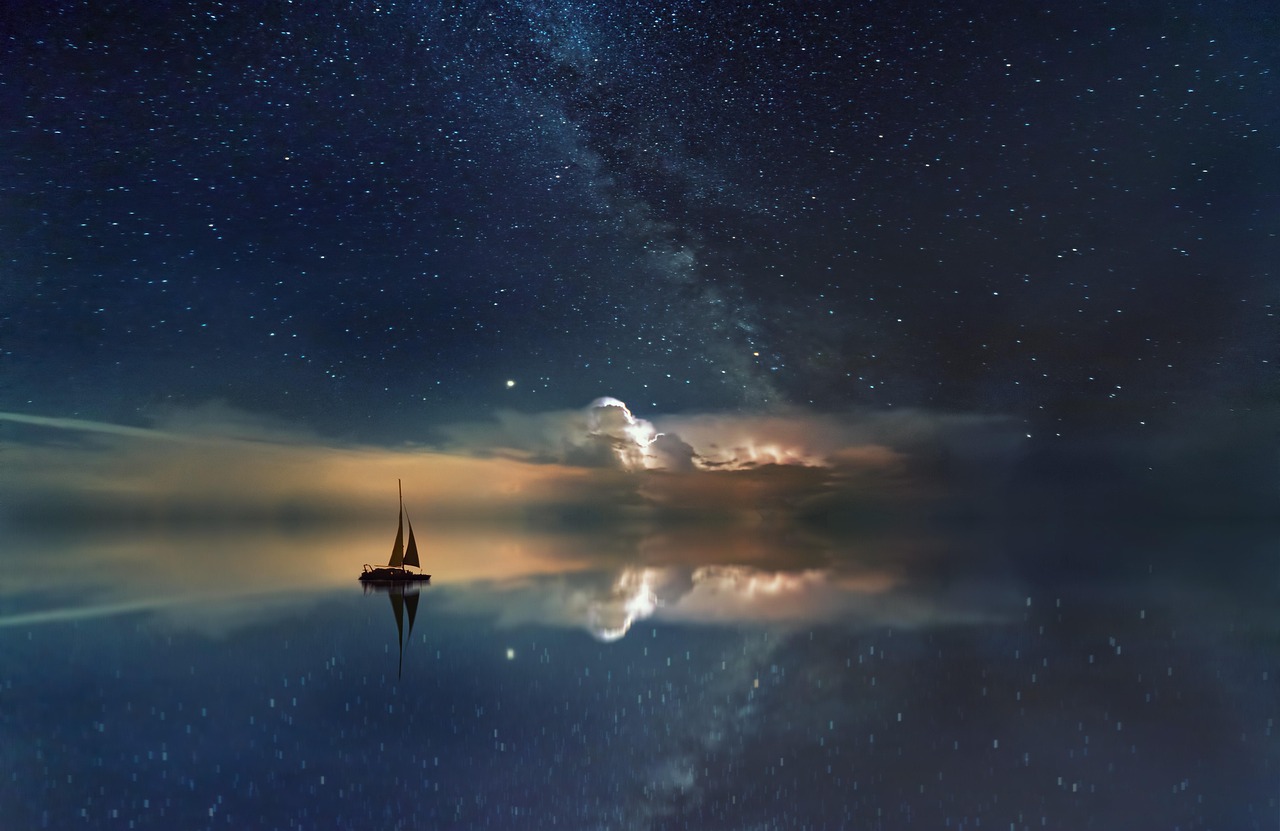
The year begins with a historic milestone at Florida’s Kennedy Space Center. Artemis II is scheduled to be the first crewed mission to the Moon since Apollo 17 in 1972. While the four-person crew won't land on the lunar surface, they will perform a lunar flyby, testing the systems that will eventually return humans to the lunar south pole. Standing on the Space Coast as a heavy-lift rocket ignites is a visceral, bone-shaking experience that every traveler should witness at least once.
2. Annular 'Ring of Fire' Eclipse (February 17)
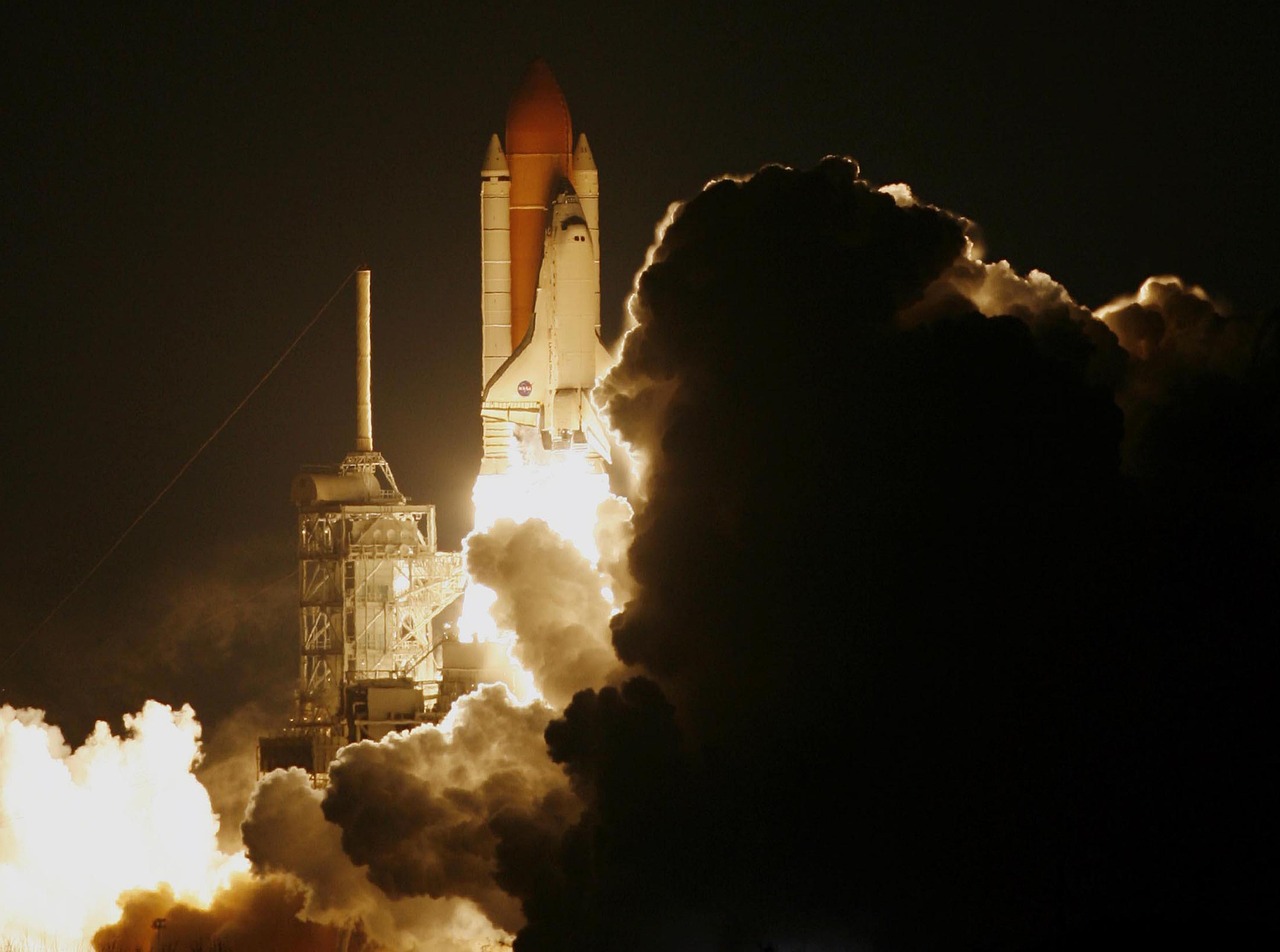
Unlike a total eclipse, an annular eclipse occurs when the moon is too far from Earth to completely cover the sun, leaving a thin, brilliant ring—a "ring of fire." In 2026, this path is almost exclusively over the Southern Ocean and Antarctica. To witness this, you’ll need to book an expedition cruise departing from Ushuaia, Argentina. It is a journey for the truly adventurous, combining the desolate beauty of the white continent with a rare celestial alignment.
3. Total Lunar Eclipse (March 3)
Visible across North America, the Pacific, and Eastern Asia, this "Blood Moon" will see the Earth’s shadow completely engulf the moon, turning it a deep, coppery red. Unlike solar eclipses, lunar eclipses are safe to view with the naked eye and last for hours, making them a perfect companion for a late-night photography session in a dark-sky park like Joshua Tree or Utah’s Mighty Five.
4. Spring Equinox Auroras (March 20)
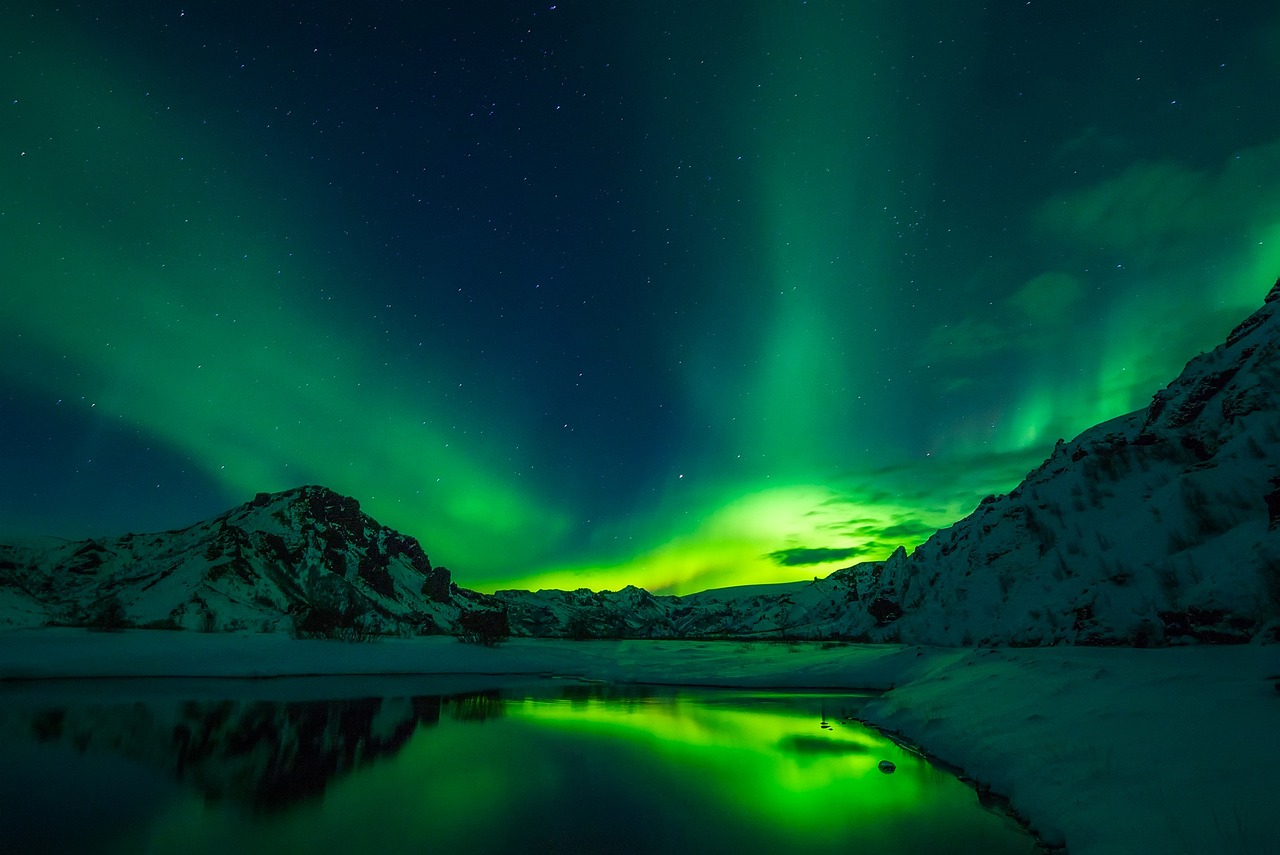
As we approach the peak of the current solar cycle, the Northern Lights are more active and vibrant than they have been in over a decade. The weeks surrounding the spring equinox are statistically some of the best times to view the Aurora Borealis due to the Russell-McPherron effect, which increases geomagnetic activity. Regions like Iceland, Northern Norway, and the Canadian Yukon will be the primary stages for these dancing green and violet curtains.
5. The Marquee Event: Total Solar Eclipse (August 12)
The grand finale of the summer. The path of totality begins in northern Siberia, crosses the North Pole, skims eastern Greenland, bisects western Iceland, and concludes with a dramatic sunset over Spain and the Mediterranean. The maximum duration of totality—2 minutes and 18 seconds—occurs in the North Atlantic, making expedition ships a popular, if expensive, viewing platform.
6. Perseid Meteor Shower Peak (August 12-13)
In an incredible stroke of cosmic luck, the 2026 Perseids peak just hours after the total solar eclipse. Even better, the moon will be in its "new" phase, providing the dark skies necessary to see up to 100 meteors per hour. If you are in Spain or Iceland for the eclipse, stay out after dark; the celestial show continues long after the sun returns.
7. Geminid Meteor Shower Peak (December 13-14)
Known for being the most colorful and prolific meteor shower of the year, the Geminids serve as the year’s final exclamation point. While viewing requires braving the December chill, the reward is a high volume of slow-moving, bright yellow streaks across the sky.
Deep Dive: Best Places to See the 2026 Total Solar Eclipse
Choosing where to stand in the moon's shadow is a balance of probability and preference. Do you want the dramatic, moody weather of the Arctic, or the guaranteed sunshine of the Iberian Peninsula?
The Spanish Advantage: Optimal Weather
If your primary goal is to ensure you actually see the sun during totality, Spain is the undisputed winner. Historical weather data suggests that regions like Aragon and Castile and León have cloud cover chances as low as 16% to 25% in August.
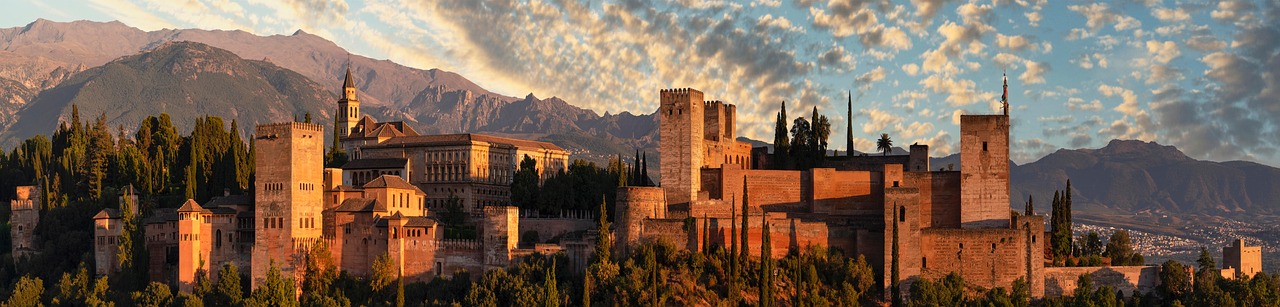
- Zaragoza & Northern Aragon: Located in the heart of the path, Zaragoza offers about 1 minute and 23 seconds of totality. The city's Mudéjar architecture provides a stunning backdrop for the event.
- The Castilian Plains: Cities like Palencia (1m 42s) and Burgos offer wide-open horizons, which are critical because the eclipse will happen low in the sky (about 10-15 degrees above the horizon in Spain).
- Coastal Views: For a truly cinematic experience, head to Valencia's Malvarrosa Beach or the island of Mallorca. In Mallorca, the eclipse will occur just before sunset, offering the rare "Black Sun" sinking into the Mediterranean.
The Icelandic Adventure: Dramatic Scenery
While Spain offers the best weather, Iceland offers the most dramatic terrain. The path covers the western half of the country, including the capital, Reykjavík.
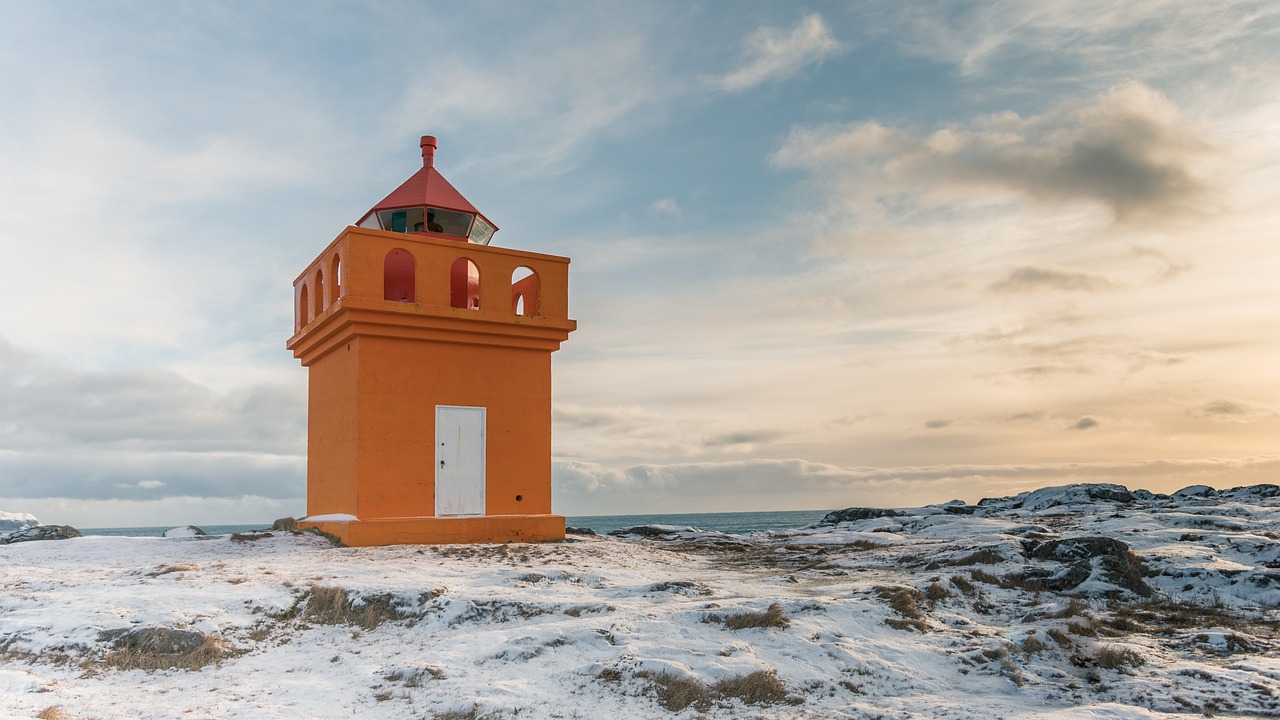
- Snaefellsnes Peninsula: This is the "sweet spot" for Iceland. At the Svörtuloft Lighthouse, you will experience 2 minutes and 10 seconds of totality—the longest duration on land for this eclipse. The rugged basalt cliffs and the Snaefellsjökull glacier make for an otherworldly atmosphere.
- The Blue Lagoon & Reykjanes: Viewing totality from a geothermal spa is a bucket-list item for many. However, be aware that Iceland’s weather is notoriously fickle, with a 70% chance of cloud cover on any given day in August.
The Arctic Frontier: Greenland & Siberia
For those who prefer isolation over crowds, the remote fjords of Scoresby Sund in eastern Greenland offer a pristine, icy environment. This is "expedition-only" territory. You’ll be viewing the eclipse surrounded by massive icebergs and perhaps the occasional humpback whale. It is the most expensive way to see the eclipse, but arguably the most profound.

Comparing the Prime Viewing Locations
| Location | Expected Totality | Cloud Cover Prob. | Horizon Altitude | Accessibility |
|---|---|---|---|---|
| Burgos, Spain | 1m 44s | ~20% | 11° | High (Train/Car) |
| Zaragoza, Spain | 1m 23s | ~18% | 8° | High (Train/Car) |
| Reykjavík, Iceland | 1m 02s | ~76% | 24° | High (Flight) |
| Snaefellsnes, Iceland | 2m 10s | ~72% | 25° | Moderate (Car) |
| Scoresby Sund, Greenland | 2m 13s | ~65% | 26° | Low (Expedition Ship) |
Essential Planning & Safety Tips
Success in eclipse chasing is 90% preparation. Because the 2026 path crosses popular tourist destinations during their peak season, you cannot afford to wait.
Booking Windows
In Iceland, hotels in the Snaefellsnes Peninsula are already seeing high demand. If you're eyeing a specific boutique hotel, book it now. In Spain, the "Big Three" cities (Madrid, Barcelona, Valencia) are just outside or on the edge of totality, so travelers will be flocking to smaller provincial capitals like Leon, Burgos, and Palencia.
Pro Tip: If you're planning to drive in Spain, book your rental car at least 12 months in advance. The influx of "eclipse chasers" often exhausts the local supply of automatic transmissions and larger SUVs.
Safety and Eye Protection
This cannot be overstated: you must use ISO 12312-2 certified solar eclipse glasses for all the partial phases of the eclipse. The only time it is safe to look at the sun with the naked eye is during the brief window of 100% totality.
The Challenge of the Low Horizon
One unique aspect of the 2026 eclipse is the sun's low altitude. In Spain, the sun will be just 10 degrees above the horizon. This means that even a small hill or a tall building could block your view. When scouting locations, ensure you have a clear, unobstructed view toward the West-Northwest.
FAQ
Q: Can I see the total eclipse from Madrid or Barcelona? A: No. Both cities sit just outside the path of totality. You will see a 99% partial eclipse, which is significantly different from totality. To experience the "diamond ring" effect and the sudden darkness, you must travel north into the path.
Q: What happens if it’s cloudy? A: If there is thick cloud cover, you will still experience the "false dusk"—it will get very dark very quickly—but you won't see the sun's corona. This is why Spain is the preferred choice for those who prioritize the visual spectacle.
Q: Is it safe to photograph the eclipse? A: Only if your camera lens is protected by a solar filter. Looking through an optical viewfinder at the sun without a filter can cause permanent eye damage, and the sun's intensity can melt your camera's sensor.
Plan Your 2026 Journey
The 2026 eclipse is more than a 2-minute event; it’s an invitation to explore the rugged beauty of the North Atlantic and the ancient heart of the Iberian Peninsula. Whether you find yourself on a volcanic cliff in Iceland or a sun-drenched terrace in Spain, you will be part of a global community witnessing the majesty of the cosmos.
View Interactive Totality Maps →
The shadow is coming. Where will you be when the lights go out?