Quick Facts
- Emerging Trend: A shift from "object-based luxury" to "immersion luxury," focusing on raw connection over gold-plated amenities.
- Top 2026 Openings: Mokete (Mababe), Singita Elela (Okavango Delta - Dec 2026), and Sediba Sa Rona (Khwai - March 2026).
- The Exclusivity Factor: Singita Elela boasts a massive 170,000-hectare private concession, ensuring absolute solitude.
- Sustainable Model: Botswana remains the global leader in low-volume, high-value tourism, maintaining the $2,000+ per night ultra-luxury segment to protect its fragile ecosystems.
Introduction: Why Botswana is the 'Destination of the Year' for 2026
There is a specific kind of silence that only exists in the heart of the Okavango Delta. It is not an absence of sound, but rather a symphony of the subtle: the rhythmic splash of a mokoro paddle through lily-padded channels, the distant, guttural call of a leopard, and the papyrus-fringed wind whispering through the floodplains. For the discerning traveler, Botswana has long been the ultimate sanctuary, but 2026 marks a profound evolution in how we experience this wilderness.
The luxury of the past was often defined by what we could bring into the bush—fine linens, crystal glassware, and air-conditioned suites. Today, the "Luxury of Experience" has taken center stage. In 2026, Botswana is being hailed as the 'Destination of the Year' because it has mastered the art of "immersion luxury." This is a world where the walls between the guest and the wild are becoming increasingly transparent, both literally and metaphorically.
The most anticipated new Botswana safari camps for 2026—Mokete in the Mababe wilderness, Singita Elela in a pristine Delta concession, and Sediba Sa Rona in the Khwai region—each represent a commitment to this new era. These properties are not merely places to stay; they are sophisticated portals into Africa's last great untamed landscapes.
1. Mokete: A Front-Row Seat to the Mababe Wilderness
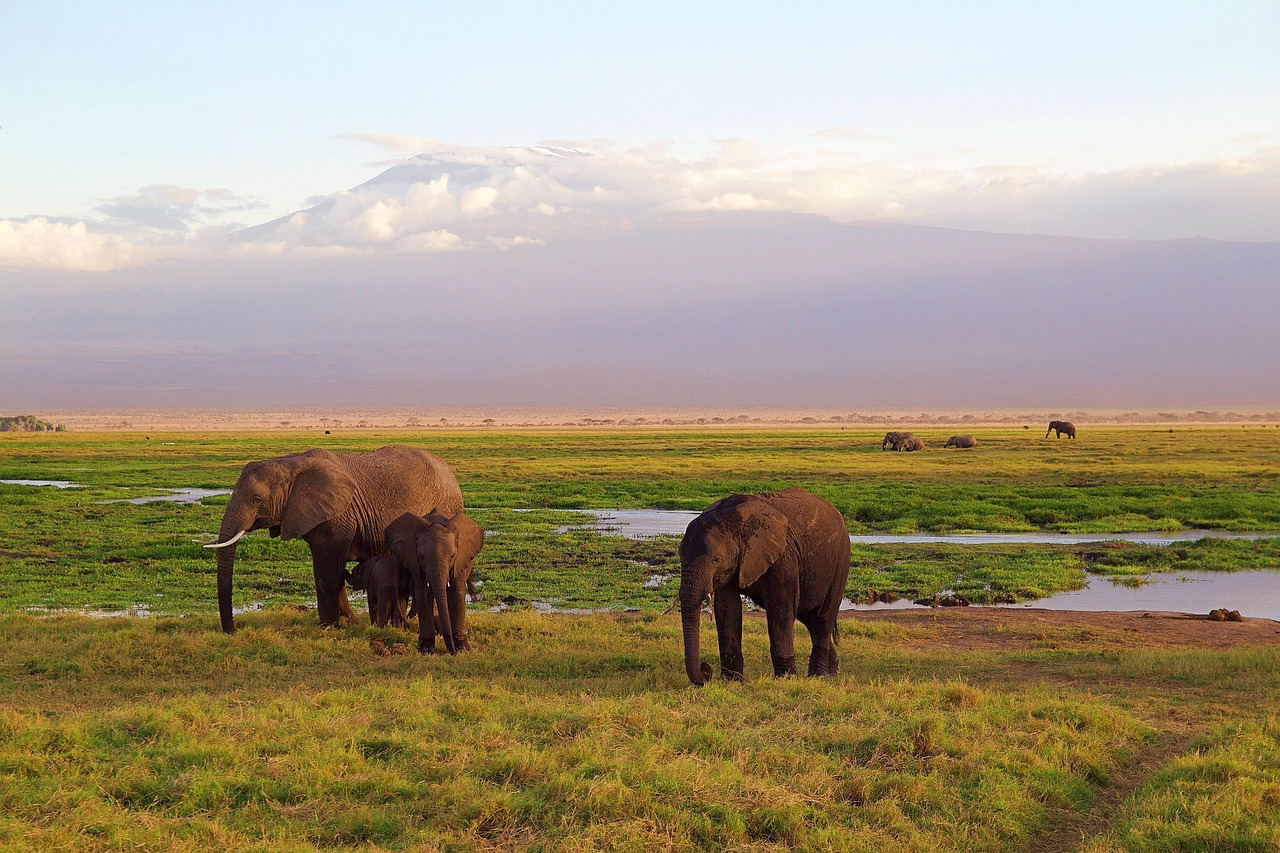
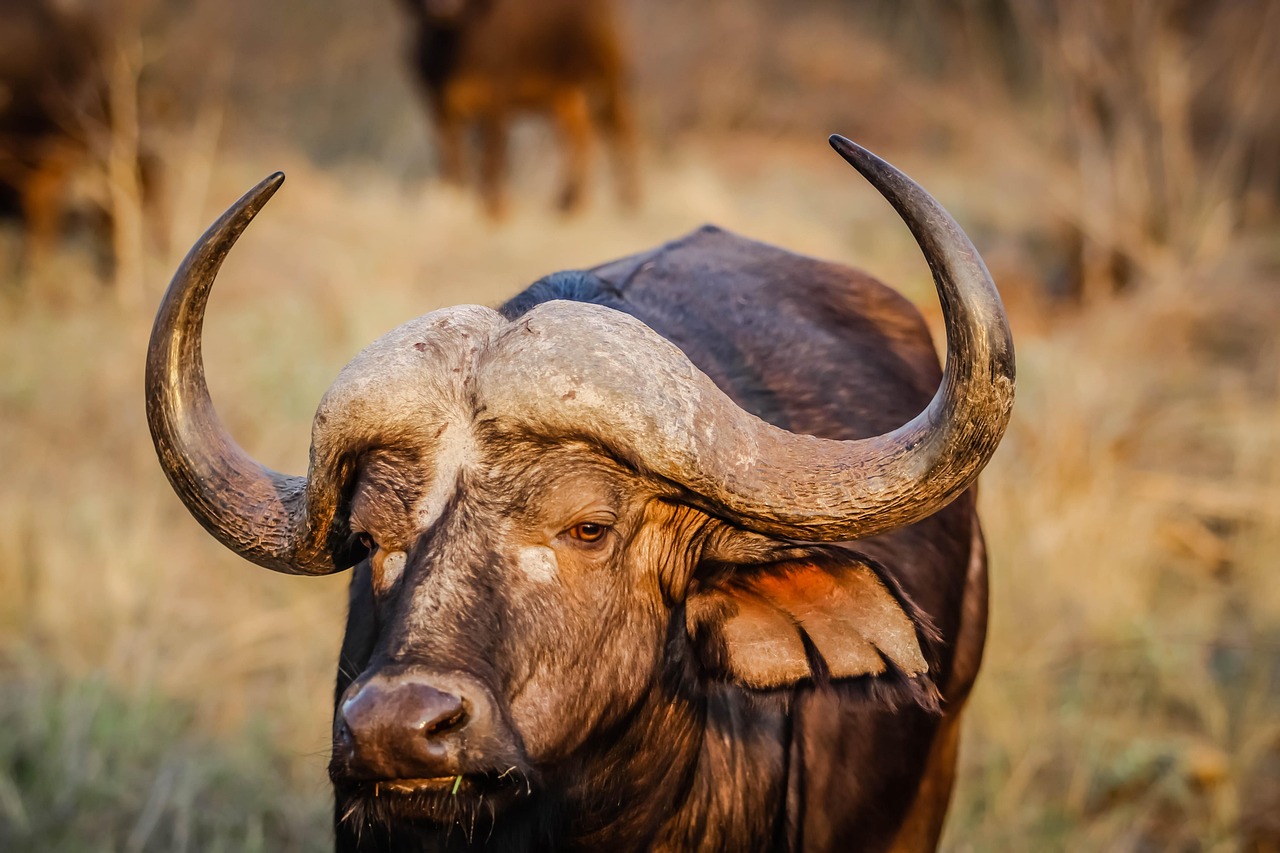
In the vast, sun-baked stretch of the Mababe wilderness, a new architectural marvel has emerged that challenges our traditional notions of a safari suite. Mokete is not just a camp; it is a viewing platform for one of the most dramatic wildlife theaters in Southern Africa. Situated between the Okavango Delta and Chobe National Park, the Mababe area is legendary for its massive buffalo herds and the formidable lion prides that shadow them.
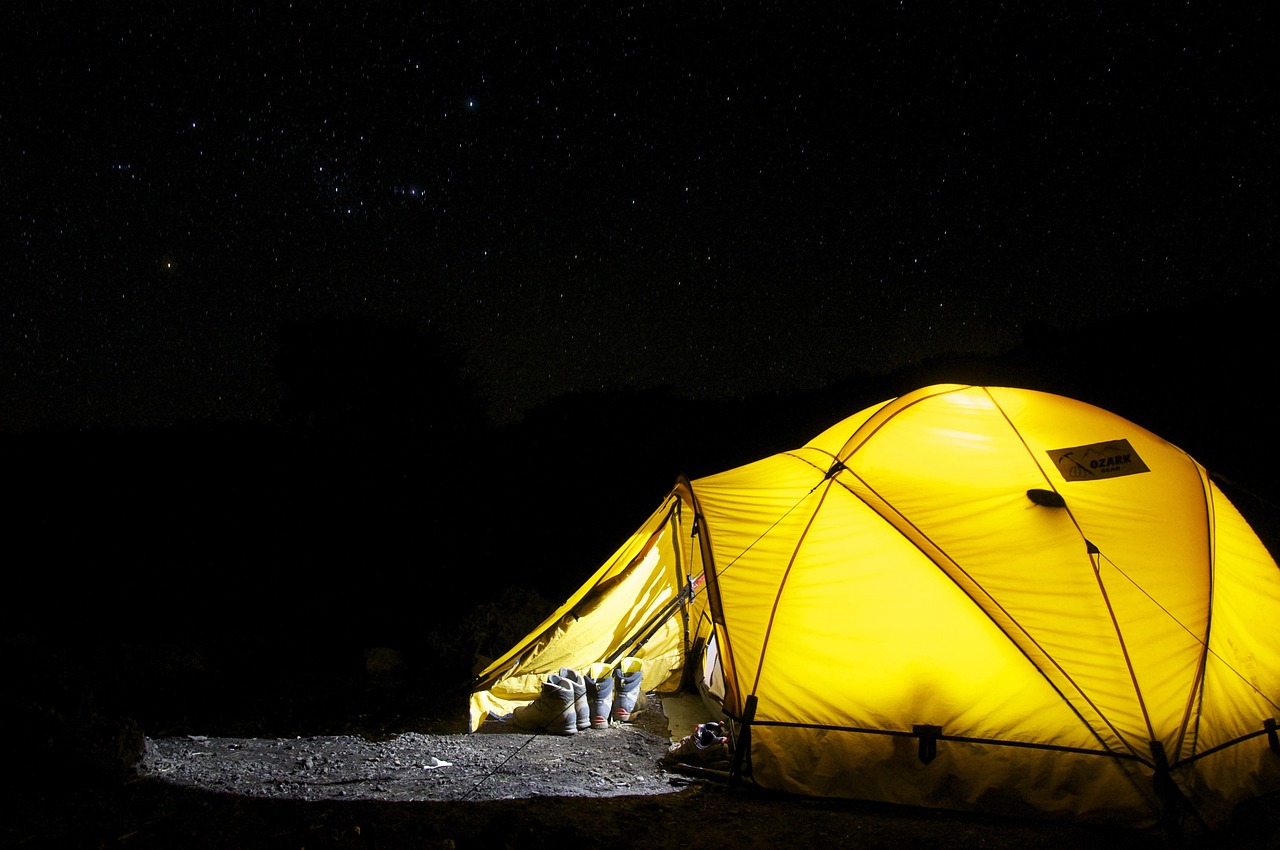
The defining feature of Mokete’s nine guest rooms is the ingenious retractable roof. With the touch of a button, the ceiling slides away, leaving nothing but a mosquito net between you and the cosmic display of the Milky Way. It is a sensory-rich experience designed for those who want to feel the cool night air and hear the nocturnal chorus of the bush without leaving the comfort of their high-thread-count sheets. Oversized floor-to-ceiling windows ensure that even during the heat of the day, the boundary between the interior and the wild is almost non-existent.
Staying at Mokete is about witnessing the raw cycles of nature. The Mababe is a land of extremes—dusty, golden plains that transform into lush emerald havens. Here, the luxury lies in the proximity to the action. You aren't just going on a game drive; you are living within the hunt. The camp’s design is minimalist and "wild and raw," echoing the ruggedness of the landscape while providing the refined service details that modern explorers demand.
2. Singita Elela: The Pinnacle of Solitude (Opening December 2026)
If Mokete is about the drama of the plains, Singita Elela is about the soulful poetry of the water. Scheduled to open in December 2026, this property is perhaps the most significant addition to the luxury Botswana safari experience in a decade. Located within a staggering 170,000-hectare private concession in the heart of the Okavango Delta, Elela offers a level of solitude that is becoming increasingly rare in our connected world.
The architecture of Singita Elela is a masterclass in "organic fluidity." The structures are designed to mirror the winding channels and shifting sandbanks of the Delta itself. Using sustainable materials and a light-on-earth philosophy, the camp feels as though it has grown out of the soil. Each suite is a sanctuary of quietude, positioned to maximize views of the permanent lagoons where hippos bask and malachite kingfishers dart.
Singita’s purpose-driven model goes beyond aesthetics. The 170,000-hectare concession acts as a private fortress for conservation, allowing for highly exclusive game viewing where you are unlikely to see another vehicle for the duration of your stay. This is the ultimate expression of the "low-volume" tourism model. While the nightly price point is expected to sit comfortably within the $2,000+ ultra-luxury segment, the investment directly fuels the rewilding and protection of this UNESCO World Heritage site.
3. Sediba Sa Rona: Where Iconic Ecosystems Meet (Opening March 2026)
Located in the community-run Khwai Concession, Sediba Sa Rona is set to redefine the bridge between high-end safari and community conservation when it opens in March 2026. The Khwai region is a fascinating ecological crossroads where the lush floodplains of the Delta meet the dense mopane woodlands. This diversity makes it a predator hotspot, famous for frequent sightings of African wild dogs and leopards.
Sediba Sa Rona (meaning "Our Spring") is a complete solar-powered rebuild of an iconic site, featuring 15 elegantly appointed tents. The experience here is deeply sensory. You might spend your morning on a guided walking safari, feeling the crunch of dry grass underfoot, and your afternoon in a traditional mokoro, gliding silently past elephants drinking at the river’s edge.
What makes Sediba Sa Rona truly special is the social fabric of its location. The Khwai Concession is managed by the local community, and your stay directly contributes to the development of Khwai village. It is luxury with a heartbeat—a place where the warmth of Botswanan hospitality is as memorable as the wildlife sightings.

Why These Camps Redefine the 'Luxury of Experience'
The shift we are seeing in 2026 is a move away from the "colonial-chic" aesthetic toward something more authentic and elemental. These new camps prioritize private concessions over public park access. In a private concession, your guide can drive off-road to follow a pride of lions through the bush or conduct night drives to find the elusive serval—activities strictly prohibited in National Parks.
Emma’s Insight: True luxury in Botswana is not a chandelier in the desert; it is the ability to track a leopard for three hours without seeing another soul. It is the silence of a solar-powered camp where the only hum is the evening insects.
Furthermore, Botswana’s commitment to keeping guest numbers low ensures that the environment remains pristine. Unlike the crowded circuits of East Africa, the Okavango Delta remains an intimate encounter. This "scarcity of access" is what justifies the premium pricing of top-tier camps like Xigera or the upcoming Singita Elela. You aren't just paying for a room; you are paying for the preservation of an ecosystem.
Planning Your 2026 Botswana Safari
Navigating a Botswana itinerary requires a blend of logistical precision and an appreciation for the seasons.
- The Best Time to Visit: For the classic "big game" experience, aim for the dry season (May to October). This is when the Delta waters are at their highest, and animals congregate around the remaining water sources. If you are a birding enthusiast or looking for better value, the "Green Season" (November to April) offers dramatic thunderstorms and emerald landscapes.
- The Logistics of Arrival: A Botswana safari is almost always a "fly-in" affair. Most guests arrive in Maun or Kasane before boarding a light aircraft. These flights are an experience in themselves—a bird’s-eye view of the Delta’s intricate veins of water and the vast herds moving across the land.
- Budgeting for the Best: The ultra-luxury segment in Botswana is exclusive. Expect rates at flagship camps to start around $1,500 during the low season and easily exceed $3,500 during the peak flood months.
| Camp Name | Opening Date | Concession Size | Standout Feature |
|---|---|---|---|
| Mokete | Open Now | Mababe Wilderness | Retractable roofs for stargazing |
| Singita Elela | Dec 2026 | 170,000 Hectares | Absolute solitude & organic design |
| Sediba Sa Rona | March 2026 | Khwai Concession | Solar-powered community model |
FAQ
Q: Is Botswana safe for luxury travelers?
A: Absolutely. Botswana is one of the most stable and safe countries in Africa. Its high-end tourism model is built on providing a secure, seamless, and deeply personal experience for every guest.
Q: Why is Botswana more expensive than other safari destinations?
A: Botswana intentionally limits the number of beds available in its most pristine regions. By choosing a "low-volume, high-price" model, they generate the necessary revenue for conservation while minimizing the environmental footprint of tourism.
Q: What should I pack for an immersive nature safari?
A: Think "Safari Minimalist." Most camps provide daily laundry, so you only need 3-4 sets of neutral-toned clothing. Don't forget high-quality binoculars and a wide-brimmed hat. The focus is on the experience, not the wardrobe.
Discover the Unseen Botswana
The wilderness is calling, and 2026 is the year to answer. Whether you are sleeping under the stars at Mokete or finding silence in the heart of Singita Elela, your journey through Botswana will be one of profound emotional resonance.