Quick Facts
- Dates: February 6–22, 2026 (Olympic Winter Games) and March 6–15, 2026 (Paralympic Winter Games).
- Geography: Spans over 250 miles across Northern Italy, from the urban center of Milan to the peaks of the Dolomites.
- Events: 116 medal events across 14 venues in four primary regional clusters.
- Logistics: Travel between major hubs like Milan and Cortina takes approximately 5–6 hours via mountain roads.
- Availability: Last-minute tickets will be centered on the official resale platform launching in December 2025.
While you might currently be savoring the warmth of a Mediterranean summer or the mild rains of autumn, the frost of February 2026 is already calling. The Milano Cortina 2026 Winter Games represent a historic shift for the Olympic movement—this is the most geographically widespread Winter Games in history. Unlike the compact footprints of Salt Lake City or Sochi, the Italian Games will stretch across 250 miles of rugged, spectacular terrain, featuring 116 medal events spread across over a half-dozen distinct regional destinations in Northern Italy.
The sheer scale of this event presents a unique challenge for the late-comer. If you haven't been planning since 2023, you are technically "last-minute." However, in Italy, the best strategies often emerge from chaos. As a destination editor who has navigated the winding passes of the Passo Pordoi and the bustling streets of the Brera District, I can tell you that the logistical reality check is this: strategy beats hype every single time. To experience the magic of the Dolomites without getting stranded on a snowy mountain pass or bankrupting yourself in Cortina, you need to pivot from "tourist" to "tactician."
Hack 1: The 'One-Cluster' Rule (Strategic Geography)
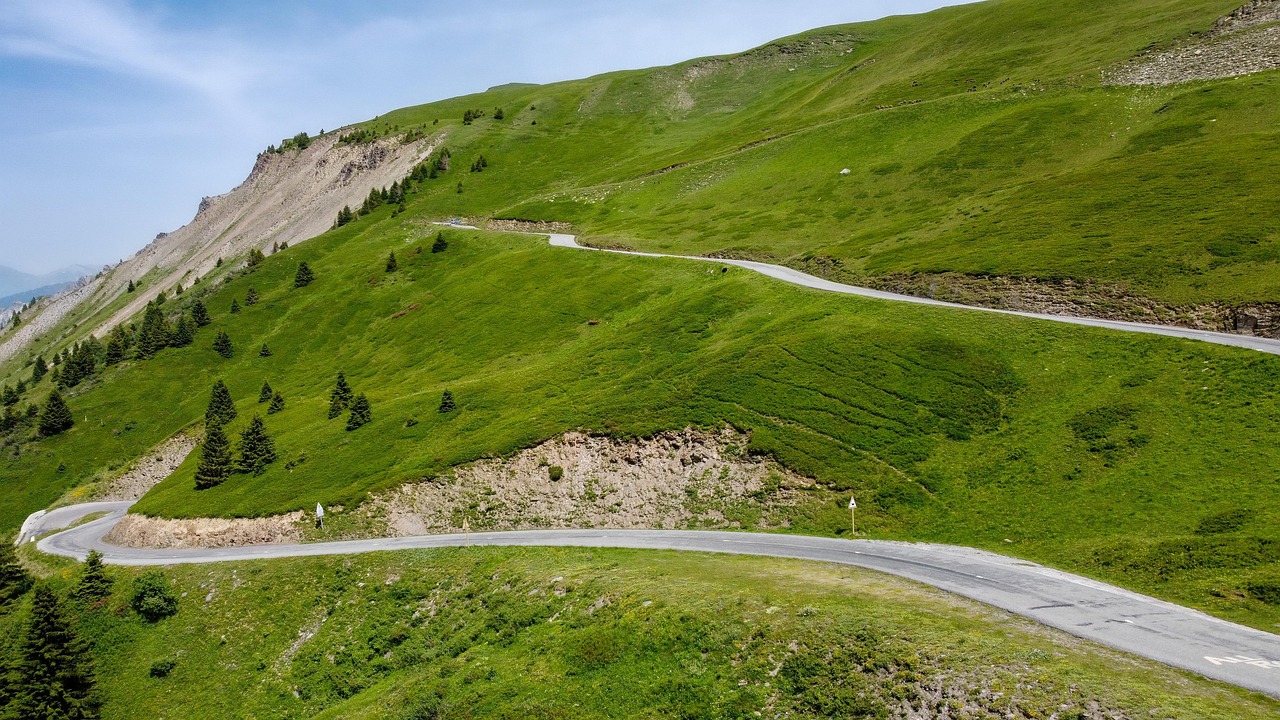
The biggest mistake a first-time visitor can make for 2026 is trying to see it all. Travelers should focus their itinerary on one specific geographic cluster, as venues like Milan and Cortina are separated by approximately 250 miles and a 6-hour drive through winding mountain roads. This is not a high-speed rail corridor between venues; it is a journey through some of Europe’s most demanding alpine geography.
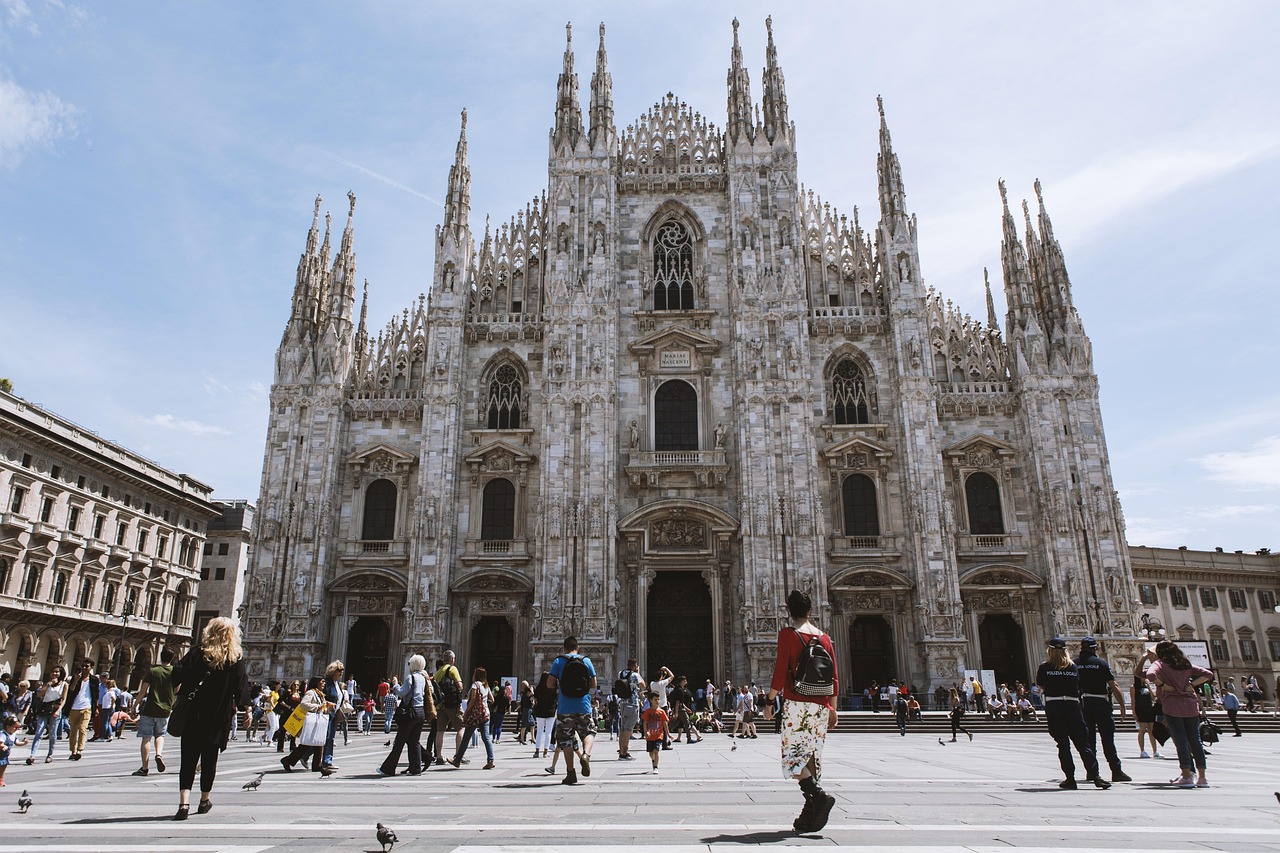
By choosing one home base, you eliminate the stress of multi-hour transfers and the risk of road closures due to winter storms. Each cluster offers a distinct "flavor" of the Games. Milan is the urban heart, hosting the Opening Ceremony at the iconic San Siro and all ice sports (hockey, figure skating, short track). In contrast, the Cortina cluster is the soul of the mountains, hosting women’s alpine skiing and the sliding events (bobsleigh, luge).
| Cluster | Key Sports | Primary Hub Town |
|---|---|---|
| Milano | Ice Hockey, Figure Skating, Short Track | Milan |
| Valtellina | Freestyle Skiing, Snowboarding, Men's Alpine | Bormio / Livigno |
| Cortina | Women's Alpine, Curling, Sliding Sports | Cortina d’Ampezzo |
| Val di Fiemme | Cross-Country, Ski Jumping, Nordic Combined | Predazzo / Tesero |
Focusing on the Valtellina cluster, for example, puts you in the heart of the "Lombardy Alps," where Bormio’s legendary Stelvio slope will challenge the world's best downhillers. If you try to jump from Bormio to Cortina for a different event the next day, you’ll spend more time in your rental car than at the finish line.
Expert Pro-Tip: If you are a fan of "atmosphere" over specific sports, choose Milan. The city will serve as the cultural nerve center, with fan zones and nightly celebrations, while the mountain clusters will be more focused on the logistics of the competitions themselves.
Hack 2: Secure Access via the Official December Resale
The initial ticket lotteries have come and gone, leaving many fans empty-handed. However, the door is far from closed. To secure last-minute 2026 Winter Olympics tickets, use the official resale platform launching in December 2025, which is the only authorized secondary marketplace for official tickets.
This platform is crucial because it allows fans who can no longer attend to sell their tickets at face value, preventing the predatory price gouging often seen on unauthorized third-party sites. In previous Games, we’ve seen a significant influx of tickets on these platforms in the final 60 days as sponsors and National Olympic Committees release unused inventory.
If the resale platform doesn't yield the high-demand events you're looking for, consider the "On Location" hospitality packages. While more expensive, these are the "skip-the-line" alternative for sold-out events. They often include guaranteed tickets combined with lounge access and transport, which can solve two problems at once.
- Avoid Unauthorized Vendors: Scams are rampant for events of this magnitude. If the ticket isn't from the official Milano Cortina 2026 portal or the On Location site, it likely isn't valid.
- The December Window: Mark your calendar for mid-December 2025. This is when the resale market typically peaks with inventory from European fans who have finalized their winter holiday plans.
- Check the Paralympics: If Olympic tickets are out of reach, the Paralympic Winter Games (March 2026) offer world-class competition at a fraction of the price and with much higher availability.
Check Official Ticket Availability →
Hack 3: The 'Valley Skip' Lodging Strategy
The sticker shock for accommodation in host towns is real. Hotel rates in Cortina d’Ampezzo have reportedly tripled (a 300% increase) for the duration of the 2026 Olympic Winter Games. For many, a standard double room in the center of Cortina is now priced as a luxury suite.
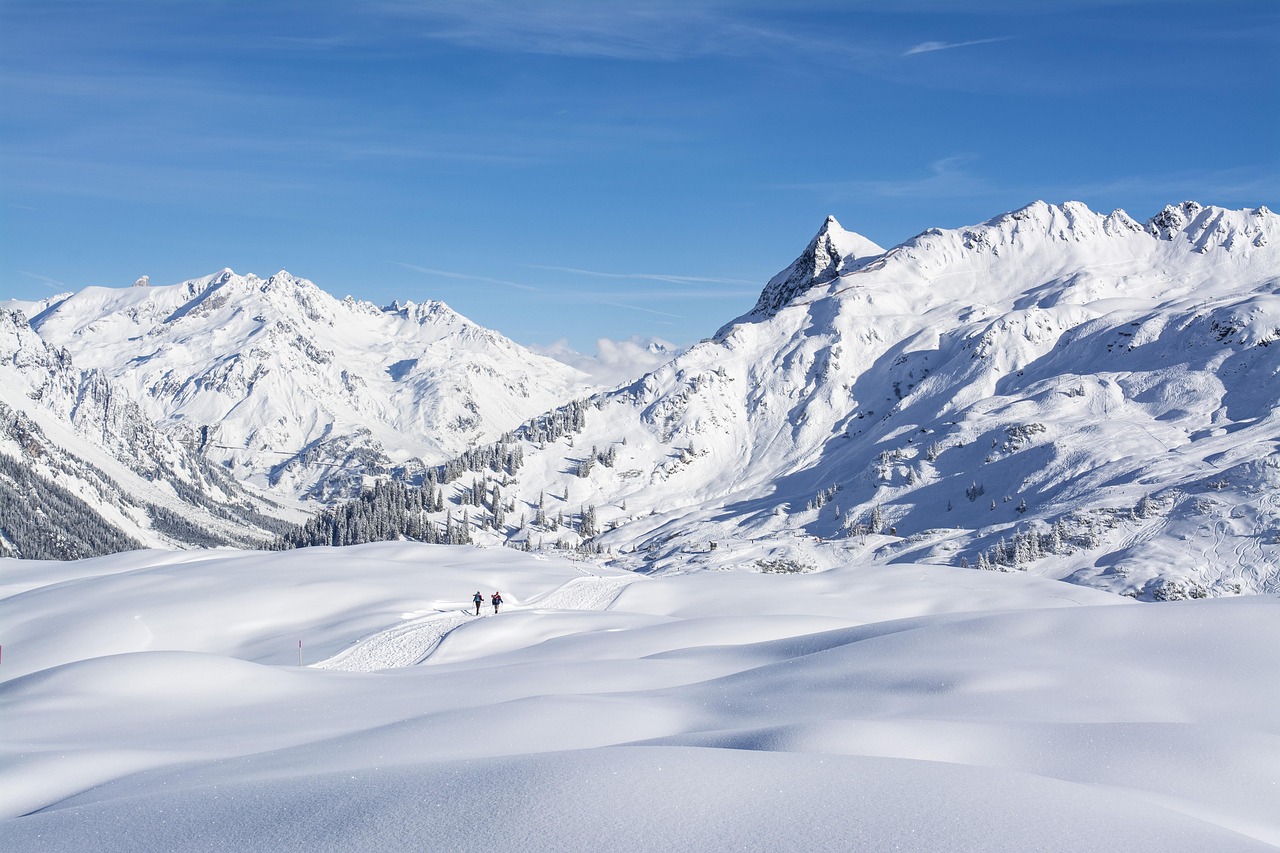
The solution is the "Valley Skip." Instead of staying in the immediate host town, consider staying in the surrounding valleys of the Dolomites like Alta Badia or Val Gardena rather than the main host town of Cortina. These areas are world-class ski destinations in their own right, offering superior infrastructure and more competitive pricing, even during the Games.
Staying in the Val Badia allows you to access Cortina via the Falzarego Pass. While it requires a morning drive, you are rewarded with a much wider selection of traditional Ladin guesthouses and Michelin-starred dining that isn't inflated by "Olympic fever." Alternatively, look at larger regional hubs like Bolzano, Trento, or Treviso. These cities are connected to the mountain valleys by regional transit and offer "real-world" prices for food and lodging.
Expert Pro-Tip: Look for Agriturismos (farm stays) in the valleys surrounding Belluno. You’ll get an authentic Italian breakfast and a quiet retreat away from the Olympic crowds for a third of the price of a hotel in the village.
Hack 4: Leverage the 'Hospitality Clubhouse' Loophole
You don’t necessarily need a ticket to every event to experience the Olympic energy. For the 2026 Games, "On Location" is debuting off-venue clubhouses in Milan and Livigno. These are high-end "fan bases" that offer a middle ground between a crowded public fan zone and a private corporate box.
These clubhouses often feature large-screen live-streams of the events, athlete meet-and-greets, and curated Italian culinary experiences. For those who found themselves priced out of the gold-medal hockey final or the opening ceremony, a "Winter Essentials" package—often starting around $150—can grant you access to these hubs.
It’s a strategic way to soak in the atmosphere, enjoy guaranteed amenities, and rub shoulders with the sporting community without the logistical headache of entering the actual stadium "security bubble." In a city like Milan, these hubs will be located in historic buildings, blending the Olympic spirit with Milanese elegance.
Hack 5: Master the Northern Italy Transport Grid
Transport in Northern Italy is a tale of two worlds: the ultra-efficient rail of the plains and the unpredictable roads of the peaks. Navigating between the clusters requires a hybrid approach.
In Milan, do not rent a car. The city’s Metropolitana and tram system are world-class and will be the fastest way to reach the San Siro or the Rho Fiera venues. However, if your focus is the Dolomites or Valtellina, you will likely need to rely on the "Cortina Express" coach service or specialized Olympic shuttle buses.
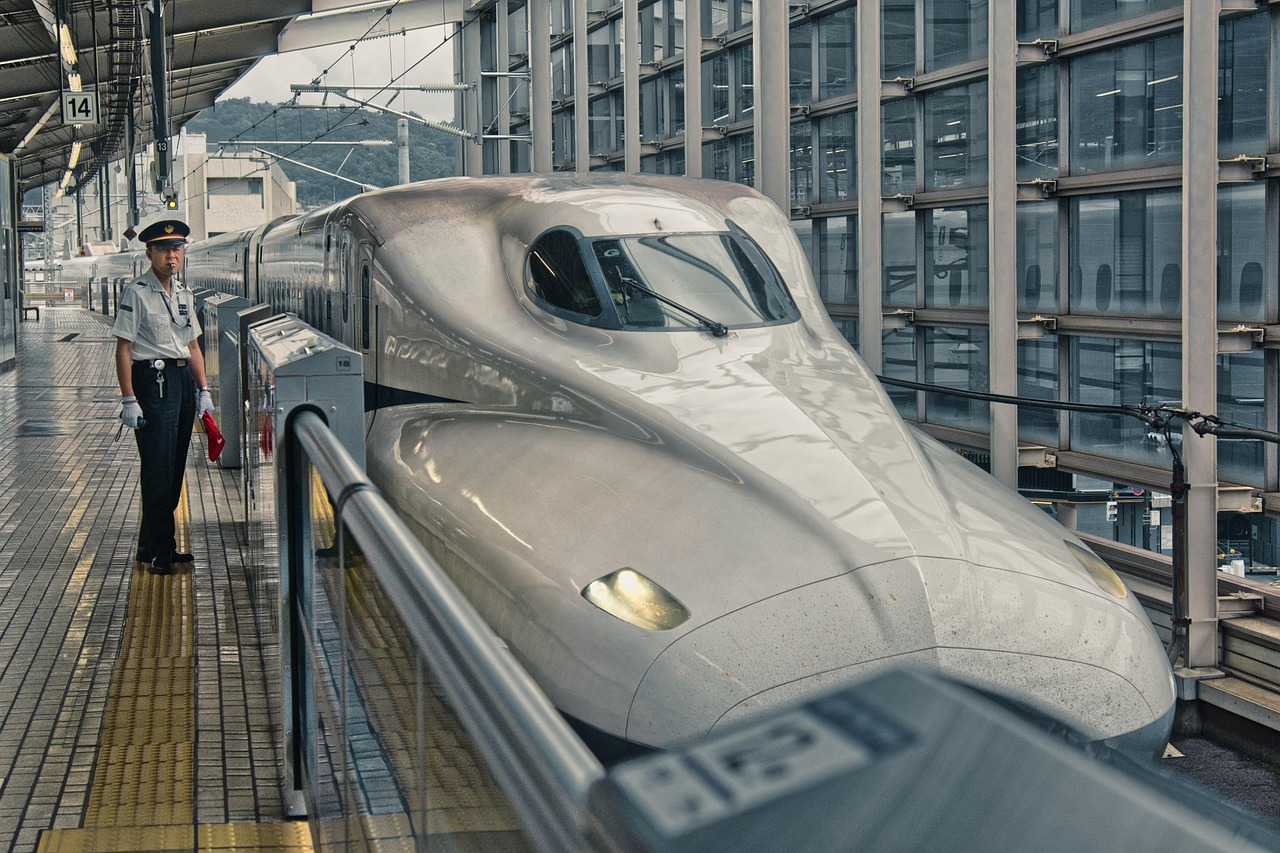
- The Train Factor: Use Trenitalia’s Frecciarossa (high-speed rail) to move between Milan, Verona, and Venice. These cities act as the gateways to the mountain clusters.
- The Mountain Shuttle: During the Games, dedicated shuttle loops will run between "park and ride" lots and the venues. Driving your own car to a venue entrance will be almost impossible due to security cordons.
- The Transit Apps: Download Moovit and Trenitalia before you land. They are more accurate for local Italian strikes (sciopero) and schedule changes than Google Maps.
Finally, a crucial logistical detail: ensure your passport is valid through at least August 22, 2026. Italian authorities are strict regarding the six-month validity rule for non-EU travelers, and you don't want your Olympic journey to end at the check-in counter.
Beyond the Medal Events: Quick Italy Add-ons
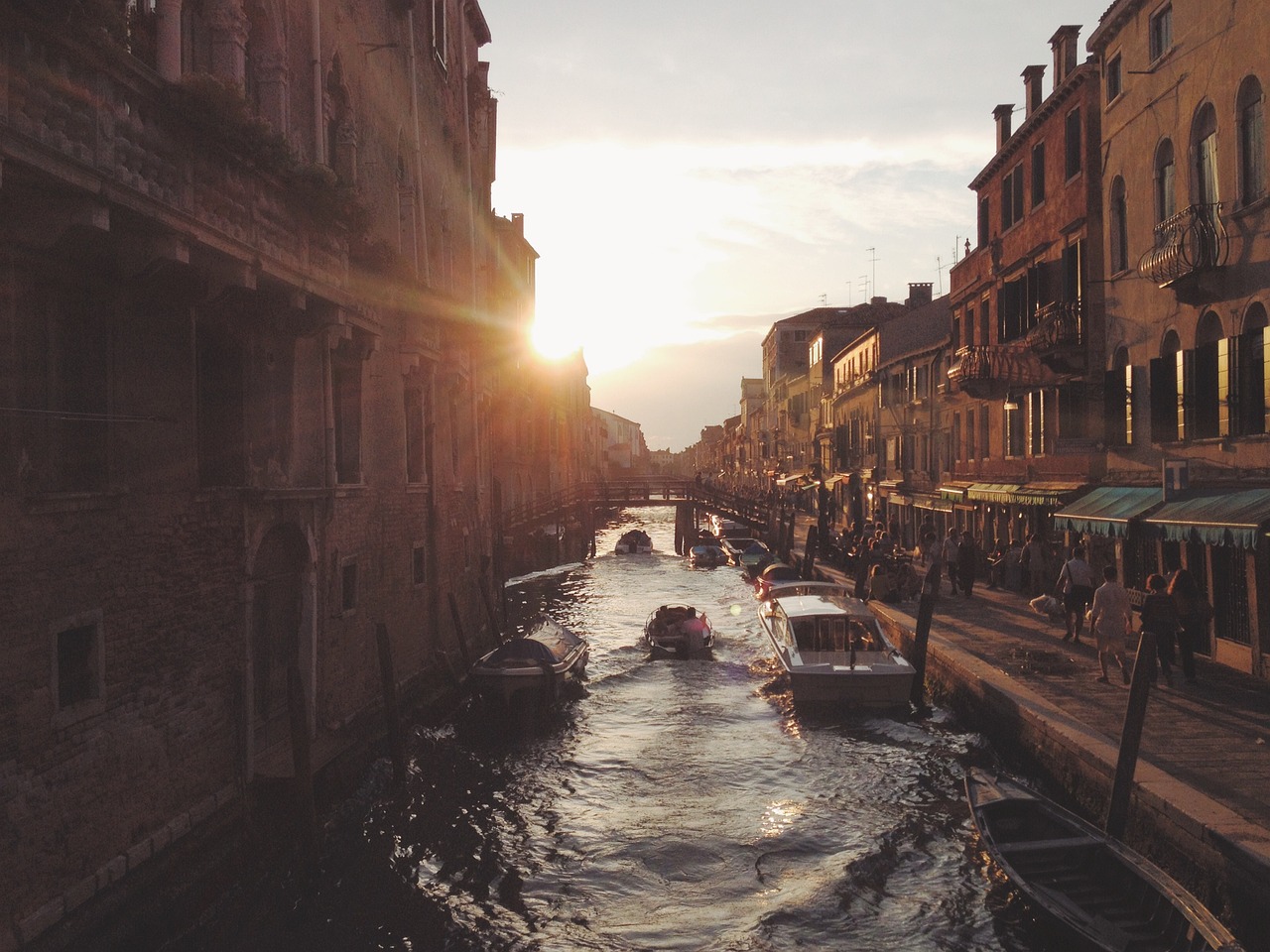
The beauty of the 2026 layout is that it places you within striking distance of Italy's greatest cultural treasures. If you are based in the Cortina or Val di Fiemme clusters, Venice is a mere two-hour drive south. Imagine watching a morning downhill race in the Dolomites and enjoying a sunset cicchetti tour along the Grand Canal—it is entirely feasible.
Similarly, those based in Milan should not overlook Lake Como. Just an hour north of the city, the lake is serenely quiet in February, offering a dramatic, snow-capped backdrop that contrasts beautifully with the high-energy environment of the ice events.
If the February crowds seem too daunting, consider the 2026 Paralympics in March. The weather is often slightly milder, the "One-Cluster" rule still applies, and you can enjoy the same world-class venues with a more intimate, community-focused atmosphere.
FAQ
Can I drive between Milan and Cortina for events on the same day? Technically yes, but it is highly discouraged. The drive is approximately 250 miles and can take 5–7 hours depending on snow conditions and Olympic traffic. You would miss most of the action and spend your day on the road.
What is the best way to get to the mountain venues if I don't have a car? The "Cortina Express" and the "ATVO" bus lines are the primary regional carriers. During the Games, there will be additional dedicated Olympic shuttles from major transit hubs like Treviso Airport and Venice Marco Polo.
Is it too late to find affordable accommodation? It is not too late, but you must look outside the "host towns." Search for lodging in cities like Bolzano, Belluno, or even smaller villages in the Alta Badia valley that aren't directly hosting events but are within the regional transport network.
Start Your Italian Winter Adventure
Planning a last-minute trip to the 2026 Winter Olympics requires a blend of Italian "dolce far niente" (the sweetness of doing nothing) and rigorous logistical discipline. By focusing on a single cluster, utilizing the official resale platform, and looking to the surrounding valleys for lodging, you can navigate the 250-mile Olympic footprint with the ease of a local. Italy is ready to host the world—the question is, are you ready to play the game?