Our Top Picks
- The World’s #1 City for 2026: Melbourne, Australia. A masterclass in urban equilibrium, leading the world in culture, food scene, and a peerless local "vibe."
- The Aesthetic Champion: Cape Town, South Africa. Voted the most beautiful city by 86% of its residents, thanks to the dramatic interplay of Table Mountain and the Atlantic.
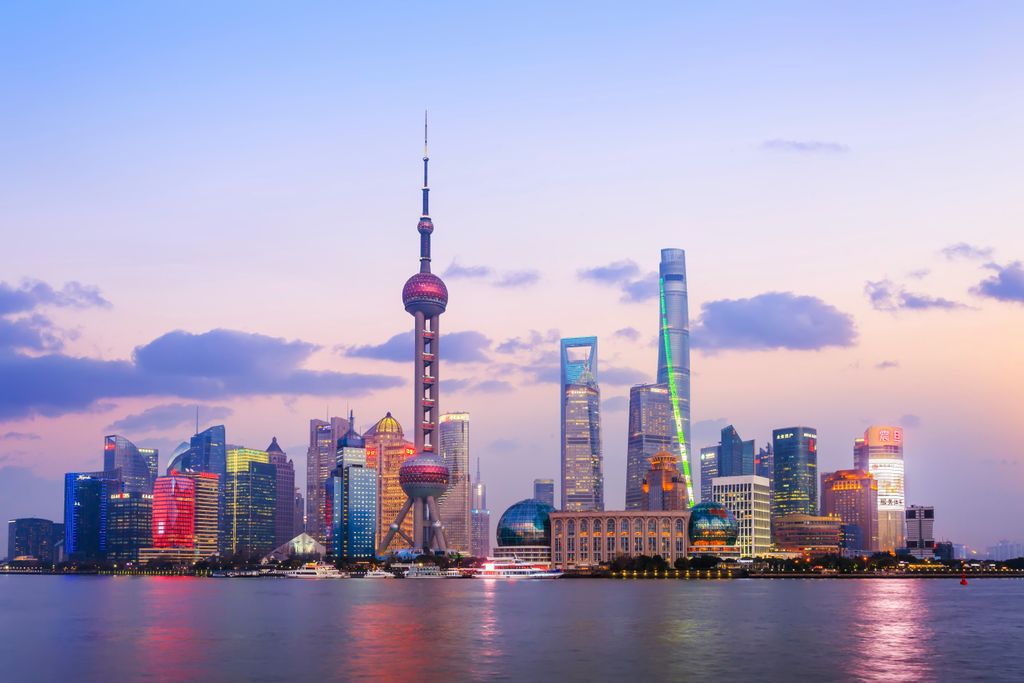
- The Cultural Behemoth: Shanghai, China. Ranked #2 globally, it is the new frontier for "budget-luxury," where cutting-edge tech meets deep-rooted tradition.
Introduction: The New Era of Urban Discovery
As we celebrate the 10th anniversary of our global city rankings, the criteria for what makes a city "the best" has undergone a seismic shift. In 2026, travelers are no longer just looking for the most famous landmarks or the highest density of Michelin stars. Instead, we are seeing a profound move toward "Community" and "Belonging." We want cities that feel lived-in, cities that prioritize the happiness of their residents as much as the comfort of their visitors.
To compile this definitive ranking of the 50 best cities in the world, we didn't just look at hotel occupancy rates or GDP. We went straight to the source. Our 2026 global city rankings were compiled using exhaustive data from 24,000 local residents across the globe, complemented by a discerning panel of over 100 travel experts and urban planners. The result is a meticulously audited list that balances hard statistics with that intangible "swagger" that only the world's greatest metropolises possess.
The World’s #1 City: Melbourne’s 2026 Reign
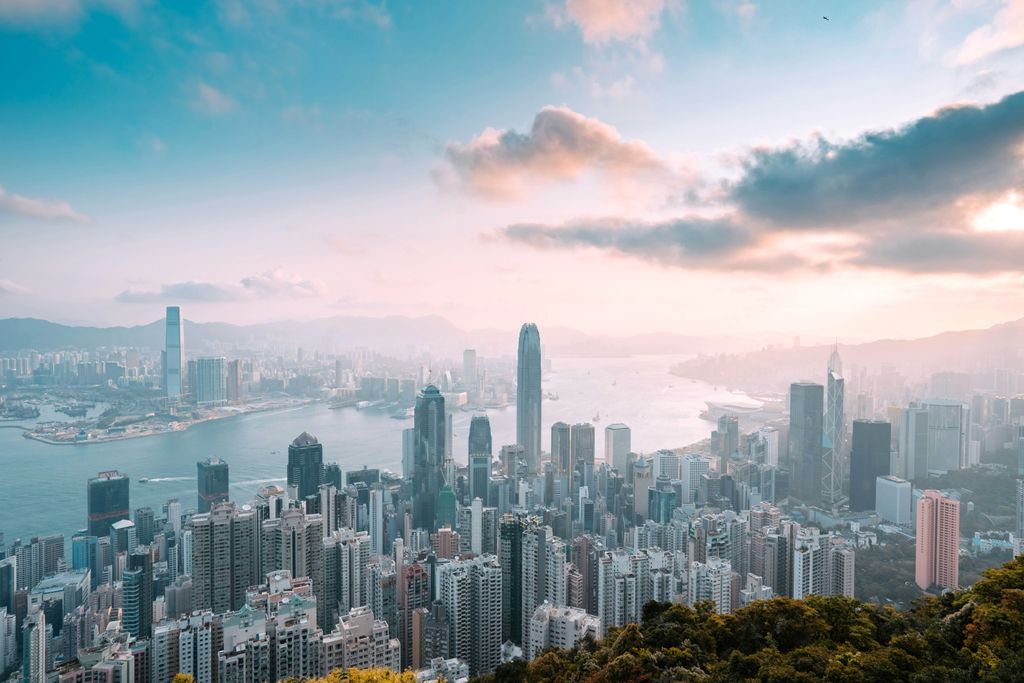
If you are looking for the absolute best city in the world to visit in 2026, look no further than Melbourne. The Victorian capital has officially dethroned its rivals to claim the top spot. Why Melbourne? It’s a city that has mastered the "fifteen-minute" urban lifestyle. With the completion of the massive Metro Tunnel project, the city’s permeability has reached a new peak, making its legendary "laneway culture" more accessible than ever.
But it’s not just about infrastructure. Melbourne is arguably the coffee capital of the universe—a claim backed by a staggering 94% of locals who rate the food and drink scene as world-class. From the refined dining of Flinders Lane to the bohemian spirit of Fitzroy, the city offers a multi-sensory experience that feels both elite and inclusive. Whether you’re attending the Australian Open or getting lost in the Royal Botanic Gardens, Melbourne pulses with an energy that is impossible to ignore. You better book those flights asap; the secret is officially out.
The Global Top 10: Where to Go Right Now
The competition at the top of the 2026 index was tighter than ever. While Melbourne took gold, the following cities represent the absolute pinnacle of modern urbanity:
- Melbourne, Australia
- Shanghai, China
- Edinburgh, Scotland
- London, England
- New York City, USA
- Tokyo, Japan
- Berlin, Germany
- Madrid, Spain
- Mumbai, India
- Cape Town, South Africa
Shanghai (#2) has emerged as the "Affordability King" for the savvy 2026 traveler. While it remains a global financial hub, the city has successfully pivoted toward a "budget-luxury" trend. You can experience five-star glitz on the Bund and then pivot to a world-class street food meal for less than the price of a London latte. The city’s rapid adoption of green transit and digital integration makes it a playground for the future-minded traveler.
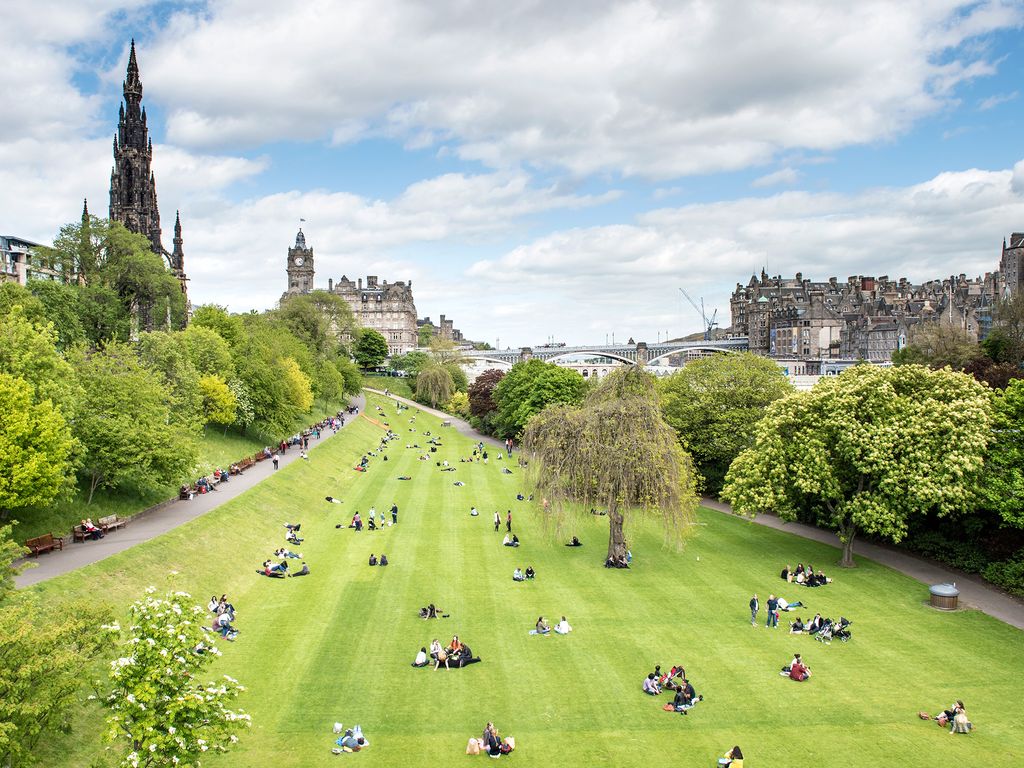
Edinburgh (#3) continues to punch well above its weight. Beyond the world-famous Fringe Festival, the city has been praised for its "cradling" atmosphere. There is a tangible sense of belonging here, reinforced by the city’s commitment to preserving its green spaces and Gothic architecture.
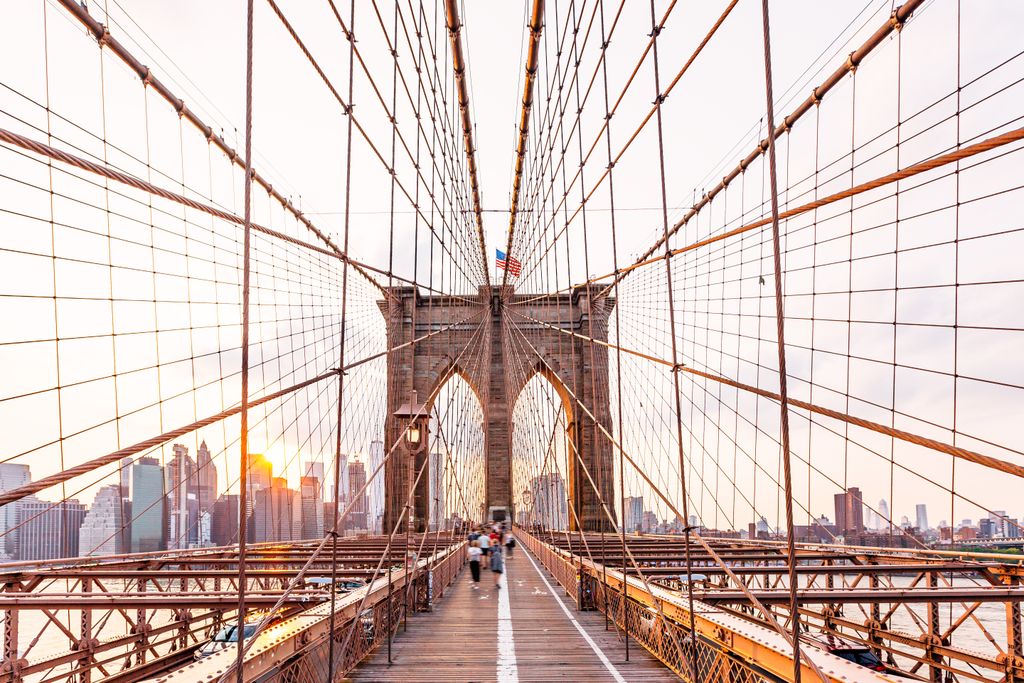
New York City (#5) remains the cultural behemoth it has always been. In 2026, the city has seen a resurgence in neighborhood-led tourism. From the "Crayola-colored" street art of Bushwick to the jazz clubs of Harlem, NYC proves that its real soul lies in its relentless, diverse urban culture.
The 'Amsterdam to Yerevan' Beauty List: Iconic Aesthetics
When we talk about the most beautiful cities to visit, we are often talking about the meeting point of human ingenuity and natural grace. Our "Amsterdam to Yerevan" collection highlights cities that are visual masterpieces, each with a distinct architectural signature.
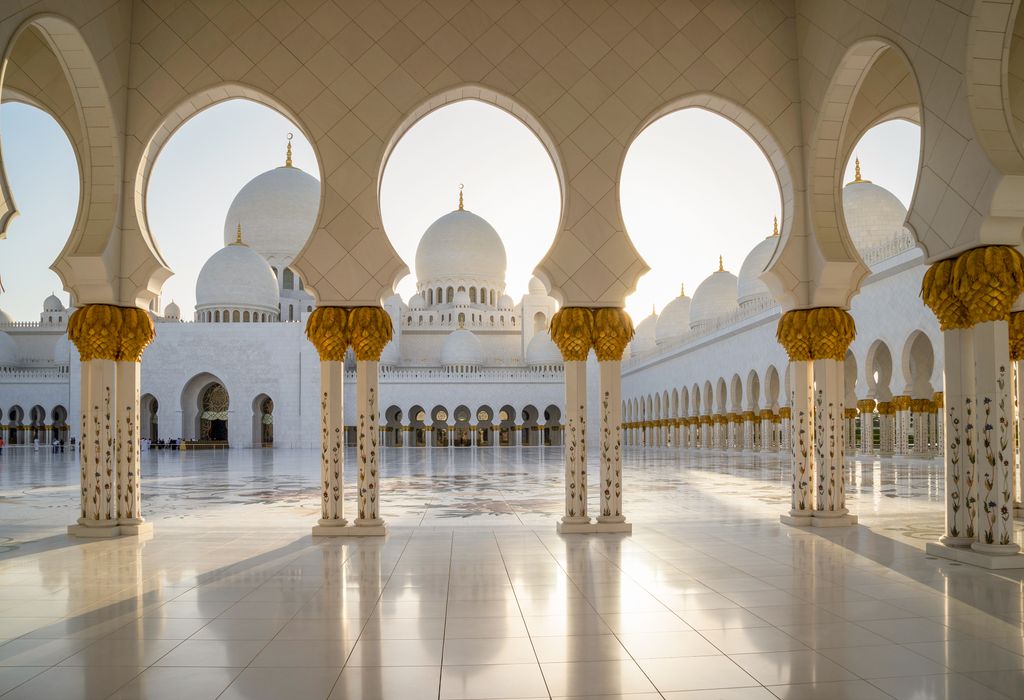
In Abu Dhabi, the aesthetic is one of spectacle and lavish modernity. The skyline is a futuristic dreamscape, anchored by the Sheikh Zayed Grand Mosque. This isn't just a place of worship; it is an architectural marvel of marble, gold, and semi-precious stones that rivals the world’s most spectacular palaces.
Further east, Kyoto remains the gold standard for historical charm. With over 1,600 Buddhist temples and Shinto shrines, the city is a living museum of Japanese aesthetics, particularly during the ethereal cherry blossom season.
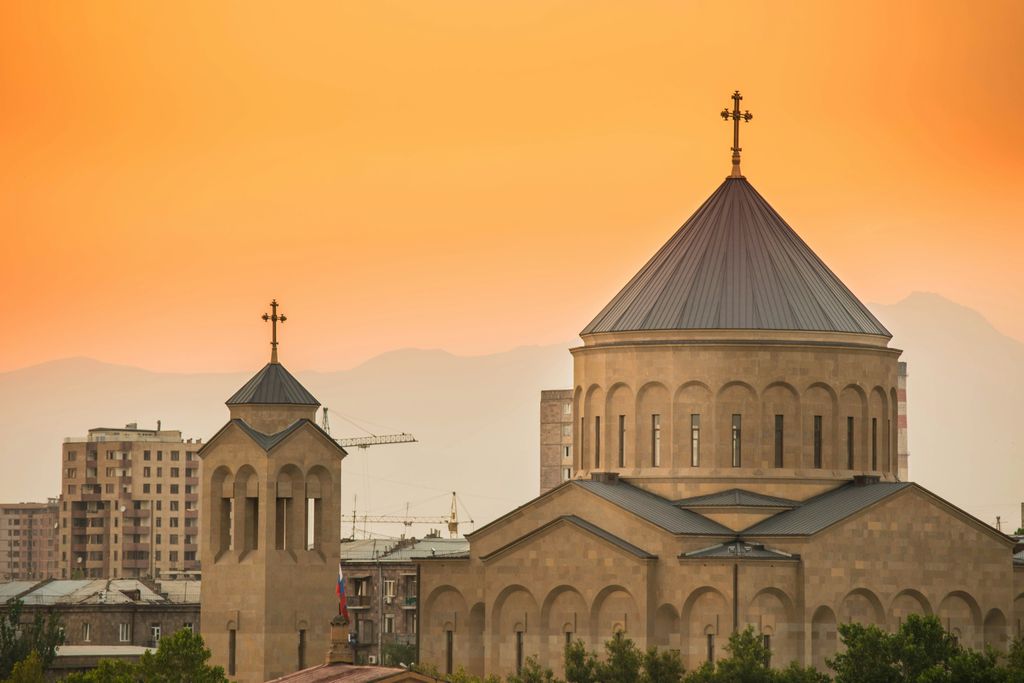
Then there is Yerevan, Armenia—one of the world's oldest continuously inhabited cities and a rising star on our beauty list. Known as the "Pink City," Yerevan’s central architecture is constructed from unique pink tuff stone. At sunset, the entire city glows with a warm, rosy hue that provides a stunning backdrop to its bustling outdoor café culture and view of Mount Ararat.
Nature in the City: Cape Town & The Coastal Gems
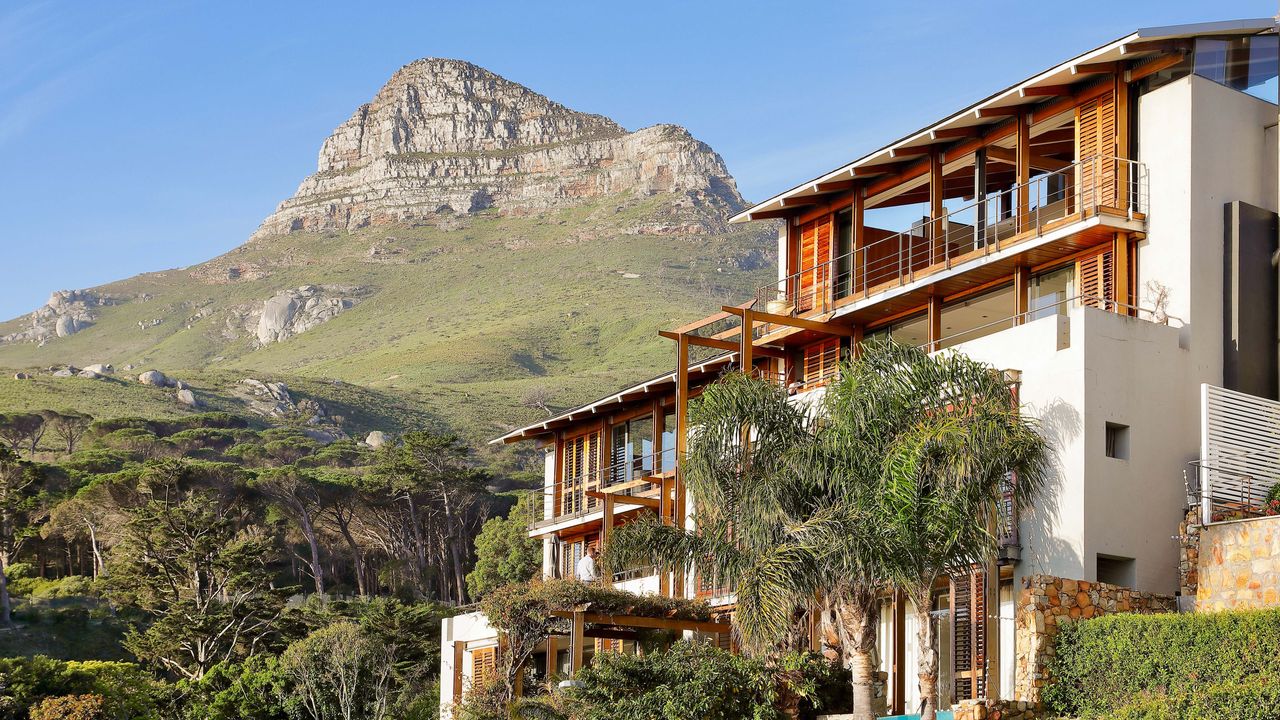
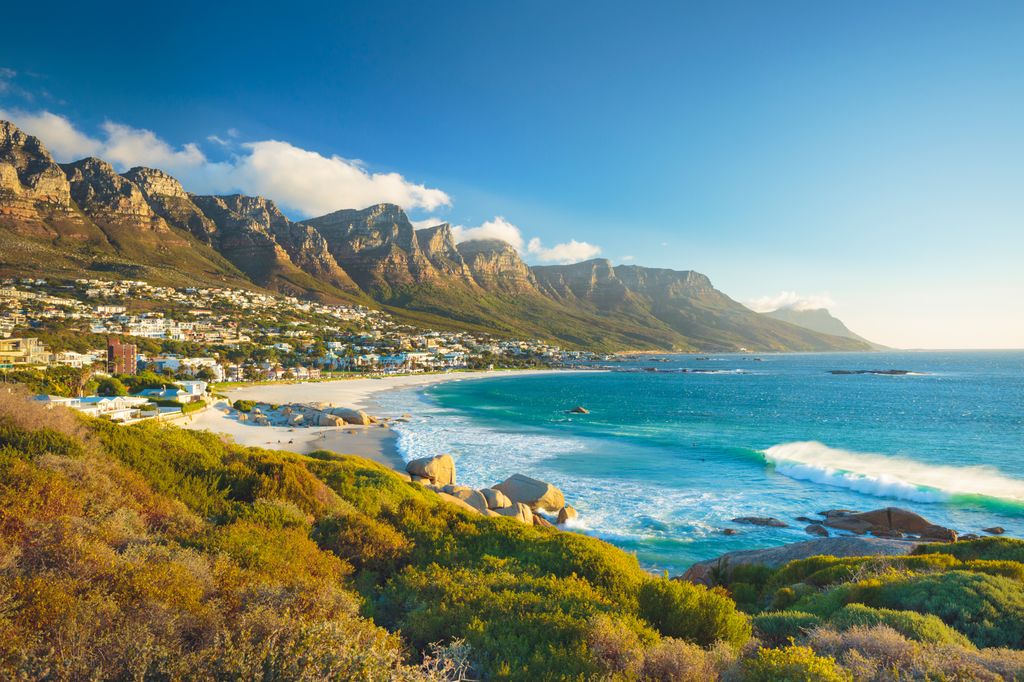
For many, "beauty" in an urban context is defined by how much of the natural world is allowed to remain. Cape Town is the undisputed champion of this category. According to our 2026 index, 86% of Cape Town locals praise the city's green spaces and natural scenery as the world's best.
It is a city defined by its geography: the iconic flat-topped Table Mountain provides a constant north star, while the pristine beaches of Clifton and Camps Bay offer a coastal lifestyle that is arguably the most stunning in the world. Cape Town isn't just a city; it’s a topographical masterpiece where the rugged wildness of Africa meets a sophisticated urban spirit.
Pro Tip: For the best experience in Cape Town, don't just hike the mountain. Take a drive to Kalk Bay for the local seafood and the eclectic "harbor-chic" vibe that captures the city’s soul better than any tourist brochure.
Rising Stars: New Entries for your 2026 Bucket List
While the classics hold their ground, several "second cities" are outperforming national capitals in terms of liveability and authentic community spirit.
- Zurich, Switzerland: The new standard for the "functional city." Zurich has moved beyond being just a banking hub to become a leader in urban swimming, sustainable transit, and world-class public art.
- Guadalajara, Mexico: Taking the spotlight from Mexico City, Guadalajara is the heart of Jalisco’s tequila and mariachi traditions, but with a tech-savvy, youthful population that is revitalizing its historic districts.
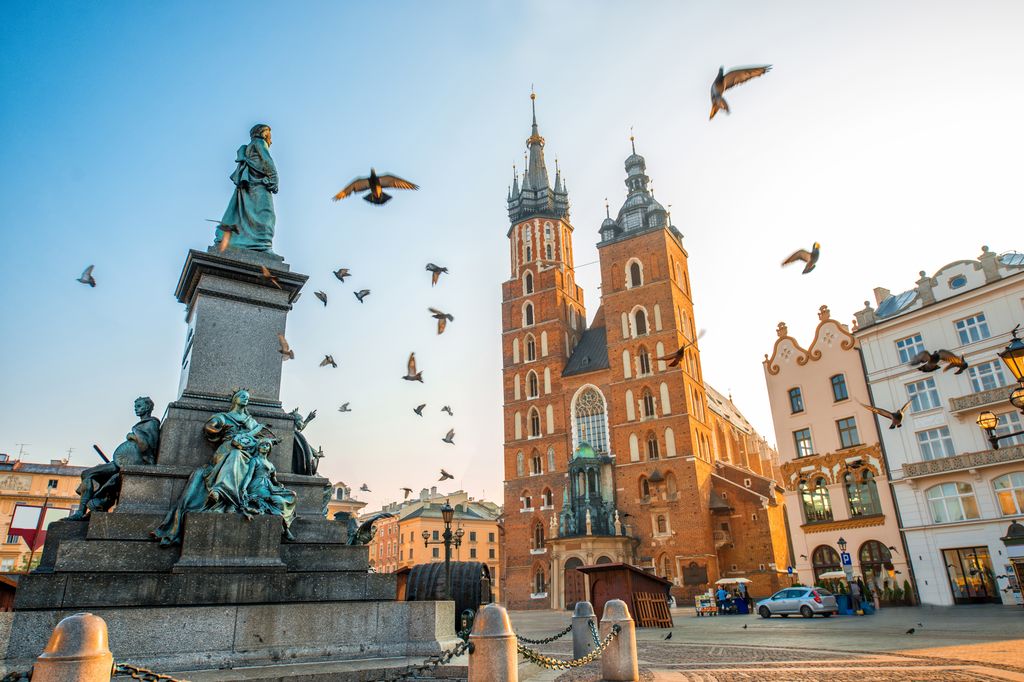
- Krakow, Poland: Krakow has emerged as a preferred alternative to more crowded European hubs. It offers a more authentic sense of history, a thriving nightlife in the Kazimierz district, and an affordability factor that is hard to beat in the EU.
Regional Deep Dives: Asia’s Boom & Europe’s Classics
The 2026 travel landscape is being heavily influenced by policy updates. In Asia, the expansion of "Visa-Free" travel—specifically in countries like China, Thailand, and Malaysia—has triggered a massive boom in tourism for cities like Bangkok and Shanghai.
In Europe, the trend is "The Return of Rail." High-speed rail connections are now faster and more reliable than short-haul flights between hubs like London, Paris, and Berlin. This shift is not just about sustainability; it’s about the "slow travel" experience—seeing the transition from the rolling hills of the English countryside to the sleek, neon-lit platforms of Berlin Hauptbahnhof.
| City | Key 2026 Trend | Local Approval Rating |
|---|---|---|
| Bangkok | Street Food Innovation | 91% |
| Berlin | Creative Freedom | 88% |
| Lisbon | Digital Nomad Community | 85% |
| Seoul | Technological Integration | 93% |
The 2026 Global Ranking: The Full List 1-50
From the high-altitude energy of Bogotá to the sun-drenched streets of Rio, here is a rapid-fire look at the cities rounding out our top 50:
- Paris | 12. Singapore | 13. Bangkok | 14. Amsterdam | 15. Sydney
- Seoul | 17. Lisbon | 18. Prague | 19. San Francisco | 20. Copenhagen
- Dubai | 22. Barcelona | 23. Stockholm | 24. Taipei | 25. Milan
- Vancouver | 27. Bogotá | 28. Budapest | 29. Mexico City | 30. Athens
- Buenos Aires | 32. Istanbul | 33. Oslo | 34. Montreal | 35. Chicago
- Rio de Janeiro | 37. Vienna | 38. Hanoi | 39. Dublin | 40. Lisbon
- Antwerp | 42. Krakow | 43. Guadalajara | 44. Marrakesh | 45. Kyoto
- Yerevan | 47. Abu Dhabi | 48. Munich | 49. Austin | 50. Accra
FAQ
Q: What is the best city in the world to visit in 2026? A: Melbourne, Australia, is ranked as the #1 city for 2026. It leads the world in culture, food scene, and overall urban vibe, supported by a 94% local approval rating for its hospitality.
Q: Which cities are highlighted for their unique beauty? A: The list features 50 stunning locations, including Abu Dhabi for its futuristic and grand architecture, Kyoto for its ancient temples, and Yerevan for its signature pink tuff stone architecture.
Q: Why is Cape Town considered the most beautiful city? A: Cape Town is renowned for its incredible natural setting. In our survey, 86% of locals cited the city’s green spaces, pristine beaches, and the presence of Table Mountain as why it is the most beautiful city in the world.
The Verdict
Whether you are seeking the "pink" sunset glow of Yerevan or the high-octane coffee culture of Melbourne, 2026 is the year to rediscover the city. These 50 destinations aren't just dots on a map; they are living, breathing communities that invite you to do more than just visit—they invite you to belong.