Introduction: Beyond the Canals and Palazzos
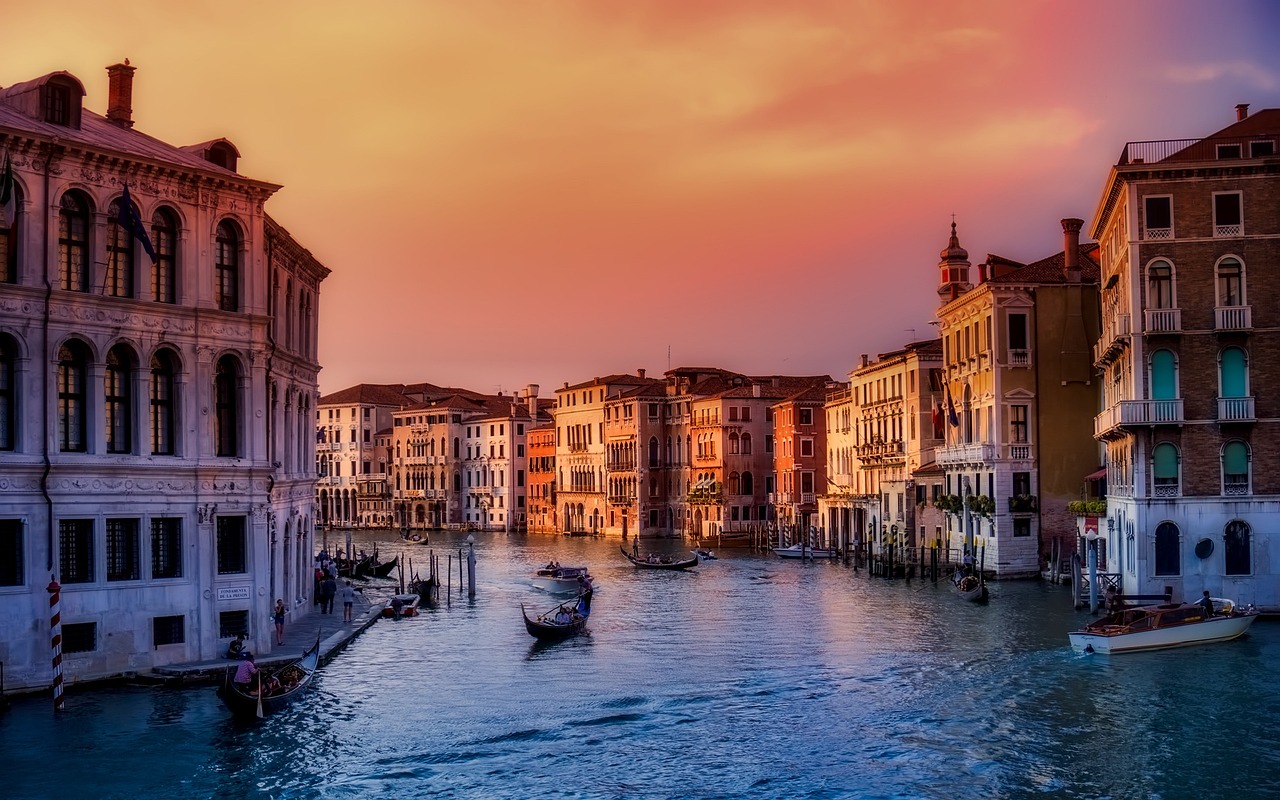
To many, Venice is an architectural marvel frozen in the Renaissance—a labyrinth of marble palazzos, arched bridges, and the emerald veins of its canal system. However, looking at the city solely through the lens of its art history ignores its fundamental identity as a maritime republic born from the silt and salt of the Adriatic. Beyond the shadow of the Campanile lies a unique geographic arrangement: a fragile lagoon protected from the open sea by a series of "lidi"—long, needle-thin sandbars that stretch for miles.
These islands are not merely breakwaters; they are home to some of the most storied and pristine swimming spots in Northern Italy. Whether you are seeking the cinematic glamour of the Belle Époque, the wild, windswept dunes of a nature reserve, or a secluded sandbank accessible only by private boat, the Venetian coastline offers a surprising depth of aquatic experiences. To understand Venice, one must eventually leave the stone pavement of the Rialto and step into the silken sands of its periphery.

Quick Facts: Swimming in Venice
Before diving into the specific locales, it is essential to orient yourself with the logistical realities of the Venetian coast. Unlike the rocky cliffs of Amalfi, Venice offers gently shelving sands and calm, shallow waters.
- Where can you swim? Most swimming takes place on the Lido di Venezia, Pellestrina, and the mainland resort of Jesolo. For a more exclusive experience, private charters allow swimming directly from boats in the deeper parts of the lagoon.
- Public vs. Private: Venice operates on a dual system. Stabilimenti balneari (private beach clubs) offer amenities like cabanas and bars for a fee, while spiaggia libera (free beaches) are open to the public without charge.
- Best for Families: Punta Sabbioni and Alberoni are the premier choices due to their shallow, calm waters and ample space.
- Transport: Most beaches are reached via vaporetto (water bus). Lines 1, 5.1, 6, and 14 are your primary lifelines to the coast.
Comparison of Top Venetian Beaches
| Beach Name | Vibe | Typical Cost | Best For |
|---|---|---|---|
| Des Bains 1900 | Sophisticated/Historic | $$$ (High) | Luxury & Cinema Lovers |
| Lido Spiaggia Libera | Local/Casual | Free | Budget Travelers |
| Alberoni | Boho/Natural | $$ (Moderate) | Peace & Nature |
| Jesolo | High-Energy Resort | $$ (Moderate) | Traditional Sun-seekers |
| Punta Sabbioni | Relaxed/Spacious | Free | Families |
| Ca’ Roman | Wild/Untouched | Free | Solitude & Birdwatching |
| Private Lagoon | Exclusive/Adventurous | $$$$ (Premium) | Custom Exploration |
1. Des Bains 1900, Lido: The Iconic Cinematic Club
The Lido di Venezia is the heart of Venetian beach culture. While the island stretches for seven miles, the northern section near the Santa Maria Elisabetta vaporetto stop is where history and luxury converge. Des Bains 1900 is perhaps the most famous name here, evoking the era when Thomas Mann penned Death in Venice and the Grand Hotel Des Bains welcomed the world’s elite.
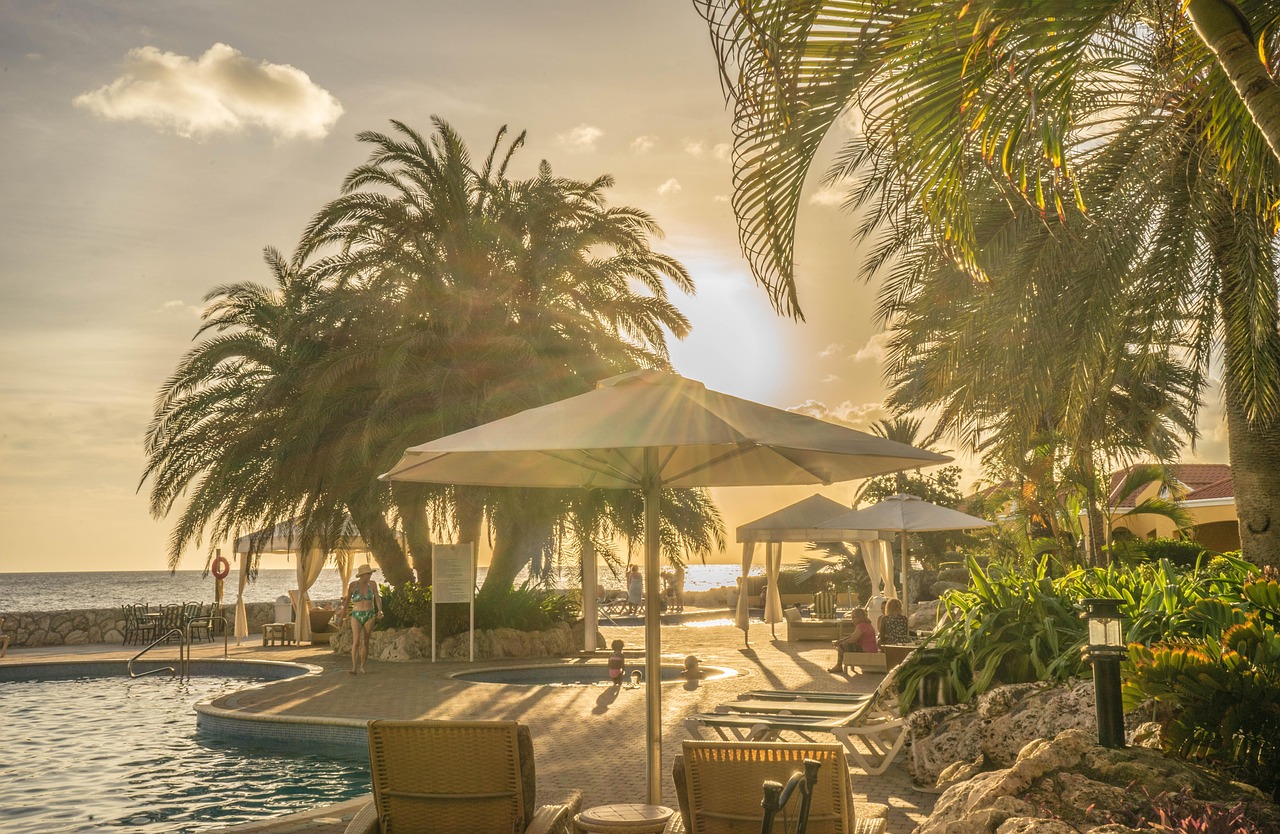
Today, the beach club maintains that atmosphere of understated Italian sophistication. The shoreline is lined with white-and-blue striped cabanas and elegant "gazebos" that provide a private sanctuary from the summer sun. It is a place where service is paramount, and the rhythm of the day is dictated by the slow rotation of the sun across the Adriatic.
- Amenities: Renting a sun-lounger and umbrella typically starts around $32, while full family gazebos with tables and chairs can reach $200 per day. The club features high-end dining, a dedicated kids' club, and pristine changing facilities.
- The Scene: This is the epicenter of the Venice Film Festival atmosphere. During September, the "red carpet" vibe spills onto the sand, making it the best place for people-watching and soaking in the city's high-society heritage.
2. Spiaggia Libera, Lido: The Natural Budget Option
Not every visit to the Lido requires a reservation or a designer swimsuit. For those who prefer a more organic experience, the spiaggia libera (free beach) sections offer the same fine-grained sand and clean Adriatic waters without the club fees.
Located at the northern and southern extremities of the developed areas, these stretches of sand are where the locals go. You won't find manicured rows of loungers here; instead, you’ll see families with their own colorful umbrellas, students playing beach volleyball, and travelers enjoying a simple picnic. The transition from the pine groves to the sea creates a refreshing, natural barrier that makes you forget the bustling city is just a 15-minute boat ride away.
Editor’s Tip: To reach the best free spots on Lido, take Vaporetto Line 1 or 5.1 to the Lido SME stop, then hop on the 'A' bus or rent a bicycle. Head toward San Nicolò for a quieter, more expansive shore.
3. Alberoni, Lido: The Boho-Nature Reserve
If you travel to the far southern tip of the Lido, the landscape shifts dramatically. The manicured clubs give way to the Alberoni, a protected WWF nature reserve characterized by wild dunes, towering pine forests, and a sense of "boho-chic" isolation. It is a topographical masterpiece of wind-sculpted sand and endemic flora.
While over 85% of beach-related tourism in Venice is concentrated on the central sandbar of the Lido, Alberoni remains a sanctuary for those who prioritize ecology over amenities. The waters here are notably clear, and the seabed slopes gently, making it an excellent spot for long, meditative swims.
- Bagni Alberoni: Despite its wild setting, the oldest beach establishment in the area provides excellent facilities and is consistently rated as one of the most accessible beaches in Italy for travelers with disabilities.
- Activities: This is a premier location for birdwatching; keep an eye out for bee-eaters and Kentish plovers nesting in the dunes.
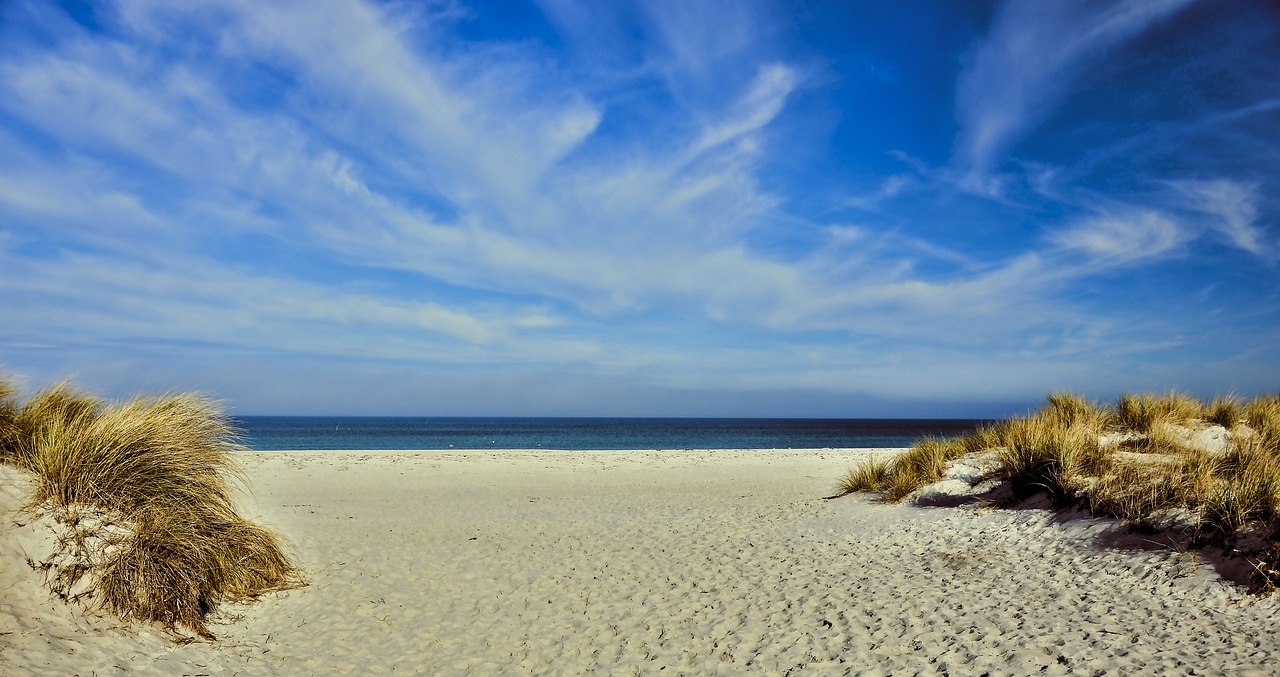
4. Jesolo: The 'South Beach' of Veneto
For travelers who crave the infrastructure of a world-class resort town, Jesolo is the destination of choice. Situated on the mainland peninsula northeast of Venice, Jesolo is easily accessible by car or by a combination of vaporetto and bus. It offers 15 kilometers of golden sand, a vibrant promenade, and a high-energy nightlife scene that contrasts sharply with the quietude of the lagoon islands.
The Spiaggia del Faro (Lighthouse Beach) at the western end is particularly popular, offering wide-open spaces and a more relaxed vibe than the central hotel-lined strips. Jesolo is the quintessential Italian summer experience—think rows of colorful umbrellas as far as the eye can see, gelato stands every hundred yards, and a festive atmosphere that lasts well into the night.
- Transport: From Venice, take the boat to Punta Sabbioni and then the ATVO bus directly to Jesolo.
- Stay: Recommended for those who want to base themselves in a traditional beach resort and take day trips into the historic center of Venice.
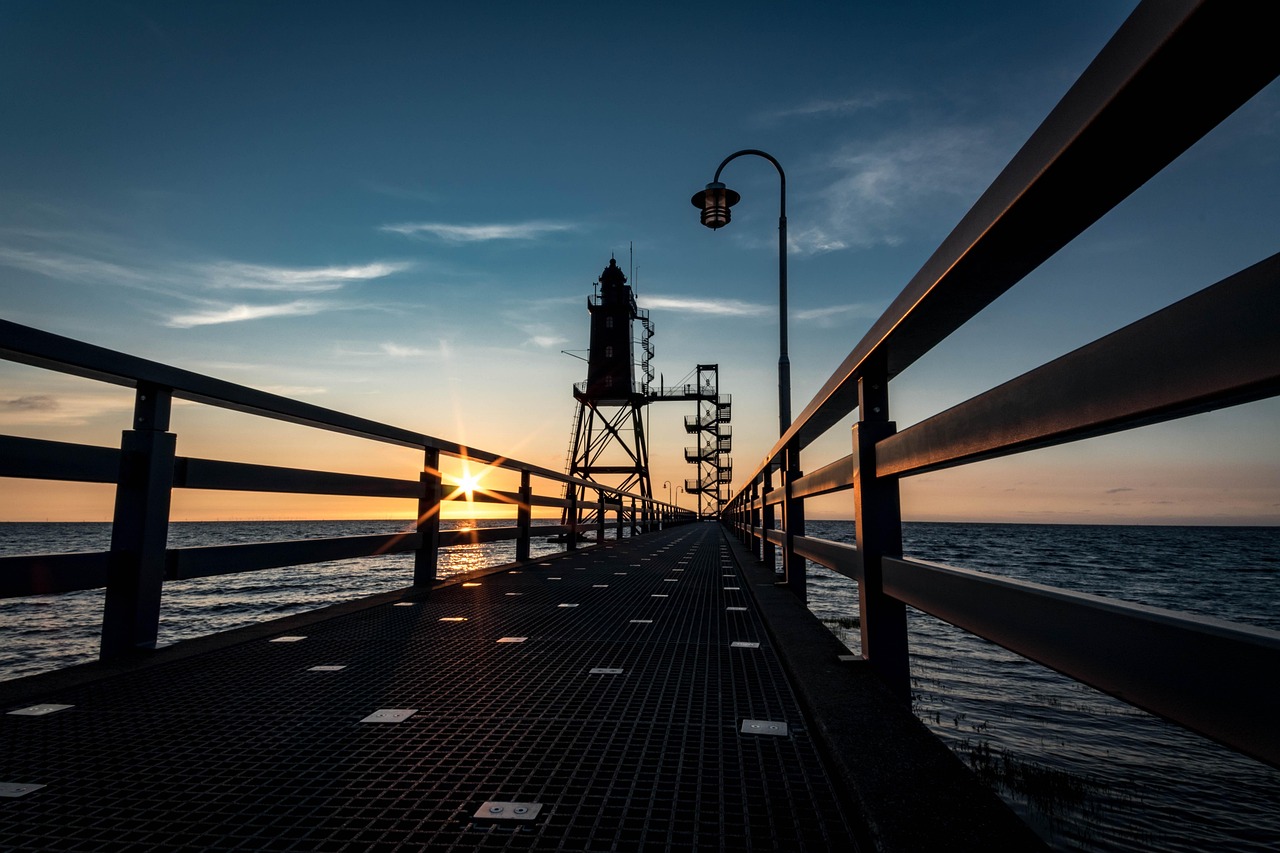
5. Punta Sabbioni: The Family-Friendly Sandy Cape
Directly across the channel from the Lido’s northern tip lies Punta Sabbioni. This is the gateway to the Cavallino-Treporti peninsula, a region famed for its high-quality campsites and family-friendly environment.
The geography here is perfect for small children. The sand is exceptionally fine and the water remains knee-deep for a significant distance from the shore, creating a safe, natural "paddling pool" effect. Because Punta Sabbioni is less about the "scene" and more about the space, it rarely feels as congested as the central Lido, even during the peak of July.
- Proximity: It is a 35-minute direct vaporetto ride (Line 14) from San Zaccaria (near St. Mark's Square), making it a feasible and refreshing half-day trip.
6. Ca’ Roman, Pellestrina: The Wild Island Escape
For the true explorer, the island of Pellestrina beckons. South of the Lido, this needle-thin strip of land is home to traditional fishing villages where lace-making and boat-building are still part of daily life. At the southernmost tip of Pellestrina lies Ca’ Roman, arguably the most secluded beach in the entire Venetian archipelago.
There are no beach clubs here. No rows of loungers. No bars blasting music. Instead, you find a forest of maritime pines and a beach that feels like it belongs to another century. The shoreline is littered with shells rather than tourists, and the only sounds are the rhythmic lapping of the Adriatic and the calls of migratory birds.
- Access: This journey is for the patient. Take the vaporetto to Lido, then the Bus 11 (which boards a ferry) all the way to Pellestrina, then walk or bike south to the nature reserve entrance.
- The Experience: Total seclusion. Bring all your own supplies, including water and shade, as there are no commercial facilities once you enter the reserve.
7. Private Lagoon Swimming: Skippered Adventures
While the Adriatic side of the islands offers the best sand, the Venetian Lagoon itself offers a different kind of swimming experience. For those with a higher budget, renting a traditional boat with a professional skipper is the ultimate way to discover the "hidden" Venice.
Navigating the lagoon allows you to find barene (salt marshes) and temporary sandbanks that appear only at low tide. These spots offer waist-deep, warm water far from any land-based crowds. A day on the lagoon might include spotting pink flamingos in the northern marshes, followed by a swim in the deep channels near Torcello, and finishing with a gourmet lunch served on board.
- Traditional Vessels: Look for charters offering "bragozzo" or "sanpierota" boats. These flat-bottomed vessels are designed specifically for the shallow lagoon waters.
- Recommendation: For a truly authentic experience, book a trip on the Eolo, a restored historic sailing barge that offers gourmet lagoon cruises focusing on local gastronomy and ecology.
Book a Traditional Lagoon Charter →
Planning Your 2026 Visit: Seasonal Strategy
Timing is everything when planning a swimming excursion in Venice. The Adriatic climate is Mediterranean but influenced by the proximity of the Alps, meaning the swimming season is shorter than in Southern Italy.
The Peak Season Spike
The most critical piece of data for any traveler is the impact of the Venice Film Festival. Peak beach attendance at Lido di Venezia increases by approximately 400% during the first two weeks of September compared to early summer averages. While the weather is perfect (mid-70s°F), the crowds and prices for beach clubs skyrocket.
Best Months for Swimming
- Late May to June: The water is warming up, the days are at their longest, and the "acqua alta" (high water) flood risks are minimal. The atmosphere is expectant and fresh.
- September: Once the Film Festival concludes, the waters remain warm, and the golden "late summer" light makes for incredible photography.
- Winter Warning: From late October to January, beach visits are purely for walking. This is the primary season for Acqua Alta, where tidal surges can flood the city and make boat travel to the islands more complicated.
FAQ: Your Venice Beach Questions Answered
Is it safe to swim in the Venice canals?
No. Swimming in the internal canals of the historic center is strictly prohibited and carries heavy fines. The water in the canals is not treated, contains heavy boat traffic, and is unsanitary. Always stick to the designated beaches on the Adriatic side or open lagoon areas.
Do I need to book beach clubs in advance?
During July, August, and the Film Festival weeks (September), yes. For historic clubs like Des Bains or Excelsior, booking several weeks ahead is recommended to secure a prime cabana.
What should I bring to a 'Spiaggia Libera'?
Unlike the clubs, free beaches have no infrastructure. Bring a high-SPF sunscreen, plenty of water, a lightweight beach towel, and a portable umbrella if you plan to stay more than an hour, as the Adriatic sun can be intense.
Conclusion
Venice is a city that rewards the curious. While the call of the Rialto and the Doge’s Palace is undeniable, the true spirit of the Venetian summer is found on the coast. From the cinematic grandeur of the Lido to the wild, avian-filled dunes of Ca’ Roman, the beaches of the Adriatic and the Lagoon offer a vital counterpoint to the city’s stone monuments. By stepping onto a vaporetto and heading toward the horizon, you aren't just leaving Venice—you are discovering the very landscape that made the city possible.
Considering a deeper dive into the islands? Check out our guide to the Secret Islands of the Venetian Lagoon for more off-the-beaten-path exploration.