Quick Facts
- The Peak Season: For the most consistent "Japow" (Japan Powder), plan your visit during January and February, when cold Siberian winds interact with the Sea of Japan to dump legendary amounts of dry, light snow.
- The Value Proposition: Skiing in Japan remains significantly more affordable than in North America or the Alps. Daily lift tickets range from $37 (5,700 Yen) at local mountains to roughly $95 (14,500 Yen) at top-tier international resorts.
- Beginner-Friendly Hubs: Shiga Kogen is the premier choice for novices, offering 18 interconnected resorts on a single pass, with 40% of the terrain classified as gentle or beginner-friendly.
- Access: Japan hosts nearly 500 ski resorts across a country smaller than California. Most are easily accessible via the high-speed Shinkansen (bullet train) network or short domestic flights.
The Magic of 'Japow': Why Japan Dominates the 2025/2026 Season
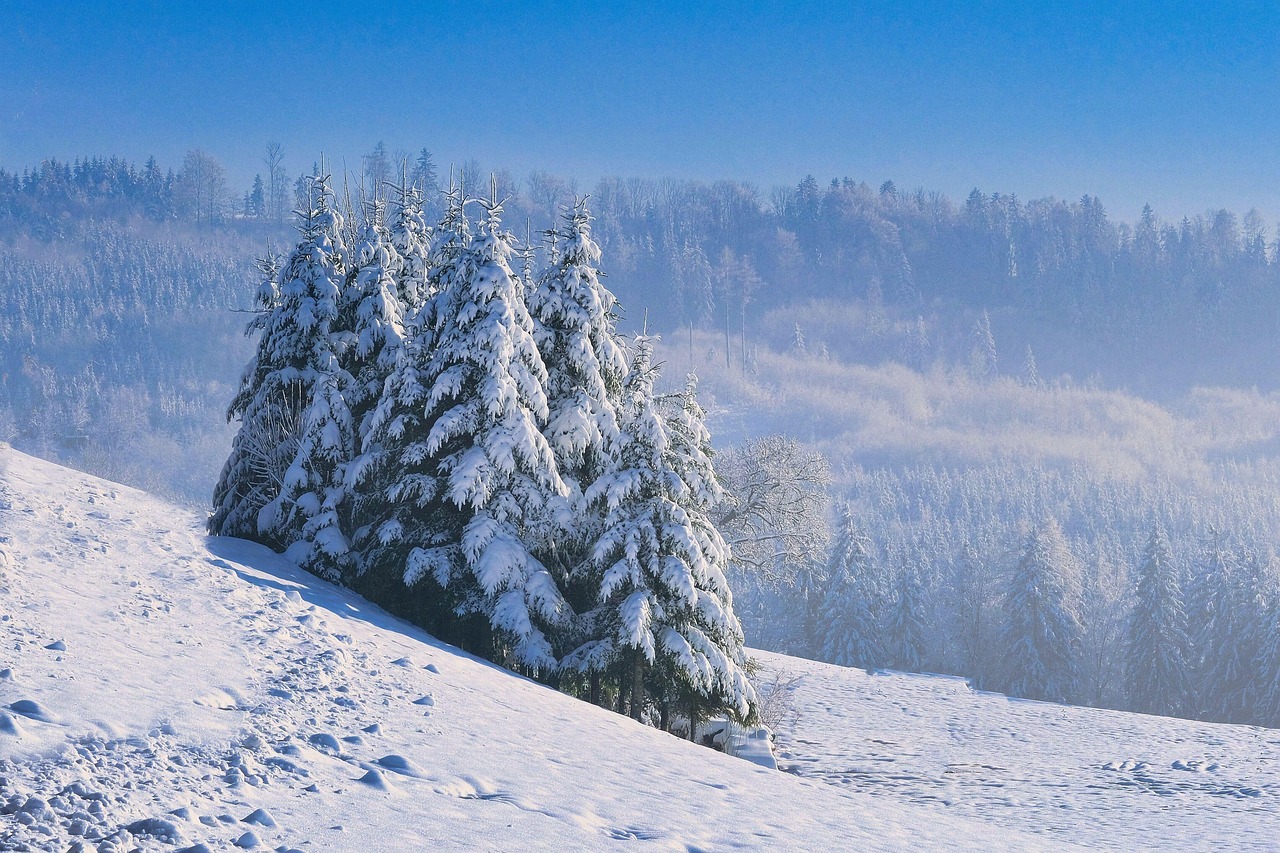
To understand the allure of Japanese skiing is to understand a unique meteorological phenomenon. Every winter, freezing Siberian air masses sweep across the Sea of Japan, picking up moisture before colliding with the volcanic mountain ranges of Hokkaido and Honshu. The result is a consistent, bottomless supply of the world’s driest powder—affectionately known as "Japow." While many North American resorts celebrate a 300-inch season, certain Japanese peaks like Mt. Tanigawadake can receive up to 50 feet of annual snowfall.
For the 2025/2026 season, the appeal extends beyond the snow. With a favorable exchange rate and world-class infrastructure, Japan offers a sophisticated alternative to the increasingly crowded and expensive European and American circuits. The best time to ski in Japan is undeniably January and February, though the season often stretches from late December through early April.
Hokkaido vs. Nagano: Choosing Your Region
Before booking, travelers must choose between the two primary skiing hubs. Hokkaido, the northern island, is famous for its "refrigerator" climate and deep powder. Nagano and the Japanese Alps (Honshu) offer steeper vertical drops, Olympic history, and a deeper immersion into traditional Japanese village life.
| Feature | Hokkaido (Niseko, Rusutsu) | Nagano (Hakuba, Nozawa, Shiga Kogen) |
|---|---|---|
| Snow Quality | World-best powder; extremely light and dry. | High volume, slightly heavier but still excellent. |
| Terrain | Mellow to moderate; incredible tree skiing. | Steep alpine faces; greater vertical drop. |
| Culture | International, Western-friendly, English-centric. | Traditional villages, historic onsens, Ryokan stays. |
| Access | Flight to Sapporo (CTS) + 2.5-hour bus. | 90-minute Shinkansen from Tokyo + bus/shuttle. |
| Après-Ski | Vibrant nightlife, western bars, fine dining. | Traditional izakayas, public hot springs, quiet evenings. |
1. Niseko United, Hokkaido: The Epicenter of Powder
Niseko United remains the undisputed heavyweight of Japanese skiing. Comprising four interconnected resorts—Grand Hirafu, Hanazono, Niseko Village, and Annupuri—it offers a level of infrastructure and international service that is unmatched elsewhere in the country.
For the 2025/2026 season, Niseko continues its partnership with the Ikon Pass, making it a seamless addition for global pass holders. Daily lift tickets for those without a pass sit around 10,500 Yen (~$70). While it is the most expensive and Westernized resort in Japan, it provides unparalleled access to the backcountry and some of the best night skiing on the planet.
Critic's Tip: After the lifts close, head to Bar Gyu+ (the famous "Fridge Door Bar") in Hirafu for a rare Japanese whisky. For a culinary highlight, attempt a reservation at Rakuichi Soba, famously praised by the late Anthony Bourdain.

Explore Niseko United Passes →
2. Hakuba Valley, Nagano: Olympic Steeps and Vertical
If Niseko is about the powder, Hakuba is about the terrain. Host to the 1998 Winter Olympics, the Hakuba Valley consists of 10 distinct resorts along a single valley. Happo-One is the crown jewel, offering over 3,500 feet of vertical drop and steep, challenging runs that satisfy even the most advanced skiers.
Hakuba is an Epic Pass partner, and a daily valley-wide pass costs approximately 10,400 Yen (~$69). Unlike the relatively flat Hokkaido resorts, Hakuba feels like a proper mountain range, with dramatic peaks and expansive alpine bowls.
- Best For: Advanced skiers and those seeking a "big mountain" feel.
- The Vibe: A mix of Olympic prestige and bustling village life.
- Pass: Epic Pass or Hakuba Valley Pass.
3. Shiga Kogen, Nagano: The Beginner’s Paradise
Shiga Kogen is Japan’s largest interconnected ski area, featuring 18 resorts linked by a single lift ticket. For 2025/26, Shiga Kogen has officially joined the Ikon Pass, elevating its status for international travelers.
Crucially, Shiga Kogen is the best choice for beginners in Japan. With 40% of its massive terrain designated as gentle/beginner and the highest lift-served altitude on the mainland (ensuring excellent snow quality even late in the season), it provides a safe yet expansive environment for learners. It is also one of the few places in Honshu where you can ski from resort to resort all day without ever repeating a run.
4. Rusutsu Resort, Hokkaido: The Tree Skiing Capital
Located just 40 minutes from Niseko, Rusutsu offers a more refined, less crowded experience. It receives a staggering 550+ inches of snow annually and is widely considered the best resort in Japan for lift-accessed tree skiing. The glades on Mt. Isola are perfectly spaced, allowing for high-speed powder turns through silver birch forests.
The resort is dominated by the five-star Westin Rusutsu, offering true ski-in/ski-out luxury. While there is no "village" in the traditional sense, the resort’s internal facilities are world-class.
- Daily Pass: ~9,500 Yen ($63).
- Best For: Intermediate to advanced tree skiers who want to avoid the Niseko crowds.
- Unique Feature: An indoor two-story carousel and quirky animatronic musical displays.
5. Kiroro Resort, Hokkaido: The Snow Sanctuary
Kiroro is often the first resort in Hokkaido to open and the last to close. It is a "snow magnet," frequently recording over 800 inches of snow in a single season. It is quieter and more luxury-focused than its neighbors, making it an excellent choice for couples and families.
Kiroro is an Indy Pass partner, and its modern lift system—including high-speed gondolas—makes it easy to rack up vertical feet. The resort has recently seen significant investment in luxury slopeside condominiums, positioning it as a boutique alternative to Niseko.
Book Kiroro 2025/2026 Accommodation →
6. Nozawa Onsen, Nagano: Authenticity and Atmosphere
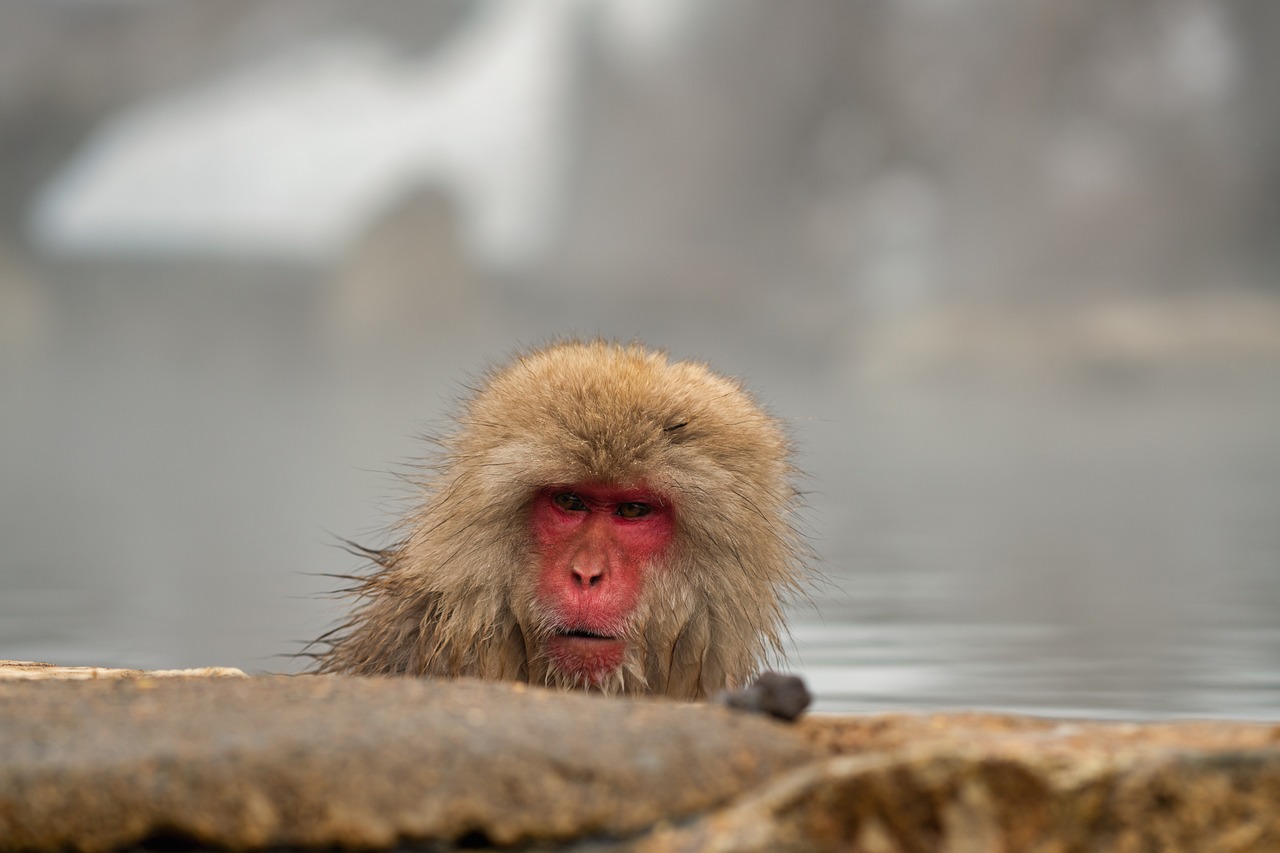
Nozawa Onsen is perhaps the most "Japanese" of all the major ski resorts. The resort was founded by a local ski club over 100 years ago, and the village itself dates back centuries. Here, the skiing is secondary to the atmosphere. The village features 13 soto-yu (free public onsens) maintained by the local community.
The terrain is varied, with long, winding trails and a significant vertical drop. If you visit in mid-January, you can witness the Dosojin Fire Festival, one of Japan’s three most famous fire festivals and a truly spectacular cultural experience.
- Cost: Daily tickets are roughly 6,800 Yen ($45).
- Stay: Opt for a traditional Ryokan with tatami mats and kaiseki (multi-course) dinners.

7. Mt. Tanigawadake Tenjindaira: The Powder Purist’s Pilgrimage
For the dedicated backcountry enthusiast, "Tenjin" is a name spoken in hushed tones. Located in Gunma Prefecture, this is not a "resort" in the traditional sense. It has only a few lifts and very little groomed terrain. Instead, it offers access to some of the steepest and deepest backcountry terrain in Asia.
The resort receives up to 50 feet of snow annually. Avalanche gear and expert guides are mandatory here; this is not a place for the uninitiated. However, for those with the skills, it offers a raw, uncommercialized powder experience that is increasingly rare.
Planning Your 2025/2026 Budget
One of the most surprising aspects of a Japanese ski trip is the affordability relative to North American standards. While a day pass at Vail or Aspen can easily exceed $250, Japan’s premium resorts top out at around $95, with local gems like Hakkaisan or Madarao offering world-class terrain for as little as $37 (5,700 Yen) per day.
Estimated Daily Costs (Per Person)
- Lift Ticket: $40–$90
- High-End Rentals: $30–$45
- Lunch on the Mountain: $10–$18 (think hot katsu curry or ramen)
- Dinner in Village: $20–$50 (from casual Izakayas to fine dining)
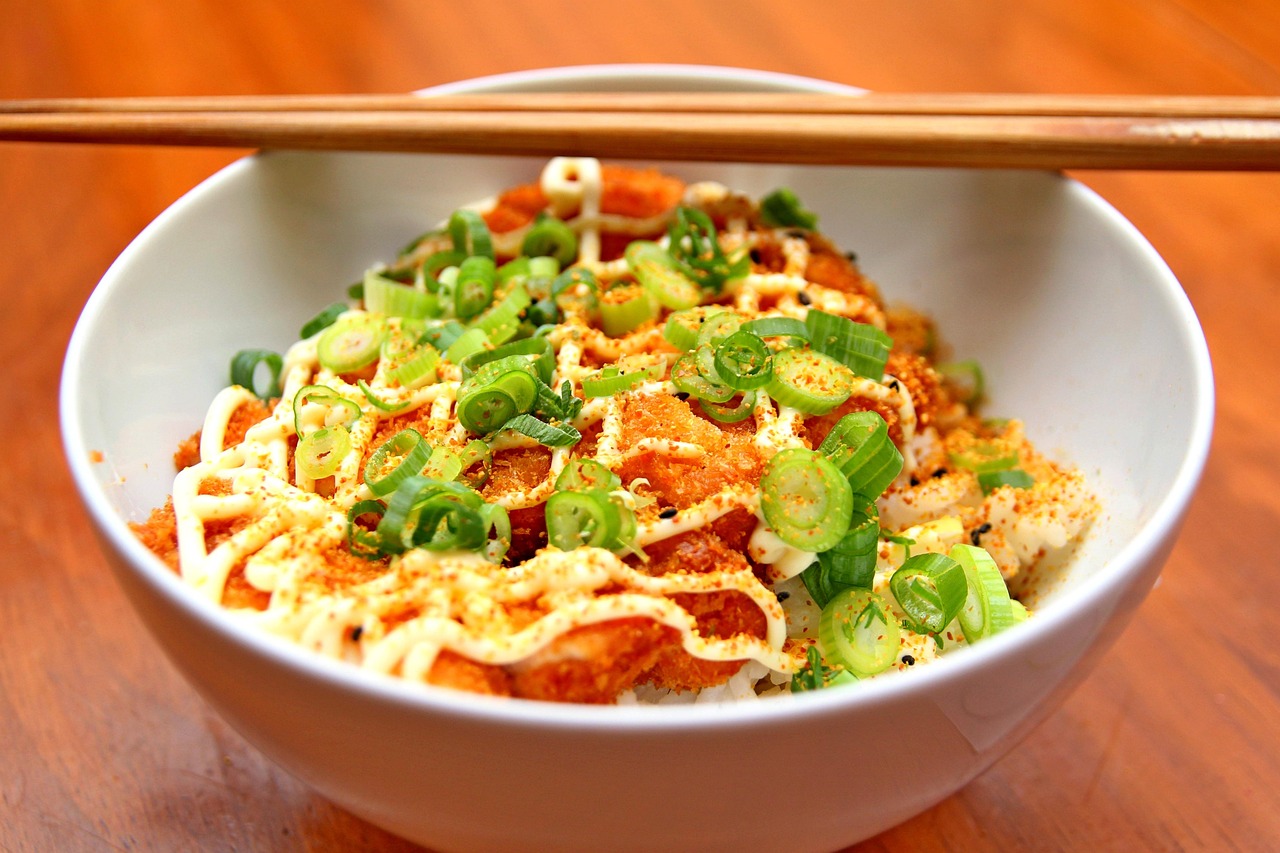
Unlike the overpriced "burgers and fries" common in Western ski lodges, Japanese mountain food is a highlight. You can enjoy a steaming bowl of authentic Hokkaido ramen or a fresh seafood bowl for less than the price of a beer at a Swiss resort.
Logistics & Travel Tips
Traveling through Japan is remarkably efficient, but there are specific cultural etiquettes to observe. Most hotels and Ryokans have dedicated "Ski Rooms" or drying rooms. It is considered extremely rude to bring boots or wet gear into your guest room or through the main lobby.
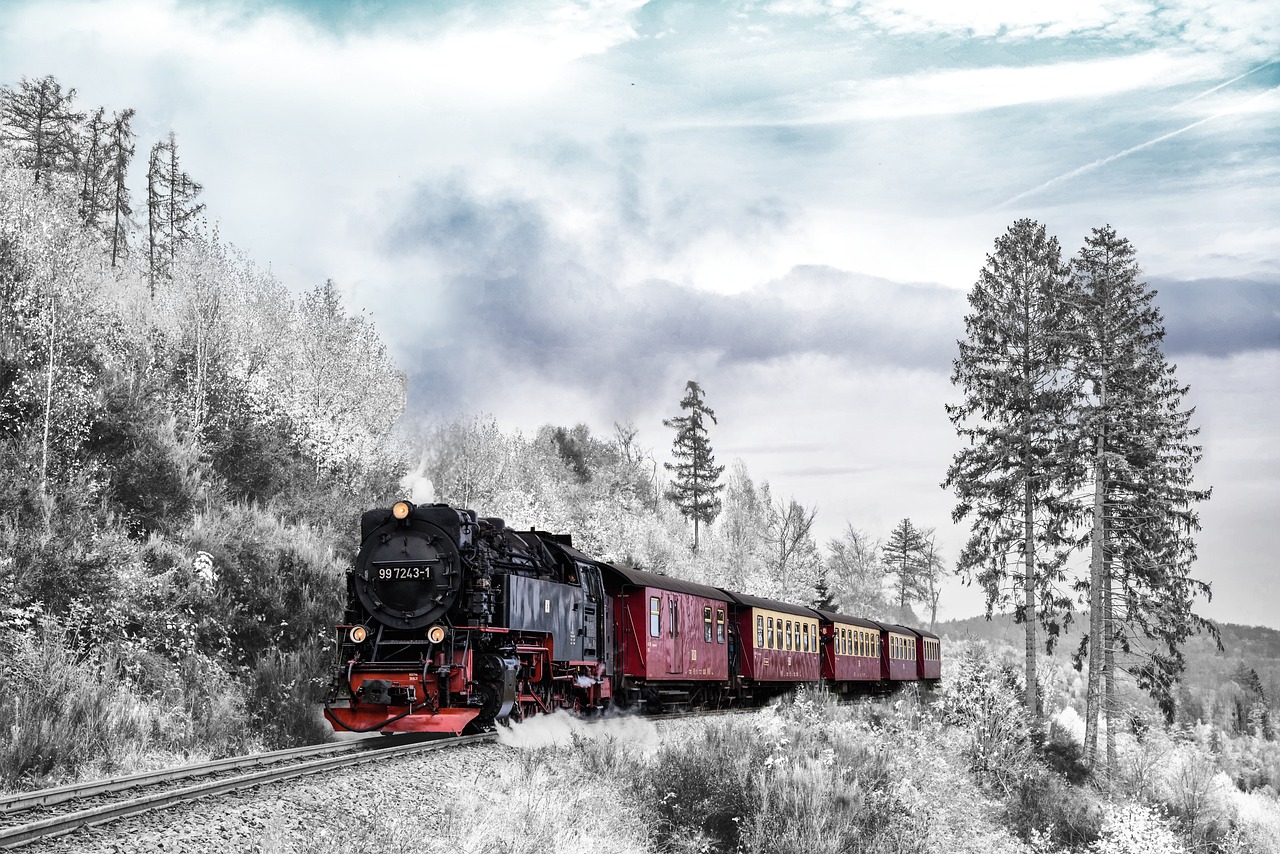
For transportation, the Yamato Transport (Black Cat) luggage service is your best friend. For about $20, you can ship your ski bags from the airport directly to your hotel, allowing you to travel on the Shinkansen with just a small backpack.
Essential Gear Tips
- Goggles: Bring a low-light lens. Japan is famous for "whiteout" conditions where contrast is low.
- Fat Skis: If you are bringing your own, aim for a waist width of at least 100mm-110mm to handle the deep powder.
- Cash: While things are changing, many smaller resorts and local restaurants in Nagano still prefer Japanese Yen over credit cards.
FAQ
When should I book for the 2025/2026 season? For popular hubs like Niseko and Hakuba, I recommend booking at least 6–8 months in advance (by May or June 2025). Boutique Ryokans in Nozawa Onsen often sell out even earlier.
Do I need to bring my own gear? While rental fleets have improved significantly (especially in Niseko and Hakuba), if you are an expert skier, you may still prefer your own boots. Performance "fat" skis are widely available for rent in Hokkaido but can be harder to find at smaller Honshu resorts.
Is English widely spoken? In Niseko, English is almost the primary language. In Hakuba and Rusutsu, it is very common. In Nozawa Onsen and Shiga Kogen, it is helpful to know basic Japanese phrases, though most resort staff will have enough English to assist with essentials.
Conclusion
Whether you are chasing the steep Olympic faces of Hakuba or the cultural serenity of Nozawa’s hot springs, Japan remains the world's most compelling ski destination for 2025/2026. It is a rare place where the quality of the snow is matched by the quality of the hospitality. For those tired of the commercialized "mega-resort" culture of the West, the mountains of Japan offer a return to what skiing should be: an adventure into the deep, white unknown.