Quick Facts
- The Best for STEM: Space Camp in Alabama (61% of graduates pursue STEM careers).
- The Best for Theater: Stage Door Manor in New York (Alumni include Mandy Moore and Natalie Portman).
- The Best for Budget: Camp Natoma in California (Starting at $875/week).
- The Best for Tradition: Camp Laurel in Maine (Part of the Maine Camp Experience, which hosts over 20,000 children annually).
- Top Luxury Experience: Camp Laurel (7-week immersion, approximately $14,700).
Introduction: The Magic of the Summer of 2026
There is a very specific kind of magic that happens somewhere between the third and fourth day of sleepaway camp. It’s that moment when the initial "I miss my dog" texts (sent via the camp’s digital portal, of course) stop, and the "I learned how to steer a canoe today!" letters begin. As a parent and a travel editor, I’ve seen firsthand how a week or two—or seven—away from the nest transforms a child. It’s more than just a break from screens; it’s a masterclass in resilience, social navigation, and the kind of independence that simply can't be taught at the kitchen table.
As we look ahead to the summer of 2026, the landscape of sleepaway camps has evolved. While the classic s’mores-and-lake-swims tradition remains the heartbeat of the experience, specialized camps are the new gold standard. Parents are increasingly looking for environments that mirror their child’s specific passions, whether that’s astrophysics, musical theater, or high-altitude horsemanship.
What are the best specialty sleepaway camps in the US? Top choices for 2026 include Space Camp in Alabama for budding engineers, Stage Door Manor in New York for theater enthusiasts, and Science Camps of America in Hawaii for young explorers who want to study active volcanoes. Whether you are looking for a budget-friendly week in the California oaks or a luxury seven-week immersion in the Maine woods, this guide will help you find the "perfect fit" camp for your child’s unique personality.

How to Choose the Right Camp for Your Child's Personality
Choosing a camp is a bit like choosing a school—it's about the "vibe" as much as the curriculum. Before you dive into the brochures, I always recommend parents weigh three major factors: Specialization vs. Tradition, Duration, and Safety Standards.
In 2026, the price of a premier sleepaway camp varies significantly. For example, a one-week session at an outdoor-focused camp like Camp Natoma can start as low as $875, whereas an elite, full-summer immersion at a place like Camp Laurel in Maine is an investment of approximately $14,700.
Beyond the cost, safety is the non-negotiable foundation. I never recommend a camp that isn't ACA (American Camp Association) Accredited. This accreditation means the camp has undergone a thorough peer review of its operations—from staff qualifications to emergency protocols. After 25 years of covering family travel, I’ve learned that peace of mind is the one thing you can’t put a price on.

The Comparison: 2026 Top Picks at a Glance
| Camp Name | Location | Specialty | Best For | 2026 Starting Price |
|---|---|---|---|---|
| Camp Laurel | Maine | Traditional/Luxury | All-rounders | $14,700 (7 weeks) |
| Stage Door Manor | New York | Theater Arts | Future Broadway stars | $6,345 (3 weeks) |
| Space Camp | Alabama | STEM/Aviation | Tech-minded kids | $1,499 (1 week) |
| Camp Natoma | California | Nature/Wilderness | Outdoor purists | $875 (1 week) |
| Camp Med-O-Lark | Maine | Creative Arts | Artistic souls | $7,100 (4 weeks) |
| Science Camps of America | Hawaii | Earth Science | Budding scientists | $2,395 (9 days) |
| Teton Valley Ranch | Wyoming | Western Adventure | Grit builders | $7,350 (4 weeks) |
1. The Classic Immersion: Camp Laurel, Maine
If you close your eyes and imagine the quintessential American summer camp—complete with a crystal-clear lake, white-pine forests, and high-end facilities—you are likely picturing Camp Laurel. Located on the shores of Echo Lake, this is Maine’s premier "full season" camp.
Laurel is part of the Maine Camp Experience (MCE), a network of historic camps that welcomes more than 20,000 children annually to the state. This high concentration of legacy camps reinforces Maine’s status as the historic heart of the US sleepaway tradition. At Laurel, the program is a 7-week immersion. It’s not just a vacation; it’s a second life. Kids are split into "campuses" based on age, ensuring that a 7-year-old’s experience is just as tailored as a 15-year-old’s.
- Quick Stats:
- Location: Readfield, Maine
- Age Range: 7–15
- Standout Feature: A massive "Chef Camp" kitchen and an aerial adventure park.
- The Investment: Approximately $14,700 for the full summer session.
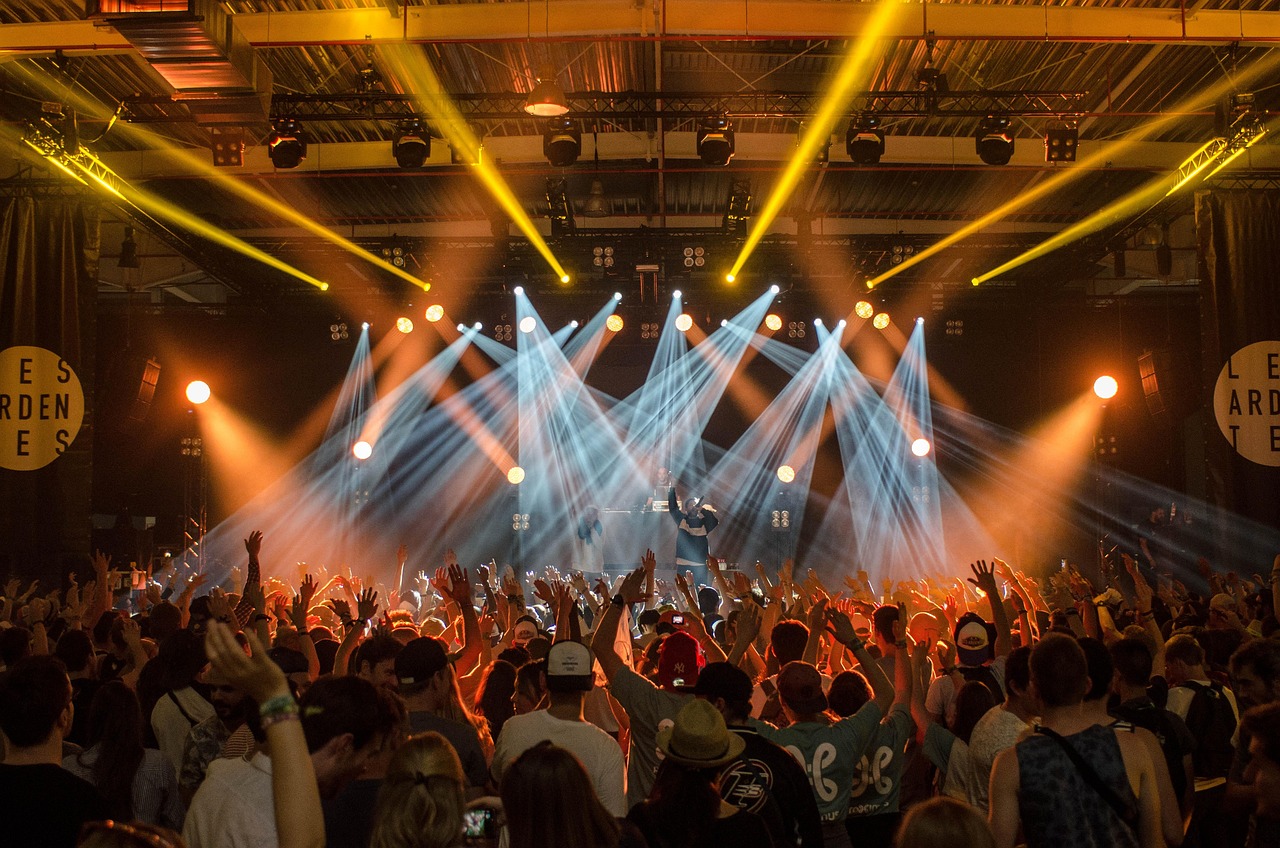
2. The Aspiring Performer: Stage Door Manor, New York
For the child who is always humming a showtune or memorizing monologues, Stage Door Manor is nothing short of Mecca. Located in the Catskill Mountains, this camp occupies the site of a former grand resort, and the energy is palpable the moment you step onto the grounds.
Unlike traditional camps that might put on one play at the end of the summer, Stage Door produces nearly 40 full-scale shows every season. The faculty consists of professional directors, vocal coaches, and choreographers. The alumni list reads like a Hollywood "Who’s Who," including Mandy Moore, Robert Downey Jr., and Natalie Portman. It is a "total theater" immersion where "drama" is strictly reserved for the stage.
- Quick Stats:
- Location: Loch Sheldrake, New York
- Age Range: 10–18
- Standout Feature: Professional-grade theaters and casting workshops with New York City agents.
- The Investment: 3-week sessions starting at $6,345.
3. The STEM Explorer: Space Camp, Alabama
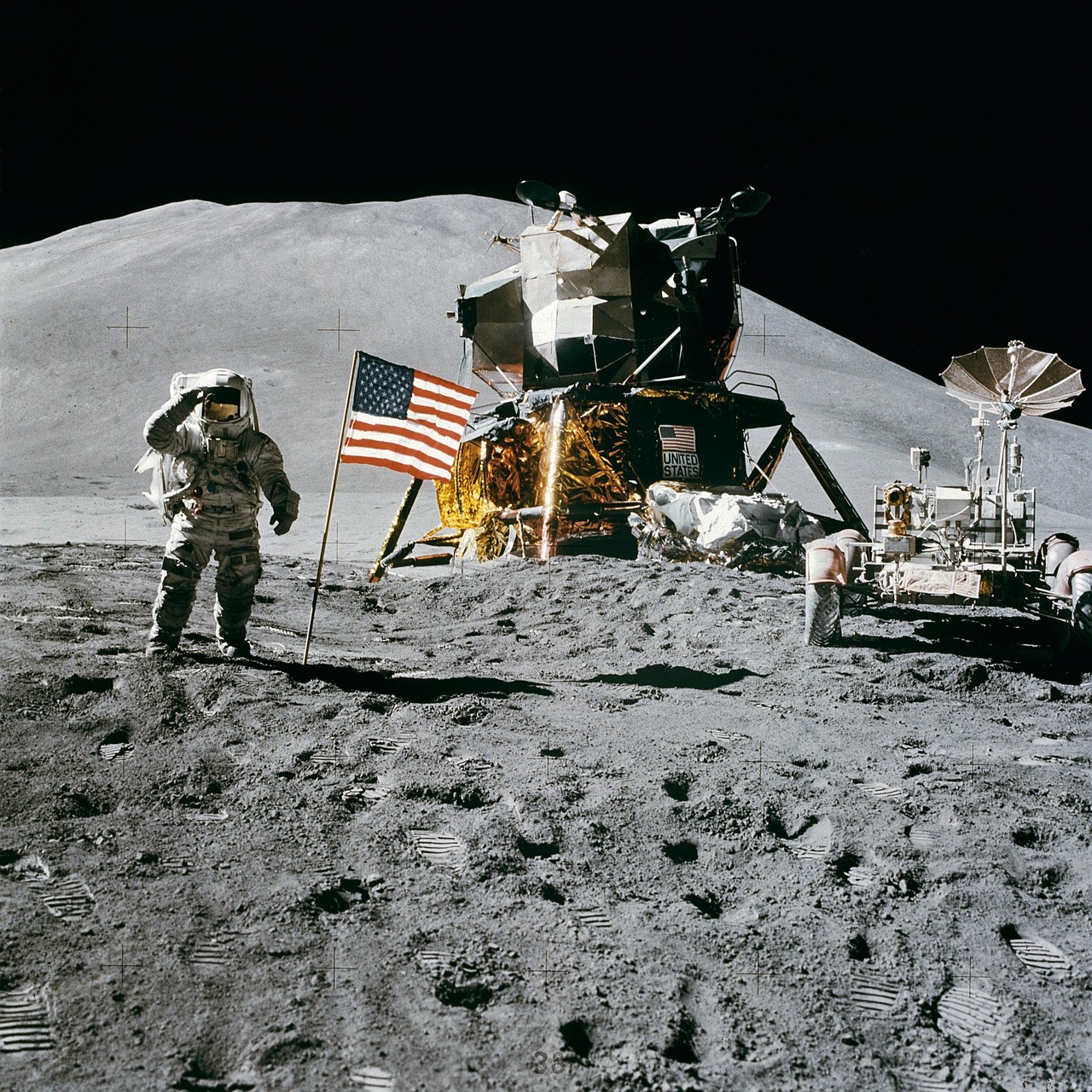
If your child spends more time looking at the stars than their smartphone, Space Camp in Huntsville is the ultimate 2026 destination. This isn't just "science camp"; it's an immersive training program located on the grounds of the U.S. Space & Rocket Center.
The impact of this program is measurable and profound. Statistics show that 61 percent of Space Camp graduates currently pursue careers or studies in STEM, and to date, 15 alumni have gone on to work as astronauts for NASA or the ESA. Campers train on multi-axis chairs that simulate the disorientation of spaceflight and participate in simulated shuttle missions where they must work together to solve technical crises in real-time.
- Quick Stats:
- Location: Huntsville, Alabama
- Age Range: 9–18
- Standout Feature: Sleeping in "habitats" modeled after the International Space Station.
- The Investment: 1-week sessions starting at $1,499.
4. The Outdoor Purist: Camp Natoma, California
In an era of high-tech "glamping," Camp Natoma remains a refreshingly authentic throwback to the basics of nature. Tucked into 260 acres of ancient oak woodlands on California's Central Coast, this camp is for the kid who wants to get their hands dirty and sleep under the stars—literally.
At Natoma, campers sleep on sturdy outdoor cots on protected decks, allowing them to drift off while watching the Milky Way. The focus here is on "slow summer" activities: geocaching, archery, creek exploration, and evening skits around the campfire. For parents watching their budget in 2026, Natoma offers incredible value without sacrificing the professional oversight of an ACA-accredited facility.
- Quick Stats:
- Location: Paso Robles, California
- Age Range: 7–17
- Standout Feature: The "Star Chasers" program where kids learn celestial navigation.
- The Investment: Entry-level pricing at $875 for one week.
5. The Creative Soul: Camp Med-O-Lark, Maine
While some camps are built on rigid schedules and competition, Med-O-Lark is built on freedom. It is a "non-traditional, elective-based" camp, meaning children get to design their own days from a menu of over 50 activities.
This is the perfect sanctuary for the creative, "alternative" kid who might find a traditional sports-heavy camp overwhelming. From glassblowing and tie-dyeing to skateboarding and circus arts (yes, they have a flying trapeze!), the atmosphere is one of radical inclusion. It’s located on a pristine three-mile lake, but you’re just as likely to find a camper in the recording studio as you are on a jet ski.
- Quick Stats:
- Location: Washington, Maine
- Age Range: 8–16
- Standout Feature: A world-class culinary arts program and a dedicated circus pavilion.
- The Investment: 4-week sessions starting at $7,100.
6. The Earth Scientist: Science Camps of America, Hawaii
Why study geology in a textbook when you can hike across a literal volcanic crater? Science Camps of America offers a "classroom" like no other. Based on the Big Island of Hawaii, this camp is designed for teenagers who are serious about earth science, volcanology, and the environment.
The curriculum is entirely field-based. Campers visit the Mauna Kea telescopes, explore black sand beaches, and study the unique ecosystems of the Hawaiian islands. It’s a rigorous program, but for the kid who dreams of being the next great explorer or climate scientist, it is a life-changing ten days of discovery.
- Quick Stats:
- Location: Big Island, Hawaii
- Age Range: 13–17
- Standout Feature: Real-time data collection at active volcanic sites.
- The Investment: 9-day sessions starting at $2,395.

Apply for Science Camp Hawaii →
7. The Grit Builder: Teton Valley Ranch Camp, Wyoming
There is a specific kind of confidence that comes from surviving a four-day backpacking trip or successfully leading a horse through a mountain pass. Teton Valley Ranch Camp (TVRC) is for the child who craves the "Wild West" experience.
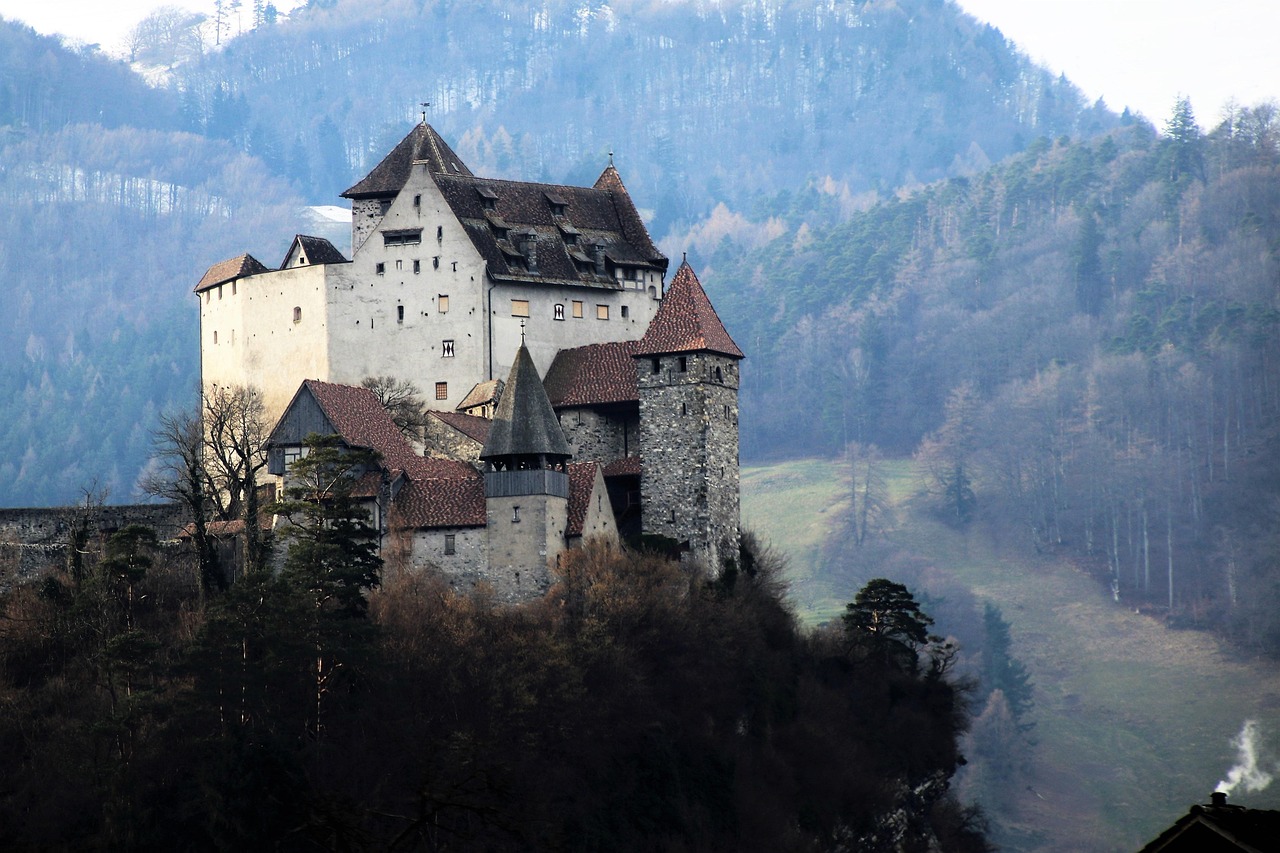
Located in the shadows of the Grand Tetons, TVRC focuses on "Western Adventure." The program is deeply rooted in the traditions of the American West—think Sunday rodeos, fly fishing, and long-form wilderness treks. It’s a "grit-building" camp where the challenges are real, but the support system of "ranch hands" (counselors) is unwavering.
- Quick Stats:
- Location: Dubois, Wyoming
- Age Range: 11–15
- Standout Feature: The "Discovery" treks that take campers deep into the backcountry.
- The Investment: 4-week sessions starting at $7,350.
Essential Prep: Managing Homesickness and Logistics
Even the most excited camper will likely feel a pang of homesickness during the first 48 hours. As parents, our job is to provide the "emotional scaffolding" they need to climb over it.
One of the biggest mistakes I see parents make is the "Pick-Up Deal." This is when a parent says, "Give it a try, and if you don't like it after three days, I’ll come pick you up." Don't do it. This deal prevents a child from fully committing to the experience because they always have one foot out the door. Instead, acknowledge that they might feel sad, but express your total confidence in their ability to handle it.
2026 Packing List Essentials:
- Stationery & Pre-Addressed Envelopes: In a digital world, receiving a physical letter is a huge morale booster.
- A Battery-Powered Fan: Many traditional camps (especially on the East Coast) do not have A/C.
- Comfort Items: A specific pillow or a small stuffed animal is perfectly fine, even for older kids.
- "Unplugged" Entertainment: Books, cards, or a sketchbook for downtime.

Is Your Child Ready? The "Readiness Quiz" for Parents
Not sure if 2026 is the year? Ask yourself these four questions:
- Has your child successfully completed a multi-night sleepover at a friend’s or grandparent’s house? (If they can handle two nights, they can usually handle a week).
- Can they manage basic self-care? (Brushing teeth, showering, and choosing clean clothes without being nagged).
- Do they show an interest in a specific activity? (Camps are easier to sell to kids when there’s a "hook" like robots or horses).
- Are YOU ready? (Often, the parent is more anxious than the child. If you can’t handle the lack of contact, your child will sense it).
FAQ
Q: How early do I need to book for the 2026 season?
A: For "elite" specialty camps like Stage Door Manor or Camp Laurel, registration often opens 10-12 months in advance. Many popular sessions are fully booked by January of the camp year.
Q: Are these camps inclusive for children with allergies or special needs?
A: Most ACA-accredited camps are incredibly well-equipped for food allergies (especially nut-free environments). However, always call the camp director directly to discuss specific medical or behavioral needs before depositing.
Q: What is the average age for a first-time sleepaway camper?
A: While some kids start as young as 7, the "sweet spot" for most families is between ages 9 and 11.
Whether your child is destined for the Broadway stage, a NASA control room, or a quiet trail in the Wyoming wilderness, there is a camp on this list that will feel like home. Summer 2026 is your child's chance to step out of your shadow and into their own light.
Happy camping!