Quick Facts
- UNESCO Heritage Integration: These libraries aren't just nearby; they are integral structural components of sites recognized for their "Outstanding Universal Value."
- Ancient Preservation: From 15th-century natural ventilation in South Korea to resident bat colonies in Portugal, these sites use ingenious methods to protect history.
- The 2026 Travel Trend: "Literary Travel" is surging, with travelers seeking "quiet tourism" destinations that offer intellectual depth alongside architectural beauty.
- Accessibility: While some are open public spaces, others require timed entry or viewing from a threshold to preserve delicate microclimates.
There is a profound, almost mystical silence that resides within a historic library. As a traveler, I have often found that while a monument provides the silhouette of a civilization, it is the library that supplies the voice. In 2026, as we seek travel experiences that offer more than just a photograph, these "sanctuaries of the mind" have become essential pilgrimages.
Hidden within the stone walls of UNESCO World Heritage sites, these seven libraries are not merely collections of books; they are architectural personifications of human curiosity. They represent moments where art, science, and spirituality converged to create something timeless. Whether it is the scent of 18th-century cedar in Mexico or the ritual of donning oversized felt slippers in Switzerland, these sites invite us to step out of the digital noise and into a deeper, slower narrative.
1. Biblioteca Joanina: The Baroque Jewel of Coimbra (Portugal)
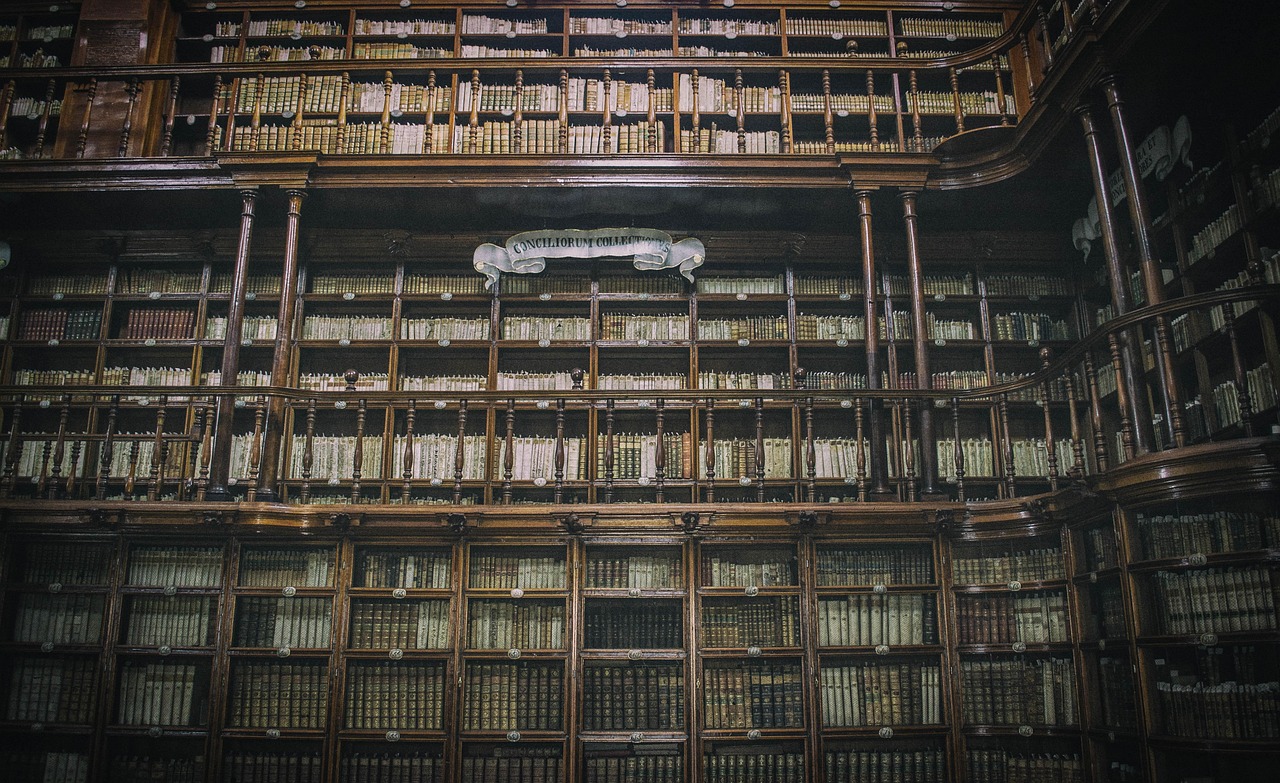
Perched atop the "Hill of Knowledge" within the University of Coimbra, the Biblioteca Joanina is perhaps the most theatrical room in Europe. Built in the early 18th century during the reign of King João V, the library is a riot of gilded wood, intricate chinoiserie, and rare Brazilian hardwoods. Walking through its massive doors feels like stepping into a gold-leafed humidor. The air is heavy with the scent of oak and old paper, a sensory reminder of the 60,000 rare volumes housed within.
The architecture here serves a dual purpose: to awe and to preserve. The walls are nearly two meters thick, maintaining a stable internal temperature year-round. However, it is the library's more "organic" residents that capture the imagination of every visitor.
Which UNESCO library is famous for its resident bat colony? The Biblioteca Joanina at the University of Coimbra in Portugal is home to a colony of bats that protect its 60,000 rare volumes by eating paper-damaging insects at night. This natural pest control has been in place for centuries, requiring staff to cover the antique tables with leather hides every evening.
| Fact Box | Details |
|---|---|
| Date Founded | 1717–1728 |
| Number of Volumes | ~60,000 |
| UNESCO Status | Part of University of Coimbra – Alta and Sofia (2013) |
For those planning a visit in 2026, be prepared for strict preservation protocols. Entry is granted in 20-minute timed slots to prevent the buildup of CO2 and humidity from breath, which can degrade the fragile bindings.
2. Abbey Library of St. Gall: Rococo Elegance in Switzerland
If the Joanina is theatrical, the Abbey Library of St. Gall is a symphony. Located in the heart of St. Gallen, this Benedictine site dates back to the 8th century, but the library itself is a masterpiece of the mid-18th-century Rococo style. The woodwork is so delicate it looks like lace, and the ceiling frescoes seem to drift like clouds above the scholars below.
The library houses nearly 170,000 items, including the "Plan of St. Gall," the only surviving major architectural drawing from the period between the fall of the Roman Empire and the 13th century. There is a specific ritual here that I find incredibly grounding: to protect the intricate inlaid parquet floors, every visitor must slide into a pair of oversized grey felt slippers. The resulting "shuffling" sound creates a communal hush that fits the spiritual gravity of the space perfectly.
| Fact Box | Details |
|---|---|
| Date Founded | 719 (Abbey); Current hall built 1758–1767 |
| Number of Volumes | ~170,000 |
| UNESCO Status | Abbey of St. Gall (1983) |
3. Biblioteca Palafoxiana: The First Public Library of the Americas (Mexico)
In the vibrant, tile-clad city of Puebla, Mexico, lies a room that changed the course of intellectual history in the New World. The Biblioteca Palafoxiana, founded in 1646, remains an island of calm amidst the bustling UNESCO-listed historic center. It was established by Bishop Juan de Palafox y Mendoza with a radical vision: that knowledge should not be restricted to the clergy or the elite, but should be accessible to anyone who could read.
Which UNESCO site houses the oldest library in the Americas? The Biblioteca Palafoxiana, located in the UNESCO-listed historic center of Puebla, Mexico, was founded in 1646 and is recognized as the first public library in the Americas. It has remained in its original location for nearly four centuries.
The library is a long, vaulted gallery lined with three tiers of exquisite cedar, pine, and coloyote wood shelving. At the far end, a magnificent altarpiece of the Madonna of Trapani stands guard, while an 18th-century globe reminds us of the era's expanding horizons. The scent here is different from its European counterparts—spicier, with notes of dried wood and the high-altitude Mexican sun.
| Fact Box | Details |
|---|---|
| Date Founded | 1646 |
| Number of Volumes | ~45,000 |
| UNESCO Status | Historic Centre of Puebla (1987); Memory of the World (2005) |
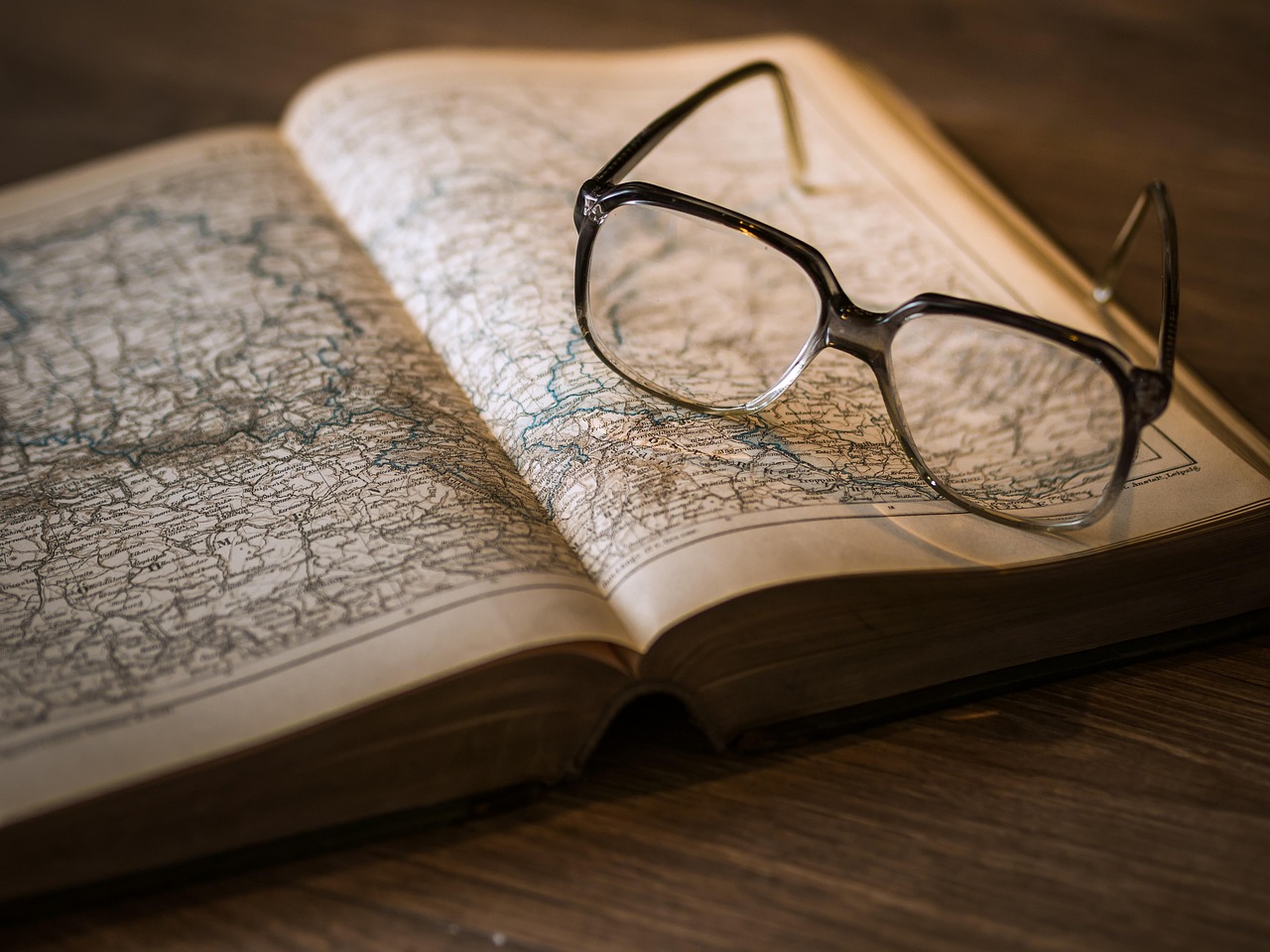
4. Strahov Monastery Library: Prague’s Theological and Philosophical Halls
Prague is a city of spires, but its most beautiful treasures are often found behind monastery walls. The Strahov Monastery manages a massive collection of over 200,000 volumes, including rare medieval manuscripts and early scientific instruments housed in two distinct Baroque halls: the Theological Hall and the Philosophical Hall.
The Theological Hall, with its low-slung, curved ceilings and stucco decorations, feels protective and womb-like. In contrast, the Philosophical Hall is soaring and grand, featuring a breathtaking ceiling fresco titled "The Spiritual Development of Mankind." It is a visual encyclopedia of human thought. Visitors today are typically kept at the threshold of the rooms to maintain the delicate environment, but even from the doorway, the sheer volume of history is palpable.
| Fact Box | Details |
|---|---|
| Date Founded | 12th Century (Abbey); Halls built 1671 & 1783 |
| Number of Volumes | Over 200,000 |
| UNESCO Status | Historic Centre of Prague (1992) |
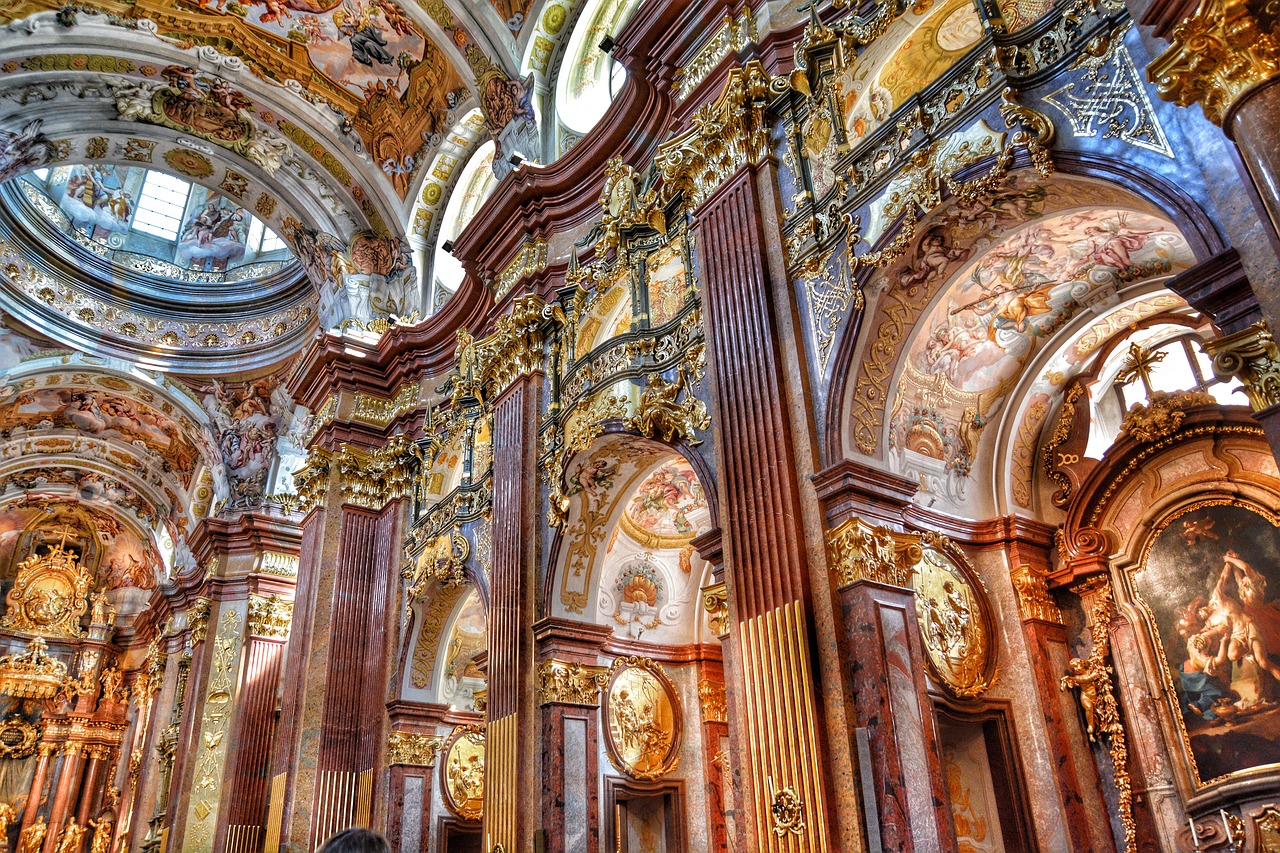
5. Biblioteca Laurenziana: Michelangelo’s Renaissance Vision (Italy)
In Florence, the historic center is an embarrassment of riches, yet the Laurentian Library (Biblioteca Medicea Laurenziana) offers something unique: the chance to walk through the mind of Michelangelo. Commissioned by the Medici family, the library is a masterclass in Mannerist architecture.
The journey begins in the Ricetto (vestibule), a tall, almost claustrophobic space dominated by a massive, flowing staircase that looks like spilled liquid. This "compression" prepares you for the "clarity" of the reading room—a long, flooded-with-light space where the wooden desks (plutei) were designed by Michelangelo himself. Here, the books were originally chained to the benches, treated as "citizens" of the room, each with its designated place in the hierarchy of knowledge.
| Fact Box | Details |
|---|---|
| Date Founded | 1524 (Commissioned); Opened 1571 |
| Number of Volumes | ~11,000 manuscripts |
| UNESCO Status | Historic Centre of Florence (1982) |
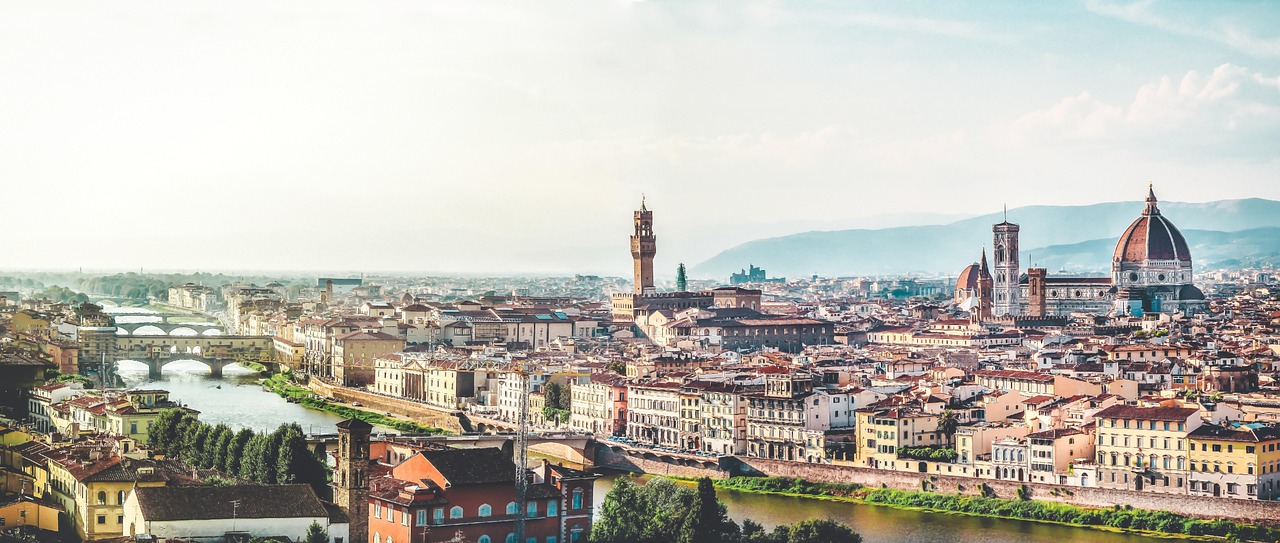
6. The Royal Library of El Escorial: The Spanish Wall System (Spain)
King Philip II of Spain was a man of intense discipline and deep humanism. His library at the Royal Site of San Lorenzo de El Escorial reflects this. Rather than the dark, tucked-away scriptoriums of the past, Philip wanted a library that was bright, airy, and integrated into the palace-monastery complex.
The innovation here was the "wall system." Instead of placing books in the center of the room, they were moved to the walls, allowing for better ventilation and more space for scholars to walk. The shelves are made of fine mahogany and cedar, and the books are famously shelved with their "fore-edges" (the pages) facing out rather than the spines. This was believed to allow the paper to "breathe" better in the Spanish climate. Above, Pellegrino Tibaldi’s frescoes celebrate the seven liberal arts in vibrant, muscular Renaissance style.
| Fact Box | Details |
|---|---|
| Date Founded | 1563–1584 |
| Number of Volumes | ~40,000 |
| UNESCO Status | Monastery and Site of the Escurial (1984) |
7. Haeinsa Temple Janggyeong Panjeon: The Woodblock Depository (South Korea)
While European libraries often focus on the book as a bound object, the Haeinsa Temple in the Gayasan Mountains of South Korea preserves the very "printing press" of ancient Buddhism. The Janggyeong Panjeon buildings are the oldest parts of the temple and were built specifically to house the Tripitaka Koreana—over 80,000 wooden printing blocks of Buddhist scriptures.
What is the unique preservation method used at Haeinsa Temple? The Janggyeong Panjeon in South Korea uses 15th-century 'organic climate engineering,' featuring elevated floors and slatted windows of different sizes to create natural airflow and moisture control. This has preserved over 80,000 Buddhist woodblocks for 750 years without artificial climate control.
The experience of visiting Haeinsa is one of profound austerity. The structures are unpainted, blending into the forest. The 81,258 woodblocks have remained intact for over seven centuries, surviving wars and fires, largely due to this sophisticated understanding of natural ventilation. It is a reminder that the most enduring technology is often the one that works in harmony with nature.
| Fact Box | Details |
|---|---|
| Date Founded | 1237–1248 (Blocks); 15th Century (Buildings) |
| Number of Woodblocks | 81,258 |
| UNESCO Status | Haeinsa Temple Janggyeong Panjeon (1995) |
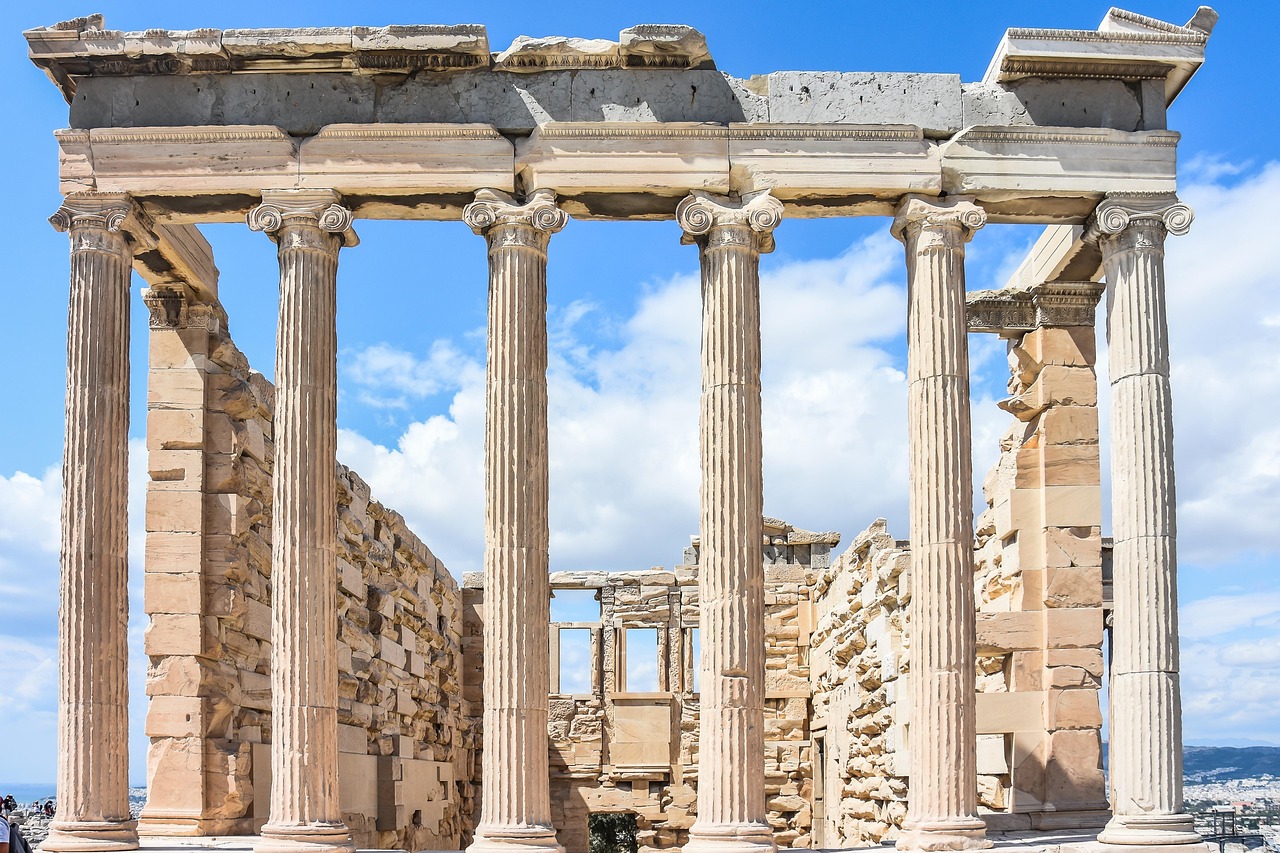
Travel Planning: Visiting Historic Libraries in 2026
The landscape of travel has shifted toward "slow" and "intentional" experiences. When visiting these sites, timing and etiquette are paramount.
- Seasonality: For the European libraries (Prague, St. Gallen, Coimbra), Autumn is the most atmospheric time. The golden light through the windows hits the leather bindings perfectly. For South Korea, the spring cherry blossoms or autumn maples at Gayasan National Park provide a stunning backdrop to the temple's austerity.
- Reservations: By 2026, most of these sites will require online pre-booking. The University of Coimbra and the Abbey of St. Gall already operate on strict capacity limits.
- Preservation Etiquette: Avoid wearing perfumes or colognes, as the volatile organic compounds can affect ancient parchment over time. Always respect "no flash" photography rules—light is the enemy of old ink.
Comparison of Visitor Accessibility for 2026
| Library Site | Entry Type | Estimated Price (USD) | Best Time to Visit |
|---|---|---|---|
| Biblioteca Joanina | Timed Slot Required | $15 - $18 | Early Morning |
| St. Gall Abbey | Open Entry (with slippers) | $12 - $15 | Late Afternoon |
| Palafoxiana | General Admission | $2 - $5 | Mid-week |
| Strahov Monastery | Threshold Viewing | $8 - $10 | Opening Hour |
| Laurenziana | Museum Ticket | $10 - $12 | Winter Months |
| El Escorial | Complex Ticket | $14 - $16 | Tuesday - Thursday |
| Haeinsa Temple | Exterior Viewing | Free (Park fee applies) | Spring/Autumn |
FAQ
Q: Can I actually read the books in these libraries? A: Generally, no. These are museum-grade preservation sites. However, many (like St. Gall and the Palafoxiana) have digitized their most important manuscripts, which can be accessed via kiosks or online. Research scholars can sometimes apply for special access months in advance.
Q: Are these sites family-friendly? A: They are best suited for older children who can appreciate the need for silence and the "no-touch" rule. The "bat story" at Coimbra or the "felt slippers" at St. Gall are usually highlights for younger visitors.
Q: Which library is the most difficult to photograph? A: The Biblioteca Joanina has the strictest photography rules due to the sensitivity of its gilded surfaces. It’s better to put the phone away and soak in the atmosphere.
Ready to start your literary journey? Whether you're chasing the ghosts of the Medici in Florence or seeking the quiet wisdom of the Tripitaka Koreana in South Korea, these libraries offer a glimpse into the soul of our collective history.