Quick Facts
- The 100-Passenger Rule: To protect the archipelago’s fragile biodiversity, the Galapagos National Park strictly limits all cruise vessels to a maximum of 100 passengers. Most elite expedition ships choose to carry fewer than 20 for a more intimate experience.
- Best Time to Visit: Wildlife goals dictate your timing. Visit in December to witness giant tortoise hatchlings or April and May to see marine iguana nesting and sea turtle hatching.
- Investment: Expect to pay between $3,000 for entry-level 4-night itineraries and $15,000+ for 10-day ultra-luxury expeditions, depending on the vessel class and inclusions.
- The Citizen Science Shift: There has been a 30% increase in guest participation in "Citizen Science" programs on ships like the MS Santa Cruz II, allowing travelers to contribute directly to evolutionary research.
Introduction: The Living Laboratory of the Pacific
Stepping onto the volcanic shores of the Galapagos is less like a traditional vacation and more like a journey back to the dawn of creation. This is the world’s most famous "living laboratory," a place where the rules of biology were rewritten by Charles Darwin and where, even today, nature remains remarkably unafraid of human presence. As we look toward 2026, the archipelago remains one of the most strictly regulated and pristine environments on Earth.
For those planning a voyage, the choices can be overwhelming. However, if you are seeking the pinnacle of luxury, the Silver Origin by Silversea remains the gold standard for 2026 with its 1:1 staff-to-guest ratio. For those craving total exclusivity, the Aqua Mare superyacht offers a refined 16-passenger experience that feels more like a private charter than a commercial cruise.
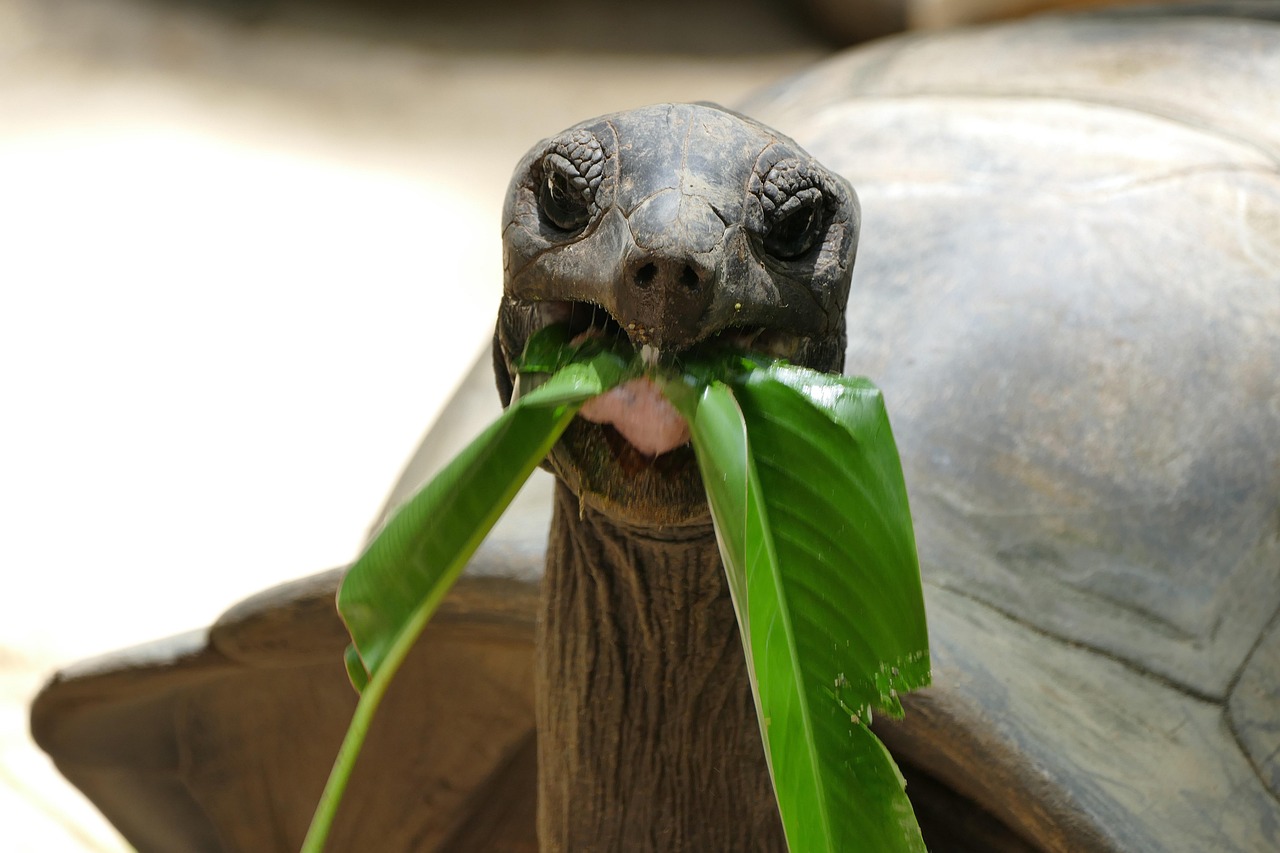
Whether you are drawn by the prehistoric silhouette of a giant tortoise or the playful spiral of a sea lion underwater, the right vessel is your gateway to this evolutionary masterpiece.
Planning Your 2026 Expedition: What to Know Before You Book
Before selecting a ship, one must understand the unique logistical landscape of the Galapagos. Unlike Caribbean or Mediterranean cruising, the Galapagos is an active expedition. You will be boarding Zodiacs (locally called pangas) twice a day, navigating uneven volcanic terrain, and adhering to the strict schedules of the National Park service.
The 100-Passenger Limit
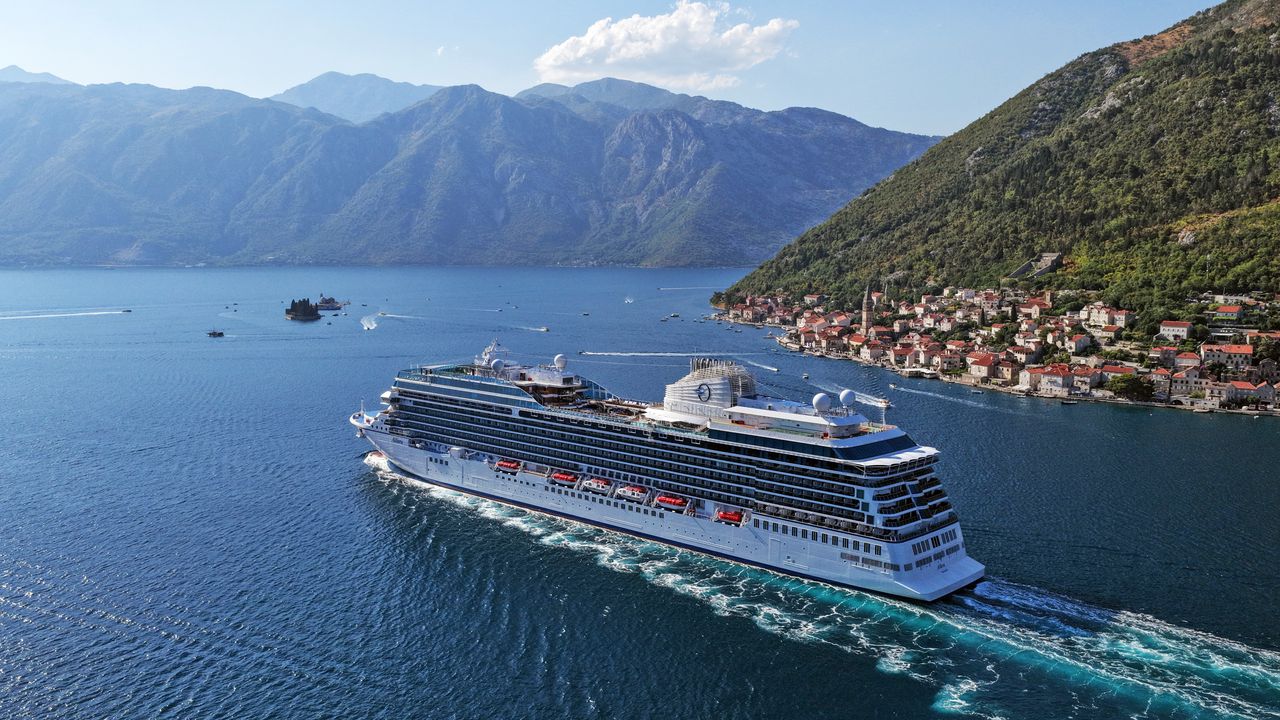
The National Park limits all ships to 100 guests. This isn't just a guideline; it is a law designed to prevent the "over-tourism" seen in other world wonders. While 100-guest ships like the Celebrity Flora offer more stability and amenities, the smaller yachts (16–20 guests) allow for faster disembarkation and a tighter-knit community of explorers.
Choosing Your Route: Western vs. Northern
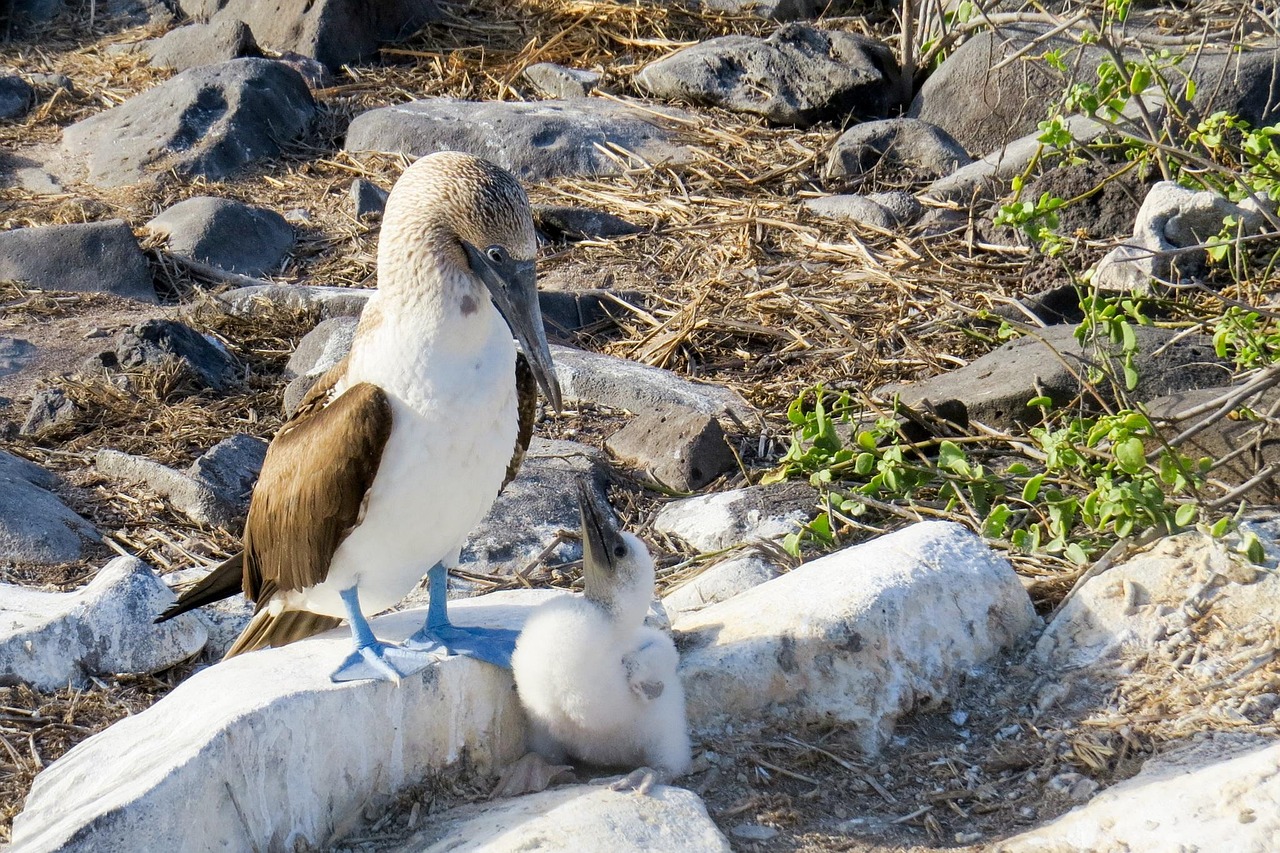
The archipelago is divided into distinct loops. The Western Route (Isabela and Fernandina) is geologically younger, featuring dramatic black lava landscapes, flightless cormorants, and higher volcanic activity. The Northern/Central Route (Genovesa and Española) is a bird-watcher's paradise, home to the iconic blue-footed boobies and the waved albatross. If time allows, a 14-day back-to-back itinerary covering both is the only way to see the full evolutionary spectrum.
Cost Breakdown
A common question I receive as a destination editor is: "Why is it so expensive?" The answer lies in the logistics of operating 600 miles off the coast of Ecuador. Fuel, high-quality naturalist guides, and strict environmental permits drive the price. Budget options start around $3,000, mid-range "First Class" yachts hover between $5,000 and $7,000, and the ultra-luxury expedition ships can easily exceed $15,000 for an all-inclusive 10-day experience.
2026 Galapagos Ship Comparison
| Ship Name | Best For | Guest Count | Est. Price (7-Night) |
|---|---|---|---|
| Silver Origin | Ultra-Luxury | 100 | $12,000+ |
| Aqua Mare | Exclusivity | 16 | $10,000+ |
| MS Santa Cruz II | Families / Science | 90 | $5,500+ |
| Celebrity Flora | Design & Wildlife | 100 | $9,000+ |
| La Pinta | Adventure Seekers | 48 | $6,000+ |
| Reina Silvia Voyager | Solo Travelers | 16 | $5,000+ |
1. Best for Ultra-Luxury: Silver Origin (Silversea)
The Silver Origin is not just a ship; it is an architectural tribute to the islands. As the first destination-specific ship built by Silversea, it features an all-suite configuration where every guest enjoys butler service. The 1:1 staff-to-guest ratio ensures that your glass of Ecuadorian Sauvignon Blanc is never empty and your expedition gear is always prepped for the next landing.
The "Basecamp" serves as the heart of the ship—a high-tech lounge filled with rare artifacts and interactive screens where guests can dive deep into the day’s findings with expert PhD-level naturalists. It’s the perfect blend of high-society elegance and raw exploration.
Explore Silver Origin Itineraries →
2. Best Exclusive Superyacht: Aqua Mare (Aqua Expeditions)
If the Silver Origin is a grand estate, the Aqua Mare is a private mansion on the water. This Italian-built CRN megayacht was refitted specifically for the Galapagos, carrying only 16 guests. This small footprint allows the captain to navigate into smaller coves and provides a level of personalized attention that larger vessels simply cannot match.
Inside, you'll find custom-designed interiors by Zuretti and a sun deck that features a jacuzzi and outdoor dining area. The 7- and 14-night itineraries are designed for those who want to feel the pulse of the ocean without sacrificing the refinement of a boutique hotel.
3. Best for Families & Citizen Science: MS Santa Cruz II (HX Expeditions)
The MS Santa Cruz II has pioneered a new way of traveling: the "Science-First" expedition. In recent years, guest participation in their on-board Science Center has surged by 30%. Guests don’t just watch birds; they help document migratory patterns and analyze water samples, contributing to the very research that keeps these islands protected.
For families, the ship is a godsend. It offers interconnected cabins and the "Young Explorers" program, which replaces standard screen time with tide-pool exploration and stargazing sessions on the bridge.
4. Best for Wildlife Enthusiasts: Celebrity Flora
The Celebrity Flora was the first vessel in the region to utilize dynamic positioning technology. This means the ship can remain stationary without dropping an anchor, protecting the sensitive coral reefs below. This eco-conscious design extends to the outward-facing staterooms—every room is oriented toward the horizon, ensuring you never miss a breaching whale or a soaring frigatebird.
One of the ship's most unique offerings is the "Galapagos Glamping" experience, where guests can book a night under the stars in a luxury cabana on the top deck, complete with a private dinner and breakfast.
5. Best for Adventure Seekers: La Pinta (Uncruise Adventures)
For those who find sitting still a challenge, La Pinta offers a more kinetic approach to the archipelago. While most ships offer one snorkel per day, La Pinta prioritizes water-based activity. Their equipment locker is world-class, featuring sea kayaks, stand-up paddleboards, and a glass-bottom boat for those who want to see the marine life without getting wet.
The 48-guest capacity is the "sweet spot" for many—large enough to offer variety in dining and social spaces, but small enough that you are never waiting in a long line for a Zodiac.
6. Best for Solo Travelers: Reina Silvia Voyager (G Adventures)
The Galapagos can be notoriously difficult for solo travelers due to high "single supplements." The Reina Silvia Voyager, a custom-built catamaran, tackles this head-on with dedicated solo cabins. These aren't cramped closets; they feature queen beds and the same high-end finishes as the double suites.
G Adventures excels at creating a social, community-focused environment. You’ll find yourself sharing dinner stories with a group of like-minded explorers, making it the top choice for those venturing into the Pacific on their own.
7. Best Affordable Option: Nature Galapagos (New Flamingo/Merak)
Experiencing the "Enchanted Isles" shouldn't be reserved only for the ultra-wealthy. Nature Galapagos & Ecuador operates a fleet of budget-friendly yachts like the New Flamingo. While the cabins are smaller and the amenities more basic, the naturalist guides are just as qualified as those on $10,000 ships.
These 16-guest yachts focus on "landing-heavy" itineraries. If your goal is to maximize your time on the ground with the tortoises and iguanas and you don't mind a simpler bunk-bed setup, this is the most cost-effective way to see the islands.
8. Best for Lifelong Learners: National Geographic Gemini (Lindblad Expeditions)
Lindblad Expeditions has a decades-long partnership with National Geographic, and the Gemini (formerly the Endeavour II) is the fruit of that labor. This ship is a floating university. Every sailing includes a National Geographic-certified photo instructor to help you capture the perfect shot of a Blue-footed Booby.
They also employ high-tech tools like hydrophones to listen to whales and underwater "Splash-Cams" that transmit live footage of the seafloor to the ship’s lounge, making every meal a learning opportunity.
9. Best for Foodies: Silver Origin / Silversea Programs
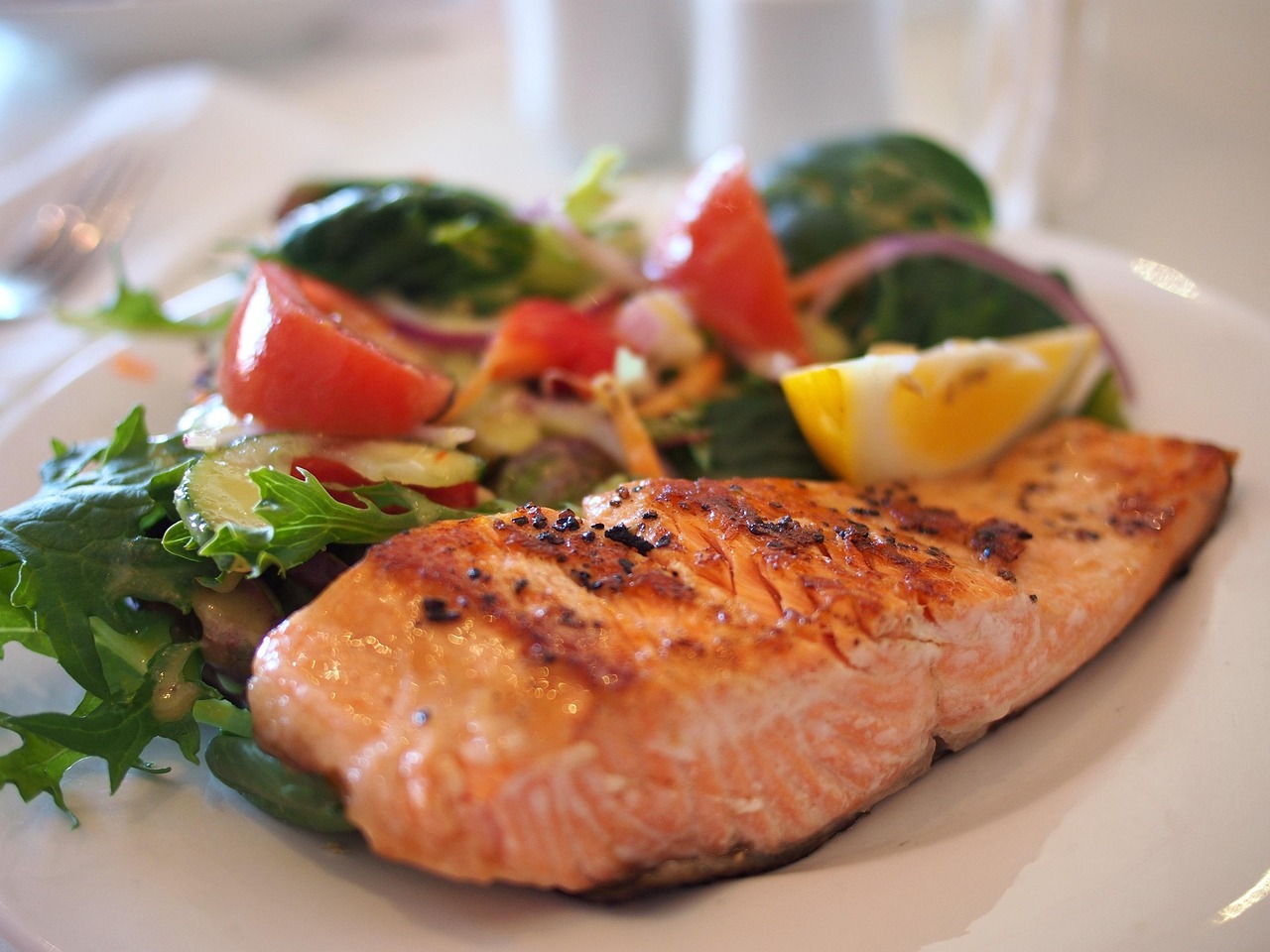
Gastronomy in the Galapagos has historically been limited by the remote location. However, Silversea has changed the game by sourcing 90% of their ingredients locally. On the Silver Origin, you can enjoy lava-tube aged cheeses, fresh ceviche made from sustainably caught local fish, and hand-pressed organic coffee from a farm in the highlands of Santa Cruz.
Their "S.A.L.T." (Sea and Land Taste) program includes hands-on cooking demonstrations where you can learn to make traditional Ecuadorian encocados (coconut stews) while looking out over the volcanic horizon.
Essential Galapagos Travel Tips 2026
- Logistics & Gateways: All Galapagos cruises begin with a flight from mainland Ecuador—either Quito or Guayaquil. I recommend arriving at least two days early to Quito to acclimatize to the altitude and explore the UNESCO World Heritage colonial center.
- Packing Strategy: The equatorial sun is brutal. Bring reef-safe sunscreen, a wide-brimmed hat with a chin strap (it gets windy), and sturdy hiking shoes for the jagged "AA" lava fields. Don't forget a "wet bag" for your camera during Zodiac landings.
- Health & Motion: Even the most luxurious ships can rock in the open Pacific waters, particularly between August and October when the Humboldt Current is strongest. If you are prone to sea sickness, opt for a larger ship with stabilizers (like Celebrity Flora) or bring prescription patches.
- Park Fees: As of 2024/2025, the Galapagos National Park entry fee has increased for many international visitors. Ensure you check the latest requirements as these are often not included in your initial cruise fare and must be paid in cash upon arrival.
Frequently Asked Questions (FAQ)
Q: Is a 4-day cruise enough to see the Galapagos? A: In short, no. While 4-day itineraries exist, the first and last days are primarily travel days. To truly experience the diversity of the archipelago and reach the more remote islands like Fernandina or Genovesa, a minimum of 7 nights is highly recommended.
Q: Can I see the Galapagos without a cruise? A: Yes, "land-based" tours (hotel-hopping) are possible. However, you will spend several hours each day on speedboats commuting between islands, which can be exhausting. A cruise serves as your "floating hotel," traveling while you sleep and allowing you to wake up at a new, remote landing site every morning.
Q: Are there age restrictions for children? A: Most ships require children to be at least 6 or 7 years old. The excursions involve long walks in the sun and snorkeling in open water, which can be challenging for toddlers. Ships like the MS Santa Cruz II are better equipped for younger guests.
Start Your 2026 Journey
The Galapagos is not a destination you visit; it is a destination that changes you. As we move into 2026, the commitment to sustainability and "Citizen Science" ensures that these islands will remain a sanctuary for another generation.
Whether you choose the butler-serviced suites of the Silver Origin or the rugged, adventure-focused decks of La Pinta, the magic of the archipelago remains the same. The sea lions are waiting.