There is a specific frequency to the color green that the human brain recognizes as "safety." It’s an evolutionary hardwiring—where there is verdant growth, there is water, life, and a chance to breathe. In my years trekking across every continent, I’ve found that the deeper the shade of emerald, the more profound the disconnect from the digital noise. As we look toward the horizon of adventure travel in 2026, the trend is shifting decisively away from the "checking-boxes" tourism of the past decade. We are entering an era of high-value experiential tourism, where travelers are seeking out the world's greenest landscapes not just for the photos, but for the raw, sensory immersion they provide.
Whether you are navigating the misty rice terraces of Vietnam or the ancient, mossy cathedrals of the Pacific Northwest, these lush nature destinations offer more than just scenery—they offer a recalibration of the soul. For those planning their 2026 expeditions, the premier choices for lush adventure include the biodiversity-rich Corcovado National Park in Costa Rica, the culturally vibrant Sapa Valley in Vietnam, and the staggering prehistoric scale of the Congo Basin. These spots represent the pinnacle of eco-tourism adventures, combining high-octane physical challenges with some of the most biodiverse ecosystems on the planet.
1. Corcovado National Park, Costa Rica: The Biodiversity Titan
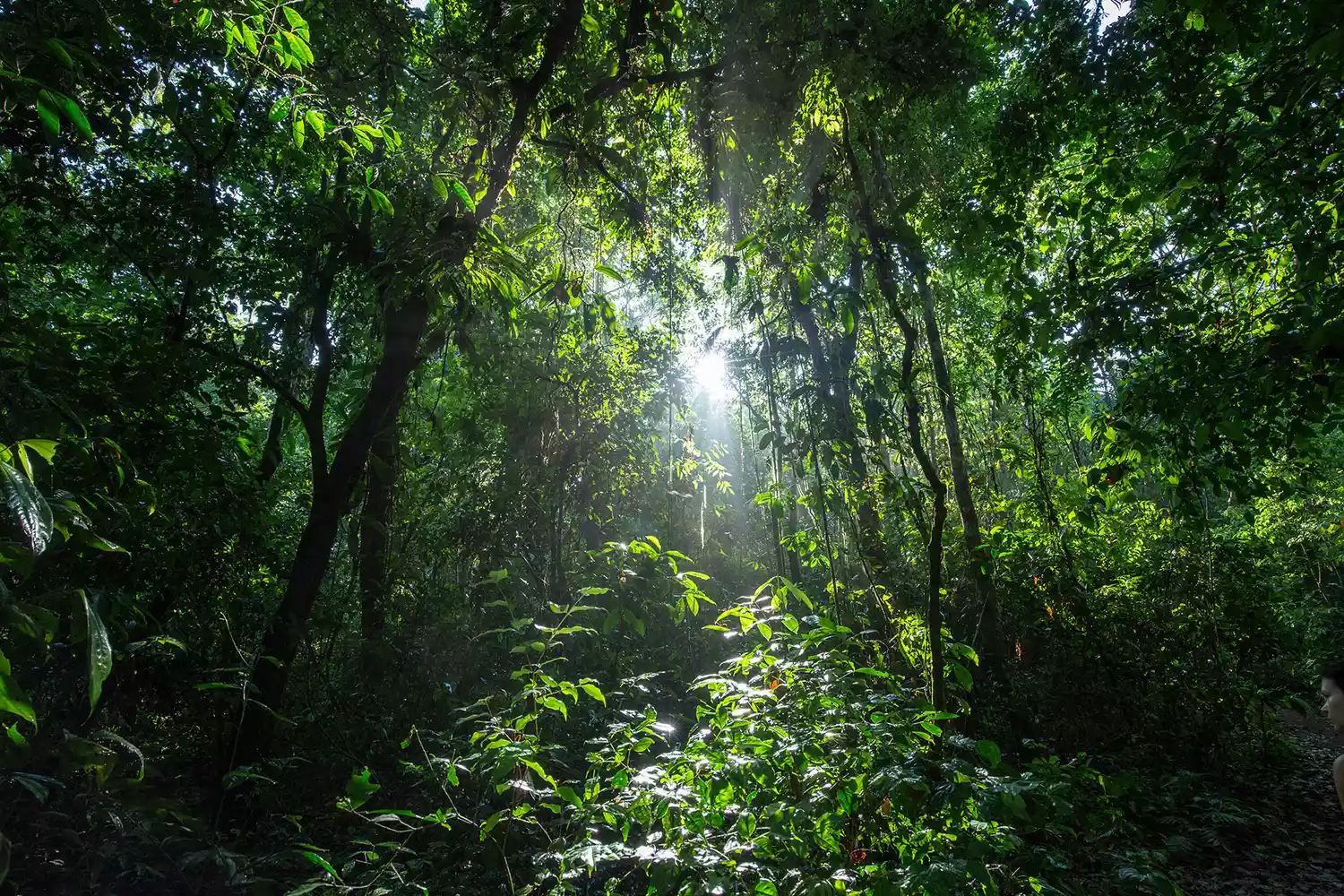
If you want to see what the world looked like before the footprint of man, you go to the Osa Peninsula. National Geographic once called Corcovado "the most biologically intense place on Earth," and they weren't exaggerating. This is the crown jewel of world’s greenest landscapes, housing nearly 2.5% of the entire planet's biodiversity within its borders.
When I last trekked through Corcovado, the humidity felt like a second skin, but the rewards were unparalleled. You aren't just walking through a forest; you’re moving through a multi-story ecosystem where Baird’s tapirs lounge in the mud and all four of Costa Rica's monkey species—howler, spider, capuchin, and squirrel—swing through the canopy above. The lowland rain forests here are ancient, fierce, and utterly mesmerizing.
Best For: Wildlife enthusiasts and hardcore trekkers who don't mind getting muddy for a glimpse of a jaguar or a scarlet macaw.
Eco-Tip: To truly experience the park, book an overnight stay at the Sirena Ranger Station. It’s the only way to witness the forest transition from the cacophony of dusk to the haunting calls of the morning.
2. Sapa Valley, Vietnam: The Emerald Stairway
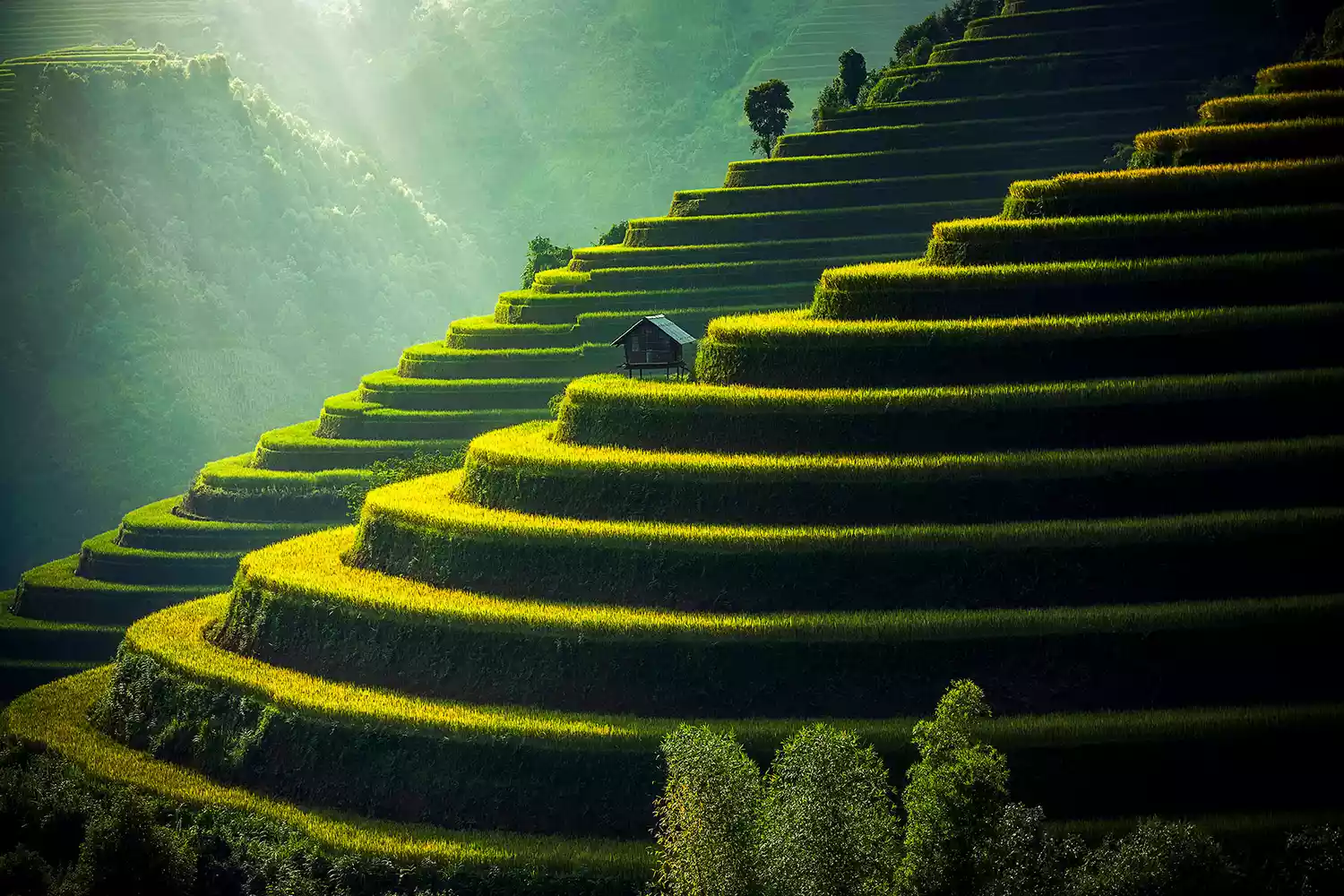
In the far north of Vietnam, the mountains don't just grow trees; they grow sustenance. Sapa Valley is home to the most iconic terraced rice fields in the world, creating a visual effect I like to call the "emerald stairway." These terraces, carved into the hillsides by ethnic minority groups like the Hmong and Red Dao, are a masterclass in ancient engineering and sustainable land use.
The adventure here is found in the village-to-village trekking. You can spend days traversing the ridges of the Hoang Lien Son mountains, with the 3,143-meter peak of Mount Fansipan looming overhead. In 2026, Sapa remains a top pick because of its unique blend of high-altitude adventure and deep cultural immersion. There is nothing quite like sitting in a traditional wooden home as the mountain mist rolls through the open door, sharing a meal of "thắng cố" with your hosts.
Best For: Solo explorers and cultural seekers looking for a mix of physical exertion and human connection.
Eco-Tip: Hire a local guide from the indigenous tribes. Not only is the navigation tricky, but the insights they provide into the "Subak-style" mountain irrigation are what make the trip meaningful.
3. The Congo Basin, Central Africa: The World's Second Lung
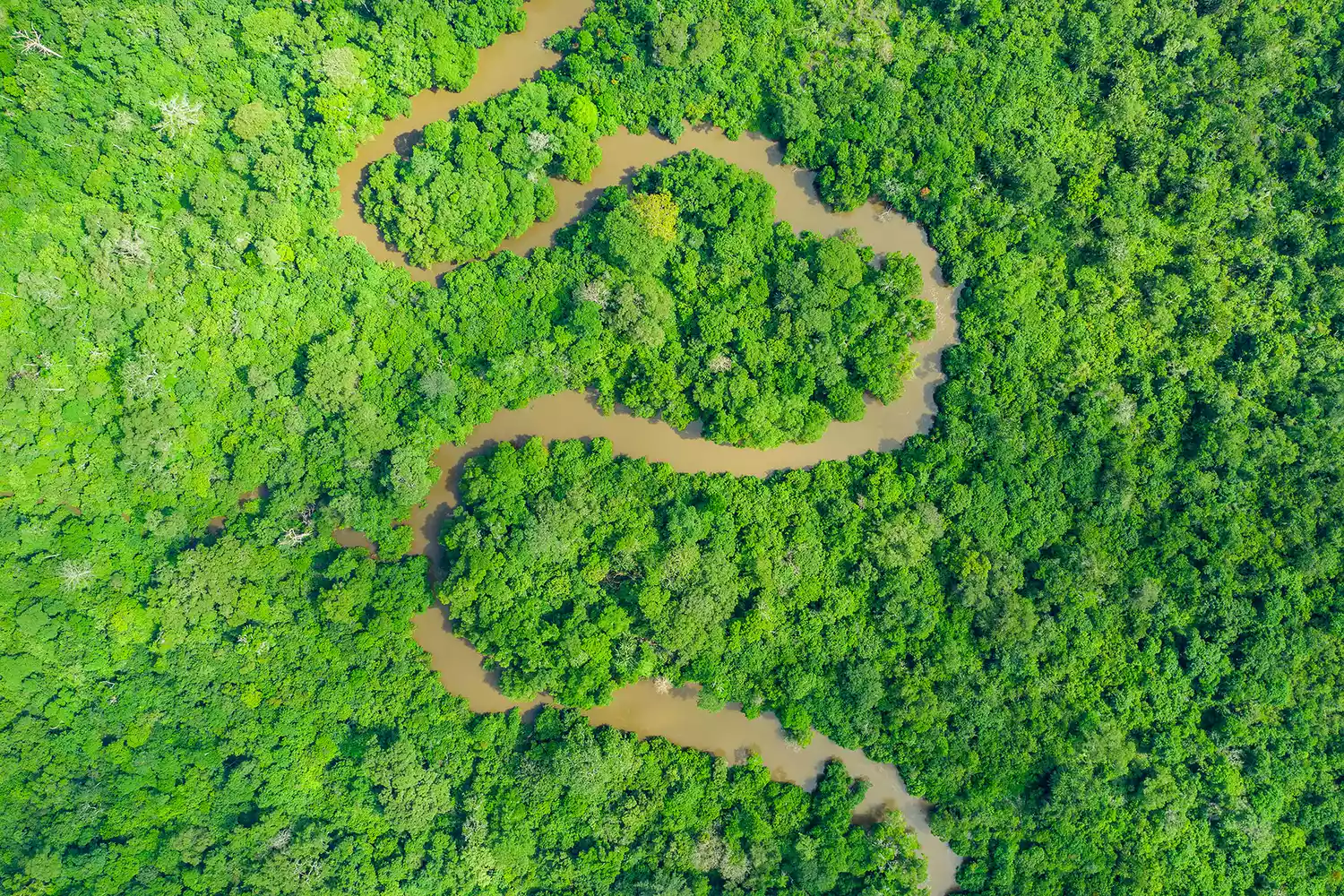
While the Amazon gets most of the headlines, the Congo Basin is a frontier that few adventurers ever truly conquer. Spanning approximately 500 million acres across six countries, it is the world's second-largest rainforest and a critical bastion for global climate health. It is home to more than 10,000 plant species and 2,000 animal species, including the elusive forest elephant and the lowland gorilla.
Adventure travel 2026 is seeing a massive surge in high-value conservation tourism in this region. This isn't a "budget" trip; it’s an expedition. Staying in luxury eco-treehouses, you can spend your days tracking gorillas through the dense undergrowth and your evenings listening to the pulse of the jungle. It is raw, it is expensive, and it is arguably the most impactful nature experience you can have today.
Best For: Luxury adventurers and conservationists looking to support the protection of old-growth forests.
Eco-Tip: Ensure your tour operator is carbon-neutral and directly supports the local communities that guard the forest from poaching.
4. Hoh Rain Forest, Washington: America’s Mossy Cathedral
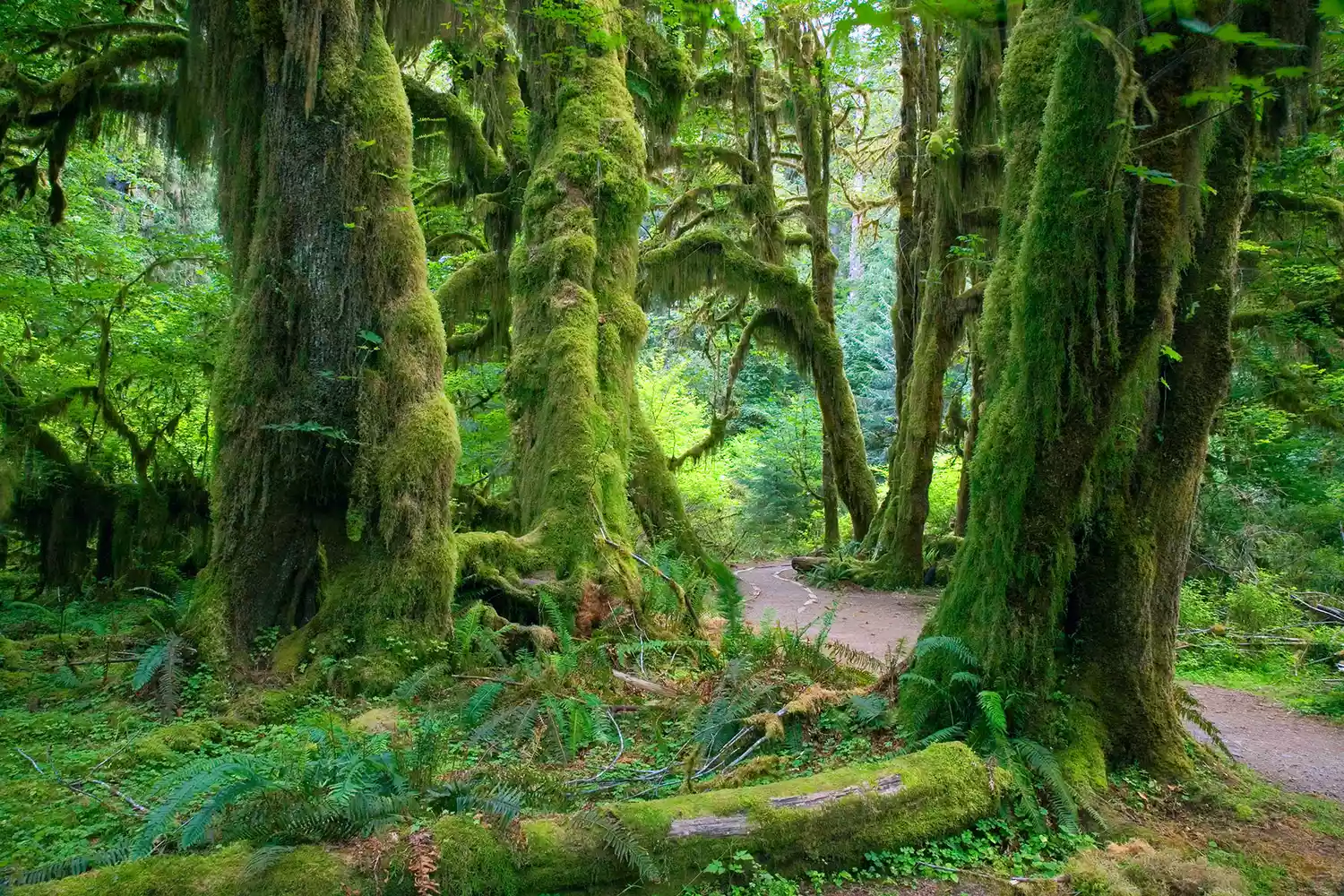
You don't always have to cross an ocean to find world-class greenery. Tucked away on the Olympic Peninsula in Washington State, the Hoh Rain Forest is one of the finest examples of a temperate rainforest in the world. Receiving over 12 feet of rain annually, every inch of this forest is covered in a lush, velvet-like layer of moss and ferns.
Walking the Hall of Mosses trail is a sensory overload. The Sitka Spruce and Western Hemlock trees reach heights that seem impossible, draped in clubmoss that dampens all sound, creating a "quiet square inch" effect. For those looking for a longer haul, the 5.5-mile Hoh River Trail offers a deep dive into the wilderness, leading eventually toward the glaciers of Mount Olympus.
Best For: Hikers seeking tranquility and those looking for high-biodiversity spots within the United States.
Eco-Tip: Visit in the "shoulder season" (late spring or early fall) to experience the forest’s legendary mist without the summer crowds.
5. Al Ula, Saudi Arabia: The High-Value Frontier
Wait, Saudi Arabia for a "lush" list? Hear me out. While much of the region is arid, the ancient oasis of Al Ula represents the emerging 2026 trend of Middle Eastern adventure hubs. This UNESCO-listed site is witnessing a massive investment in modern infrastructure that highlights its hidden greenery.
The adventure here lies in the contrast. You can go from the jagged, sun-scorched sandstone canyons to the hidden, lush date palm oases in a single afternoon. The 2026 traveler will find Al Ula offering high-adrenaline activities like via ferrata, canyon hikes, and ziplining—all set against a backdrop of archaeological wonders. It is the definition of "high-value" tourism: world-class service meeting ancient, untouched landscapes.
Best For: Adrenaline junkies and history buffs who want to be at the forefront of the new global travel map.
Eco-Tip: Respect the strict UNESCO guidelines when visiting archaeological sites—the preservation of these ancient mud-brick structures depends on visitor behavior.
6. Killarney National Park, Ireland: The Heart of the Emerald Isle
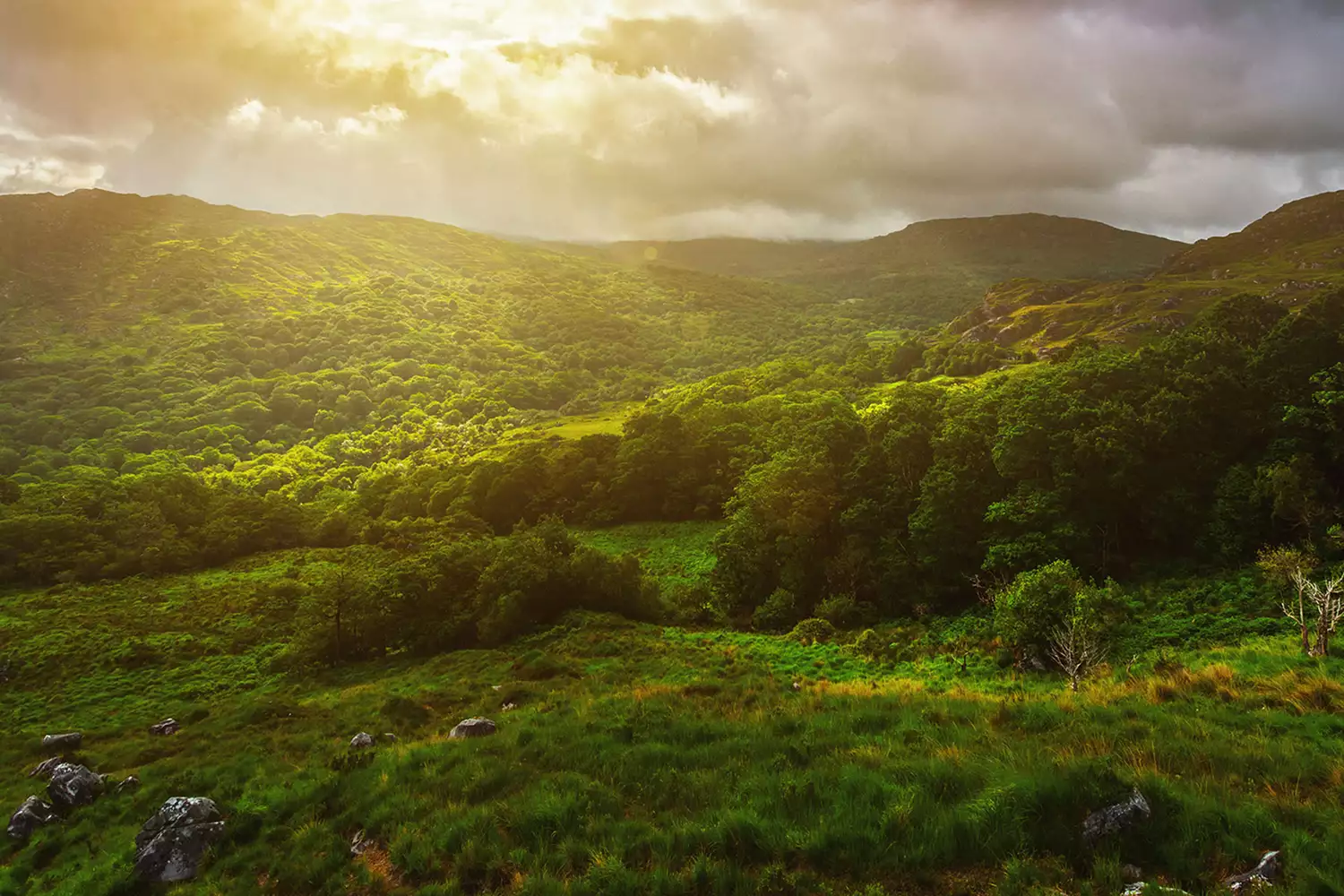
Ireland’s reputation for green is well-earned, but Killarney National Park is where that greenery turns into a playground for the brave. This is home to MacGillycuddy's Reeks, Ireland's tallest mountain range, and some of the most ancient yew woods in Europe.
For me, the ultimate Killarney experience is summiting Carrauntoohil via the "Devil’s Ladder." The climb is steep and the weather is notoriously fickle, but reaching the top and looking down at the patchwork of jade valleys and dark blue lakes is a rite of passage for any European adventurer. The park manages to feel both ruggedly wild and comfortingly ancient all at once.
Best For: Mountain hikers and those who appreciate a post-hike pint in a cozy village.
Eco-Tip: Stick to the designated trails to prevent soil erosion, a major issue in the boggy Irish highlands.
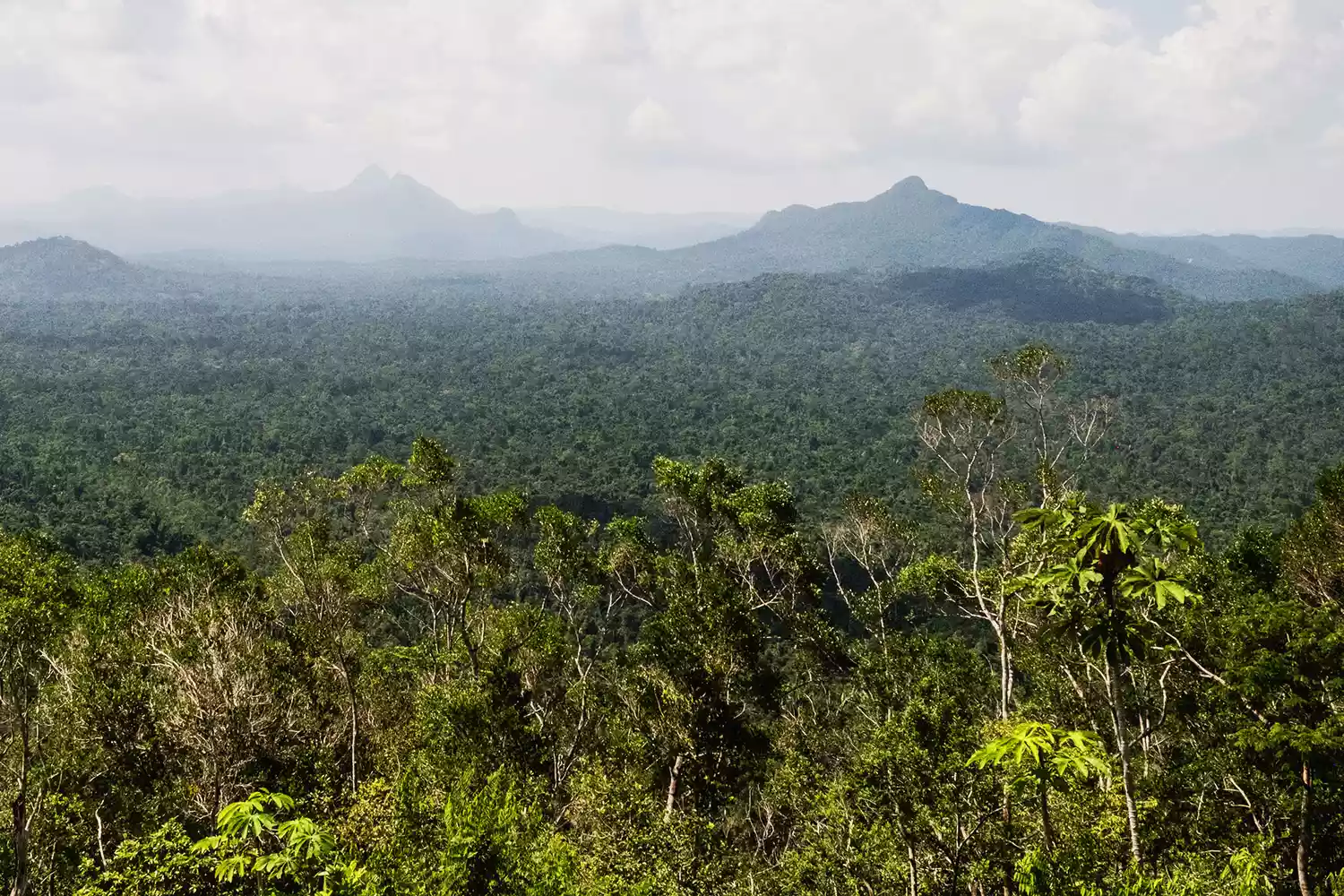
7. Maya Mountains, Belize: Jungles and Waterfalls
Belize is often associated with the Barrier Reef, but the interior Maya Mountains offer a jungle experience that is second to none in Central America. The Cockscomb Basin Wildlife Sanctuary—the world's first jaguar preserve—is a dense, tangled paradise of waterfalls and tropical hardwoods.
I highly recommend the hike to Victoria Peak for those who are physically prepared. It’s a multi-day trek that takes you through various microclimates, from lowland jungle to elfin forest near the summit. For a less grueling but equally lush experience, several eco-chic lodges in the region now feature funiculars that take you from the jungle floor straight down to the Rio Grande river for a morning swim.
Best For: Jungle explorers and those who want to combine a "surf and turf" adventure.
Eco-Tip: Bring biodegradable sunscreen and insect repellent. The water systems in these mountains are incredibly sensitive to chemical runoff.
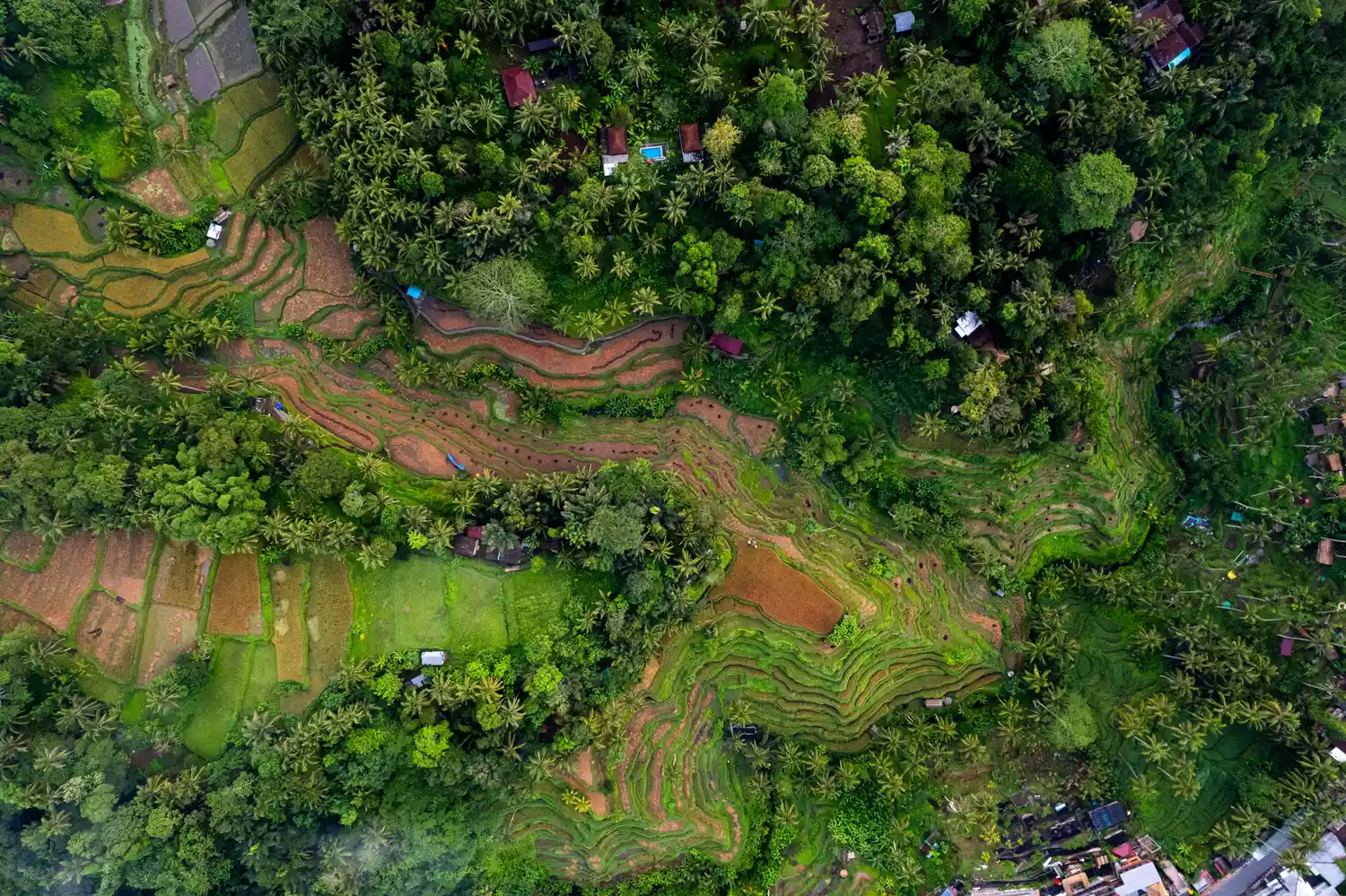
8. Tegallalang Rice Terrace, Bali: The Spiritual Green
Bali is a staple of adventure travel, but the Tegallalang Rice Terraces remain a mandatory stop for anyone seeking the "spiritual green." The terraces follow the traditional Balinese cooperative irrigation system called "Subak," which has been passed down for over a thousand years and is now a UNESCO World Heritage site.
To get the most out of Tegallalang in 2026, you have to beat the crowds. I recommend arriving at dawn. The light hitting the palm trees and the neon-green rice stalks as the valley awakens is a religious experience. Beyond the photo ops, there are miles of trails winding through the nearby jungle and smaller, less-visited terraces like Jatiluwih that offer more solitude.
Best For: Photographers and those looking for a "slow travel" pace.
Eco-Tip: Support the local farmers directly by purchasing snacks or crafts at the stalls along the terrace edges.
9. The Dolomites, Italy: Alpine Lushness
When we think of "lush," we often think of the tropics, but the Dolomites in the summer offer a different kind of verdancy. The high-altitude meadows are carpeted in wildflowers and emerald grass, framed by some of the most dramatic limestone peaks on earth.
The Dolomites are famous for their "via ferrata"—iron paths—that allow non-climbers to scale vertical walls safely. In 2026, the trend here is "Peaks and Plates." You spend your day tackling a grueling via ferrata route and your evening at a mountain rifugio that serves three-Michelin-starred caliber cuisine. It is the ultimate high-value European adventure.
Best For: Climbers and gourmands who want to push their limits and then recover in style.
Eco-Tip: Use the extensive cable car and bus system to move between trailheads rather than renting a car; it’s more sustainable and often faster.
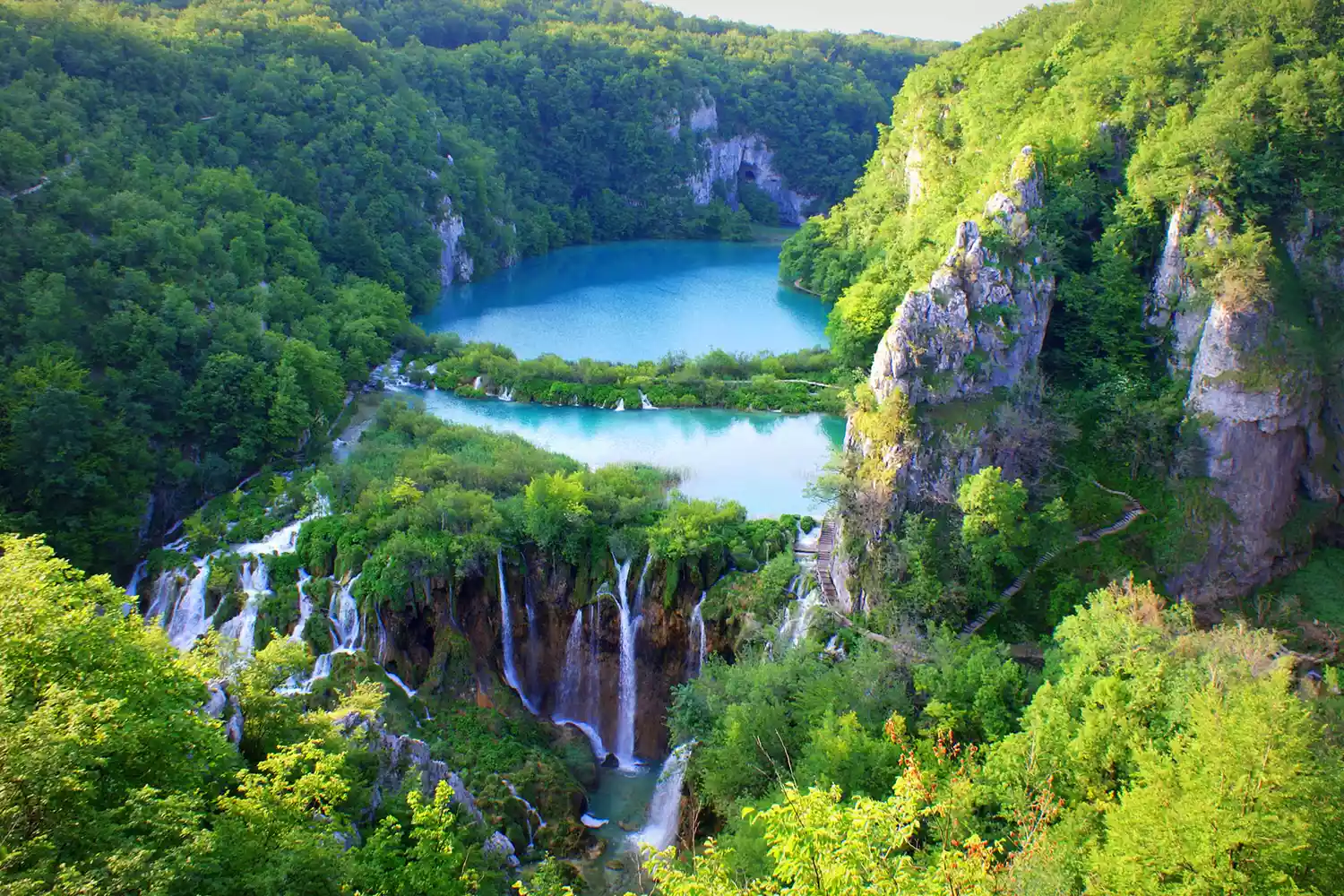
10. Plitvice Lakes, Croatia: Where Water Meets Woods
Plitvice Lakes National Park is a place where the distinction between water and land blurs. 16 interconnected emerald lakes are joined by over 90 waterfalls, all tucked into a heavily forested canyon. The water gets its unique color from the high mineral content and the specific way the light reflects off the travertine barriers.
The best way to see it is by taking Trail K, the longest hiking loop in the park. While most tourists stick to the boardwalks near the big waterfalls, Trail K takes you deep into the beech and fir forests where you’re more likely to see a wild boar or a rare bird than another hiker.
Best For: Sustainable trail hikers and bird watchers.
Eco-Tip: Plitvice has strict visitor caps. Book your entry slot months in advance for 2026 to ensure you can get in.
Emerging Trends: Why Adventure is Changing in 2026
The landscape of adventure travel is undergoing a fundamental shift. Emerging markets in the Middle East and Africa are projected to be primary growth drivers for high-value tourism by 2026. Travelers are no longer satisfied with "passive" nature; they want "active" conservation. This means choosing destinations where their presence contributes to the protection of the ecosystem.
We are also seeing a move toward longer, multi-activity stays. Instead of hopping between five countries in two weeks, the 2026 adventurer is spending ten days in one valley—be it the Congo Basin or the Maya Mountains—to truly understand the rhythm of the land.
2026 Lush Destination Comparison
| Destination | Adventure Difficulty | Primary Ecosystem | Top Wildlife/Feature |
|---|---|---|---|
| Corcovado, Costa Rica | High | Tropical Rainforest | Jaguars, Tapirs |
| Sapa Valley, Vietnam | Medium | Terraced Mountains | Rice Terraces, Fansipan |
| Congo Basin | Very High | Old-growth Rainforest | Lowland Gorillas |
| Hoh Rain Forest, USA | Low | Temperate Rainforest | Ancient Mossy Spruces |
| Al Ula, Saudi Arabia | Medium | Desert Oasis | Via Ferrata, Ancient Ruins |
| Killarney, Ireland | Medium | Highland Moors/Woods | MacGillycuddy's Reeks |
| Maya Mountains, Belize | High | Tropical Jungle | Jaguar Sanctuary |
| Tegallalang, Bali | Low | Managed Terraces | Subak Irrigation System |
| The Dolomites, Italy | High | Alpine Meadow/Peaks | Via Ferrata Routes |
| Plitvice Lakes, Croatia | Low | Karst Lake/Forest | Travertine Waterfalls |
Planning Your 2026 Eco-Expedition
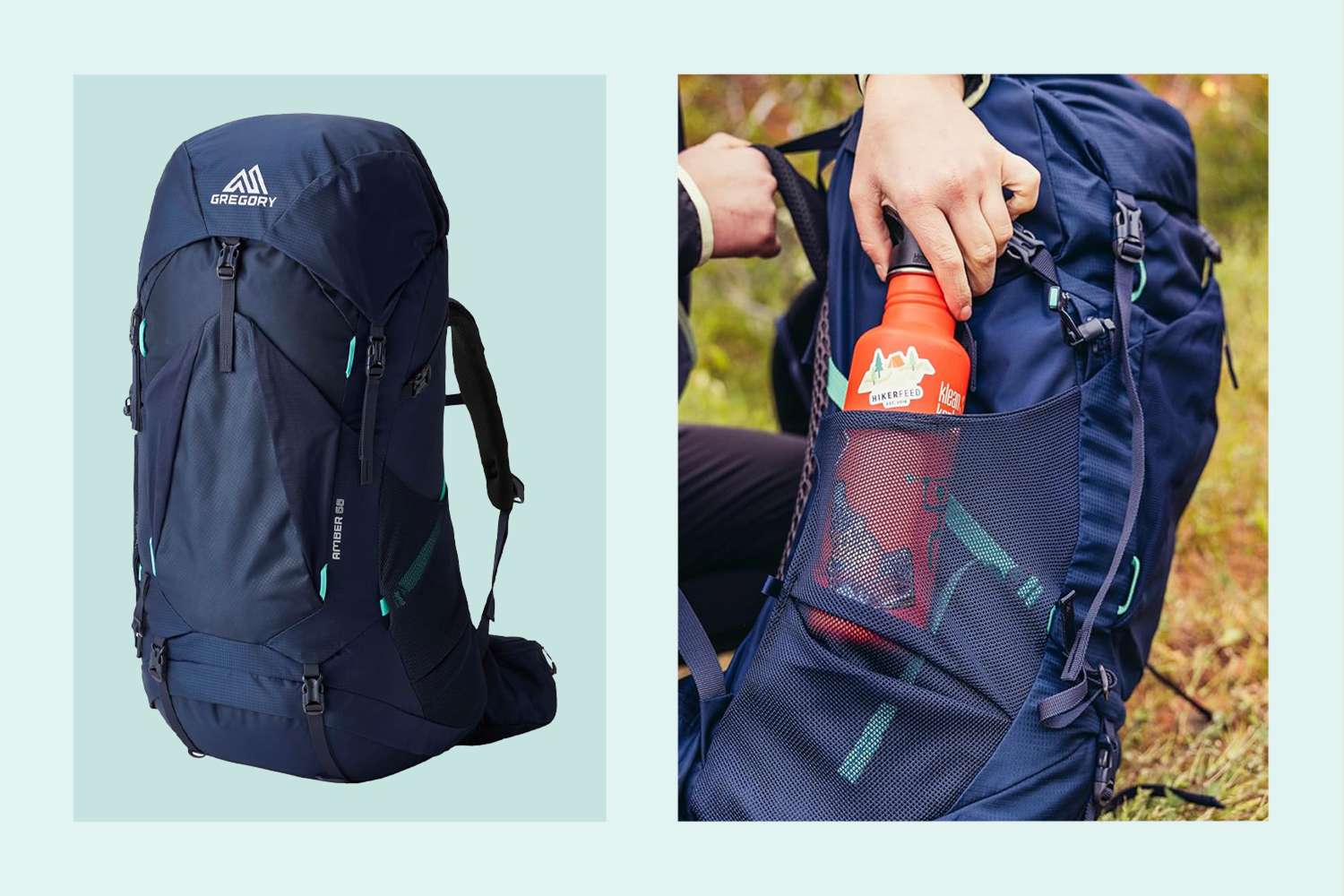
Before you pack your bags, remember that "lush" usually means "wet." Investing in high-quality, breathable rain gear is non-negotiable. Furthermore, as we move into 2026, the emphasis on carbon offsetting and respecting old-growth forests is higher than ever. Look for "Leave No Trace" certified guides and eco-lodges that prioritize renewable energy and waste management.
The world’s greenest landscapes are fragile. As adventurers, our job is to be the witnesses and protectors of these wild places. Get out there, get lost (metaphorically), and let the green heal you.
FAQ
Q: When is the best time to visit lush destinations to avoid the rain? A: Paradoxically, the "lushness" depends on the rain. For tropical spots like Sapa or Corcovado, the shoulder seasons (the transition between wet and dry) offer the best balance of vibrant greenery and manageable weather.
Q: Are these destinations safe for solo travelers? A: Most are very safe, but destinations like the Congo Basin or the remote parts of the Maya Mountains should always be explored with a certified local guide due to the complexity of the terrain and wildlife.
Q: How do I choose between a tropical and a temperate rainforest? A: Tropical rainforests (like Belize or Costa Rica) offer higher biodiversity and warmth, while temperate rainforests (like the Hoh or Killarney) offer more comfort and a specific "silent" atmosphere that is hard to find in the tropics.