I’ve spent the last decade crossing borders, from the rugged trails of Patagonia to the neon-soaked alleys of Tokyo. But if you want to see where a traveler’s true metal is tested, don’t look at the summit of a mountain—look at the boarding gate of an international flight.
There is a silent, high-stakes language being spoken in the air. Expert flight attendants will tell you that they can identify a pro solo traveler within the first 10 seconds of boarding. In fact, internal industry insights suggest that 85% of frequent solo travelers are identified almost instantly based on their "relaxed confidence" and aisle efficiency. They don't fumble; they flow.
As we look toward traveling solo in 2026, the landscape is shifting. With a projected 40% increase in the use of specialized safety apps and pre-planned "together moments," the modern solo flier isn't just someone who travels alone—they are a tactician who uses non-verbal communication to navigate the cabin with authority and safety.
1. The Boarding 'Boom': Efficiency as a Language
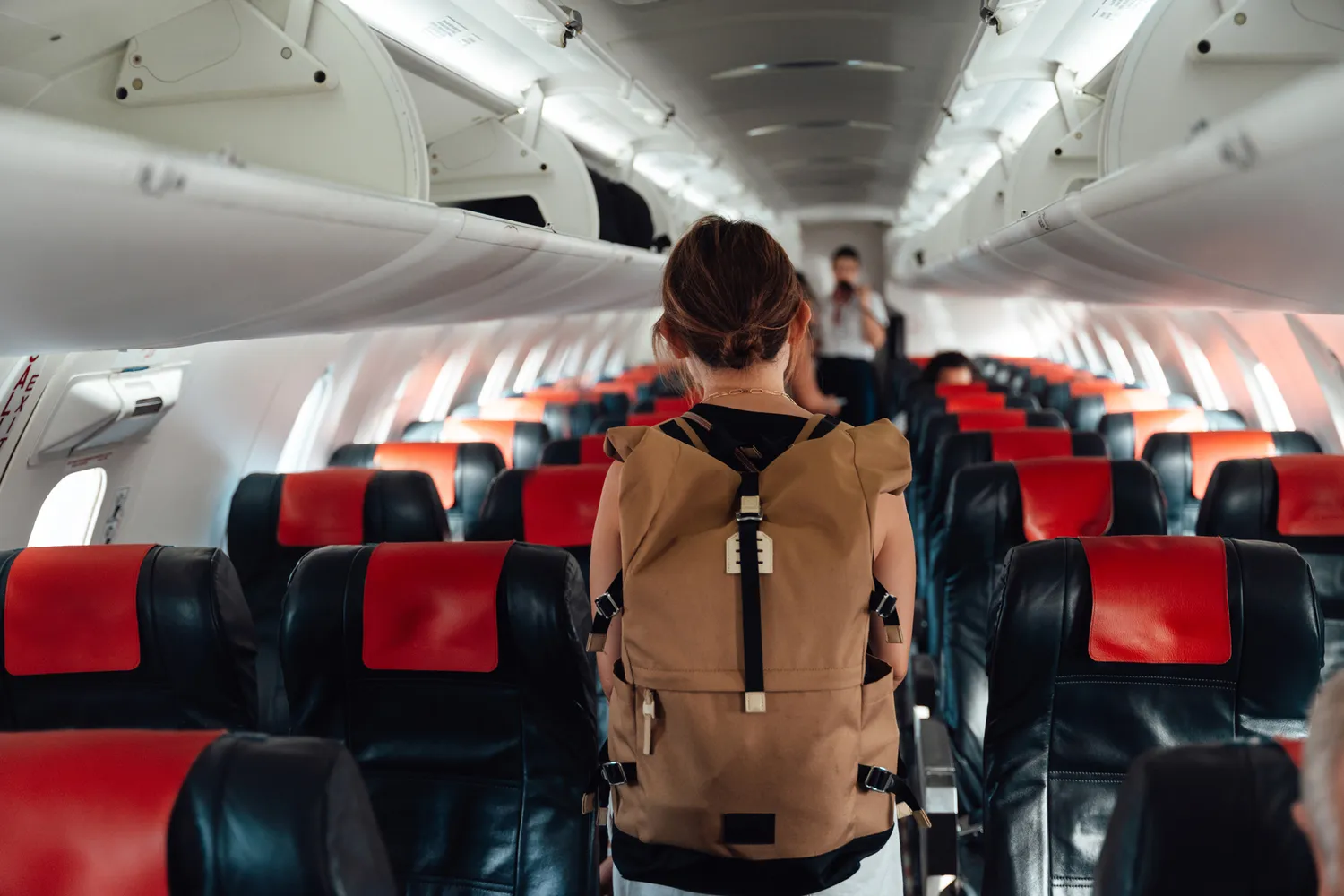
When a pro solo traveler steps onto the aircraft, they aren't looking for their seat number like it’s a hidden treasure on a map. They already know exactly where they are going. This "No-Fumble" entry is the primary marker of frequent flier habits.
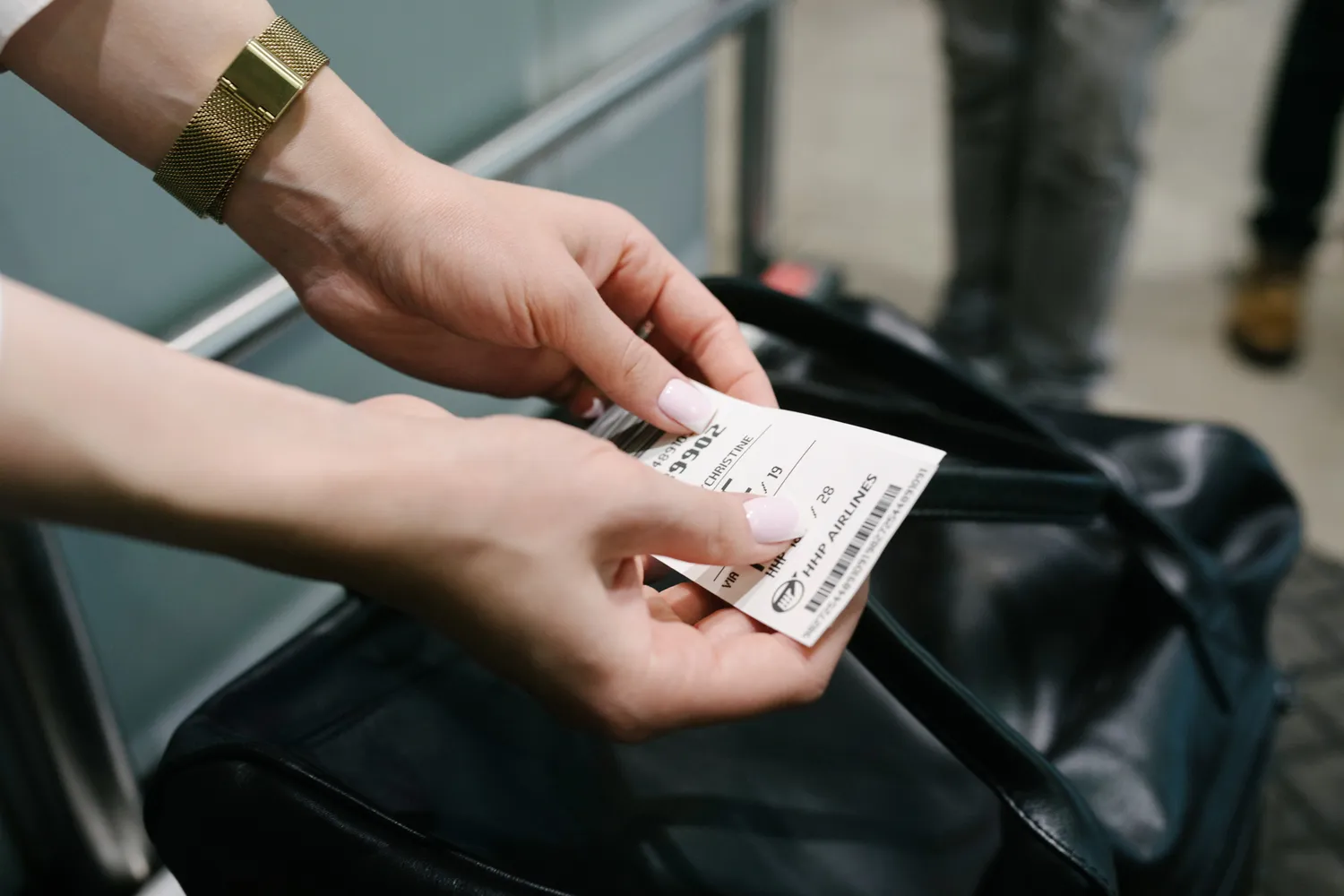
A pro moves with a specific rhythm. They have their boarding pass ready on their watch or phone—never digging through a deep pocket. They identify their overhead bin space from three rows away, hoist their bag in one fluid motion, and slide into their seat. They don't block the aisle to take off their jacket; they do that once they are in their "territory."
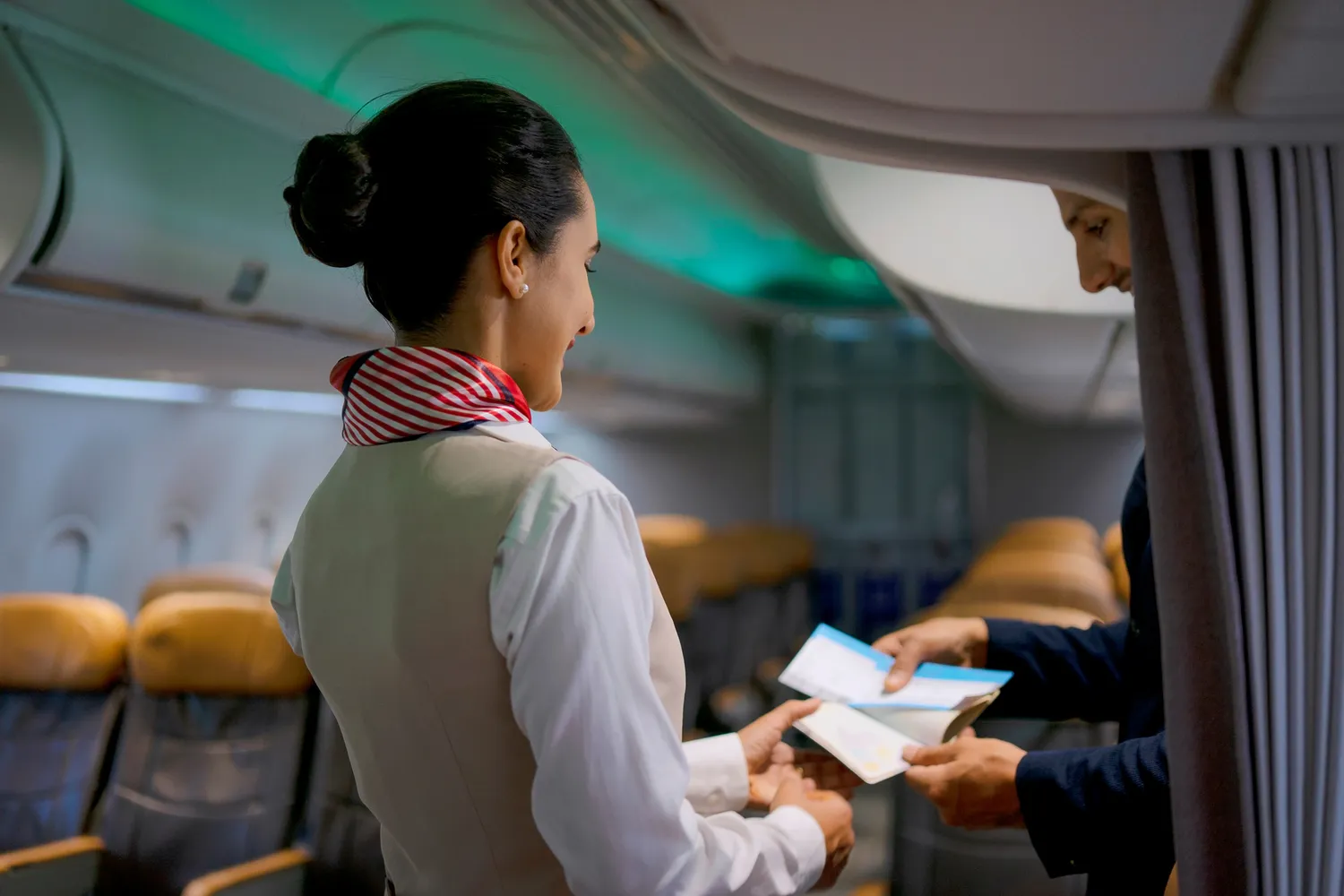
The Crew Connection One of the most overlooked aspects of pro solo traveler body language is the "Cabin Crew Salute." A seasoned traveler makes brief, direct eye contact with the flight attendant at the door, offers a genuine smile, and a verbal "Good morning." This isn't just being polite; it’s a tactical move. It establishes you as an experienced, low-maintenance passenger, which often leads to better service and a watchful eye from the crew if things get rowdy in the cabin.
Pro-Tip: Always keep your "Essentials Kit"—headphones, tablet, and a water bottle—in a small dedicated pouch inside your carry-on. Pull it out before you reach your row so you never have to reopen the overhead bin once seated.
2. The Cockpit of Comfort: Post-Takeoff Rituals
Once the "Fasten Seatbelt" sign dings, the pro solo traveler begins their transformation of a 17-inch seat into a high-functioning command center. This organization isn't just about comfort; it’s about signaling. By immediately setting up your space, you signal to your seatmates that you are occupied, self-sufficient, and not necessarily looking for a five-hour chat.
Menu Mastery and Pre-Orders Nothing screams "first-time flier" like staring at the seatback menu for twenty minutes with a look of confusion. Pros show familiarity with in-flight offerings or, more commonly, they’ve pre-ordered a special meal. This ensures they are fed first, allowing them to maximize sleep or work time while the rest of the cabin is still waiting for the cart.
The Habit Checklist for Seat Success:
- The Headphone Shield: Wearing noise-canceling headphones (even without music) is the universal "Do Not Disturb" sign.
- The Tech Tether: Cables are managed, not tangled. Use a short 1-foot cable for seatback charging to avoid the "spaghetti" look.
- Hydration Control: Pros always have their own water. Relying on the 4-ounce cups from the trolley is a rookie mistake that leads to dehydration-induced fatigue.
3. The Silent Safety Protocol: Projecting Awareness
For many, solo travel flight safety is about what you do if something goes wrong. For the pro, it’s about what you project so that nothing goes wrong in the first place. This is called "Situational Awareness" (SA).
Pro solo travelers maintain a "relaxed-alert" state. They aren't hyper-vigilant or paranoid; they are simply observant. They know where the nearest two exits are, they notice who is sitting around them, and they maintain a posture that suggests they are grounded and in control.
The 'Non-Verbal' Safety Shield
- The Exit Row Confidence: If you're in an exit row, look the crew in the eye when they do the briefing. A firm "Yes" and a nod show you are a capable asset, not a liability.
- The Privacy Pivot: When entering your passcode or looking at a map, pros use a privacy screen or pivot their body. They never display live location data or hotel addresses to a curious seatmate.
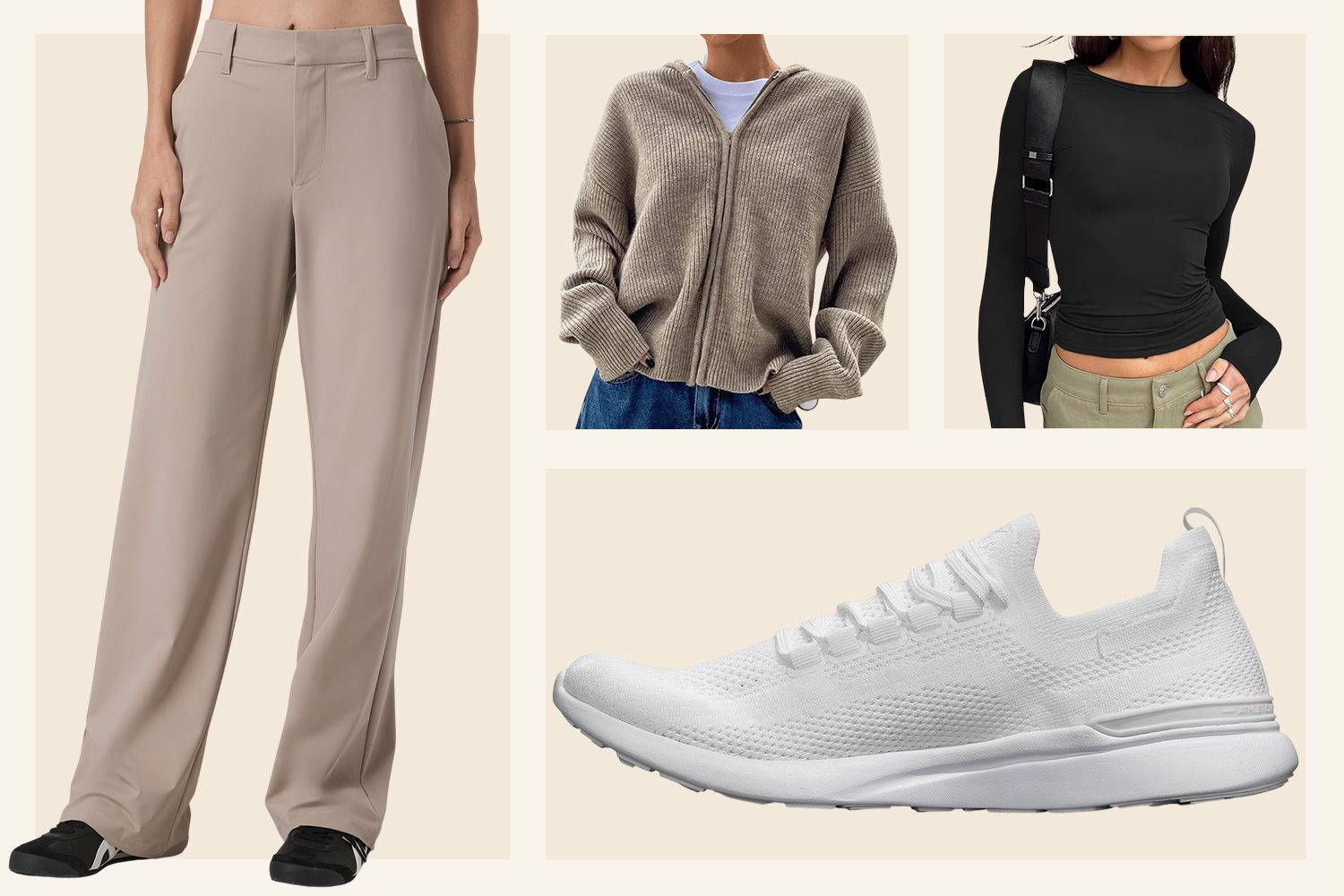
- The Footwear Rule: You’ll rarely see a pro solo traveler in flip-flops. They wear slip-on boots or sneakers—shoes you can actually run in if an evacuation happens.
4. The 2026 Solo Tech Shift
As we head into 2026, the definition of a "prepared" solo traveler is evolving. Tech is no longer just for entertainment; it’s a layer of the airplane non-verbal communication strategy. We are seeing a 40% increase in the use of specialized safety apps that check-in automatically via satellite or Wi-Fi.
Managing the Digital Footprint The biggest mistake a solo traveler can make is posting "Live" from the airport lounge or their seat. Pros wait. They post their "boarding" photos when they are already at their destination. This prevents anyone from knowing exactly where they are in real-time—a crucial element of traveling solo in 2026.
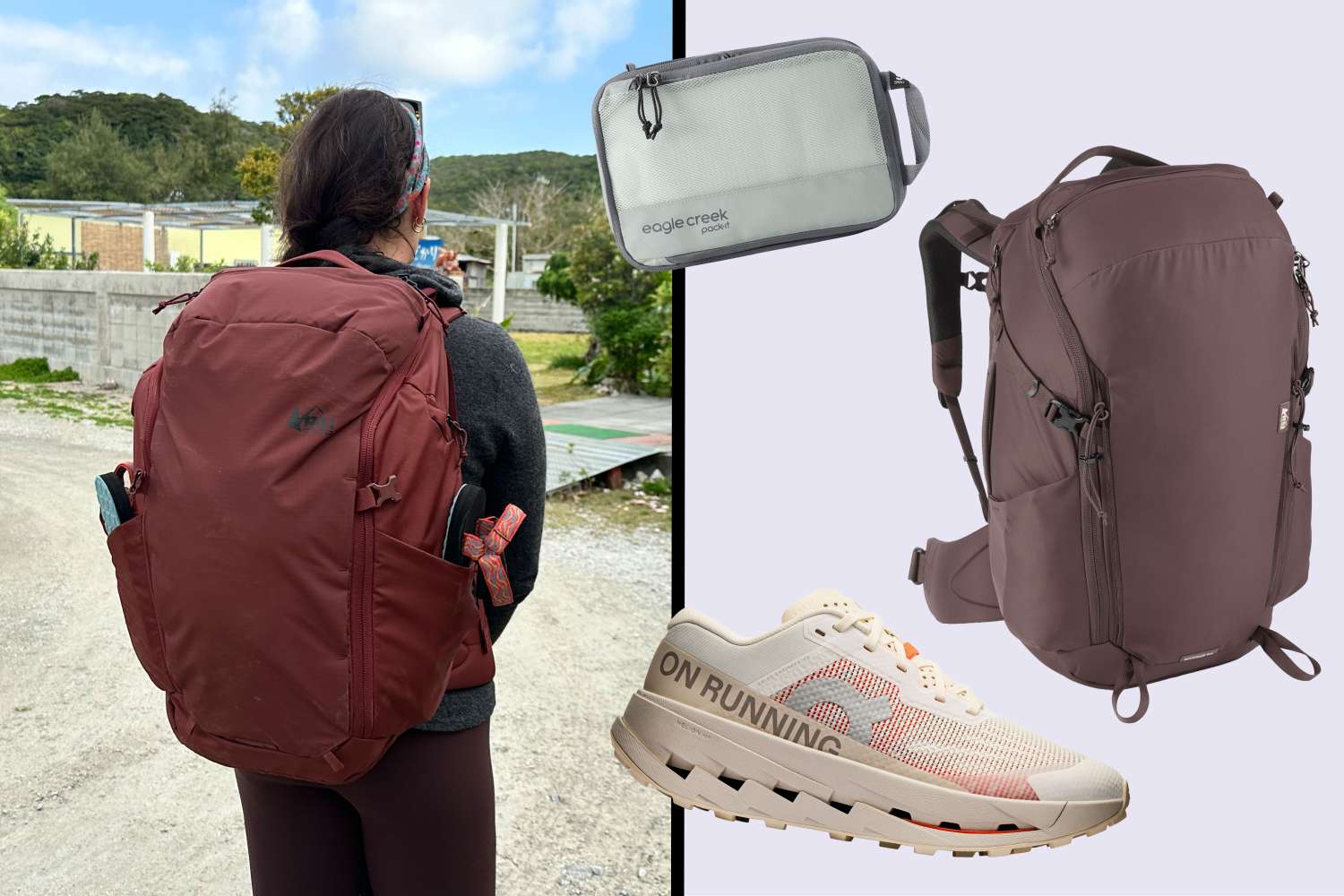
Tactical Gear The expert traveler uses anti-theft accessories that don't look tactical. Think hidden-waist RFID pouches that look like high-end belts, or backpacks with "blind" zippers that face your back. This gear allows you to move through the airport without screaming "I have valuables!" to every bystander.
Pro-Tip: Download an offline map of your destination city before you board. Relying on airport Wi-Fi to find your way to the hotel is when you look most vulnerable—standing still, staring at a phone, looking lost.
5. From Anxious to Authoritative
Ultimately, the body language of a pro solo traveler is a muscle that you build through repetition. It’s the result of realizing that solo travel isn't about being "alone"—it's about being the lead architect of your own experience.
When you stop fumbling with your luggage and start moving with intent, your entire travel experience changes. You’re no longer a passenger being moved from point A to point B; you’re an operator navigating the globe. This shift in mindset from anxious to authoritative is the ultimate secret to safe, successful solo expeditions.
FAQ
Q: How do I avoid unwanted conversations with seatmates without being rude? A: Use the "Short Answer + Headphone" combo. Answer a question politely but briefly, then immediately put your headphones back on or return to your book. It’s a clear non-verbal cue that the social window is closed.
Q: Is it really necessary to pre-order meals? A: For solo travelers, yes. It gives you more control over your schedule. You eat earlier, which means you can settle in for sleep or work while others are still being served, reducing the time you're "exposed" and active in the cabin.
Q: What is the number one thing flight attendants look for in a "pro"? A: Aisle efficiency. If you can get into your seat and clear the aisle in under 15 seconds without hitting anyone with your bag, you have officially earned your "pro" status in their eyes.