Quick Facts
- Park Layout: Two distinct districts (East and West) separated by a 30-mile, one-hour drive across the city of Tucson.
- Top Attraction: Ultra-dense saguaro forests in the West and over 200 Hohokam petroglyphs at the Signal Hill site.
- Peak Bloom: The rare window from late April to early June when the giant cacti erupt in white blossoms.
- Camping Status: Backcountry only; no drive-in campgrounds or RV sites exist within the park boundaries.
- Elevation Peak: 8,668 feet at Mica Mountain, offering a dramatic Sky island habitat shift from desert to pine forest.
- Visitor Pass: $25 per vehicle, providing a 7-day entry permit valid for both park districts.
Saguaro National Park protects the most iconic landscape of the Sonoran Desert, home to over 2 million towering Carnegiea gigantea. Whether you're exploring the dense cactus forests of the Tucson Mountain District (West) or the remote sky islands of the Rincon Mountain District (East), this desert is a biodiverse haven for outdoor enthusiasts.
Saguaro National Park is split into the Tucson Mountain District (West) and the Rincon Mountain District (East), offering everything from scenic drives to 6,000-foot vertical climbs. Each side provides a unique experience, from the accessible, cactus-crowded hillsides of the West to the rugged, high-altitude wilderness of the East.
Tucson Mountain District (West): Cacti and Culture
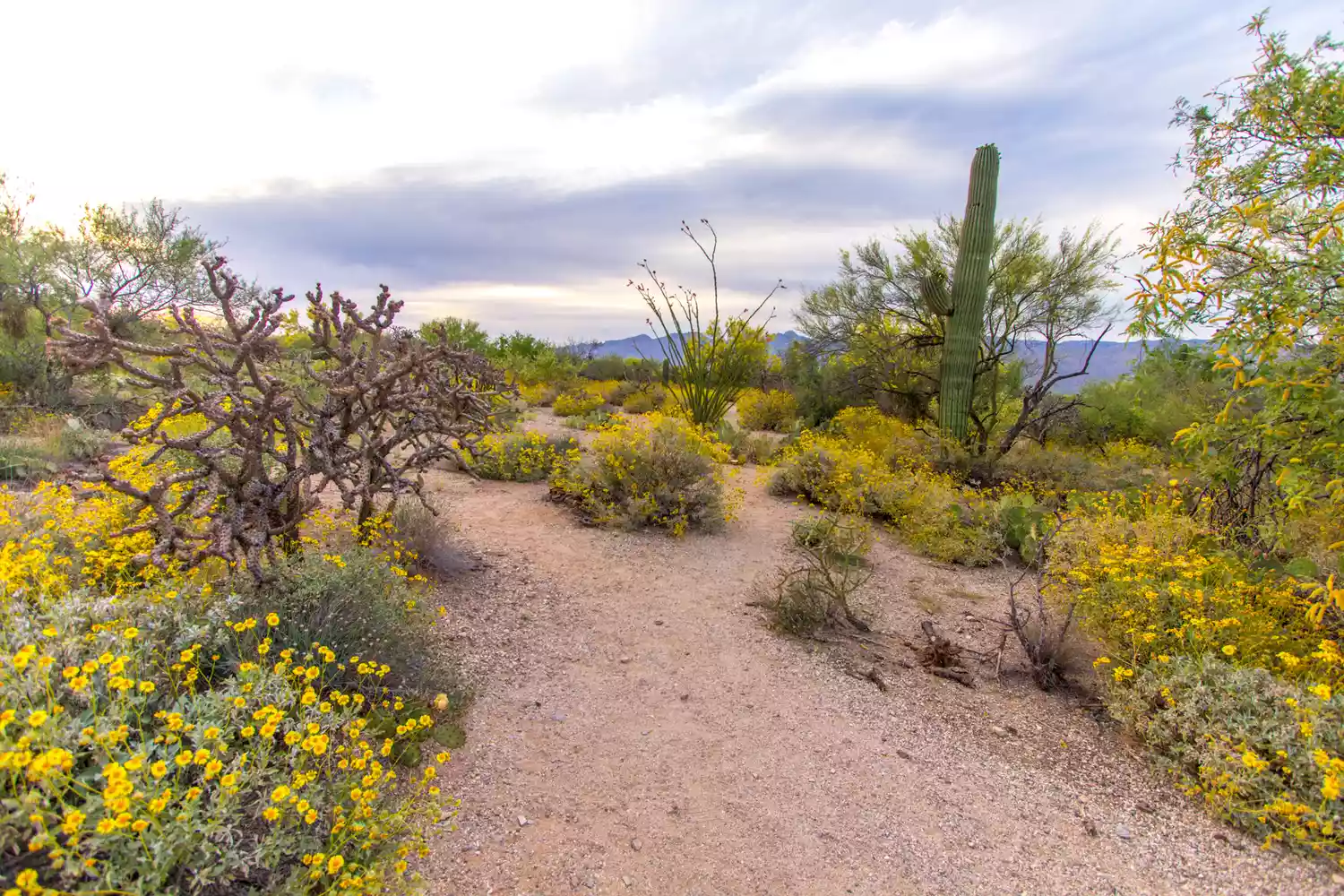
When people picture the American West, they are usually picturing the Tucson Mountain District. This is the more visited side of saguaro national park west, and for good reason. The density of the Carnegiea gigantea here is staggering; they stand like a silent, prickly army across the bajadas. If you are short on time but want the most visual bang for your buck, this is where you start.
I always tell people to head straight for Signal Hill. It is an easy walk that leads you to a collection of Hohokam petroglyphs. Standing there, looking at 800-year-old rock art while surrounded by ancient cacti, gives you a profound sense of the human history in the Sonoran Desert. For those seeking more of a challenge, Wasson Peak is the crown jewel of the West district. It is the highest point in the Tucson Mountains, and the 360-degree views from the top are unbeatable.
If you are looking for the best sunset spots in saguaro national park, the West district wins every time. As the sun dips behind the jagged peaks, the silhouettes of the saguaros create a prehistoric skyline. The bajada loop drive offers several pull-offs that are perfect for photographers looking to catch that golden hour glow.
Top Trails in the West District:
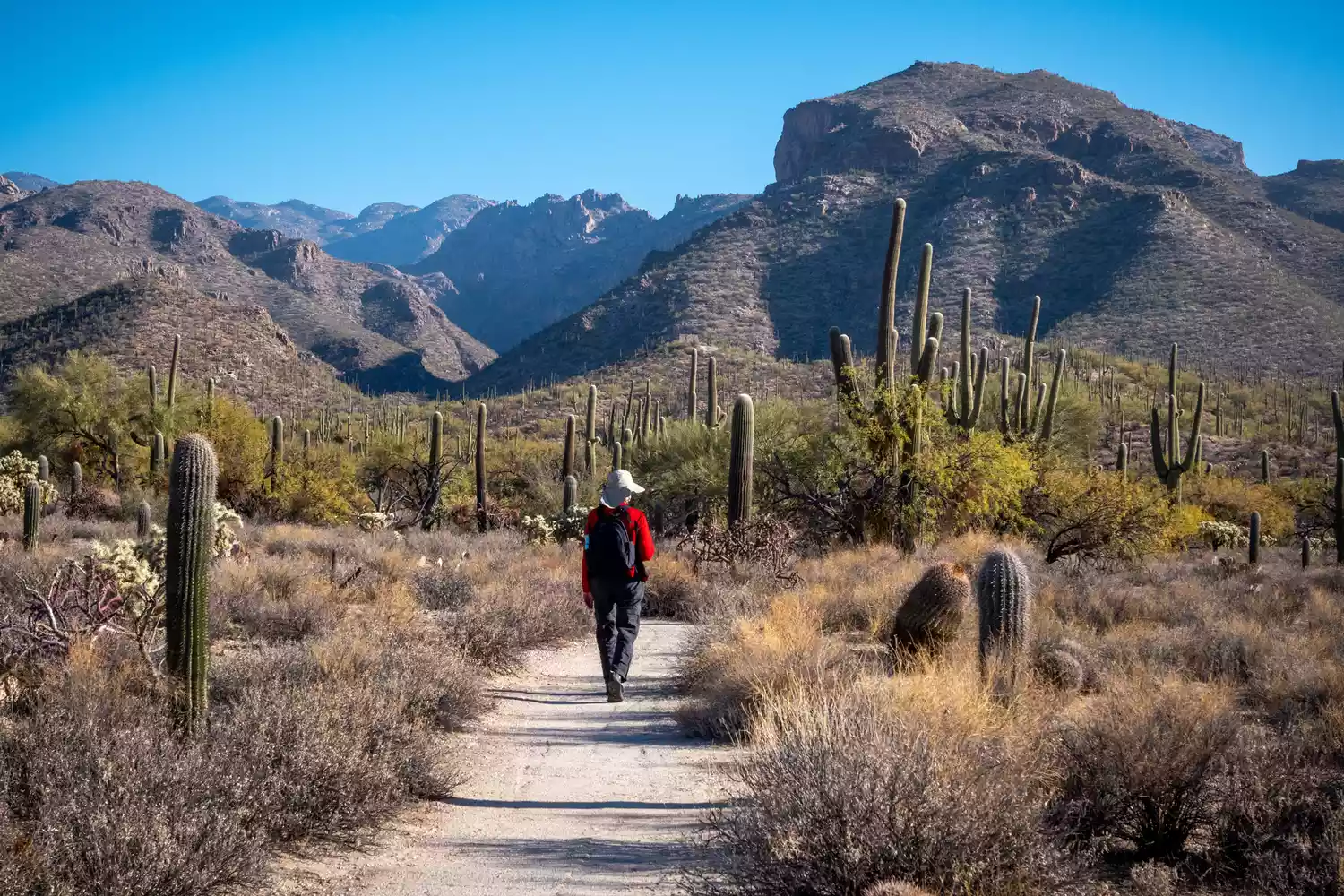
- Valley View Overlook Trail: An easy 0.8-mile round trip that offers a classic desert vista.
- Desert Discovery Nature Trail: A paved, 0.5-mile loop perfect for families and those looking for an accessible introduction to desert flora.
- King Canyon to Wasson Peak: A strenuous 7-mile trek for those who want to earn their view.
Rincon Mountain District (East): The Wilderness & Backcountry
While the West is about the "wow" factor, saguaro national park east is about the soul of the wilderness. The Rincon Mountain District is significantly larger and much more rugged. This is where you go to lose the crowds. The geography here is dominated by the Rincon Mountains, which create a Sky island habitat—a unique ecological phenomenon where you can transition from desert scrub to cool oak and pine forests in a single afternoon.
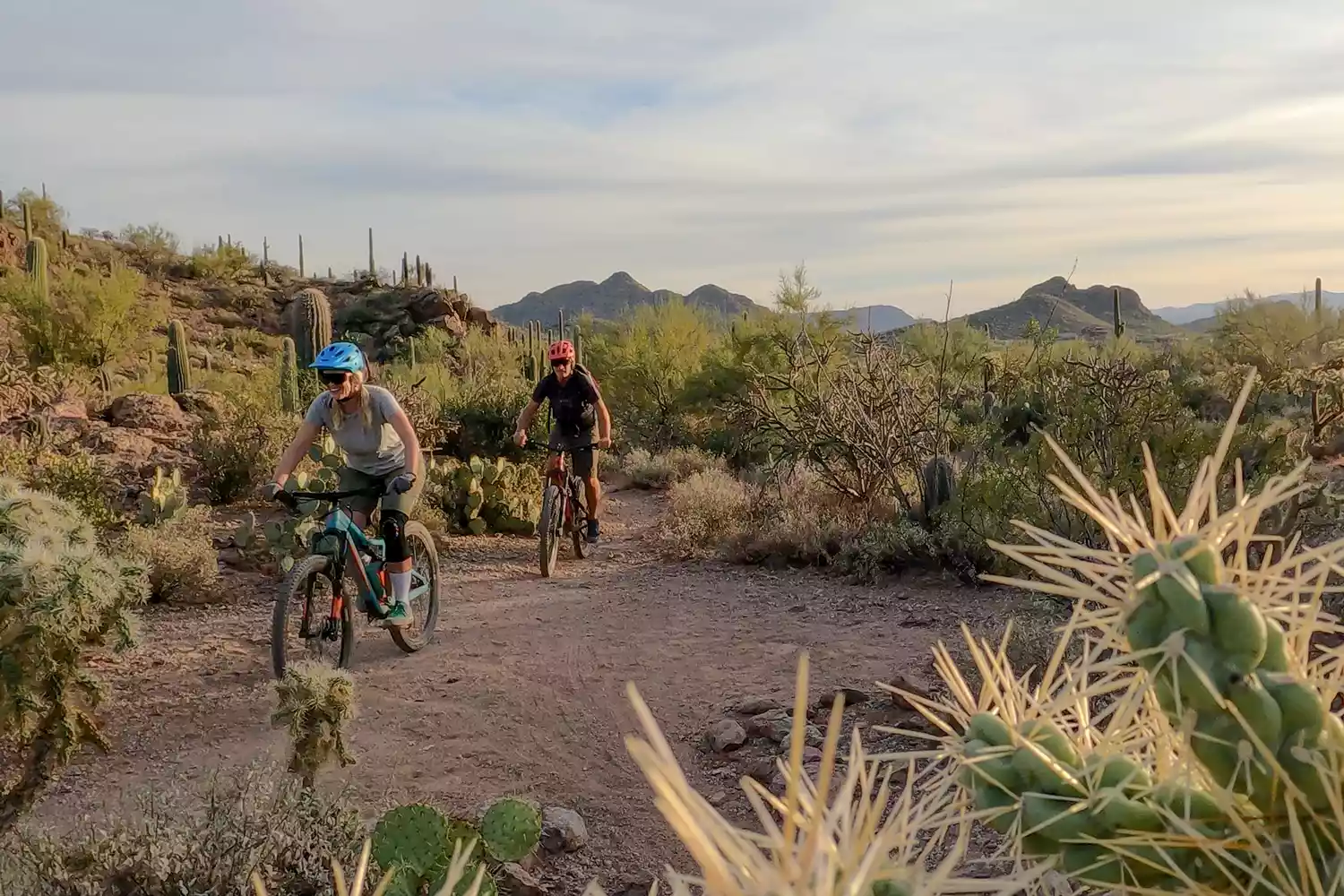
The primary artery here is the Cactus Forest Drive. It is an 8-mile, one-way paved loop that is a favorite for biking saguaro national park scenic loops. The road is narrow and winding, with steep dips that make for an exhilarating ride. Just keep an eye out for Gila monsters basking on the pavement; they move slowly but deserve plenty of space.
For hikers, the East district offers a vertical playground. You can start your morning among the prickly pears at Javelina Rocks and end your day in a sub-alpine forest. It is a grueling climb, but reaching places like Manning Camp makes you forget the desert heat below. This side of the park feels vast and untamed, a true testament to the resilience of life in an arid environment.
Saguaro National Park Camping: A Backpacker’s Guide
If you want to spend the night under the stars, you have to work for it. There is no traditional drive-in saguaro national park camping. Instead, the park offers six designated wilderness campgrounds, all located in the Rincon Mountain District. These sites require Wilderness area permits, which you must secure in advance via Recreation.gov.
Camping here is a lesson in self-reliance. There is no running water at any of these sites, and while some have seasonal springs, you should never count on them. You must carry in every drop of water you need. Manning Camp is the most famous of the sites, originally built by a former Tucson mayor as a summer retreat. At nearly 8,000 feet, it stays significantly cooler than the desert floor, making it a vital refuge for summer adventurers.
| Campground Name | Elevation | Distance from Nearest Trailhead | Water Availability |
|---|---|---|---|
| Douglas Spring | 4,800 ft | 6.5 miles | Very seasonal (unreliable) |
| Grass Shack | 5,300 ft | 10.0 miles | Seasonal stream |
| Juniper Basin | 6,000 ft | 6.9 miles | Seasonal (unreliable) |
| Happy Valley | 6,200 ft | 3.9 miles (from Miller Creek) | Seasonal stream |
| Manning Camp | 7,920 ft | 13.5 miles | Permanent spring (usually) |
| Spud Rock | 7,400 ft | 13.5 miles | Very seasonal |
Seasonal Survival: Blooms, Monsoons, and Best Times to Visit
People often ask me when they should plan their trip. While most think of the desert as a dry, dead place, the Sonoran Desert is surprisingly lush. In fact, it is often called a "wet" desert compared to its neighbors. For perspective, the world's most extreme "wet" desert, Lençóis Maranhenses National Park in Brazil, receives up to 2,000 millimeters of rain annually. That is nearly eight times what defines a typical desert! While Saguaro doesn't reach those levels, its dual rainy seasons make it incredibly vibrant.
The best time for saguaro cactus blooms is late April and May. The tips of the saguaro arms fill with creamy white flowers that smell like overripe melons. It is a spectacle that attracts everyone from nectar-feeding bats to hordes of photographers. Winter (November to March) is the prime time for long-distance hikes in saguaro national park, as daytime temperatures hover in the comfortable 60s and 70s.
However, you should generally avoid July and August. This is the monsoon season. While the storms are breathtaking, they bring dangerous flash floods and lightning. A dry wash can turn into a raging river in minutes. If you are out there during a storm, get to high ground immediately.
Desert Survival Kit
- Water: One gallon per person, per day. No exceptions.
- Fine-tooth Comb: This is the best tool for flicking off "jumping" cholla cactus joints without using your fingers.
- Salts/Electrolytes: You lose more than just water when you sweat in the desert.
- Sun Protection: A wide-brimmed hat and UPF-rated clothing are better than sunscreen alone.
The Gateway Connection: Tucson’s UNESCO Gastronomy
One of the best things about this park is its proximity to Tucson. You can spend the morning trekking through the Rincon Mountain District and the evening enjoying world-class Mexican food. Tucson was the first city in the U.S. to be designated a UNESCO City of Gastronomy, and the food scene here is an adventure in its own right.
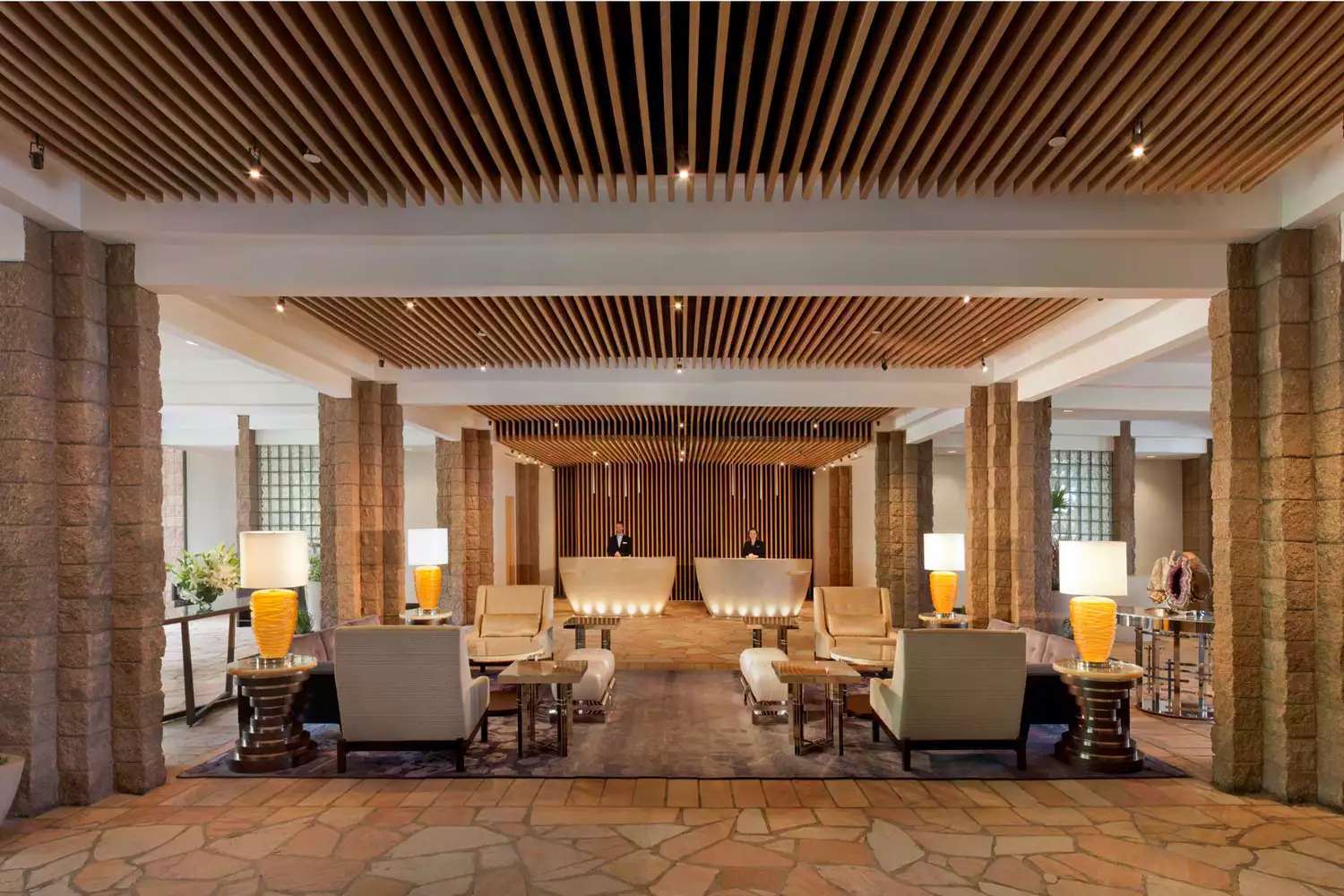
After a long day on the trails, I usually head to Saguaro Corners, located right on the edge of the East district. It is a local staple where you can grab a cold beer and watch the sunset over the very mountains you just climbed. If you are looking for places to stay near saguaro national park, the city offers everything from rugged campsites on the outskirts to luxury desert resorts that blend into the landscape.
Exploring saguaro national park west tucson and the eastern wilderness gives you a full picture of what makes this region so special. It is a place of extremes—where life thrives in the heat, and ancient giants watch over the shifting sands.
FAQ
Can you just drive through Saguaro National Park?
Yes, both districts offer scenic driving loops. The Tucson Mountain District (West) features the Bajada Loop Drive, which is a graded dirt road suitable for most vehicles. The Rincon Mountain District (East) features the Cactus Forest Drive, a paved 8-mile loop that is excellent for sightseeing and photography.
What is the best month to visit Saguaro National Park?
April and May are the best months if you want to see the saguaro blossoms and vibrant wildflowers. For those focused on strenuous hiking, the cooler months of January and February provide the most comfortable temperatures for long days on the trail.
Which side of Saguaro National Park is better?
It depends on your goals. The West district is better for seeing high-density cactus forests, petroglyphs, and sunsets with less effort. The East district is better for backcountry hiking, road cycling, and experiencing the transition from desert to mountain forest environments.
Is Saguaro National Park a dark sky park?
While Saguaro National Park is not an officially designated International Dark Sky Park, it offers excellent night sky viewing opportunities, especially in the remote areas of the Rincon Mountain District. The park frequently hosts ranger-led "Star Parties" to help visitors navigate the constellations.
How many days do you need in saguaro?
You can see the highlights of one district in a single day, but to truly experience both sides, you need at least two full days. If you plan on camping in saguaro national park or hiking to the higher elevations of the East district, allow for three to four days.