Quick Facts
- Entry Fee: $25 per vehicle (valid for 7 days) or a National Park Pass.
- Top Attraction: Pierce Stocking Scenic Drive (7.5-mile loop with 12 overlooks).
- Physical Challenge: The Dune Climb (3.5 miles round trip to reach the water).
- Best Visit Window: September offers the best balance of warm water, fall colors, and manageable crowds.
- Safety Alert: Rescue fees for those stranded on steep bluffs can exceed $3,000.
- Direct Answer: Sleeping Bear Dunes National Lakeshore offers diverse outdoor activities, including the challenging Dune Climb, the 7.5-mile Pierce Stocking Scenic Drive, and biking the Sleeping Bear Heritage Trail. Visitors can explore the historic Glen Haven Village, hike the Empire Bluffs Trail for panoramic Lake Michigan views, or kayak the gentle Platte River toward the lakeshore.
Michigan's lakeshore offers more than just views; it’s an adventure landscape dominated by the massive perched sand dunes of Sleeping Bear Dunes National Lakeshore. Whether you're planning a family trip to Glen Haven or a strenuous hike to the Lake Michigan shore, understanding the terrain is key to a successful visit. To make the most of your trip, I recommend visiting during the best time of year to visit sleeping bear dunes, which is typically late summer or early autumn when the lake is warm enough for a swim but the air has a crisp, expedition-ready edge.
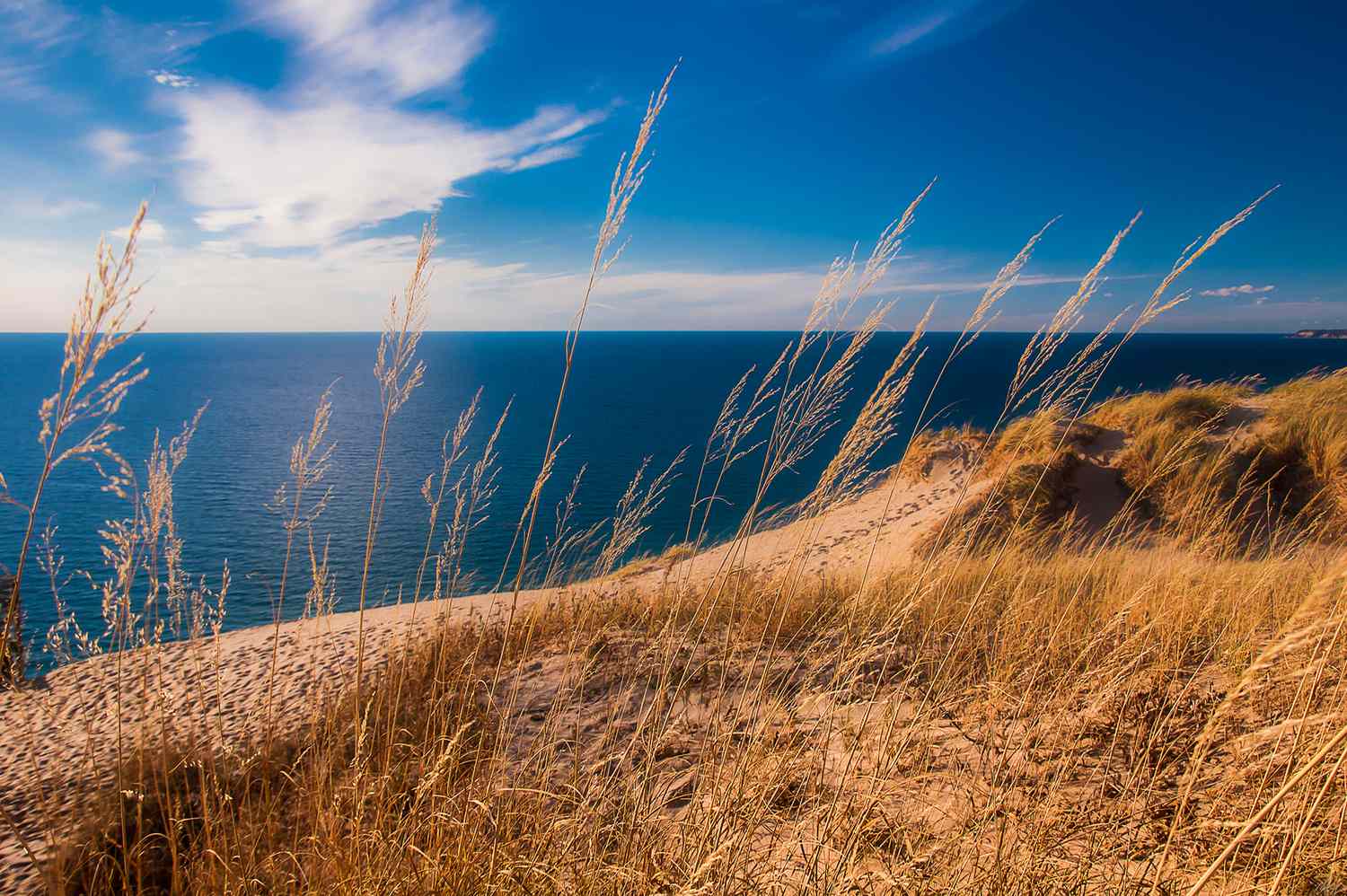
Driving the Pierce Stocking Scenic Drive
If you want the maximum visual payout with the least amount of legwork, the sleeping bear dunes pierce stocking scenic drive is your first stop. I’ve driven some of the best coastal roads in the world, and this 7.5-mile loop holds its own. It’s a masterclass in glacial landforms and perched sand dunes that feel more like the Sahara than the Midwest.
The drive features 12 designated stops, but you need to prioritize Stop #9 and Stop #10. Stop #9, the Lake Michigan Overlook, is the crown jewel. Standing on the observation deck, you are 450 feet above the water. The scale is disorienting. From this height, the massive freighters on the horizon look like toy boats. It is an incredible spot for photography, especially during the golden hour, but I advise getting there early in the morning to beat the caravan of tour buses.
Between the stops, you’ll drive through a dense beech-maple forest that provides a cool, shaded canopy. It’s a stark contrast to the sun-bleached sand at the overlooks. Keep an eye out for Stop #3, which provides a great view of the Glen Lakes. This is where you truly appreciate how the glaciers carved this landscape. The drive is open to vehicles, but if you’re looking for a serious workout, you can bike it—just be prepared for some punishing grades that will test even the most seasoned cyclists.
Tackling the Dune Climb and Backcountry Hiking
Most people see the dunes from the road, but to really understand this place, you have to get your boots (or bare feet) in the sand. The dune climb sleeping bear dunes is the park’s most famous physical challenge. At first glance, it looks like a simple hill of sand. Don't let that fool you. This is a 3.5-mile round trip trek over undulating hills of soft, shifting sand to reach the Lake Michigan shore.
When I first tackled this, I underestimated the "false peaks." You reach the top of the first big hill thinking you’re done, only to see another one, and another. It usually takes about 3 to 4 hours to complete the full hike to the lake and back. The National Park Service has installed blue-topped trail markers to keep hikers on track. My advice? Follow them. Getting turned around in the dunes is easier than you think, especially when the wind picks up and obscures your footprints.
If the Dune Climb feels too daunting, I highly recommend the Empire Bluffs Trail. It’s a 1.5-mile round trip through a coastal forest that opens up to a high boardwalk with a sweeping view of the Leelanau Peninsula. It’s a high-reward hike that’s accessible for most fitness levels. Along the way, keep an eye out for the delicate piping plover habitat. These small shorebirds are endangered, and the park works hard to protect their nesting grounds. Respect the closures and stay on the designated paths to help preserve this fragile ecosystem.
Hiking the Dunes Trail to Lake Michigan: A Quick Guide
| Feature | Dune Climb (Main) | Empire Bluffs Trail |
|---|---|---|
| Distance | 3.5 miles round trip | 1.5 miles round trip |
| Terrain | Deep sand, no shade | Forested, packed earth, boardwalk |
| Time | 3 - 4 hours | 45 - 60 minutes |
| Difficulty | High | Moderate |
| Best For | Endurance test | Sunset views |
Water Sports and Biking: Beyond the Sand
While the sand is the main draw, the water and woods offer a different kind of adventure. One of my favorite sleeping bear dunes things to do is kayaking platte river sleeping bear dunes. The Platte River is crystal clear and shallow, making it perfect for a relaxed float. It winds through beautiful wetlands before emptying directly into Lake Michigan. The current does most of the work for you, so it’s a great option if your legs are spent from hiking.
For those who prefer two wheels, the sleeping bear heritage trail biking guide is your best friend. This hard-surfaced trail stretches over 20 miles, connecting Glen Arbor to the various park attractions. It’s a fantastic way to move between trailheads without having to deal with parking lots during the peak summer season. I recommend starting in Glen Arbor, grabbing a coffee, and heading south toward the Dune Climb.
Don't miss the Glen Haven Historic Village. This preserved port town offers a deep dive into the maritime history of the region. You can visit the blacksmith shop or the Glen Haven Canning Co., which now serves as a museum. Seeing the old rescue boats and learning about the shipwrecks in the Manitou Passage gives you a real appreciation for how wild these waters can be. It’s a great educational break between the high-octane outdoor segments of your trip.
Essential Logistics: Camping and Stargazing
Finding a place to stay is half the battle. If you’re looking for sleeping bear dunes national lakeshore camping, you have two primary options: the D.H. Day Campground and the Platte River Campground.
- D.H. Day Campground: This is the more "rustic" option. It’s located near Glen Haven and offers a true woods-and-water feel. There are no electric hookups here, so it’s popular with tent campers and those who want to disconnect.
- Platte River Campground: This is a more developed site with electric hookups and showers. It’s closer to the river and provides easier access for kayaking.
Both sites require reservations well in advance, often six months out for the summer months. For those seeking true solitude, I suggest looking into backcountry camping on North or South Manitou Islands. It requires a ferry ride and a commitment to carry all your gear, but the reward is empty beaches and some of the best dark sky stargazing in the country. The park is a designated Dark Sky Park, meaning the lack of light pollution makes the Milky Way visible to the naked eye on clear nights.
Safety First: Avoiding a Sleeping Bear Dunes Rescue
I need to give you a reality check. Every year, dozens of people require a sleeping bear dunes rescue because they overestimate their fitness or underestimate the terrain. The most common danger zone is the Lake Michigan Overlook at Stop #9 on the scenic drive. The descent to the water looks easy and fun—it’s a giant sand slide.
However, coming back up is a different story. The sand is steep, unstable, and can reach temperatures over 100 degrees in the summer. What took you 5 minutes to go down can take 2 hours to climb back up. Exhaustion and dehydration set in quickly.
Safety Alert: The National Park Service charges for rescues necessitated by negligence. If you get stuck at the bottom of the bluff, a rescue team has to use specialized equipment to haul you up, and the bill can be thousands of dollars. Unless you are an elite athlete with plenty of water, stay at the top.
To stay safe, follow these sleeping bear dunes rescue safety tips:
- Hydrate: Carry twice the water you think you need. The sun reflecting off the sand intensifies the heat.
- Footwear: Wear actual shoes. The sand can burn your feet, and the dune grass can be sharp.
- Know Your Limits: If you feel winded at the first hill of the Dune Climb, turn back. It doesn't get easier.
- Watch the Weather: Lake Michigan creates its own weather patterns. A sunny day can turn into a dangerous lightning storm in minutes.
Michigan is home to the largest system of freshwater sand dunes in the world, encompassing approximately 230,423 acres of coastal dunes along the Great Lakes shoreline. This scale means that when things go wrong, they go wrong in a big way. The park protects 35 miles of Lake Michigan's eastern coastline and features massive perched dunes that rise up to 460 feet above the lake's surface. Respect the height and the heat, and you’ll have an incredible trip. If you want a different experience where you can actually drive on the sand, Silver Lake State Park contains approximately 2,936 acres of sand dunes where off-road vehicles are permitted, but at Sleeping Bear, it’s all about the power of your own two legs.
FAQ
How hard is it to walk up Sleeping Bear Dunes?
Walking up the dunes is physically demanding because the sand is soft and gives way under your feet. For every two steps forward, you often feel like you are sliding one step back. The elevation gain is significant, and doing this under the direct sun without shade makes it a high-intensity workout. It is comparable to using a stair-climber machine for an hour or more.
What is so special about Sleeping Bear Dunes?
The area is unique because it features perched dunes, which are sand dunes sitting on top of high glacial headlands. This creates massive heights that you won't find at typical beach dunes. It was also voted the "Most Beautiful Place in America" by Good Morning America viewers, thanks to its striking turquoise water that mimics the Caribbean and its diverse ecosystems ranging from lush forests to desert-like sand plateaus.
How much does it cost to enter Sleeping Bear Dunes?
The entry fee is $25 per private vehicle, which is valid for seven days. If you enter by foot or bicycle, the cost is $15 per person. You can also use an America the Beautiful National Park Pass, which covers the entry for everyone in the vehicle.
How long is the Sleeping Bear Dune climb?
The Dune Climb itself is a single large hill that takes about 10-20 minutes to summit. However, the Dunes Trail, which starts at the climb and goes all the way to Lake Michigan, is a 3.5-mile round trip. Most hikers should budget 3 to 4 hours to complete the full journey to the lake and back.
What happens if you get stuck at Sleeping Bear Dunes?
If you are unable to climb back up a steep bluff, you must call for emergency services. The National Park Service or local fire departments will initiate a high-angle rescue using ropes and specialized equipment. Because these rescues are dangerous for the responders and involve significant resources, the park may bill the individual for the cost of the rescue, which frequently ranges from $2,000 to $3,000.
Planning a trip to the Michigan lakeshore is a bucket-list experience for any outdoor enthusiast. By respecting the power of the landscape and preparing for the physical toll of the sand, you can master the dunes and leave with nothing but great photos and tired muscles. Check the official National Park Service website for real-time trail alerts before you head out, and I'll see you on the trail.