Quick Facts
- The Mobility Winner: Travel backpacks offer superior hands-free mobility on stairs and cobblestones compared to traditional luggage.
- The Cost Saver: Global airline revenue from baggage fees hit an estimated $33.3 billion in 2023, a 15% increase that you can avoid by going carry-on only.
- The Ideal Size: A travel backpack carry on size between 35L and 45L is the sweet spot for meeting overhead bin compliance across most airlines.
- The Organization Secret: Prioritize a clamshell opening bag paired with compression packing cubes to maximize space and accessibility.
- The Comfort Factor: A technical harness system and a padded hip belt are essential for distributing weight and making a comfortable travel backpack for walking.
A travel backpack carry-on offers superior mobility compared to rolling suitcases, especially when navigating cobblestone streets, stairs, and public transit. Backpacks provide a hands-free experience and easily fit into overhead bins or under-seat storage, making them ideal for multi-destination itineraries where frequent transit is required.
Why Ditch the Wheels? Carry on Backpack vs Rolling Suitcase
I’ve spent the last decade navigating the back alleys of Hanoi and the rugged peaks of the Andes. If there is one thing I have learned from my expeditions, it is that wheels are the natural enemy of adventure. We have all been there: standing at the bottom of a four-flight walk-up in Paris or staring down a stretch of 500-year-old uneven cobblestones in Rome, listening to the agonizing rattle of plastic wheels. This is what I call transit friction. It slows you down, tires you out, and announces your "tourist" status to everyone within a three-block radius.
When you compare a carry on backpack vs rolling suitcase, the backpack wins on sheer versatility every time. Beyond the physical ease, there is a massive financial incentive to make the switch. In 2023, global airline revenue from baggage fees reached an estimated $33.3 billion. That is a staggering 15% increase from the previous year. Airlines are getting stricter and hungrier for your cash. By committing to a one-bag philosophy, you are not just saving your sanity; you are keeping that extra fifty bucks in your pocket for a better meal or a local guide.
Choosing a travel backpack carry-on means your trip starts the moment you step off the plane. While the rest of the passengers are huddled around the baggage carousel like they are waiting for a miracle, you are already halfway to the train station. You can navigate crowded metro lines, squeeze into tiny elevators, and keep your hands free to check your phone for directions or grab a quick espresso.
| Feature | Carry-on Backpack | Rolling Suitcase |
|---|---|---|
| Mobility | High (stairs, grass, cobbles) | Low (flat surfaces only) |
| Hands-Free | Yes | No |
| Weight | Usually lighter (no frame/wheels) | Heavier due to hardware |
| Flexibility | Can be squished into tight bins | Rigid dimensions |
| Organization | Requires cubes for best results | Often has built-in dividers |

Choosing the Best Backpack for International Travel
When you are looking for the best backpack for international travel, you need to think like a minimalist and act like an engineer. Not all packs are created equal. A standard school bag or a hiking ruck designed for the Appalachian Trail won't always cut it in a city environment or an airplane cabin. You need a bag that balances overhead bin compliance with internal volume.
The Harness System
If you are planning on being on your feet, the harness is the most critical part of the bag. A comfortable travel backpack for walking must have load lifters and a legitimate hip belt. The goal is to transfer about 80% of the pack's weight onto your hips rather than your shoulders. I always look for moisture-wicking materials on the back panel to prevent the dreaded "swamp back" when trekking through humid climates.
The Clamshell Opening
Standard hiking packs are usually top-loading, which is a nightmare when you need to find a clean pair of socks at the bottom of your bag. The best carry-on backpack for international travel will feature a clamshell opening. This allows the bag to unzip fully like a suitcase, giving you immediate access to everything inside without having to explode your gear all over a hostel floor.
Theft Deterrent Features
International travel often puts you in high-traffic transit hubs where pickpockets thrive. Look for theft-deterrent zippers that can be locked together or hidden away. Some of the best lightweight backpack for travel options also include RFID-blocking pockets for your passport and credit cards, adding an extra layer of security while you are navigating foreign cities.
How to Pack a Carry on Backpack for a Week
Mastering the one-bag philosophy is about discipline and choosing the right materials. I have done three-week expeditions with nothing more than a 40L pack, and the secret isn't bringing less stuff—it's bringing the right stuff. When learning how to pack a carry on backpack for a week, your best friends are compression packing cubes. These allow you to organize your clothing by type and compress them down to nearly half their original size.
- The Rule of Threes: Pack three pairs of socks, three pairs of underwear, and three shirts. Wear one, wash one, and have one drying.
- Fabric Choice: Ditch the heavy cotton. Prioritize odor-resistant natural fibers like merino wool. You can wear a merino t-shirt for three days straight without it smelling, which is a game-changer for a minimalist packing list.
- Layering: Instead of one giant coat, use a lightweight, packable down jacket that fits into its own pocket. It provides incredible warmth but takes up almost zero space in your travel backpack carry-on.
- Multi-use Items: A sarong can be a towel, a blanket, or a scarf. A pair of hybrid shorts can work for a morning swim and an afternoon hike.
By focusing on multi-use items and moisture-wicking fabrics, you can easily fit a full week of gear into a standard travel backpack carry on size without ever feeling like you are sacrificing comfort. Remember to keep your heaviest items close to your back to keep your center of gravity stable.
Top Picks for 2026: Tailored for Every Traveler
The gear landscape is constantly evolving, but a few heavy hitters remain the gold standard for the best travel backpack for one bag travel. Here are my top recommendations based on thousands of miles of testing.
The All-Rounder: Osprey Farpoint 40 This bag is legendary for a reason. It features one of the most comfortable harness systems in the industry and the straps can be zipped away for checked-bag protection. It hits the perfect travel backpack carry on size for almost every international airline.
The Tech Guru: Peak Design Travel Backpack 45L If you are a digital nomad carrying cameras, drones, and laptops, this is your bag. The accessibility is unmatched, with side, back, and front access points. It is slightly heavier than others, but the organization is world-class.
The Ergonomic Choice: Travel Backpack for Women Carry On Women often have shorter torso lengths and narrower shoulders. Brands like Osprey and Gregory offer female-specific fits (like the Fairview series) that feature contoured shoulder straps and a hip belt designed for a different center of gravity. Finding a travel backpack for women carry on that actually fits your frame makes a massive difference in long-term comfort.
| Backpack Model | Capacity | Weight | Best For |
|---|---|---|---|
| Osprey Farpoint 40 | 40L | 3.1 lbs | Long-distance comfort |
| Peak Design 45L | 35-45L | 4.5 lbs | Tech and Photography |
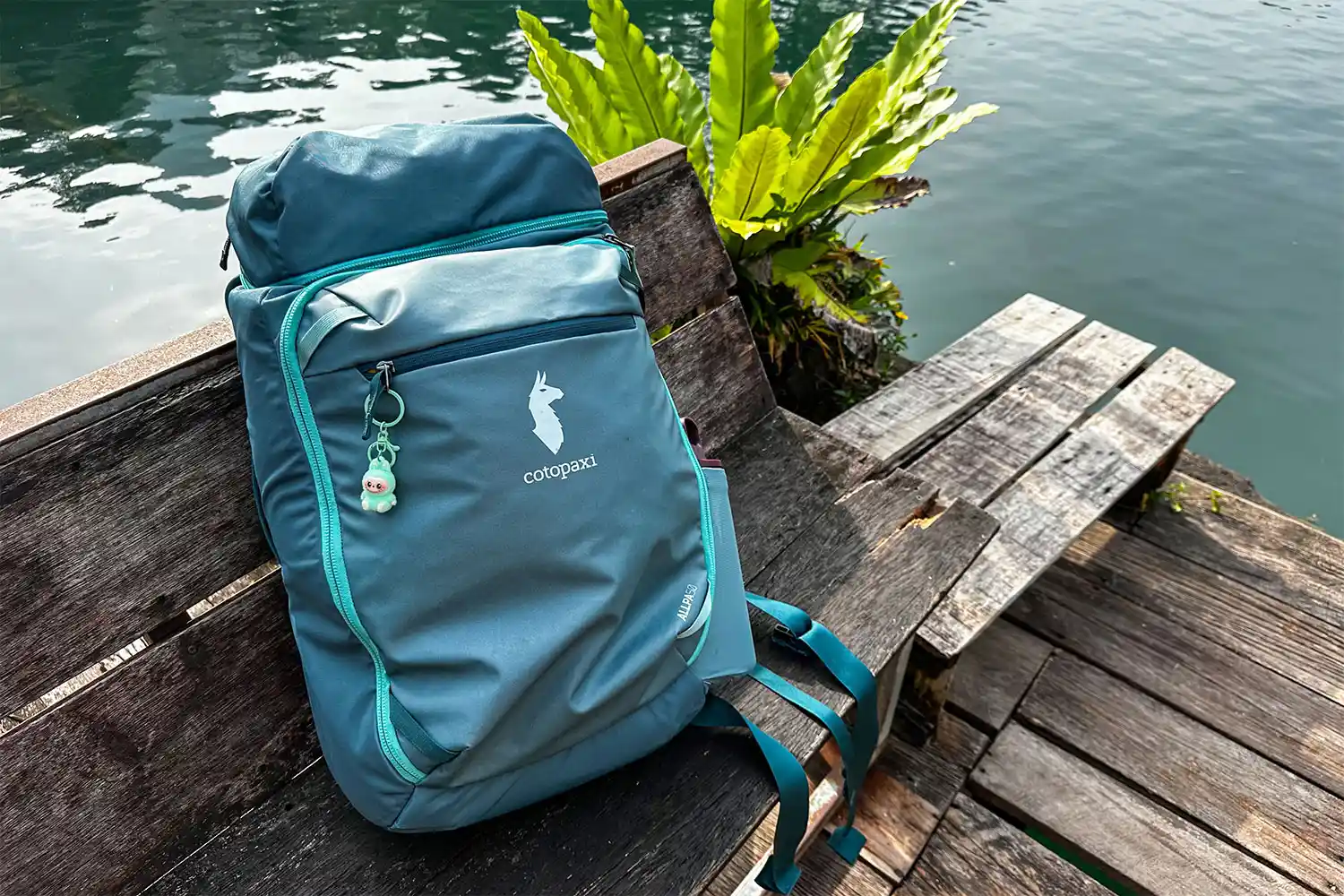
| Cotopaxi Allpa 35L | 35L | 3.4 lbs | Built-in organization |
| Aer Travel Pack 3 | 35L | 3.7 lbs | Urban / Minimalist style |

FAQ
Is a travel backpack better than a rolling suitcase?
A travel backpack is generally better for travelers who prioritize mobility, as it allows for hands-free movement over difficult terrain like stairs, cobblestones, and dirt paths. While rolling suitcases are easier on your back in flat airport terminals, they become a liability in many international cities with historic infrastructure.
What features should I look for in an international travel backpack?
Look for a clamshell opening for easy access, a technical harness system with a padded hip belt for comfort, and dimensions that meet airline overhead bin regulations. Additionally, prioritize water-resistant materials and lockable zippers to protect your gear from the elements and theft.
How do I pack a carry-on backpack for a week-long trip?
Use compression packing cubes to save space and keep your items organized. Stick to a minimalist packing list featuring multi-use items and odor-resistant fabrics like merino wool, which can be worn multiple times between washes. Always wear your bulkiest items, like boots and jackets, on the plane to save space inside the pack.
Do backpacks always fit in the overhead bin?
Not always, but most bags between 35L and 45L are designed specifically to meet international carry-on standards. However, budget airlines often have stricter size and weight limits, so it is crucial to check your specific airline's requirements before heading to the airport.
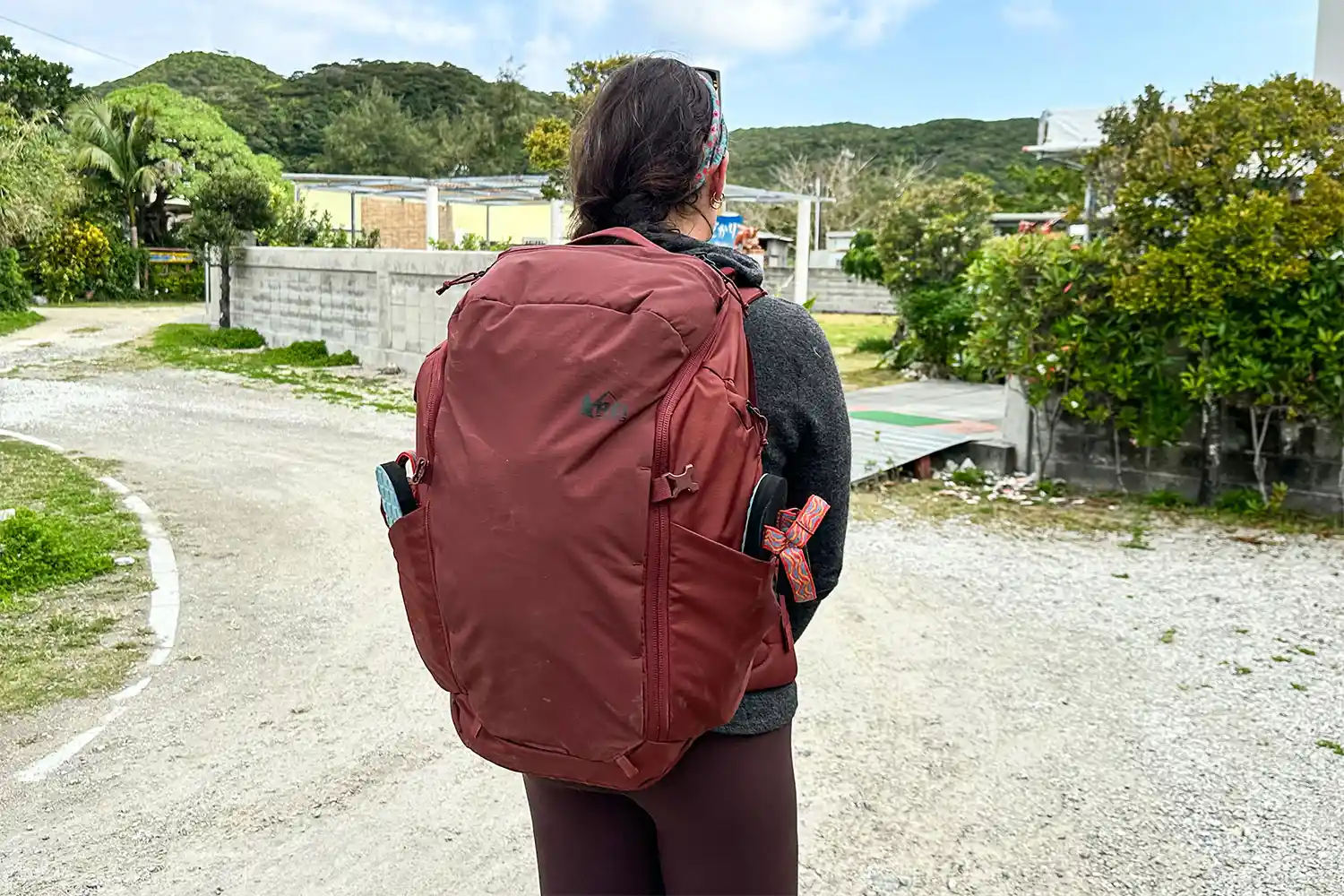
The freedom of ditching the wheels isn't just about avoiding a few bumps in the road; it is about changing your entire perspective on travel. When you carry everything you need on your back, you stop being a spectator and start being an explorer. Audit your gear, find a pack that fits your torso, and get ready to experience the world without the weight of the world dragging behind you.